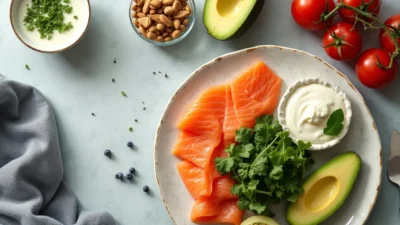
Sleep and Nutrition: A Hidden Connection

Most people think healthy eating is all about what you put on your plate — more veggies, fewer processed snacks, balanced meals, mindful portions. But here’s the surprising truth: your eating habits are shaped long before you open the fridge. They’re shaped while you sleep. 😴✨
Or more accurately… while you don’t.
Modern research shows a powerful, often overlooked connection between poor sleep and poor food choices. When you’re tired, your body goes into survival mode: hunger hormones spike, cravings intensify, willpower drops, and suddenly your perfectly built eating intentions unravel. 🍫🍟
And it’s not about “lack of discipline.”
It’s biology, chemistry, metabolism — the invisible systems that keep you energized, balanced, and in control.
A restless night can change your appetite the next day, alter how your brain responds to food, disrupt digestion, and even interfere with how your body stores or burns energy. So if you’ve ever wondered why you crave sweets after a late night, why you snack mindlessly when you’re exhausted, or why your healthy eating routine falls apart when you’re stressed… it’s not your imagination. It’s science.
In this guide, we’ll break down 10 surprising, science-backed ways that poor sleep can quietly sabotage your nutrition goals — from cravings and metabolism changes to emotional eating and long-term habit erosion. Understanding these links can transform not only how you eat, but how you feel every day.
Sleep Disruption Raises Hunger Hormones

When you don’t sleep well, your body sends out mixed signals — and most of them say: “Feed me, now.” 😩
Poor sleep disrupts the delicate balance of two key hormones that regulate appetite:
- Ghrelin — your “I’m hungry” hormone
- Leptin — your “I’m full” hormone
After a bad night’s sleep, ghrelin levels rise, making you feel hungrier than usual, while leptin levels drop, meaning you don’t feel satisfied even after eating. It’s a double hit: you crave more food and feel less full from it.
This hormonal shift explains why:
- breakfast feels suddenly urgent
- portion sizes creep up
- snacks become irresistible
- you keep grazing, even when you “should” be full
- sugary or high-calorie foods feel more rewarding
Basically, your body is trying to compensate for low energy by pushing you to eat more — especially quick, high-energy foods that spike blood sugar fast.
And because these effects can last the entire day (and sometimes even longer), one night of poor sleep can sabotage even the strongest nutrition intentions.
Fatigue Undermines Willpower & Healthy Choices

When you’re well-rested, making healthy choices feels doable. You reach for balanced meals, you think clearly about portion sizes, and you have the energy to cook instead of defaulting to takeout. But when you’re exhausted? Everything changes.
Sleep deprivation doesn’t just make you tired — it impairs your self-control and decision-making abilities. 🧠⚡
Your prefrontal cortex (the part of your brain responsible for planning, discipline, and rational choices) becomes sluggish, while the reward centers light up like fireworks. Suddenly:
- that donut looks way more tempting
- you lose motivation to cook
- junk food feels easier and “justified”
- you’re less likely to read labels
- impulse eating becomes automatic
- balanced meals feel like too much effort
Fatigue essentially lowers your “nutrition IQ” for the day. You know what you should eat — but your brain doesn’t have the energy to follow through. Studies show that tired brains crave instant gratification and comfort foods, making it much harder to resist convenience snacks or emotional eating.
It’s not about weakness. It’s about biology.
And once your willpower takes a hit, even your best intentions can fall apart by lunchtime.
Altered Metabolism — How Sleep Affects Blood Sugar & Fat Storage

A bad night’s sleep doesn’t just make you tired — it changes the way your body uses food. Even one night of poor sleep can throw your metabolism off balance, making it harder to maintain stable energy and easier for your body to store fat. ⚖️🔥
When you’re sleep-deprived, several things happen under the surface:
💥 Reduced insulin sensitivity
Your cells become less responsive to insulin, meaning glucose stays in your bloodstream instead of being used for energy. This leads to:
- sharper blood sugar spikes
- energy crashes
- stronger cravings afterward
- a higher tendency to store excess glucose as fat
It’s the metabolic equivalent of being stuck in traffic: everything slows down, and nothing moves efficiently.
💥 Slower resting metabolism
Your body burns fewer calories at rest when it’s tired. This means the same meals you normally handle without issue may be more likely to contribute to weight gain when sleep is lacking.
💥 Increased fat storage signals
Hormonal changes linked to poor sleep (including cortisol spikes) encourage the body to hold onto fat — especially belly fat.
It’s a survival response: your body senses stress and tries to conserve energy.
💥 More cravings for “quick fuel”
Sugar and refined carbs feel extra appealing because they give your body fast energy — even though that energy burns out quickly, leaving you in a cycle of fatigue and hunger.
In short:
Poor sleep makes your body both hungrier and less efficient at using the food you eat.
It’s a perfect storm for disrupted blood sugar, fluctuating energy, and inconsistent eating habits.
Cravings for Sugary & High-Fat Foods Increase

After a poor night of sleep, your body doesn’t just feel tired — it starts demanding fast energy. And what delivers that quickest? Sugary snacks, refined carbs, and high-fat comfort foods. 🍩🍕🍫
This is one of the most common (and most frustrating) consequences of sleep loss:
your cravings shift dramatically.
💥 Your brain becomes “reward-hungry”
When you’re sleep-deprived, the brain’s reward center (the nucleus accumbens) becomes more sensitive to pleasurable foods. This means junk food doesn’t just look tempting — it feels extra rewarding.
💥 Your impulse control drops
Those tempting snacks? You’re far less able to resist them. Sleep loss reduces activity in the prefrontal cortex, the area responsible for logic and self-control.
💥 Your body wants fast fuel
Exhaustion triggers the search for quick calories that spike blood sugar:
- sweets
- pastries
- chips
- chocolate
- fast food
- anything high in fat or carbs
It’s not emotional weakness — it’s physiology.
💥 Sweet and salty foods “light up” the tired brain
You’re more likely to overeat these foods because your brain’s internal reward system is trying to compensate for low energy and high fatigue.
💥 Less appeal for fresh, whole foods
Studies show that tired people find vegetables, protein, and whole grains less appealing — not because they don’t want them, but because their brains prioritize instant gratification.
Poor Sleep Disrupts Meal Timing & Eating Patterns

A tired body doesn’t just change what you eat — it changes when you eat. Poor sleep can throw your whole eating rhythm off balance, creating unpredictable hunger patterns and chaotic meal timing that undermine healthy habits. ⏰🍽️
💥 Late-night snacking becomes more common
When you’re awake longer, you simply have more hours available to eat. Combine that with increased hunger hormones, and late-night trips to the kitchen become much harder to resist.
💥 Breakfast often gets skipped
After a rough night, many people feel too tired or rushed in the morning to make a proper meal. This leads to:
- unstable blood sugar
- stronger cravings later
- overeating by midday
It’s a chain reaction that starts within the first hour of waking up.
💥 You snack more during the day
Fatigue leads to constant grazing because your body keeps asking for quick boosts of energy. Small snacks turn into bigger ones, and appetite regulation becomes messy.
💥 Emotional or stress-driven eating increases
When you’re tired, the brain turns to food for comfort and stimulation. This often means eating without hunger cues — especially in the evening.
💥 Mealtimes lose structure
You might notice patterns like:
- eating lunch much later
- mixing meals and snacks
- overeating at dinner
- a general feeling of being “out of sync”
💥 Nighttime hunger signals intensify
The circadian clock becomes disrupted, making you feel hungry at times when your digestion is naturally slower.
Sleep Loss Impairs Digestive Processes and Gut Health

Sleep and digestion are more connected than most people realize. When you don’t sleep well, your gut feels it — sometimes immediately, sometimes in subtle ways that build over time. And when your gut is unhappy, your eating habits often follow. 🌙➡️🥣
Here’s how poor sleep disrupts your digestive system:
💥 Slower digestion & sluggish metabolism
Your gut has its own circadian rhythm. When your sleep is off, your digestive clock falls out of sync, leading to:
- bloating
- slower motility
- heaviness after eating
- discomfort even after normal meals
This can make you crave lighter, less nutritious foods — or, ironically, more comfort food.
💥 Increased inflammation in the gut
Sleep deprivation raises inflammatory markers, which can irritate the digestive tract and trigger discomfort. Over time, this can also affect nutrient absorption.
💥 Gut microbiome imbalance
Your gut bacteria depend on consistent sleep-wake cycles. Poor sleep alters the composition of the microbiome, reducing beneficial bacteria and encouraging strains linked to:
- increased hunger
- higher cravings
- weight gain
- reduced ability to regulate blood sugar
A disrupted microbiome can directly influence appetite and mood — making healthy eating harder.
💥 Heightened sensitivity to certain foods
When your body is tired, it becomes more reactive, meaning foods you normally tolerate well may cause more digestive distress. This often leads people to restrict food too much or reach for “safe,” usually less nourishing options.
💥 Cortisol spikes worsen gut symptoms
Lack of sleep increases stress hormone levels, which can trigger digestive symptoms like:
- stomach tightness
- indigestion
- acid reflux
And when eating becomes uncomfortable, meal choices shift toward convenience or emotional eating.
Sleep Deprivation Dulls Taste Sensitivity & Food Enjoyment

Here’s something most people never expect:
bad sleep can actually change how food tastes. 😮🧂
When you’re running on too little rest, your brain becomes less responsive to subtle flavors and sensory cues. Foods that normally feel satisfying and flavorful suddenly seem… flat. And what happens when food feels less rewarding? You start seeking stronger, more stimulating tastes.
💥 Reduced taste sensitivity
Sleep loss dulls your ability to detect:
- sweetness
- saltiness
- richness
- balanced flavors
Your brain essentially craves more of everything to achieve the same level of satisfaction.
💥 More salt, more sugar, more fat
To make food taste “right,” tired people tend to:
- add extra salt
- crave sweeter foods
- choose richer sauces or fried options
- lean toward processed snacks that deliver instant flavor hits
This isn’t about indulgence — it’s sensory compensation.
💥 Healthy foods feel less appealing
When your taste sensitivity drops, things like:
- vegetables
- lean proteins
- whole grains
- lightly seasoned meals
can feel bland or “not worth it,” steering you toward heavier, more stimulating foods.
💥 Overeating becomes easier
If food isn’t satisfying your senses, you often eat more of it in an attempt to feel content — a natural feedback loop that tired brains amplify.
💥 Emotional eating increases
Because food feels less enjoyable, people are more likely to chase novelty or comfort foods to feel emotionally soothed.
Mental Health, Stress & Emotional Eating

When you’re short on sleep, it’s not just your body that suffers — your emotional world gets shaken, too. Poor sleep increases stress, heightens anxiety, and lowers your resilience to everyday frustrations. And all of this directly shapes how you eat. 🌧️➡️🍰
💥 Mood swings trigger emotional eating
Lack of sleep makes the brain more reactive to negative emotions. A tired mind struggles to regulate:
- sadness
- irritation
- anxiety
- overwhelm
Food becomes an easy source of comfort or distraction — especially foods rich in sugar and fat.
💥 Higher cortisol levels change appetite
Cortisol, your main stress hormone, spikes when you’re sleep-deprived. This leads to:
- stronger cravings
- increased appetite
- more frequent snacking
- preference for “quick energy” foods
It’s your body’s way of trying to stabilize your mood and energy — but the effect is short-lived.
💥 Comfort food feels more rewarding
The tired brain’s reward system becomes hypersensitive, making comfort foods feel extra soothing. This is why chocolate, chips, pastries, and fast food suddenly feel like emotional life-rafts on tough days.
💥 Motivation to cook decreases
When you’re emotionally drained, the idea of preparing a healthy meal can feel overwhelming. This often leads to:
- skipping meals
- ordering takeout
- choosing convenience foods
- relying on snacks instead of balanced plates
💥 Sleep loss increases rumination
Overthinking and emotional spiraling are more common on low sleep, and these mental loops often lead to mindless eating.
Sleep Loss Erodes Long-Term Healthy Habits
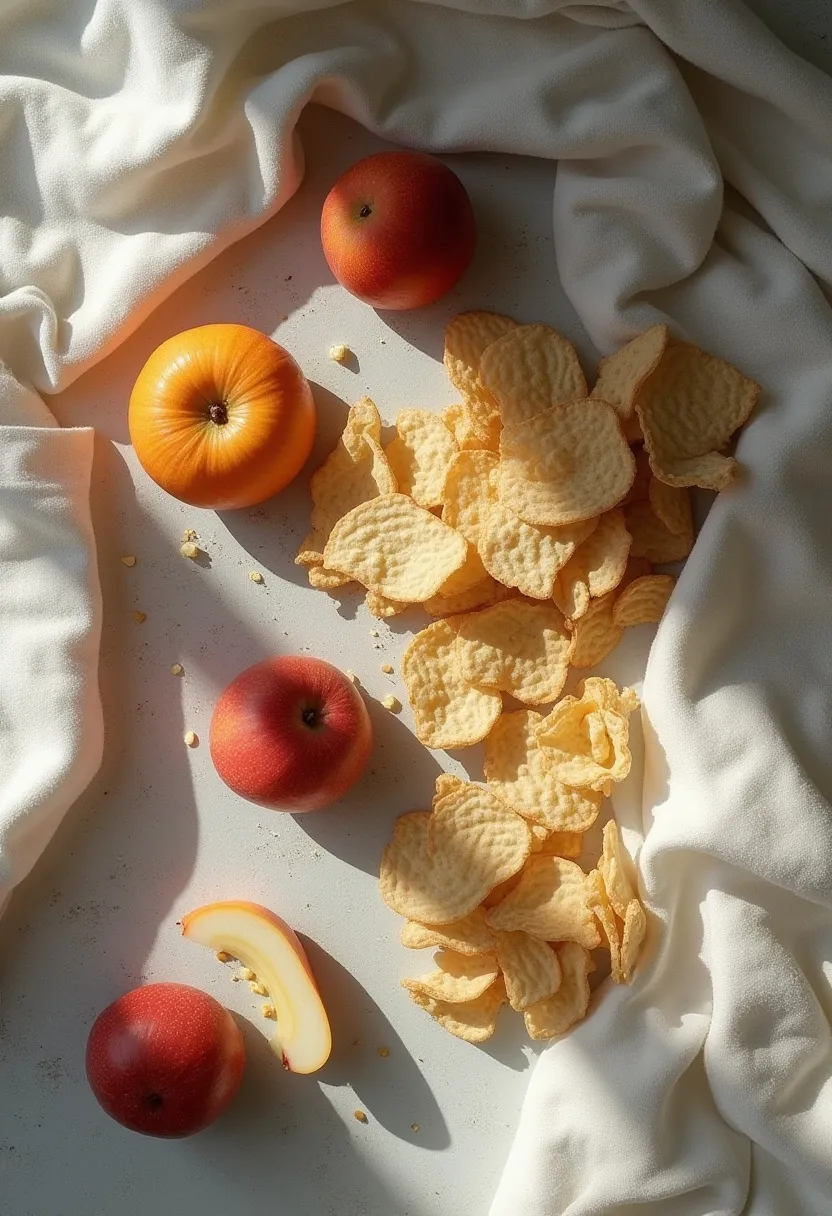
A single night of poor sleep can disrupt your eating choices for a day — but chronic sleep loss can quietly unravel your long-term healthy habits. This is where small, tired decisions become patterns, and patterns become lifestyles. 🌙➡️📉
When you’re consistently running on low energy, several foundational behaviors begin to slip:
💥 Reduced motivation to cook
Healthy eating often requires:
- grocery shopping
- meal planning
- chopping
- cooking
- cleaning
But when you’re exhausted, these steps feel overwhelming.
You default to: - takeout
- frozen meals
- skipping balanced plates
- relying on snacks instead of meals
💥 Less interest in physical activity
Exercise boosts metabolism, regulates appetite, and improves sleep — but tiredness makes workouts feel impossible. This leads to a cycle of low movement → disrupted sleep → lower energy → poorer food choices.
💥 Inconsistent meal structure
When sleep is unstable, so are your eating routines:
- breakfast becomes optional
- lunches become rushed
- dinners get heavier
- nighttime snacking increases
Healthy habits thrive on routine, and sleep loss disrupts that rhythm.
💥 Greater reliance on convenience foods
Tired brains crave speed and ease:
- prepackaged snacks
- fast food
- sugary beverages
- anything with minimal effort
These become “go-to” options, slowly replacing fresher, more nourishing meals.
💥 Lower resilience to stress and decision fatigue
A well-rested mind can evaluate choices calmly. A sleep-deprived one?
It defaults to comfort, convenience, and instant pleasure — the opposite of long-term health choices.
Conclusion — Prioritizing Sleep to Support Healthy Eating & Well-Being

Sleep isn’t just another piece of the wellness puzzle — it’s the foundation. When you sleep well, everything else falls into place more easily: your cravings stay balanced, your metabolism works efficiently, your emotions feel steadier, and healthy eating becomes a natural choice instead of an exhausting battle. 😴✨
What this guide reveals is simple but powerful:
You can’t out-diet or out-willpower poor sleep.
When you’re tired, your body shifts into survival mode — craving quick calories, seeking emotional comfort, and struggling to make mindful decisions. Even your taste buds and digestion change. No wonder staying on track feels so hard.
The good news?
Improving your sleep doesn’t require perfection — just small, consistent habits: gentler evenings, predictable routines, reduced screen time, better sleep hygiene, and listening to your body’s cues. These steps create a ripple effect that naturally strengthens your eating habits, boosts your energy, and stabilizes your mood.
Healthy eating isn’t just about what you choose during the day —
it starts the night before.
Prioritize your sleep, and you’ll be amazed at how effortlessly the rest begins to fall into place.
FAQ — Questions About Sleep & Nutrition

1. How many hours of sleep do I need for healthy eating habits?
Most adults need 7–9 hours of quality sleep per night. Anything below this range increases hunger hormones, cravings, and impulsive food choices the next day.
2. Can one bad night of sleep ruin my diet?
Not permanently — but it can disrupt the next day’s eating. You may feel hungrier, crave sugary foods, or snack more often. Getting good rest the following night usually resets things.
3. Why do I crave sweets when I’m tired?
Sleep loss increases ghrelin (hunger hormone) and decreases leptin (satiety hormone). Your brain also becomes reward-driven and seeks fast energy, making sweets and carbs extra tempting.
4. Should I avoid eating late at night if I didn’t sleep well?
Ideally, yes. Late-night eating can worsen digestion, spike blood sugar, and disrupt your sleep rhythm even more. If you’re truly hungry, choose something light and balanced like yogurt or fruit.
5. Does napping help reduce cravings?
Short naps (20–30 minutes) can improve alertness and reduce the urge to snack, but they don’t fully replace nighttime sleep. Still, they can help break the cycle if you’re exhausted.
6. Can improving my sleep help with weight loss?
Absolutely. Better sleep supports stable appetite hormones, improves metabolism, boosts energy for movement, and strengthens willpower — all of which naturally support weight management.
7. What’s the best way to get my sleep back on track?
Try focusing on:
- a consistent bedtime and wake time
- limiting screens before bed
- reducing caffeine after midday
- calming evening routines
- light, early dinners
- a comfortable, cool sleep environment
Even small adjustments can dramatically improve sleep quality.
8. How long does it take to see improvements in eating habits after sleeping better?
Often within a few days. Hunger levels stabilize, cravings decrease, and making healthier choices feels easier and more natural.