

There’s a particular kind of discomfort that sneaks up on you — the kind that sits quietly in your belly after a long day. Maybe it’s bloating that makes your clothes feel tighter. Maybe it’s that heavy, slow feeling after meals. Or maybe it’s the quiet discomfort you’ve simply learned to “live with.”
Your gut speaks in whispers like these long before anything serious happens.
And the truth is, digestion isn’t just about what happens after you eat — it’s about how your whole body feels. Your energy, your mood, your sleep, your focus… they all trace back to how well you digest and absorb your food.
Modern life doesn’t always make it easy. We rush meals, skip fiber, grab snacks on autopilot, eat at our desks, and sit more than we move. Stress alone can make your stomach tighten before you’ve even taken a bite.
But here’s the comforting part: your gut is incredibly responsive to small changes.
The gentlest shifts — warm meals, more fiber, steady hydration, a calmer eating pace — can bring a remarkable amount of relief.
This guide is your invitation to tune in, soften your habits, and choose foods that support digestion rather than challenge it.
Not through strict rules or complicated plans, but through everyday meals and rituals that help your gut feel lighter, calmer, and more at ease.
Understanding Digestion — What Your Body Actually Needs
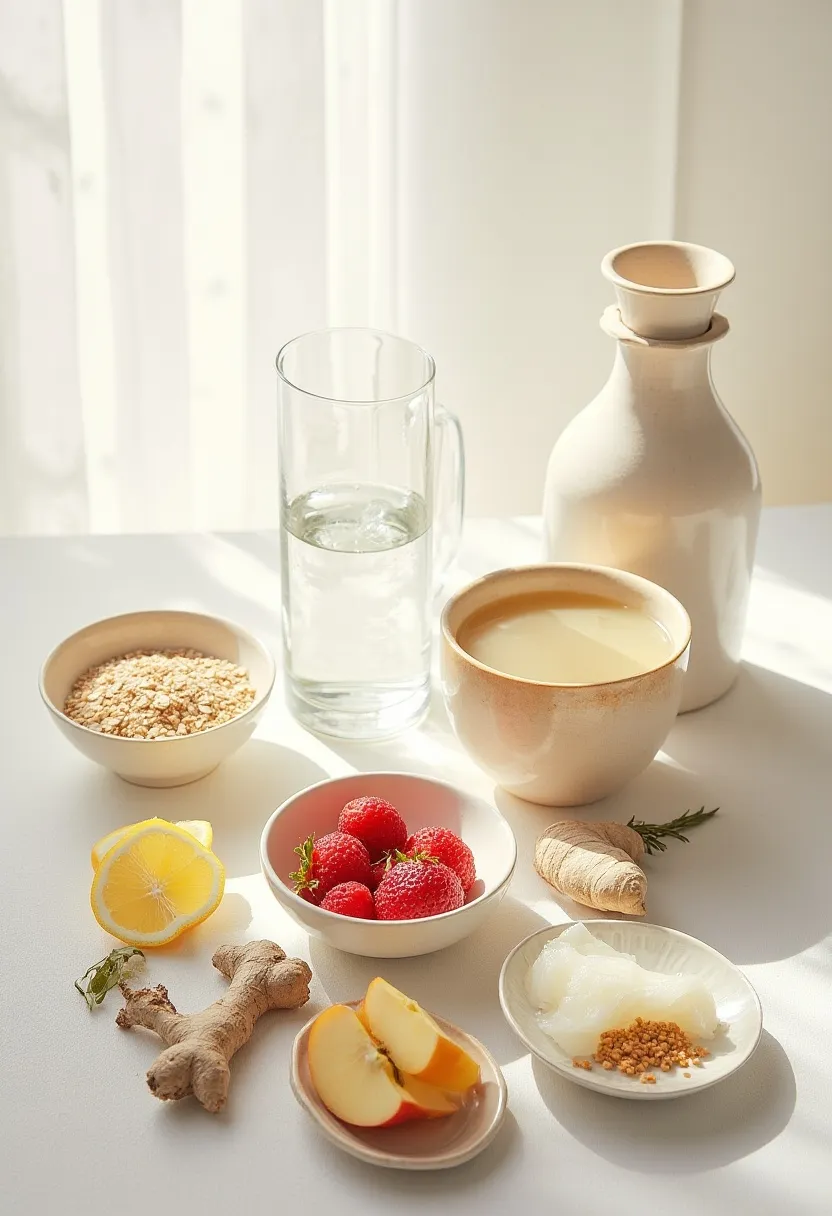
Digestion is one of those quiet processes you don’t think about until it stops feeling smooth. But at its core, it’s beautifully simple: your body takes in food, breaks it down, absorbs the nutrients, and moves the rest along.
When this flow works well, everything feels lighter. When it doesn’t, you feel it everywhere — in your energy, mood, skin, sleep, even your ability to focus.
Your gut isn’t asking for perfection. It’s asking for support — the little things that help it do its job with ease.
Your Gut Loves Rhythm
Your digestive system works best with consistency:
- eating meals at roughly the same times
- not skipping long stretches followed by overeating
- finding a gentle daily rhythm
This helps your gut stay calm instead of constantly catching up.
Fiber: The Gentle Engine of Digestion
Fiber is what keeps everything moving — but it’s also what feeds your gut microbiome, supports bowel regularity, and prevents that heavy, stuck feeling.
(We’ll explore it deeply in the next section.)
Hydration—The Forgotten Digestive Tool
Even slight dehydration can slow digestion.
Liquids help soften food, support movement through the gut, and keep things flowing comfortably.
Water, herbal teas, broth… your gut appreciates all of them.
Movement Helps More Than You Think
A simple walk after meals can do wonders:
it stimulates digestion, reduces bloating, and helps your body process food with less effort.
You don’t need a workout — just gentle movement.
Stress: Digestion’s Silent Disruptor
Your gut and nervous system are deeply connected.
When you’re stressed, your body shifts away from digestion and into “alert mode,” making food feel heavier, slower, or uncomfortable.
Small calming habits before meals — a few deep breaths, a warm drink, softer lighting — can make digestion noticeably smoother.
The Body’s Message Is Clear
Your gut wants calm.
It wants steady nourishment.
It wants hydration, gentle movement, and meals that make sense for your rhythm.
And most importantly — it wants you to listen.
Fiber: Your Gut’s Best Friend (When Added Gently!)
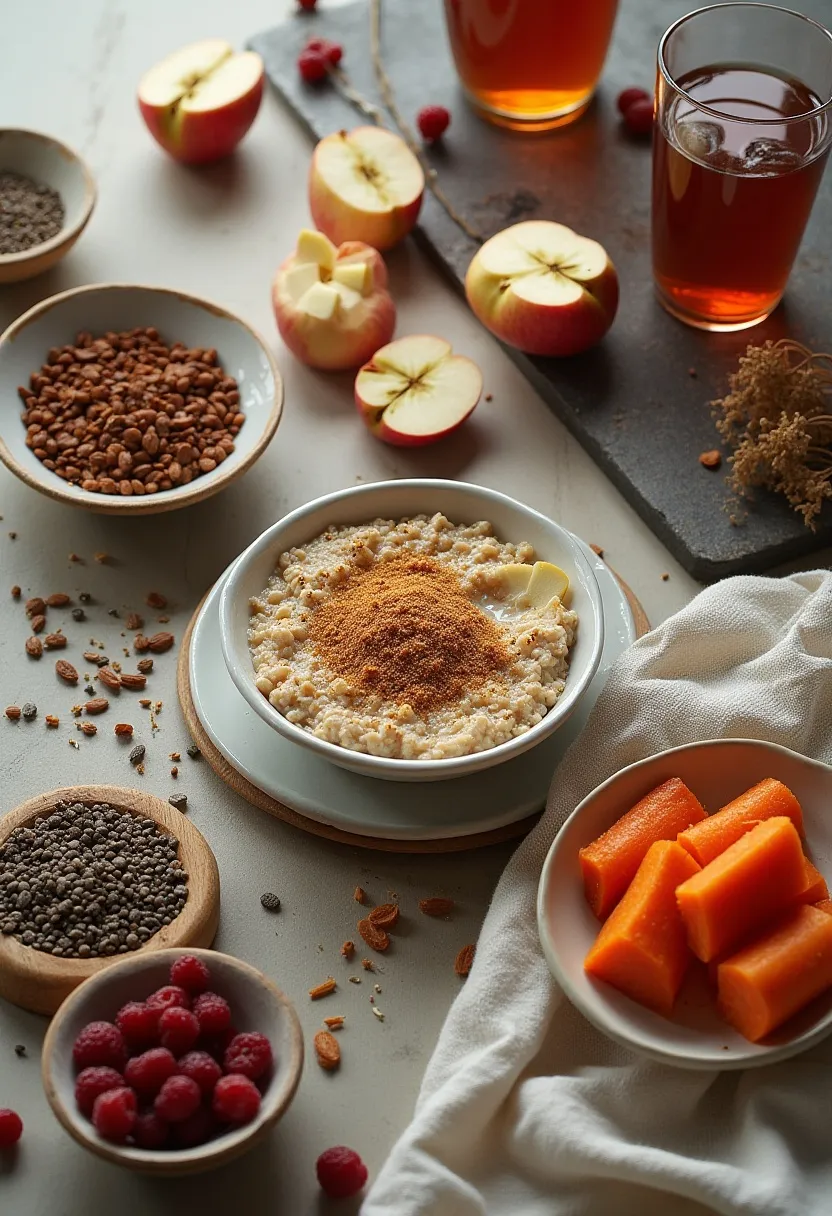
If there’s one nutrient your gut relies on more than any other, it’s fiber.
It keeps everything moving, feeds the friendly bacteria in your microbiome, and helps prevent that sluggish, heavy feeling after meals.
But — and this is the part people often miss — fiber works best when it’s added slowly and paired with enough hydration.
When you get the balance right, it’s like giving your digestive system a quiet, steady boost every day.
Two Types of Fiber — Both Essential, Both Helpful
Your gut loves variety, so it thrives on two kinds of fiber:
1. Soluble Fiber — The Soother
This type dissolves in water and forms a gentle gel in your gut, helping:
- support regularity
- keep blood sugar steady
- feed good gut bacteria
- soften digestion
Found in: oats, apples, citrus, beans, lentils, barley, sweet potatoes, chia seeds.
Think of it as the comforting blanket of the fiber world.
2. Insoluble Fiber — The Mover
This type adds bulk and helps everything pass through smoothly.
It’s essential for preventing constipation and supporting bowel regularity.
Found in: wholegrains, wheat bran, vegetables, nuts, skins of fruits.
This is the broom of the digestive system — gentle, but effective.
Your gut needs a blend of both for a happy, feel-good rhythm.
Why Adding Too Much Fiber Too Quickly Backfires
Fiber is powerful — but when you suddenly jump from low fiber to high fiber, your gut can react with:
- bloating
- gas
- abdominal discomfort
- irregularity
It’s not the fiber’s fault — it’s simply your gut being surprised.
Go slow. Let your gut adjust.
Small additions build big benefits.
How to Add Fiber Gently (Without Upsetting Your Stomach)
A few simple habits make all the difference:
- Add one high-fiber food a day, not five.
- Choose gentle sources like oats, beans, berries, or cooked vegetables.
- Drink water consistently — fiber needs it to work.
- Cook your vegetables instead of eating them raw.
- Mix new high-fiber ingredients into cozy meals (soups, porridges, stews).
This is the kind of slow build your gut will thank you for.
The “Cozy Fiber” Approach
Fiber doesn’t have to be rough, crunchy, or raw.
In fact, warm, soft meals are often the most gut-friendly way to add it:
- oatmeal with berries
- lentil soup
- stewed apples
- roasted vegetables
- bean-based stews
- quinoa or barley in warm bowls
These foods soothe your gut while supporting it — comfort and function in one bite.
When you add fiber gently, consistently, and with plenty of hydration, digestion becomes smoother, lighter, and far more comfortable.
Prebiotics & Probiotics — Feeding the Gut’s “Good Guys”
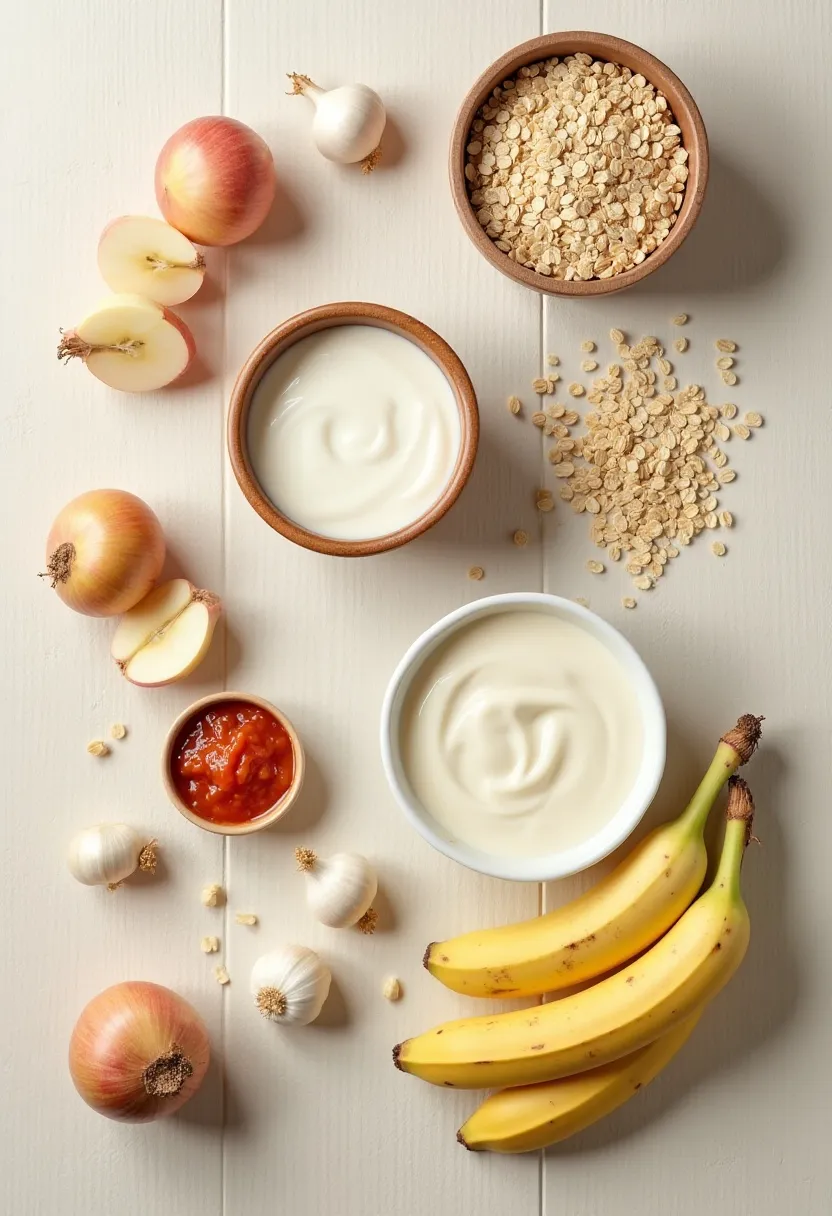
Deep in your digestive system lives an entire community — trillions of tiny microorganisms that quietly support your health every single day. They help break down food, protect your gut lining, guide your immune system, and even influence mood and energy.
And like any community, they thrive when they’re well-fed and well-balanced.
That’s where prebiotics and probiotics come in — the gut’s longtime partners.
Probiotics: The Friendly Residents
Probiotics are the beneficial bacteria themselves.
You can think of them as the “good guys” that help keep your gut environment balanced, calm, and resilient.
They support:
- smoother digestion
- steadier bowel movements
- reduced bloating
- better immune function
- improved overall gut comfort
Where to find them (simple everyday foods):
- yoghurt with live cultures
- kefir
- sauerkraut
- kimchi
- kombucha
- miso
- tempeh
No fancy supplements needed — just a daily spoonful or sip of something fermented.
Prebiotics: The Food That Feeds Them
If probiotics are the friendly residents, prebiotics are their groceries.
These special fibers feed your beneficial bacteria, helping them grow stronger and more abundant.
Where to find them:
- onions
- garlic
- leeks
- bananas
- oats
- apples
- beans & lentils
- asparagus
- artichokes
- barley
Prebiotics are subtle, gentle, and easy to tuck into cozy meals.
Why You Need Both
Probiotics bring good bacteria in.
Prebiotics help them stay, grow, and thrive.
Together, they support a gut environment that feels balanced, light, and comfortable.
Imagine it like this:
Probiotics move in. Prebiotics make sure the fridge is full.
Easy Ways to Combine Them (Without Overthinking)
Gut-friendly meals don’t need to be complicated — most combinations happen naturally:
- yoghurt + berries + oats
- lentil soup with garlic and leeks
- miso broth with tofu and vegetables
- roasted vegetables with chickpeas and garlic
- kefir smoothie with banana and flaxseed
- kimchi stirred into a warm grain bowl
These are simple, cozy meals that quietly support digestion from the inside out.
Go Slow & Listen to Your Gut
If you’re new to fermented foods, add them one at a time.
Your microbiome needs a moment to adjust — a few spoonfuls a day is enough to start seeing benefits.
Your gut doesn’t demand perfection.
It just wants a steady supply of the foods that help its little ecosystem thrive.
Hydration, Warmth & the Power of Simple Cooking Methods

When digestion feels off, we often jump straight to “what should I eat?”
But sometimes the answer lies not in what you eat, but how you eat it — the temperature, the texture, the cooking method, the liquids that accompany your meal.
Your gut is incredibly sensitive to all these quiet details.
The good news?
Small shifts can make food feel significantly lighter, calmer, and easier to process.
Warmth: Your Gut’s Natural Ally
Warm meals tend to be gentler on digestion because they’re easier for your gut to break down.
There’s a reason soups, stews, roasted vegetables, and lightly cooked grains often bring instant comfort.
Warm foods can:
- relax the digestive tract
- soothe bloating
- reduce digestive “workload”
- support smoother movement through the gut
Think cozy, not scorching — gentle warmth is what helps most.
Hydration: The Quiet Hero of Better Digestion
Water plays a role in nearly every step of digestion.
It helps break down food, keeps the digestive tract lubricated, and supports regular bowel movements.
Even mild dehydration can cause:
- constipation
- heaviness
- cramping
- slower digestion
Your gut loves:
- water
- herbal teas
- warm lemon water
- broth
- diluted juice (occasionally)
Sipping throughout the day works better than chugging once.
Liquid-Rich Meals = Natural Gut Support
Meals that naturally include fluids are often the most soothing:
- soups
- stews
- brothy bowls
- oats cooked with water or milk
- smoothies (if your gut tolerates them well)
These meals “pre-hydrate” your food — making digestion easier from the start.
Gentle Cooking Methods Make a Big Difference
You don’t need complicated techniques to make gut-friendly meals.
In fact, the simplest methods are often the best:
Steaming
Softens vegetables without losing nutrients. Easy on the stomach.
Roasting
Brings out sweetness in veg like carrots, squash, and sweet potatoes — all naturally soothing.
Simmering
Perfect for soups and stews that soften ingredients and add helpful hydration.
Sautéing
Quick, light, flavorful — especially with garlic, ginger, or herbs.
These techniques transform ingredients into softer, easier-to-digest textures without sacrificing flavor.
Avoiding Extremes Makes Digestion Happier
Your gut doesn’t enjoy:
- very spicy foods (can irritate)
- very greasy foods (slow digestion)
- heavy, dense meals late at night
- freezing-cold foods on an empty stomach
You don’t need to eliminate these entirely — just be mindful when your gut feels sensitive.
Warm, simple meals are often the quickest way to find comfort again.
When you combine hydration, warmth, and gentle cooking, your food becomes not only nourishing — but soothing.
This is the kind of quiet care your gut feels immediately.
Gut-Friendly Meals for Everyday Ease

Gut-friendly meals don’t need to be bland or restrictive.
In fact, some of the most soothing dishes are naturally flavorful, warm, and satisfying — the kind of meals that leave you feeling lighter, calmer, and nourished from the inside out.
These six options rely on gentle fibers, warm textures, hydration-rich bases, and simple ingredients your digestive system knows how to handle.
1. Warm Oat Bowl with Berries & Seeds
A classic for a reason.
Oats offer soluble fiber that supports easy digestion, while berries add antioxidants and natural sweetness.
A sprinkle of chia or flaxseed gives your microbiome something to smile about.
It’s a soft, warm start to the day — and your gut will love every spoonful.
2. Lentil & Carrot Soup with Ginger
This soothing, silky soup combines red lentils (which cook down beautifully) with carrots, ginger, and gentle spices.
It’s warming, fiber-rich, and naturally creamy without dairy.
Perfect for bloated, heavy, or low-energy days.
3. Yoghurt Bowl with Fruit, Nuts & Flaxseed
A simple, no-cook meal that feeds your gut’s “good guys.”
Yoghurt provides probiotics, fruit adds prebiotic fibers, and flaxseed brings omega-3s.
It’s refreshing, balanced, and ideal when your gut wants something light but satisfying.
4. Roasted Vegetables with Quinoa & Olive Oil
Roasting brings out the natural sweetness in vegetables like carrots, squash, zucchini, and sweet potatoes — all gentle on digestion.
Serve them over warm quinoa with a drizzle of olive oil and herbs.
It feels nourishing, grounding, and deeply comforting.
5. Ginger-Chicken Broth Bowl with Rice & Greens
A warm, brothy bowl is like a hug for your digestive system.
Soft rice, tender chicken, wilted greens, and ginger create a soothing combination that hydrates and comforts in every bite.
It’s especially great after a stressful day or during gut flare-ups.
6. Stewed Apples with Yoghurt & Toasted Nuts
This dessert-for-dinner option is gentle, cozy, and incredibly gut-friendly.
Slow-cooked apples offer soluble fiber and natural sweetness, yoghurt adds probiotics, and toasted nuts give a warm, crunchy finish.
Perfect as a light meal or calming evening treat.
These meals aren’t just good for your gut — they’re meals that help you slow down, breathe deeper, and feel supported from the inside out.
Habits That Support Digestion Beyond Food

Eating the right foods matters — but digestion is a full-body experience.
Your gut responds not only to what’s on your plate, but to how you move, breathe, rest, and pace yourself throughout the day. Sometimes it’s the habits outside the kitchen that make the biggest difference.
These simple, grounding practices can bring more ease to your digestion without adding stress or complexity to your routine.
1. Slow Down When You Eat
Most digestive discomfort begins before food even hits your stomach — it starts with rushed bites and distracted meals.
Your gut works best when you give it time.
A few ways to slow down:
- put your fork down between bites
- take a breath before your first spoonful
- step away from screens while eating (even for 10 minutes)
Your gut can only process what you give it space to handle.
2. Chew More Than You Think You Need To
Digestion begins in the mouth.
Chewing breaks down food mechanically and mixes it with enzymes that kickstart the digestive process.
When you chew well:
- food reaches the stomach easier
- less bloating occurs
- nutrients absorb more efficiently
Aim to chew until the food feels soft and easy — your gut will feel the difference.
3. Add Light Movement After Meals
A short walk is one of the simplest digestive tools you have.
Just 5–10 minutes can:
- reduce bloating
- support blood sugar balance
- stimulate digestion
- ease heaviness after meals
Think of it as a gentle nudge for your gut.
4. Build a Predictable Eating Rhythm
Your digestive system loves routine.
Eating around the same times each day helps regulate appetite, bowel movements, and overall comfort.
This doesn’t need to be strict — just steady:
- three meals
- maybe a snack
- no long gaps followed by large, rushed meals
Consistency helps your gut relax.
5. Create Small Moments of Calm Before Eating
When you’re stressed, your body shifts away from digestion — it literally turns down digestive activity.
Tiny calming rituals can bring you back into “rest and digest” mode:
- a deep breath
- a warm drink
- soft lighting
- a quick pause before picking up your fork
These small signals tell your gut: you’re safe — you can slow down now.
6. Stay Hydrated Throughout the Day
Hydration doesn’t work on a “catch-up” basis — your digestive system prefers steady intake.
Sipping water or herbal tea regularly:
- softens stools
- supports bowel function
- eases the movement of food through the gut
- reduces digestive strain
Warm drinks are especially soothing.
7. Respect Your Body’s Cues
Fullness, hunger, discomfort, stress — your gut has a quiet way of speaking.
Listening helps you find the right foods and rhythms more naturally than any strict rule ever will.
These habits are small, gentle, and incredibly powerful.
When paired with gut-friendly foods, they create a calmer, more supportive digestive environment — one that helps you feel lighter, clearer, and more comfortable day to day.
Conclusion — A Calmer Gut, A Calmer You

When your digestion feels smooth, everything else in life feels just a little easier. Your energy is steadier. Your mind feels clearer. Meals become something to enjoy rather than something to worry about. And those quiet discomforts — the bloating, the heaviness, the irregularity — begin to soften.
What makes this especially encouraging is that better digestion doesn’t require dramatic changes.
It happens through small, steady choices: a warm bowl of oats, an extra handful of vegetables, a short walk after dinner, a slower pace at the table, a glass of water nearby, a calmer moment before you start eating.
Your gut responds to these gentle supports almost immediately.
Over time, they stack together, creating a rhythm that feels lighter, kinder, and more aligned with what your body needs.
Most importantly, improving digestion isn’t about restriction — it’s about comfort.
Comfort in your meals.
Comfort in your body.
Comfort in the everyday rituals that make you feel grounded and well.
A calmer gut truly creates a calmer you.
And with the foods and habits in this guide, you’re already moving toward that easy, steady, feel-good rhythm.



Great Post.
Great info.
I like your blog.
I like your blog.