Contents
- What Makes Turmeric So Powerful?
- Benefit #1 — It Fights Chronic Inflammation
- Benefit #2 — It’s Loaded with Antioxidants
- Benefit #3 — It Supports Brain Health
- Benefit #4 — It’s Good for Your Heart
- Benefit #5 — It May Help Prevent (and Fight) Certain Diseases
- Benefit #6 — It Supports Joint Health and Relieves Pain
- How to Actually Use Turmeric (So It Works)
- Conclusion
- Frequently Asked Questions
There’s a good chance you have turmeric sitting in your spice cabinet right now — maybe slightly forgotten, maybe only pulled out when you’re making curry. But this bright orange-yellow powder has been doing a lot more than adding color to your food for the past 4,000 years.
In Ayurvedic and traditional Chinese medicine, turmeric was used for everything from digestive issues to wound healing. And while ancient healers didn’t have clinical trials, it turns out they were onto something real.
Modern science has spent decades studying turmeric — more specifically, its active compound curcumin — and the results are genuinely interesting. Not miracle-cure interesting, but this-spice-deserves-a-lot-more-respect interesting.
In this article, you’ll find out exactly what turmeric does inside your body, which benefits are well-supported by research, and how to actually use it so you get the most out of it.
What Makes Turmeric So Powerful?
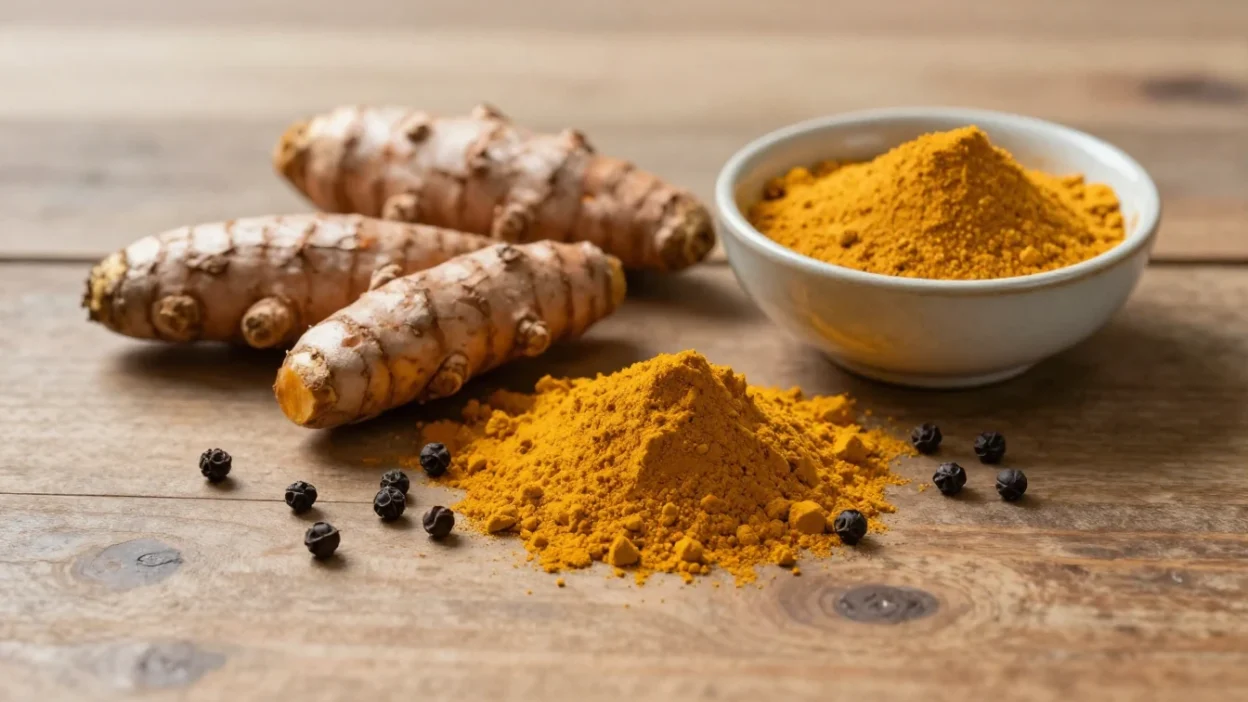
Before we get into the benefits, it helps to understand why turmeric works the way it does. Because it’s not really the spice itself that does the heavy lifting — it’s one specific compound hiding inside it.
The Active Compound — Curcumin
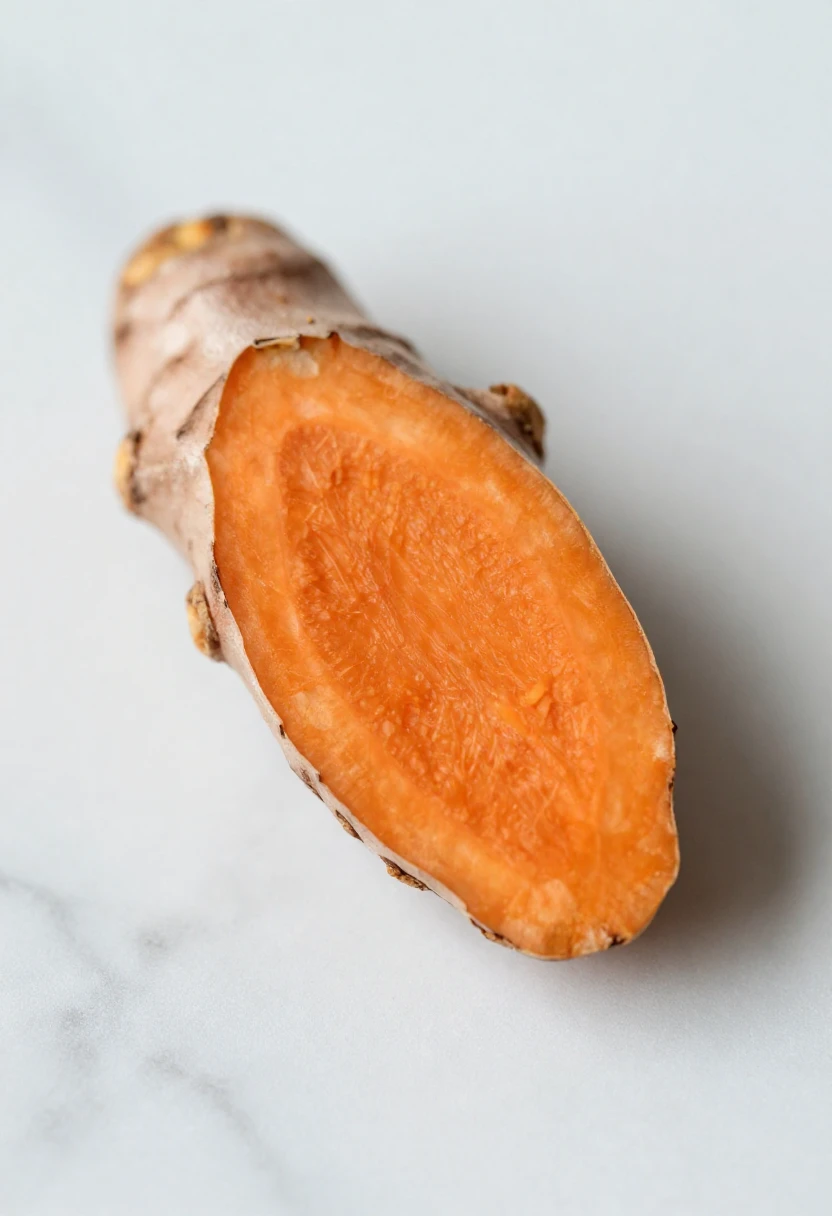
Turmeric gets its deep golden color from a group of plant chemicals called curcuminoids. The most important one — and the most studied — is curcumin.
Curcumin is a polyphenol, which is a fancy way of saying it’s a naturally occurring plant compound with strong biological activity. It can interact with dozens of molecular targets in your body, which is exactly why researchers keep finding new things it might influence — from inflammation pathways to gene expression.
But here’s the thing: turmeric powder only contains about 2–5% curcumin by weight. So the small pinch you’re sprinkling into your soup? It’s a start — but probably not enough to produce a therapeutic effect on its own.
Why Absorption Matters (And How to Fix It)
This is where most people miss a crucial detail.
Curcumin is poorly absorbed by the body on its own. It passes through your digestive system quickly without making much of an impact. Researchers call this low bioavailability — meaning even if you eat a decent amount, very little actually makes it into your bloodstream.
The good news? There’s a simple fix that’s been known for centuries — and it’s probably already in your kitchen.
Black pepper.
Black pepper contains a compound called piperine, and when you combine it with curcumin, absorption increases by up to 2,000%. That’s not a typo. A small pinch of black pepper alongside your turmeric makes a genuinely significant difference.
Fat also helps. Since curcumin is fat-soluble, eating turmeric with a healthy fat — olive oil, coconut milk, avocado — improves how much your body actually absorbs.
So the next time you cook with turmeric, remember: turmeric + black pepper + fat = the combination that actually works.
Benefit #1 — It Fights Chronic Inflammation
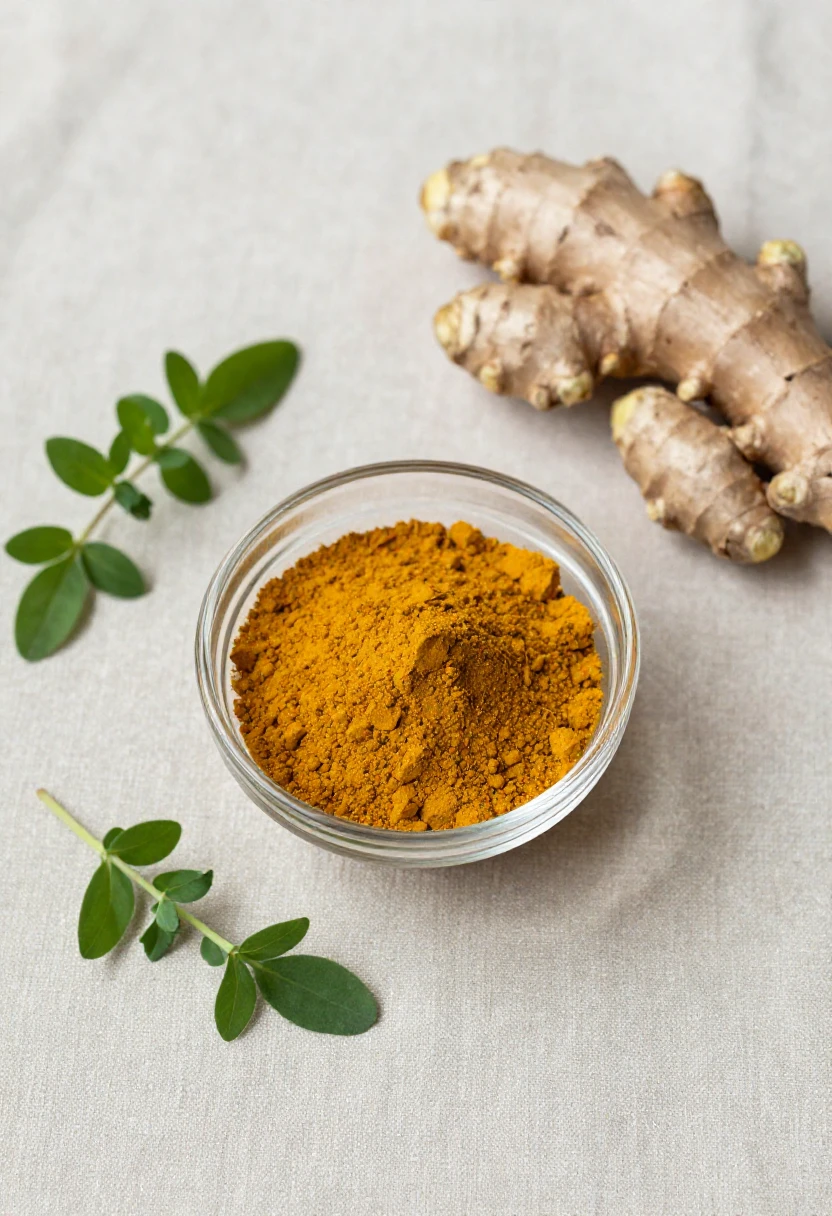
If there’s one reason turmeric has earned its reputation in the wellness world, this is it.
What Inflammation Actually Is (And Why It Matters)
Inflammation gets a bad reputation — but it’s not always the enemy. When you cut your finger or catch a cold, acute inflammation is your immune system doing exactly what it should. It rushes to the problem, fights it off, and then calms down. That’s healthy and necessary.
The real trouble starts with chronic inflammation — the kind that lingers quietly in the background for months or years without an obvious cause. You can’t feel it the way you feel a sprained ankle, but it’s there. And over time, it’s been linked to some of the most serious health conditions we face today:
- Heart disease
- Type 2 diabetes
- Alzheimer’s disease
- Cancer
- Depression
Chronic inflammation is sometimes described as a slow-burning fire inside the body. You don’t see the flames, but the damage accumulates.
How Curcumin Compares to Anti-Inflammatory Drugs
Here’s where turmeric gets genuinely impressive.
Curcumin works by blocking NF-kB — a molecule that travels into the nuclei of your cells and switches on genes related to inflammation. Many chronic diseases involve NF-kB being chronically activated. Curcumin essentially helps turn that switch off.
Several studies have compared curcumin directly to pharmaceutical anti-inflammatory drugs — including ibuprofen and aspirin — and found it to be equally effective in some contexts, without the side effects that come with long-term drug use.
One well-known study on patients with rheumatoid arthritis actually found that curcumin outperformed a common anti-inflammatory drug in reducing tenderness and swelling.
Now, this doesn’t mean you should throw away your medications. But it does mean that adding turmeric to your daily diet is far from just a wellness trend — it’s a practical, evidence-backed way to support your body’s inflammatory response over time.
And unlike a pill, it also happens to make your food taste better.
Benefit #2 — It’s Loaded with Antioxidants
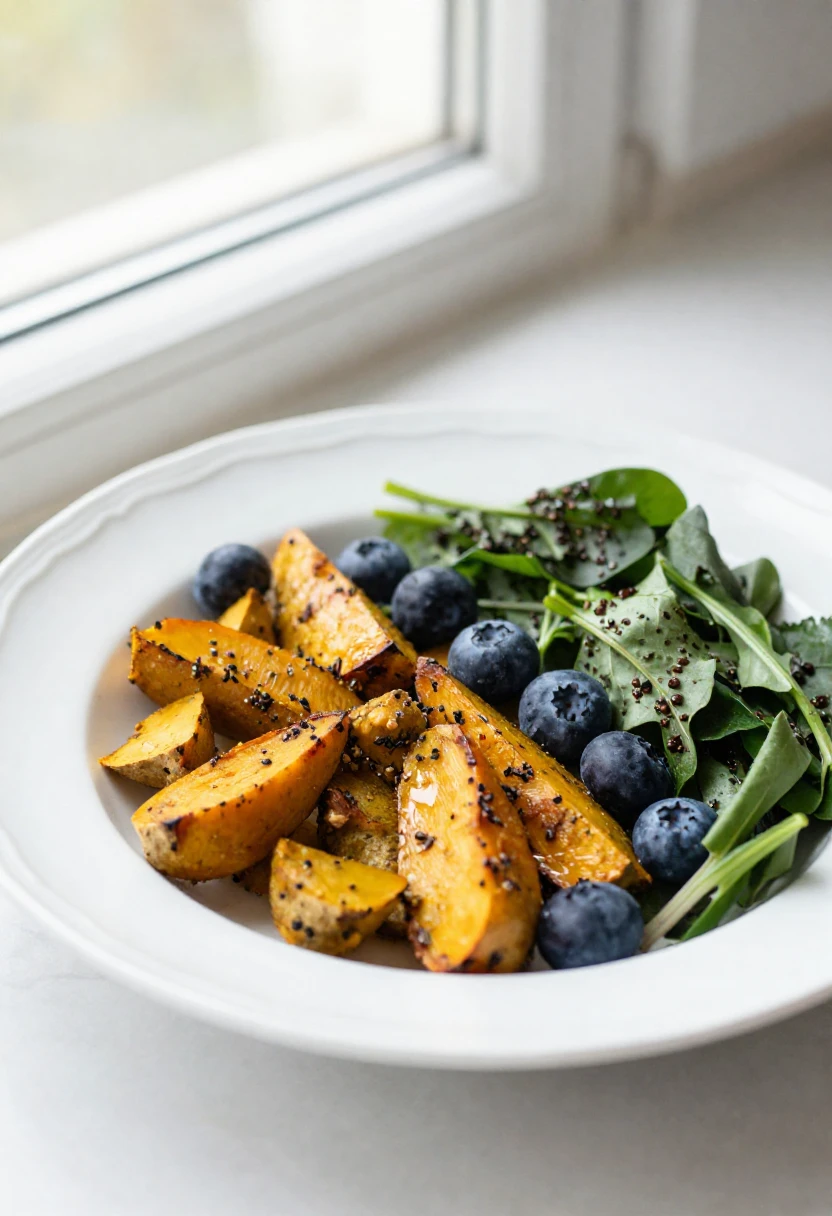
You’ve probably heard the word “antioxidant” thrown around constantly — on supplement labels, smoothie menus, wellness blogs. But what does it actually mean for your body? And why does turmeric belong in that conversation?
Free Radicals and Oxidative Stress Explained Simply
Every day, your body produces unstable molecules called free radicals as a natural byproduct of metabolism. Things like pollution, cigarette smoke, alcohol, and even intense exercise can increase their production.
Free radicals are missing an electron, which makes them chemically reactive. To stabilize themselves, they “steal” electrons from nearby molecules — including your DNA, proteins, and cell membranes. This process is called oxidative stress, and when it goes unchecked, it causes real damage at the cellular level.
Think of it like rust forming on metal. It’s a slow process, but over time it weakens the structure. Oxidative stress works similarly inside your body — and it’s been linked to accelerated aging, chronic disease, and cellular damage.
Antioxidants are the solution. They neutralize free radicals by donating an electron without becoming unstable themselves — essentially stopping the chain reaction before it causes harm.
How Turmeric Neutralizes Damage
Curcumin is a potent antioxidant — and it works on two levels, which is what makes it stand out.
First, it directly neutralizes free radicals thanks to its chemical structure. It can react with and disarm certain types of free radicals on contact.
Second — and this is the part that really impressed researchers — curcumin stimulates your body’s own antioxidant enzymes. It essentially activates your internal defense system, boosting the production of compounds like superoxide dismutase and glutathione that your body uses to protect itself.
So you’re not just getting an external antioxidant top-up. You’re actually helping your body become better at protecting itself long-term.
This dual action is relatively rare among natural compounds, and it’s one of the reasons curcumin continues to be one of the most researched plant-based molecules in nutritional science.
A diet rich in antioxidants — with turmeric as a regular player — is one of the most practical, evidence-supported things you can do to slow cellular aging and reduce your risk of chronic disease. Not glamorous advice, maybe. But it works.
Benefit #3 — It Supports Brain Health

For a long time, scientists believed the brain was largely fixed in adulthood — that the neurons you had were the neurons you kept, and that was that. We now know that’s not quite true. And turmeric plays an interesting role in the story of how your brain stays sharp.
BDNF and Why It Matters for Memory
Your brain relies on a protein called BDNF — Brain-Derived Neurotrophic Factor. Think of it as a kind of fertilizer for your brain. BDNF supports the survival of existing neurons, encourages the growth of new ones, and plays a key role in learning and memory.
Low levels of BDNF have been consistently linked to:
- Alzheimer’s disease
- Depression
- Age-related cognitive decline
- Memory problems
Here’s where turmeric comes in. Research shows that curcumin can increase levels of BDNF in the brain. This means it may help delay or even partially reverse age-related decreases in brain function — not by some magical mechanism, but by supporting the biological processes your brain already uses to maintain itself.
Some studies on older adults showed improvements in memory and attention after regular curcumin supplementation over several months. The results weren’t dramatic, but they were consistent — and consistency in brain health research is meaningful.
Turmeric’s Potential Role in Mood and Depression
This one surprises a lot of people.
Depression is a complex condition — but one biological factor that researchers keep returning to is chronic inflammation and oxidative stress in the brain. Both of these, as you’ve already seen, are areas where curcumin shows real activity.
Several controlled studies have looked at curcumin as a complementary approach to managing depression symptoms. In one notable study, curcumin was compared to an antidepressant drug — and after six weeks, both groups showed similar improvements in mood scores.
Another study found that curcumin was particularly effective in people with atypical depression, where symptoms like fatigue, increased appetite, and mood reactivity are dominant.
It’s also worth noting that curcumin appears to boost serotonin and dopamine levels — two neurotransmitters that play a central role in how we feel day to day.
Again — this isn’t a replacement for professional mental health treatment. But it does suggest that something as simple as turmeric in your daily diet might have a quiet, supportive effect on how your brain functions and how you feel. And that’s worth knowing.
Benefit #4 — It’s Good for Your Heart
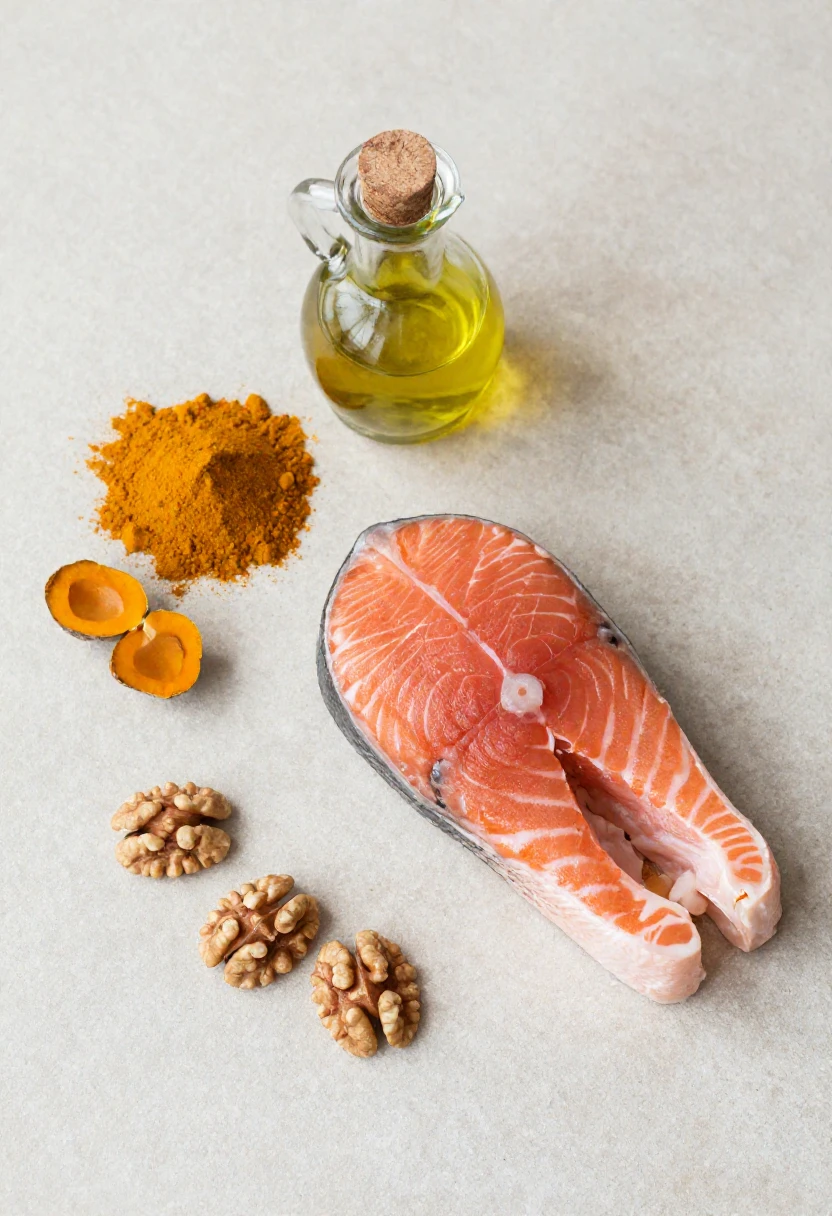
Heart disease is the leading cause of death worldwide. That’s a heavy statistic — but it’s also a powerful reminder that the small daily choices we make about food and lifestyle genuinely matter. And turmeric, it turns out, has a few things to offer here too.
Endothelial Function Made Simple
Your cardiovascular system depends on the health of your endothelium — the thin layer of cells lining the inside of your blood vessels. It’s not something you think about often, but it’s working constantly, regulating blood pressure, controlling clotting, and keeping blood flowing smoothly.
When the endothelium is damaged or dysfunctional, things start to go wrong. Blood vessels become less flexible, blood pressure rises, and the risk of heart attack and stroke increases. Endothelial dysfunction is considered one of the earliest and most significant drivers of heart disease.
Curcumin has been shown to improve endothelial function — helping blood vessels relax, respond properly to signals, and maintain their protective role. One study found that curcumin supplementation was as effective as exercise in improving endothelial function in postmenopausal women. Another found it comparable to the drug atorvastatin in certain cardiovascular markers.
That’s a remarkable finding for a spice you can add to your scrambled eggs.
Inflammation, Oxidation, and Cardiovascular Risk
If the previous sections felt familiar here, that’s because they should.
Heart disease doesn’t happen overnight. It develops slowly, driven largely by two processes you already know about — chronic inflammation and oxidative stress. Both damage blood vessel walls over time, contribute to the buildup of arterial plaque, and create the conditions where heart attacks happen.
Curcumin addresses both directly:
- Its anti-inflammatory properties help reduce the inflammatory signaling that damages arterial walls
- Its antioxidant activity protects LDL cholesterol from oxidation — oxidized LDL being a key player in the development of arterial plaque
There’s also emerging research suggesting curcumin may help lower LDL cholesterol and reduce triglyceride levels, though this area needs more large-scale human studies before strong conclusions can be drawn.
What’s clear is that turmeric works on several of the root mechanisms behind cardiovascular disease — not just one isolated marker. And that’s exactly the kind of broad, foundational support that makes a real difference over a lifetime of eating well.
Your heart is working every single second. It’s worth giving it a little backup.
Benefit #5 — It May Help Prevent (and Fight) Certain Diseases
This is the section where things get both exciting and important to read carefully. Because yes — the research on turmeric and serious disease is genuinely promising. But it also deserves an honest, grounded look rather than sensational headlines.
Cancer Research — Promising, But Not a Cure
Let’s be direct: turmeric is not a cancer treatment. No responsible doctor or researcher would tell you otherwise. But the science around curcumin and cancer biology is serious enough that it’s being studied at major research institutions around the world — and has been for decades.
Here’s what research has found so far:
- Curcumin has shown the ability to affect cancer cell growth at the molecular level — interfering with signaling pathways that cancer cells use to survive and multiply
- In laboratory and animal studies, it has demonstrated the ability to reduce the spread of cancer cells and in some cases trigger apoptosis — essentially programmed cell death in abnormal cells
- It appears to have potential activity against several cancer types, including colorectal, breast, stomach, and skin cancers
The honest caveat is that most of this research has been done in lab settings or animal models. Human clinical trials are still limited, and curcumin’s low bioavailability makes it difficult to achieve therapeutic concentrations in tissue through diet alone.
But as a preventive dietary habit — part of a broader anti-inflammatory, antioxidant-rich way of eating — regularly consuming turmeric makes a lot of sense. Populations that have eaten turmeric as a staple for generations show notably lower rates of certain cancers. That correlation isn’t proof, but it’s not nothing either.
Type 2 Diabetes and Blood Sugar Regulation
This one has some of the most practical and well-supported evidence in the turmeric research space.
Curcumin appears to improve insulin sensitivity — meaning your cells respond better to insulin and are more effective at pulling glucose out of the bloodstream. This is directly relevant to both preventing and managing type 2 diabetes.
One particularly compelling study followed pre-diabetic adults over nine months. Half took curcumin supplements, half took a placebo. At the end of the study:
- 16.4% of the placebo group had progressed to full type 2 diabetes
- 0% of the curcumin group had progressed
That’s a striking result — and while it needs to be replicated in larger trials, it points to real potential for turmeric as part of a blood sugar management strategy.
Curcumin also helps by:
- Reducing inflammation in fat tissue — a key driver of insulin resistance
- Lowering fasting blood glucose levels in people with existing diabetes
- Improving pancreatic cell function — supporting the cells responsible for producing insulin
If you have a family history of diabetes or are watching your blood sugar, adding turmeric to your daily diet is one of the lowest-effort, highest-reward habits you can build. It won’t replace medical care — but as a supporting player, it earns its spot on the team.
Benefit #6 — It Supports Joint Health and Relieves Pain
If you’ve ever dealt with stiff joints in the morning, achy knees after a long walk, or the grinding discomfort of arthritis — you know how much joint pain can quietly shrink your world. It changes how you move, how you sleep, and how you feel about the day ahead.
This is one of the areas where turmeric has the most practical, real-world evidence behind it — and where people tend to notice results they can actually feel.
What the Arthritis Studies Show
Arthritis is essentially an inflammatory condition. The joints become inflamed, cartilage breaks down, and pain becomes a constant companion. Since curcumin is one of the most potent natural anti-inflammatory compounds we know of, it makes sense that researchers would look here first.
And the results have been consistently encouraging.
In one well-cited study, patients with rheumatoid arthritis were given either curcumin supplements, a common anti-inflammatory drug (diclofenac sodium), or a combination of both. The curcumin-only group showed the greatest improvement in symptoms — including reduced joint tenderness and swelling — and notably experienced no adverse side effects.
Studies on osteoarthritis — the wear-and-tear type that affects millions of people over 50 — have shown similar results:
- Significant reduction in pain and stiffness
- Improved physical function and mobility
- Decreased need for rescue pain medication
One large review analyzing multiple clinical trials concluded that curcumin supplementation produced meaningful improvements in pain and physical function in osteoarthritis patients — comparable in some cases to ibuprofen, without the gastrointestinal side effects that come with long-term NSAID use.
Real-World Use for Everyday Aches
You don’t need a clinical diagnosis to benefit here. A lot of people live with low-grade joint discomfort that never quite rises to the level of “serious enough to see a doctor” — the kind that comes from years of desk work, weekend runs, old sports injuries, or simply getting older.
Turmeric fits naturally into that space.
Many people who add turmeric consistently to their diet — or take a curcumin supplement — report:
- Less morning stiffness
- Faster recovery after exercise
- Reduced reliance on over-the-counter pain relievers
These aren’t dramatic transformations. They’re quiet improvements in daily comfort — the kind that compound over weeks and months into a noticeably better quality of life.
And unlike long-term use of NSAIDs, which can damage the stomach lining and affect kidney function over time, turmeric at normal dietary doses is well-tolerated by most people with minimal side effects.
For anyone looking to support their joints naturally — whether you’re an active person pushing your body hard, or someone simply trying to move through the day with less discomfort — turmeric deserves a regular place in your routine.
How to Actually Use Turmeric (So It Works)
Knowing that turmeric is good for you is one thing. Actually getting enough of it — in a form your body can use — is another. Here’s everything you need to make turmeric a practical, enjoyable part of your daily life.
Best Food Pairings
Remember the absorption rules from earlier? Let’s put them into practice.
Every time you use turmeric, try to pair it with:
- Black pepper — even just a small pinch dramatically increases curcumin absorption
- A healthy fat — olive oil, coconut oil, coconut milk, avocado, or full-fat yogurt
- Heat — cooking turmeric briefly in oil actually helps activate its compounds
Some natural pairings that work beautifully together:
- Turmeric + black pepper + olive oil (perfect base for roasted vegetables)
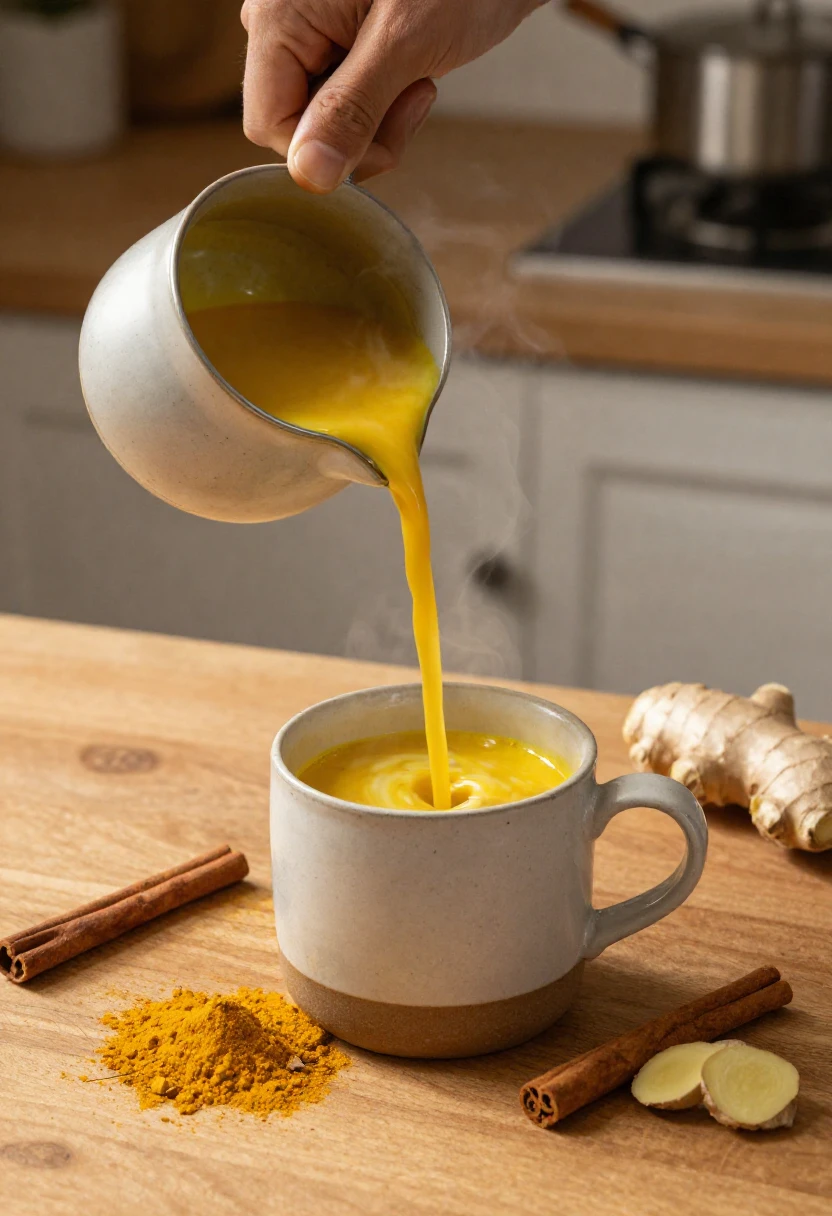
- Turmeric + coconut milk + ginger (the foundation of golden milk)
- Turmeric + black pepper + egg yolks (scrambled eggs with a golden twist)
- Turmeric + fatty fish + lemon (anti-inflammatory dream plate)
Golden Milk, Smoothies, and Cooking Tips
Golden milk is probably the most popular way to consume turmeric outside of cooking — and for good reason. It’s warm, comforting, and genuinely delicious when made well.
A simple golden milk recipe:
- 1 cup of warm milk (dairy or plant-based)
- ½ teaspoon turmeric
- ¼ teaspoon cinnamon
- Small pinch of black pepper
- Pinch of ginger
- A little honey to taste
Whisk it together and drink it in the evening. It’s become a ritual for a lot of people — and it checks all the absorption boxes.
In smoothies, frozen mango or pineapple pair naturally with turmeric’s earthy flavor. Add coconut milk, a pinch of pepper, and some ginger — and you’ve got an anti-inflammatory breakfast that doesn’t taste like medicine.
In cooking, turmeric works well in:
- Soups and lentil dishes
- Rice and grain bowls
- Roasted cauliflower, carrots, or sweet potato
- Marinades for chicken or tofu
- Homemade salad dressings with olive oil and mustard
One practical tip: start small. Turmeric has a strong, slightly bitter flavor that can overwhelm a dish if you overdo it. Half a teaspoon is usually plenty. Build from there as your palate adjusts.
And a heads-up — turmeric stains everything. Cutting boards, countertops, light-colored containers, your favorite shirt. Work carefully, and rinse utensils quickly.
Should You Take a Supplement?
If you want to use turmeric therapeutically — for joint pain, inflammation management, or cognitive support — diet alone may not be enough to reach the concentrations used in clinical studies.
In that case, a curcumin supplement is worth considering. Here’s what to look for:
- Standardized curcumin extract (rather than plain turmeric powder)
- BioPerine or piperine added — this is the black pepper extract that boosts absorption
- Phospholipid complex formulas (like Meriva or Longvida) — these use special delivery systems that significantly improve bioavailability
- Dosages in studies typically range from 500mg to 2,000mg of curcumin per day
As always — if you’re on blood thinners, have gallbladder issues, or are pregnant, talk to your doctor before starting a supplement. Turmeric at high doses can interact with certain medications and isn’t appropriate for everyone in supplemental form.
For most healthy people, though, a quality curcumin supplement combined with regular dietary use is a safe, practical way to get the full range of benefits we’ve covered in this article.
Conclusion
Turmeric isn’t magic. It won’t fix everything overnight, and it’s not a replacement for medical care when you genuinely need it. But after everything we’ve covered in this article, one thing is clear — this humble golden spice has earned its place in your kitchen and your daily routine.
From calming chronic inflammation and neutralizing oxidative stress, to supporting your brain, protecting your heart, and easing joint pain — curcumin works on some of the most fundamental biological processes that determine how you feel and how you age. And it does it gently, consistently, and with very few downsides.
The best part? You don’t need to overhaul your entire diet. A pinch of turmeric, a crack of black pepper, a drizzle of olive oil — and you’re already doing something good for your body. Do it most days, and those small moments add up to something meaningful over time.
Start simple. Stay consistent. Let the science do the rest.
Frequently Asked Questions
How much turmeric should I eat per day? For general health benefits through diet, aim for ½ to 1 teaspoon of turmeric powder per day, always paired with black pepper and a healthy fat. For therapeutic purposes — like joint pain or inflammation management — a standardized curcumin supplement at 500–1,000mg daily is more effective than dietary turmeric alone.
How long does it take to feel the benefits of turmeric? Most people who take curcumin consistently report noticeable changes — particularly in joint comfort and energy — within 4 to 8 weeks. Brain and cardiovascular benefits tend to build more gradually over several months. Consistency matters far more than the occasional large dose.
Can turmeric cause any side effects? At normal dietary amounts, turmeric is safe for most people. At high supplemental doses, some people experience digestive discomfort, nausea, or diarrhea. People on blood thinners, those with gallbladder disease, and pregnant women should consult a doctor before taking curcumin supplements.
Is fresh turmeric root better than powder? Fresh turmeric root contains slightly more active compounds and a brighter flavor, but both forms are effective. The key factor isn’t fresh vs. powder — it’s always absorption. Whichever form you use, pair it with black pepper and fat to make it work properly.