Contents
- Why Small Kitchen Habits Save Big Money
- Plan Ahead: Meal Planning Makes a Difference
- Shop Smart: Lists, Sales, and Seasonal Produce
- Use What You Have: Mastering Leftovers
- Store Wisely: Maximize Shelf Life and Freshness
- Batch Cooking: Save Time and Money
- Cook from Scratch When It Counts
- Understand Portions: Eat Enough, Waste Less
- Keep an Organized Kitchen Inventory
- Avoid Impulse Buys in the Store & Online
- DIY It: Staples Worth Making at Home
- FAQ: Common Questions About Saving Money in the Kitchen
Why Small Kitchen Habits Save Big Money
Saving money in the kitchen rarely comes from one big decision. It happens quietly, through small habits repeated day after day — the way you plan meals, store food, use leftovers, or even pause before adding something extra to your shopping cart.
Most of us don’t overspend on food because we’re careless. We overspend because life is busy. We forget what’s already in the fridge, buy with good intentions, and then watch ingredients slowly turn into waste. Over time, those small moments add up — not just in cost, but in frustration.
The good news is that the kitchen is one of the easiest places to regain control without sacrificing comfort or flavor. A few mindful shifts can lower grocery bills, reduce waste, and make cooking feel more intentional rather than restrictive. This isn’t about extreme budgeting or cutting out foods you love. It’s about building habits that naturally support both your wallet and your daily routine.
Think of these habits as quiet upgrades. None of them require special tools or dramatic changes. They work because they fit into real life — busy weekdays, imperfect plans, and all.
In this guide, we’ll walk through twelve practical kitchen habits that help you save money every day, one small decision at a time.
Plan Ahead: Meal Planning Makes a Difference

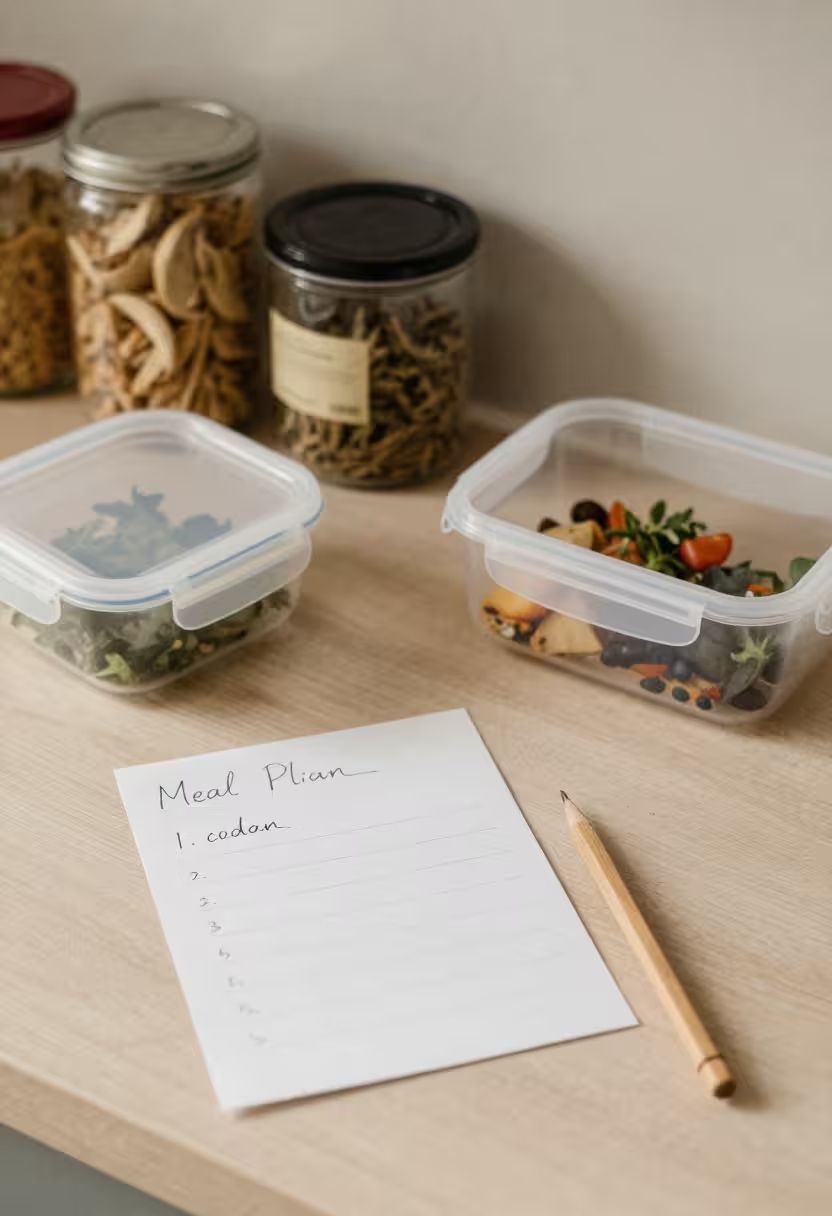
Meal planning doesn’t have to mean spreadsheets or perfectly scheduled weeks. At its core, it’s simply about giving your meals a bit of thought before you’re standing in the store or staring into the fridge at 7 p.m.
When you plan even loosely, you reduce one of the biggest budget traps: buying food without a clear purpose. Ingredients get used more intentionally, leftovers find a role, and fewer items end up forgotten in the back of the fridge.
A simple weekly plan can be as casual as noting a few dinners you know you’ll cook and leaving space for flexibility. Maybe one night is for leftovers, another for something quick, and one for a meal that uses up vegetables already on hand. That small structure helps guide shopping and keeps impulse buys in check.
Meal planning also helps you spot overlaps. One roasted chicken can become soup, sandwiches, or a salad topping later in the week. A batch of cooked grains can work across several meals. Planning with reuse in mind stretches ingredients further without feeling repetitive.
Perhaps most importantly, planning saves mental energy. When you know what you’re cooking, you’re less likely to order takeout out of exhaustion — a common and costly fallback.
You don’t need perfection. Even a rough plan creates clarity, and clarity is one of the most powerful tools for saving money in the kitchen.
Shop Smart: Lists, Sales, and Seasonal Produce
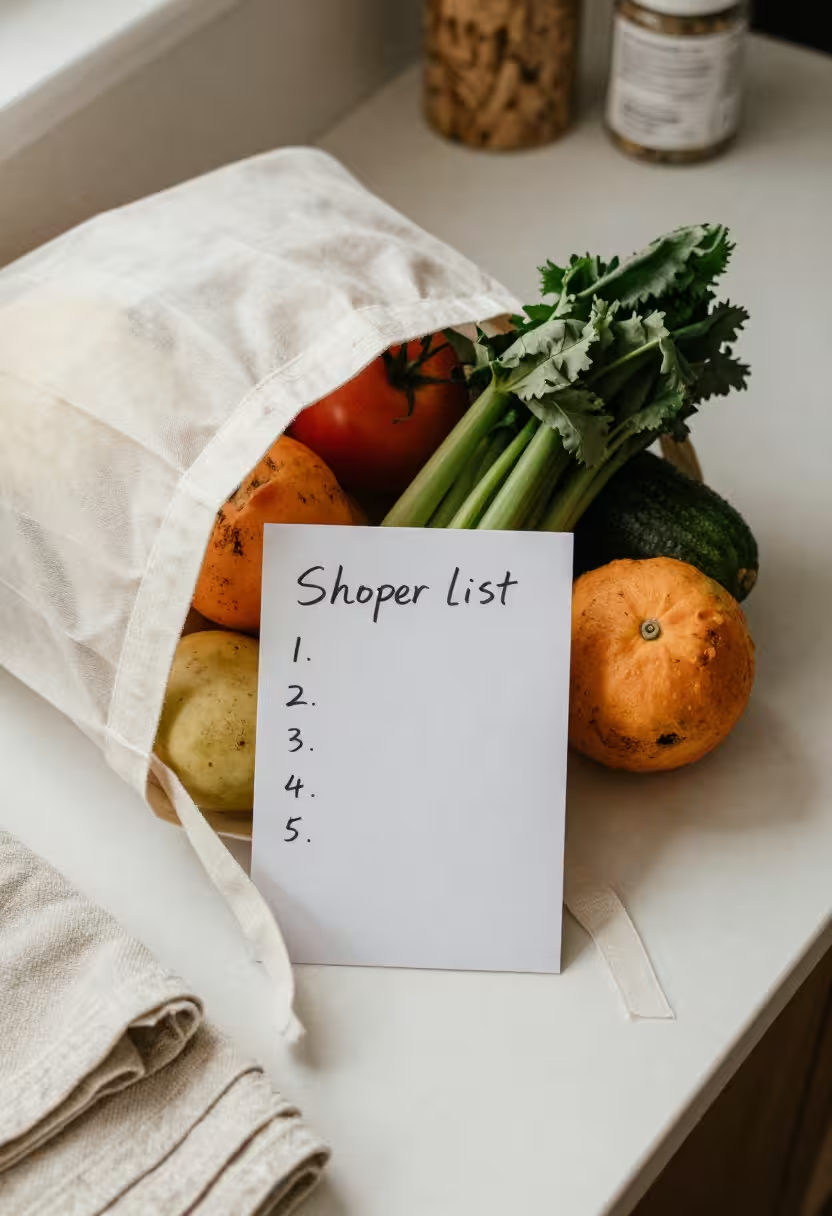
Walking into a store without a plan is one of the easiest ways to overspend — even when intentions are good. A shopping list isn’t about restriction; it’s about direction. It keeps you focused on what you actually need, rather than what simply looks appealing in the moment.
A good list starts at home. Before shopping, take a quick look at your fridge, freezer, and pantry. You’ll often find ingredients you forgot about, which can shape meals and prevent duplicate purchases. This small pause alone can save more money than most coupons.
Sales can be helpful, but only when they align with your habits. Buying something just because it’s discounted isn’t a win if it goes unused. Instead, look for sales on staples you already buy or items that freeze well. Stocking up thoughtfully — not impulsively — is where savings really happen.
Seasonal produce is another quiet budget hero. Fruits and vegetables that are in season are usually cheaper, fresher, and more flavorful. Cooking with what’s abundant naturally lowers costs and keeps meals interesting without extra effort.
Smart shopping isn’t about chasing every deal. It’s about making intentional choices that fit your routine and reduce waste later on.
Use What You Have: Mastering Leftovers
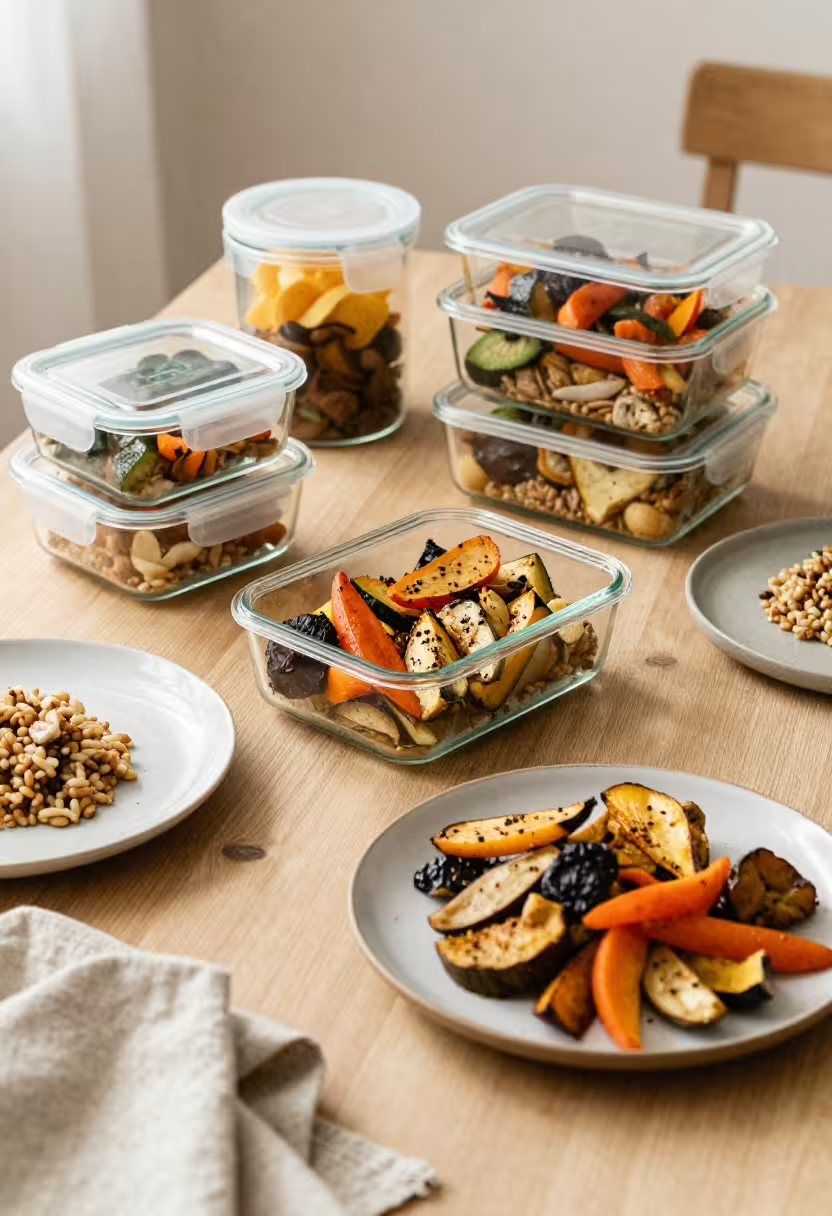
Leftovers are often where good intentions meet reality. We cook a little extra “just in case,” then days later discover containers we no longer feel excited about. When leftovers aren’t planned for, they quietly become one of the biggest sources of food waste — and wasted money.
The shift happens when leftovers are treated as ingredients, not afterthoughts.
A portion of roasted vegetables can turn into a quick frittata, a grain bowl, or a pasta add-in. Cooked chicken can become soup, wraps, or a simple stir-fry. Even small amounts, when combined thoughtfully, can form an entirely new meal.
It also helps to build “leftover nights” into your routine. Setting aside one evening a week to mix and match what’s already cooked reduces pressure to create something new and clears space in the fridge. These meals don’t need to be perfect — they just need to be eaten.
Visibility matters, too. Keeping leftovers at eye level and labeling containers with dates makes them easier to remember and more appealing to use. Out of sight often means out of mind.
When leftovers become part of your plan, food lasts longer, grocery trips become lighter, and money stays where it belongs — in your pocket.
Store Wisely: Maximize Shelf Life and Freshness

How food is stored often determines how long it lasts — and how much of it ends up wasted. Many ingredients spoil not because they were low quality, but because they weren’t stored in a way that supported freshness.
A few small adjustments can make a noticeable difference. Storing produce correctly, for example, helps it stay usable for days longer. Some vegetables prefer airflow, others do better in sealed containers. Taking a moment to learn the basics for the foods you buy most often pays off quickly.
The fridge layout matters more than we think. Keeping items you use frequently at eye level encourages you to use them first. Less-used items can live lower down, reducing the chance they’ll be forgotten until it’s too late.
Freezers are another powerful money-saving tool when used intentionally. Bread, cooked grains, sauces, and even herbs can be frozen to extend their life. Labeling and dating freezer items prevents the “mystery container” problem that leads to unnecessary discarding.
Storage isn’t about perfection or special equipment. It’s about awareness. When food stays fresh longer, you shop less often, waste less, and feel more in control of your kitchen.
Batch Cooking: Save Time and Money
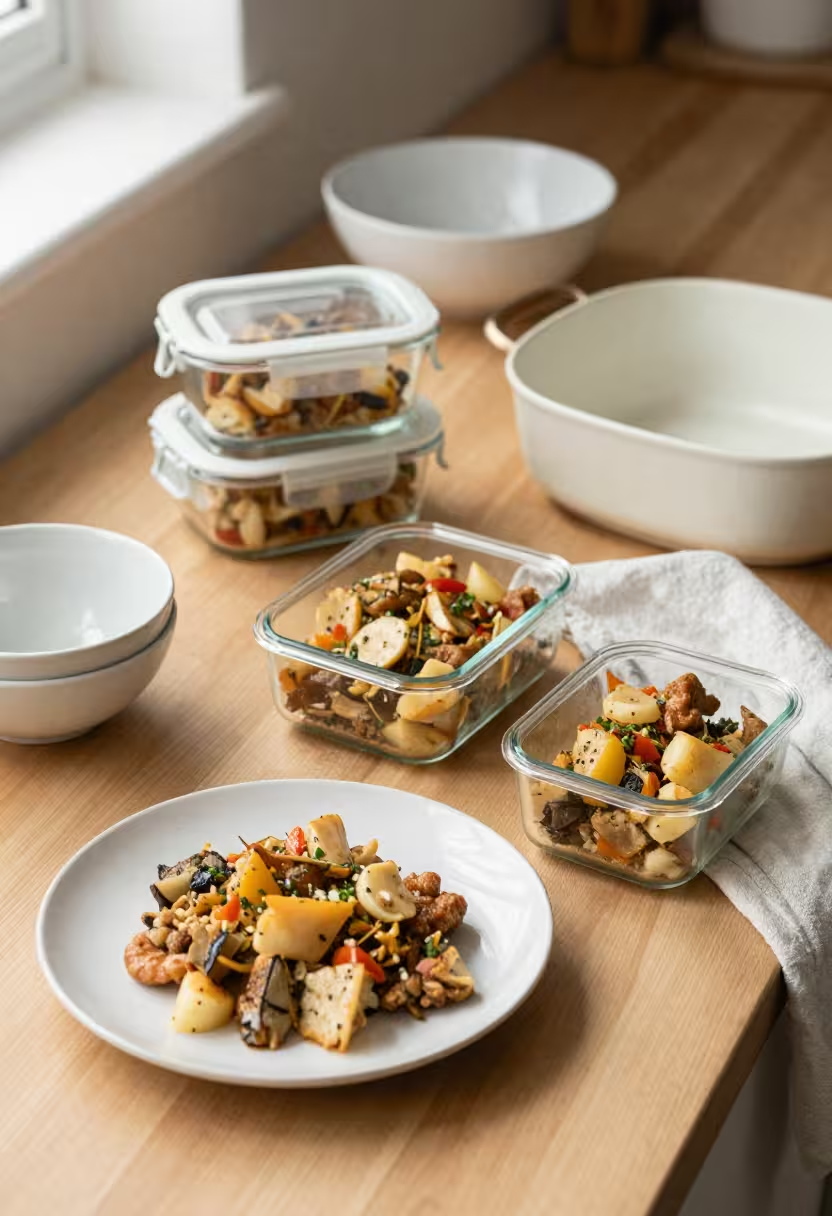
Batch cooking is one of those habits that quietly transforms both your schedule and your grocery bill. By preparing larger quantities at once, you reduce how often you cook, how often you shop, and how often you reach for more expensive last-minute options.
The idea isn’t to eat the same meal every day. It’s to cook smart foundations that can be reused in different ways. A big pot of beans, grains, or soup can become multiple meals with small variations — different spices, toppings, or sides.
Cooking in batches also makes better use of energy and ingredients. You heat the oven once instead of several times. You use up produce before it has time to spoil. You spend less on convenience foods because something homemade is already ready to go.
Many people find that batch cooking reduces stress, too. Knowing there’s a meal in the fridge or freezer changes how you move through the week. Fewer rushed decisions usually mean fewer impulse purchases and less food waste.
Even starting small — one extra portion here, a doubled recipe there — can create momentum. Over time, those small efforts add up to real savings.
Cook from Scratch When It Counts
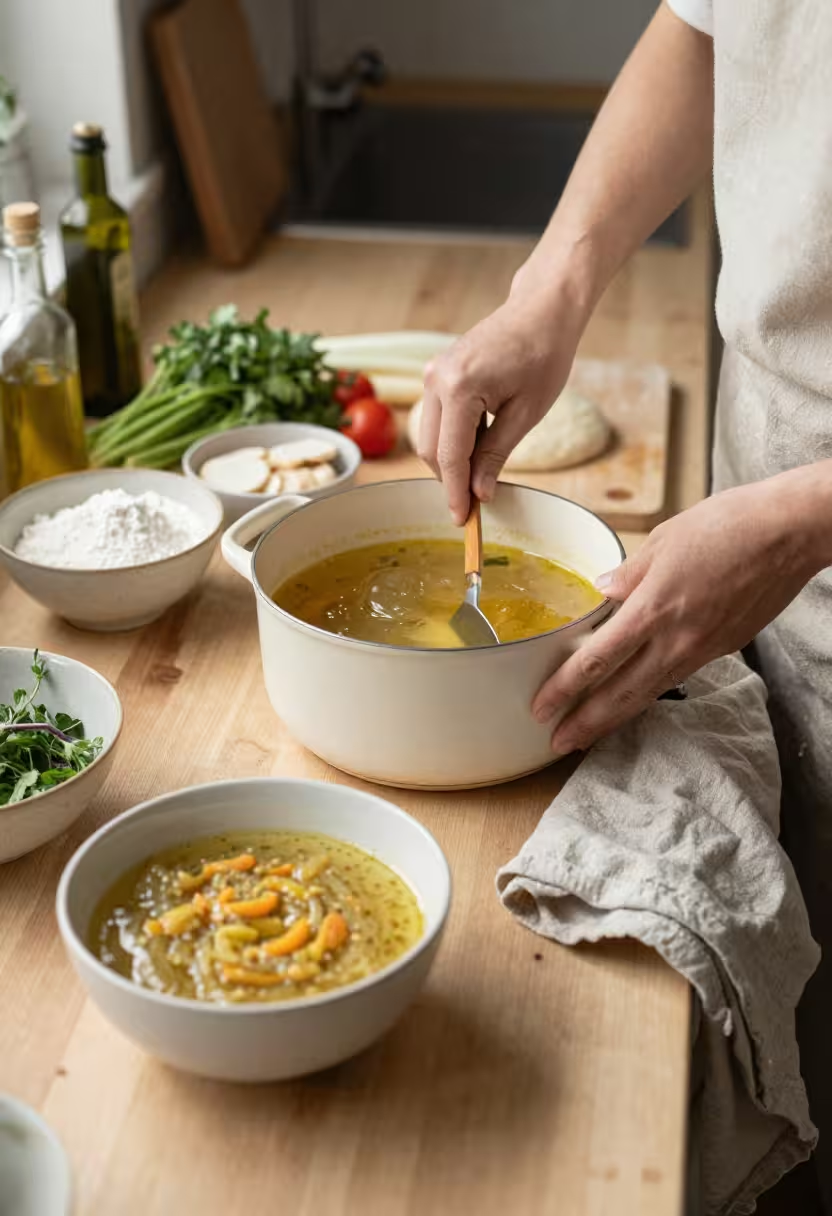
Cooking from scratch doesn’t have to mean doing everything yourself, all the time. The real savings come from choosing when scratch cooking actually makes sense — and when it doesn’t.
Some foods are almost always cheaper and better when made at home. Simple sauces, salad dressings, soups, and broths often cost a fraction of store-bought versions and use ingredients you already have. Once you get used to making them, they take very little time and give you more control over flavor and portions.
Other items may not be worth the effort, and that’s okay. The goal isn’t perfection — it’s balance. Buying a few convenience items can support consistency and prevent burnout, which ultimately helps you cook at home more often.
Scratch cooking also helps reduce packaging waste and food spoilage. When you cook from basic ingredients, you’re more likely to use what’s already in your pantry instead of opening something new for one recipe.
Over time, you’ll naturally learn which foods are worth making yourself and which ones fit better into your routine as store-bought. That awareness alone can significantly lower your food spending without making cooking feel like a chore.
Understand Portions: Eat Enough, Waste Less

Portion sizes have a quiet but powerful impact on how much money we spend in the kitchen. When we cook more than we realistically eat, leftovers pile up, food gets forgotten, and waste becomes routine rather than accidental.
Understanding portions doesn’t mean eating less — it means cooking appropriately. Paying attention to how much your household actually consumes helps you adjust recipes, grocery lists, and cooking habits in a way that feels natural over time.
A good place to start is observation. Notice which meals tend to leave leftovers that get eaten — and which ones don’t. Some dishes reheat beautifully, while others lose their appeal quickly. Cooking smaller amounts of the latter often saves money without anyone feeling deprived.
Serving food family-style can help as well. It allows everyone to take what they need instead of committing to fixed portions that may not get finished. What remains can be stored intentionally rather than scraped into the bin.
Portion awareness also extends to ingredients. Measuring grains, pasta, and rice — even occasionally — can be eye-opening. Many people cook far more than necessary simply out of habit.
When portions align with real appetite, meals feel satisfying, leftovers become purposeful, and food waste quietly shrinks.
Keep an Organized Kitchen Inventory

One of the easiest ways to waste money in the kitchen is simply forgetting what you already have. Duplicate purchases, expired items, and half-used ingredients often come from a lack of visibility rather than poor intentions.
An organized kitchen inventory doesn’t need to be formal. It can be as simple as knowing what’s in your pantry, fridge, and freezer — and checking it regularly. A quick scan before shopping often reveals items that can shape your next meals.
Grouping similar ingredients together helps a lot. When canned goods, grains, spices, and baking staples each have a designated place, you’re less likely to overlook them. The same goes for the fridge: keeping leftovers and soon-to-expire items front and center encourages you to use them first.
The freezer deserves special attention. It’s easy to lose track of what’s inside, which turns it into a graveyard for forgotten food. Labeling and dating frozen items makes a big difference and turns your freezer into a reliable backup instead of a mystery box.
An organized inventory saves money not by limiting choices, but by reminding you of the options you already have. When you cook from what’s available, shopping becomes more intentional and far less expensive.
Avoid Impulse Buys in the Store & Online

Impulse purchases are one of the fastest ways a food budget quietly slips away. They rarely feel like a problem in the moment — a new sauce to try, a snack that looks appealing, a “limited-time” item added to an online cart. But over time, these small extras add up, often without adding much value to your meals.
One of the simplest defenses against impulse buys is timing. Shopping when you’re hungry, rushed, or tired makes everything look more necessary than it really is. Even a short pause — eating a snack beforehand or taking a breath before checkout — can change how you decide.
In physical stores, sticking closely to your list helps, but so does awareness. Stores are designed to encourage unplanned purchases, especially at aisle ends and checkout areas. Recognizing this makes it easier to pause and ask, Will I actually use this?
Online shopping has its own challenges. The convenience can blur the line between need and curiosity. Saving items for later instead of buying immediately often reveals which things were truly necessary and which were momentary wants.
Avoiding impulse buys isn’t about denying yourself enjoyment. It’s about choosing food with intention, so your money supports meals you actually cook and enjoy — not ingredients that linger unused.
DIY It: Staples Worth Making at Home

Not everything needs to be homemade — but some staples are surprisingly easy to make and can save real money over time. The key is choosing items that fit naturally into your routine, not adding extra work just for the sake of it.
Simple sauces and dressings are a great place to start. Vinaigrettes, tomato sauces, and yogurt-based dressings often require only a few ingredients you already have. Homemade versions are usually cheaper, fresher, and easier to adjust to your taste, which means less waste and fewer half-used bottles in the fridge.
Broths and stocks are another high-impact DIY habit. Using vegetable scraps, bones, or leftovers to make broth turns what might have been waste into something useful. Even if you only do this occasionally, it reduces reliance on packaged versions and stretches ingredients further.
Snacks can also be worth making at home, especially when you notice how quickly store-bought options disappear. Simple baked goods, granola, or roasted nuts often cost less per portion and can be made in batches that last.
The goal isn’t to replace every convenience item. It’s to identify a few staples where homemade feels easy and rewarding. When DIY habits feel natural, they save money without adding stress.
FAQ: Common Questions About Saving Money in the Kitchen
Do I really need to change all my kitchen habits to save money?
No. Small, consistent changes matter more than total overhauls. Even adopting two or three habits — like meal planning or better storage — can noticeably reduce food waste and grocery spending.
Is meal planning worth the effort if my schedule changes often?
Yes, especially when planning stays flexible. A loose plan with room to adjust is often more effective than a strict schedule that feels stressful or unrealistic.
How can I save money if I’m cooking for just one or two people?
Focus on portion awareness, freezer-friendly meals, and leftovers that can be reused creatively. Smaller households often benefit the most from mindful planning and storage.
Does cooking from scratch always save money?
Not always. Some items are worth buying for convenience. Savings come from choosing the right things to make at home, not from doing everything yourself.
What’s the biggest cause of food waste at home?
Forgetting what you already have. Keeping an organized fridge, pantry, and freezer — and checking them before shopping — helps prevent unnecessary purchases and spoilage.
How long does it take to see savings?
Many people notice changes within a few weeks. Reduced grocery bills, fewer trips to the store, and less food thrown away often show up quickly once habits shift.
Final thoughts
Saving money in the kitchen isn’t about restriction — it’s about awareness. When habits align with how you actually cook and eat, savings happen naturally, without sacrificing enjoyment or comfort.