Contents
- Why Small Eating Habits Matter More Than Fad Diets
- Habit 1: Drink More Water Before Meals
- Habit 2: Prioritize Protein at Every Meal
- Habit 3: Eat Mindfully — Slow Down & Chew Well
- Habit 4: Use Smaller Plates and Portion Control
- Habit 5: Don’t Skip Breakfast (or Start Your Day with a Balanced Meal)
- Habit 6: Fill Half Your Plate with Vegetables or Fiber-Rich Foods
- Habit 7: Limit Sugary Drinks & Processed Snacks
- Habit 8: Plan Meals Ahead & Prepare at Home
- Habit 9: Don’t Eat Late at Night — Respect Your Body’s Natural Rhythm
- Habit 10: Be Consistent — Small Habits Over Time Beat Strict Diets
- Conclusion — Sustainable Change Over Quick Fixes
- FAQ — Common Questions About Healthy Eating Habits & Weight Loss
Why Small Eating Habits Matter More Than Fad Diets
When it comes to weight loss, most people jump straight into dramatic diets — cutting carbs, eliminating sugar, skipping meals, or following strict plans that feel impossible to maintain. But the truth is far simpler (and far kinder): lasting weight loss happens through small, consistent habits, not extreme restrictions.
These everyday eating behaviors — the way you portion your meals, the foods you reach for first, how fast you eat, how you hydrate, and how you plan your day — have a far deeper impact on your weight than any week-long diet ever could. They gently shape your hunger signals, metabolism, energy levels, and cravings in ways you may not even notice at first… but you will feel over time. 🌱
Healthy eating isn’t about perfection; it’s about patterns.
It’s not about eating less; it’s about eating smarter.
And it’s never about punishing your body — it’s about supporting it.
In this guide, we’ll explore 10 surprisingly simple eating habits that science shows can genuinely help with weight loss. These habits aren’t dramatic or overwhelming. They’re small shifts — easy to try, easy to repeat, and powerful when practiced consistently.
Think of them as the quiet building blocks of a healthier, lighter, more energized you.
Habit 1: Drink More Water Before Meals

It sounds almost too simple, but starting your meals with a glass of water can make a surprisingly big difference for weight loss. 💧✨ Many people mistake thirst for hunger, which leads to unnecessary snacking or larger portions than the body actually needs. Hydrating before you eat helps reset those signals.
When you drink water 10–15 minutes before a meal, several helpful things happen:
💥 You feel naturally fuller
Water adds gentle volume to your stomach, reducing the intensity of hunger without adding calories. This can lead to smaller portions or less desire for seconds.
💥 Your digestion starts on the right foot
Hydration supports healthy digestion, helping your body process food more efficiently and preventing bloating or sluggishness.
💥 It improves mindful eating
That small pause to hydrate gives your brain a moment to check in with your body —
Am I actually hungry? How hungry am I? What do I really want to eat?
💥 It helps reduce cravings for sugary drinks
When you start a meal with water, you’re less likely to reach immediately for soda or juice.
💥 It supports overall metabolism
Hydration helps your body burn energy more effectively. Even mild dehydration slows metabolism and can increase cravings.
Habit 2: Prioritize Protein at Every Meal
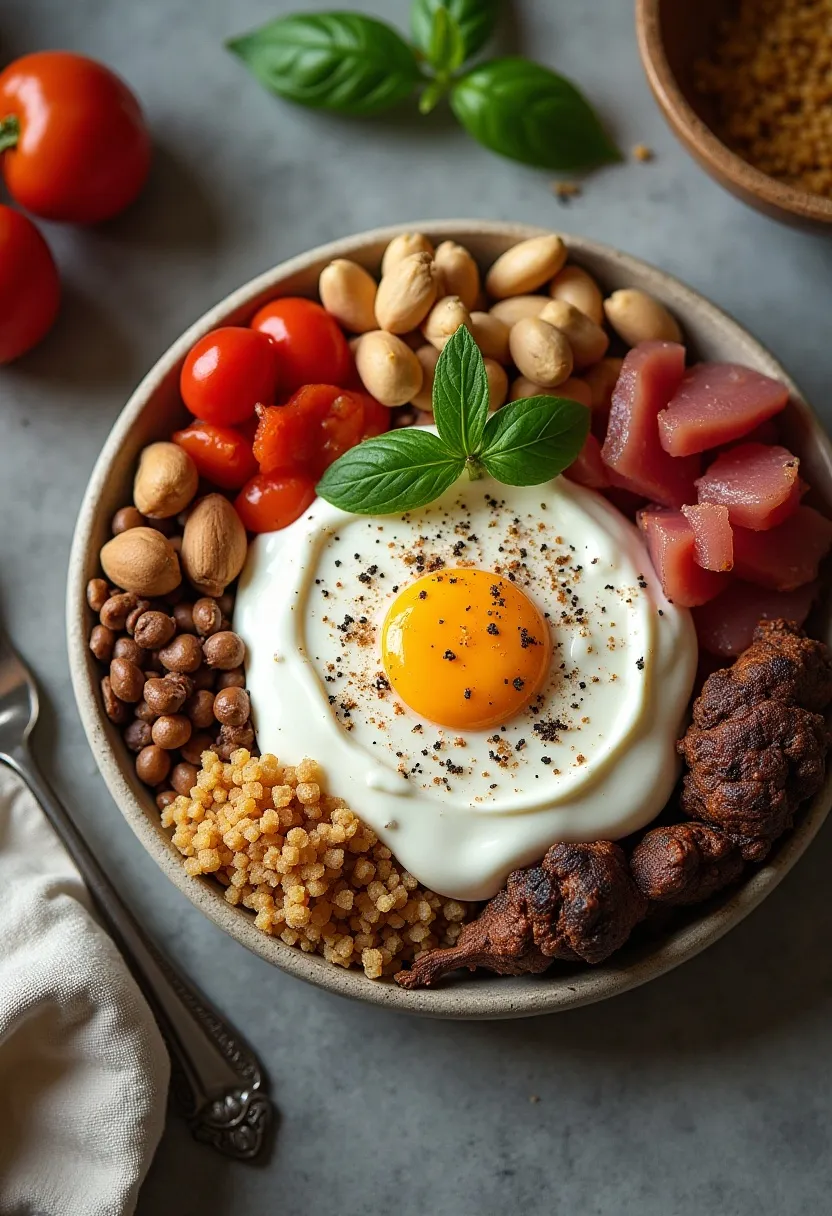
If there’s one eating habit that consistently supports weight loss without leaving you hungry or deprived, it’s this: make protein the anchor of your meals. 🍳🥗✨
Protein is incredibly helpful because it influences the two things that matter most for sustainable weight loss — appetite control and stable energy.
Here’s how it works:
💥 Protein keeps you full for much longer
Compared to carbs or fats, protein triggers stronger satiety signals. After a protein-rich meal, you naturally eat less later in the day because your body feels truly satisfied.
💥 It reduces constant snacking
Stable blood sugar + steady energy = fewer cravings.
People who eat enough protein tend to snack less on sugary or salty foods.
💥 It boosts metabolism slightly
Your body uses more energy to digest protein — a phenomenon called the thermic effect. This means you burn a bit more calories naturally.
💥 It helps maintain muscle while losing weight
Losing weight without sufficient protein can cause muscle loss.
More muscle = higher metabolism = easier weight control.
💥 It balances meals effortlessly
You don’t need to overhaul your diet — just add a protein source:
- eggs
- Greek yogurt
- chicken or turkey
- tofu or tempeh
- fish
- beans or lentils
- cottage cheese
- edamame
Even small increases can make a big difference.
Habit 3: Eat Mindfully — Slow Down & Chew Well
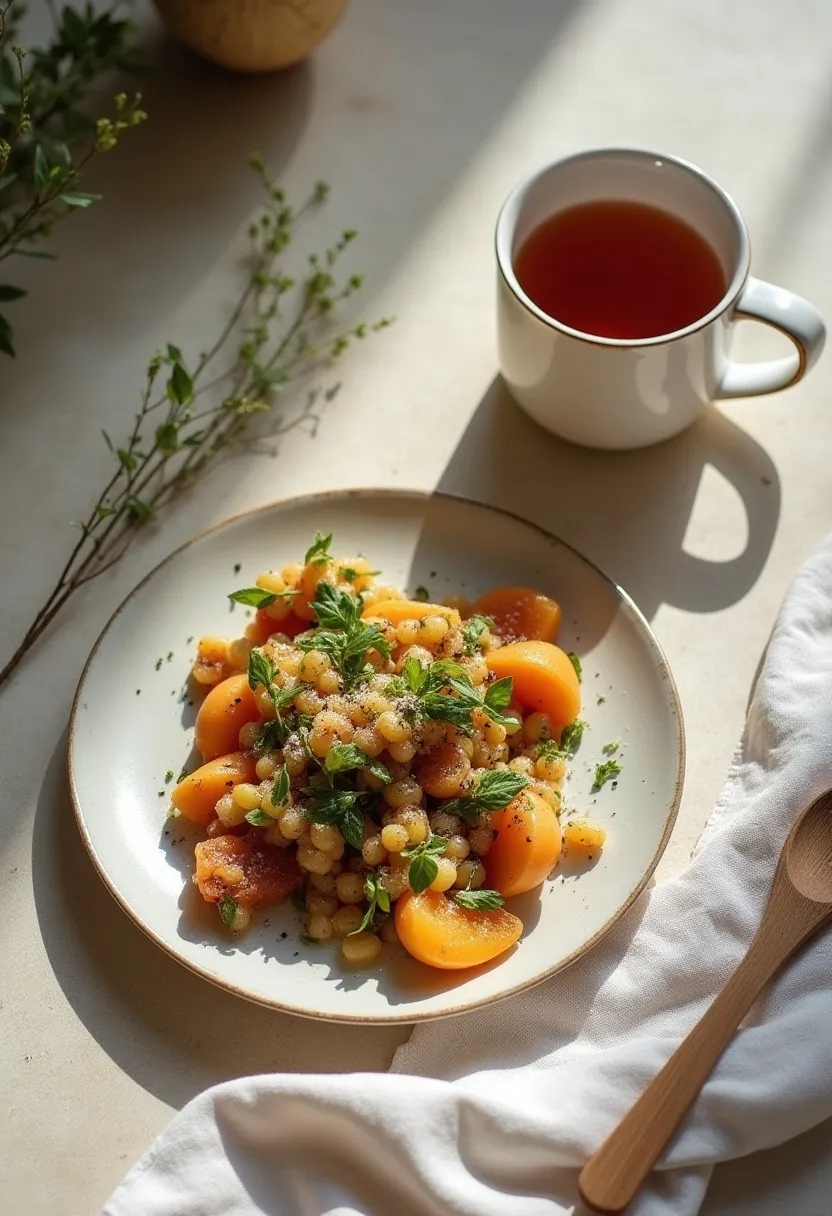
In a world where most meals happen on autopilot — in front of screens, between tasks, or while rushing — mindful eating is a small shift with huge impact. Slowing down helps your body recognize fullness, reduces overeating, and lets you actually enjoy your food. 🍽️🧘♀️
Here’s why eating mindfully supports weight loss so effectively:
💥 Your brain needs time to register fullness
It takes around 15–20 minutes for satiety signals to reach your brain.
When you eat quickly, you often overshoot and only realize you’re full when it’s too late.
💥 You chew more, digest better
Chewing thoroughly helps break down food, making digestion smoother and preventing bloating — a simple but often overlooked factor.
💥 You become more aware of portions
Mindful eaters naturally take smaller bites, notice textures, and feel satisfied earlier.
💥 Emotional eating decreases
Slowing down helps you separate true hunger from stress, boredom, or habit-based eating.
💥 Food becomes more satisfying
When you actually taste and notice your food, you get more enjoyment out of less — meaning you don’t feel the urge to keep eating for pleasure.
How to start eating mindfully:
- Put down your fork between bites.
- Take a breath before starting your meal.
- Avoid screens while eating.
- Notice flavors, textures, and aromas.
- Pause halfway to check: “Am I still hungry?”
It’s not a diet — it’s a kinder way of eating that supports your body’s natural signals. And over time, it becomes one of the most effortless habits for weight loss.
Habit 4: Use Smaller Plates and Portion Control
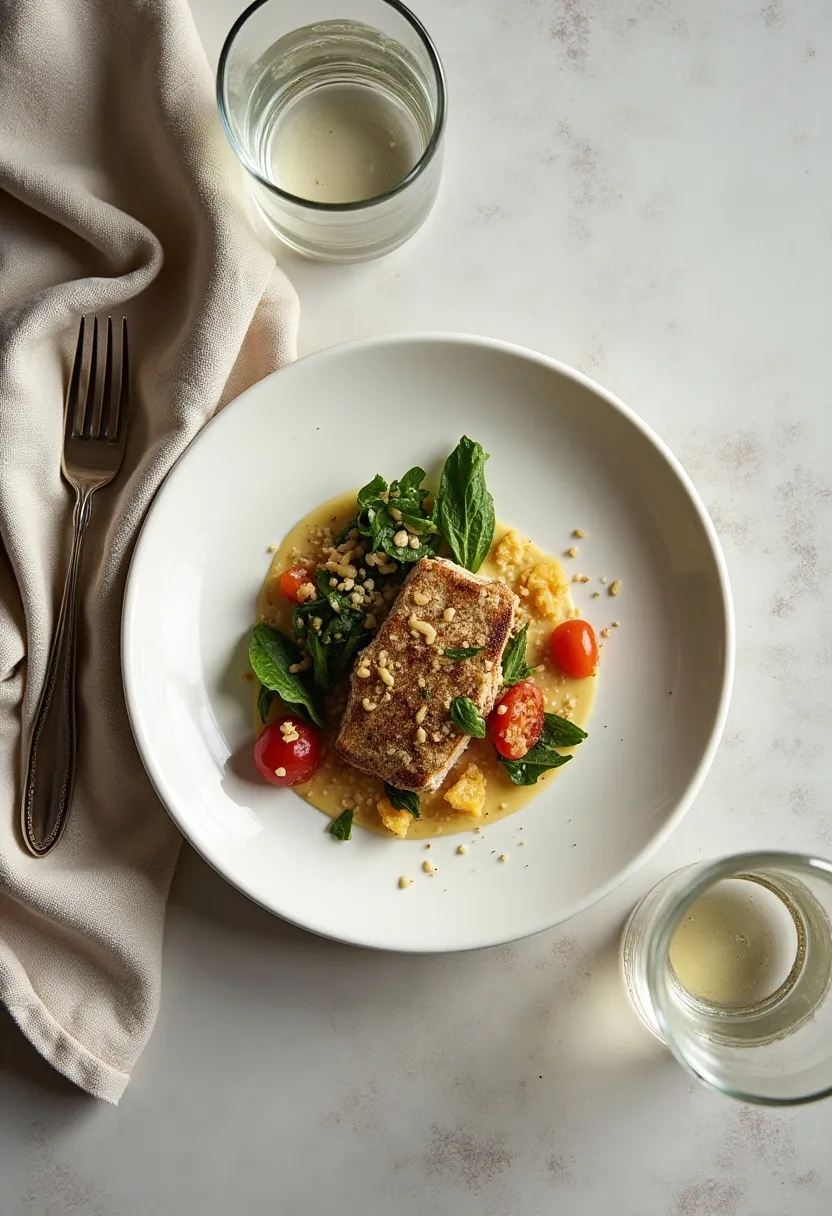
Here’s one of the simplest yet most powerful habits for weight loss: shrink your plate, shrink your portions — without shrinking your satisfaction. 🍽️✨
It may sound almost too easy, but visual perception plays a huge role in how much we eat, and your brain is surprisingly easy to trick.
💥 Your plate size shapes your portion size
When you use a large plate, the same amount of food looks smaller, making you more likely to add extra — even if you’re not that hungry.
On a smaller plate, the same portion looks abundant, satisfying your eyes and your appetite.
💥 You naturally serve yourself less
Research shows people unintentionally eat 20–30% more when plates or bowls are oversized. Smaller dishes create automatic portion control without effort or discipline.
💥 You stay full with less food
Most fullness comes from volume and satisfaction, not calories.
If your brain sees a “full” plate, you feel more content, even if the meal is slightly smaller.
💥 It slows down overeating at home
Portion control habits formed at home tend to follow you when eating out, helping you stay mindful around larger restaurant servings.
💥 It reduces snack overflow too
Small bowls for snacks → fewer handfuls of nuts, chips, dried fruit, granola, or treats.
How to make this habit effortless:
- Use 20–25 cm dinner plates instead of large ones.
- Serve snacks in small bowls, never from the bag.
- Use tall, narrow glasses for juices or high-cal drinks.
- Fill half the plate with veggies to increase volume.
This habit isn’t about restricting — it’s about creating surroundings that support healthier choices automatically.
And the best part? You barely notice the change, but your body will.
Habit 5: Don’t Skip Breakfast (or Start Your Day with a Balanced Meal)
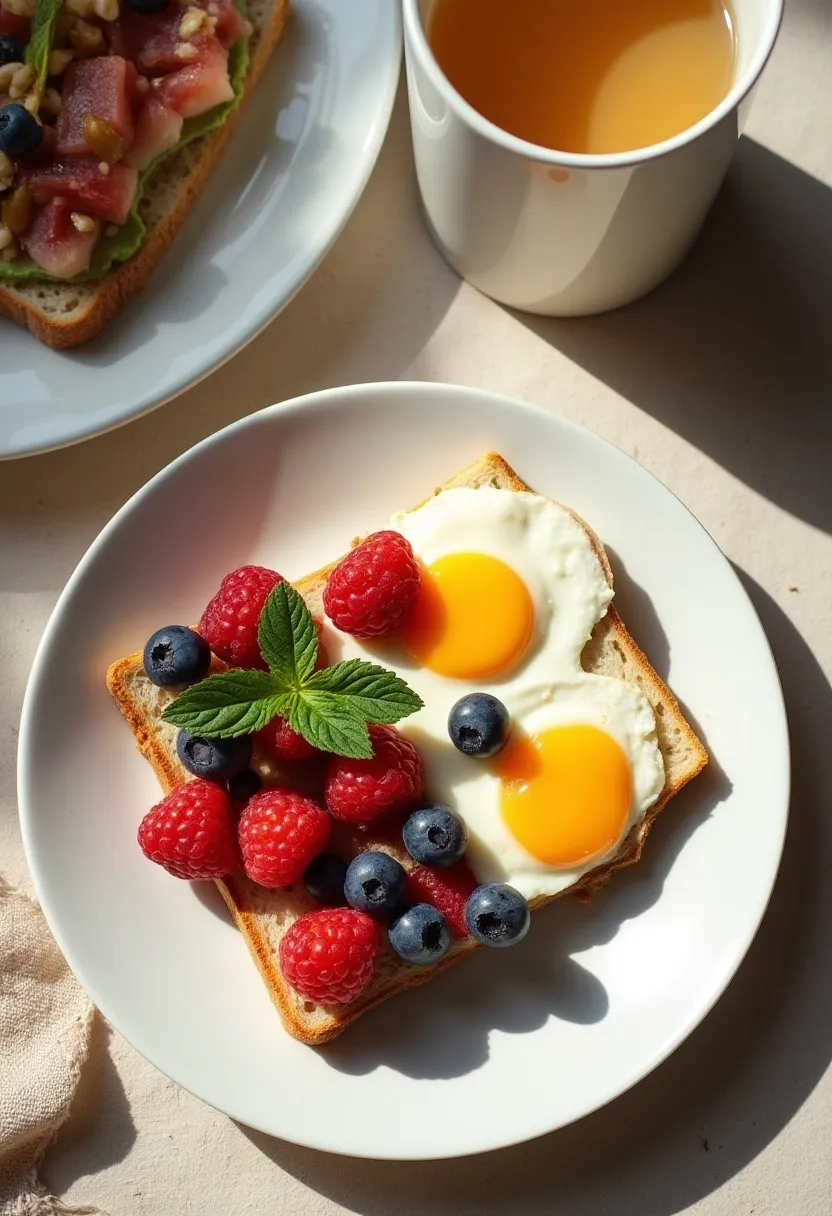
There’s a reason so many nutrition experts call breakfast the foundation of a healthy day. While skipping breakfast might feel like an easy way to “save calories,” it often backfires — leading to stronger cravings, lower energy, and overeating later. 🌅🥣
The key isn’t just eating breakfast.
It’s eating a balanced one.
Here’s why this habit supports weight loss:
💥 It stabilizes blood sugar early in the day
A balanced breakfast with protein, fiber, and healthy fats helps prevent the mid-morning crash that drives you toward sugary snacks or oversized lunches.
💥 It reduces cravings and overeating later
People who skip breakfast often feel hungrier in the afternoon and evening — exactly when willpower is lowest.
A morning meal helps regulate your appetite throughout the entire day.
💥 It boosts energy and mood
Your brain runs on fuel. A nourishing breakfast supports focus, productivity, and emotional stability, which indirectly helps you avoid stress-eating.
💥 It supports a consistent eating rhythm
Regular meals send your body the message:
You’re safe. Food is predictable.
This helps balance hormones that influence appetite, craving intensity, and fat storage.
💥 It helps maintain muscle mass
Including protein in your morning routine supports metabolism and helps preserve muscle — crucial for weight loss.
Easy balanced breakfast ideas:
- Greek yogurt + berries + nuts
- Scrambled eggs + veggies + whole-grain toast
- Oatmeal + chia + fruit + a spoon of nut butter
- Cottage cheese bowl with fruit
- A smoothie with protein + healthy fats + fiber
The goal isn’t perfection — it’s starting your day with intention, nourishment, and stability.
Habit 6: Fill Half Your Plate with Vegetables or Fiber-Rich Foods
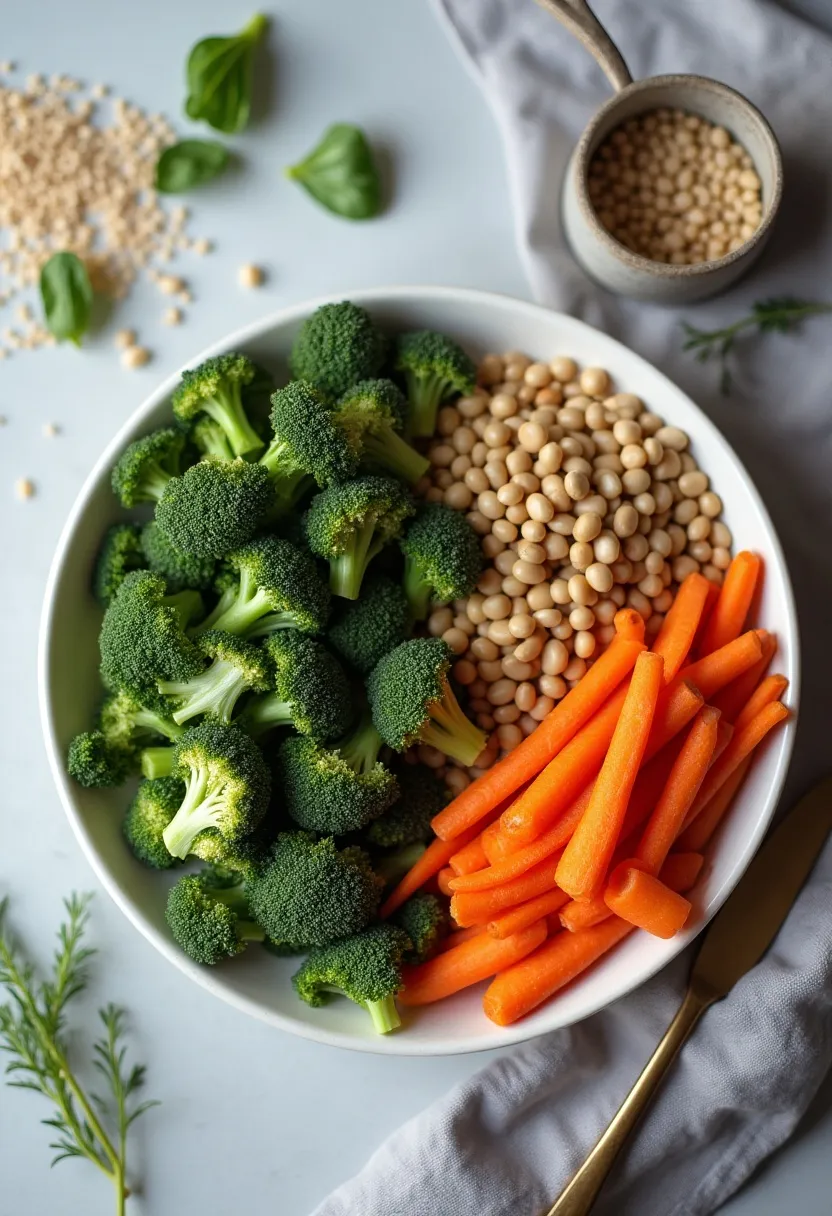
If there’s one habit that makes healthy eating feel effortless — without restricting your favorite foods — it’s this: make half your plate vegetables or other high-fiber foods. 🥦🥕✨
It’s simple, sustainable, and backed by decades of nutrition research.
Here’s why it works so well for weight loss:
💥 Vegetables add volume without adding many calories
Fiber-rich foods create a naturally fuller plate, so you feel satisfied with fewer calories.
You’re eating more food, not less — just smarter food.
💥 Fiber keeps you full longer
Fiber absorbs water and expands in your stomach, promoting steady fullness and reducing cravings hours later.
💥 They stabilize blood sugar
Veggies + whole grains + legumes slow digestion and help avoid the sharp spikes and crashes that lead to snacking and overeating.
💥 They help with digestion and reduce bloating
A fiber-rich plate supports gut health and regularity, both important for feeling comfortable and energized during weight loss.
💥 Your plate looks visually full
A large portion of colorful, vibrant vegetables sends your brain the message that you’re eating a substantial meal — no deprivation, no tiny portions.
💥 They naturally reduce the space for calorie-dense foods
When half your plate is filled with veggies, the remaining space goes to protein and whole grains — leaving less room for overly rich foods without feeling like you’re missing out.
Easy ways to build this habit:
- Start meals with a big salad or roasted vegetables.
- Add veggie sides to lunches and dinners.
- Mix greens into grain bowls, soups, and pasta.
- Keep frozen vegetables on hand for quick meals.
This isn’t a diet — it’s a structure. And once it becomes routine, weight loss feels easier, gentler, and far more enjoyable.
Habit 7: Limit Sugary Drinks & Processed Snacks

If there’s one habit that delivers quick, noticeable results, it’s reducing sugary drinks and processed snacks. These foods don’t just add calories — they create cravings, spike blood sugar, and make your appetite harder to control. Cutting back (not eliminating!) can transform your daily energy and support steady weight loss. 🍹🍪⚡
Here’s why this habit is so powerful:
💥 Sugary drinks bypass your fullness signals
Liquid calories — soda, sweetened coffee, juice, energy drinks — don’t trigger satiety the way food does.
You can drink 150–300 calories in seconds and still feel hungry.
💥 Processed snacks spike blood sugar
Chips, sweets, pastries, candy bars, sugary granola bars — they all lead to quick glucose highs, followed by sharp crashes.
And crashes = cravings.
This cycle encourages overeating without providing real nourishment.
💥 They activate “reward hunger,” not real hunger
Highly processed, sweet, salty, and crunchy foods activate dopamine, making them feel irresistible.
Your brain wants more even when your body doesn’t need more.
💥 Reducing them balances your appetite naturally
When you limit these foods, you’ll notice:
- more stable energy
- fewer cravings
- easier portion control
- better mood and focus
- more enjoyment from whole foods
💥 “Limiting” doesn’t mean eliminating
This habit is not about perfection.
It’s about choosing these foods intentionally, not out of stress or impulse.
Simple swaps that help immediately:
- sparkling water instead of soda
- fruit-infused water instead of juice
- nuts or fruit instead of candy
- Greek yogurt instead of sweetened snacks
- whole-grain crackers instead of chips
Tiny changes repeated daily make a big difference.
Habit 8: Plan Meals Ahead & Prepare at Home
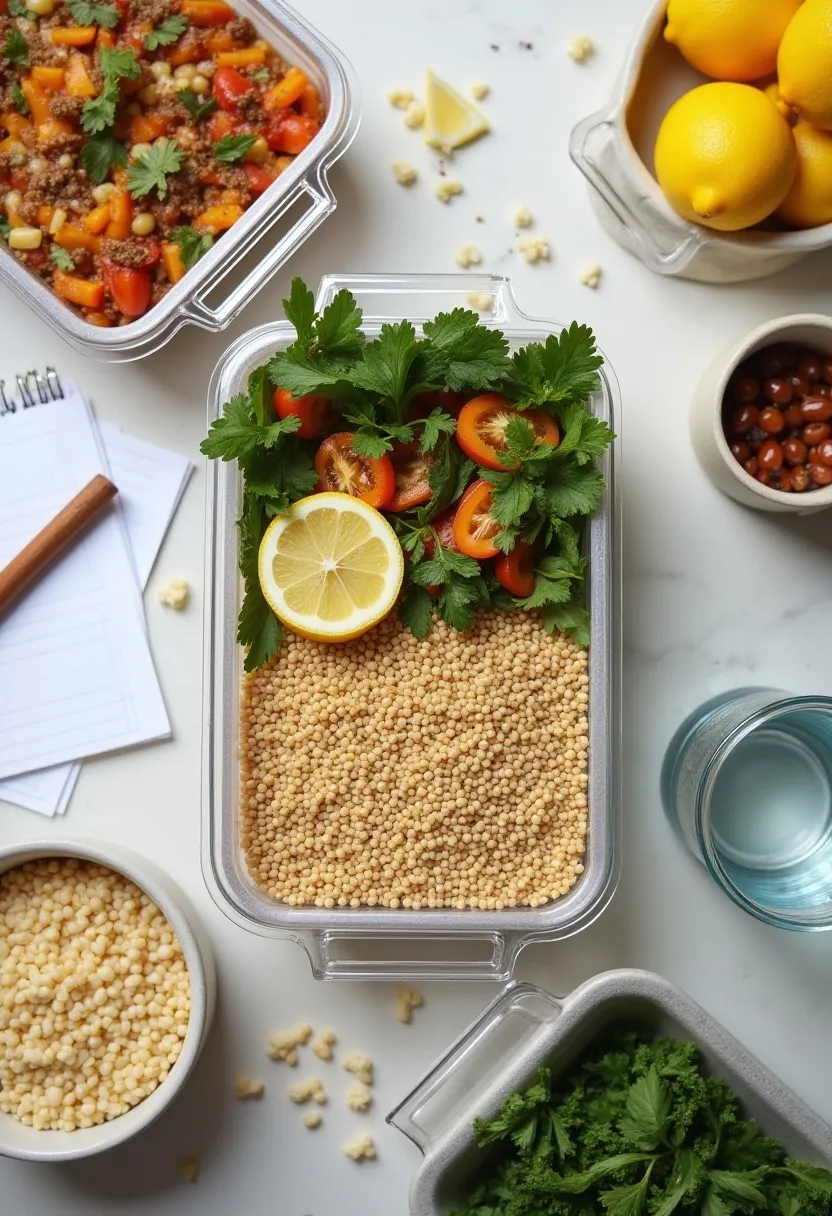
If there’s one habit that simplifies weight loss more than almost anything else, it’s this: plan what you’ll eat before you’re hungry.
Meal planning and home cooking don’t just save time — they save you from last-minute choices driven by stress, cravings, or convenience. 🍲📝✨
Here’s why this habit works so well:
💥 You control ingredients and portions
Restaurant and takeout meals are often higher in calories, fats, sugar, and salt than homemade food.
When you cook at home, you decide:
- how much oil to use
- what goes into the sauce
- how big the portion is
- whether to add extra veggies or whole grains
💥 It reduces impulse eating
When your meals are planned, you’re less likely to grab fast food, skip meals, or reach for processed snacks just because you’re too hungry to think.
💥 It saves mental energy
Decision fatigue is very real.
Having a meal plan means one less choice to make during a busy day — and fewer opportunities to slip into “whatever’s easiest” mode.
💥 It supports consistent eating patterns
Regular meals help keep blood sugar steady, cravings under control, and appetite signals clear.
💥 Healthy habits feel easier when your environment supports them
When your fridge is stocked with prepped foods, you naturally choose them.
When you don’t plan… your environment chooses for you.
Easy ways to build this habit:
- Plan 2–3 dinners for the week (not all 7).
- Prep basic items: roasted veggies, cooked grains, boiled eggs.
- Make double portions and save leftovers for lunch.
- Keep simple, healthy staples always ready (Greek yogurt, fruit, eggs, beans, frozen vegetables).
- Use a weekly grocery list to stay on track.
Small planning equals big consistency.
And consistency equals results you can actually maintain.
Habit 9: Don’t Eat Late at Night — Respect Your Body’s Natural Rhythm
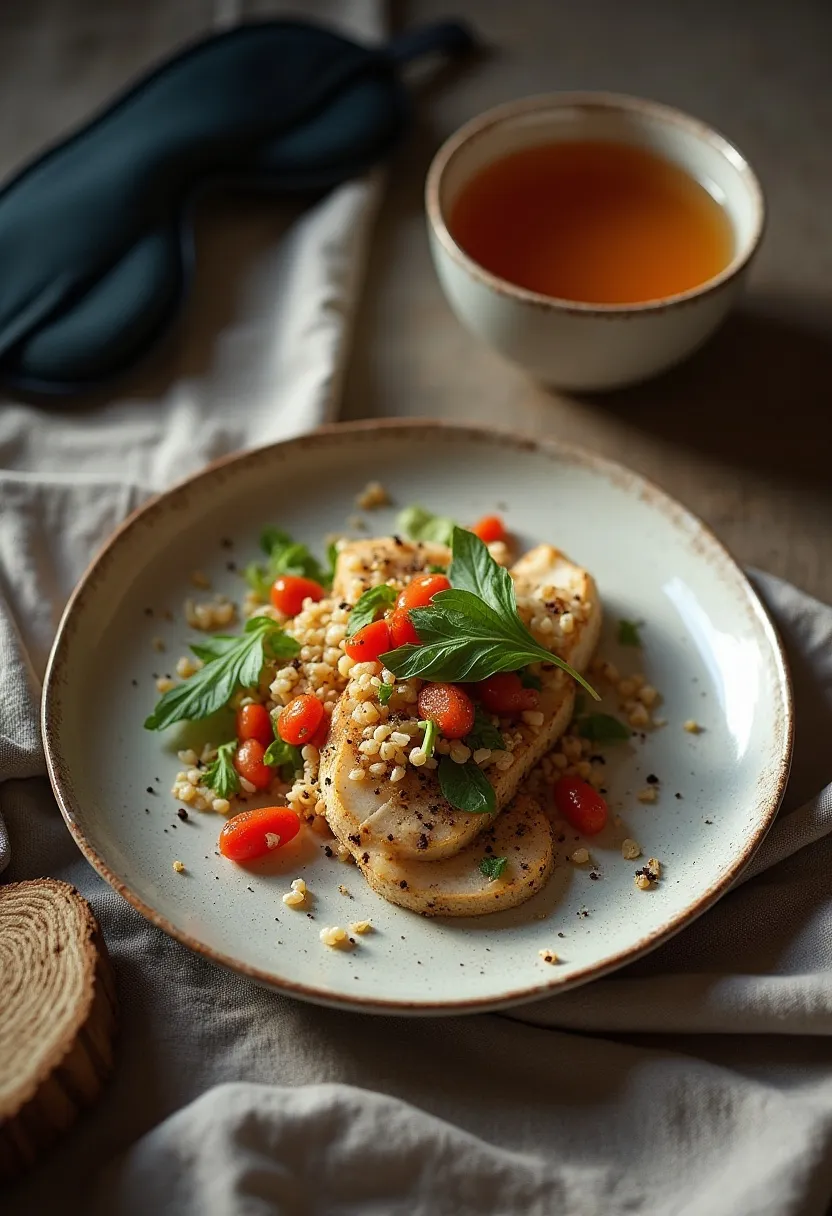
Late-night eating is one of the most common habits that quietly derails weight-loss efforts. Not because late food is “bad,” but because your body simply isn’t designed to digest large meals when it’s winding down for rest. 🌙🍽️
Your metabolism, hunger hormones, digestion, and even your insulin response all follow a circadian rhythm — a natural clock. When you eat against that clock, things get out of sync.
Here’s why avoiding late-night meals can support weight loss:
💥 Digestion slows down in the evening
Your body prepares for rest, not processing big meals.
Eating late can lead to:
- slow digestion
- bloating
- discomfort
- poorer sleep quality
Which then affects appetite the next day.
💥 Late meals tend to be higher-calorie
People rarely reach for salads at 10 p.m.
Late-night eating often means:
- sweets
- snacks
- fast food
- comfort foods
Triggered by tiredness, not hunger.
💥 Hormones get disrupted
Nighttime eating can affect:
- insulin (controls blood sugar)
- ghrelin (hunger hormone)
- leptin (fullness hormone)
This leads to more cravings and less satisfaction the following day.
💥 It becomes easier to overeat
Your brain’s reward system is more active when tired, meaning you’re more likely to eat mindlessly or emotionally — even if you’re not hungry.
💥 It supports better sleep
Going to bed with a light, calm stomach improves sleep quality.
And better sleep = better eating habits, hormones, and appetite control.
Tips to break the late-night eating cycle:
- Have a complete dinner with protein + fiber + healthy fats.
- Set a “kitchen closing time.”
- Identify emotional triggers (boredom, stress, habit).
- Sip herbal tea in the evening.
- Brush your teeth earlier — a surprisingly effective cue.
This habit isn’t about strict rules — it’s about aligning eating with your body’s natural rhythm so everything feels easier.
Habit 10: Be Consistent — Small Habits Over Time Beat Strict Diets

If there’s one truth that stands above all in weight loss, it’s this:
what you do consistently matters far more than what you do perfectly. 🌱⏳
You don’t need extreme diets, intense restrictions, or flawless discipline.
You need habits — small, sustainable actions repeated daily — because those are the things that reshape your appetite, your energy, and your long-term results.
Here’s why consistency is the real “secret” to weight loss:
💥 Small habits create compound results
Drinking water before meals, choosing protein, eating slowly, planning your food — these don’t feel dramatic in the moment. But repeated over weeks and months, they create powerful change.
💥 Consistency stabilizes hunger and hormones
Your body thrives on routine.
When you eat regularly and thoughtfully, your appetite, blood sugar, and cravings naturally balance.
💥 Strict diets fail because they’re temporary
Most weight-loss attempts collapse because they rely on willpower, rules, and deprivation.
Habits don’t rely on motivation — they run quietly in the background.
💥 Habits adapt to your lifestyle
Busy week? Traveling? Stressed?
Good habits bend without breaking.
They’re flexible enough to support your real life, not fight against it.
💥 Progress becomes effortless
Consistency builds confidence, and confidence creates momentum.
Over time, these habits stop feeling like “effort” — they become simply the way you live.
How to love the process, not dread it:
- Start with 1–2 habits, not all 10 at once.
- Track only the habits you want to reinforce.
- Celebrate tiny wins — they matter.
- Let go of perfection; aim for “better,” not “flawless.”
- Remind yourself that consistency is self-care, not pressure.
Weight loss becomes sustainable and enjoyable when it’s built on gentle, everyday actions — not short bursts of restriction.
Conclusion — Sustainable Change Over Quick Fixes

Weight loss isn’t a race or a challenge — it’s a collection of small choices that gently shift the way you nourish your body. And the best part? These choices don’t require punishing workouts, extreme restrictions, or complicated plans. They simply ask you to show up with awareness, patience, and consistency. 💛
Throughout this guide, you’ve seen how 10 simple eating habits can create powerful, lasting change: drinking more water, prioritizing protein, eating mindfully, portioning with intention, planning meals, and more. None of these habits are dramatic on their own… but together, they build a lifestyle where healthy eating comes naturally.
Because sustainable weight loss is not about willpower
— it’s about structure.
Not about perfection
— but patterns.
Not about restriction
— but alignment with what helps your body feel and function its best.
When you nourish your body with balance, hydrate well, move consistently, and respect your hunger cues, weight loss becomes a side effect of living well — not an uphill battle.
So instead of aiming for quick fixes, commit to slow, steady improvements.
Trust the process, trust your body, and let these habits become the quiet foundation of your healthiest life.
FAQ — Common Questions About Healthy Eating Habits & Weight Loss
1. Do these habits work for everyone?
Yes — because they’re based on fundamental principles of appetite regulation, digestion, metabolism, and daily behavior.
They’re flexible, gentle habits that adapt to any diet style or lifestyle, not a one-size-fits-all meal plan.
2. How fast will I see results?
Most people notice changes in:
- energy
- cravings
- portion sizes
- digestion
within 1–2 weeks.
Visible weight changes typically appear within 4–8 weeks, depending on consistency, sleep, activity, and individual metabolism.
3. Can I combine multiple habits at once?
Absolutely — in fact, combining 2–3 habits often leads to quicker improvements.
However, don’t overwhelm yourself. Begin with one or two, master them, then add another when ready.
4. What if I’m too busy to plan meals or cook every day?
You don’t need elaborate meal prep. Try:
- prepping ingredients, not full meals
- using frozen veggies or pre-washed greens
- rotating 2–3 simple “go-to” meals
- cooking once and doubling portions
- choosing quick protein options like yogurt, eggs, canned beans, or tuna
Small planning beats no planning.
5. What should I do when I hit a weight-loss plateau?
Plateaus are normal. Try adjusting:
- portion sizes (especially snacks)
- protein intake
- sleep quality
- fiber intake
- hydration
- exercise intensity or variety
Even small tweaks can restart progress.
6. Can I still enjoy treats while following these habits?
Yes — treats aren’t the enemy.
Include your favorite foods mindfully, not restrictively. Balance is sustainable, deprivation isn’t.
7. What if I struggle with emotional eating?
Start by identifying patterns: stress, boredom, fatigue, or nighttime loneliness.
Supporting habits:
- regular meals
- better sleep
- mindful eating
- swapping environment triggers
And consider gentle emotional tools like journaling, walking, or grounding techniques.
8. Do I need to count calories to lose weight?
Not necessarily.
These habits naturally regulate appetite and portion size, reducing the need for strict tracking.
Calorie counting can be helpful for some, but it’s not required for sustainable weight loss.