Contents
- What Are Antioxidants, Really?
- How Antioxidants Help Keep You Healthy
- Antioxidants and Your Skin
- Antioxidants and Healthy Aging
- The Best Antioxidant-Rich Foods to Add to Your Plate
- Easy Ways to Eat More Antioxidants Without Overthinking It
- Can You Have Too Much of a Good Thing?
- A Gentle, Real-Life Take on Antioxidants
- Conclusion
- FAQ
You’ve probably seen the word antioxidants on smoothie labels, skincare packaging, and health blogs so often that it starts to blur into the background. It sounds important. It sounds healthy. But it can also feel a little vague — like one of those wellness words everyone uses without really explaining.
Here’s the simple truth: antioxidants help protect your body from everyday stress at the cellular level. That may sound technical, but the idea is actually very human. Your body is constantly working for you — repairing, renewing, fighting off damage, and trying to keep things in balance. Antioxidants are part of that quiet support system.
And this matters more than you might think.
From the food you eat to the air you breathe, your body deals with small sources of wear and tear every single day. A rushed lunch, a few nights of poor sleep, too much sun, stress that sits in your shoulders longer than it should — it all adds up. You may not notice it right away, but over time, your body feels the difference. Your energy, your skin, and your overall health are all connected to how well your body can handle that daily load.
That’s where antioxidant-rich foods come in. Not as a magic fix. Not as some trendy shortcut. Just as one of the most natural ways to support your body with what it already knows how to do.
Think of a bowl of blueberries in the morning, a handful of walnuts in the afternoon, or roasted vegetables with olive oil at dinner. These aren’t dramatic changes. They’re simple, grounding foods that can help nourish your body in ways that go deeper than calories or cravings. They bring color, texture, freshness — and a kind of steady support that often gets overlooked.
In this article, you’ll learn what antioxidants actually are, how they help protect your health, why they matter for skin and energy, and which foods are the best natural sources. By the end, the word “antioxidants” won’t feel abstract anymore. It’ll feel practical — something you can understand and use in your everyday life.
What Are Antioxidants, Really?
A simple way to think about them
At their core, antioxidants are natural compounds that help protect your cells. They act like part of your body’s everyday defense system, helping limit the kind of damage that can build up over time.
You don’t need to picture anything dramatic. This is more like quiet maintenance — the kind that keeps things running smoothly behind the scenes. Your body is always producing energy, repairing tissue, digesting food, responding to stress, and dealing with the outside world. All of that activity is normal, but it also creates byproducts that can put pressure on your cells.
Antioxidants help keep that pressure in check.
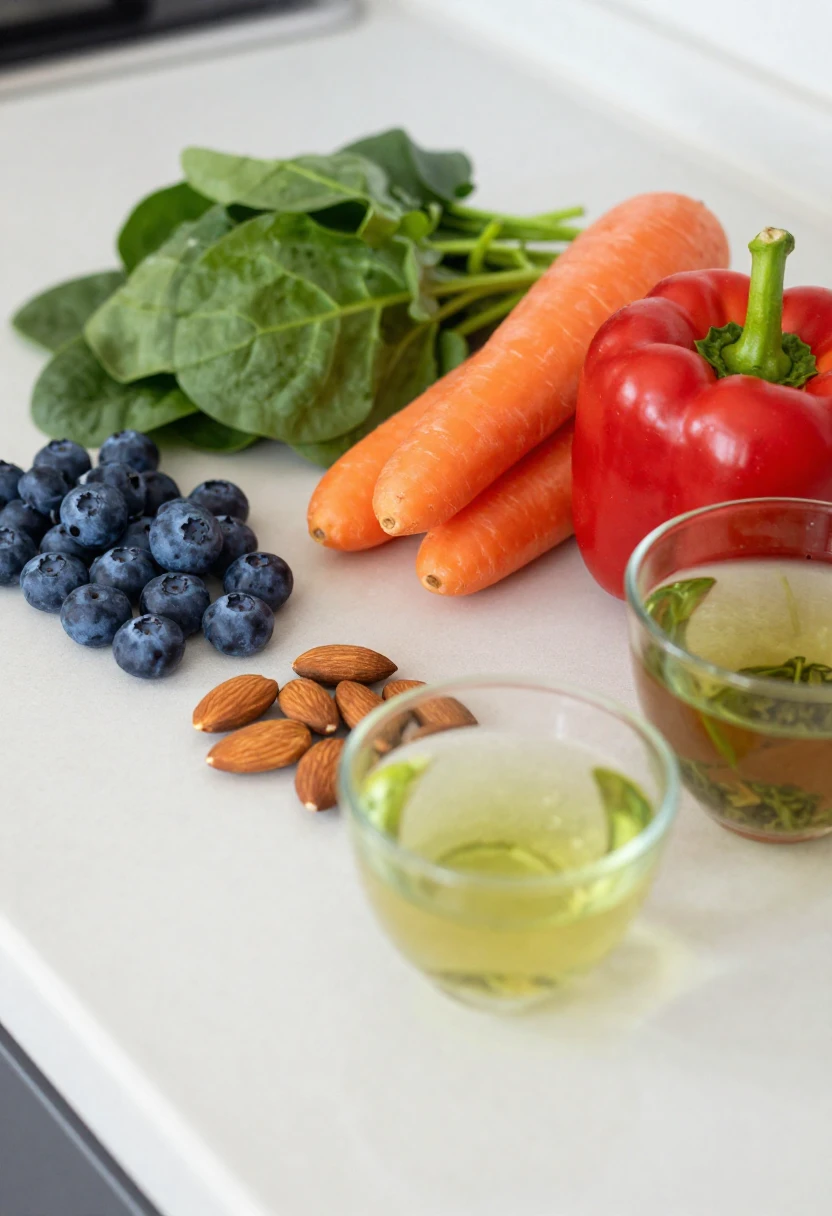
They’re found naturally in many foods, especially fruits, vegetables, nuts, seeds, beans, herbs, and teas. And one of the easiest ways to spot them is often with your eyes: deep blueberries, bright spinach, ruby-red beets, orange sweet potatoes. So much of the color on your plate comes with compounds that do more than make food look beautiful.
What free radicals are
To understand antioxidants, it helps to know what they’re working against: free radicals.
Free radicals are unstable molecules that form as part of normal life. Your body creates some on its own just by doing everyday things like turning food into energy. Others come from outside sources, like:
- air pollution
- cigarette smoke
- UV rays from the sun
- chronic stress
- lack of sleep
- highly processed diets
That may sound alarming, but free radicals themselves are not the enemy. Your body is built to handle them. The issue is when you have too many of them and not enough support to balance them out.
A simple way to picture it: imagine your body as a busy kitchen. Cooking always creates a bit of heat, steam, and mess. That’s normal. But if the smoke keeps building and no one opens a window or wipes the counters, the space starts to feel heavy. Antioxidants are part of that cleanup system. They help keep things from getting out of hand.
Why balance matters
This is where the real idea comes in: health is often about balance, not extremes.
Your body can manage a certain amount of oxidative stress — that’s the term used when free radicals start creating more damage than your defenses can comfortably handle. Small amounts are a normal part of life. But when stress piles up from all directions, your body has to work harder.
That’s one reason a nourishing diet can feel so different from a scattered one. It’s not only about fullness. It’s about support.
When you regularly eat foods rich in antioxidants, you give your body more of the raw materials it needs to protect itself. Not in a flashy way. More like a steady, reliable kind of help — the nutritional version of getting enough sleep, drinking water, and finally stepping outside for a breath of fresh air.
And that’s why antioxidants matter. They’re not magic. They’re not a shortcut. They’re simply one important part of how your body stays resilient, repaired, and well cared for.
How Antioxidants Help Keep You Healthy
They help protect your cells from daily wear and tear
Your body is busy all day long, even when you are resting. It digests food, repairs tissue, balances hormones, powers your muscles, and keeps your brain alert enough to remember where you left your keys. That constant activity is part of being alive, but it also creates natural stress inside the body.
This is where antioxidants help with everyday cellular protection. They support your body as it deals with the small, repeated strain that comes from normal life. You may not feel that process happening in real time, but your body does. It is always trying to repair, recover, and stay balanced.
Think of it like caring for a home. Dust gathers, dishes appear, the floor gets marked up, and laundry somehow multiplies overnight. None of it means the house is falling apart. It just means regular upkeep matters. In a similar way, antioxidant-rich foods help your body with that steady behind-the-scenes maintenance.
They support your immune system
Your immune system does not work in isolation. It relies on many factors — sleep, movement, stress levels, hydration, and of course, the nutrients you eat every day.
Many antioxidant-rich foods also provide vitamins and plant compounds that support immune health. Foods like berries, citrus, leafy greens, red peppers, garlic, and green tea do more than fill your plate. They bring in nutrients your body can use to stay resilient.
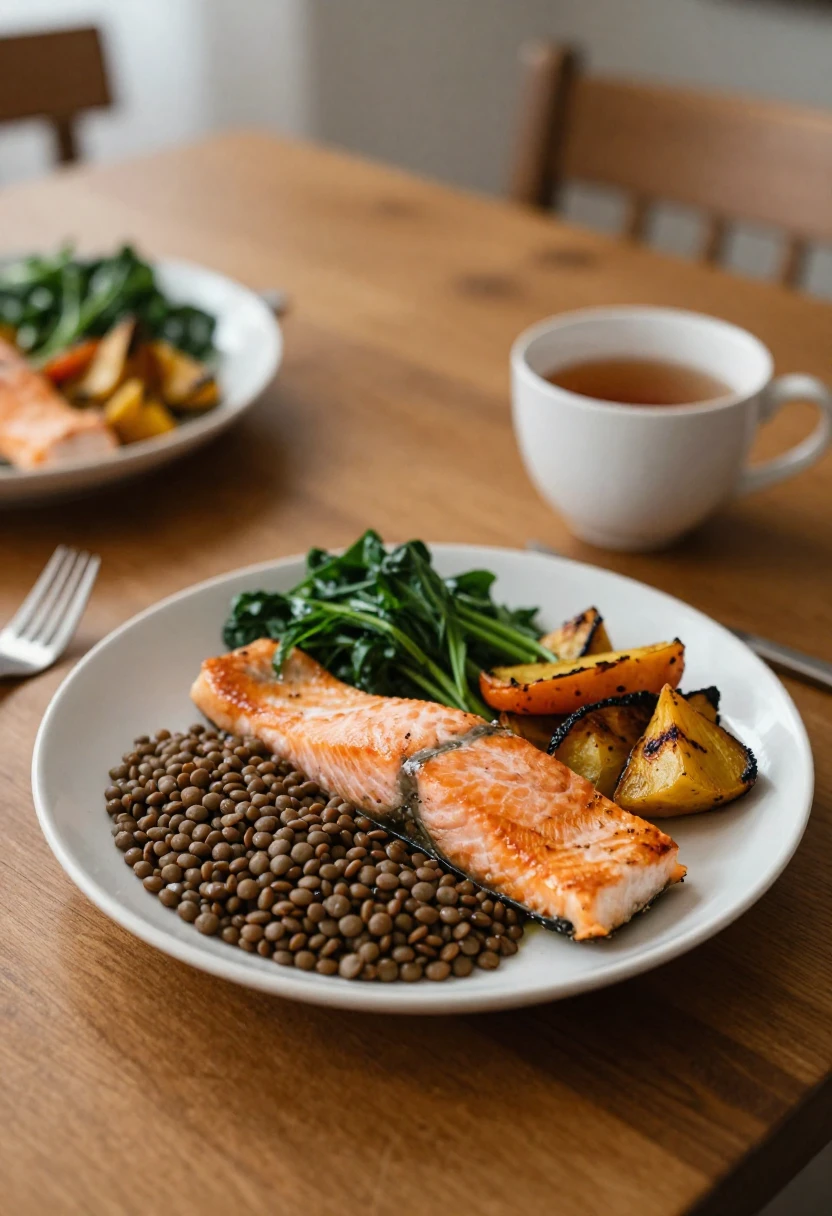
And often, the healthiest meals are not the most complicated ones. A bowl of vegetable soup when you are run-down. Yogurt with fruit and seeds when your appetite feels off. A simple dinner with roasted carrots, greens, and salmon after a long day. These are the kinds of meals that feel comforting, but they also quietly support your body in real ways.
They may support healthy aging
Aging is natural. Your skin changes, your energy shifts, and your body does not always bounce back the way it did at twenty. That is not failure. That is life. But there is a difference between getting older and feeling constantly depleted.
Antioxidants may help support healthy aging by helping your body manage oxidative stress over time. This matters because long-term cellular stress is one of the reasons aging is often discussed alongside diet and lifestyle.
That does not mean antioxidants can stop aging, and honestly, they do not need to. What they can do is support the systems that help you feel more like yourself — your skin, your brain, your overall vitality, and your ability to recover from daily strain.
A plate full of colorful, whole foods will not turn back the clock. But it can help you move through the years with more strength, nourishment, and care. And that is a much more meaningful goal.
They help your body recover from modern life
Sometimes the biggest challenge is not one major event. It is the pile-up of little things: too much screen time, too little sleep, stress that lingers, skipped meals, grab-and-go snacks, and days when fresh food feels like more effort than you can manage.
Modern life has a way of pulling you away from what makes your body feel steady. That is why returning to antioxidant-rich foods can feel so grounding. A crisp apple with almond butter. A spinach omelet in the morning. Lentil soup at lunch. A handful of berries after dinner. These choices are simple, but they help rebuild a rhythm your body recognizes.
Antioxidants are not a cure for stress, but they are part of a supportive way of eating that helps you recover, refuel, and feel more cared for from the inside out.
That is really the heart of it. Antioxidants matter because they work quietly, consistently, and naturally — supporting your health in the places you cannot always see, but often feel.
Antioxidants and Your Skin
Why your skin deals with oxidative stress every day
Your skin is doing much more than just sitting on the surface. It is your body’s first layer of protection, constantly facing the outside world — sun, wind, dry air, pollution, and all the little environmental stressors that come with daily life.
Even on ordinary days, your skin is working hard.
A walk in bright sunlight, a long afternoon in city air, a week of poor sleep, a stretch of stress where your whole routine slips a little — these things may seem small, but your skin often reflects them. Sometimes it shows up as dullness. Sometimes as dryness, uneven tone, or that tired look you notice before anyone else does.
This is one reason antioxidants are so often linked to skin health. They help support your body as it manages oxidative stress, including the kind that can affect how your skin looks and feels over time.
Nutrients your skin loves
When people talk about glowing skin, they often focus on creams, serums, and treatments. Those can absolutely have a place. But skin also depends on what is happening inside your body, and certain antioxidant nutrients are especially well known for supporting it.
Some of the most talked-about include:
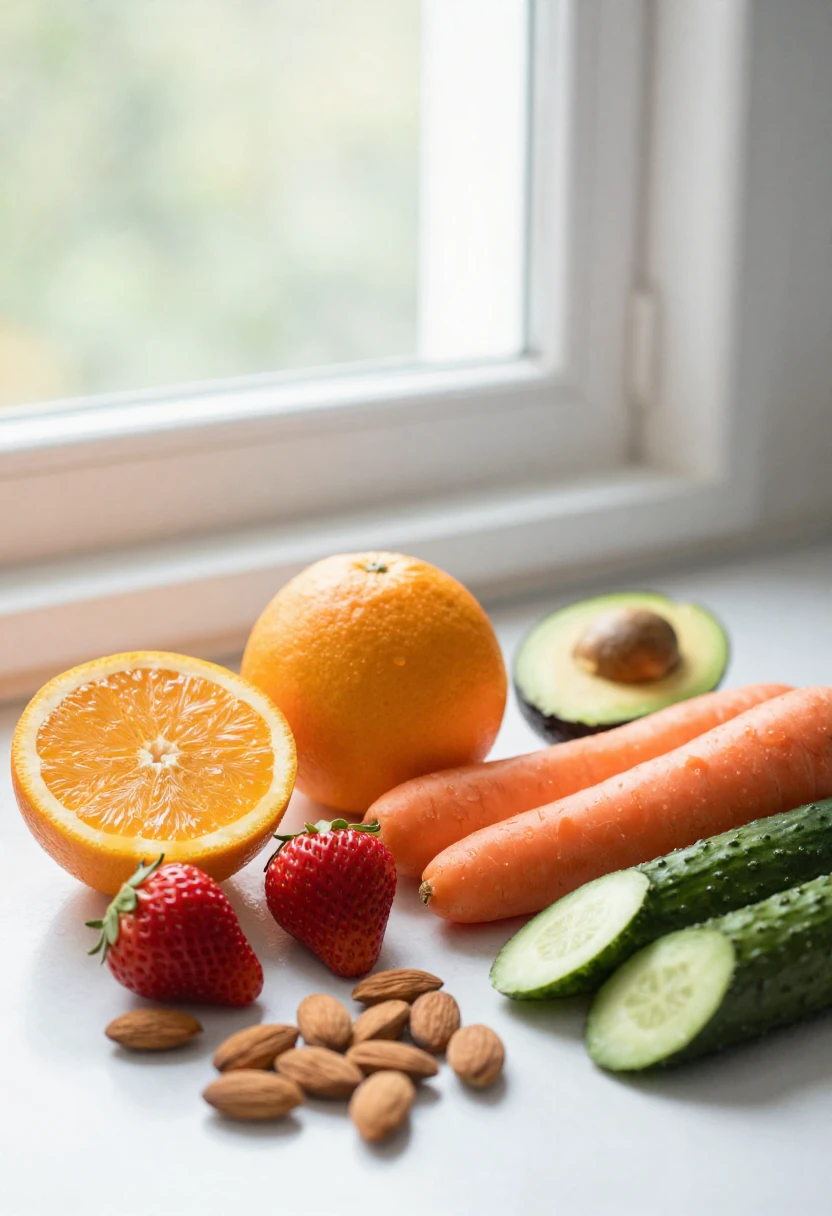
- Vitamin C, found in citrus fruits, strawberries, kiwi, and bell peppers
Helps support collagen production and skin resilience - Vitamin E, found in almonds, sunflower seeds, and avocado
Helps protect skin cells and supports moisture balance - Beta-carotene, found in carrots, sweet potatoes, pumpkin, and leafy greens
A plant pigment that your body can convert into vitamin A, which supports skin renewal - Polyphenols, found in berries, cocoa, green tea, and many herbs
Plant compounds linked to overall skin protection and wellness
The beautiful part is that many of these foods are easy to enjoy. You do not need a perfect meal plan. A smoothie with berries, a salad with colorful peppers, roasted sweet potatoes with dinner, or a snack of orange slices and a few almonds can all bring something useful to the table.
What this looks like in real life
Healthy skin rarely comes from one miracle ingredient. It usually comes from a pattern — enough water, enough rest, a bit of fresh air, and meals that regularly include nutrient-rich foods.
That is why supporting your skin from the inside out tends to feel more sustainable than chasing quick fixes.
You might not eat blueberries for three days and wake up looking like a skincare ad. Real life is not that dramatic. But over time, a food pattern rich in antioxidants can help support skin that feels more balanced, better nourished, and a little more alive.
And there is something comforting about that.
It is not about flawless skin. It is about cared-for skin. The kind that comes from habits that are gentle, steady, and realistic enough to keep.
So yes, serums can be lovely. A good moisturizer can make a difference. But a plate with color on it — greens, berries, tomatoes, carrots, herbs, nuts — is also part of the picture. Food and skincare do not compete. They work best together.
Antioxidants and Healthy Aging
The connection between oxidative stress and aging
Aging happens to everyone. It is built into life. But the way you feel as the years go on is shaped by more than just your birth date. Daily habits, stress, sleep, movement, and food all leave their mark over time.
This is where oxidative stress and aging often come into the conversation.
When your body is exposed to more stress than it can comfortably balance — whether from poor diet, chronic tension, environmental factors, or simply the wear and tear of everyday life — that pressure can build up at the cellular level. Over the years, that matters. It can affect how your skin looks, how steady your energy feels, and how well your body recovers.
That does not mean aging is something to fight with fear. It just means your body benefits from support.
And antioxidant-rich foods are one of the gentlest ways to offer that support. They help your body manage the kind of everyday damage that can quietly add up over time. Not perfectly. Not magically. But consistently.
Brain, memory, and everyday sharpness
Healthy aging is not only about appearance. For many people, it is also about wanting to feel mentally clear, emotionally steady, and present in everyday life.
You want to remember why you walked into the room. You want to stay focused through the afternoon. You want your mind to feel like it belongs to you, even on busy days.
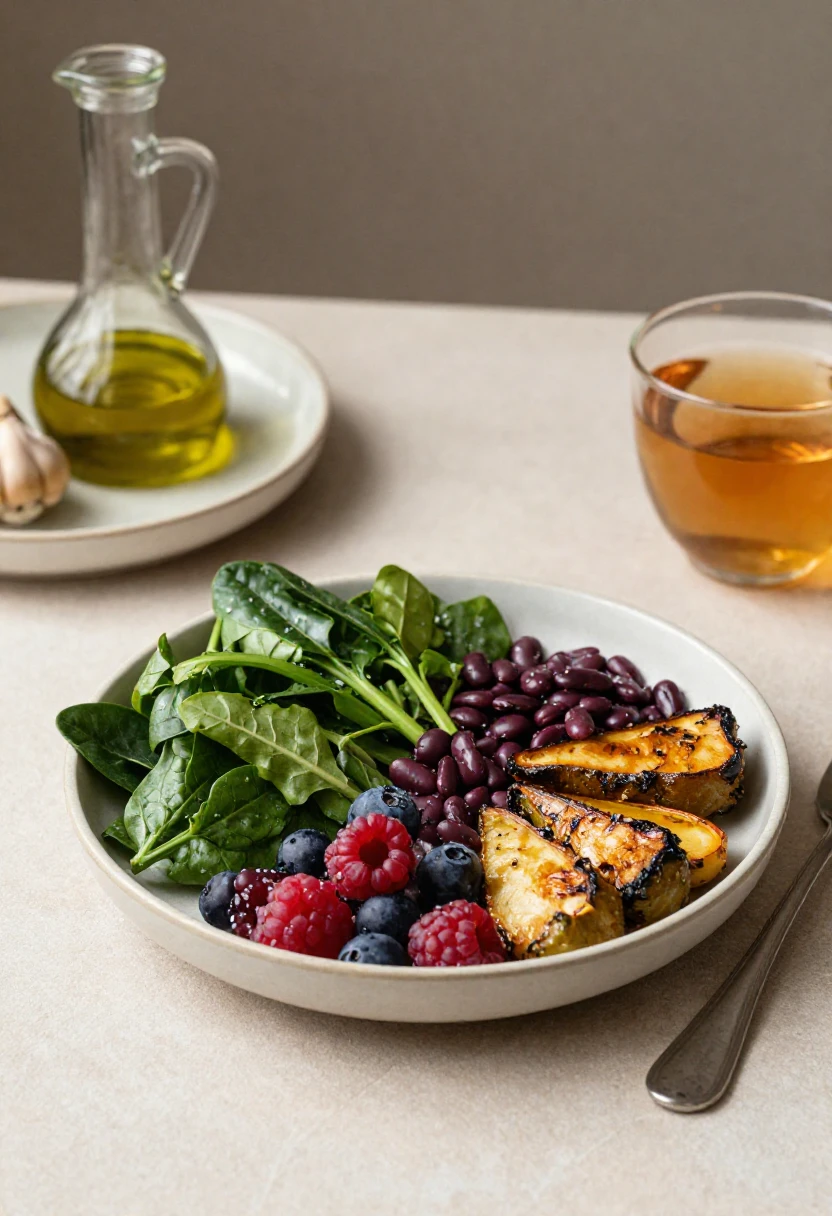
Certain antioxidant-rich foods are often linked to brain health and cognitive support, especially when they are part of an overall nourishing eating pattern. Berries, leafy greens, olive oil, beans, nuts, seeds, and tea are simple examples of foods that show up again and again in conversations about long-term wellness.
And honestly, this kind of eating rarely looks glamorous. It looks like a bowl of oatmeal with blueberries and walnuts. A lunch with greens, chickpeas, and roasted vegetables. A cup of tea instead of another sugary drink when your mind already feels overstimulated.
These are small choices, but they create a rhythm. And over time, rhythm matters.
Aging well vs chasing perfection
There is a big difference between supporting healthy aging and chasing some impossible version of perfection.
Healthy aging is not about pretending you will never change. It is not about flawless skin, endless energy, or looking twenty forever. It is about staying connected to your body in a way that feels respectful. Nourishing it. Listening when it needs rest. Feeding it foods that help it feel steady, strong, and cared for.
That is one reason antioxidants make sense in a real-life wellness routine. They fit into habits that are sustainable. A colorful plate. A cup of green tea. Extra herbs in your soup. Fruit instead of something ultra-processed when you want a snack that actually leaves you feeling better.
These choices are not dramatic, and that is part of their beauty.
You do not need a perfect anti-aging plan. You need habits you can return to — even after a chaotic week, a stressful season, or a stretch of takeout dinners and late nights. Antioxidant-rich foods help make those habits nourishing, comforting, and practical.
Aging well is not about control. It is about support. And often, support looks a lot like real food on a real plate.
The Best Antioxidant-Rich Foods to Add to Your Plate
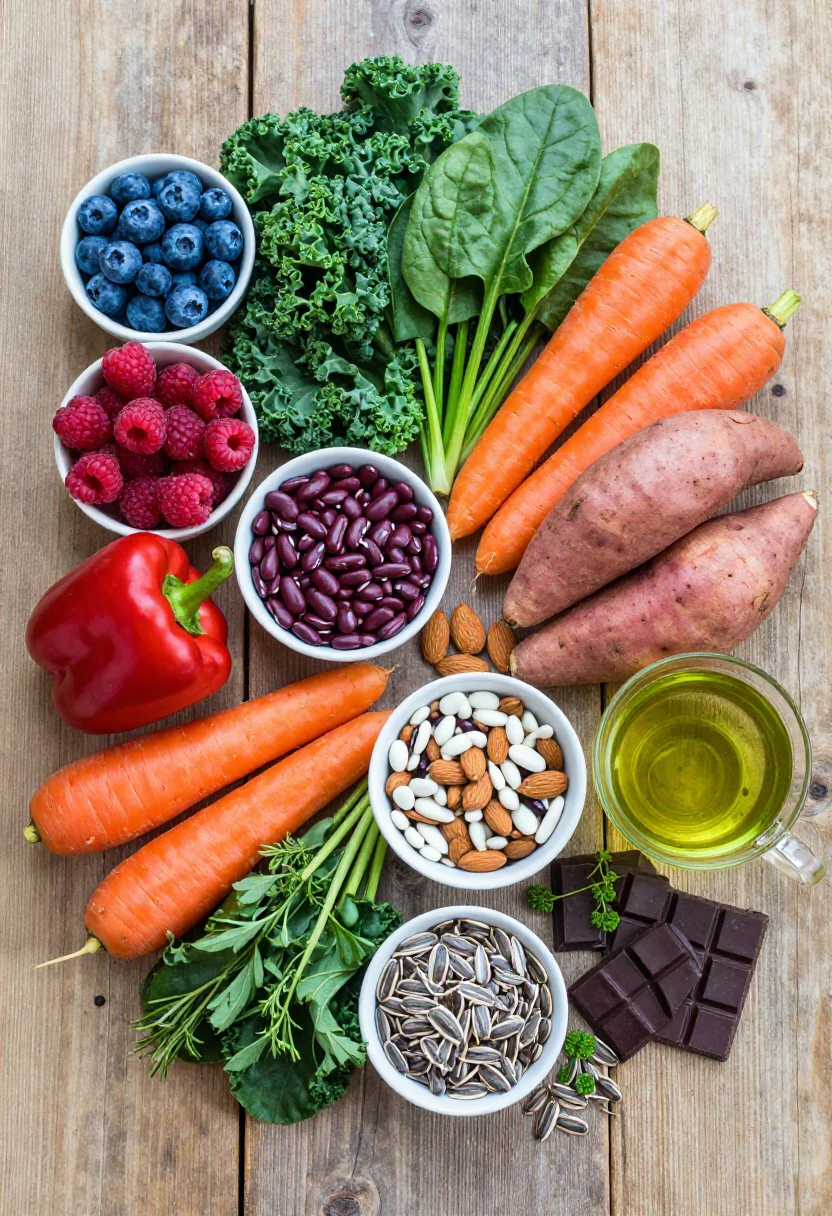
One of the nicest things about antioxidants is that they do not live in exotic powders or expensive wellness trends alone. They show up in ordinary, beautiful foods — the kind you can toss into oatmeal, roast on a sheet pan, stir into soup, or snack on while dinner cooks. Many familiar antioxidants include vitamin C, vitamin E, carotenoids, and plant compounds like polyphenols, and they naturally occur across fruits, vegetables, legumes, nuts, seeds, tea, cocoa, and more. (The Nutrition Source)
Berries
Berries are one of the easiest places to start. Blueberries, strawberries, raspberries, blackberries, and cranberries bring bright color, natural sweetness, fiber, and antioxidant plant pigments like anthocyanins. They are the kind of food that feels almost too simple to count as “healthy,” but they absolutely do. Fresh or frozen both work well, which makes them one of the most practical antioxidant-rich staples to keep around. (The Nutrition Source)
A bowl of yogurt with berries in the morning, a spoonful over oatmeal, or a quick handful straight from the freezer can do a lot of quiet good. And honestly, berries make healthy eating feel less like a project and more like a pleasure. (Harvard Health)
Leafy greens
Leafy greens may not sound exciting, but they are some of the most reliable foods you can put on your plate. Spinach, kale, arugula, Swiss chard, and other greens provide a mix of vitamins, minerals, carotenoids, and other beneficial plant compounds. More broadly, diets rich in vegetables and fruits are strongly linked with better long-term health, which is one reason greens keep showing up in nearly every evidence-based eating pattern. (The Nutrition Source)
You do not need to force yourself into giant raw salads if that is not your thing. Greens can be folded into eggs, blended into soup, sautéed with garlic, or tucked into pasta right before serving. Sometimes the healthiest habit is simply making the good option easier to repeat. (The Nutrition Source)
Colorful vegetables
If you want a simple rule that actually helps, this is a good one: eat more color. Carrots, bell peppers, tomatoes, beets, purple cabbage, pumpkin, and sweet potatoes each bring their own mix of antioxidants and phytonutrients. Orange and deep yellow vegetables are especially known for carotenoids, while red, purple, and dark green produce bring other protective plant compounds to the table. (The Nutrition Source)
This is where everyday cooking can become surprisingly nourishing. Roasted carrots get sweeter. Red peppers brighten up lunch. Beets make a grain bowl feel more special than it really is. You are not just making your plate prettier — you are giving your body more variety, which usually means more nutritional support too. (The Nutrition Source)
Nuts and seeds
Nuts and seeds are small, but they do a lot. Almonds and sunflower seeds are well-known sources of vitamin E, a fat-soluble antioxidant, and many nuts and seeds also provide healthy fats, minerals, and plant compounds that fit naturally into a balanced way of eating. (The Nutrition Source)
A small handful with fruit, a spoonful of seeds over oatmeal, or chopped nuts sprinkled onto roasted vegetables can make a meal feel more satisfying. They add crunch, richness, and that little sense of “this will actually keep me full,” which matters more than most nutrition advice admits. (The Nutrition Source)
Beans and legumes
Beans, lentils, and chickpeas deserve more credit than they usually get. They are affordable, filling, versatile, and packed with fiber. They also contain phenolic compounds and other antioxidants, which makes them a quiet powerhouse for everyday meals. (PMC)
A pot of lentil soup, chickpeas crisped in the oven, or black beans folded into rice and vegetables may not sound glamorous, but this is the kind of food that builds a strong routine. It is comforting, practical, and easy to come back to after a week when everything else felt scattered. (PMC)
Herbs, spices, and cocoa
Sometimes antioxidants come in smaller, more concentrated touches. Herbs and spices like oregano, cinnamon, turmeric, parsley, and others contain plant compounds that add both flavor and antioxidant activity. Cocoa also contains antioxidant polyphenols, which is part of why dark chocolate often gets mentioned in wellness conversations — though it still makes sense to enjoy it as a pleasure, not a prescription. (The Nutrition Source)
This is one of the easiest upgrades you can make in the kitchen: more herbs in soup, cinnamon in oatmeal, cocoa in yogurt, parsley over eggs, turmeric in rice. Tiny ingredients can change the whole feel of a meal. They make healthy food taste like food you actually want to eat. (The Nutrition Source)
Drinks with antioxidant benefits
You can even sip some of your antioxidants. Tea contains polyphenols, including flavonoids and catechins, which act as antioxidants, and green tea in particular is often highlighted for its catechin content. Coffee also contains antioxidant compounds and has been linked in research to beneficial antioxidant responses, which is good news for people who love their morning cup. (The Nutrition Source)
That does not mean you need to turn your coffee habit into a health ritual or start forcing down green tea if you hate it. It just means that simple, familiar drinks can be part of a nourishing pattern too — especially when they are not buried under loads of sugar and syrups. (The Nutrition Source)
The bigger picture is this: you do not need one perfect antioxidant food. You need a mix. A colorful, varied plate will almost always serve you better than chasing a single “superfood.” That is where this whole idea becomes less stressful and much more useful. (The Nutrition Source)
Easy Ways to Eat More Antioxidants Without Overthinking It
Build color into every meal
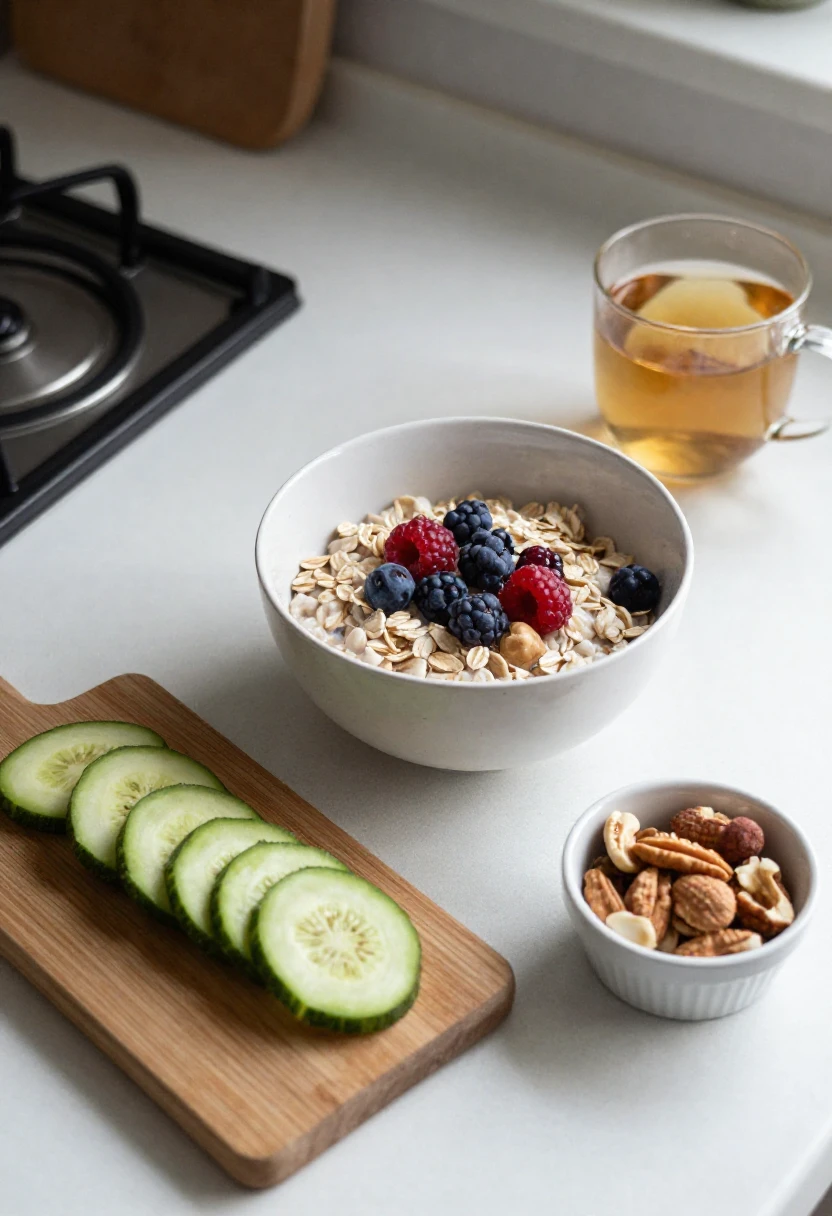
You do not need a perfect diet plan to eat more antioxidants. Often, the easiest shift is also the most visual one: add more color to your plate.
Not in a forced, “rainbow challenge” kind of way. Just in a simple, practical sense. If your lunch looks mostly beige, ask yourself what could bring in a little life. A handful of spinach. A few cherry tomatoes. Sliced red pepper. Some berries on the side. Small additions count.
Colorful foods tend to bring a wider mix of beneficial plant compounds, which means variety matters. And variety is often much easier to stick with than rigid food rules.
A few easy examples:
- Add blueberries or strawberries to breakfast
- Toss spinach or arugula into sandwiches and wraps
- Roast a tray of carrots, beets, and sweet potatoes
- Keep cut peppers, cucumbers, and cherry tomatoes in the fridge
- Stir fresh herbs into soups, grains, and eggs
Sometimes healthy eating becomes much more realistic when you stop asking, “What is the perfect meal?” and start asking, “What can I add to make this meal better?”
Make simple swaps
You do not have to overhaul your whole kitchen overnight. In fact, that usually backfires. A few easy food swaps can bring more antioxidants into your routine without making you feel like you are on a plan.
Here are a few that feel natural in everyday life:
- Swap a sugary snack for fruit with nuts or seeds
- Swap plain toast for toast with berries and nut butter
- Swap a heavy side dish for roasted vegetables
- Swap one ultra-processed snack each day for something more colorful
- Swap a dessert habit that leaves you sluggish for dark chocolate and fruit
- Swap a second sugary drink for green tea or herbal tea
These are not dramatic changes, and that is exactly why they work. They slide into real life more easily. They do not ask you to become a different person by Monday morning. They just help your usual meals do a little more for you.
Think habits, not superfoods
This may be the most important part of all: you do not need a miracle ingredient.
You do not need to hunt down expensive powders, trendy berries from the other side of the world, or a supplement with a label full of promises. Most of the time, the foods that support your health best are the ones you can actually buy, cook, and eat consistently.
A bowl of oatmeal with berries a few times a week will do more for you than a trendy product you try once and forget in the back of the cupboard.
A simple salad with beans, olive oil, and colorful vegetables matters. So does vegetable soup. So does an apple with almonds. So does pasta with spinach and tomato sauce on a tired Tuesday when that is what you can manage.
That is the real secret: consistency beats intensity.
The healthiest habits are usually the ones that feel almost ordinary. They are not flashy enough for marketing, but they are the habits that stay with you. And when it comes to antioxidants, staying with the habit matters much more than chasing perfection.
Can You Have Too Much of a Good Thing?
Why more is not always better
When people hear that antioxidants are good for the body, it is easy to assume that more must be better. But nutrition rarely works that way.
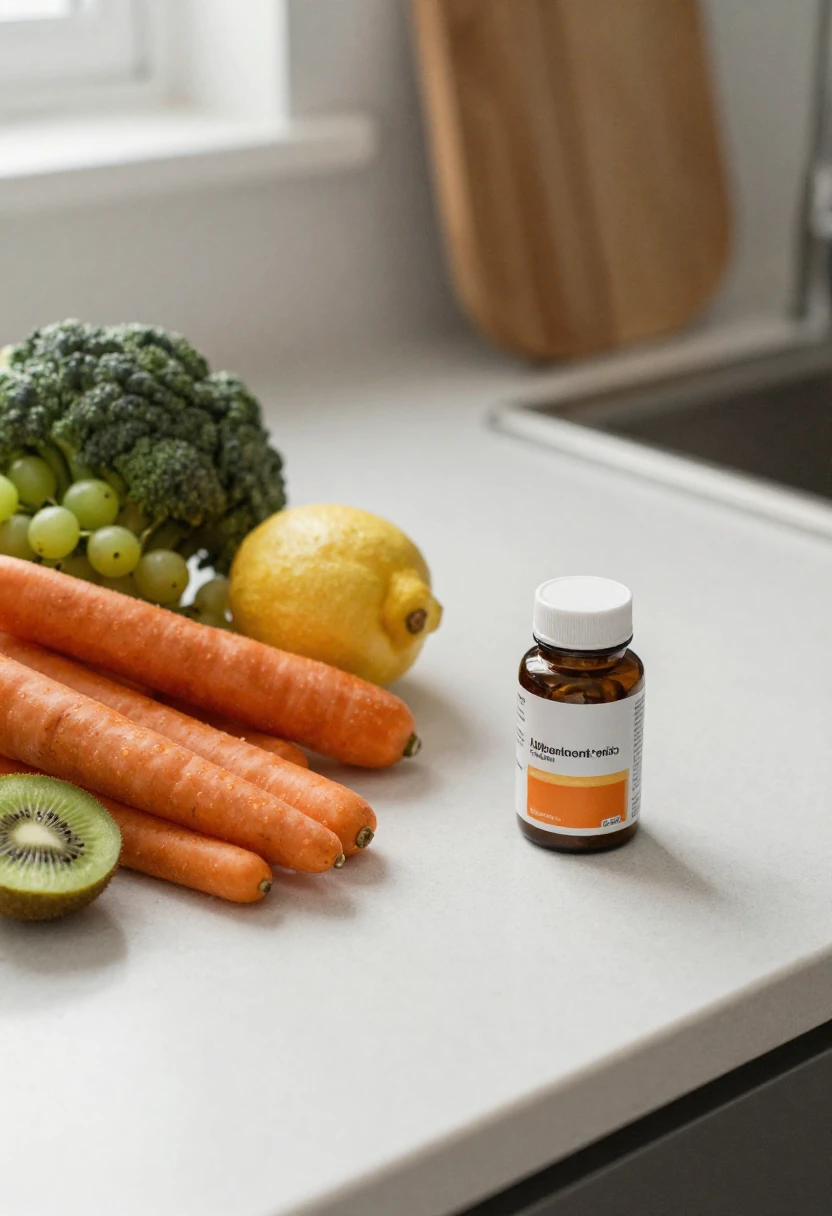
Your body tends to respond best to balance, not overload. And that is one reason experts usually encourage a food-first approach instead of loading up on antioxidant supplements “just in case.” Foods bring antioxidants in their natural context — alongside fiber, healthy fats, water, and a wide mix of vitamins and plant compounds that work together in a way pills cannot fully copy. Research has not shown the same broad protective effect from antioxidant supplements that people see with diets rich in fruits and vegetables. (NCCIH)
There is also a more uncomfortable truth here: some antioxidant supplements can be harmful in certain situations. High-dose beta-carotene supplements, for example, have been linked to an increased risk of lung cancer in smokers and some former smokers, which is a strong reminder that “natural” does not automatically mean harmless. (National Cancer Institute)
That does not mean antioxidants themselves are a problem. It means context matters. A bowl of roasted sweet potatoes is not the same thing as taking a high-dose supplement every day because a label promised glowing skin and endless energy.
When supplements may not be necessary
For most people, the simplest and safest starting point is still the same: eat a varied diet built around whole foods. Berries, greens, beans, nuts, seeds, herbs, colorful vegetables, tea — these foods already give your body a steady stream of antioxidant support without pushing things into extremes. (NCCIH)
That said, supplements do have a place in some situations. A doctor or registered dietitian may recommend them if you have a diagnosed deficiency, a medical condition, dietary restrictions, or a specific clinical need. But that is different from taking random antioxidant capsules because they sound healthy. Even NIH guidance emphasizes using dietary supplements thoughtfully rather than assuming they are automatically beneficial. (NCCIH)
In real life, this can be a relief.
You do not need to chase the strongest supplement on the shelf. You do not need a cabinet full of powders, gummies, and capsules. Most of the time, your body will thank you more for consistent meals with real color, real texture, and real nourishment than for a shortcut in a bottle.
And honestly, that is good news. It means the path to more antioxidants can stay simple: a handful of berries, a cup of tea, a spoonful of beans in soup, extra greens at lunch, cinnamon on oatmeal, roasted carrots with dinner. Small choices. Normal foods. Quiet support.
A Gentle, Real-Life Take on Antioxidants
You do not need a perfect diet
By the time you finish reading about antioxidants, it can start to sound like your kitchen should always be filled with berries, greens, herbal tea, and beautifully roasted vegetables arranged in perfect light. Real life is usually less polished than that.
Sometimes breakfast is rushed. Sometimes lunch is whatever you can put together in ten minutes. Sometimes dinner is better than expected, and sometimes it is toast, eggs, and whatever is left in the fridge.
That does not mean you are doing it wrong.
One of the healthiest things you can remember is this: your body benefits from what you do consistently, not from what you do perfectly. Antioxidants matter, yes — but not because you need to build a flawless routine. They matter because they are part of a gentle pattern of care you can return to again and again.
Maybe that looks like adding fruit a few more times a week. Maybe it means keeping frozen vegetables on hand so dinner feels easier. Maybe it is choosing a handful of nuts instead of a snack that leaves you feeling flat an hour later. These changes are not dramatic, but they count.
And honestly, that is what makes them powerful.
Nutrition becomes much more sustainable when it feels kind. Not strict. Not performative. Just supportive.
What a day of antioxidant-rich eating can look like
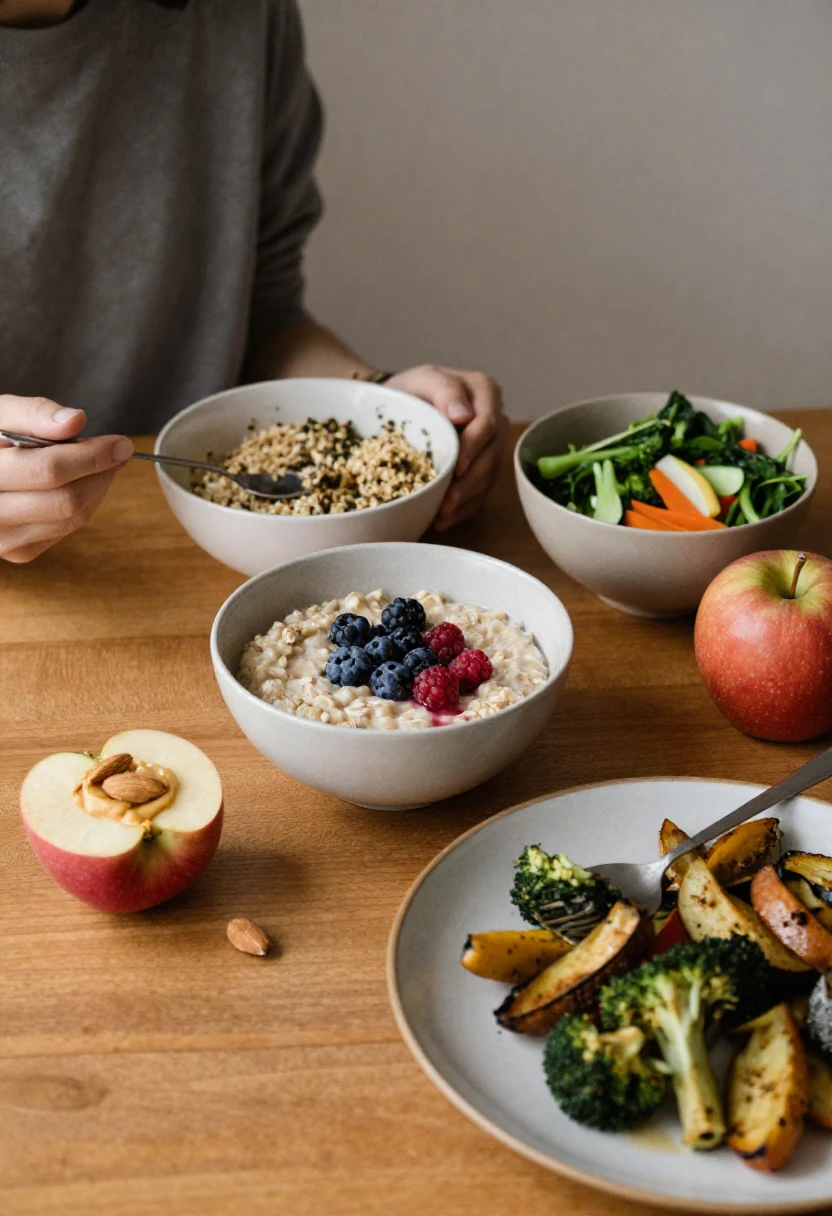
A day of eating with more antioxidants does not need to be expensive, trendy, or overly planned. It can look simple, comforting, and very normal.
Here is one easy example:
Breakfast
Oatmeal topped with blueberries, chopped walnuts, and a little cinnamon
A cup of green tea or coffee
Lunch
A grain bowl with spinach, chickpeas, roasted sweet potatoes, cucumber, and red peppers
Olive oil and lemon over the top
Snack
An apple with almond butter
Or plain yogurt with strawberries
Dinner
Baked salmon or lentils with roasted carrots, broccoli, and brown rice
Fresh herbs sprinkled over everything
Something sweet
A few squares of dark chocolate
Or fruit with a spoonful of yogurt
That is not a rigid meal plan. It is just an example of how antioxidant-rich foods can fit naturally into your day.
Some days will look like this. Some will not. And that is fine too.
What matters most is the overall rhythm — the way you keep finding your way back to foods that bring color, nourishment, and steadiness to your plate. Over time, those little returns add up. They support your energy, your skin, your long-term health, and your relationship with food itself.
Because in the end, antioxidants are not really about chasing a wellness buzzword. They are about feeding yourself in a way that helps your body feel protected, supported, and a little more at ease.
Conclusion
Antioxidants matter because they help support your body in small, steady ways that add up over time. They are not a miracle cure, and they do not need to be. Their real value is much more grounded than that. They are part of the everyday nourishment that helps your body handle stress, protect your cells, and stay resilient through ordinary life.
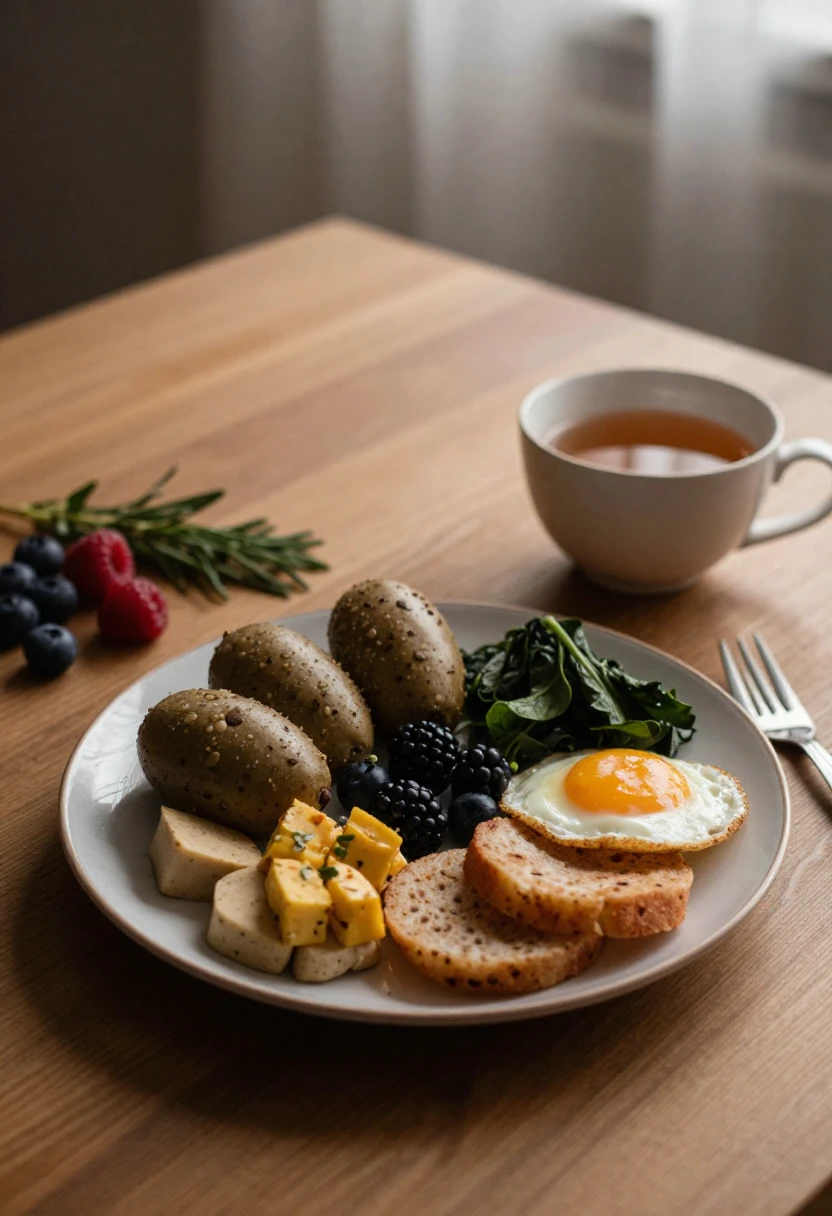
And the good news is that getting more antioxidants does not have to feel complicated. It can be as simple as adding berries to breakfast, roasting a few colorful vegetables for dinner, keeping nuts and seeds on hand, or reaching for beans, greens, herbs, and tea more often. These are not dramatic changes. They are the kind of gentle choices that make healthy eating feel possible.
In the end, antioxidants are not just a wellness buzzword. They are a reminder that real food can do quiet, meaningful work for your health, skin, and overall energy — one meal, one habit, one day at a time.
FAQ
What foods are highest in antioxidants?
Some of the best-known antioxidant-rich foods include berries, leafy greens, colorful vegetables, beans, nuts, seeds, tea, and cocoa. Different foods bring different antioxidant compounds, so variety matters more than chasing one single “best” food. (The Nutrition Source)
Are antioxidant supplements better than whole foods?
Usually, no. For most people, a food-first approach is the better starting point. NCCIH notes that antioxidant supplements have not shown the same broad health benefits seen with diets rich in fruits and vegetables, and some high-dose supplements can be harmful in certain groups. NCI specifically warns that high-dose beta-carotene supplements increased lung cancer risk in smokers and some former smokers. (NCCIH)
Can antioxidants help your skin?
They can support overall skin health, especially as part of a nutrient-rich diet, but they are not an overnight fix. For example, vitamin C is needed to make collagen, and vitamin E is a fat-soluble antioxidant that helps protect cells from oxidative processes. That is one reason foods rich in these nutrients are often part of a skin-supportive eating pattern. (Office of Dietary Supplements)
Is frozen fruit still a good source of antioxidants?
Yes. Harvard notes that frozen produce can still be a valuable source of nutrients, and in some cases may even contain higher nutrient levels than fresh produce that has been stored too long. So frozen berries are absolutely a practical choice when fresh ones are expensive, out of season, or spoil too quickly. (The Nutrition Source)