Contents
- More Than a Refreshing Drink
- What Is Pink Lemonade, Really?
- A Color That Changes Everything
- Historical Origins — Circus, Candies, and Creativity
- Color Psychology: Why Pink Feels So Good
- Is Pink Lemonade Just Lemonade with Dye? Not Always
- Flavor Chemistry: What Makes It Taste Different
- Nostalgia and Memory: The Emotional Side of a Sip
- Pink Lemonade Today: Trends, Twists, and Modern Appeal
- How to Make Your Own Better Pink Lemonade
- Cultural Moments: Why We Reach for It in Summer
- More Than a Pretty Drink
More Than a Refreshing Drink
It usually happens without much thought.
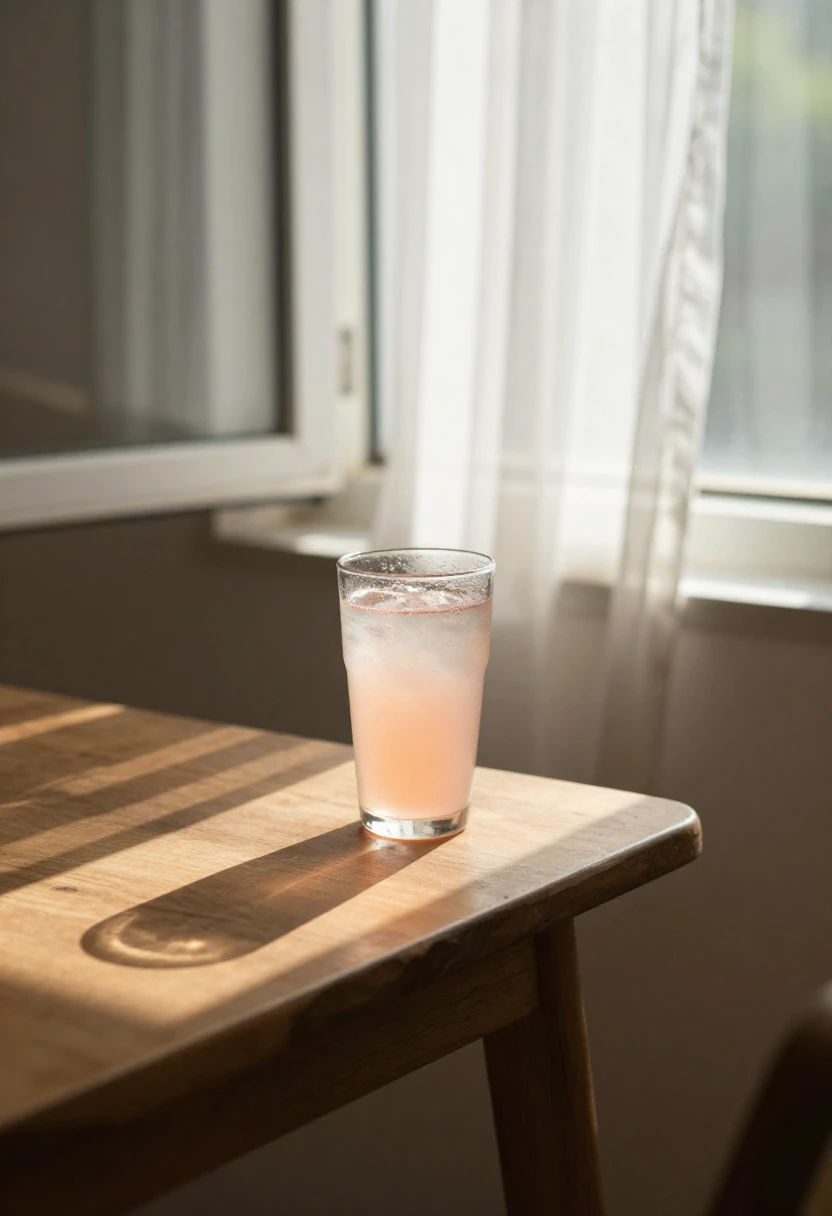
You stand in front of a café counter on a warm afternoon. The menu lists classic lemonade, iced tea, maybe something sparkling. And then you see it — pink lemonade. Soft, glowing, almost cheerful in its glass.
And somehow, your hand points to it.
Not because it promises to be healthier.
Not because it is dramatically different in ingredients.
But because it feels more inviting.
Pink lemonade has a quiet emotional pull. It carries the mood of summer fairs, childhood picnics, roadside stands, and slow afternoons when time seemed to stretch endlessly. It reminds us of sticky fingers, paper cups, and sunlight on our shoulders. Even before we taste it, we are already feeling something.
This is what makes it special.
It is not just a drink. It is an experience wrapped in color.
When we lift a glass of pink lemonade, we are responding to more than thirst. We are responding to memory, expectation, and subtle signals our brain has learned to associate with pleasure. We expect it to be sweeter, softer, friendlier than its pale yellow cousin — and often, that expectation shapes what we actually taste.
There is a small kind of magic in that.
A simple mixture of lemon, water, and sweetness becomes something emotionally charged, something that feels lighter, happier, and somehow more comforting. It sits at the intersection of science and sentiment, chemistry and childhood, flavor and feeling.
And that is where our story begins.
Because behind this gentle blush of color lies a fascinating blend of history, psychology, and sensory perception — all working together to explain why, time and time again, we choose pink.
What Is Pink Lemonade, Really?
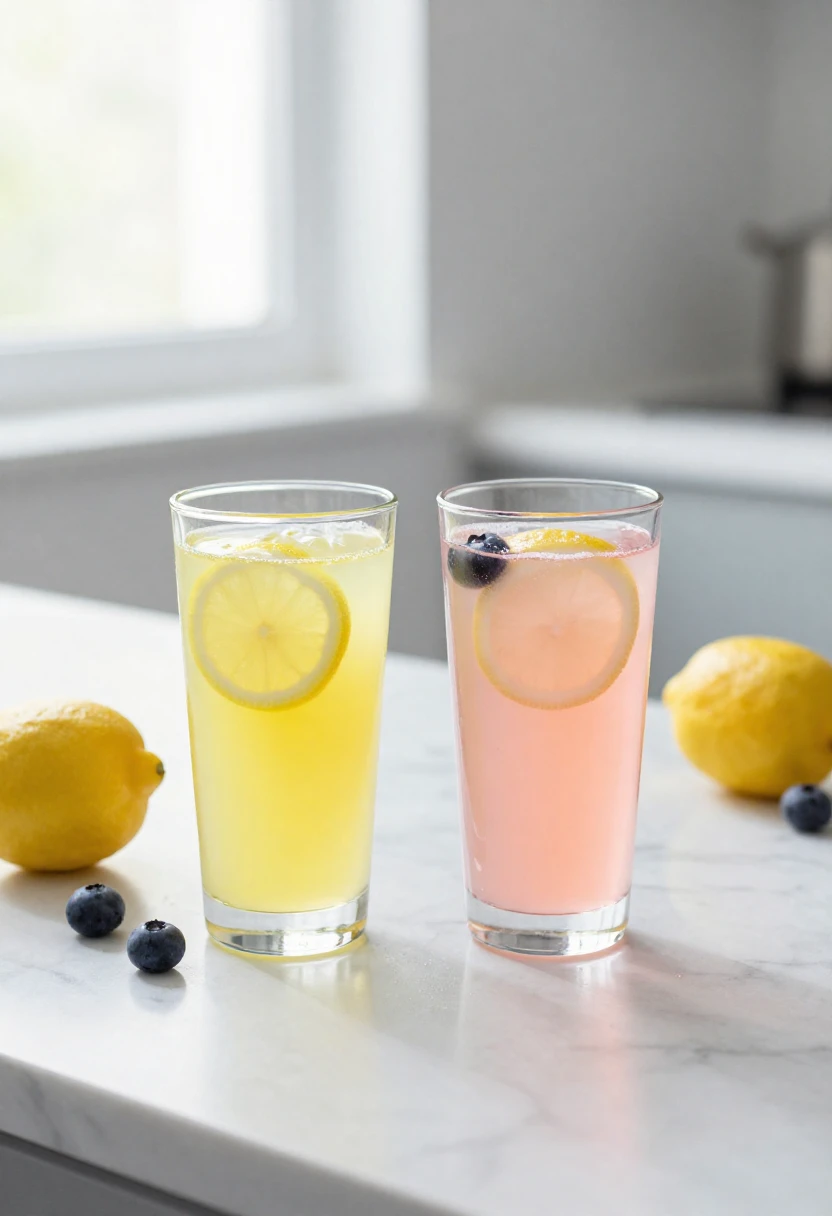
At first glance, pink lemonade seems almost too simple to question. It looks like lemonade. It smells like lemonade. It tastes like lemonade. And yet, it clearly belongs to a slightly different category in our minds.
So what actually makes it pink?
The answer depends on where and how it is made.
In its most traditional and natural form, pink lemonade gets its color from real fruit. A splash of cranberry juice, crushed strawberries, raspberries, watermelon, or even pomegranate gently tints the drink while adding subtle layers of flavor. These versions tend to taste a little rounder, a little softer, and often slightly sweeter than classic lemonade.
In more commercial settings, however, the pink color may come simply from food coloring. In these cases, the base recipe remains almost identical to regular lemonade — lemon juice, water, and sugar — with color added purely for visual appeal.
And yet, even when the ingredients are nearly the same, our experience changes.
When we see pink in a drink, we unconsciously expect something different. We anticipate sweetness. We imagine fruitiness. We prepare ourselves for a softer, more playful flavor profile. By the time the glass reaches our lips, our brain has already written part of the story.
This is why two lemonades with nearly identical recipes can feel completely different.
Pink lemonade is not defined by a single formula. It exists on a spectrum, ranging from deeply fruity homemade blends to lightly tinted classic recipes. What unites them is not just color, but intention — the idea that this drink is meant to feel special, a little whimsical, and slightly more indulgent than its pale counterpart.
In many ways, pink lemonade is lemonade with personality.
It invites curiosity.
It suggests care.
It signals that someone took an extra step, even if that step was simply adding a hint of color.
And that small gesture is often enough to transform an ordinary drink into something memorable.
A Color That Changes Everything
Before we ever taste food or drink, we see it.
Our eyes scan the plate.
They register color, brightness, and contrast.
They quietly send messages to the brain about what to expect.
And those messages are powerful.
With pink lemonade, color does more than decorate the glass. It actively shapes how we experience flavor.
When we see soft shades of pink, our brain often associates them with sweetness, ripeness, and gentle fruitiness. We think of strawberries, cherries, rose petals, summer berries, and candy from childhood. These associations happen instantly, without conscious effort. By the time we take a sip, we are already prepared to taste something smoother and more pleasant than plain lemon.
This is why the same drink can feel different depending on its color.
In experiments on food perception, people consistently rate colored drinks as sweeter and more flavorful than clear or pale ones — even when the recipes are identical. The mind fills in details that the tongue has not yet confirmed. Color becomes part of the flavor.
Pink, in particular, carries emotional meaning.
It feels friendly.
It feels safe.
It feels playful and approachable.
Unlike bold reds or deep purples, which can feel intense, pink suggests softness and balance. It promises pleasure without heaviness. It feels like a treat that will not overwhelm you.
This may explain why pink lemonade feels especially appealing on warm days. When we are already slightly tired from heat and sun, we crave refreshment that feels gentle rather than aggressive. A pale yellow lemonade can feel sharp and acidic. A pink one feels rounder, calmer, more inviting.
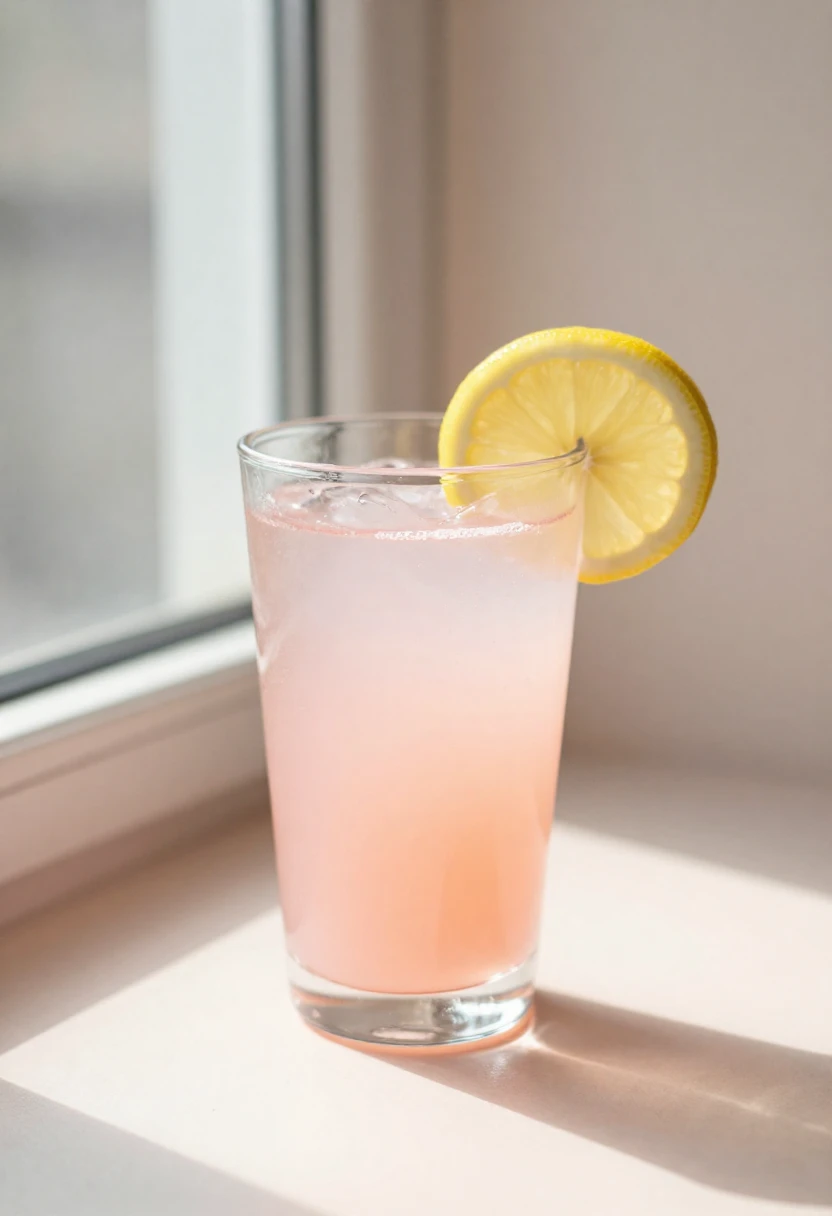
Even the way light passes through pink liquid adds to the effect. When sunlight hits a glass of pink lemonade, it glows. It looks alive. It looks refreshing before it ever touches your lips.
In that moment, you are not just choosing a drink.
You are choosing a feeling.
And your brain, guided by color, helps make sure you get exactly the experience you were hoping for.
Historical Origins — Circus, Candies, and Creativity
Long before pink lemonade became a familiar sight at cafés and summer markets, it was already capturing attention in places filled with noise, movement, and spectacle. Its story is often traced back to traveling circuses in the United States during the nineteenth century, where performers and vendors constantly searched for small ways to stand out and attract curious crowds.
According to popular accounts, one of the earliest versions of pink lemonade appeared when a circus vendor accidentally dropped red cinnamon candies into a batch of regular lemonade. As the candies dissolved, they tinted the drink a soft rosy shade and added a subtle sweetness. Instead of throwing it away, the vendor decided to sell it. To his surprise, people loved it.
Another version of the story suggests that strawberry juice or crushed berries were added intentionally to give lemonade a more attractive appearance. In an environment where dozens of colorful attractions competed for attention, even a simple drink needed a visual advantage. Pink lemonade offered exactly that — something familiar, yet different enough to spark interest.
Whether by accident or by design, the idea worked.
The unusual color made people stop, look, and feel curious. It suggested novelty without risk, creativity without complication. Customers knew they were still getting lemonade, but with a twist that made it feel special. Over time, this visual identity became inseparable from the drink itself.
As pink lemonade spread beyond circus tents into fairs, soda fountains, and eventually home kitchens, it carried that sense of playful innovation with it. It represented a small act of imagination — a reminder that even ordinary recipes could be transformed with a little creativity.
By the early twentieth century, pink lemonade had become firmly rooted in American food culture, especially in connection with summer, childhood, and outdoor gatherings. It was no longer a curiosity. It was a tradition.
And yet, its origins still echo in every glass.
Every time we choose pink lemonade, we are participating in a story shaped by chance, showmanship, and human curiosity. A story that proves that sometimes, the most beloved foods are born not from perfection, but from improvisation and bold experimentation.
Color Psychology: Why Pink Feels So Good
Colors do much more than decorate our surroundings. They quietly influence how we think, feel, and even taste. Long before we consciously analyze a food or drink, its color has already shaped our expectations and emotional response.
Pink, in particular, carries a unique psychological weight.
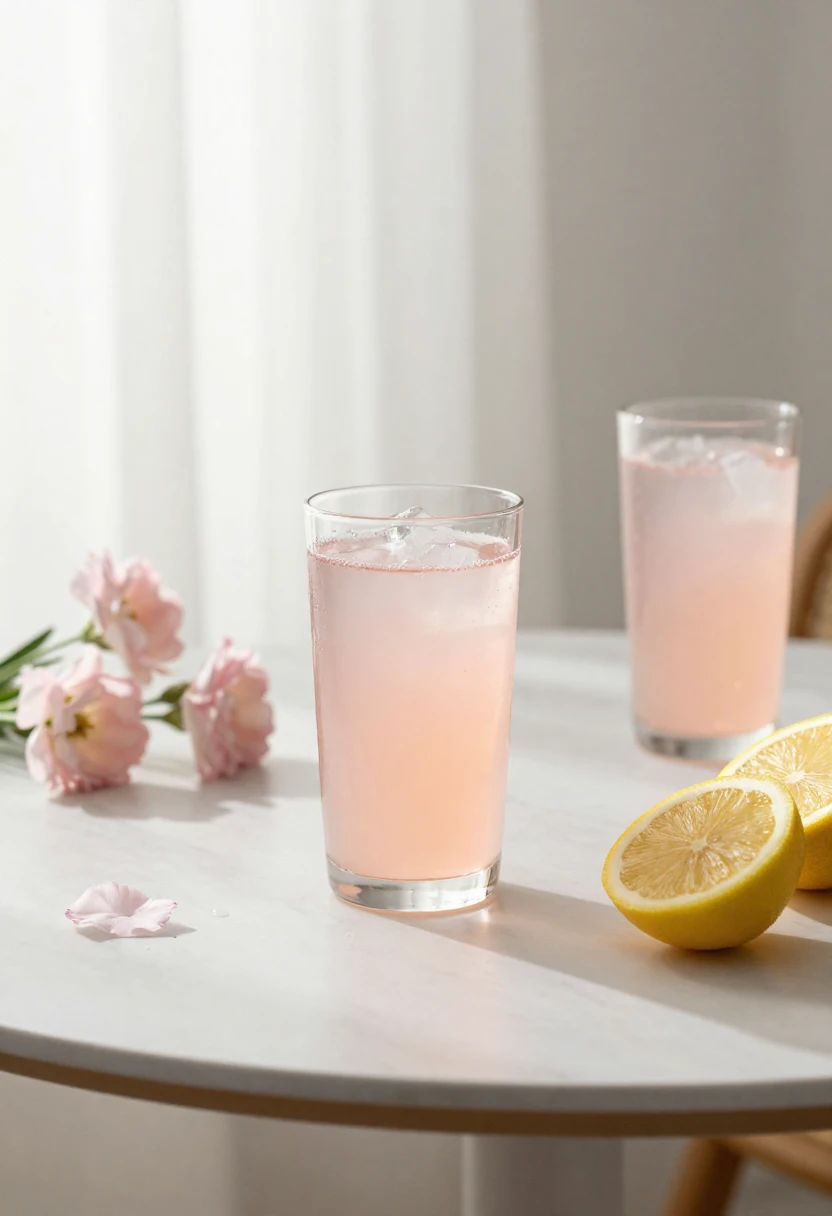
Across many cultures, soft shades of pink are associated with warmth, tenderness, sweetness, and emotional safety. They often appear in things we connect with care and affection — flowers, desserts, childhood treats, and comforting spaces. Over time, our brains learn to link this color with positive, gentle experiences.
When we see pink lemonade, we are not just noticing a pretty shade in a glass. We are responding to years of subtle conditioning that tells us this color is friendly, approachable, and likely to be pleasant. It suggests that the drink will not be too sharp, too bitter, or too intense. It promises balance and softness before we ever take a sip.
Psychologists have long observed that pink can have a calming effect on the nervous system. Certain tones are known to reduce feelings of aggression and anxiety, while encouraging relaxation and openness. This does not mean that a glass of pink lemonade will solve all your problems, of course, but it does help explain why it often feels emotionally soothing in a way that plain yellow lemonade does not.
There is also an element of playfulness in pink that makes it especially appealing. It feels lighthearted without being childish, cheerful without being overwhelming. It invites enjoyment without demanding seriousness. In a world where many food choices feel loaded with rules and expectations, pink lemonade offers something refreshingly uncomplicated.
It simply says: this is meant to be enjoyed.
This emotional ease plays a powerful role in how we perceive flavor. When we feel relaxed and positive, our senses become more receptive. We notice sweetness more easily. We experience textures more pleasantly. We interpret flavors more generously. The color sets the stage, and the taste follows.
In this way, pink does not just decorate lemonade. It prepares us for pleasure. It creates a gentle emotional context in which the drink can shine.
What we are really responding to, then, is not only lemon and sugar and water, but the feeling that comes with them — a feeling of softness, familiarity, and quiet joy that begins with a simple blush of color.
Is Pink Lemonade Just Lemonade with Dye? Not Always
It is easy to assume that pink lemonade is simply regular lemonade with a bit of artificial coloring added for visual appeal. In many mass-produced versions, this is partly true. A standard base of lemon juice, water, and sugar is mixed, and a small amount of red or pink dye is added to create the familiar rosy shade. From an ingredient perspective, these drinks may not differ much from classic lemonade at all.
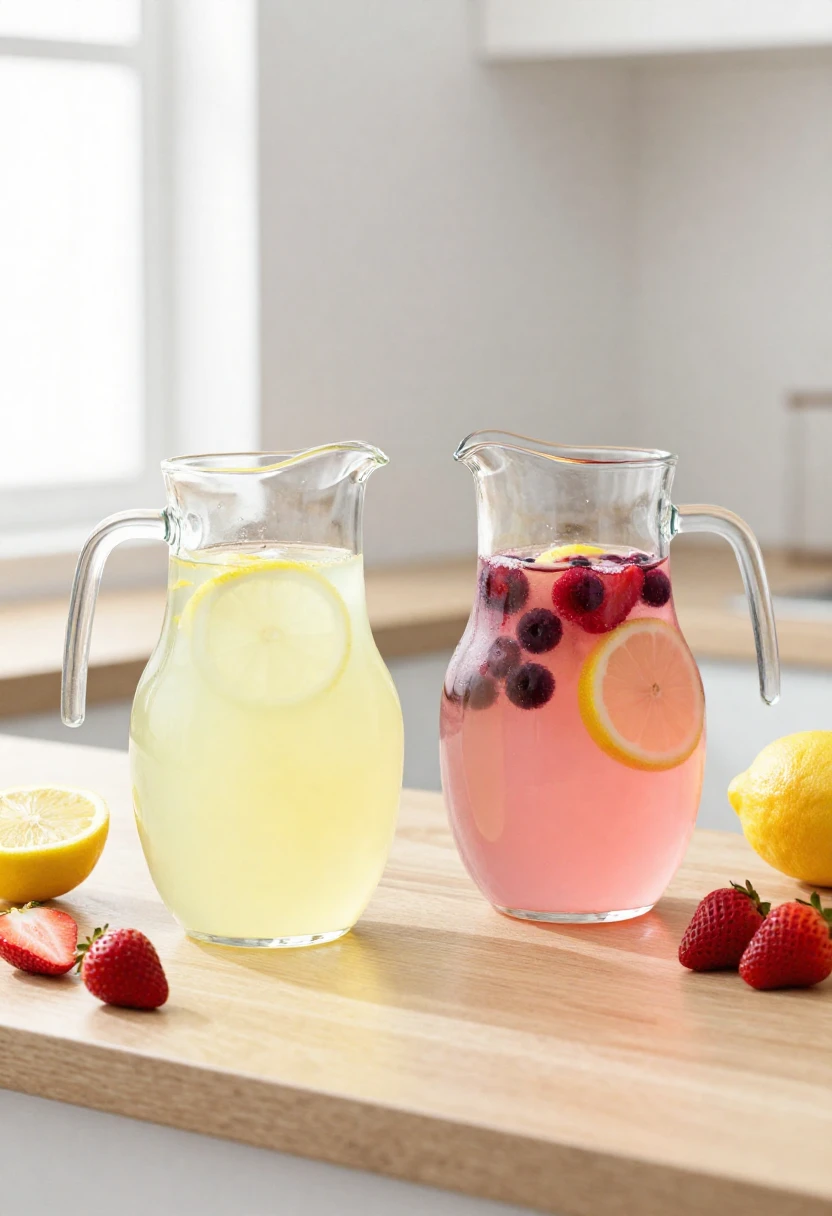
But this is only one side of the story.
In many traditional and homemade recipes, pink lemonade gets its color from real fruit. Cranberries, strawberries, raspberries, cherries, watermelon, and pomegranate have all been used to tint lemonade naturally. These ingredients do more than change the appearance. They subtly transform the flavor, adding gentle sweetness, light acidity, and delicate fruity notes that soften the sharpness of lemon.
This is where pink lemonade begins to show its true character.
When real fruit is involved, the drink becomes more layered. It no longer tastes like a single-note citrus beverage. Instead, it develops depth and complexity, with small variations from batch to batch depending on the fruit, season, and proportions used. One glass may lean toward berry brightness, while another feels mellow and rounded.
Even texture can change. Some homemade versions include strained fruit pulp, creating a slightly thicker, silkier mouthfeel that makes the drink feel more substantial and satisfying. These small details contribute to why many people describe pink lemonade as “smoother” or “softer” than regular lemonade, even when the sugar content is similar.
There is also a symbolic difference between colored and naturally tinted versions. When fruit is used, pink lemonade feels more intentional and more connected to real ingredients. It suggests care, creativity, and attention to flavor rather than just appearance. It turns the drink into something crafted rather than manufactured.
Of course, not every glass needs to be artisanal to be enjoyable. Store-bought pink lemonade can still be refreshing and nostalgic. But understanding that pink does not always come from dye helps explain why some versions feel richer and more memorable than others.
In the end, pink lemonade exists on a spectrum. On one end, it is simple lemonade dressed in color. On the other, it is a thoughtful blend of citrus and fruit that offers both visual beauty and genuine flavor complexity. And somewhere in between, most of us find the version that feels just right.
Flavor Chemistry: What Makes It Taste Different
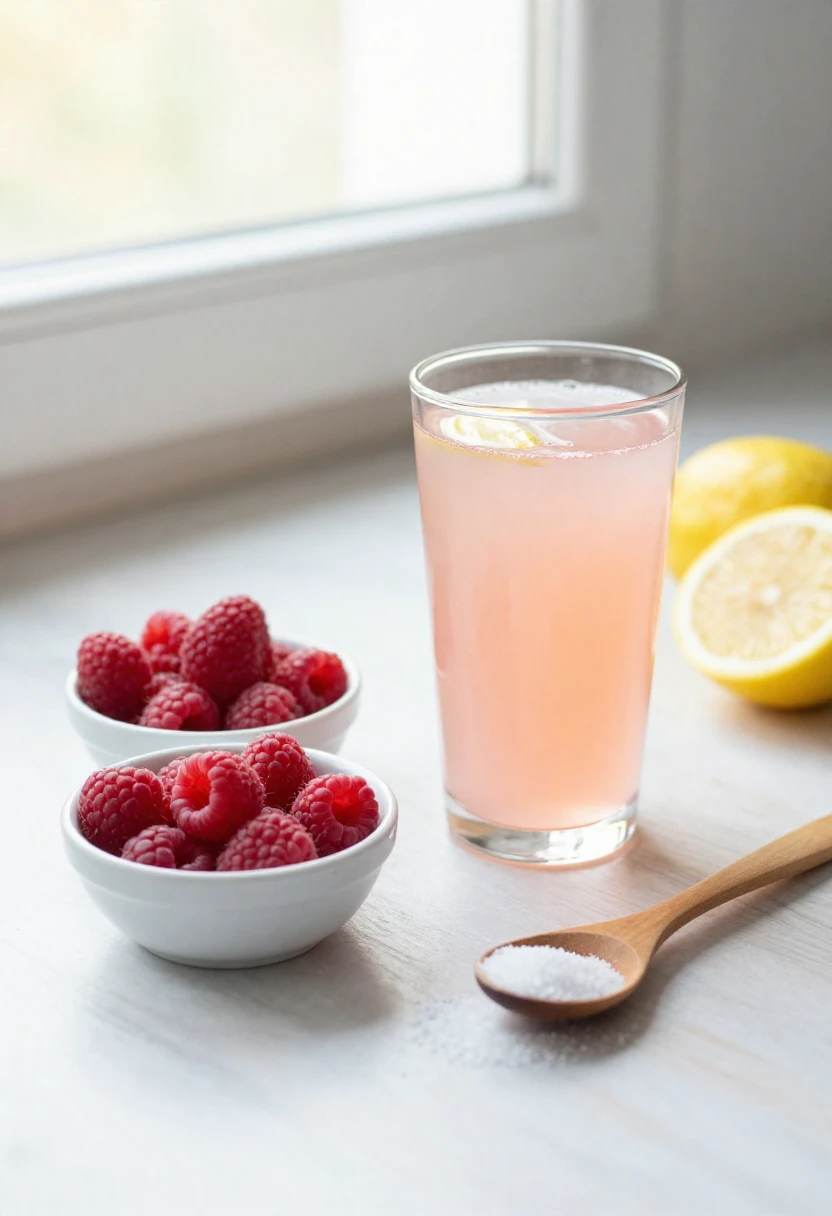
Even when pink lemonade looks nearly identical to regular lemonade, many people insist that it tastes different. It feels softer, sweeter, and somehow more balanced. This is not just imagination. Subtle changes in ingredients and chemistry play an important role in shaping that experience.
At the foundation of any lemonade is a simple trio: acid from lemons, sweetness from sugar or another sweetener, and water to bring everything into balance. Classic lemonade leans heavily on bright citric acid, which creates that sharp, refreshing bite many people love. Pink lemonade, especially when made with fruit, gently shifts this balance.
When berries or other fruits are added, they introduce their own natural sugars, organic acids, and aromatic compounds. Cranberries bring tartness and complexity. Strawberries contribute gentle sweetness and floral notes. Raspberries add brightness and depth. Pomegranate offers richness and slight bitterness. Each of these elements interacts with lemon in a different way.
These interactions matter.
Additional sugars smooth out harsh acidity. Fruit acids blend with citric acid, creating a more rounded flavor profile. Aromatic compounds enhance the perception of freshness and sweetness, even without increasing actual sugar levels. As a result, the drink often feels more harmonious and less aggressive on the palate.
Temperature also plays a role. Pink lemonade is usually served very cold, and cold temperatures naturally dull sharp flavors while emphasizing sweetness. This further softens the lemon’s bite and makes the drink feel smoother and more approachable.
There is also the influence of expectation. Because we associate pink with fruitiness and sweetness, our brain actively looks for those qualities in the drink. When it finds even a small hint of berry or floral notes, it amplifies them. This psychological effect works alongside chemistry, reinforcing the impression that pink lemonade tastes richer and more pleasant.
Texture contributes as well. If fruit juice or pulp is present, the liquid becomes slightly thicker than plain lemonade. This subtle viscosity gives the drink more body, making each sip feel fuller and more satisfying.
All of these elements work together quietly. No single factor dominates. Instead, they form a delicate network of influences that transform a simple citrus drink into something more nuanced.
What we taste in pink lemonade, then, is not just lemon and sugar. It is a carefully layered experience shaped by ingredients, temperature, texture, and perception. It is chemistry guided by emotion, science softened by memory.
And that is why one glass can feel so different from another, even when the recipe looks almost the same.
Nostalgia and Memory: The Emotional Side of a Sip
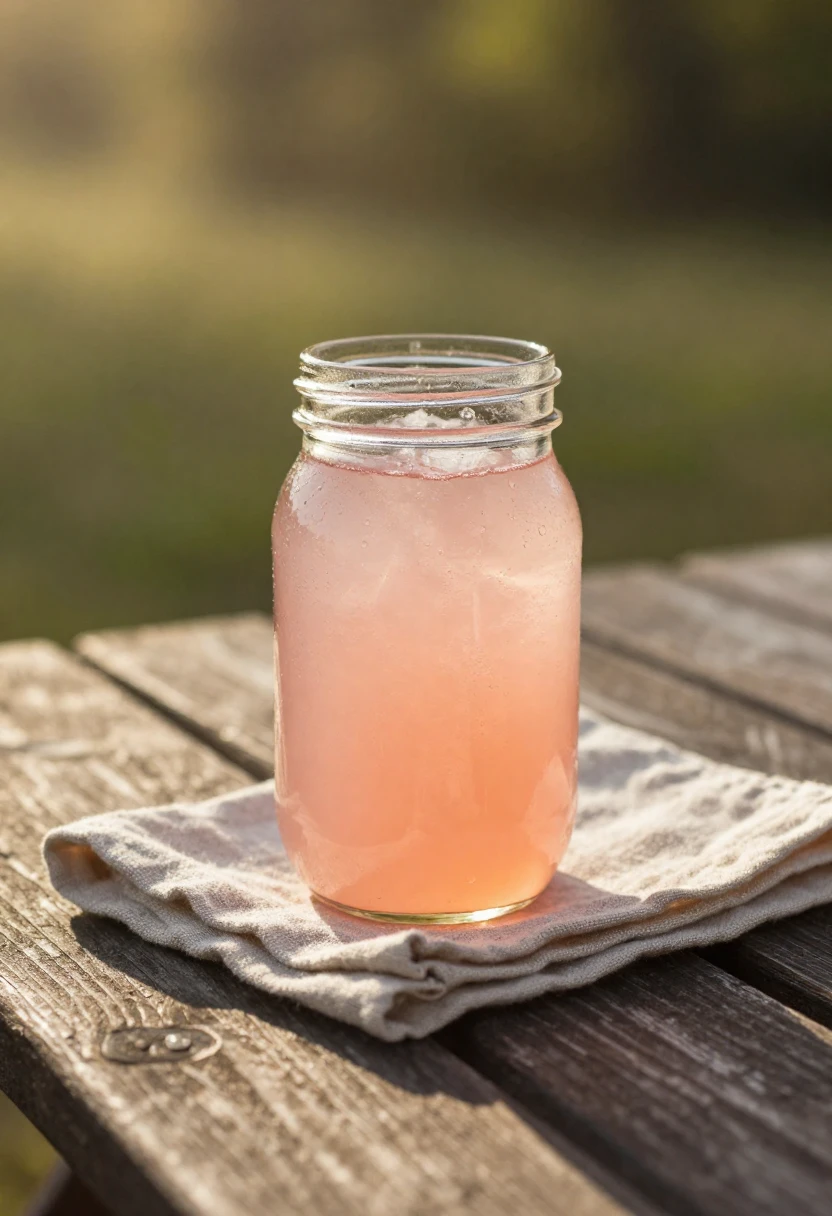
Taste is never just about what happens on the tongue. It is deeply intertwined with memory, emotion, and personal history. Every time we eat or drink something familiar, we are also revisiting moments from our past, often without realizing it.
Pink lemonade is especially rich in this emotional layering.
For many people, it is connected to childhood summers, school fairs, backyard gatherings, family picnics, and long days spent outdoors. It may remind you of holding a plastic cup with condensation running down the sides, of sticky fingers and sun-warmed grass, of laughter carried on warm air. Even if you cannot recall a specific moment, your body remembers the feeling.
These memories shape preference.
When you see pink lemonade as an adult, your brain does not evaluate it neutrally. It quietly activates stored associations of safety, joy, and simplicity. It recalls times when life felt lighter, when responsibilities were fewer, and when pleasure came easily. As a result, the drink feels comforting before it even reaches your lips.
This phenomenon is sometimes called “emotional seasoning.” Our experiences add invisible flavor to food and drink. The same lemonade tasted in different contexts can feel completely different depending on the memories attached to it.
A glass of pink lemonade on a stressful workday might feel like a small escape.
A sip on vacation might amplify relaxation.
A homemade version shared with family might strengthen feelings of belonging.
Over time, these emotional connections become part of the product itself. We are not just choosing a beverage. We are choosing a mood. We are choosing to reconnect with a version of ourselves that felt carefree and open.
There is also something deeply reassuring about foods and drinks that remain consistent across decades. Pink lemonade has changed very little in its basic idea. That continuity gives it symbolic weight. It becomes a thread linking past and present, reminding us that some pleasures do not need to evolve to remain meaningful.
In this way, every glass carries more than liquid.
It carries memory.
It carries identity.
It carries emotional warmth.
And that may be one of the strongest reasons we keep returning to it, long after novelty has faded.
Pink Lemonade Today: Trends, Twists, and Modern Appeal
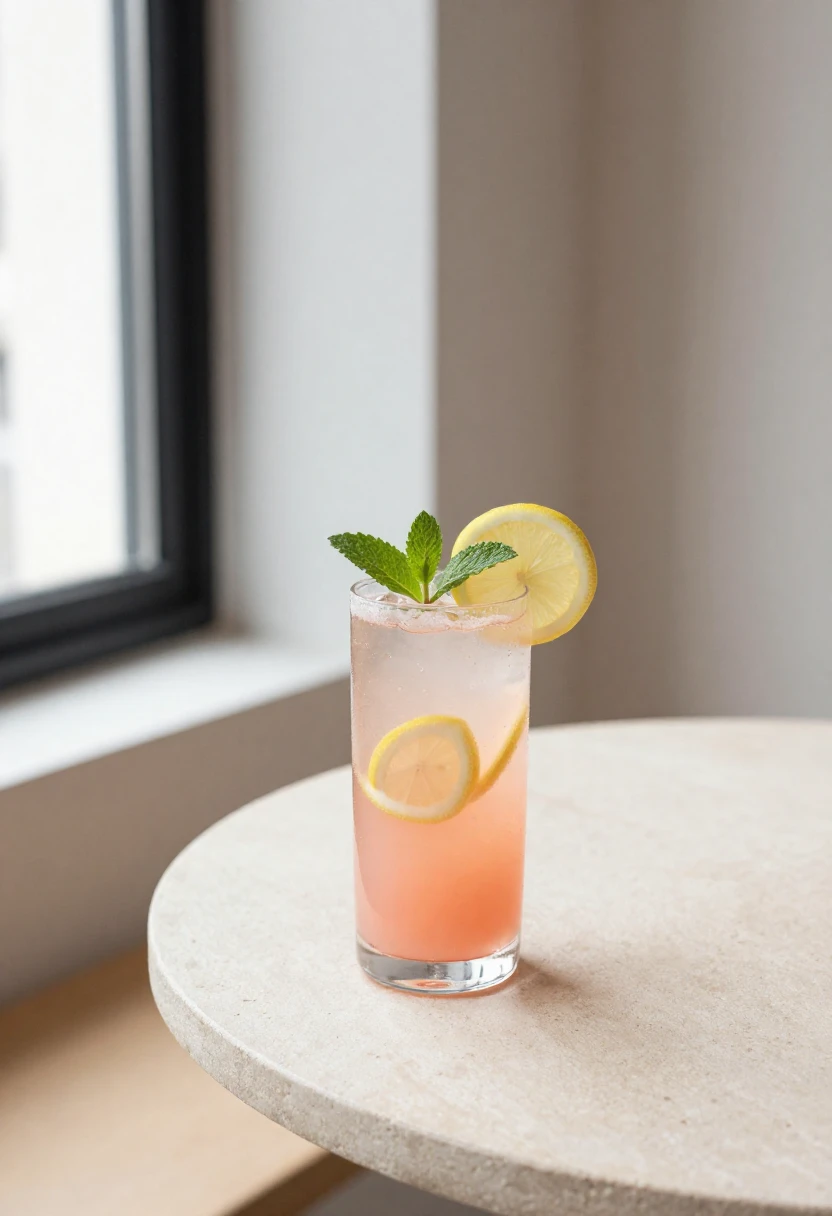
While pink lemonade is rooted in nostalgia, it has never truly stood still. In recent years, it has quietly evolved, adapting to changing tastes, wellness trends, and the growing desire for more intentional ingredients.
Today, you can find pink lemonade in far more variations than the classic fairground version. Artisanal cafés experiment with cold-pressed citrus, fresh berry purées, herbal infusions, and sparkling mineral water. Some recipes lean toward reduced sugar and natural sweeteners like honey or maple syrup. Others incorporate ingredients such as hibiscus, rosewater, or blood orange to deepen both color and flavor.
These modern interpretations reflect a broader shift in how we think about beverages. People increasingly look for drinks that feel both enjoyable and aligned with their values. Natural color from fruit rather than artificial dye. Balanced sweetness rather than syrupy intensity. Real ingredients that contribute flavor and nutrients instead of simply appearance.
Pink lemonade fits beautifully into this movement.
It offers familiarity while allowing creativity. It can be made lighter, more complex, or more vibrant without losing its identity. A splash of sparkling water turns it into a refreshing spritz. Fresh mint adds brightness. A pinch of sea salt enhances sweetness and softens acidity. The base remains simple, but the possibilities expand.
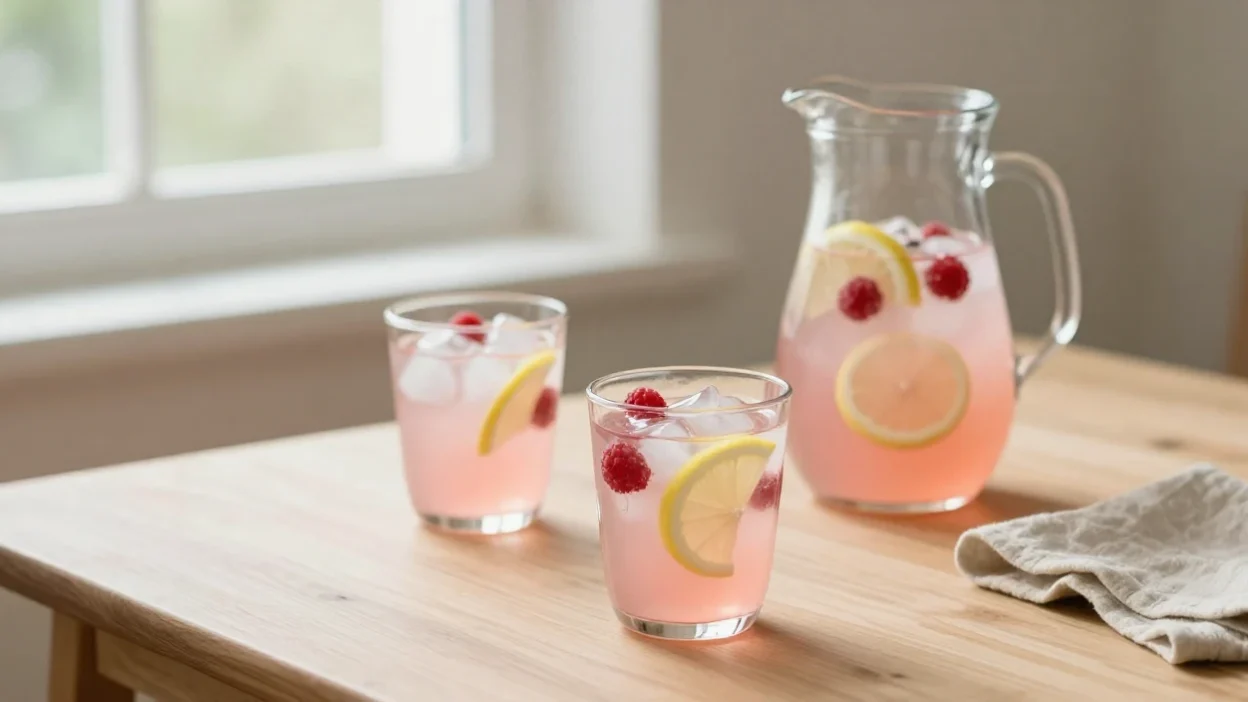
There is also a visual component that continues to drive its popularity. In an age where food and drink are often shared online, pink lemonade photographs beautifully. Its soft hue glows in natural light, especially when served in clear glass with ice, lemon slices, or floating berries. It looks inviting and intentional without requiring elaborate styling.
Even in health-conscious spaces, pink lemonade has found a place. Versions made with freshly squeezed lemon juice and lightly sweetened fruit purée can feel like a balanced indulgence — refreshing, colorful, and satisfying without being overly heavy.
What makes this drink so adaptable is its emotional core. No matter how modern the ingredients become, pink lemonade still carries that sense of playfulness and warmth. It bridges past and present effortlessly.
It can be nostalgic and contemporary at the same time.
And that rare combination is what keeps it relevant, season after season.
How to Make Your Own Better Pink Lemonade
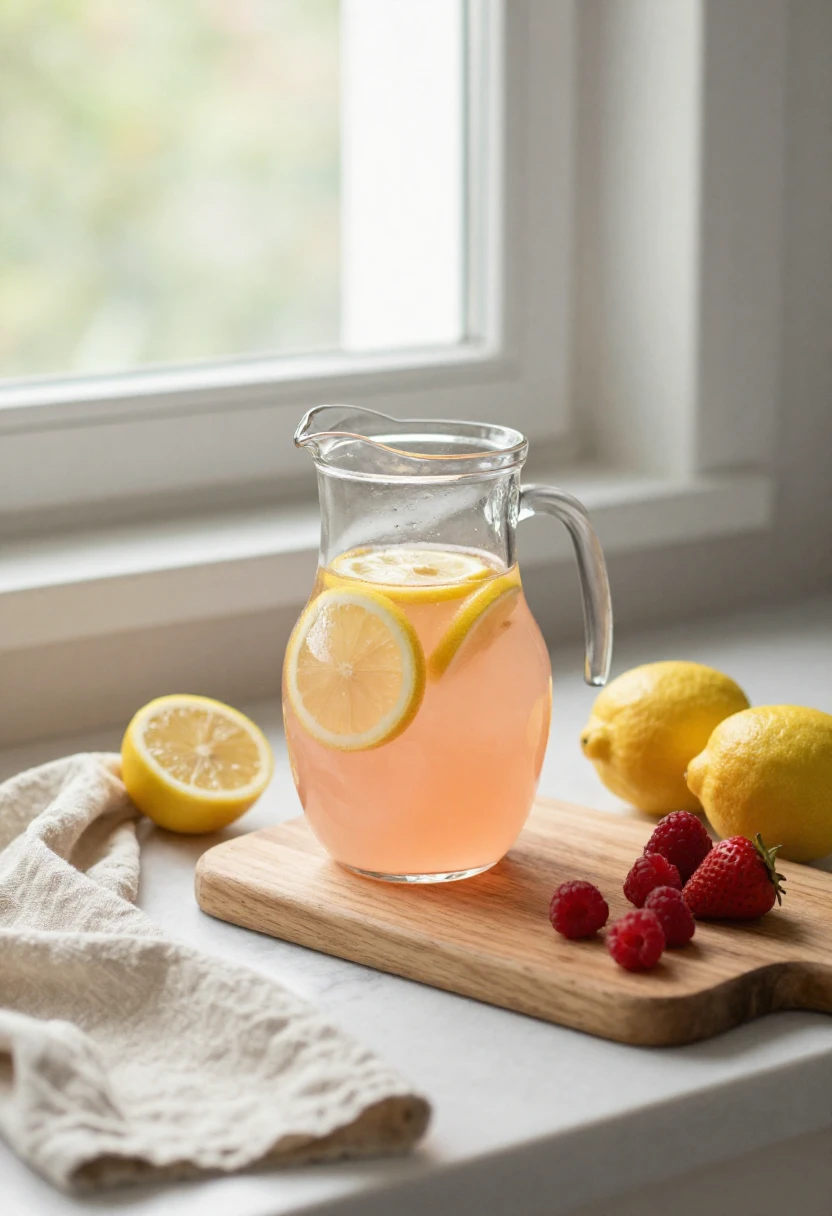
Making pink lemonade at home is surprisingly simple, and it allows you to experience the drink in its most honest and satisfying form. When you control the ingredients, you can adjust sweetness, acidity, and fruitiness to match your own preferences, creating a version that feels both refreshing and personal.
At its core, good pink lemonade is about balance.
You want the brightness of fresh lemon juice, enough sweetness to soften its sharpness, and just enough fruit to add color and depth without overpowering the citrus.
A basic homemade version begins with freshly squeezed lemons. Bottled juice may be convenient, but it cannot replicate the aroma and complexity of real citrus. Combine the juice with cold filtered water and a natural sweetener such as cane sugar, honey, or maple syrup, stirring until fully dissolved.
For the pink element, choose a fruit that complements lemon rather than competing with it. Strawberries, raspberries, cranberries, and pomegranate all work beautifully. You can blend fresh fruit and strain the juice, gently simmer frozen berries with a little water, or use unsweetened pure juice. Add it gradually, tasting as you go, until you reach the color and flavor you love.
A simple approach looks like this:
Fresh lemon juice
Cold water
Sweetener to taste
Berry or pomegranate juice
Mixed slowly and adjusted patiently.
Small details make a difference. A pinch of sea salt enhances sweetness and reduces harsh acidity. A few crushed mint leaves add freshness. A splash of sparkling water creates lightness. Letting the mixture chill for an hour allows flavors to harmonize.
The result is not just a drink, but a small ritual.
You become aware of proportions. You notice how color deepens with each spoonful of fruit juice. You taste, pause, and refine. In that process, pink lemonade transforms from a product into an experience.
And when you finally pour it into a glass filled with ice and sunlight, you are not just drinking something refreshing. You are tasting your own attention, creativity, and care.
That may be the most satisfying ingredient of all.
Cultural Moments: Why We Reach for It in Summer
There are certain foods and drinks that seem inseparable from specific seasons. Pumpkin soup belongs to autumn. Hot chocolate lives in winter. Fresh berries define spring. And pink lemonade, almost without question, belongs to summer.
Its presence feels natural when days grow longer and life shifts outdoors.
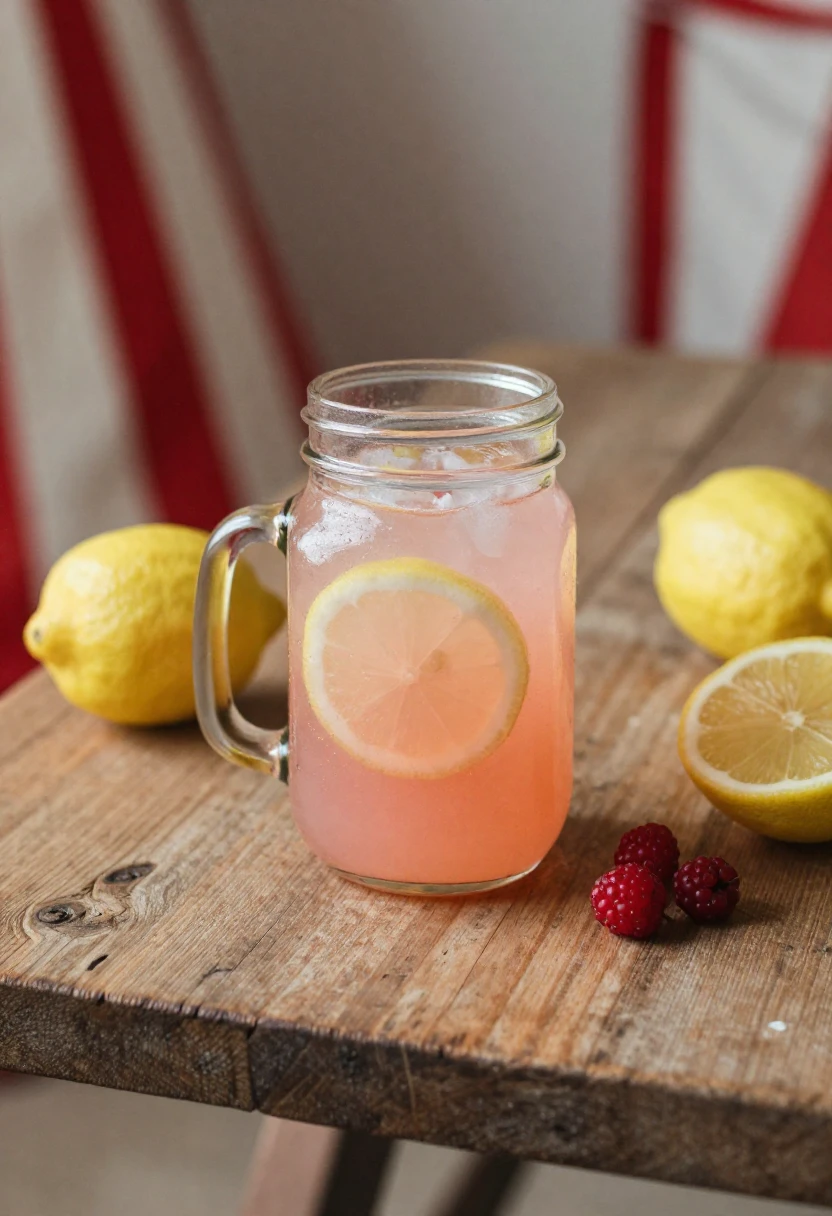
We associate it with backyard barbecues, open-air festivals, beach trips, park picnics, and roadside stands. It appears in plastic cups at school fundraisers, in glass pitchers at family gatherings, and in mason jars at weekend brunches. Wherever people gather under the sun, pink lemonade is rarely far away.
Part of this connection is practical. Lemonade is refreshing, hydrating, and easy to prepare in large quantities. Its acidity stimulates thirst, while its sweetness encourages drinking. Add ice and fruit, and it becomes an ideal companion for hot weather.
But practicality alone does not explain its emotional presence.
Pink lemonade fits the emotional rhythm of summer. Summer invites looseness, spontaneity, and play. Schedules relax. Rules soften. People allow themselves small indulgences more easily. In this atmosphere, a colorful, slightly whimsical drink feels perfectly at home.
It signals celebration without extravagance.
It says, “This moment matters,” without demanding formality.
It is also deeply social. Pink lemonade is rarely consumed in isolation. It is poured, shared, passed across tables, refilled without counting. It becomes part of conversation, laughter, and shared experience. Over time, these moments accumulate, strengthening the drink’s cultural meaning.
For many families, it becomes a tradition. The same recipe appears every year. The same pitcher comes out of storage. Children grow up watching adults prepare it, and eventually learn to make it themselves. In this way, pink lemonade becomes woven into personal and collective memory.
Even in adulthood, when life becomes more complex, a glass of pink lemonade can instantly recreate that sense of ease. It reminds us of slower afternoons, open skies, and uncomplicated joy.
And perhaps that is why, when summer arrives, we reach for it almost automatically.
Not because we analyzed the choice.
But because our hearts already know.
More Than a Pretty Drink
Pink lemonade may seem simple at first glance. It is, after all, just lemon, water, sweetness, and a touch of color. And yet, as we have seen, it carries far more meaning than its ingredients suggest.
It is shaped by history, born from creativity and chance. It is guided by psychology, with color quietly influencing expectation and perception. It is refined by chemistry, where fruit, acid, and aroma work together to create balance. It is strengthened by memory, woven into childhood moments and seasonal traditions. And it is renewed by modern culture, adapting gracefully to new tastes and values.
Every glass tells a story.
It speaks of summer afternoons and shared tables. Of small rituals and homemade experiments. Of the human desire to make ordinary things feel special. Pink lemonade reminds us that pleasure does not have to be complicated. It can come from simple ingredients arranged with care and intention.
Perhaps this is why we keep choosing it.
Not because it is dramatically better than regular lemonade.
Not because it is more sophisticated.
But because it feels kinder. Softer. More emotionally resonant.
It meets us where we are.
On busy days, it offers refreshment.
On nostalgic days, it offers memory.
On quiet days, it offers comfort.
In a world that often pushes us toward extremes, pink lemonade lives gently in the middle. It balances brightness with softness, tradition with creativity, science with sentiment.
And in doing so, it becomes more than a drink.
It becomes a small reminder that beauty, joy, and meaning are often hiding in the simplest things — waiting patiently for us to notice.