Contents
- What Is the Macrobiotic Diet?
- What Does a Macrobiotic Diet Actually Look Like?
- Macrobiotic Cooking Methods: How You Cook Matters As Much As What You Cook
- Macrobiotic Lifestyle: Beyond the Plate
- Potential Health Benefits — What the Research Says
- What to Watch Out For: Risks and Nutritional Gaps
- Getting Started: Practical Tips
- Summary
- FAQ
Curious about the macrobiotic diet but not sure where to start? Here’s everything you need to know — from the core philosophy to what’s actually on your plate.
You’ve probably heard the word macrobiotic thrown around in wellness circles, but what does it actually mean — and is it something you can realistically follow? The short answer: yes, and it’s far more nuanced than just eating brown rice.
The macrobiotic diet is a whole-foods-based system rooted in Eastern philosophy. It asks you to think differently about food — not just as fuel, but as something that affects your energy, your mood, and your connection to the world around you. Whether you’re exploring it out of curiosity, looking to clean up your diet, or researching it for health reasons, this guide covers all the essentials.
What Is the Macrobiotic Diet?

The macrobiotic diet is a dietary and lifestyle philosophy that emphasizes balance and harmony, drawing from traditional Japanese dietary practices. It focuses on whole grains and fresh vegetables while being low in fat and protein, and is rooted in the principles of yin and yang — opposing forces that must be balanced for optimal health.
In the 1920s, Japanese philosopher George Ohsawa developed the macrobiotic diet as a high-fiber, high-complex-carbohydrate, low-fat eating plan. Later, his student Michio Kushi popularized it in the United States in the 1960s.
It’s worth noting that some macrobiotic diet teachers now view Ohsawa’s original diet as too restrictive — the modern version has been modified to prevent nutritional problems that were reported in some early followers. Today’s approach is much more flexible and practical.
The Yin and Yang of Eating
At the heart of macrobiotics is the idea that food carries energy. Foods are classified based on their energetic properties: yin foods are expansive, moistening, and cooling (such as fruits and some vegetables), while yang foods are warming, contracting, and dry (such as meat and eggs). The goal is to balance these opposing forces through food choices.
Brown rice and other whole grains — such as barley, millet, oats, quinoa, spelt, rye, and teff — are considered the foods where yin and yang are closest to being in balance, which is why they form the foundation of every macrobiotic meal.
What Does a Macrobiotic Diet Actually Look Like?
The Core Food Breakdown
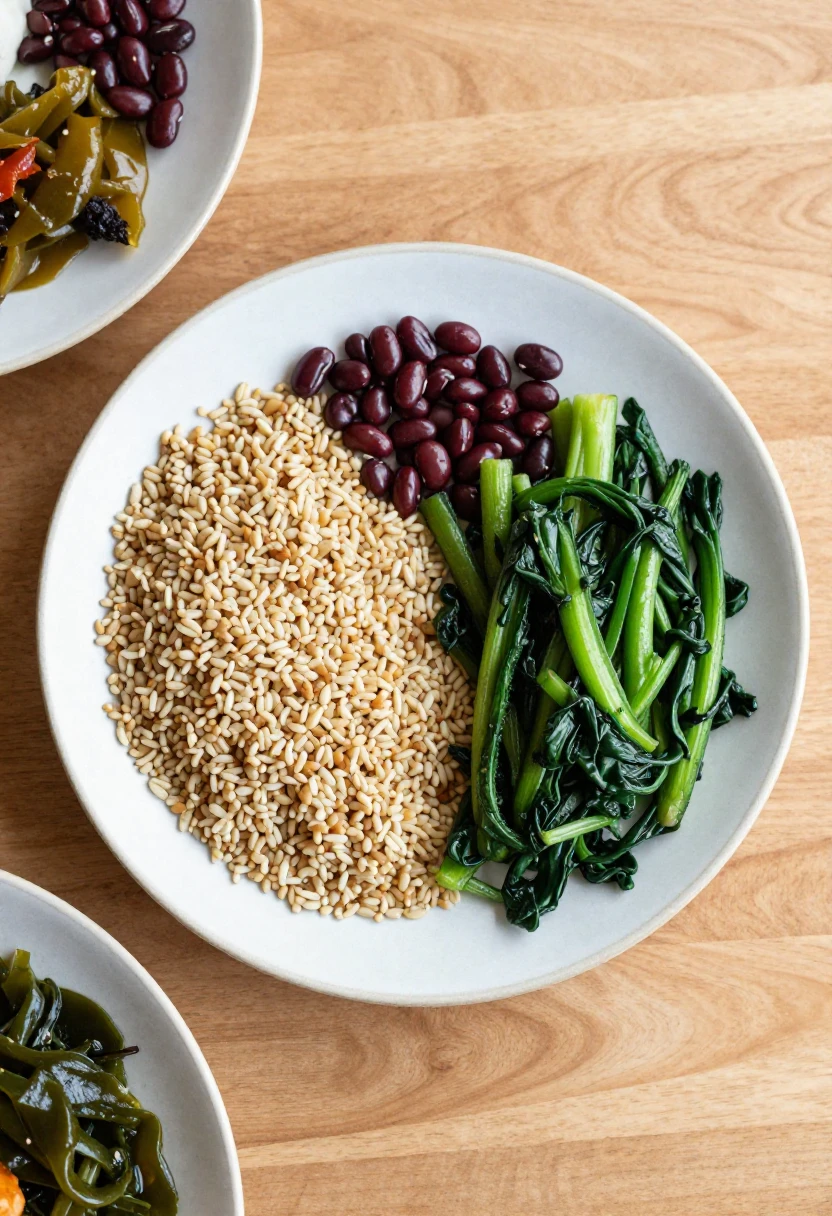
Here’s how a standard macrobiotic plate is typically structured:
- 50–60% whole grains — brown rice, millet, barley, oats, buckwheat, and corn
- 25–30% vegetables — especially locally grown, seasonal varieties like cabbage, carrots, kale, broccoli, and squash
- 5–10% legumes — lentils, chickpeas, tofu, tempeh, and miso
- 5% sea vegetables — nori, wakame, kombu, and arame
- Small amounts of white fish (1–3 times per week), nuts, seeds, and fruit
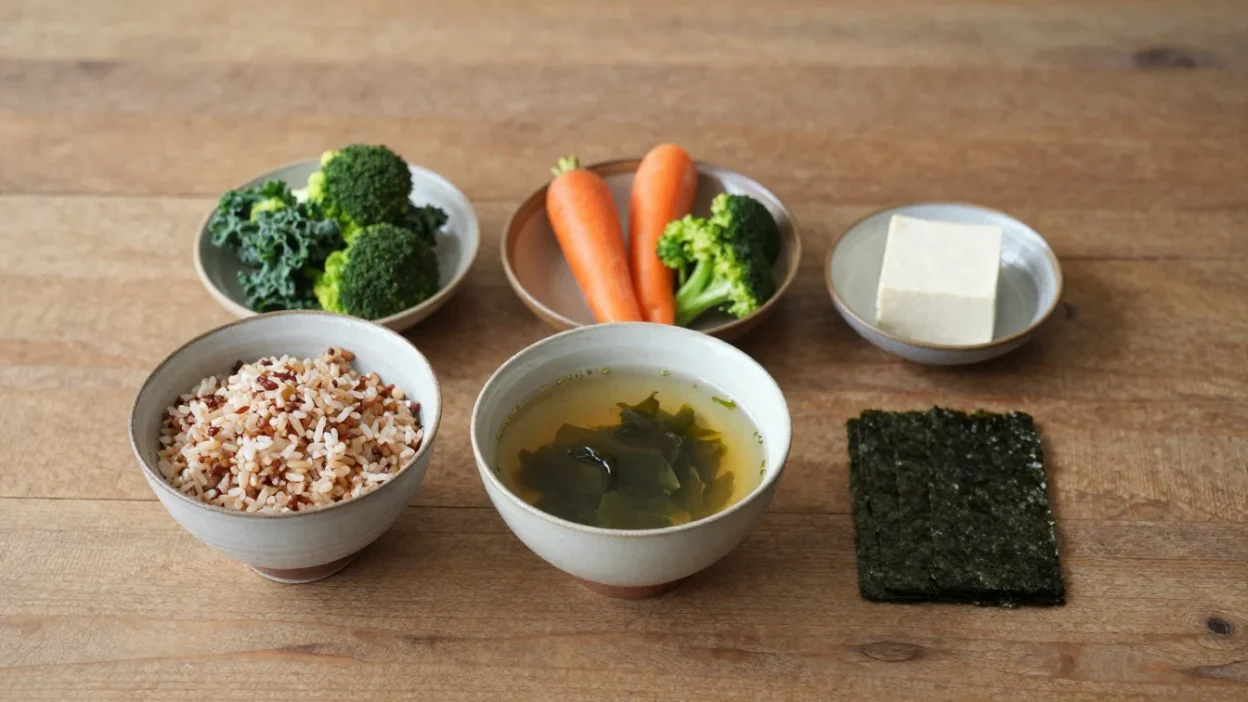
Brown rice is considered the main macrobiotic food, with miso soup and seasonal vegetables also playing a central role.
Foods to Eat Occasionally
The macrobiotic diet gives guidance, but not restrictive rules. Most of what you eat is plant-based, but you might also include some fish. You shouldn’t use too many sauces, but you can season your plate with different herbs. Hard cheese or eggs may appear occasionally for those who find a fully plant-based approach too limiting.
Foods to Avoid
The following foods should be avoided in the macrobiotic diet: ultra-processed foods such as fast food, instant noodles, ice cream, and sodas; foods with artificial colorings, flavorings, or preservatives; products with refined sugar; artificial sweeteners; and caffeinated drinks such as coffee, black tea, and green tea.
Nightshade vegetables — including tomatoes, peppers, potatoes, and eggplant — are also not recommended or are used sparingly, as they are considered extremely yin. This is one of the more surprising restrictions for people used to Mediterranean-style cooking.
Macrobiotic Cooking Methods: How You Cook Matters As Much As What You Cook

One of the things that sets macrobiotics apart from other plant-based diets is its strong emphasis on how food is prepared. The cooking method itself is considered part of the energetic equation.
Preferred Techniques
The more a plant is raw, the more yin it is; the more it is cooked, the more yang it is. Since the goal is balance, extreme cooking practices — such as eating completely raw and frozen foods (too yin) or deep-frying (too yang) — are minimized or avoided.
The preferred macrobiotic cooking methods include:
- Steaming — light, gentle, retains nutrients
- Boiling and simmering — for grains, soups, and stews
- Sautéing with minimal oil — using a small amount of sesame or other unrefined vegetable oil
- Pickling and fermentation — for condiments and gut health (miso, sauerkraut, pickles)
- Baking — for occasional grain dishes and root vegetables
What to Avoid in the Kitchen
Macrobiotic diets recommend cooking with pots, pans, and utensils made only from certain materials — glass, wood, stainless steel, ceramic, and enamel cookware are all considered acceptable. People who practice the diet typically do not use microwaves or electric ovens for food preparation.
Food should be prepared and stored in wood, glass, or stainless steel containers. The cooking environment also matters — preparing food in a calm and peaceful setting is encouraged. It sounds small, but mindful cooking is genuinely part of the practice.
Macrobiotic Lifestyle: Beyond the Plate

The macrobiotic approach doesn’t stop at food. Macrobiotics refers not just to a diet, but to a system of holistic principles that includes a nutrition plan, gentle exercise, and lifestyle changes — all meant to create balance and vitality in life. This no-chemical principle also extends to home and personal hygiene products.
Eating Habits and Mindfulness
Several specific eating behaviors are part of the macrobiotic practice:
- Eat only when you’re hungry — and stop when you’re full
- Chew thoroughly — the belief is that chewing each mouthful a minimum of 50 times allows maximum digestion of food
- Eat seasonally and locally — major principles include reducing animal products, eating locally grown foods that are in season, and consuming meals in moderation
- Drink mindfully — only when thirsty, and stick to herbal teas or grain-based beverages
Physical Activity
Macrobiotics encourages regular, moderate movement rather than intense exercise. Walking, yoga, tai chi, and light gardening are all well-suited to the philosophy’s emphasis on gentle, balanced living. The idea is to stay consistently active rather than push your body to extremes.
Mental and Emotional Well-Being
The macrobiotic diet promotes a holistic approach to eating, integrating food choices with broader lifestyle practices including meditation and stress reduction. Gratitude, community, and self-awareness are recurring themes in macrobiotic teaching.
Potential Health Benefits — What the Research Says
It’s important to be honest here: the evidence base for macrobiotics is limited. That said, the diet’s nutritional profile does align with several well-researched dietary patterns.
As a plant-based diet that emphasizes natural and whole foods, the macrobiotic diet may help lower the risk of obesity, diabetes, cancer, and high blood pressure — though there is no scientific evidence to confirm these potential benefits.
What we can say more confidently:
- Individuals who follow low-fat diets that are low in animal products, such as the macrobiotic diet, may have lower cholesterol levels.
- Short and medium-term clinical trials indicated that the macrobiotic diet produced faster blood sugar control compared to some other diets.
- Many elements of the macrobiotic diet have been linked to reduced inflammation when compared to a standard American diet.
What to Watch Out For: Risks and Nutritional Gaps

The macrobiotic diet is not without its drawbacks, and going in with open eyes matters.
Because it limits the intake of meat, fruit, and dairy, the macrobiotic diet may increase the risk of deficiencies in protein, vitamin B12, vitamin D, iron, calcium, and zinc. These are real concerns, especially if you follow the diet strictly over the long term.
The macrobiotic diet is not recommended for pregnant women or children, as it may not provide sufficient protein and nutrients in these situations.
The practical takeaway: if you’re seriously considering this diet, consulting a nutritionist before starting is strongly advised to assess your nutritional needs and create a personalized eating plan.
Getting Started: Practical Tips

You don’t need to overhaul everything overnight. Here’s a sensible way to ease in:
- Start with brown rice — swap out white rice and refined grains first. It’s the single biggest shift you can make.
- Build your vegetable base — focus on root vegetables, leafy greens, and cruciferous vegetables that are in season where you live.
- Explore miso soup — a simple daily miso soup with wakame and tofu is a great entry point into macrobiotic cooking.
- Try tempeh — tempeh is a fermented bean product that’s a great choice for people who have a hard time digesting plant-based high-protein foods like beans, legumes, or tofu.
- Upgrade your cookware — start using glass or stainless steel containers and reduce reliance on non-stick pans.
- Slow down at the table — chew more, put your phone down, and pay attention to how food actually makes you feel.
Summary
The macrobiotic diet is a plant-forward, whole-foods eating system built around balance — specifically the Eastern concept of yin and yang. Its core is simple: whole grains, seasonal vegetables, legumes, and sea vegetables, cooked thoughtfully and eaten mindfully. The lifestyle component — gentle movement, stress reduction, and conscious eating habits — is just as important as the food list itself.
It’s not a quick fix, and it’s not for everyone. But for people looking to step away from processed foods and reconnect with a more intentional way of eating, macrobiotics offers a genuinely coherent framework.
FAQ
Q: Is the macrobiotic diet the same as vegan? Not exactly. The macrobiotic diet is similar to a vegan diet but is not as restrictive and is much more mindfulness-focused. Small amounts of fish are permitted, and some practitioners occasionally include eggs or hard cheese.
Q: Can you lose weight on the macrobiotic diet? Possibly. Many of the foods included in the diet are relatively low in calories, so over time, a person eating this way may lose weight. However, weight loss isn’t the primary goal — overall balance and well-being are.
Q: Is it safe to follow long-term? It can be, with proper planning. The main risks are nutritional deficiencies — particularly in B12, vitamin D, iron, and calcium. Working with a registered dietitian helps you cover those gaps while staying true to the diet’s principles.
Q: Do you have to give up coffee? Yes, in the traditional sense. Caffeinated drinks including coffee are discouraged. Beverages include herbal teas, cereal-grain coffee, and roasted-barley tea — the latter being a surprisingly satisfying alternative for coffee drinkers.