Contents
- Summer in a Glass
- What Is Strawberry Lemonade?
- A Brief History — From Citrus to Berry Twist
- The Flavor Harmony — Sweet, Tart, and Balanced
- The Science of Texture and Color
- Health Notes — Refreshment Meets Nutrients
- Homemade Basics — Simple Ingredients, Big Results
- Creative Variations — Herbs, Sparkle, and Natural Swaps
- Seasonal Rituals — When and How to Enjoy It
- Pairings — What Complements Strawberry Lemonade
- Mindful Enjoyment — Savoring Without Overdoing It
- A Drink That Creates Memories
Summer in a Glass

There are few things more satisfying on a warm day than the quiet sound of ice settling into a glass, followed by the slow, graceful pour of something cold and inviting.
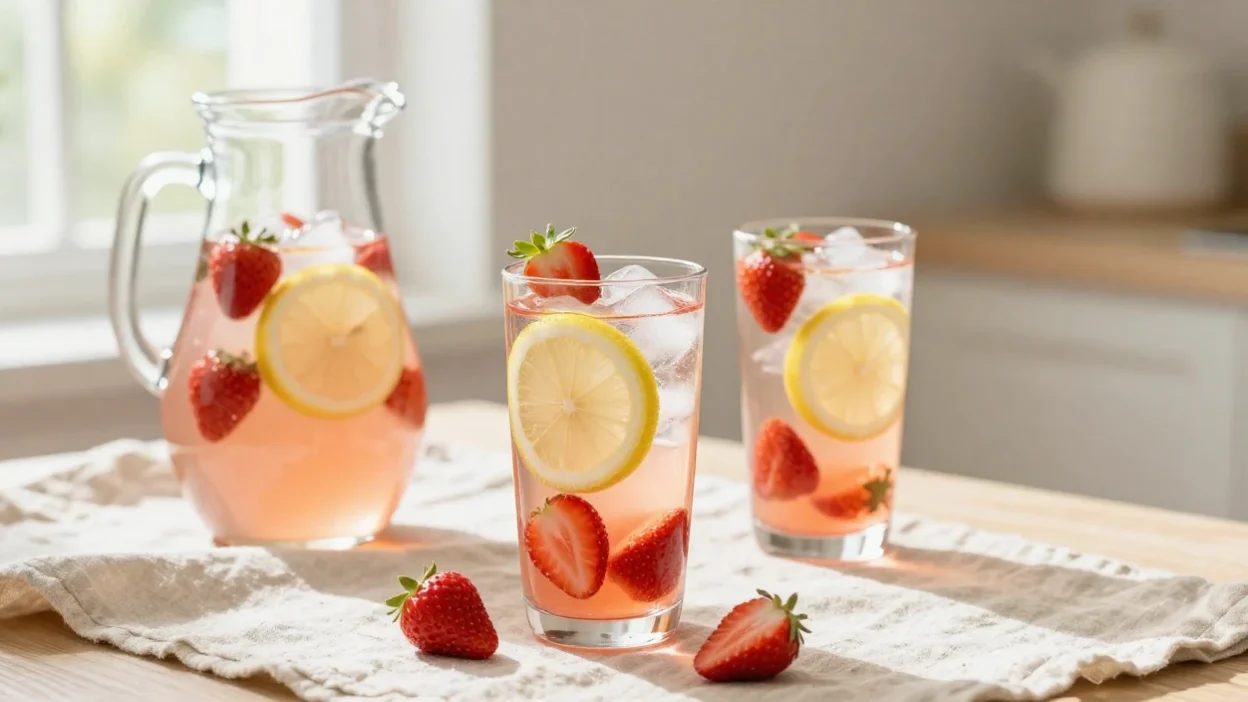
It happens almost unnoticed. A soft clink. A gentle swirl. A brief moment of anticipation. Pale pink liquid wraps itself around the cubes, carrying the scent of ripe strawberries and fresh lemon zest. Condensation begins to form almost instantly, tracing delicate lines down the glass. Even before you take your first sip, your body already understands what is coming.
Strawberry lemonade has a remarkable way of capturing summer in its most honest and generous form. It tastes like open windows and slow afternoons, like sunlight resting on kitchen counters and warm air drifting through curtains. It feels like picnics on soft grass, backyard conversations that stretch into evening, and quiet walks home as the sky begins to glow.
It is familiar, yet it never feels ordinary.
Most of us grew up with classic lemonade — bright, sweet, and wonderfully thirst-quenching. It was the drink of childhood summers, school fairs, and family gatherings. But when strawberries enter the picture, something gentle and beautiful happens. The sharpness of lemon softens. The sweetness becomes more rounded. The color deepens. The entire drink feels more expressive, more emotional, more alive.
It becomes a small celebration in a glass.
Perhaps you first discovered strawberry lemonade at a neighborhood café, where it arrived at your table glowing softly in the afternoon light. Perhaps it was at a summer market, served in a clear cup with floating slices of fruit. Or maybe it happened in your own kitchen, on a quiet afternoon, when you decided to blend fresh berries and see what would happen.
However it entered your life, it likely stayed.
Because strawberry lemonade is not only about taste. It is about mood and memory. It is about creating moments of calm in busy days and choosing something gentle when everything feels rushed. It is about turning simple ingredients into something that feels thoughtful and intentional.
In a world filled with complicated drinks and endless combinations, this one remains timeless. It relies on fruit, citrus, water, and natural sweetness, brought together with care and balance, and elevated by attention and patience.
In the sections ahead, we will explore what makes strawberry lemonade so special — from its history and flavor harmony to the science behind its color and the small rituals that surround its enjoyment.
But first, it is worth appreciating this simple truth.
Sometimes, the most beautiful taste of summer fits quietly into a single glass.
What Is Strawberry Lemonade?
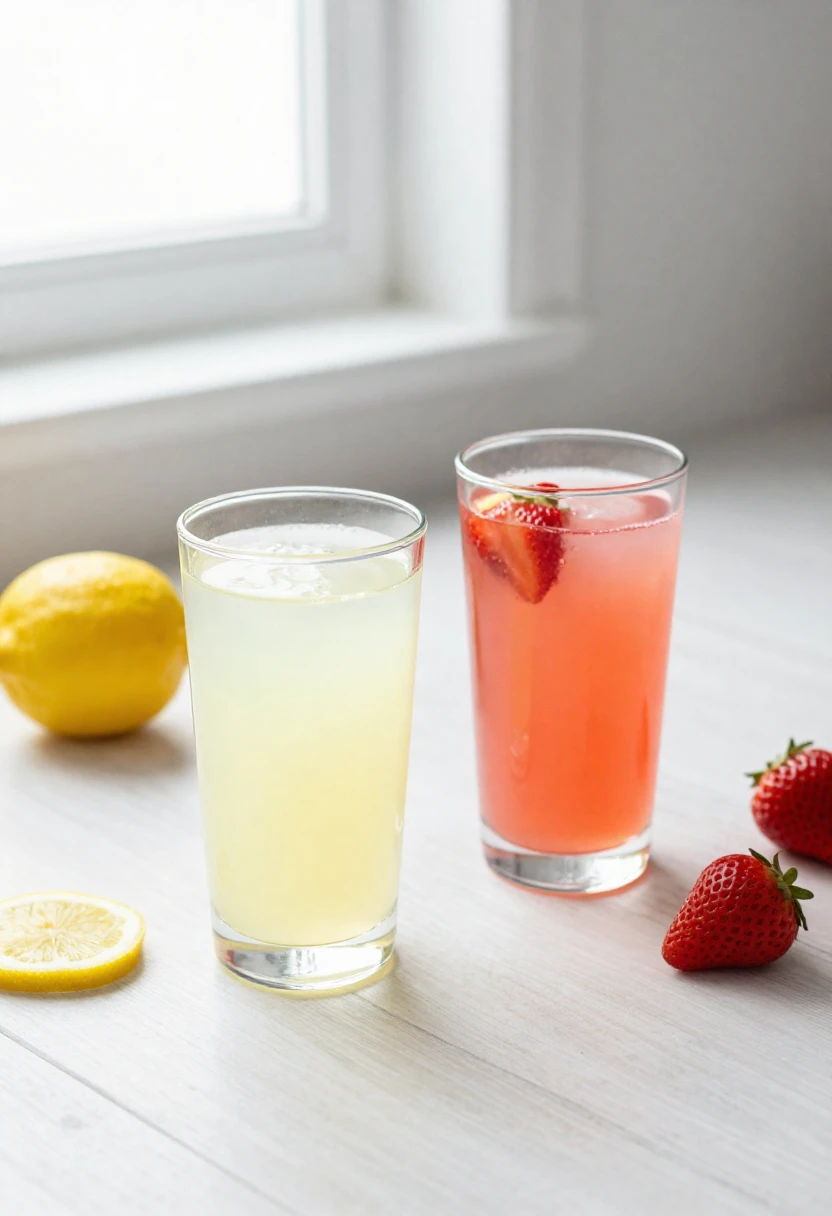
At its core, strawberry lemonade is exactly what its name suggests — a blend of fresh lemon juice and strawberries, balanced with water and a touch of sweetness. And yet, this simple description barely captures what makes the drink feel so different from classic lemonade.
Traditional lemonade is built on contrast. It plays with the tension between sharp citrus acidity and sugar, creating something crisp and refreshing. Strawberry lemonade, however, softens that contrast. When ripe berries are introduced, they round out the edges of lemon’s brightness and add a natural depth that feels fuller and more layered.
The strawberries do more than sweeten the drink.
They contribute body, color, and subtle aroma. Their natural sugars reduce the need for excessive added sweetener, while their gentle fruitiness creates a smoother transition between tart and sweet. Instead of a single bright note, the flavor becomes more dimensional — beginning with citrus sparkle and finishing with soft berry warmth.
Texture also changes the experience. Depending on how it is prepared, strawberry lemonade can be silky and strained or slightly pulpy and rustic. Both approaches have their charm. A smooth version feels elegant and refined, while a lightly textured one feels homemade and generous.
Color plays an equally important role. Classic lemonade is pale and almost transparent, while strawberry lemonade carries shades of blush, coral, or vibrant pink-red. This visual transformation subtly influences how we expect the drink to taste. Warmer hues often signal sweetness and fruitiness to the brain, shaping our perception even before the first sip.
What makes strawberry lemonade so universally appealing is its balance. It remains bright enough to refresh, yet gentle enough to sip slowly. It feels indulgent without being heavy, cheerful without being overwhelming.
It can be made simply with crushed strawberries stirred into lemonade.
It can be blended and strained for clarity.
It can be lightly sparkling or served over crushed ice.
No matter the method, the foundation remains the same: citrus lifted by berry, sharpened by acidity, softened by sweetness.
And perhaps that is why this variation has endured. It takes something already beloved and makes it feel a little more expressive, a little more generous, and a little more memorable.
Strawberry lemonade does not replace the classic. It builds on it — adding color, comfort, and quiet charm to a drink we already know by heart.
A Brief History — From Citrus to Berry Twist
Lemonade itself has a long and fascinating history, with variations appearing in the Mediterranean and Middle Eastern regions centuries ago. As citrus cultivation expanded, sweetened lemon drinks became popular across Europe and eventually in North America, where lemonade stands turned the beverage into a symbol of summer enterprise and childhood entrepreneurship.
Strawberries, meanwhile, have their own story. Native to many parts of the world and cultivated extensively in Europe by the eighteenth century, they were prized for their sweetness and bright color. Combining strawberries with lemon was not a dramatic invention, but rather a natural evolution — a pairing that made sense both visually and flavor-wise.
The exact moment when strawberry lemonade became its own recognizable drink is difficult to pinpoint. It likely emerged organically in home kitchens, where cooks experimented with seasonal fruit and adjusted traditional lemonade recipes based on what was available. When strawberries were ripe and abundant, adding them to lemonade would have felt intuitive rather than revolutionary.
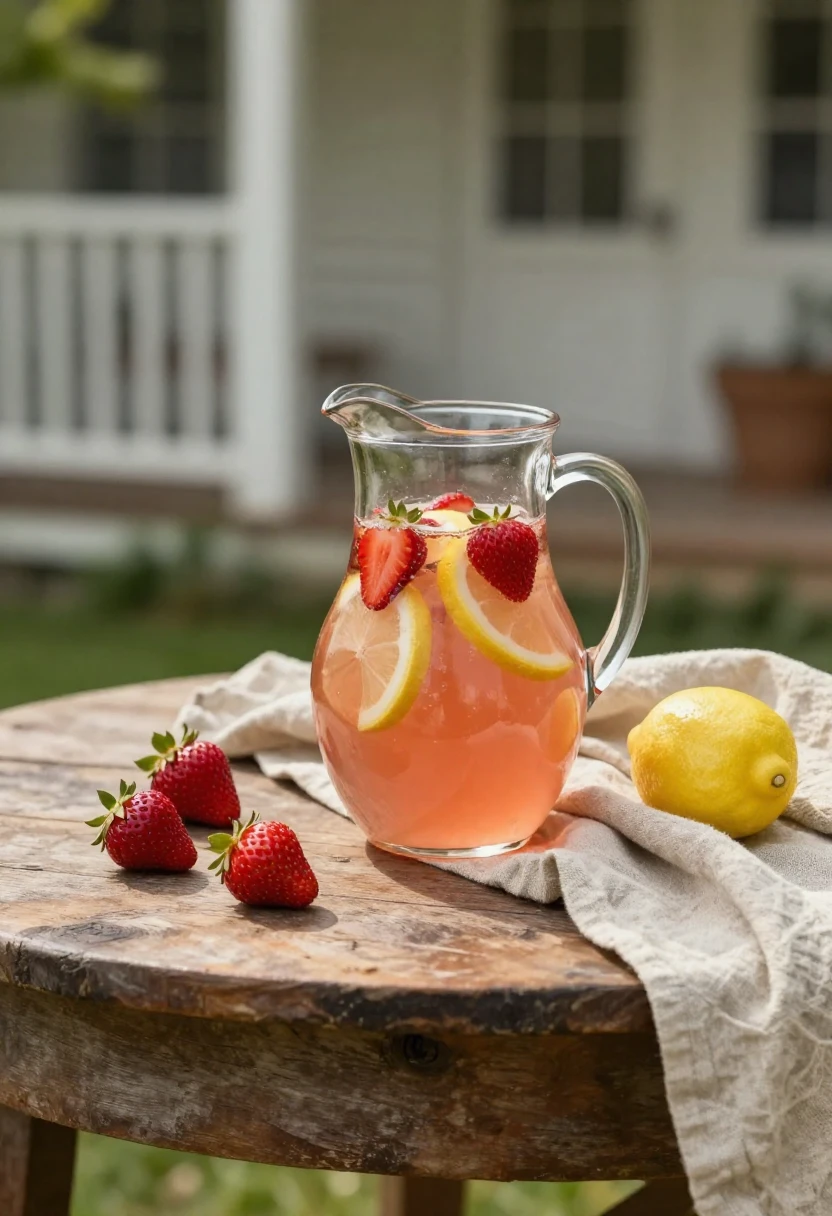
Over time, cafés, diners, and summer markets helped popularize the blend. The drink’s appealing pink hue and balanced sweetness made it an easy favorite. It looked beautiful in glass pitchers. It photographed well. It appealed to children and adults alike. By the late twentieth century, strawberry lemonade had firmly established itself as a seasonal staple.
Its popularity also reflects a broader culinary pattern: classic recipes evolving through small, thoughtful additions. The core remains intact, but one ingredient shifts the emotional tone. In this case, strawberries transform lemonade from sharp and brisk to soft and inviting.
Unlike many trendy drinks that surge and fade, strawberry lemonade has maintained its place because it never strays too far from familiarity. It builds upon tradition instead of replacing it. It enhances what people already love rather than challenging their expectations.
Today, whether served at backyard barbecues, upscale brunches, or farmers’ markets, strawberry lemonade carries both nostalgia and freshness. It feels rooted in the past while remaining effortlessly current.
Its history is not marked by dramatic invention, but by quiet adaptation — the kind that happens naturally when simple ingredients meet creativity and seasonality.
And perhaps that gentle evolution is precisely what makes it timeless.
The Flavor Harmony — Sweet, Tart, and Balanced
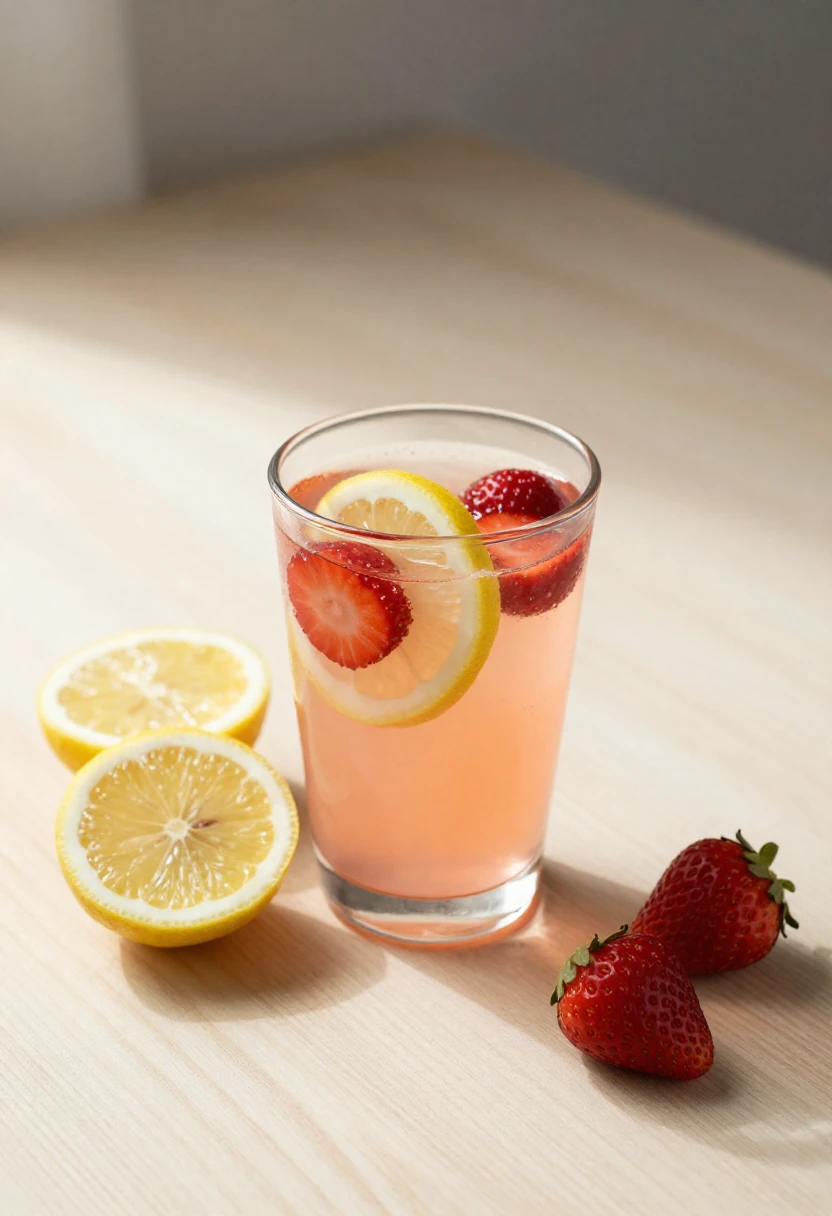
What makes strawberry lemonade so satisfying is not just the presence of fruit, but the way its flavors interact. Every successful glass depends on a careful conversation between sweetness, acidity, and freshness, where no single element overwhelms the others.
Lemon juice brings brightness and energy. Its natural acidity wakes up the palate and creates that unmistakable sense of refreshment. On its own, however, lemon can feel sharp or even aggressive, especially when used generously.
Strawberries soften that intensity.
Ripe strawberries contain natural sugars and gentle aromatic compounds that smooth the edges of citrus. They introduce warmth and depth, transforming lemon’s sharpness into something rounder and more approachable. Instead of a sudden burst of sourness, the flavor unfolds gradually, moving from bright to mellow in a way that feels effortless.
Sweetener plays a supporting role in this balance. Whether it comes from sugar, honey, maple syrup, or agave, its purpose is not to dominate, but to connect the fruit and citrus into a unified whole. Too little sweetness leaves the drink flat and overly acidic. Too much masks the freshness entirely. The ideal amount creates harmony rather than contrast.
Water completes the structure.
It dilutes intensity, allowing subtle notes to emerge. It gives the drink lightness and drinkability. Without enough water, strawberry lemonade becomes dense and heavy. With too much, it loses character. Finding the right ratio is part of the craft.
Temperature also influences flavor harmony. Served well chilled, strawberry lemonade feels crisp and clean. Cold enhances perception of sweetness while muting excessive acidity. This is why the same recipe can taste dramatically better after time in the refrigerator.
Even small details matter. A pinch of salt can enhance sweetness. A squeeze of extra lemon can restore brightness. A handful of very ripe berries can deepen aroma. These tiny adjustments allow the maker to tune the drink to perfection.
When everything aligns, strawberry lemonade achieves something rare: it feels refreshing and comforting at the same time.
It quenches thirst without tiring the palate.
It feels light without feeling empty.
It tastes generous without feeling excessive.
This balance is what keeps people returning to it year after year. It satisfies both instinct and intention, offering pleasure that feels natural rather than engineered.
In every well-made glass, sweet, tart, and fresh elements come together quietly, creating a flavor that feels both familiar and endlessly rewarding.
The Science of Texture and Color
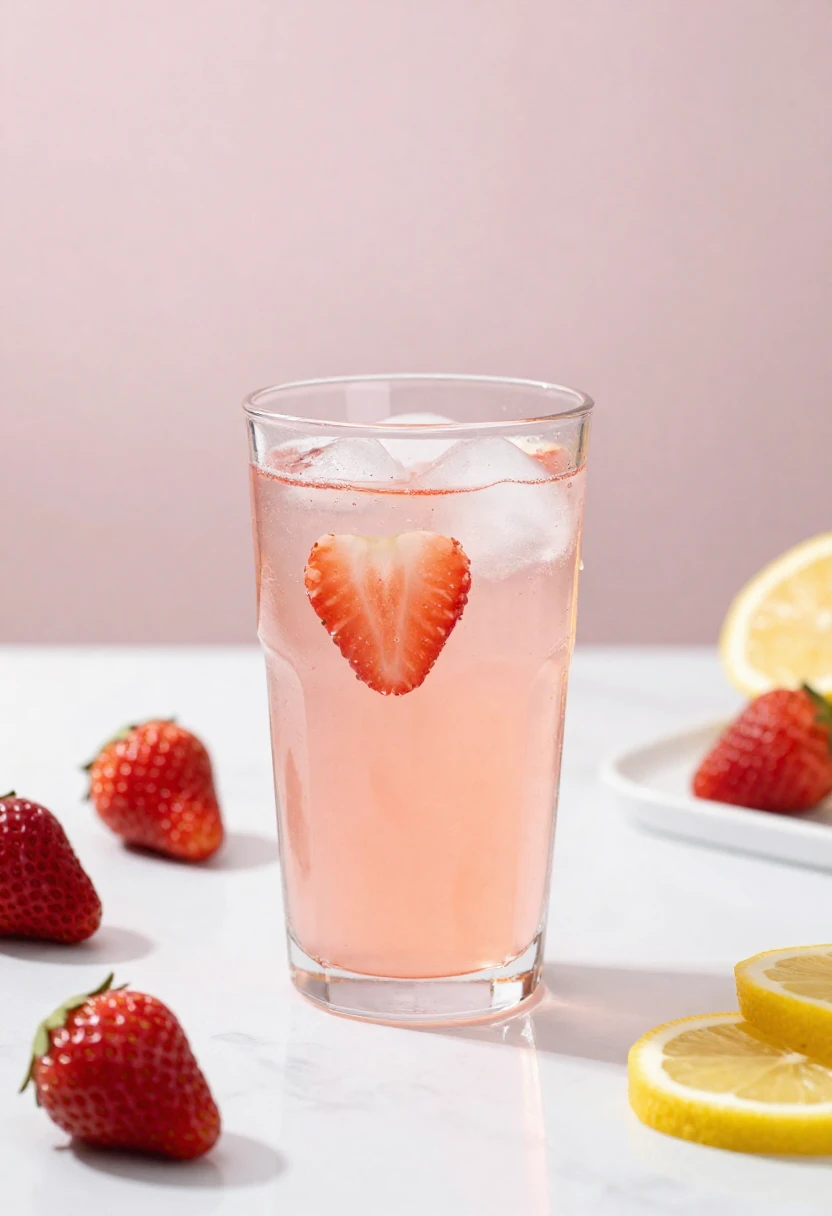
Before strawberry lemonade ever touches your lips, your brain is already forming an opinion about it.
It notices the color.
It registers the thickness of the liquid.
It observes how light passes through the glass.
And all of this information shapes how the drink will eventually taste.
Color plays a powerful role in flavor perception. The soft pinks, corals, and ruby tones of strawberry lemonade signal sweetness and fruitiness long before the first sip. Our minds associate these shades with ripe berries, summer desserts, and gentle flavors. As a result, we expect the drink to be pleasant, balanced, and enjoyable — and that expectation influences what we actually experience.
This is why strawberry lemonade often feels “sweeter” than classic lemonade, even when sugar levels are similar.
The color prepares us for sweetness.
Texture adds another layer to this sensory story.
When strawberries are blended into lemonade, they release natural fibers and pectins that slightly thicken the liquid. This subtle viscosity makes the drink feel more substantial and satisfying. Instead of passing quickly over the tongue, it lingers just long enough for flavors to unfold.
A strained version, on the other hand, feels lighter and silkier. It glides smoothly, offering elegance and clarity. A lightly pulpy version feels rustic and generous, reminding you that real fruit is involved. Neither is better. They simply create different emotional experiences.
Temperature interacts with both color and texture. Cold drinks appear clearer, brighter, and more refreshing. Chilling also firms up texture slightly, enhancing that clean, crisp sensation we associate with thirst-quenching beverages.
Light matters too.
When strawberry lemonade catches sunlight, it glows. This visual warmth triggers positive emotional responses, making the drink feel more inviting. It looks alive. It looks refreshing. It looks worth slowing down for.
All of these elements — color, thickness, light, and temperature — work together quietly. They do not announce themselves. They influence perception from the background.
This is why homemade strawberry lemonade often feels so special.
You see the real fruit.
You notice natural variations in shade.
You feel the gentle weight of the liquid in the glass.
Nothing is artificial. Nothing is overly polished. The drink looks and feels honest.
And that honesty translates directly into pleasure.
In strawberry lemonade, science and sensation meet beautifully. Physical properties shape emotional response. Structure supports enjoyment. What you see and feel becomes inseparable from what you taste.
It is a reminder that great flavor is never just about ingredients.
Health Notes — Refreshment Meets Nutrients
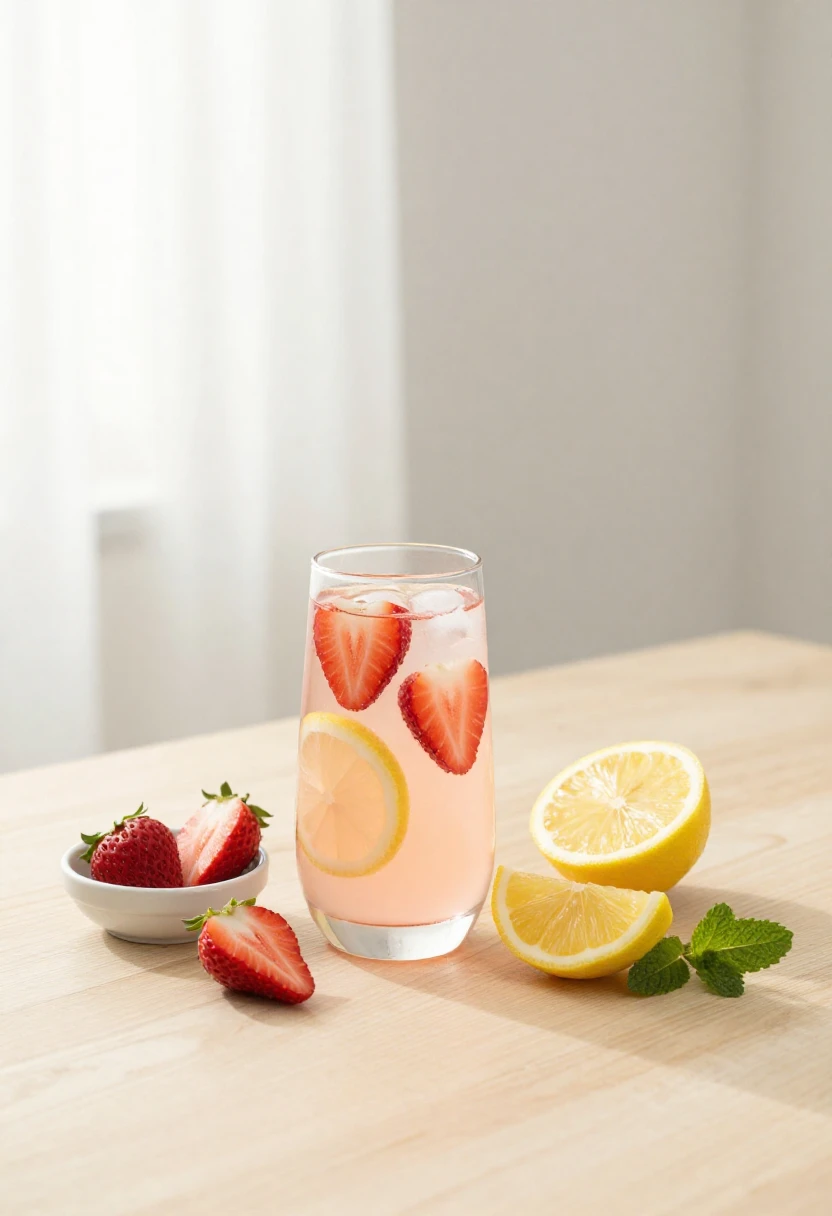
Strawberry lemonade is first and foremost a pleasure, but it also carries quiet nutritional benefits that make it feel lighter and more thoughtful than many overly processed summer drinks.
Lemons are well known for their high vitamin C content, which supports immune function and helps the body absorb iron more efficiently. They also contain plant compounds such as flavonoids, which have antioxidant properties. While a single glass of lemonade is not a medical solution, it does contribute small but meaningful nutrients in a refreshing form.
Strawberries bring their own strengths. They are naturally rich in vitamin C as well, along with antioxidants like anthocyanins — the compounds responsible for their vibrant red color. These antioxidants are associated with supporting cellular health and reducing oxidative stress. Strawberries also contain fiber, especially when the drink is left unstrained, adding a subtle digestive benefit.
Hydration is another important element. On warm days, when the body loses fluids more quickly, a drink that encourages you to sip and enjoy can help maintain balance. The natural acidity of lemon stimulates saliva production, which can make the drink feel more thirst-quenching than plain water alone.
Of course, sweetness requires awareness.
Many commercial versions of strawberry lemonade contain high levels of added sugar, which can overshadow both flavor and nutritional value. Homemade preparation allows for better control. You can adjust sweetness to suit your taste, rely partly on the natural sugars in ripe strawberries, or use lighter alternatives such as honey or maple syrup in moderation.
The key is balance rather than elimination.
Strawberry lemonade does not need to be positioned as a health drink to justify its place at the table. Its value lies in thoughtful preparation, fresh ingredients, and mindful enjoyment. When made with real fruit and reasonable sweetness, it becomes a refreshing option that feels nourishing rather than excessive.
Homemade Basics — Simple Ingredients, Big Results
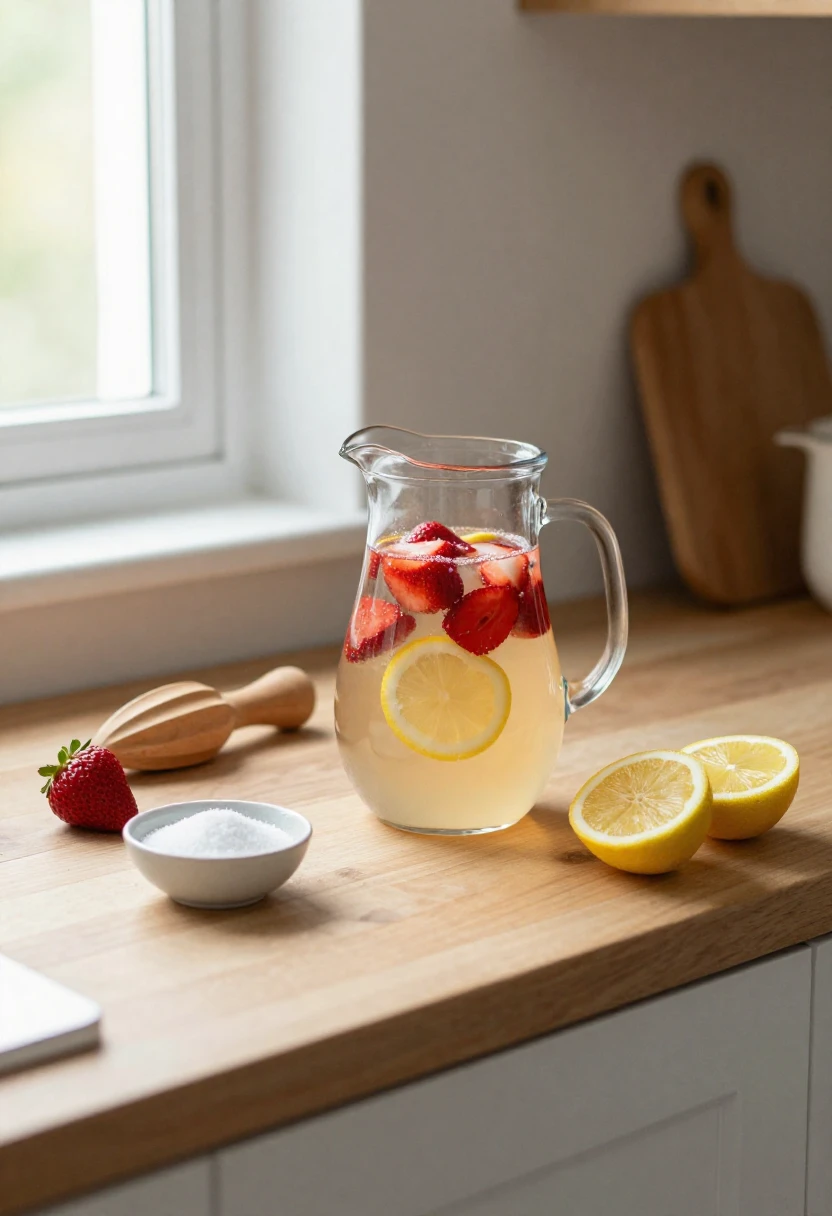
One of the greatest joys of strawberry lemonade is how easily it can be made at home. You do not need special equipment, rare ingredients, or advanced skills. With a few thoughtful choices and a little patience, you can create a drink that feels brighter, fresher, and more personal than anything from a bottle.
The foundation is quality fruit.
Choose lemons that feel heavy for their size and have smooth, fragrant skins. These tend to be juicier and more aromatic. For strawberries, look for deep red color, natural shine, and a strong, sweet scent. Ripe berries provide both flavor and natural sweetness, reducing the need for excess sugar.
A basic homemade version relies on four elements: fresh lemon juice, ripe strawberries, water, and a gentle sweetener.
Begin by washing and trimming the strawberries, then blending them into a smooth purée. If you prefer a clear drink, strain the mixture through a fine sieve. If you enjoy texture, leave some pulp for a more rustic feel.
Next, juice the lemons and combine the juice with cold filtered water. Add the strawberry purée gradually, tasting as you go. This allows you to control intensity and color. Finally, sweeten slowly, adjusting until the balance feels right.
A simple guideline looks like this:
Fresh lemon juice
Strawberry purée
Cold water
Sweetener to taste
Balanced carefully rather than measured rigidly.
Chilling is essential. Letting the mixture rest in the refrigerator for at least one hour allows flavors to integrate. Acidity softens. Sweetness settles. Aroma becomes more cohesive.
Small details elevate the result. A pinch of sea salt enhances fruitiness. A splash of sparkling water adds brightness. A few crushed mint leaves introduce freshness. These additions should complement rather than distract.
Perhaps the most valuable element is attention.
Taste frequently.
Adjust gently.
Trust your senses.
Each batch becomes a conversation between ingredients and intuition. Over time, you will learn what ratio suits your palate, what sweetness level feels most refreshing, and what texture brings you the most joy.
That is when strawberry lemonade becomes truly yours.
Not just a recipe you follow, but a ritual you return to — one that turns simple ingredients into something consistently beautiful.
Creative Variations — Herbs, Sparkle, and Natural Swaps
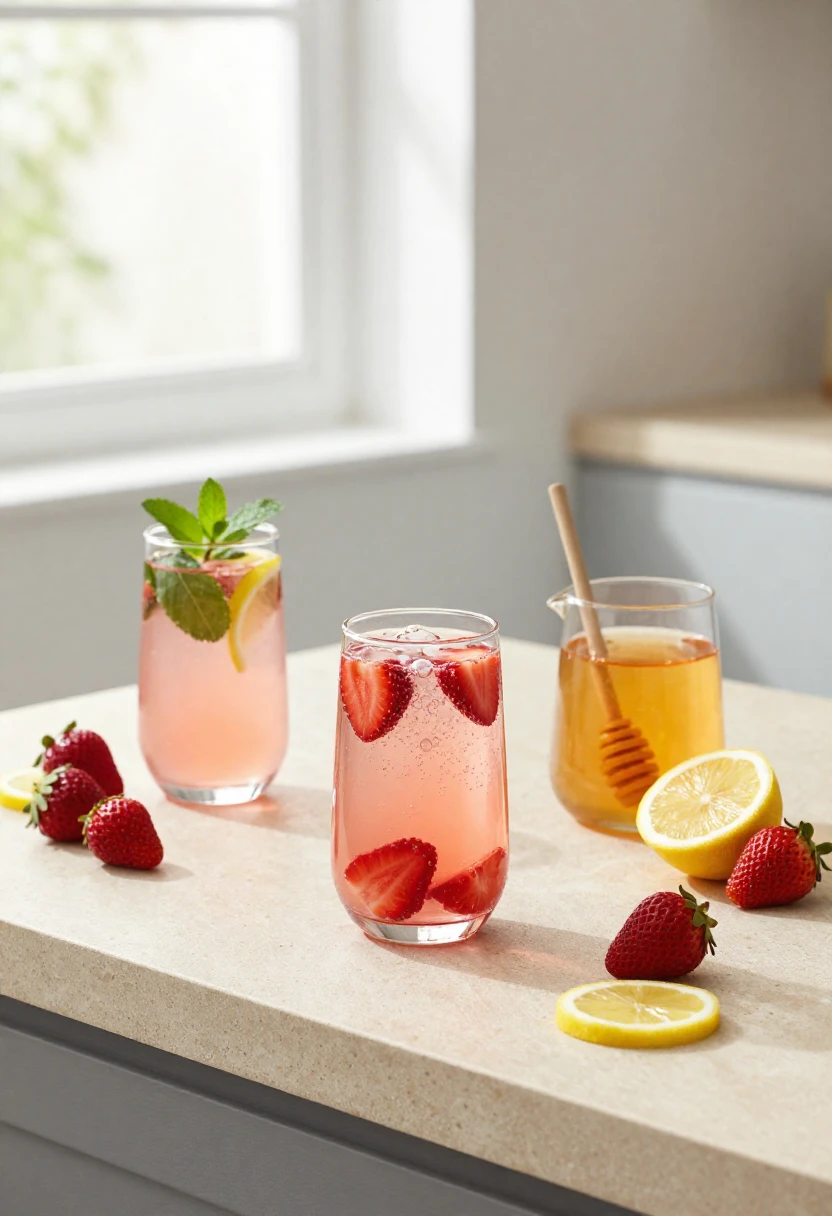
Once you understand the basic structure of strawberry lemonade, a whole world of gentle creativity opens up. The classic version is beautiful on its own, but small, thoughtful adjustments can transform it into something that feels new, seasonal, and uniquely yours.
Herbs are one of the easiest ways to add complexity without overwhelming the drink. Fresh mint brings cooling brightness that enhances both lemon and strawberry. Basil adds subtle sweetness and a slightly peppery note that feels surprisingly elegant. Rosemary introduces depth and warmth when used very sparingly. These herbs should be infused lightly, either by gently crushing them before adding or by letting them rest in the pitcher for a short time.
Sparkling elements create another layer of interest. Replacing part of the still water with chilled sparkling water adds liveliness and texture. The bubbles lift aroma and make each sip feel lighter and more festive. This variation works especially well for brunches, outdoor gatherings, and evening refreshment.
Sweetener choices also shape character. While classic recipes often rely on white sugar, many people now explore alternatives such as honey, maple syrup, agave, or coconut sugar. Each brings its own personality. Honey adds floral warmth. Maple syrup contributes subtle caramel notes. Agave keeps sweetness clean and light. These options allow you to adjust flavor without losing balance.
Fruit combinations offer further opportunities. Adding raspberries deepens color and tartness. Watermelon creates softness and hydration. Peaches contribute gentle sweetness and aroma. These additions should support strawberries rather than replace them, maintaining the drink’s core identity.
For texture lovers, chia seeds can introduce a gentle gel-like body while adding fiber and visual interest. Soaked briefly before serving, they create a modern, wellness-inspired interpretation without disrupting flavor.
Ice can even become part of the creative process. Freezing strawberry slices, lemon rounds, or edible flowers inside ice cubes turns each glass into a small visual celebration while preventing dilution.
What makes these variations successful is restraint.
Each change should feel intentional.
Each addition should serve balance.
Each version should still taste unmistakably like strawberry lemonade.
Creativity in this context is not about complexity. It is about listening to ingredients and responding thoughtfully. It is about adapting the drink to season, mood, and setting while honoring its essence.
In this way, strawberry lemonade becomes more than a recipe. It becomes a flexible framework for expression, capable of evolving alongside your tastes and experiences.
Seasonal Rituals — When and How to Enjoy It

Strawberry lemonade is more than a drink you prepare. Over time, it often becomes part of personal and seasonal rhythms, appearing again and again in moments that mark warmth, rest, and connection.
In late spring and early summer, when strawberries first reach peak sweetness, the drink feels like a quiet celebration of abundance. Making it at this time often becomes a ritual in itself. Washing berries, slicing lemons, and filling pitchers with chilled liquid feels like welcoming a new season into your home.
During high summer, strawberry lemonade takes on a different role. It becomes a form of relief. After long hours in heat, after walks under bright sun, after afternoons spent outdoors, a cold glass offers instant comfort. It cools the body while gently lifting energy, creating a bridge between activity and rest.
Many people associate it with social gatherings. Backyard lunches, garden parties, picnics, and family barbecues often feature a pitcher placed at the center of the table, inviting everyone to refill at will. In these settings, strawberry lemonade becomes part of shared experience rather than individual consumption.
It also fits beautifully into quieter moments.
A glass beside a book on a shaded balcony.
A pitcher on the kitchen counter during remote work afternoons.
A chilled cup after evening walks.
In these private rituals, the drink becomes a companion rather than a centerpiece. It marks time passing gently, reminding you to pause and hydrate with intention.
Timing influences enjoyment as well. Served mid-morning, it feels energizing. In the afternoon, it becomes restorative. In the early evening, especially when lightly sparkling, it feels celebratory without being heavy.
Even weather plays a role. On extremely hot days, it works best ice-cold and lightly diluted. On mild evenings, a slightly richer version feels comforting. Adapting preparation to conditions keeps the experience fresh.
Over years, these small habits accumulate.
Certain recipes become associated with specific people.
Certain versions remind you of particular summers.
Certain glasses evoke familiar feelings.
Strawberry lemonade slowly weaves itself into memory, becoming part of how you remember seasons rather than just how you hydrate during them.
In this way, it becomes less about refreshment and more about rhythm — a gentle marker of time, temperature, and togetherness.
Pairings — What Complements Strawberry Lemonade
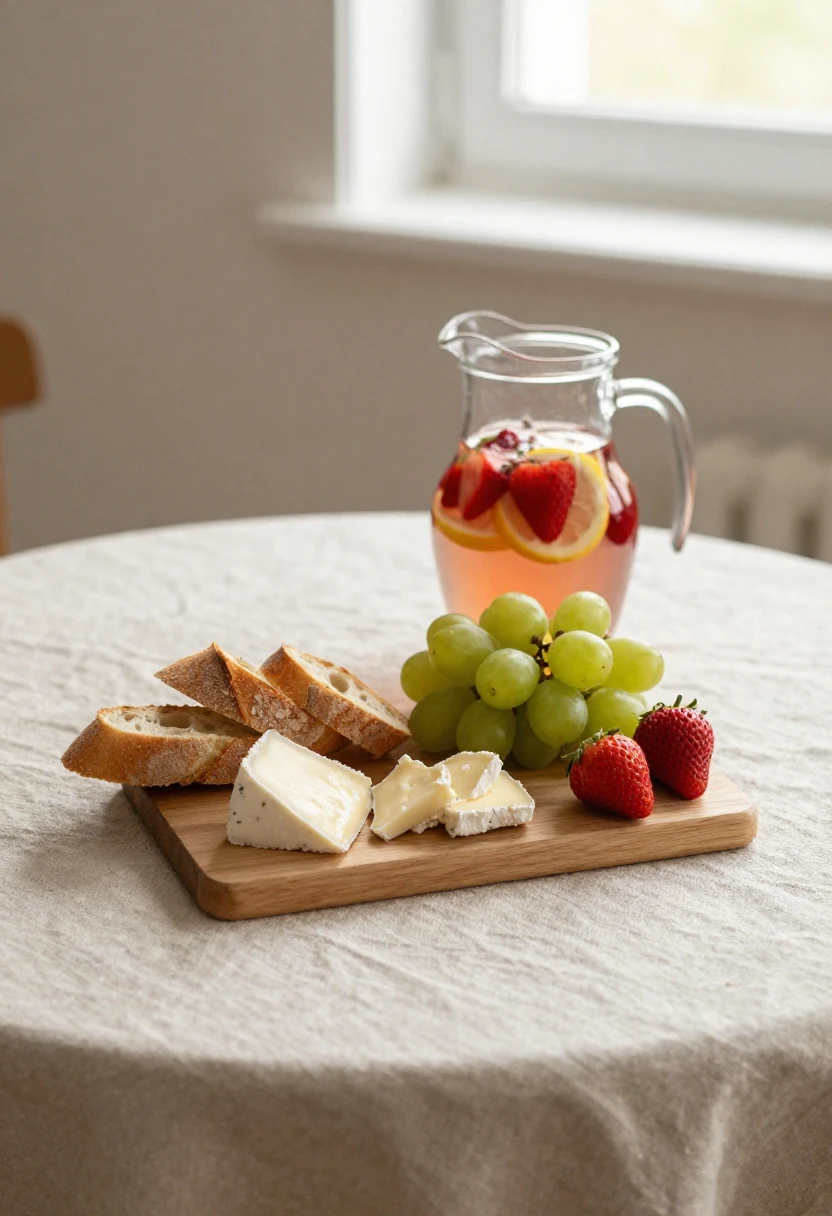
Strawberry lemonade is bright and expressive on its own, but when paired thoughtfully with food, it can elevate an entire meal or gathering. Its balance of sweetness and acidity makes it remarkably versatile, especially during warmer months when lighter dishes naturally take center stage.
Because of its citrus backbone, strawberry lemonade pairs beautifully with fresh salads. Arugula with goat cheese and strawberries, spinach with almonds and vinaigrette, or a simple cucumber and herb salad all benefit from the drink’s refreshing contrast. The acidity cuts through richness while the berry notes echo fresh ingredients on the plate.
Soft cheeses also complement its profile. Creamy goat cheese, ricotta, burrata, or mild brie balance the tartness of lemon and harmonize with the sweetness of strawberry. When served with crusty bread and a drizzle of honey, the pairing feels both elegant and effortless.
Light savory dishes work particularly well. Grilled chicken with herbs, roasted vegetables, lemon pasta, or simple seafood dishes such as shrimp or white fish allow the drink to enhance flavor without overpowering it. The citrus in the beverage mirrors similar notes in the food, creating cohesion across the table.
For brunch settings, strawberry lemonade pairs naturally with pastries, yogurt bowls, and fruit-based desserts. Almond cakes, lemon loaf, shortbread cookies, or berry tarts feel especially harmonious. The drink refreshes the palate between bites, preventing sweetness from becoming overwhelming.
On more casual occasions, it complements sandwiches and wraps, particularly those with fresh vegetables, mild cheeses, or grilled elements. The acidity helps cleanse the palate, making each bite feel as vibrant as the first.
Even dessert pairings can be thoughtful. Vanilla ice cream, panna cotta, and light cheesecake benefit from a sip of strawberry lemonade that brightens creaminess and adds dimension.
The key to successful pairing lies in balance. Because strawberry lemonade is already flavorful, it works best alongside foods that are fresh and moderately seasoned rather than heavy or intensely spiced. It enhances simplicity rather than competing with complexity.
When chosen carefully, food and drink create a dialogue rather than a distraction. Each sip highlights a new note. Each bite reveals a subtle contrast.
And together, they transform a simple glass of strawberry lemonade into part of a complete and memorable experience.
Mindful Enjoyment — Savoring Without Overdoing It
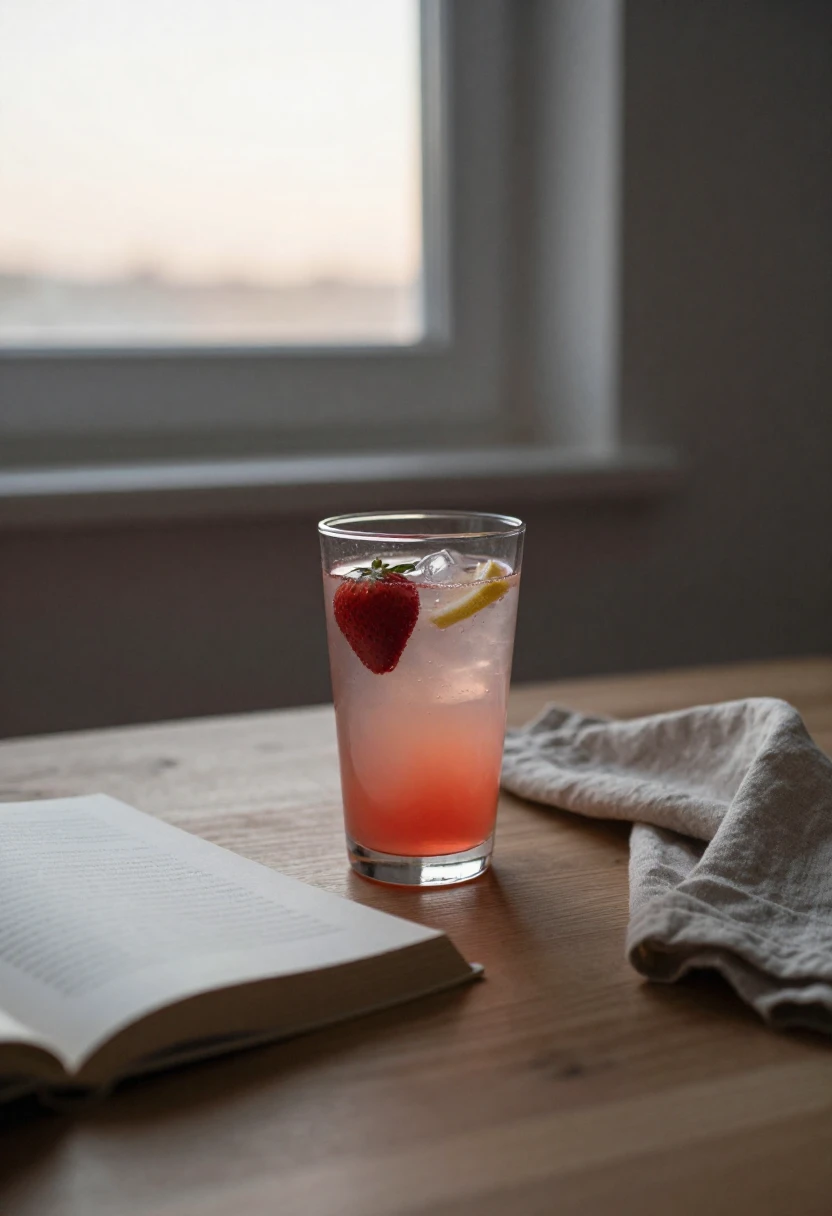
Strawberry lemonade is designed to be easy to love. Its bright color, gentle sweetness, and refreshing character invite frequent refills, especially on hot days when thirst and pleasure often overlap. Yet its true value emerges most clearly when it is enjoyed with awareness rather than habit.
Mindful enjoyment begins with attention.
Noticing the aroma before drinking.
Feeling the temperature of the glass.
Tasting the balance between berry and citrus.
These small acts of presence transform the drink from background refreshment into a conscious experience. Instead of consuming automatically, you engage with what you are tasting and how it makes you feel.
Portion awareness plays an important role. A large glass can feel satisfying in the moment, but often a smaller serving, savored slowly, provides deeper pleasure. When the palate has time to register flavor, sweetness feels richer and acidity feels brighter. Less becomes more.
Sweetness deserves particular consideration. Even homemade versions can become heavy when sugar is added without restraint. Learning to rely more on ripe strawberries and less on added sweetener encourages appreciation of natural flavors. Over time, many people discover that they prefer lighter, cleaner versions that leave them refreshed rather than weighed down.
Timing also influences mindful enjoyment. Drinking strawberry lemonade alongside balanced meals helps stabilize energy and prevents sharp sugar fluctuations. Enjoying it as part of social connection rather than distraction reinforces its role as shared pleasure rather than mindless habit.
Hydration remains central. While strawberry lemonade contributes to fluid intake, alternating it with plain water maintains balance and prevents fatigue. This gentle rhythm supports both physical comfort and sensory appreciation.
There is also emotional mindfulness.
Sometimes we reach for sweet drinks out of boredom, stress, or fatigue rather than genuine desire. Pausing to ask what you actually need in that moment — rest, movement, conversation, or nourishment — helps keep enjoyment aligned with well-being.
Strawberry lemonade fits beautifully into this philosophy because it encourages slowness by nature. Its layered flavor invites lingering. Its visual warmth invites appreciation. Its freshness invites moderation.
When approached with intention, it becomes more than a treat.
It becomes a moment of care.
A small reminder that pleasure and balance do not oppose each other. They grow best together.
A Drink That Creates Memories

Strawberry lemonade begins with simple ingredients, but it rarely remains simple in meaning. Over time, it becomes woven into moments, seasons, and stories that quietly shape how we remember warmth, connection, and rest.
A pitcher on a picnic blanket.
A glass beside an open window.
A refill shared across a crowded table.
These scenes may seem ordinary while they are happening, yet they linger long after the day has passed. The taste of strawberry and lemon becomes linked to laughter, conversations, and pauses between responsibilities. Flavor turns into memory.
What gives this drink its lasting power is not novelty, but consistency. It shows up year after year, adapting slightly to new kitchens, new people, and new preferences while remaining familiar. It grows with you. The version you make at twenty may not be the one you prepare at forty, yet both belong to the same story.
Homemade strawberry lemonade carries this continuity especially strongly. Each batch reflects a moment in time. The strawberries of one summer differ from the next. The sweetness you prefer changes. The people you share it with evolve. Yet the ritual remains.
In this way, the drink becomes a quiet record of life’s seasons.
It teaches patience through preparation.
It encourages presence through tasting.
It supports connection through sharing.
It reminds us that beauty does not require extravagance. It can be created through attention, balance, and repetition. It can live in ordinary afternoons and modest gatherings.
When you pour strawberry lemonade, you are not only offering refreshment. You are offering care. You are creating space for conversation and comfort. You are participating in a tradition of simple generosity.
And years from now, when you taste that familiar blend of sweet berries and bright citrus, you may find yourself transported back to moments you did not know you were collecting at the time.
That is the quiet magic of a drink made with intention.
It stays with you.