Contents
- Why Hydration Matters More as We Age
- How Aging Changes Your Body’s Hydration Needs
- Common Dehydration Risks in Later Years
- Benefits of Staying Hydrated as You Age
- Practical Hydration Tips for Older Adults
- Best Drink Choices (Not Just Plain Water)
- Hydrating Foods That Help Older Adults Stay Refreshed
- When to Get Professional Help or Adjust Fluids for Health Conditions
- FAQ — Hydration in Later Life
Why Hydration Matters More as We Age
As we grow older, the simple act of drinking enough water becomes more important — yet somehow more difficult. Many older adults go through entire mornings or afternoons without feeling thirsty, even though the body desperately needs fluids. Others drink less because they don’t want frequent bathroom trips, or because water just “doesn’t appeal” the way it once did. And sometimes, life’s routines change — meals shift, medications increase, mobility becomes limited — and hydration quietly slips into the background.
But water plays an essential role in healthy aging. It supports digestion, stabilizes blood pressure, cushions joints, enhances cognitive clarity, protects the kidneys, nourishes the skin, and helps regulate body temperature. In other words, hydration is not just a wellness habit — it is a foundation of vitality in later years.
What many people don’t realize is that aging naturally changes how the body manages hydration. Thirst signals become weaker. The kidneys lose some of their ability to conserve fluids. Muscle mass — which stores water — decreases. Certain medications increase fluid loss, and chronic conditions like diabetes or high blood pressure shift hydration needs even further. This means older adults can become dehydrated much more quickly and with fewer warning signs.
Perhaps you’ve noticed it in your own life or with a loved one: a sudden wave of fatigue in the afternoon, dizziness when standing up, dry mouth, irritability, or moments of forgetfulness that seem unusual. These are often the quiet signals of dehydration — easy to overlook, but important to recognize. When hydration consistently falls short, it can affect mood, energy, mobility, and even overall health in meaningful ways.
The good news? Staying hydrated doesn’t require big changes or strict rules. With gentle daily habits, thoughtful drink choices, and small adjustments that fit your lifestyle, hydration can become a natural part of your rhythm — something that supports comfort, clarity, and wellbeing every single day.
In this guide, we’ll explore why hydration becomes more challenging with age, how to spot the early signs of dehydration, and simple, realistic strategies to stay comfortably hydrated. Whether you’re an older adult yourself or someone supporting a loved one, these tips are designed to help you stay well, energized, and confidently cared for.
How Aging Changes Your Body’s Hydration Needs
Hydration matters at every age, but the way the body handles fluids shifts significantly as we grow older. These changes are natural — part of the body’s evolving rhythm — yet they can make dehydration more likely and hydration more essential. Understanding why this happens helps older adults (and those who care for them) support the body with compassion rather than frustration.
Let’s look at the key ways aging influences hydration needs.
A weaker sense of thirst
One of the most important changes is that the body becomes less sensitive to thirst. Older adults often don’t feel thirsty until dehydration is already present.
This means:
- the urge to drink appears later
- hydration habits rely more on routine than instinct
- dehydration can sneak up quietly
Many older adults say, “I just don’t feel thirsty anymore,” and they’re telling the truth — biology is simply changing the signals.
Reduced kidney efficiency
The kidneys help regulate fluid balance, filter waste, and manage electrolytes. With age, they naturally lose a bit of efficiency.
This leads to:
- less ability to conserve water
- more frequent urination
- greater need for steady fluid intake
- increased vulnerability during illness or hot weather
Even mild dehydration puts additional stress on aging kidneys, which is why consistent hydration is so protective.
Lower muscle mass (and therefore less water storage)
Muscle tissue holds a significant amount of water. As muscle mass decreases with age — a normal part of the aging process — the body’s internal water reserves shrink too.
This means older adults:
- have less stored water to draw from
- dehydrate more quickly
- need regular hydration to replenish what the body cannot store as easily
It’s a quiet but impactful change.
Medications that increase fluid loss
Many common medications influence hydration, including:
- diuretics
- blood pressure medications
- antihistamines
- laxatives
- some antidepressants
- medications for heart conditions
These can lead to increased urination or altered fluid balance, making hydration less optional and more essential.
Chronic health conditions
Certain medical conditions increase hydration needs, such as:
- diabetes
- kidney disease (under medical guidance)
- cardiovascular issues
- dementia
- digestive conditions
- infections or fever
These conditions often raise the body’s fluid requirements or impair the ability to regulate fluids effectively.
Changes in mobility or independence
Reduced mobility can make it harder to:
- refill a water glass
- carry drinks from room to room
- access the kitchen easily
- prepare hydrating meals
Sometimes dehydration in older adults comes not from lack of knowledge, but simply from practical challenges.
Loss of appetite or diet changes
Some older adults eat less or prefer lighter meals. This also reduces water intake from foods — like fruits, vegetables, soups, and yogurt — which normally contribute significantly to daily hydration.
With fewer hydrating foods in the diet, fluid needs rise.
Mini-Story Moment
Imagine an older adult who wakes up, has a cup of tea, and forgets to drink much else during the day. They don’t feel thirsty, and moving around to get water feels like an effort. By evening, they feel unusually tired, slightly dizzy, and “not themselves.” It’s not a sign of aging — it’s simply dehydration hiding behind daily habits.
Why these changes matter
As the body ages, hydration goes from being a casual wellness habit to a core part of maintaining energy, cognitive clarity, heart health, kidney function, and overall wellbeing. Understanding these changes is the first step toward building gentle hydration routines that truly support healthy aging.
Common Dehydration Risks in Later Years

As we age, dehydration becomes more than a forgotten glass of water — it becomes a meaningful health risk. Older adults are naturally more vulnerable to fluid loss, and the consequences can be more intense, appear more quickly, and sometimes go unnoticed until the body is already struggling.
Understanding these risks doesn’t come from fear, but from awareness. When you know what makes dehydration more likely, you can gently shape daily routines that keep you or your loved ones safer, stronger, and more comfortable.
Here are the most common risk factors that make staying hydrated in later years more challenging.
A diminished sense of thirst
Older adults often don’t feel thirsty even when the body needs fluids. This makes dehydration easy to overlook.
This reduced thirst response means:
- the body sends weaker “drink now” signals
- dehydration can advance silently
- daily drinking habits matter more than instinct
It’s one of the primary reasons dehydration is so prevalent in later life.
Medications that reduce fluids
Many medications prescribed later in life impact hydration. These may include:
- diuretics (water pills)
- blood pressure medications
- antihistamines
- laxatives
- heart medications
- certain antidepressants
These can increase urination, alter fluid balance, or reduce appetite — all of which raise dehydration risk.
Chronic health conditions
Conditions that become more common with age often affect hydration, such as:
- diabetes
- kidney disease (requiring careful guidance)
- dementia or cognitive decline
- heart disease
- digestive disorders
- fever or infections
These conditions may require additional fluids or result in faster fluid loss.
Mobility limitations
For some older adults, getting a glass of water isn’t a simple task. Mobility challenges can make hydration physically difficult.
Common barriers include:
- difficulty standing or walking
- struggles carrying a full glass
- fear of spilling
- reliance on others for help
When drinking water becomes inconvenient, dehydration becomes more likely.
Living in warm or dry environments
Hot weather is risky for older adults because:
- they sweat less efficiently
- their bodies cool down more slowly
- dehydration builds faster
Even indoor heating or air conditioning can dry the air and increase fluid needs.
Changes in eating patterns
Older adults may:
- skip meals
- eat smaller portions
- choose foods low in water content
Since up to 20–30% of fluids normally come from food, reduced appetite naturally lowers hydration levels.
Cognitive changes
Memory challenges or cognitive decline can influence daily routines:
- forgetting to drink
- not recognizing symptoms
- drinking less to avoid bathroom trips
- misunderstanding thirst cues
Caregivers often play an essential role in supporting hydration for loved ones with dementia or memory-related conditions.
Fear of frequent urination
Many older adults intentionally drink less to avoid:
- nighttime bathroom trips
- incontinence
- urgency
While understandable, this habit often leads to dehydration, which can worsen the very symptoms they are trying to avoid.
Mini-Story Moment
Think of an older adult who spends the afternoon in a warm living room. They don’t feel thirsty, and getting up to refill a glass feels like effort. By evening, they’re tired, dizzy, or confused — symptoms that might be attributed to “just aging,” when in reality the body has been quietly asking for water all day.
Why recognizing these risks is essential
Dehydration doesn’t just cause discomfort — it impacts cognition, mobility, digestion, kidney health, mood, and overall vitality. By identifying the risk factors, older adults and caregivers can take small, practical steps that prevent dehydration long before it becomes a problem.
Benefits of Staying Hydrated as You Age
Hydration isn’t just about preventing dehydration — it’s about supporting the body in ways that help older adults feel stronger, clearer, and more comfortable day to day. Proper hydration becomes a gentle form of nourishment, a quiet partner in maintaining both independence and wellbeing. And the benefits reach far beyond thirst.
Let’s explore how staying hydrated can transform the aging experience — physically, mentally, and emotionally.
Improved Energy and Reduced Fatigue
Even mild dehydration can cause tiredness. When hydration is steady:
- oxygen circulates more efficiently
- the heart works more easily
- muscles perform better
- afternoons feel lighter and more manageable
Many older adults notice their energy improves within hours of drinking more regularly.
Sharper Thinking and Better Memory
The brain is highly sensitive to hydration levels. Adequate fluid intake supports:
- clearer thinking
- improved concentration
- better short-term memory
- reduced confusion
- calmer moods
For older adults, hydration can make the difference between a foggy, frustrating day and one filled with clarity and ease.
Better Digestive Health
Hydration plays a major role in digestion — something many older adults struggle with.
Proper hydration:
- softens stools
- prevents constipation
- reduces bloating
- supports healthy bowel movements
This can dramatically improve daily comfort and quality of life.
Healthier Kidneys and Lower Risk of UTIs
Water helps the kidneys filter waste and prevents the urinary tract from becoming irritated.
Staying hydrated:
- reduces risk of urinary tract infections
- helps prevent kidney stones
- supports healthy kidney function
- minimizes medication buildup
This is especially important for older adults who are more prone to UTIs and kidney strain.
Stable Blood Pressure and Circulation
Fluid balance affects how easily blood moves through the body. Hydration helps:
- maintain healthy blood pressure
- support heart function
- improve circulation
- reduce dizziness or lightheadedness
With consistent hydration, daily movements feel steadier and safer.
Better Temperature Regulation
Older adults may not feel hot or sweaty as quickly, making heat-related dehydration more dangerous. Hydration helps the body:
- cool itself efficiently
- maintain stable body temperature
- prevent heat exhaustion
This is crucial during warm weather or while spending time outdoors.
Softer, Healthier Skin
With age, skin naturally becomes thinner and drier — but hydration helps maintain:
- elasticity
- suppleness
- moisture balance
- protection from irritation
Hydrated skin feels more comfortable and often looks more radiant.
Improved Mood and Emotional Balance
Dehydration increases cortisol, the body’s stress hormone. Proper hydration can:
- reduce irritability
- support calmer moods
- ease feelings of overwhelm
- improve resilience during daily tasks
This emotional shift is often one of the most noticeable benefits.
Enhanced Mobility and Strength
Muscles and joints rely on water to function smoothly. Hydration supports:
- better joint lubrication
- less stiffness
- easier walking
- reduced cramping
Mobility improvements help older adults maintain independence and confidence.
Mini-Story Moment
Imagine an older adult who begins drinking just one extra glass of water with each meal. Over time, their energy brightens, digestion improves, headaches fade, and their mood softens. Their family notices they’re more themselves — more present, more steady, more comfortable. This transformation isn’t dramatic, but it’s deeply meaningful.
This is the power of consistent hydration.
Why these benefits matter
Hydration is one of the simplest, most affordable, and most effective ways to support healthy aging. Small daily habits can create profound improvements across the body — from the brain to the heart to the skin. It’s never too late to feel better, move easier, and live more vibrantly.
Practical Hydration Tips for Older Adults

Staying hydrated doesn’t have to feel like a chore — especially in later years, when routines, preferences, and energy levels may shift. The goal isn’t to drink large amounts of water all at once, but to weave small, comfortable hydration habits into daily life. These habits should feel supportive, not overwhelming.
Below are gentle, practical, and highly effective hydration tips designed specifically for older adults — and for the caregivers who support them.
Sip Small Amounts Throughout the Day
Large glasses of water can feel intimidating. Instead, try:
- smaller sips more often
- half-glasses instead of full ones
- keeping a small cup nearby
Consistency matters more than volume per sip.
Keep Water Within Reach
Hydration becomes easier when water is physically accessible.
Place water:
- on a bedside table
- near a favorite chair
- beside the TV remote
- on the kitchen counter
- in a bag or walker basket
If water is nearby, it becomes part of the environment — not an interruption.
Use Drinks You Enjoy
Water isn’t the only option. Many older adults hydrate better when they have choices that feel comforting and familiar.
Great alternatives include:
- herbal teas
- diluted fruit juice
- warm lemon water
- flavored water with mint or cucumber
- milk or plant-based milk
- clear broths or soups
Enjoyment makes consistency easier.
Pair Drinking With Daily Activities
Creating “hydration anchors” helps build habits naturally.
Try drinking:
- after taking medications
- with each meal and snack
- after returning from the bathroom
- when sitting down to read or watch TV
- at the start of every hour
These small rituals turn hydration into a gentle routine.
Choose Hydrating Foods
Foods with high water content can be just as effective as drinks, especially for those who don’t enjoy plain water.
Include:
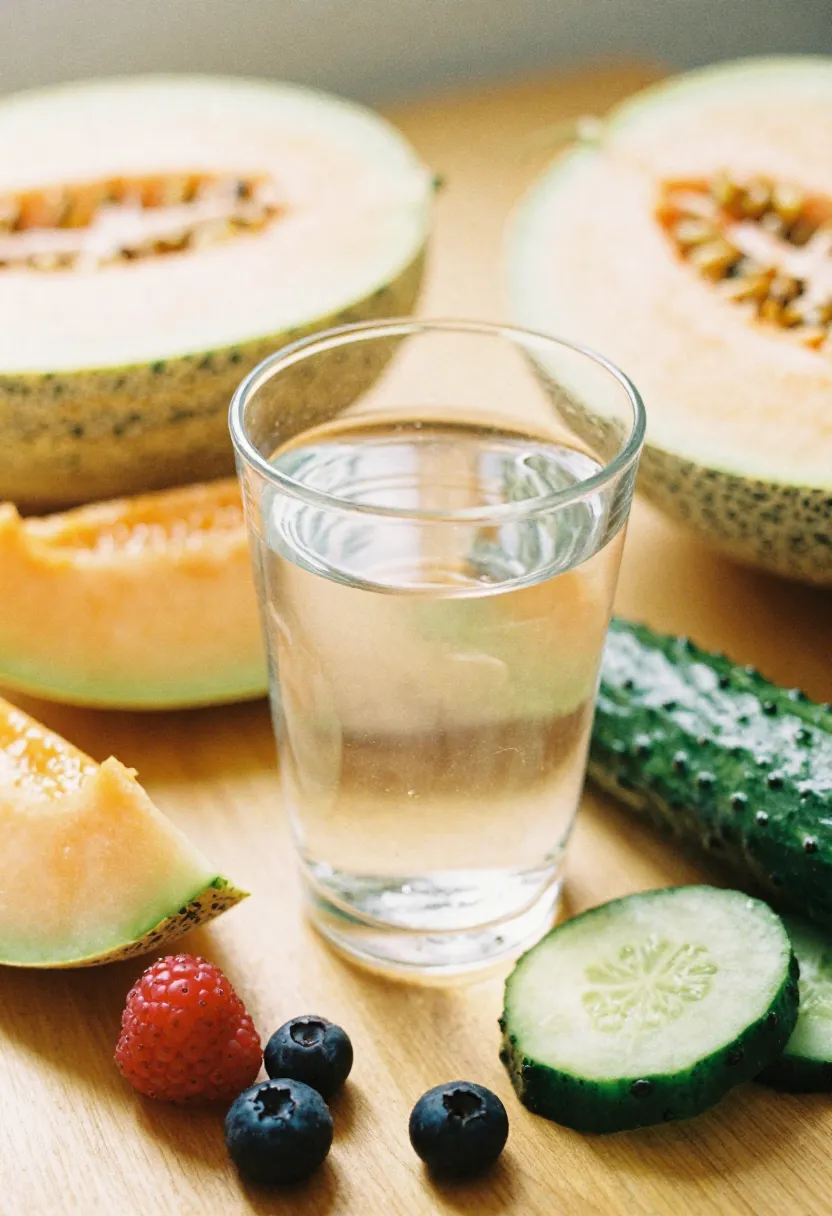
- watermelon or melon
- oranges and berries
- cucumbers and tomatoes
- yogurt
- soups and stews
- smoothies
- lettuce and leafy greens
These foods nourish and hydrate at the same time.
Use a Favorite Cup or Bottle
A cup that’s light, easy to hold, or simply appealing can make a big difference.
For some older adults, switching to:
- cups with wider openings
- lightweight bottles
- cups with handles
can greatly improve hydration habits.
Set Gentle Reminders
Reminders don’t need to feel strict or demanding. Try:
- phone alarms
- sticky notes
- caregiver check-ins
- hydration charts
- placing a bottle where it can’t be missed
Gentle cues help build awareness without pressure.
Offer Warm Drinks for Comfort
Many older adults prefer warm beverages.
Warm drinks are soothing, especially:
- herbal teas
- warm water with honey
- light broths
- chamomile or rooibos teas
Warm liquids hydrate just as well as cold ones.
Reduce Barriers to Drinking
Some older adults avoid fluids to reduce bathroom visits or nighttime trips. Instead of limiting water:
- sip more in the morning and afternoon
- reduce intake 1–2 hours before sleep
- speak with a doctor about bladder concerns
Hydration can be adjusted without being restricted.
Prepare Hydration “Stations”
Create small hydration-friendly areas at home:
- a tray with a pitcher and cup
- a mini fruit bowl with water-rich snacks
- a cozy corner with tea supplies
Visual cues encourage regular drinking.
Mini-Story Moment
Imagine an older adult who struggles to drink much water. Their daughter buys them a lightweight mug in their favourite color and begins placing it beside their chair each morning. At first, they sip a little. Then a little more. Within weeks, they’re drinking steadily without reminders — and they feel more energetic, more comfortable, more themselves.
Sometimes, transformation begins with something as small as the right cup.
Why these tips work
Older adults don’t need drastic changes — they need hydration habits that feel gentle, doable, and comforting. By removing obstacles and adding small moments of ease, these tips help hydration become a natural, joyful part of daily life.
Best Drink Choices (Not Just Plain Water)
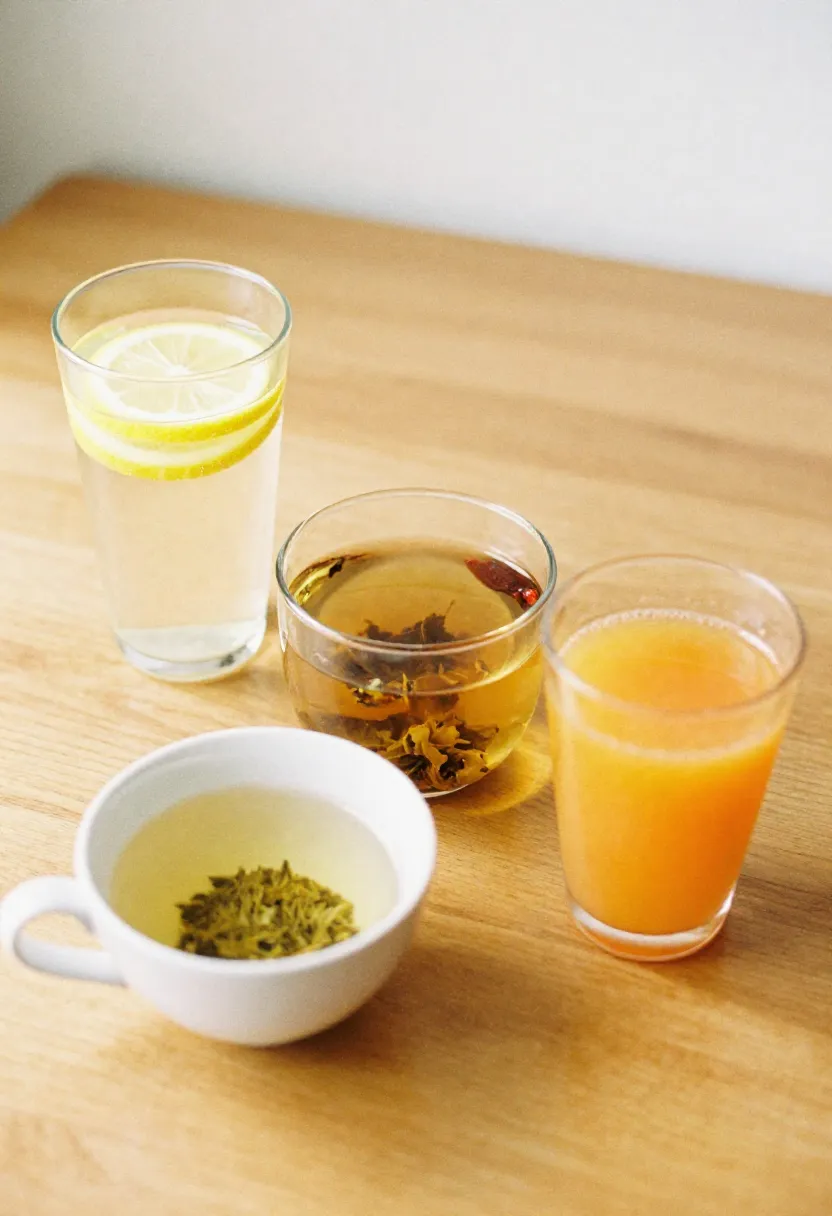
Hydration doesn’t have to mean drinking glass after glass of plain water. In fact, many older adults stay hydrated more consistently when they enjoy a variety of drinks that feel comforting, familiar, or flavorful. The key is choosing beverages that replenish fluids without overwhelming the system or adding unnecessary sugars.
Here are the best hydration-friendly drinks for later years — gentle, nourishing, and easy to enjoy throughout the day.
Herbal Teas — Warm, Soothing, and Hydrating
Herbal teas are one of the most senior-friendly hydration options. They provide warmth, flavor, and comfort without caffeine.
Great choices include:
- chamomile
- peppermint
- rooibos
- ginger tea
- lemon balm
Warm liquids are especially appealing to older adults who prefer soft, calming beverages.
Infused Water — Subtle Flavor, Big Appeal
Adding light, fresh flavors to water can make drinking more enjoyable.
Try infusing with:
- lemon or lime
- cucumber slices
- fresh mint
- berries
- orange peel
These small additions create a refreshing, spa-like drink without added sugar.
Diluted Fruit Juice — Gentle and Tasty
A splash of juice mixed with water can provide flavor while keeping sugar content low.
Perfect for:
- encouraging reluctant drinkers
- enjoying during meals
- adding natural sweetness
Good options include apple, orange, cranberry, or peach juice — always diluted in a 1:1 or 1:2 ratio.
Milk or Fortified Plant-Based Milk
Milk is hydrating and nutrient-rich. It provides:
- hydration
- protein
- calcium
- vitamin D
Plant-based milks (like oat, almond, or soy) can also hydrate while being gentle on digestion.
Light Broths and Soups
Broths are especially comforting for older adults and hydrate just as effectively as water.
Options include:
- chicken broth
- vegetable broth
- miso soup
- gentle homemade soups
These are excellent for cooler months or when appetite is low.
Oral Hydration Solutions (When Needed)
For older adults who are ill, recovering from vomiting or diarrhea, or prone to dehydration, an electrolyte solution may help. These drinks restore:
- sodium
- potassium
- glucose
- essential minerals
They should be used when necessary, not as an everyday drink.
Smoothies and Yogurt Drinks
Smoothies are ideal for older adults who enjoy creamy textures or have difficulty chewing.
Hydrating ingredients include:
- berries
- melon
- cucumber
- yogurt
- coconut water
- leafy greens
Smoothies offer hydration + nutrition in one gentle sip.
Coconut Water — Natural Electrolytes
Coconut water is hydrating and rich in electrolytes. It’s a light, refreshing option that many older adults enjoy, especially in warm weather.
Just choose unsweetened versions to keep sugar low.
Drinks to Limit (But Not Avoid Completely)
It’s okay to enjoy:
- tea with caffeine
- coffee
- fruit juices
- occasional soft drinks
But in moderation. Pair these with water or a hydrating drink to keep fluid balance steady.
Mini-Story Moment
Imagine offering an older adult a glass of plain water — they politely decline. But a warm cup of chamomile tea with a thin lemon slice? Or a chilled glass of lightly infused cucumber-mint water? Suddenly, drinking becomes a pleasure rather than a task. Hydration feels natural when the drink itself brings comfort.
Why variety helps
Every older adult has different taste preferences, routines, and comfort levels. Offering a range of hydrating drinks keeps hydration enjoyable and sustainable — a small daily pleasure that supports long-term wellbeing.
Hydrating Foods That Help Older Adults Stay Refreshed
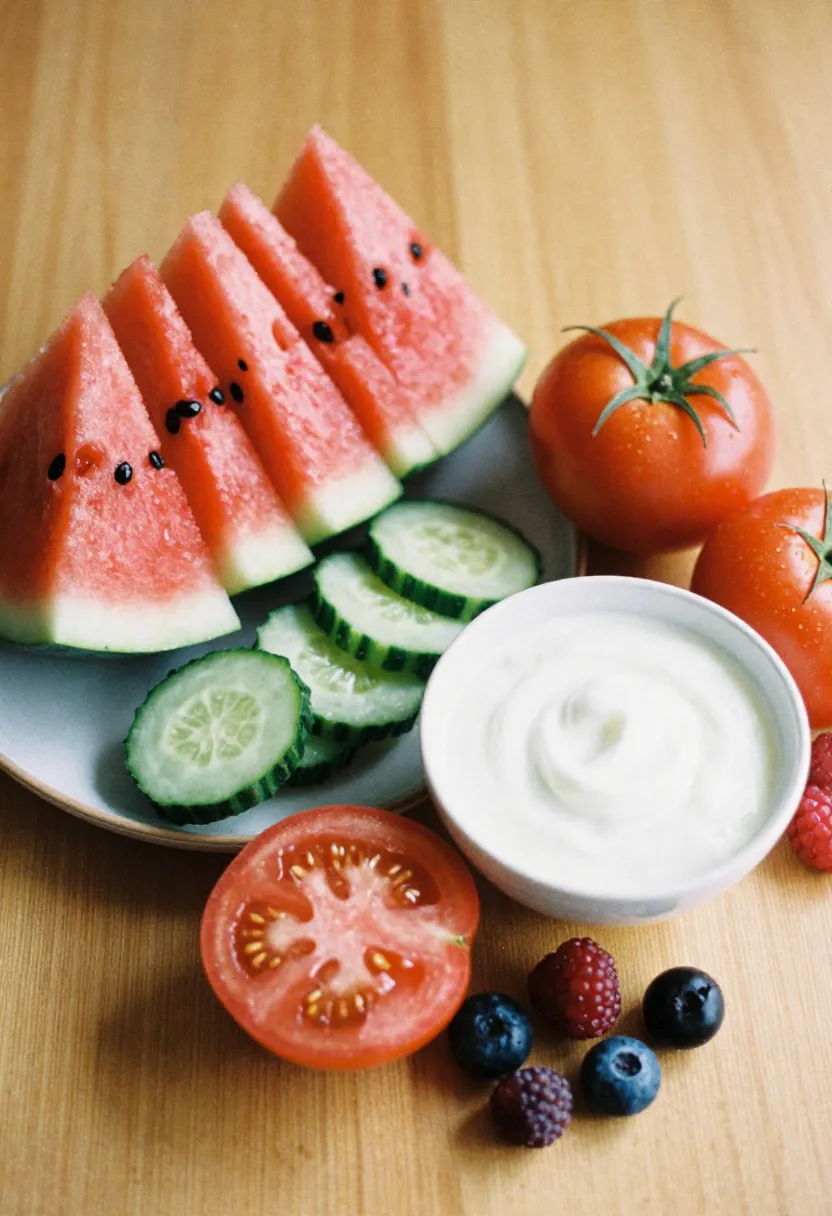
Hydration isn’t only about what you drink — a significant portion of your daily fluids can come from food. For older adults who may not enjoy drinking large amounts of water, hydrating foods offer a comforting, easy, and flavorful alternative. They provide not only moisture, but also vitamins, minerals, fiber, and natural antioxidants that support overall health.
These foods are ideal for seniors who have lower thirst cues, reduced appetite, or difficulty drinking large quantities at once. They turn hydration into nourishment and enjoyment.
Let’s explore the best hydrating foods for later years.
Fresh Fruits — Nature’s Sweet Hydrators
Many fruits contain over 80–90% water, making them refreshing and easy to eat.
Top hydrating fruits include:
- Watermelon — extremely hydrating and gentle on digestion
- Melon & cantaloupe — full of water and natural sweetness
- Oranges & mandarins — hydrating and rich in vitamin C
- Strawberries — juicy, light, and easy to chew
- Peaches — soft texture for sensitive teeth
Serve them as snacks, add them to yogurt, or blend them into a smoothie.
Water-Rich Vegetables — Crisp and Cooling
Vegetables are surprisingly hydrating and beneficial for digestion.
Great choices include:
- Cucumber — 95% water, cooling, and easy to add to meals
- Tomatoes — juicy and full of antioxidants
- Lettuce — especially iceberg or romaine
- Zucchini — mild flavor and hydrating texture
- Celery — crunchy and refreshing
A simple salad or chopped vegetables with dips can significantly boost hydration.
Soups, Stews & Broths — Warm and Comforting
For older adults who prefer warm meals, soups are a perfect hydration tool.
Benefits:
- gentle on digestion
- comforting for sensitive appetites
- easy to consume for those with chewing difficulties
Both homemade and low-sodium store options work well.
Yogurt & Cottage Cheese
These foods contain a high percentage of water and offer:
- protein
- calcium
- probiotics
- smooth, soft textures
They’re ideal for breakfast, snacks, or as part of a light meal.
Smoothies — Hydration + Nutrition
Smoothies combine water-rich fruits, vegetables, and liquids into one easy-to-drink option.
Try blending:
- berries
- melon
- spinach
- cucumber
- yogurt
- milk or plant milk
- a splash of coconut water
They’re hydrating, customizable, and perfect for seniors with low appetite.
Gelatin Desserts & Fruit Cups
These soft, easy-to-eat foods are more hydrating than people realize. They can be especially appealing for older adults who enjoy light, sweet snacks.
Just choose low-sugar options when possible.
Oatmeal & Porridge
When cooked, oats absorb water or milk, making them naturally hydrating. They also provide:
- fiber
- gentle energy
- warmth and comfort
Add water-rich fruits for even more hydration.
Hydration Through Variety
A plate filled with fruits, vegetables, soups, and yogurt naturally increases daily fluid intake without requiring more drinking.
Mini-Story Moment
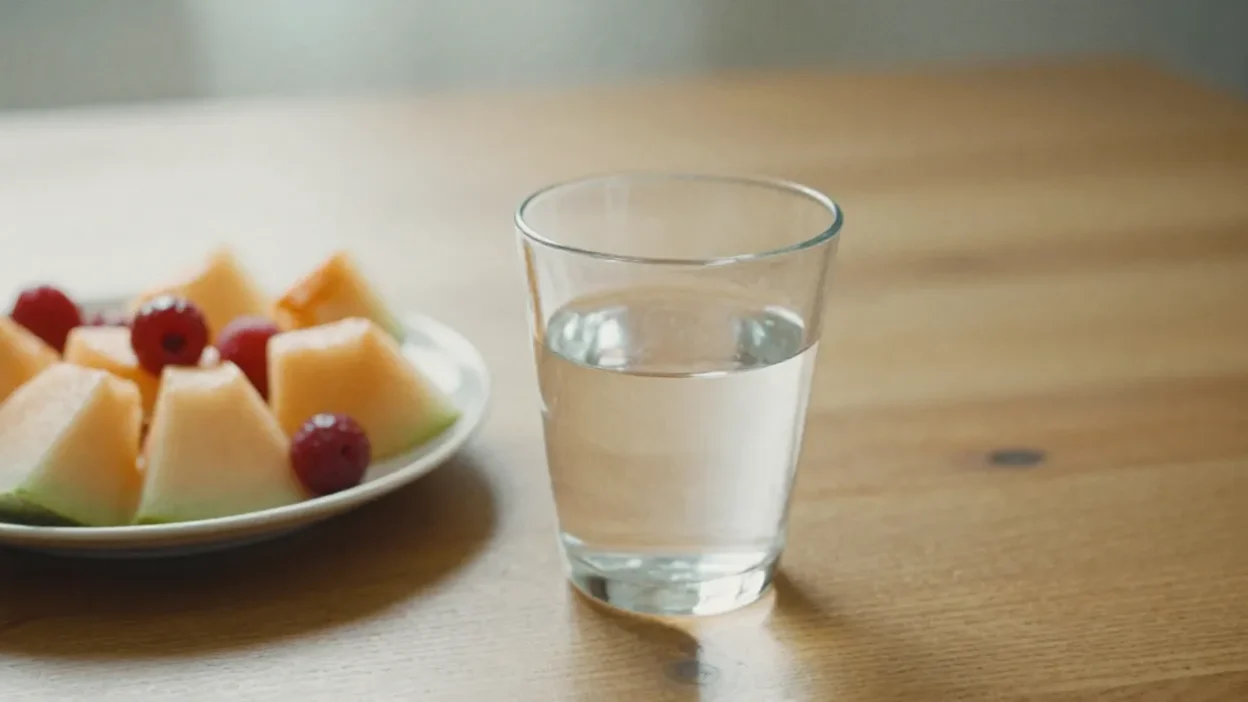
Imagine an older adult who rarely finishes a glass of water. But set down a bowl of chilled melon cubes, a colorful salad, or a warm bowl of vegetable soup — and suddenly hydration becomes effortless. Each bite nourishes, comforts, and refreshes without feeling like a task.
Why hydrating foods matter
For seniors, hydration should feel soft, enjoyable, and easy. Hydrating foods offer all the benefits of drinking — plus flavor, nutrients, and comfort. They’re an essential part of supporting healthy aging, especially for those who struggle to drink enough fluids.
When to Get Professional Help or Adjust Fluids for Health Conditions
Hydration is essential at every stage of life, but in later years it becomes closely connected to overall medical wellbeing. Some older adults need more fluids, some need carefully balanced fluids, and others must adjust hydration depending on medications, chronic conditions, or flare-ups of illness. Knowing when to seek professional guidance can prevent complications and ensure that hydration truly supports health rather than complicating it.
This section offers gentle clarity about when it’s time to check in with a doctor — and how to recognize when hydration needs special attention.
When dehydration symptoms become persistent or severe
Seek professional help if an older adult experiences:
- ongoing dizziness or fainting
- very dark urine or minimal urine output
- rapid heart rate
- confusion or sudden changes in behavior
- inability to keep fluids down
- extreme fatigue or weakness
- signs of heat exhaustion
These symptoms may indicate moderate to severe dehydration, which sometimes requires medical care or IV fluids.
When medications influence hydration needs
Many older adults take medications that directly affect fluid balance.
Common examples:
- Diuretics (“water pills”) increase urination.
- Blood pressure medications may lower fluid levels.
- Laxatives can pull fluids from the body.
- Diabetes medications can affect hydration needs.
- Anti-inflammatories (NSAIDs) may strain the kidneys when dehydrated.
A doctor or pharmacist can help determine:
- when to drink more
- when to drink less
- which symptoms to watch for
- how to avoid medication-related dehydration
Never adjust medication without professional guidance.
Managing hydration with heart conditions
For individuals with heart failure or certain cardiac issues, too much fluid can be risky. In these cases, doctors may recommend:
- daily fluid limits
- monitoring weight for fluid retention
- choosing lower-sodium fluids and foods
- steady but carefully controlled hydration
Caregivers should always follow the instructions provided by healthcare professionals.
Hydration and kidney disease
Kidney function naturally declines with age. For those with chronic kidney disease (CKD), hydration must be monitored carefully.
A doctor may adjust:
- fluid amounts
- sodium and potassium intake
- types of fluids consumed
Proper hydration supports kidney health, but the exact amount must be tailored to the individual.
When illness increases fluid needs
Illness increases fluid loss — sometimes dramatically.
Extra hydration is critical during:
- fever
- diarrhea
- vomiting
- respiratory infections
- urinary tract infections
In these situations, oral hydration solutions or electrolyte drinks may be recommended to restore balance quickly.
When cognitive decline affects hydration safety
Older adults with dementia or memory loss may:
- forget to drink
- forget they already drank
- resist fluids
- show dehydration through behavior changes
Professional help may include:
- a hydration plan
- caregiver guidance
- strategies for gentle encouragement
- evaluating swallowing safety
Sometimes a speech therapist evaluates whether thickened fluids or special cups are needed.
When swallowing difficulties (dysphagia) are present
Certain neurological or muscular conditions can make swallowing difficult.
A doctor or speech therapist may recommend:
- thickened fluids
- specific cup types
- supervised hydration
- safe swallowing exercises
These adjustments help ensure hydration without risk of choking or aspiration.
Heat sensitivity and outdoor activity
If an older adult becomes overheated easily, a doctor can provide personalized hydration instructions for warm weather.
This is especially important for those with:
- heart disease
- diabetes
- mobility limitations
- a history of dehydration
Hydration needs often rise significantly during heatwaves.
Mini-Story Moment
Picture an older adult who has been feeling “off” for weeks — tired, irritable, confused at times, and unsteady when standing. Family members worry something serious is wrong. After a medical checkup, the doctor explains that dehydration, combined with medication side effects, is the root cause. With adjusted hydration guidance and a simple daily plan, their clarity and strength return. What felt like a decline was actually treatable.
Why professional guidance matters
Every older adult is unique. Their hydration needs are shaped by their health conditions, medications, lifestyle, and environment. A healthcare professional can help tailor hydration habits so they support the body safely and effectively — especially when chronic conditions are involved.
Hydration is powerful, but the right balance is key.
FAQ — Hydration in Later Life
As we age, hydration becomes both more important and more confusing. Many older adults don’t feel thirsty, some take medications that affect fluid balance, and others struggle to drink enough for comfort. This FAQ addresses the most common questions in simple, supportive language — helping older adults and caregivers make confident hydration choices.
How much should older adults drink each day?
Most older adults need 6–8 cups (1.5–2 liters) of fluids daily — but needs vary based on health, medications, and activity.
Soups, teas, milk, and water-rich foods all count toward this total.
Always follow personalized medical advice if a doctor recommends fluid limits.
Is thirst a reliable indicator for seniors?
Not usually.
Thirst signals weaken significantly with age, meaning older adults may already be dehydrated before they feel thirsty. Relying on thirst alone is not enough — consistent sipping and routine-based hydration work better.
Can dehydration cause confusion or memory issues?
Yes.
Even mild dehydration affects brain function and can lead to:
- confusion
- forgetfulness
- irritability
- slower thinking
Hydration is one of the simplest ways to support cognitive clarity in older adults.
Does coffee or tea count toward hydration?
Yes — they do.
Moderate amounts of coffee or caffeinated tea still contribute to daily fluid intake.
Just avoid drinking them instead of water or hydrating drinks, and balance them with fluids throughout the day.
What if someone refuses to drink water?
Try offering:
- herbal teas
- flavored or infused water
- warm drinks
- diluted fruit juices
- broths or soups
- water-rich fruits like melon or oranges
Sometimes temperature, flavor, or texture matters more than the drink itself.
Can hydrating foods replace drinking fluids?
They can help significantly — especially for seniors with low thirst or appetite — but foods alone usually are not enough.
Hydrating foods are most effective combined with regular sipping of drinks.
How can I encourage hydration without nagging?
Use gentle strategies:
- keep drinks within reach
- serve smaller portions more often
- pair drinks with daily activities
- offer favorite beverages
- use colorful, easy-to-hold cups
- create hydration reminders that feel friendly, not forceful
Hydration should feel supportive, not stressful.
Are electrolyte drinks necessary?
Not for everyday hydration.
They are helpful during:
- illness
- diarrhea or vomiting
- heavy sweating
- heatwaves
Choose low-sugar options or oral rehydration solutions when needed.
What are red-flag symptoms of dehydration in older adults?
Seek help if you notice:
- confusion
- dizziness
- very dark urine or very little urine
- rapid heartbeat
- dry, cracked lips
- extreme fatigue
- fainting
- signs of heat exhaustion
These require prompt attention.
Can drinking too much water be harmful?
Yes — in rare cases.
For individuals with heart failure, kidney disease, or certain medical conditions, excessive fluids can cause water retention or strain organs. Always follow medical guidance for fluid limits.
Mini-Story Moment
A caregiver notices her mother becoming forgetful, irritable, and unsteady. Worried, she schedules a doctor’s visit — only to learn the cause is mild dehydration. With small hydration routines and favorite herbal teas, her mother becomes brighter, stronger, and more present again. Sometimes the simplest solution makes the biggest difference.