Contents
- Where Posset Actually Comes From (And Why That Matters)
- Why Orange Changes the Mood 🍊
- Simple Ingredients, But Not on Autopilot
- 🍮 Classic Orange Posset Recipe — Simple, Calm, and Surprisingly Elegant
- Flavor Ideas If You Feel Like Experimenting 🌿
- Serving Orange Posset Without Overthinking It
- Making It Ahead (And Why You Probably Should)
- Why This Dessert Keeps Winning People Over 💛
Some desserts make their presence known immediately. The moment they appear, everything else seems to pause for a second. They’re tall, carefully layered, glossy in all the right places, finished with just enough detail to look impressive before anyone has even tasted them. Phones come out almost automatically. Someone says “wow.” Dessert, for a moment, becomes the main event.
And honestly, that kind of drama has its place. There are evenings when you want dessert to steal the show, to feel celebratory and a little over the top. It can be fun, exciting, even memorable.
But there are other days when all of that feels like too much.
Orange posset belongs to a quieter category. It doesn’t try to dominate the table or compete for attention. It sits there calmly, smooth and understated, almost easy to overlook at first 🍊 Not because it lacks confidence, but because it doesn’t need to announce itself.
You usually notice it out of curiosity rather than expectation. You take a spoonful without thinking too hard about it, without building it up in your mind. And then there’s that brief, almost imperceptible pause — the kind that happens before you’ve had time to form an opinion.
The texture is what catches you first. It’s creamier than you anticipated, but not heavy. Rich, yes, but balanced in a way that doesn’t make you feel full too quickly. The sweetness is there, but it’s softened by a gentle citrus brightness that keeps everything feeling light and composed.
It’s not a dessert that demands an immediate reaction. Instead, it grows on you quietly. People tend to take another bite without comment, and then another, before finally saying something like, “That’s actually really good.”
That’s usually when the questions come — not all at once, but gradually.
What is it made of?
Did you really make this yourself?
Is there something else in it that I’m missing?
Orange posset has that effect. It feels like a small discovery, like something you’d expect to come across in a tiny café that doesn’t advertise much, or at the home of a friend who cooks instinctively and never seems to follow a written recipe. It doesn’t feel like a dessert you’d casually throw together at home with a few everyday ingredients.
And yet, somehow, that’s exactly what it is.
Where Posset Actually Comes From (And Why That Matters)
The name “posset” sounds elegant now, almost fancy. But the truth is, it started out as something very ordinary.
Originally, posset wasn’t a dessert at all. It was a warm drink made from milk or cream curdled with wine or ale, often sweetened and sometimes spiced. People drank it when they were cold, tired, or not feeling their best. It wasn’t about pleasure so much as comfort.
No one cared what it looked like. No one was plating it or worrying about texture. It was practical food, meant to help.
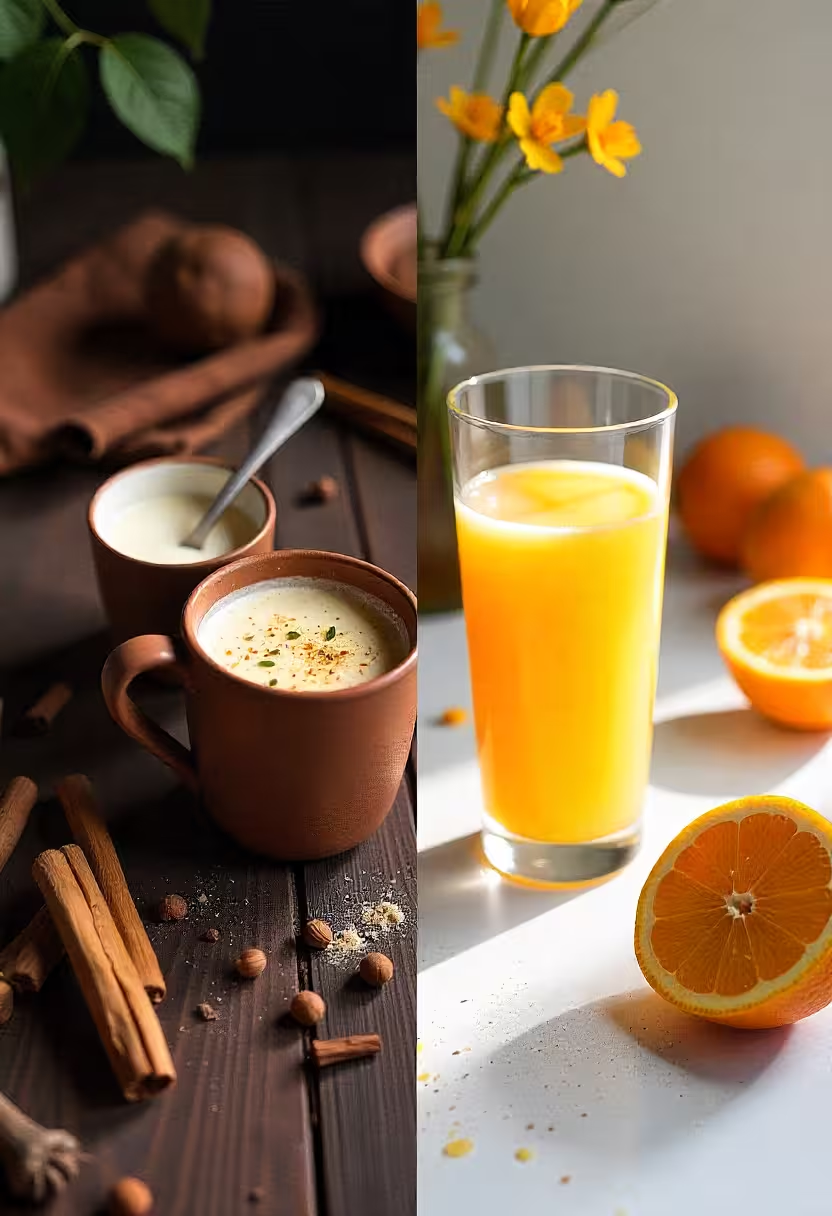
Over time, though, people started paying attention. They noticed that when cream was heated gently and combined with something acidic, it thickened naturally. Slowly. Reliably. Without needing eggs, flour, or any complicated techniques.
That observation changed everything.
The drink began to evolve. It cooled down. It became smoother. More intentional. Something you could eat with a spoon instead of sipping from a mug. Eventually, it turned into a chilled dessert — simple, restrained, and quietly elegant.
That history still matters today. You can feel it in the way posset behaves. It doesn’t demand precision for the sake of precision. It rewards understanding and patience instead. It’s a dessert built on noticing how ingredients respond to each other, and then not interfering too much.
There’s something very human about that approach.
Why Orange Changes the Mood 🍊
Lemon posset tends to get most of the attention, and for good reason. Lemon is sharp, bright, and direct. It cuts cleanly through the richness of the cream and makes itself known immediately.
Orange works differently.
Orange is softer. Rounder. It brings sweetness along with acidity, which completely shifts the mood of the dessert. Instead of sharp contrast, you get balance. Instead of tension, you get warmth.
For people who don’t love very tart desserts, orange posset is often the version that changes their mind. It still feels fresh and citrusy, but it doesn’t demand that you brace yourself for sourness.
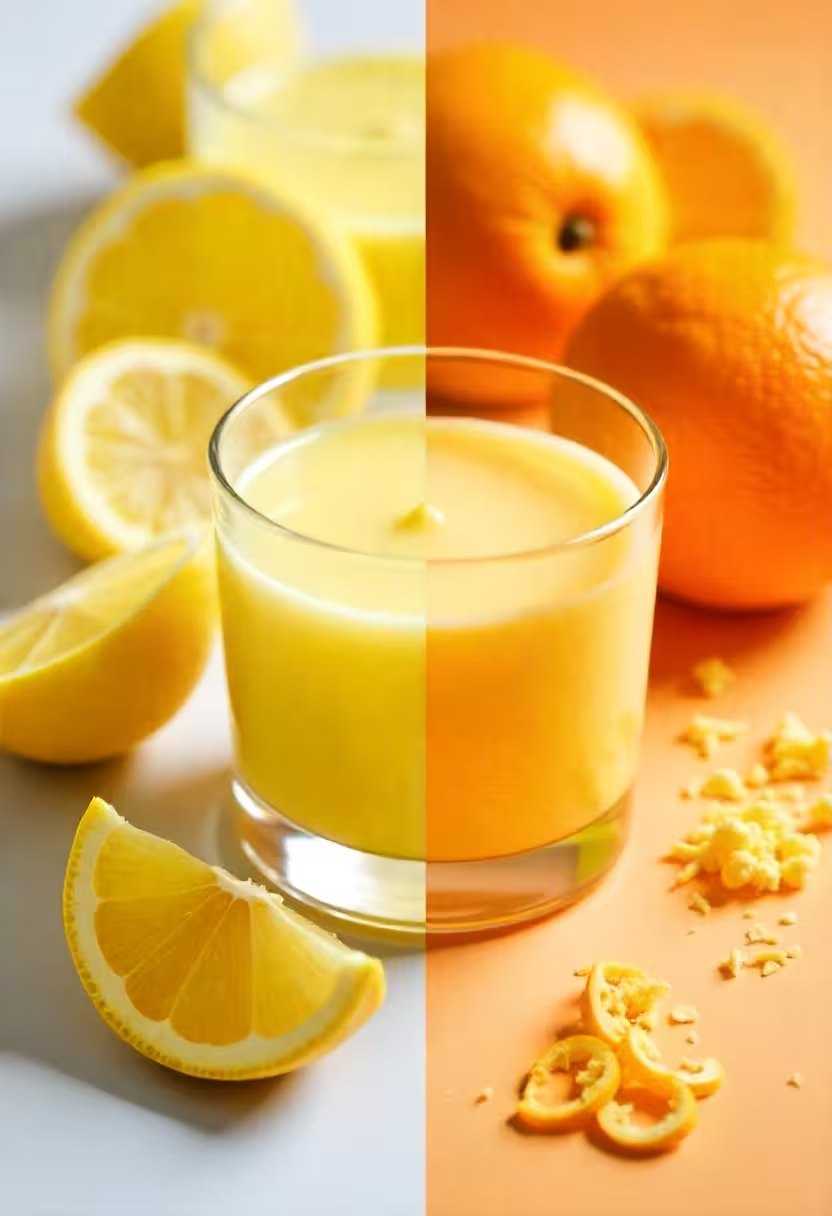
There’s also something about the smell. When orange zest hits warm cream, the aroma fills the kitchen almost instantly. It’s familiar and comforting, the kind of scent that makes you stop what you’re doing for a second just to notice it.
The juice itself works quietly in the background. It provides enough acidity to help the dessert set, but it never overwhelms the cream. Nothing fights for attention here. Everything feels balanced and calm.
The result is the kind of dessert you finish without feeling overwhelmed. One that doesn’t tire your palate halfway through. One you’d happily eat again the next day.
Simple Ingredients, But Not on Autopilot
Orange posset looks effortless on paper. And in many ways, it is. But it’s not the kind of dessert you can make completely on autopilot and expect great results.
The oranges matter more than people expect. They should feel heavy in your hand. They should smell bright when you zest them. If they taste dull or watery on their own, that will carry through into the dessert.
The cream needs to be full-fat. This part isn’t flexible. The fat is what gives posset its silky texture and allows it to set properly once the citrus juice is added. Try to cut corners here, and the dessert simply won’t behave the same way.
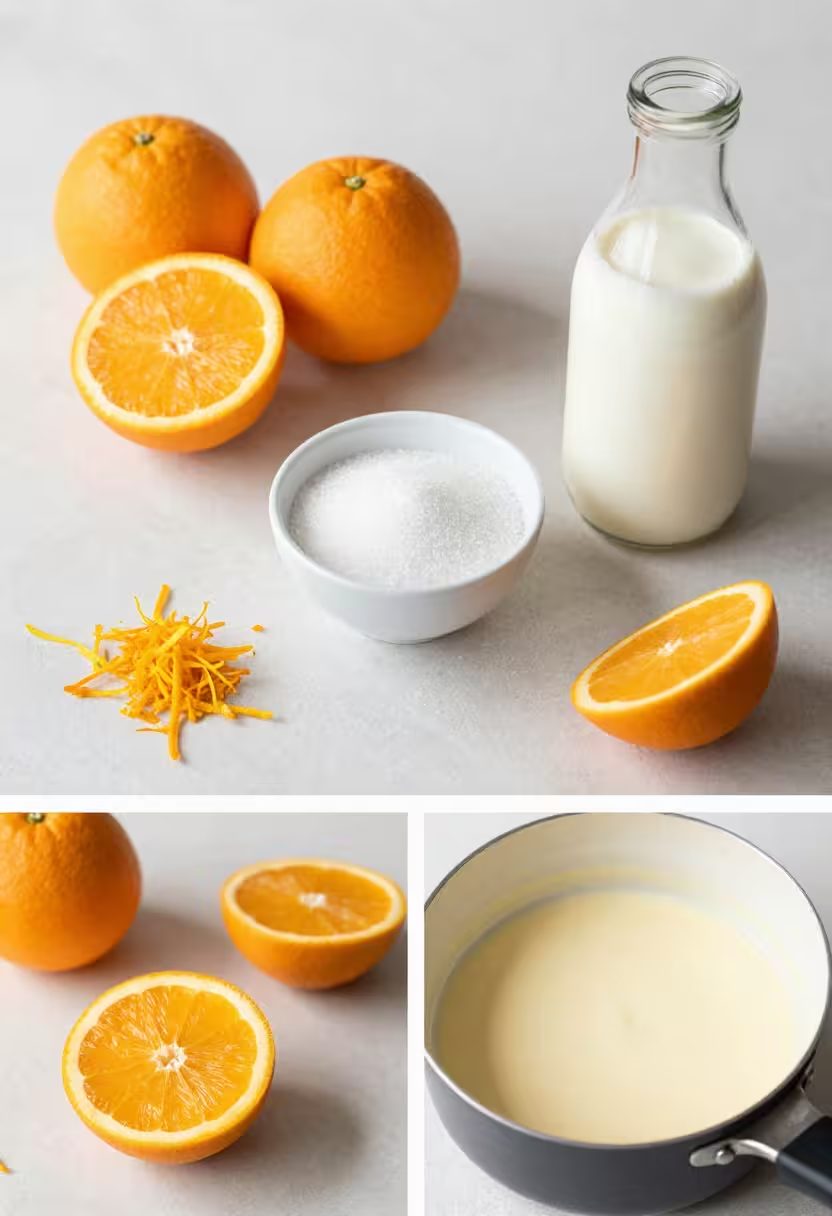
Sugar does more than sweeten. It softens the acidity, supports the structure, and helps the mixture come together smoothly as it chills. It’s working quietly in the background, but it’s essential.
At the end of the day, the ingredient list is short:
- good oranges
- rich cream
- plain sugar
That’s it.
And yet, when those three things are treated with a bit of care, they turn into something that feels thoughtful, comforting, and intentional. A dessert that doesn’t try too hard — and doesn’t need to.💛
🍮 Classic Orange Posset Recipe — Simple, Calm, and Surprisingly Elegant
Orange posset is one of those desserts that looks almost too simple to be impressive. No baking, no complicated techniques, no long ingredient list — and yet it somehow manages to feel thoughtful, intentional, and quietly luxurious.
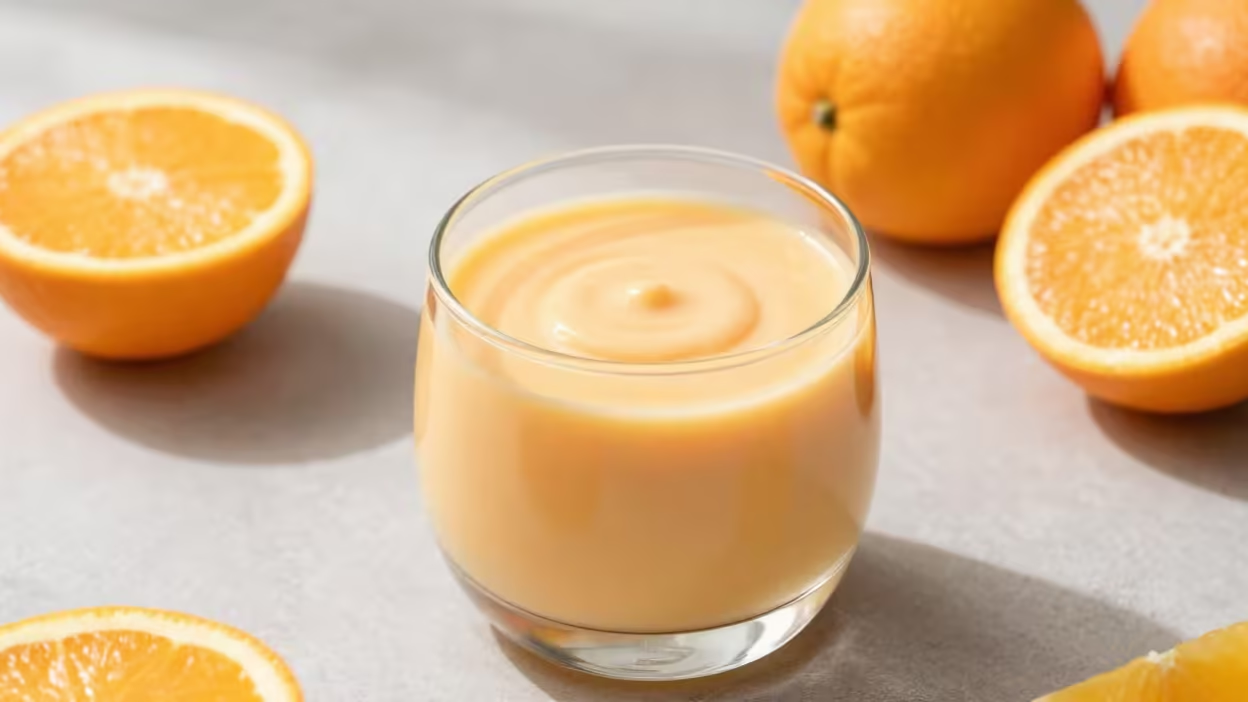
Once chilled, the posset sets softly but holds its shape. It gives way easily to a spoon, smooth and silky rather than dense, rich without feeling heavy. The flavor leans creamy at first, then slowly opens up into a gentle citrus brightness that lingers instead of hitting all at once 🍊 It’s the kind of balance that feels deliberate, even though the process itself is remarkably simple.
This recipe makes four generous servings, though it doubles easily if you’re cooking for a crowd. It’s also the kind of dessert that benefits from being made ahead of time. After a few hours in the fridge, the texture settles, the flavors round out, and everything just… works better. In fact, it’s one of those rare desserts that actually improves as it rests.
Not because anything changes dramatically — but because patience does its quiet job.
Ingredients
You really don’t need much here, but the quality of each ingredient matters.
For the posset:
- 2 cups (480 ml) heavy cream
- ½ cup (100 g) granulated sugar
- ½ cup (120 ml) freshly squeezed orange juice
- 1 teaspoon finely grated orange zest
Optional additions (use sparingly):
- A small splash of vanilla extract
- About 1 tablespoon orange liqueur
- Extra zest for finishing
A quick note: freshly squeezed juice isn’t optional here. Bottled juice won’t behave the same way, and the flavor just won’t be as clean or bright.
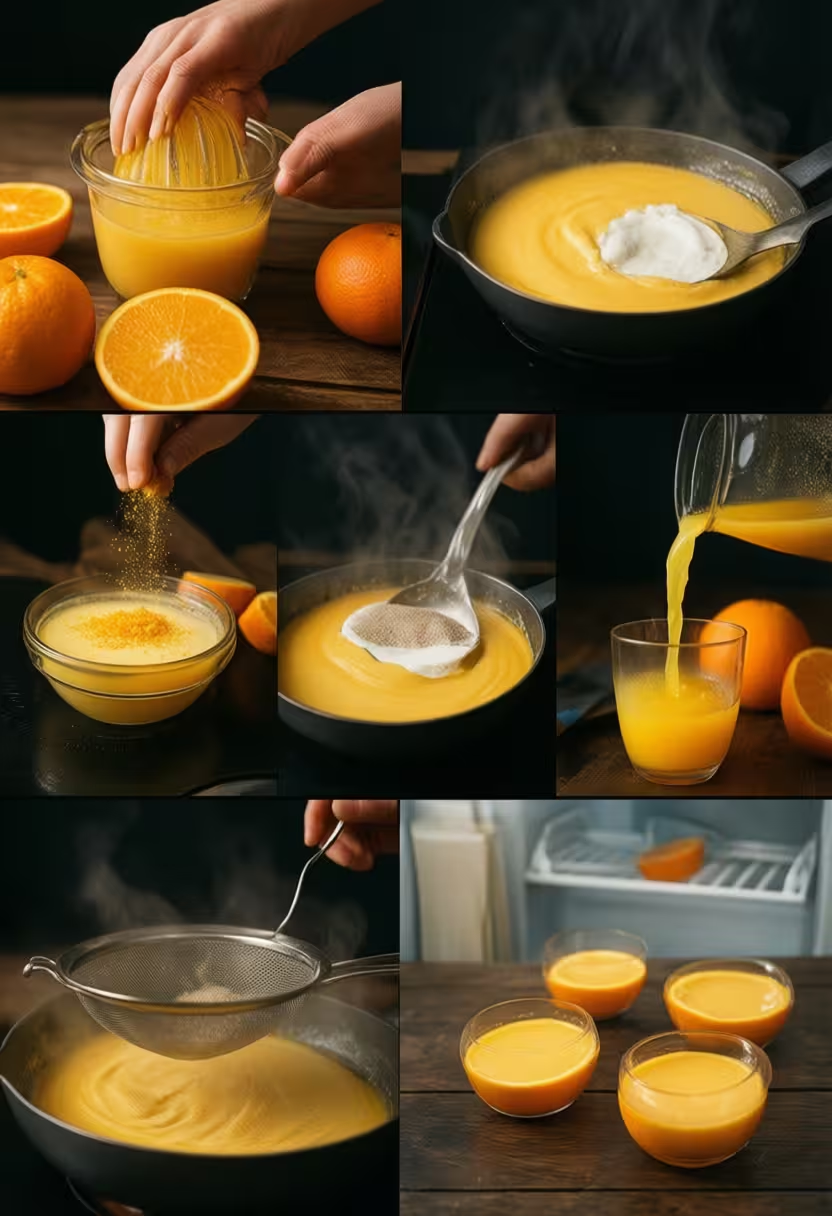
How to Make Orange Posset
- Prepare the oranges
Start by juicing your oranges and straining the juice to remove pulp and seeds. This step may feel minor, but it really does affect the final texture. Smooth juice equals a smoother dessert. - Warm the cream and sugar
In a heavy-bottomed saucepan, combine the cream and sugar. Place it over medium-low heat and stir gently as it warms. There’s no rush here. You want the sugar to dissolve completely while the cream heats evenly. - Watch for gentle steam, not a boil
As the mixture warms, you’ll start to see steam rising and tiny bubbles forming around the edges. That’s your cue. If it starts to boil, lower the heat — boiling can affect the texture later. - Let it simmer briefly
Allow the cream to simmer gently for about two minutes, stirring frequently. This short simmer slightly concentrates the cream and helps the posset set properly once the citrus is added. - Remove from heat and add flavorings
Take the pan off the heat. Stir in the orange zest and any optional flavorings, like vanilla or liqueur. Let the mixture rest for about a minute so it cools slightly. - Slowly add the orange juice
Pour the strained orange juice into the warm cream in a slow, steady stream while stirring gently. There’s no need to whisk aggressively. Calm, steady mixing is exactly what you want here. - Check the texture
At this stage, the mixture may look a little thicker than before. That’s a good sign. It means the acid is already beginning to do its work. - Strain for extra smoothness
For the silkiest result, strain the mixture through a fine sieve into a clean bowl. This removes any zest clumps or tiny curds and gives the finished dessert a flawless texture. - Pour and chill
Divide the mixture between serving glasses, ramekins, or even hollowed-out orange halves if you want something playful 🍊
Cover and refrigerate for at least four hours. Overnight is even better.
What to Expect After Chilling
Once fully set, orange posset should feel firm but yielding. When you dip a spoon into it, it should glide smoothly, leaving a clean line behind.
The flavor deepens as it chills. The citrus becomes brighter, the cream more rounded, and everything settles into balance. This is one of those desserts that actually improves with time, which makes it ideal for entertaining.
Small Tips That Make a Big Difference
- If your oranges are very sweet, you can slightly reduce the sugar.
- If they’re sharper or more acidic, keep the sugar as written.
- For a stronger citrus aroma, add a bit more zest — but go easy. Too much can introduce bitterness.
- Serve smaller portions if you want the dessert to feel lighter. Posset is rich by nature and meant to be savored, not rushed.
Flavor Ideas If You Feel Like Experimenting 🌿
Once you’ve made orange posset a couple of times, curiosity usually kicks in. Not because the classic version feels lacking — it really doesn’t — but because the dessert itself invites small, thoughtful changes.
The important thing is not to treat it like a blank canvas that needs filling. Posset works best when you make one adjustment at a time and then stop. A little goes a long way here.
A pinch of cardamom is often the first place people start. It adds warmth and a subtle spice that sits quietly behind the orange rather than competing with it. You don’t want to taste cardamom as much as you want to feel it.
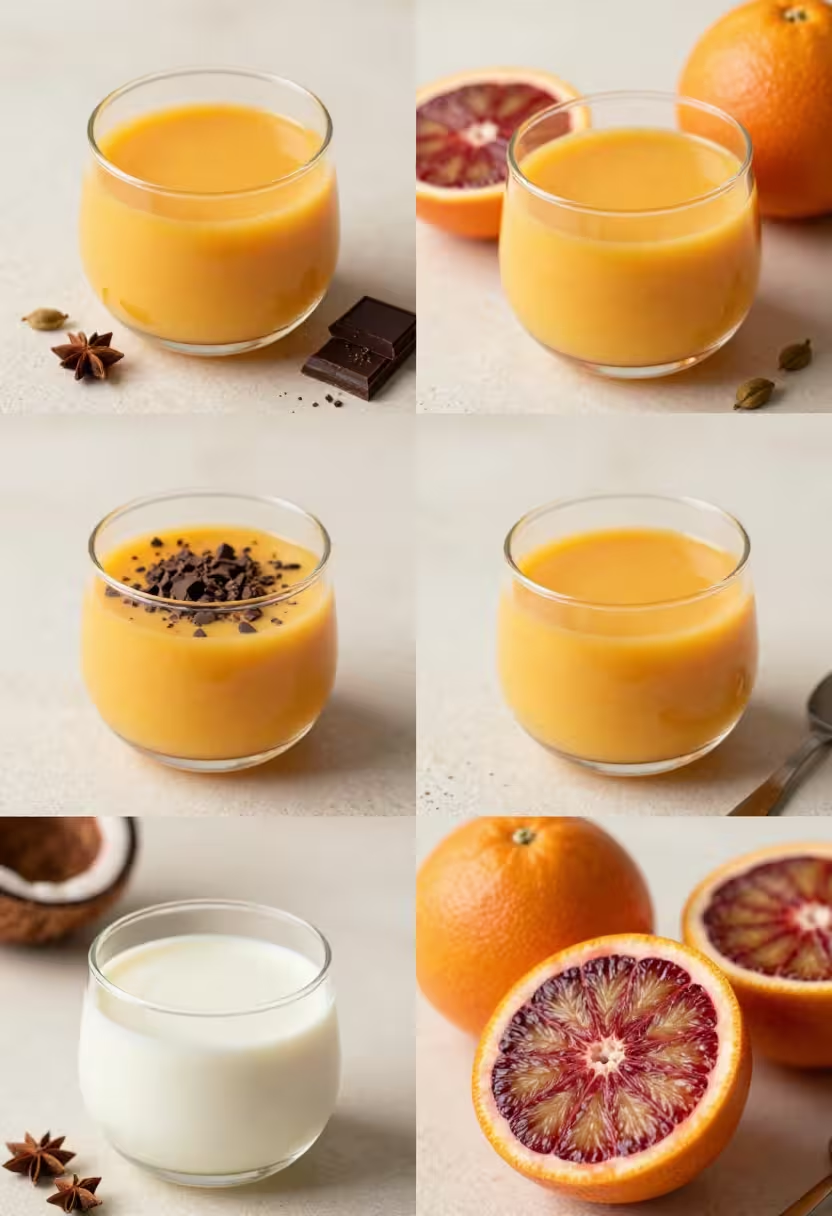
Grated dark chocolate sprinkled on top takes the dessert in a chocolate-orange direction without turning it into something heavy. This works especially well if the posset itself is kept very clean and simple.
Blood oranges are another easy swap. They bring:
- a deeper, almost ruby color
- a slightly more complex citrus flavor
- a more seasonal feel, depending on the time of year
If you’re cooking for someone who avoids dairy, a version made with full-fat coconut milk can work too. It won’t behave exactly the same, and it shouldn’t try to. The coconut adds its own personality — softer, slightly tropical, and very comforting.
Whatever you decide to play with, it helps to keep one rule in mind: if you’re tempted to add more than one extra element, that’s probably your cue to stop. Simplicity is part of what makes posset feel so satisfying.
Serving Orange Posset Without Overthinking It
Orange posset doesn’t need elaborate plating or complicated garnishes. In fact, it tends to look and feel best when it’s served simply, without too much effort showing.
Clear glasses are a popular choice for a reason. They let the color and texture speak for themselves and make the dessert feel clean and modern. Hollowed-out orange shells, on the other hand, add a playful, almost celebratory note 🍊 without requiring anything fancy.
Just before serving, a small twist of fresh orange zest over the top wakes everything up. The aroma hits first, which quietly prepares you for the flavor.
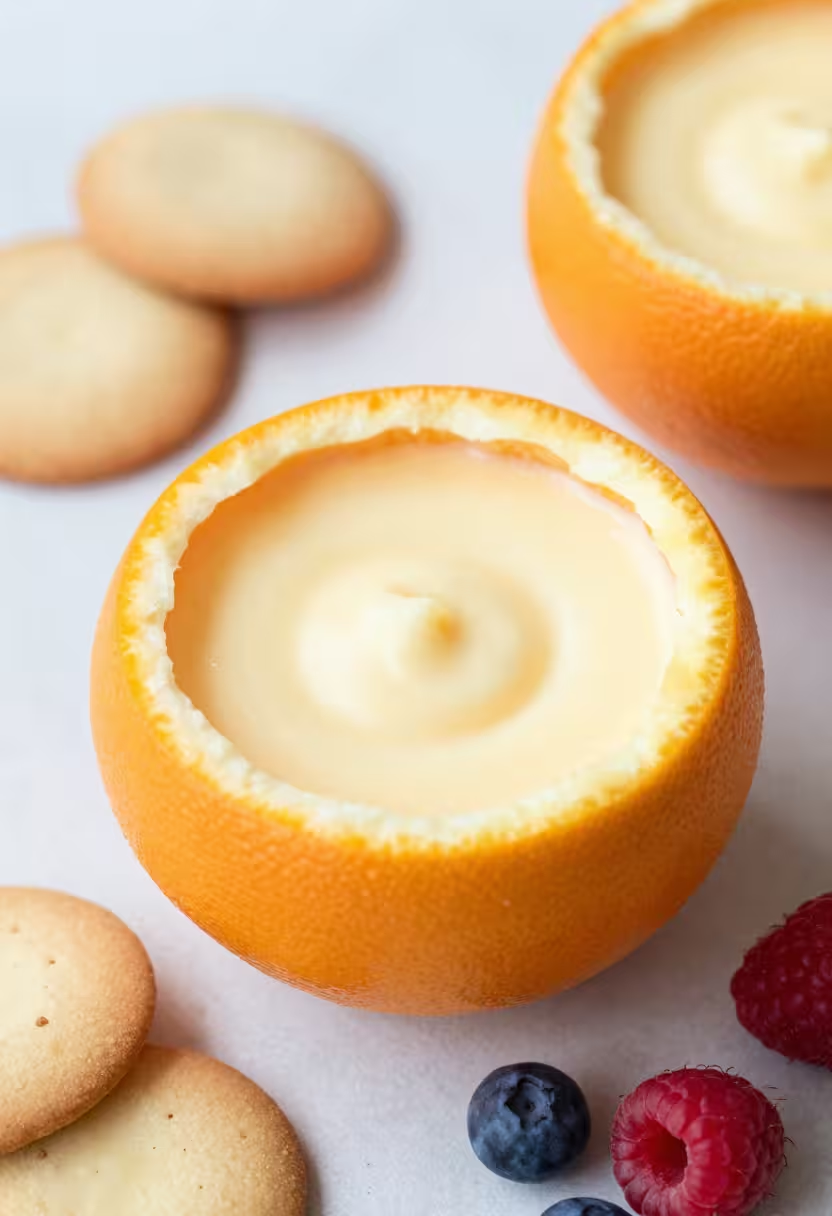
If you enjoy a bit of contrast on the plate, something crisp on the side works beautifully. For example:
- shortbread cookies
- biscotti
- thin, buttery biscuits
They add texture without pulling attention away from the posset itself.
Fresh berries are always welcome, but they’re optional. They add color and a bit of acidity, though the dessert stands perfectly well on its own. And sometimes, that’s the best approach.
A spoon. A chilled glass. Nothing else.
Making It Ahead (And Why You Probably Should)
One of the reasons orange posset works so well for entertaining is that it can be made ahead without any downside. In fact, it often benefits from it.
Prepared in advance and stored covered in the refrigerator, posset keeps well for up to three days. During that time, the texture settles, the flavors mellow slightly, and everything becomes more cohesive.
Making it ahead also means:
- less pressure on the day you’re serving it
- no last-minute dessert stress
- more time to focus on other things
If you plan to add toppings or garnishes, it’s best to keep them separate and finish the dessert just before serving. This keeps everything fresh and prevents moisture from affecting the surface.
Freezing is possible, but it’s not ideal. The texture can change slightly once thawed, becoming a bit less smooth. If you do freeze it, thaw slowly in the refrigerator and give it a gentle stir before serving. It will still be good — just not quite as perfect as the freshly chilled version.
Why This Dessert Keeps Winning People Over 💛
Orange posset isn’t trendy, and it doesn’t try to be. It’s not flashy, and it doesn’t rely on novelty or clever tricks to make an impression.

What it offers instead is something much more reliable: comfort, balance, and a quiet kind of elegance. It feels just as appropriate at a casual family dinner as it does on a holiday table or at the end of a dinner party.
Once you make it, it tends to stay in your repertoire. Not because it’s impressive in an obvious way, but because it works. Every time. With very little effort.
And sometimes, that’s exactly what you want from a dessert — something you can trust, enjoy, and come back to without thinking too much about it.💛