

Contents
- The Science of Healing — A Simple Overview
- Protein: Building Blocks for Repair
- Omega-3 Fatty Acids: Anti-Inflammatory Allies
- Vitamins C & E: Antioxidants for Tissue Health
- Zinc and Minerals: Micronutrients That Matter
- Collagen and Gelatin: Connective Tissue Support
- Hydration and Electrolytes: The Unsung Heroes
- Anti-Inflammatory Herbs and Spices
- Foods to Approach with Caution During Recovery
- Sample Healing Meal Ideas
- Final Thoughts — Nourish the Process
An injury has a way of slowing everything down. Even minor setbacks can shift daily routines, limit movement, and remind us how much we rely on our bodies to carry us through life. In moments like these, recovery often becomes the focus — and while rest, time, and proper care are essential, nutrition quietly plays an important supporting role.
Food doesn’t heal injuries on its own, but it helps create the conditions the body needs to do its work. When tissues are repairing and the immune system is active, the body’s demand for certain nutrients increases. What we eat can influence energy levels, inflammation, and how supported the recovery process feels overall.
Injury recovery is rarely instant. It’s a gradual process that asks for patience, consistency, and care. Instead of searching for quick fixes, many people find it more helpful to focus on nourishing the body steadily — providing it with enough fuel, protein, vitamins, minerals, and hydration to function at its best during a demanding time.
This article explores foods that can support the body during injury recovery in a realistic, approachable way. There are no miracle ingredients or strict rules here — just thoughtful guidance on how everyday nutrition can help you feel more supported as your body works to repair itself.
The Science of Healing — A Simple Overview

When the body is injured, a remarkable series of processes begins almost immediately. Even without us noticing, cells communicate, immune defenses activate, and repair systems shift into focus. Understanding this process — even at a basic level — helps explain why nutrition matters during recovery.
Healing typically unfolds in stages. First comes inflammation, which is not a problem to eliminate but a necessary response. It brings blood flow, oxygen, and immune cells to the injured area, helping protect it and begin repair. This phase can involve swelling or discomfort, but it’s part of the body’s natural defense.
Next comes tissue repair. New cells are produced, damaged structures are rebuilt, and connective tissues begin to regain strength. This phase relies heavily on available nutrients — particularly protein, vitamins, and minerals — to form new tissue and support cellular activity.
Finally, the body moves into remodeling, where tissues adapt and strengthen over time. This stage can last weeks or months, depending on the injury, and benefits from consistent nourishment rather than short-term changes.
Throughout all of these stages, the body’s energy demands increase. Healing is work. If fuel is limited or nutrients are lacking, recovery may feel slower or more exhausting. That’s where food plays its role — not as a cure, but as support for the body’s natural systems.
By approaching recovery with an understanding of these phases, nutrition choices become less about urgency and more about steadiness. The goal isn’t to rush the process, but to give the body what it needs to move through it with strength and resilience.
Protein: Building Blocks for Repair
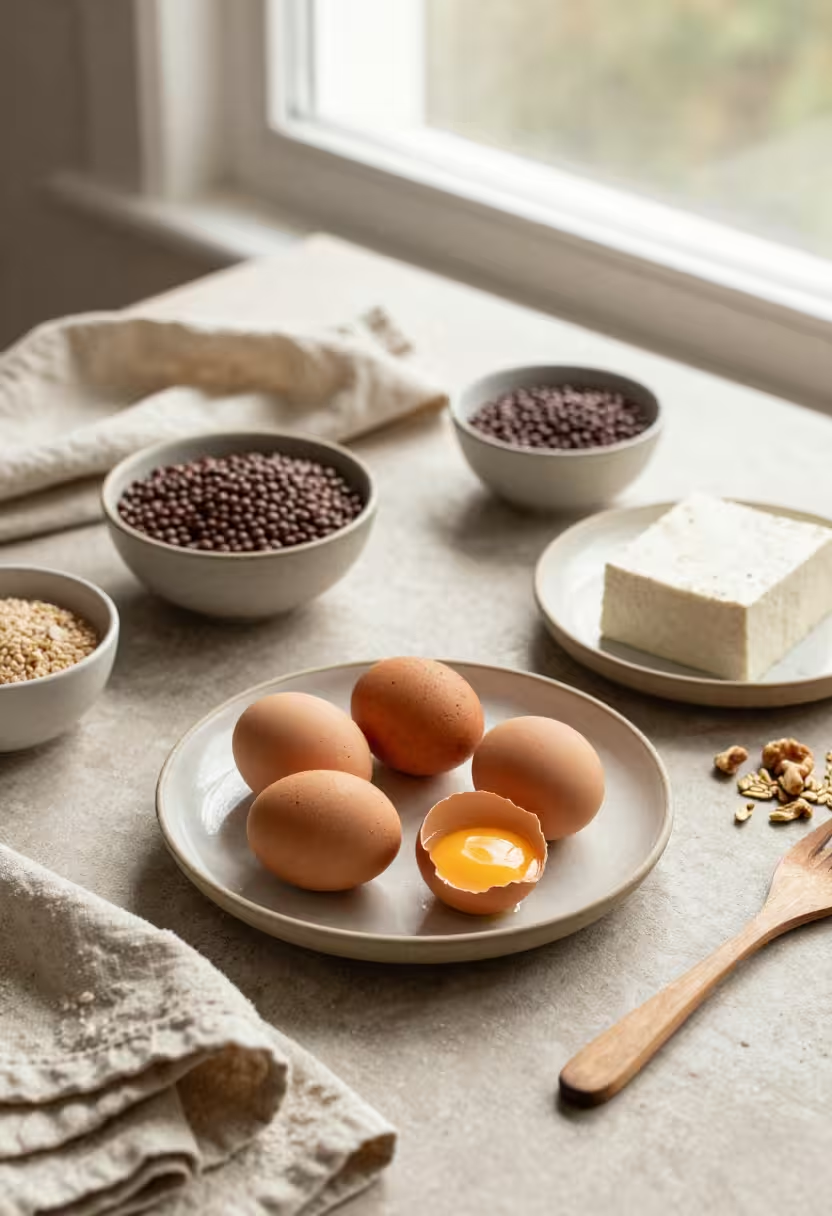
Protein plays a central role in injury recovery because it provides the raw materials the body uses to rebuild damaged tissue. Muscles, tendons, ligaments, skin, and even bone rely on amino acids — the components of protein — to repair and strengthen themselves after injury.
When healing is underway, the body’s protein needs often increase. This doesn’t mean eating excessive amounts, but it does mean being more intentional about including high-quality protein regularly throughout the day. Spreading protein intake across meals can help support ongoing repair rather than overwhelming the system all at once.
Both animal and plant-based protein sources can contribute to recovery. Eggs, poultry, fish, dairy, and lean meats provide complete amino acid profiles that are easy for the body to use. Plant-based options like beans, lentils, tofu, nuts, seeds, and whole grains also play an important role, especially when combined to provide a broader range of amino acids.
Protein-rich foods do more than support muscles. They also help maintain immune function, stabilize energy levels, and support the production of enzymes and hormones involved in healing. When protein intake is too low, recovery can feel slower and fatigue may increase.
The key is balance. Including a source of protein at each meal — paired with carbohydrates for energy and fats for nutrient absorption — helps create a steady environment for repair. This approach is more sustainable than focusing on one nutrient in isolation.
During injury recovery, protein becomes less about performance and more about restoration — supporting the body as it works to rebuild strength, one step at a time.
Omega-3 Fatty Acids: Anti-Inflammatory Allies
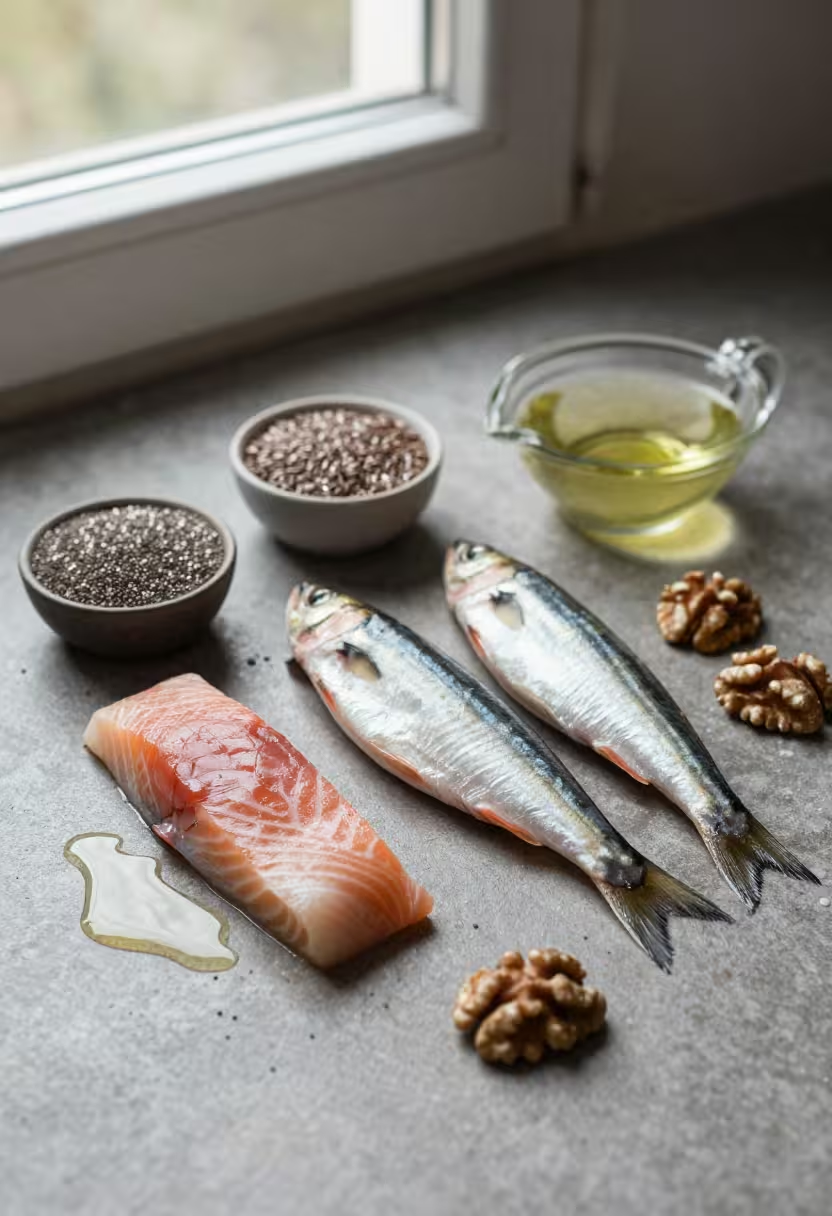
Inflammation is a natural and necessary part of healing, but when it lingers or becomes excessive, it can slow recovery and increase discomfort. This is where omega-3 fatty acids quietly support the process. Rather than shutting inflammation down, they help the body regulate it more effectively.
Omega-3s are a type of healthy fat involved in cell signaling and immune balance. During injury recovery, they may support the body’s ability to move from the initial inflammatory phase into repair and rebuilding. This balance matters — healing needs inflammation, but it also needs resolution.
Fatty fish like salmon, sardines, and mackerel are among the most well-known sources of omega-3s. Plant-based options such as flaxseeds, chia seeds, walnuts, and hemp seeds also contribute, especially when included regularly. These foods fit easily into everyday meals without feeling medicinal or restrictive.
Beyond inflammation, omega-3s support overall cell health, circulation, and even mood — all of which can be affected during periods of limited mobility or discomfort. When recovery feels mentally draining, steady nourishment can help create a sense of stability.
As with most nutrients, consistency matters more than intensity. Including omega-3-rich foods a few times a week is often more supportive than trying to overload the diet all at once. They work best as part of a balanced pattern that includes protein, carbohydrates, and micronutrients.
In recovery, omega-3s act less like a spotlight and more like background support — subtle, steady, and quietly helpful as the body does its work.
Vitamins C & E: Antioxidants for Tissue Health
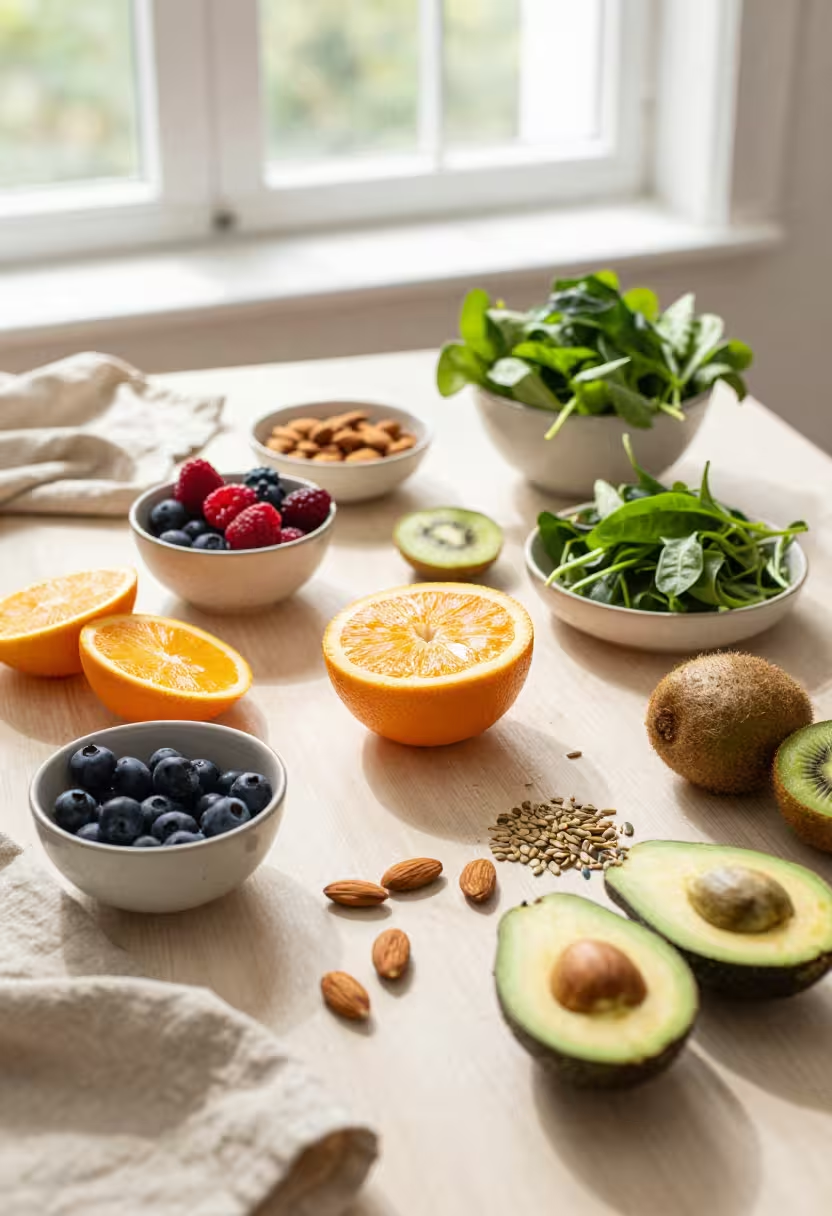
As the body repairs damaged tissue, it produces more metabolic byproducts — including free radicals — as part of the healing process. Antioxidants help keep this activity in balance, and vitamins C and E are two key nutrients that support tissue health during recovery.
Vitamin C plays a particularly important role in the formation of collagen, a structural protein found in skin, tendons, ligaments, and connective tissue. Adequate vitamin C helps ensure that newly formed tissue is strong and resilient rather than fragile. It also supports immune function, which is especially important when the body is under physical stress.
Fruits and vegetables are the most accessible sources of vitamin C. Citrus fruits, berries, kiwi, bell peppers, leafy greens, and tomatoes all contribute in different ways. Including a variety of colorful produce not only supports healing but also adds freshness and ease to meals during recovery.
Vitamin E works alongside vitamin C as a fat-soluble antioxidant. It helps protect cell membranes from oxidative stress and supports overall cellular integrity. Nuts, seeds, plant oils, and avocados are common dietary sources, and they pair naturally with meals that already include healthy fats.
Rather than focusing on supplements, many people find it more helpful to build meals around whole foods that naturally contain these vitamins. This approach supports absorption and provides additional nutrients that work together in the healing process.
During injury recovery, antioxidants don’t speed things up — they help protect the work that’s already happening, creating a more supportive environment for tissue repair over time.
Zinc and Minerals: Micronutrients That Matter
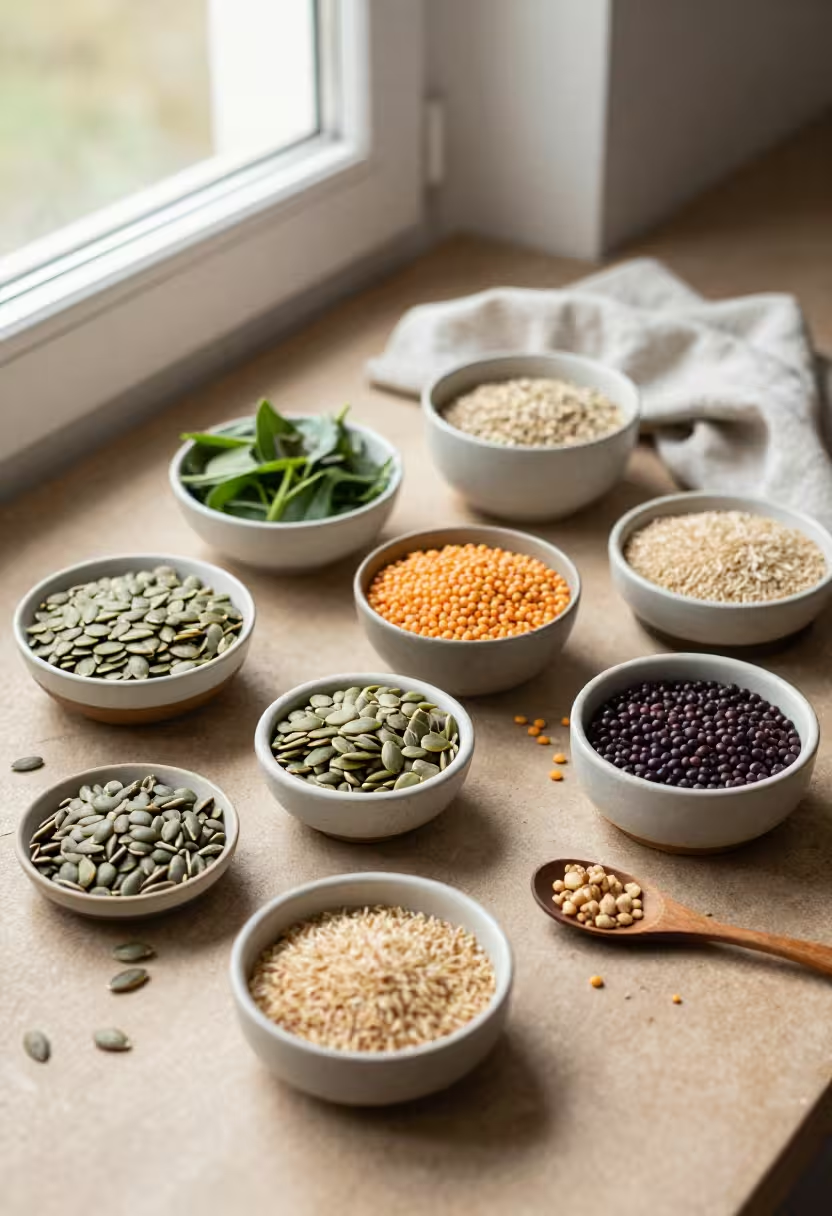
While protein and fats often get the most attention during injury recovery, micronutrients quietly play an equally important role. Minerals like zinc, magnesium, iron, and calcium are involved in countless processes that support healing, from immune function to tissue repair and energy production.
Zinc is particularly well known for its role in wound healing and immune support. It helps with cell growth, enzyme activity, and the body’s ability to rebuild damaged tissue. Even a mild deficiency can affect how efficiently the body recovers, which is why regular intake matters during periods of physical stress.
Magnesium supports muscle function, nerve signaling, and relaxation — all of which can be affected after an injury. Iron helps transport oxygen throughout the body, ensuring that healing tissues receive the oxygen they need to repair and regenerate. Calcium and phosphorus contribute to bone strength, which is especially important when injuries involve the skeletal system.
These minerals are best obtained through a varied diet. Nuts, seeds, legumes, whole grains, leafy greens, dairy products, seafood, and lean meats all contribute different combinations of micronutrients. Eating a range of foods helps cover needs without overemphasizing any single nutrient.
It’s also worth noting that minerals work together. Adequate hydration and balanced meals improve absorption and utilization, while extreme restriction can interfere with how the body uses these nutrients.
During recovery, micronutrients don’t draw much attention — but without them, the healing process becomes less efficient. Supporting mineral intake is one of the quieter ways to help the body rebuild with strength and stability.
Collagen and Gelatin: Connective Tissue Support

Connective tissues — tendons, ligaments, cartilage, and skin — play a crucial role in how the body moves and stabilizes itself. When these tissues are injured, recovery often takes time, patience, and consistent support. Collagen and gelatin are nutrients commonly discussed in this context, not as quick fixes, but as part of a broader approach to nourishment.
Collagen is a structural protein that helps give connective tissue its strength and flexibility. While the body can produce collagen on its own, this process relies on having enough building blocks available — including protein, vitamin C, and certain amino acids. Gelatin, which is derived from collagen, provides similar amino acids and can be included through foods or broths.
Traditional foods like bone broth, slow-cooked meats, and gelatin-based dishes naturally contain these components. Some people also choose collagen supplements, though whole foods often provide additional nutrients that support absorption and overall health.
It’s important to remember that collagen works best in context. On its own, it doesn’t rebuild tissue — but when paired with adequate protein, vitamins, and minerals, it may help support the body’s connective tissue maintenance during recovery.
Recovery involving connective tissue can feel slow, especially compared to muscle healing. Providing steady nutritional support helps create an environment where gradual improvement is more likely over time.
Collagen and gelatin are not cures, but they can be part of a thoughtful, supportive nutrition pattern during injury recovery.
Hydration and Electrolytes: The Unsung Heroes

Hydration often doesn’t get the attention it deserves during injury recovery, yet it supports nearly every process involved in healing. Water helps transport nutrients, remove waste products, maintain circulation, and regulate body temperature — all of which are especially important when the body is repairing itself.
When healing is underway, fluid needs can increase slightly, particularly if inflammation is present or mobility is limited. Even mild dehydration can affect energy levels, concentration, and muscle function, making recovery feel more tiring than it needs to be.
Electrolytes — including sodium, potassium, magnesium, and calcium — work alongside water to support nerve signaling, muscle contractions, and fluid balance. These minerals are especially important if appetite is reduced or if movement patterns have changed after an injury.
Hydration doesn’t have to come only from plain water. Soups, broths, herbal teas, fruits, and vegetables all contribute to fluid intake. These options can be especially comforting during recovery, providing warmth and nutrients at the same time.
The goal isn’t constant sipping or tracking exact amounts, but maintaining a steady rhythm of fluids throughout the day. Paying attention to thirst, urine color, and overall energy can offer useful cues.
In recovery, hydration functions like a quiet foundation — rarely noticed when it’s adequate, but immediately felt when it’s lacking. Supporting fluid balance helps ensure that the body’s healing systems can work efficiently and consistently.
Anti-Inflammatory Herbs and Spices

Herbs and spices may seem like small additions, but they can offer meaningful support during injury recovery. Many of them contain natural compounds that help the body manage inflammation and oxidative stress — gently, without overwhelming the system.
Turmeric is one of the most well-known examples. Its active compound, curcumin, has been widely studied for its anti-inflammatory properties. When used regularly in cooking and paired with black pepper and healthy fats, turmeric can become a simple, everyday addition to meals rather than a special remedy.
Ginger is another valuable ally. Often used to support digestion, it also contains compounds that may help modulate inflammation and support circulation. Fresh ginger in teas, soups, or stir-fries can feel both warming and comforting during recovery.
Garlic, cinnamon, rosemary, and oregano also bring more than flavor to the table. These herbs and spices contain antioxidants and bioactive compounds that support immune balance and overall cellular health. Including them regularly adds depth to meals while contributing subtle nutritional benefits.
What makes herbs and spices especially helpful is how easy they are to integrate. There’s no need for dramatic changes — sprinkling, simmering, or infusing is often enough. Their impact comes from consistency rather than intensity.
During injury recovery, these small culinary choices can help meals feel more nourishing and intentional. They don’t replace core nutrients like protein or minerals, but they complement them — quietly supporting the body as it works through the healing process.
Foods to Approach with Caution During Recovery

During injury recovery, the goal isn’t to follow a strict or restrictive diet, but certain foods can make the healing process feel heavier than it needs to be. Being mindful of these choices can help support inflammation balance, energy levels, and overall comfort.
Highly processed foods are often at the top of this list. Items that are high in refined sugars, unhealthy fats, and additives may contribute to increased inflammation and blood sugar fluctuations. While occasional treats are part of real life, relying on these foods during recovery can leave the body feeling more sluggish.
Excessive added sugar deserves special attention. Sugar itself isn’t the enemy, but large amounts — especially from sweets and sugary drinks — may interfere with immune balance and energy regulation. During healing, steadier energy tends to feel more supportive than sharp spikes and crashes.
Highly refined carbohydrates, such as white bread and pastries, can also crowd out more nutrient-dense options. They’re not harmful in isolation, but when they replace foods rich in protein, fiber, and micronutrients, the body may miss out on key building blocks for repair.
Alcohol is another factor to consider. It can interfere with sleep, hydration, and nutrient absorption — all of which are important for recovery. Limiting alcohol, especially in the early stages of healing, can help the body stay focused on repair.
Approaching these foods with awareness rather than guilt is key. Recovery doesn’t require perfection, but it does benefit from intentional choices that make the process smoother rather than more demanding.
Sample Healing Meal Ideas
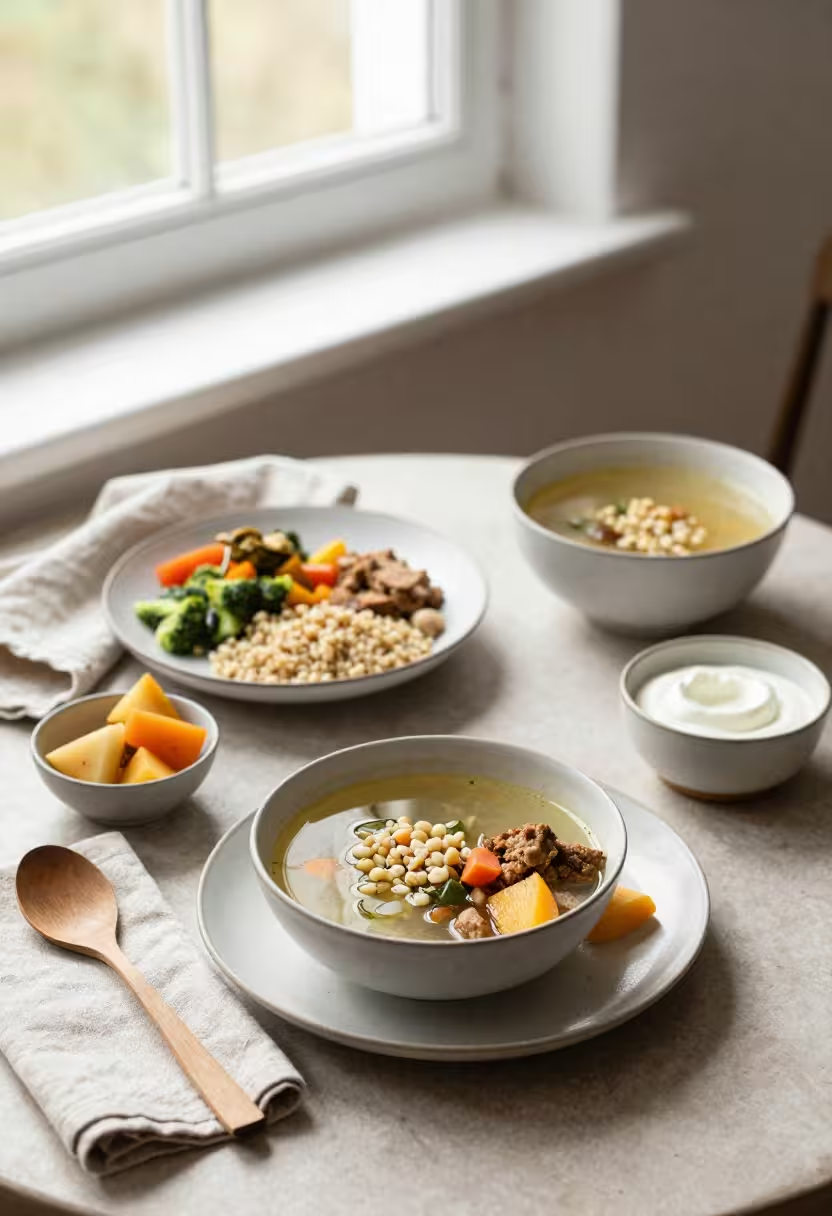
When recovering from an injury, meals don’t need to be elaborate to be supportive. What matters most is regular nourishment, balanced plates, and foods that feel both satisfying and easy to digest. Simple, well-rounded meals can help the body stay fueled without adding extra stress.
A supportive breakfast might include eggs with sautéed greens and whole grains, or yogurt with berries, nuts, and a drizzle of honey. These options combine protein, carbohydrates, and healthy fats — a trio that helps stabilize energy and supports tissue repair from the start of the day.
For lunch, soups and bowls are often comforting and practical. A homemade broth with vegetables and shredded chicken, lentils, or tofu provides hydration, protein, and minerals in one meal. Grain bowls with rice or quinoa, roasted vegetables, olive oil, and a protein source are another flexible option that can be adjusted to appetite and preference.
At dinner, focus on meals that feel grounding rather than heavy. Baked or grilled fish with vegetables, roasted chicken with sweet potatoes, or a hearty vegetable stew all offer nutrients that support recovery while being easy to portion and reheat if energy is limited.
Snacks can play an important role when appetite fluctuates. Fruit with nut butter, cottage cheese, hummus with vegetables, or a small handful of nuts can help bridge gaps between meals and maintain steady nutrient intake throughout the day.
These meal ideas aren’t rules — they’re starting points. Recovery often comes with changing hunger levels and energy, and it’s okay to adjust accordingly. The goal is to nourish the process consistently, offering the body what it needs in forms that feel approachable and supportive.
Final Thoughts — Nourish the Process

Injury recovery is rarely a straight line. Some days feel hopeful and energetic, while others feel slow or uncertain. Through all of it, nutrition remains a steady form of support — not as a cure, but as a way of caring for the body while it does its work.
The foods we choose during recovery don’t need to be perfect or complicated. What matters most is consistency, balance, and attention to the body’s needs. Protein, healthy fats, vitamins, minerals, and hydration all contribute in different ways, creating an environment where healing can unfold at its own pace.
Perhaps the most important takeaway is patience. Healing takes time, and nourishment is about supporting the process rather than rushing it. Small, thoughtful choices — repeated daily — often matter more than dramatic changes made for a short period.
Listening to hunger cues, honoring rest, and choosing foods that feel both nourishing and enjoyable can help make recovery feel less overwhelming. When nutrition is approached as care rather than control, it becomes easier to stay grounded and consistent.
Ultimately, recovery is a collaboration between the body and the support we give it. By nourishing the process, we allow healing to happen from within — steadily, gently, and with respect for the body’s natural rhythm.




Just wanna input on few general things, The website style is perfect, the articles is really great : D.