Contents
- The Global Rise of Korean Cuisine
- Core Elements That Define Korean Flavors
- Korean Dishes That Have Conquered the World
- Innovation & Fusion: How Korean Flavors Are Evolving Globally
- Why Korean Restaurants Have Become a Go-To Choice Worldwide
- How to Enjoy Korean Flavors: A Beginner’s Guide
- From Street Food to Fine Dining: Korean Cuisine Everywhere
- Frequently Asked Questions About Korean Food & Restaurants
- Final Thoughts: A Culinary Journey That Keeps Evolving
Not long ago, stepping into a Korean restaurant outside of Seoul felt like discovering a well-kept secret. Today, those same doors open in cities all over the world — from New York to London, from Berlin to Sydney — and inside, the tables tell a story that goes far beyond borders.
At Book of Foods, we often explore how food travels, adapts, and quietly reshapes the way we eat. Korean cuisine is one of the most fascinating examples of this journey. What began as deeply regional, tradition-rooted cooking has evolved into a global culinary language — one that feels both bold and comforting, unfamiliar yet instantly satisfying.
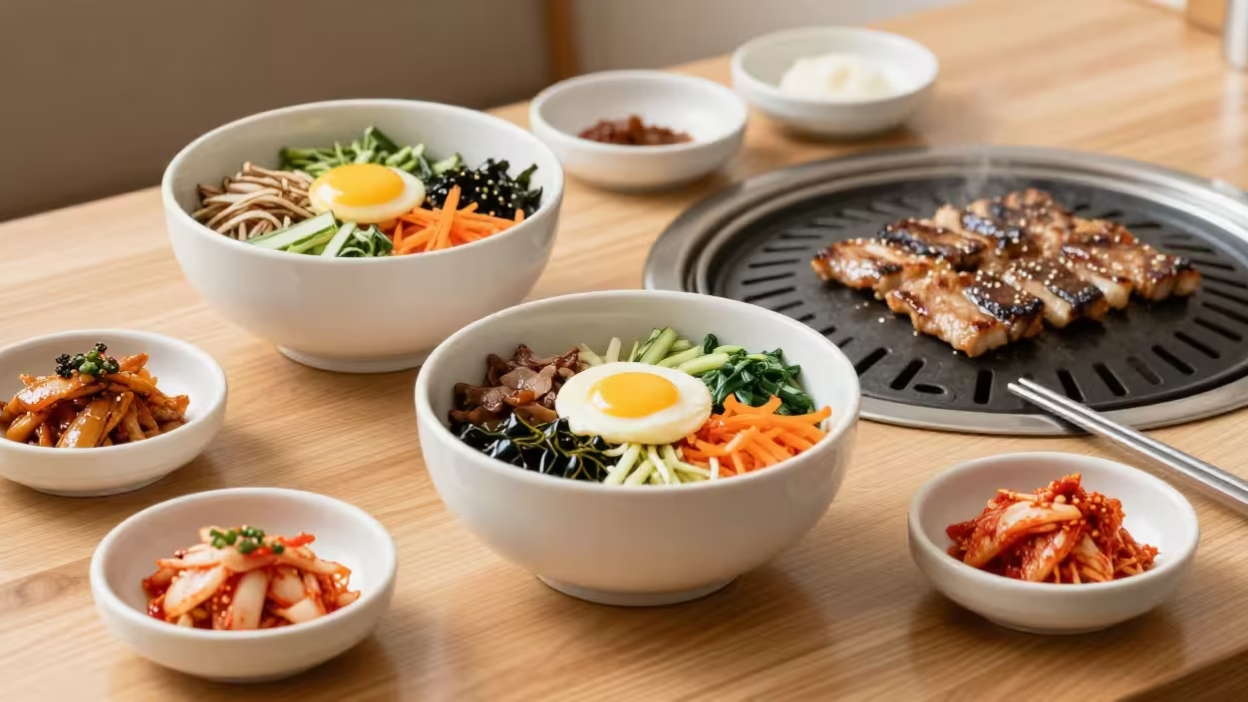
Korean restaurants have become cultural bridges. They introduce diners to fermented flavors, slow-built umami, interactive meals, and a style of eating that’s meant to be shared. A sizzling grill at the center of the table. Small plates appearing one after another. A bowl of rice transformed by color, texture, and spice. These experiences linger — not just on the palate, but in memory.
Part of the magic lies in contrast. Korean food balances heat with freshness, richness with restraint, tradition with experimentation. It’s a cuisine shaped by seasons, preservation, and community — and yet it adapts effortlessly to global tastes. In many cities, Korean restaurants now sit comfortably beside Italian trattorias and French bistros, not as novelties, but as essential players in the modern dining scene.
This culinary journey isn’t only about specific dishes. It’s about how Korean flavors have inspired chefs worldwide, influenced fusion menus, and encouraged diners to embrace bolder tastes. From humble street food to refined tasting menus, Korean restaurants offer a gateway into a broader conversation about global food culture.
In this article, we’ll explore how Korean restaurants are shaping global flavors, the elements that make Korean cuisine so distinctive, and why its influence continues to grow. Whether you’re new to Korean food or already a devoted fan, this journey promises new insights — and plenty of inspiration for your next meal.
The Global Rise of Korean Cuisine
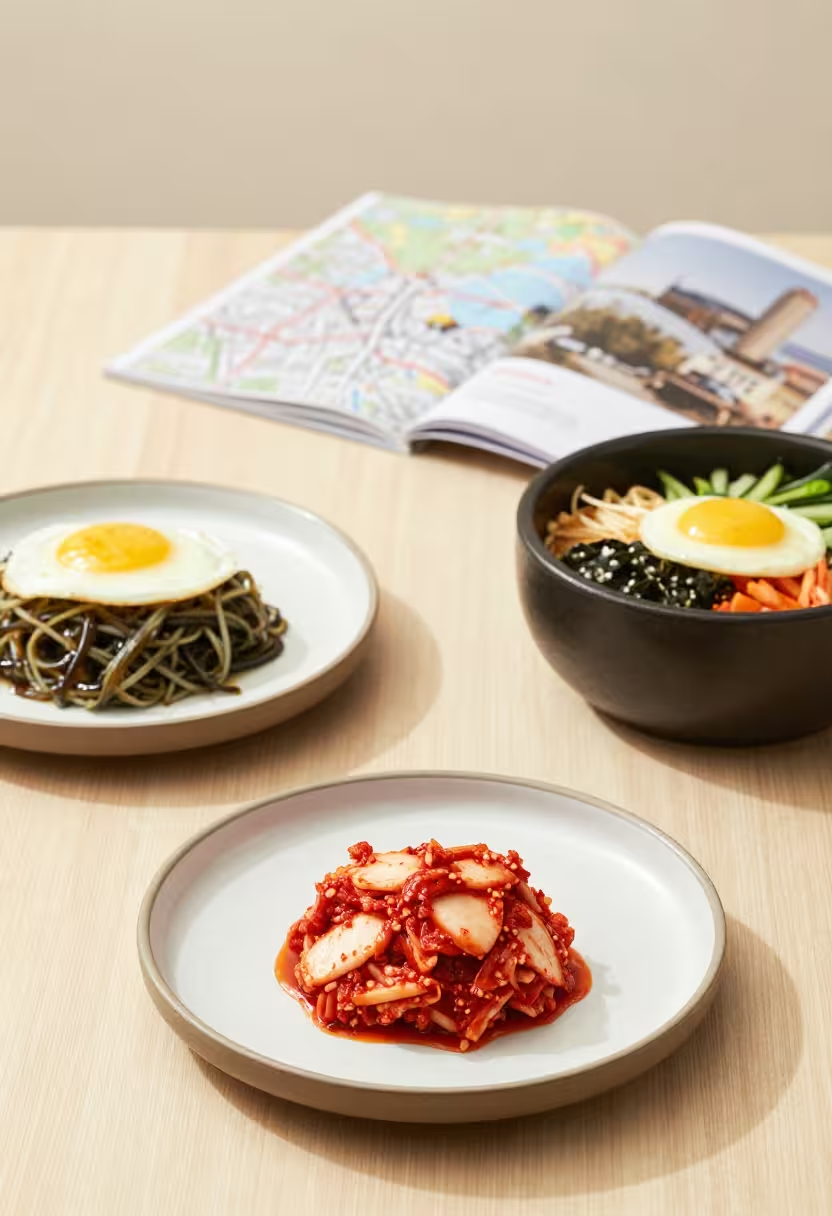
The global presence of Korean restaurants didn’t happen overnight. It’s the result of decades of cultural exchange, migration, and a growing curiosity for bold, expressive flavors.
In the early days, Korean restaurants outside Korea were often small, community-centered spaces — places where expatriates gathered for familiar tastes. Over time, those kitchens began attracting a wider audience, drawn in by sizzling grills, fragrant stews, and the unmistakable allure of fermented flavors.
A major catalyst was the Hallyu, or Korean Wave. As Korean films, television dramas, and K-pop reached global audiences, so did the food. Viewers saw characters sharing bowls of ramyeon, grilling meat at the table, or enjoying street snacks late at night — and wanted to taste those moments for themselves.
Social media accelerated this rise. A bubbling pot of kimchi jjigae or the dramatic flip of meat on a Korean BBQ grill is visually irresistible. Food became content, and Korean cuisine became part of the global conversation.
But popularity alone isn’t what sustained the growth. Korean food resonated because it offers something many diners crave today: depth without pretension. It’s flavorful and comforting, complex yet approachable. Korean restaurants welcome sharing, conversation, and participation — especially through dishes like BBQ, where cooking becomes part of the experience.
Another key factor is adaptability. Korean flavors translate well across cultures. Gochujang finds its way into burgers and pasta. Kimchi appears in tacos and grilled cheese. These adaptations don’t replace tradition — they expand its reach.
Korean cuisine didn’t just go global. It invited the world to cook along.
Today, Korean restaurants span the full spectrum: casual eateries, refined dining rooms, food trucks, and modern fusion spaces. Each one contributes to a larger story — one where Korean flavors are no longer niche, but foundational to global food culture.
Core Elements That Define Korean Flavors

What makes Korean food instantly recognizable isn’t a single dish — it’s a flavor philosophy. Korean cuisine is built on balance, patience, and contrast, using a handful of core elements that appear again and again across restaurants worldwide.
Once you recognize these building blocks, Korean menus begin to feel less mysterious and far more inviting.
Fermentation as a Foundation
At the heart of Korean cuisine lies fermentation. It’s not just a technique — it’s a way of preserving flavor, nutrition, and identity.
Kimchi is the most well-known example, but it’s only one part of a larger fermented family that includes soybean pastes and sauces. Fermentation brings depth, acidity, and umami, creating flavors that feel layered rather than flat.
This is why even the smallest side dish can feel bold and satisfying.
Signature Sauces: Bold but Balanced
Korean flavors are often defined by a trio of sauces:
- Gochujang – spicy, slightly sweet fermented chili paste
- Doenjang – earthy fermented soybean paste
- Ssamjang – a rich blend used for wraps and grilled meats
These sauces add heat and richness, but always with balance. Sweetness softens spice, fermentation adds complexity, and salt grounds everything.
In global kitchens, these sauces have become versatile tools — showing up in marinades, glazes, and fusion dishes far beyond Korea.
Contrast in Every Bite
Korean food thrives on contrast:
- Hot food paired with cool, crisp vegetables
- Rich meats balanced by sharp pickles
- Spicy flavors softened with rice or lettuce wraps
A Korean meal rarely feels heavy because every intense flavor is matched with something fresh or neutral.
Rice as the Anchor
Rice is more than a side — it’s the center that holds everything together. It absorbs sauces, calms spice, and allows stronger flavors to shine without overwhelming the palate.
Even in modern Korean restaurants, rice remains the quiet constant.
Communal Dining Culture
Flavor in Korean cuisine isn’t just about taste — it’s about experience.
Meals are meant to be shared. Dishes arrive together. Banchan is passed around. BBQ is cooked at the table. This communal style shapes how flavors are perceived — slowly, socially, and with conversation.
Korean flavors are designed to be discovered together.
With these core elements in mind, it’s easier to understand why certain dishes have traveled so well across the globe.
Korean Dishes That Have Conquered the World
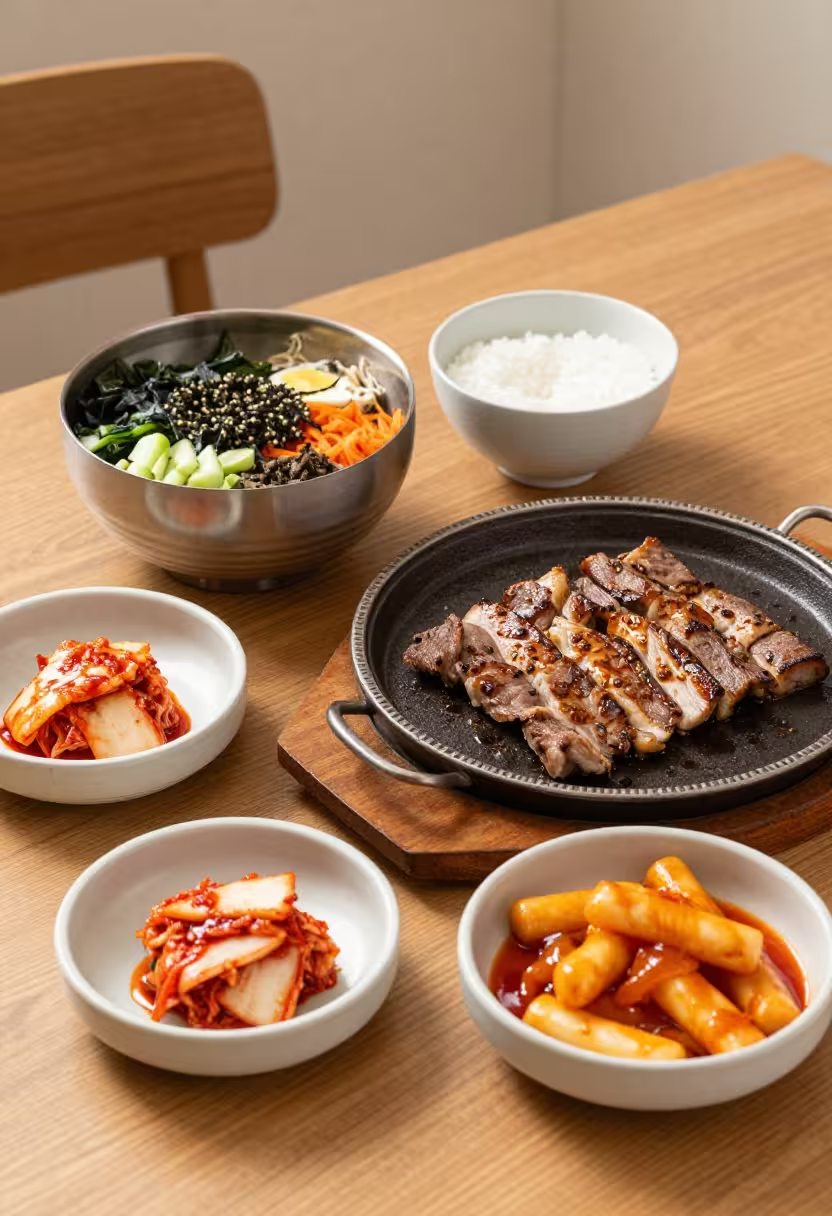
Some dishes don’t just travel well — they adapt, inspire, and become global favorites while still holding onto their roots. Korean cuisine has several such icons, dishes that appear again and again on menus worldwide, each offering a different entry point into Korean flavors.
Bibimbap: Balance in a Bowl
Colorful, nourishing, and endlessly adaptable, bibimbap is often a first introduction to Korean food.
At its core, it’s a bowl of warm rice topped with vegetables, protein, and a spoonful of gochujang. What makes it special is balance — soft and crisp textures, mild and spicy flavors, all brought together at the table when everything is mixed.
Bibimbap translates beautifully across cultures because it feels familiar yet exciting, comforting yet vibrant.
Korean BBQ (Gogi-gui): An Interactive Experience
Few dining experiences feel as social and memorable as Korean BBQ.
Grilling meat at the table turns dinner into a shared activity. Thinly sliced beef or pork, sizzling over heat, wrapped in lettuce with rice, sauce, and kimchi — every bite is customizable.
Around the world, Korean BBQ restaurants have become gathering places, especially for celebrations and group dinners. The food is delicious, but the experience is what people remember.
Kimchi: From Side Dish to Global Staple
Once considered niche, kimchi is now a global pantry staple.
Fermented cabbage with chili, garlic, and spice, kimchi adds acidity, heat, and depth. It appears not only as a side dish, but in fried rice, stews, pancakes, and even fusion dishes like kimchi grilled cheese or tacos.
Its rise reflects a growing appreciation for fermentation and bold flavors worldwide.
Tteokbokki: Comfort Street Food
Chewy rice cakes simmered in a spicy-sweet sauce, tteokbokki is pure comfort food.
Originally a street snack, it has found fans globally for its unique texture and addictive flavor. In many Korean restaurants abroad, it appears in both traditional and modern forms — sometimes with cheese, sometimes with seafood, always deeply satisfying.
Banchan: Small Dishes, Big Impact
The unsung heroes of Korean meals are banchan — the small side dishes served alongside the main meal.
From pickled vegetables to seasoned greens, banchan add variety and contrast. They teach diners to taste slowly, to move between flavors, and to appreciate balance rather than excess.
Korean dishes don’t ask you to choose one flavor — they invite you to explore many.
Together, these dishes explain why Korean restaurants feel so complete. They offer comfort, excitement, and discovery all at once.
Innovation & Fusion: How Korean Flavors Are Evolving Globally
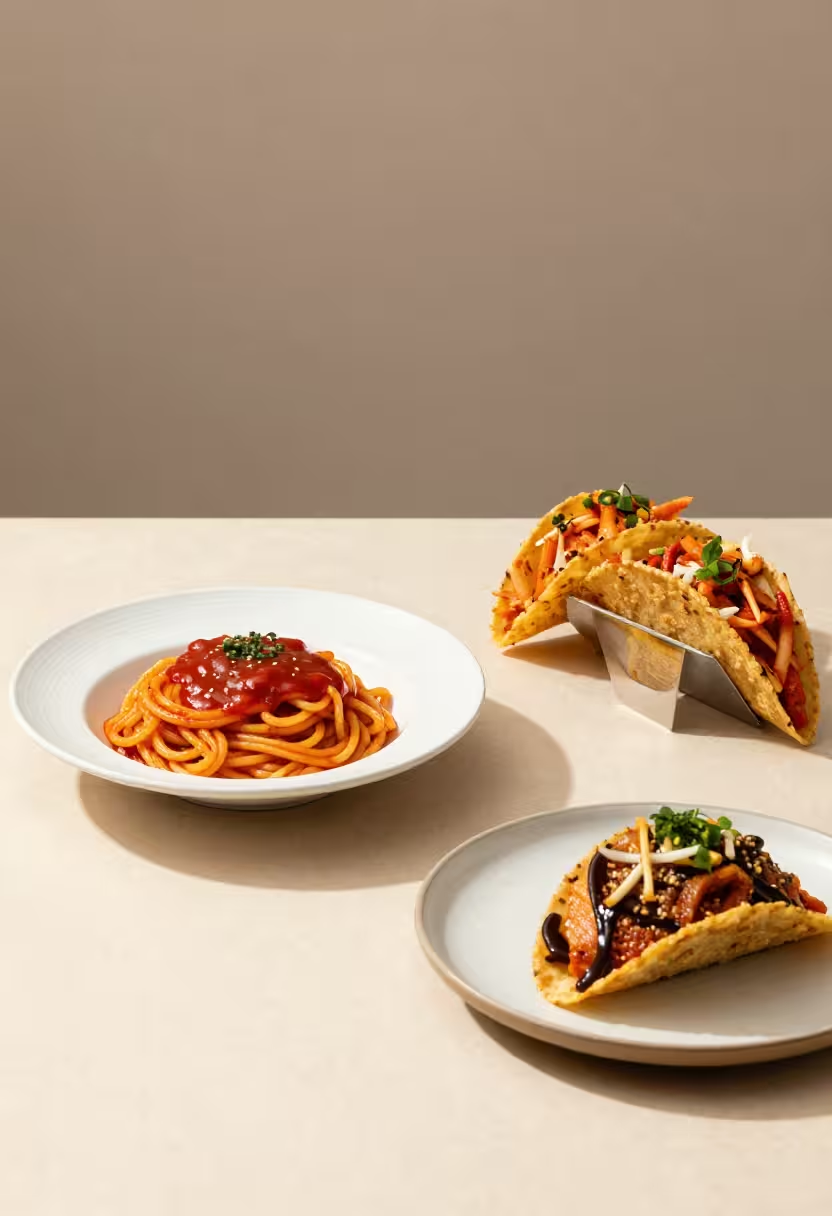
As Korean cuisine found its place on the global stage, something interesting began to happen. Instead of staying fixed, Korean flavors started to move, adapt, and converse with other culinary traditions. This openness to evolution is one of the reasons Korean food continues to feel fresh and exciting.
In many cities, Korean restaurants are no longer defined solely by tradition. They’re places of experimentation — where chefs honor classic flavors while reimagining how they’re used.
Korean Flavors Beyond Korean Dishes
Gochujang, doenjang, and kimchi have stepped far outside their original contexts.
You’ll now find:
- Gochujang folded into pasta sauces or brushed onto roasted vegetables
- Kimchi layered into tacos, burgers, and grilled cheese
- Doenjang used to deepen soups and even non-traditional marinades
These aren’t gimmicks. They work because Korean flavors are built on balance — spice, umami, acidity — elements that translate naturally across cuisines.
Modern Korean Restaurants as Creative Spaces
A new generation of Korean chefs, both in Korea and abroad, is redefining what Korean restaurants can be.
Some blend Korean techniques with European fine dining. Others mix Korean comfort food with street-food culture from around the world. The result is food that feels personal, playful, and rooted — not forced.
This evolution has helped Korean cuisine avoid being boxed into a single identity.
Why Fusion Feels Natural in Korean Food
Korean cuisine has always evolved. Historically, it absorbed influences from neighboring regions, adapted to seasonal scarcity, and relied on preservation techniques that encouraged creativity.
Fusion today is simply a modern extension of that adaptability.
Korean food doesn’t lose its soul when it changes — it shows how alive it is.
A Gateway for New Diners
For many people, fusion dishes are the gateway into traditional Korean food. A kimchi taco leads to kimchi jjigae. Gochujang wings spark curiosity about fermented pastes.
Innovation becomes invitation.
As Korean flavors continue to evolve globally, restaurants remain the place where this dialogue happens — between cultures, chefs, and curious diners.
Why Korean Restaurants Have Become a Go-To Choice Worldwide
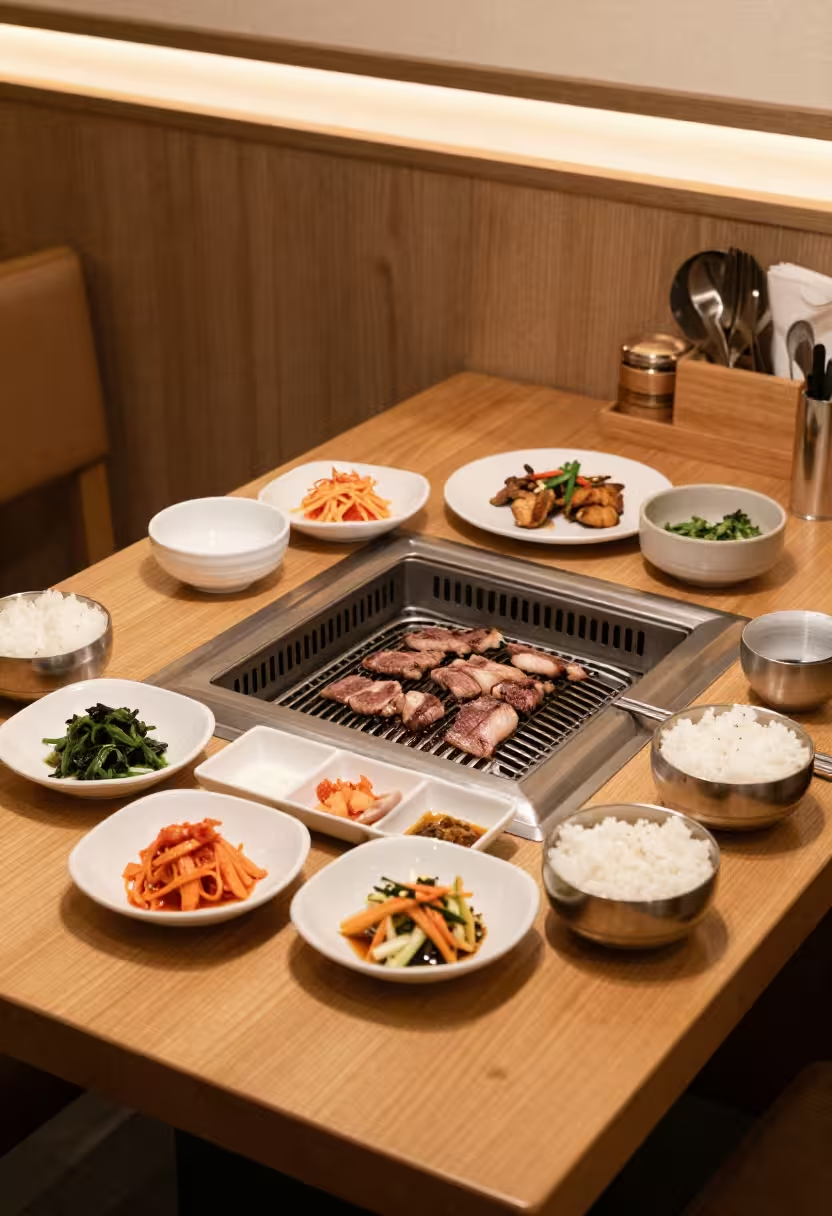
Korean restaurants aren’t just popular because the food tastes good — though it absolutely does. They’ve become go-to dining destinations because they offer something many modern diners are looking for: connection, energy, and authenticity wrapped into a single experience.
A Social Way of Eating
At the heart of many Korean restaurants is a shared table.
Meals are designed for togetherness — dishes placed in the center, banchan passed around, grills sizzling as everyone cooks together. This communal style feels refreshing in a world where dining is often rushed or individual.
Korean restaurants encourage people to slow down, talk, and eat collectively — turning dinner into an event rather than a transaction.
Bold Flavors Without Intimidation
Korean food is flavorful, but it’s also forgiving.
Spice can be adjusted. Dishes can be customized. Rice, lettuce wraps, and side dishes soften intense flavors, making even bold food approachable. This balance allows adventurous eaters to explore while still welcoming those who prefer milder tastes.
Comfort Meets Excitement
There’s a unique duality in Korean cuisine.
On one hand, it offers deep comfort — warm stews, grilled meats, familiar textures. On the other, it brings excitement through fermentation, spice, and contrast. That combination keeps people curious without pushing them too far out of their comfort zone.
Consistency and Care
Many Korean restaurants emphasize craftsmanship — slow marination, house-made sauces, careful fermentation. That attention to process often translates into consistent quality, which builds trust with diners.
When people find a Korean restaurant they love, they tend to return.
A Place for Everyone
From casual eateries to refined dining rooms, Korean restaurants fit almost any occasion:
- Quick lunches
- Family dinners
- Celebrations and group outings
- Date nights
This versatility has helped Korean restaurants integrate seamlessly into global food cultures.
Korean restaurants don’t just serve meals — they create moments.
How to Enjoy Korean Flavors: A Beginner’s Guide
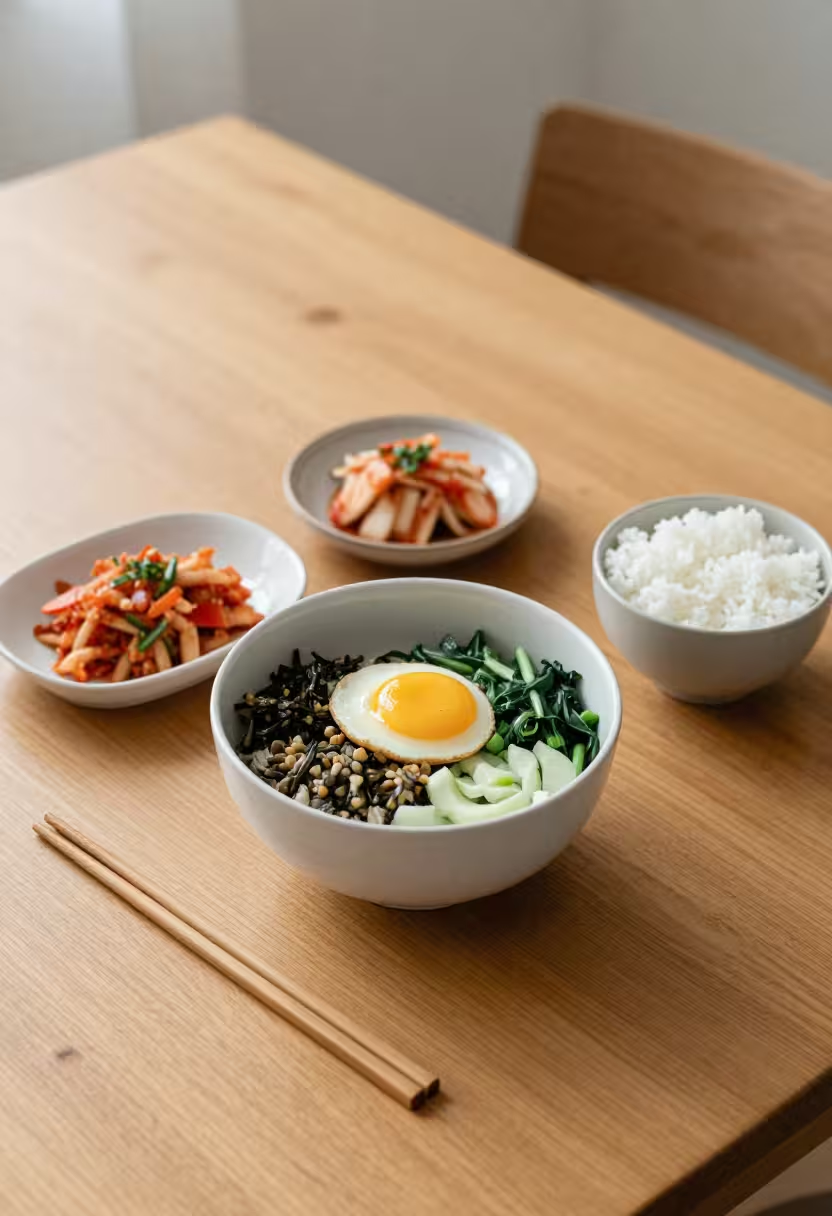
Walking into a Korean restaurant for the first time can feel exciting — and a little overwhelming. Long menus, unfamiliar names, bubbling pots, grills at the table. The good news? Korean cuisine is incredibly welcoming once you know a few simple principles.
Start with Shared Classics
If you’re new to Korean food, choose dishes that offer balance and variety.
Great beginner-friendly options include:
- Bibimbap for a full picture of Korean flavors in one bowl
- Korean BBQ for an interactive, customizable experience
- Kimchi fried rice for comfort with a hint of spice
These dishes introduce core flavors without being too intense.
Embrace the Banchan
When small side dishes arrive at your table, don’t ignore them — banchan are an essential part of the meal.
Try a little of each. Pair them with rice or grilled meat. Notice how they refresh your palate between bites. They’re meant to be enjoyed slowly and repeatedly throughout the meal.
Mix, Wrap, and Customize
Korean food invites participation.
Mix your bibimbap thoroughly. Wrap grilled meat in lettuce with rice and sauce. Adjust spice levels with condiments. There’s no single “correct” way — the goal is balance that suits your taste.
Don’t Fear Spice — Respect It
Not all Korean food is extremely spicy, but heat does play a role.
If you’re unsure:
- Start with milder dishes
- Add gochujang gradually
- Balance spice with rice or soup
Spice in Korean cuisine is meant to warm, not overwhelm.
Pair with Traditional Drinks
If available, try:
- Soju for a clean, neutral pairing
- Makgeolli for something lightly sweet and refreshing
- Or simply hot barley tea to calm the palate
These drinks enhance the experience without competing with flavors.
Korean food is best enjoyed with curiosity, not caution.
Once you’ve had a few experiences, Korean menus begin to feel intuitive rather than intimidating.
From Street Food to Fine Dining: Korean Cuisine Everywhere
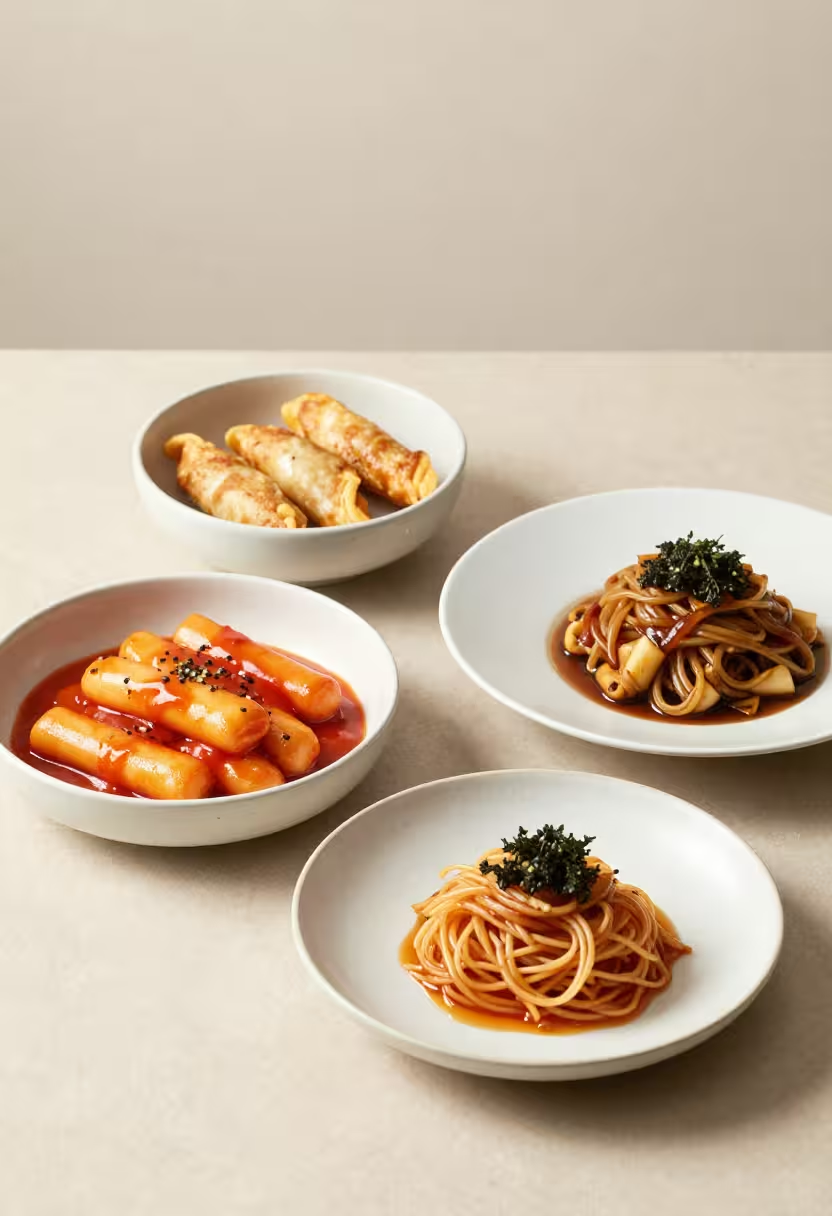
One of the most compelling reasons Korean cuisine resonates globally is its range. It thrives just as naturally on bustling streets as it does in elegant dining rooms. This flexibility allows Korean food to meet people wherever they are — curious passersby, comfort-seekers, or dedicated food lovers.
Street Food: Bold, Immediate, Unforgettable
Korean street food is fast, flavorful, and full of personality.
Dishes like tteokbokki, hotteok, and skewered meats are designed to be eaten on the move, yet they carry the same depth of flavor found in home kitchens. Street food is often where first impressions are made — loud, spicy, satisfying, and impossible to forget.
Around the world, Korean street food concepts have become gateways into the cuisine, offering bold flavors in a casual, approachable way.
Casual Restaurants: Comfort and Consistency
Mid-range Korean restaurants form the backbone of the cuisine’s global presence.
Here you’ll find bubbling stews, sizzling BBQ, rice bowls, and endless banchan. These places emphasize warmth and generosity — reliable flavors that feel nourishing and familiar, even if you’re tasting them for the first time.
They’re the kind of restaurants people return to weekly, not just for special occasions.
Modern Dining Rooms: Tradition Reimagined
At the other end of the spectrum, Korean cuisine has found a confident voice in fine dining.
Chefs are reinterpreting traditional dishes with refined techniques, seasonal plating, and storytelling menus. Fermentation becomes art. Side dishes become courses. Familiar flavors appear in unexpected forms.
What’s remarkable is that even at its most elevated, Korean food rarely loses its sense of soul. The flavors remain bold, the roots visible.
Why This Range Matters
This ability to move fluidly between street food and fine dining is what keeps Korean cuisine dynamic.
It doesn’t belong to one setting — it belongs everywhere.
That openness has allowed Korean flavors to embed themselves into global food culture, not as a trend, but as a lasting influence.
Frequently Asked Questions About Korean Food & Restaurants
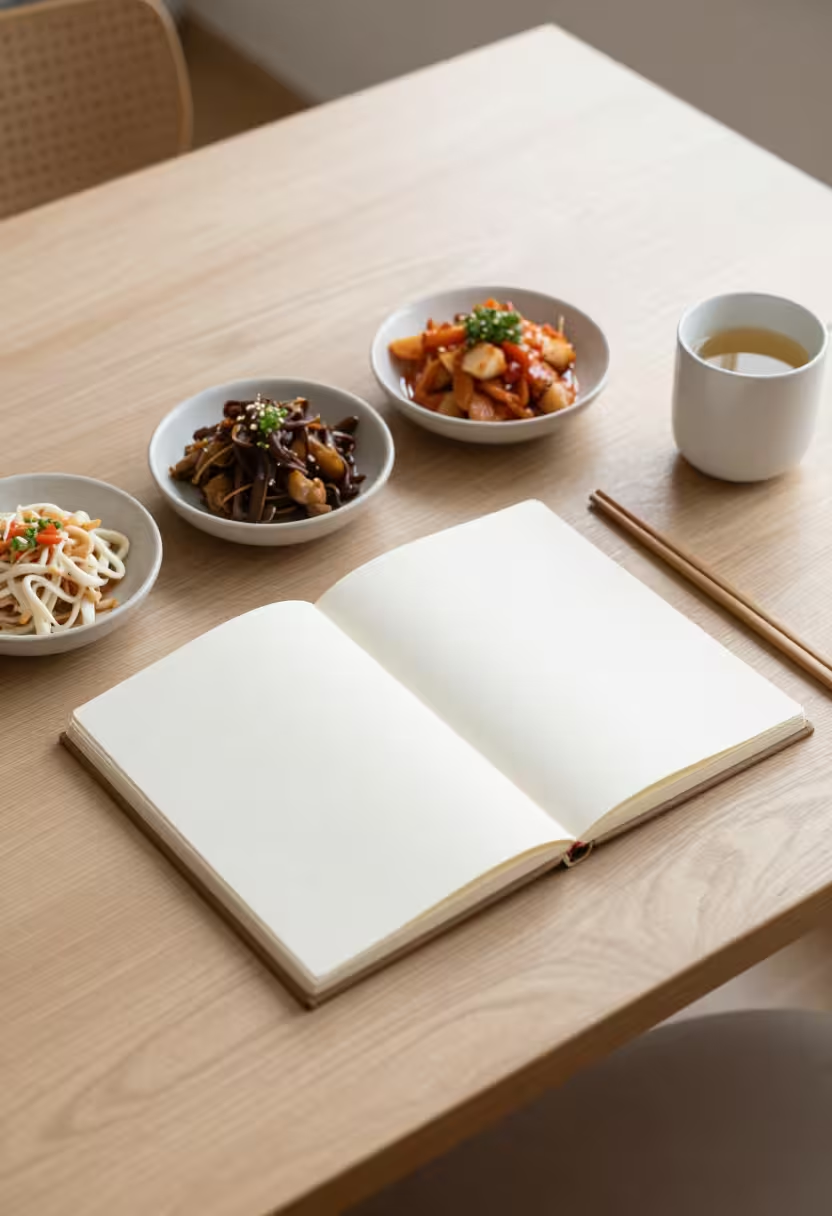
Is Korean food always spicy?
Not at all.
While spice plays an important role in Korean cuisine, many dishes are mild or only gently spicy. Soups, grilled meats, rice bowls, and many banchan focus more on umami, fermentation, and balance than heat. Spice levels can often be adjusted, especially in restaurants.
What are must-try dishes for beginners?
If you’re new to Korean food, start with:
- Bibimbap for balance and variety
- Korean BBQ for an interactive, customizable experience
- Kimchi fried rice for comfort with flavor
- Japchae (glass noodles) for something savory and approachable
These dishes offer a great introduction without overwhelming the palate.
What makes Korean cuisine different from other Asian cuisines?
Korean food places a strong emphasis on:
- Fermentation (kimchi, doenjang, gochujang)
- Communal dining and shared plates
- Contrast between flavors and textures
It’s less about one dominant taste and more about how elements work together across a meal.
Are Korean restaurants good for groups?
Yes — they’re especially well-suited for groups.
Many dishes are meant to be shared, and Korean BBQ in particular turns dining into a social experience. It’s common to order several dishes and eat together, making it ideal for gatherings.
Is authentic Korean food hard to find outside Korea?
Not anymore.
As Korean cuisine has grown globally, many cities now offer excellent Korean restaurants — from casual spots to high-end dining. Authenticity today often comes in different forms, including traditional, modern, and fusion interpretations.
Final Thoughts: A Culinary Journey That Keeps Evolving
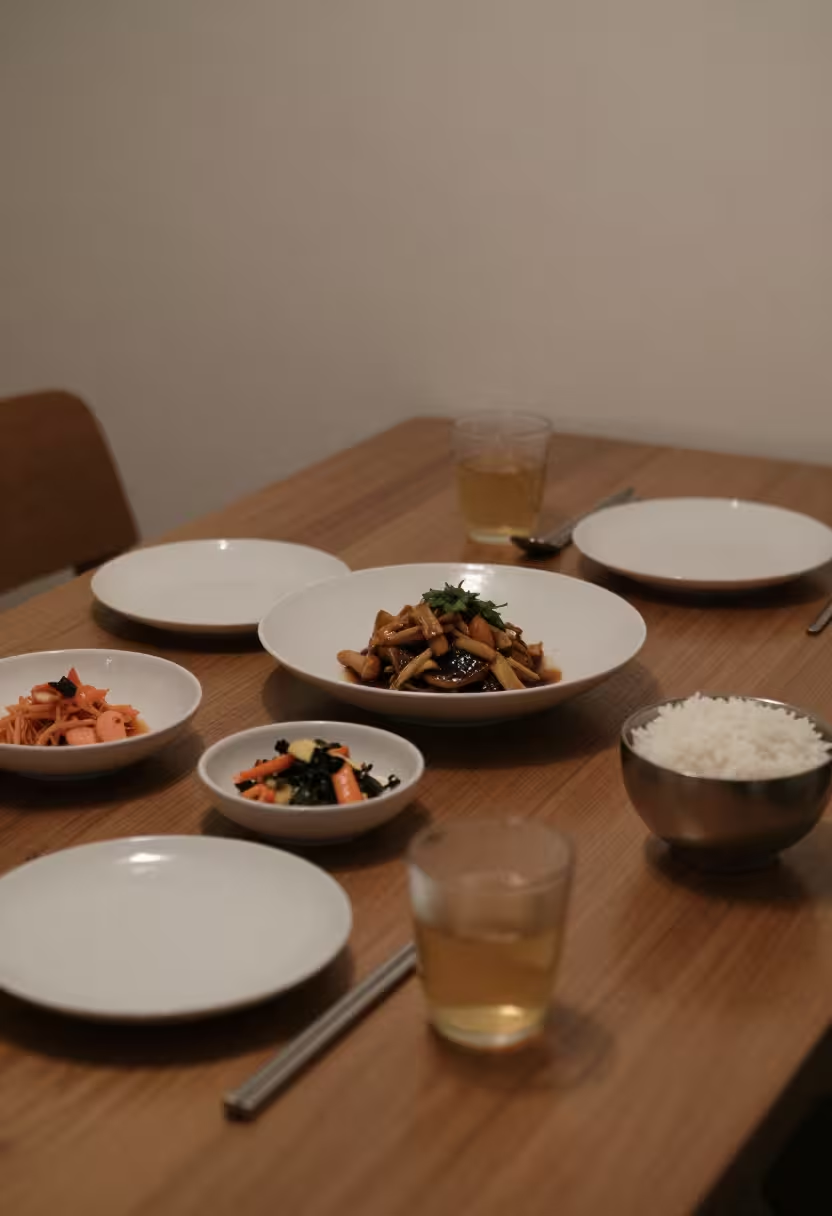
Korean restaurants tell a story of movement — of flavors traveling, adapting, and connecting people across cultures.
What makes this journey so compelling is that Korean cuisine never loses its heart. Whether served from a street cart or plated in a fine dining room, the food remains rooted in balance, care, and shared experience.
At Book of Foods, we believe the most meaningful meals are the ones that invite curiosity and connection. Korean cuisine does exactly that. It welcomes diners in, encourages them to explore boldly, and rewards them with flavors that linger long after the table is cleared.
If you’ve only scratched the surface, there’s so much more to discover. And if Korean food already feels familiar, there’s always another dish, another restaurant, another story waiting to be tasted.
Sometimes, the best way to understand the world is simply to sit down and eat.