Contents
There’s a story a lot of us know well. You’re standing in the grocery store, comparing a bag of chips to a bag of quinoa, and the math just doesn’t feel fair. The chips win — not because you want them to, but because the price tag makes the decision for you.
It’s easy to believe that eating healthy is a luxury. That organic greens and grass-fed everything are reserved for people with a different kind of bank account. But here’s the truth: that belief is costing you more than you think — both financially and physically.
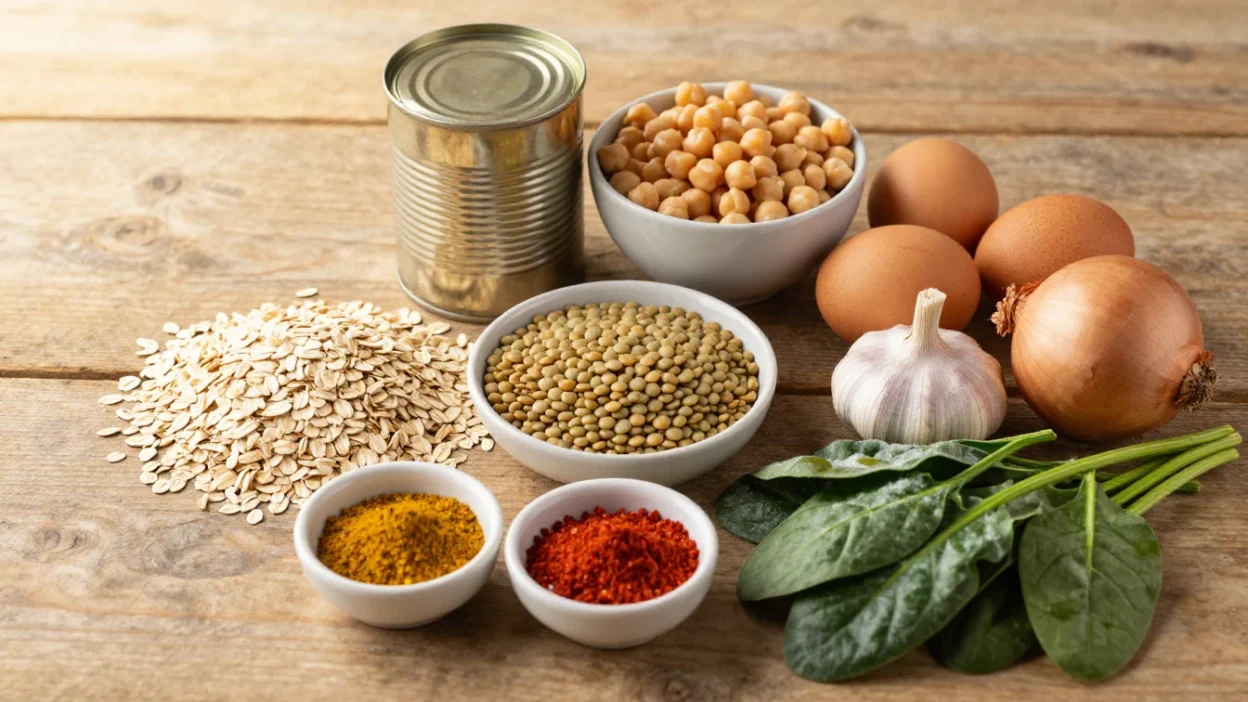
The reality? Some of the most nutritious foods on the planet are also among the cheapest. Lentils. Eggs. Oats. Frozen spinach. Canned chickpeas. These aren’t consolation prizes — they’re the building blocks of genuinely good food.
What actually makes healthy eating expensive isn’t the food itself. It’s the lack of a system. Impulse buying, food waste, convenience packaging, and no meal plan — those are what drain your wallet. Once you fix those habits, everything shifts.
This guide is practical, not preachy. No complicated macros, no expensive superfoods, no “just meal prep Sunday!” advice without actually telling you how. Just real strategies that work — whether you’re feeding yourself on a tight student budget or trying to stretch grocery money for a whole family.
Let’s get into it.
Start Before You Shop — The Power of Planning
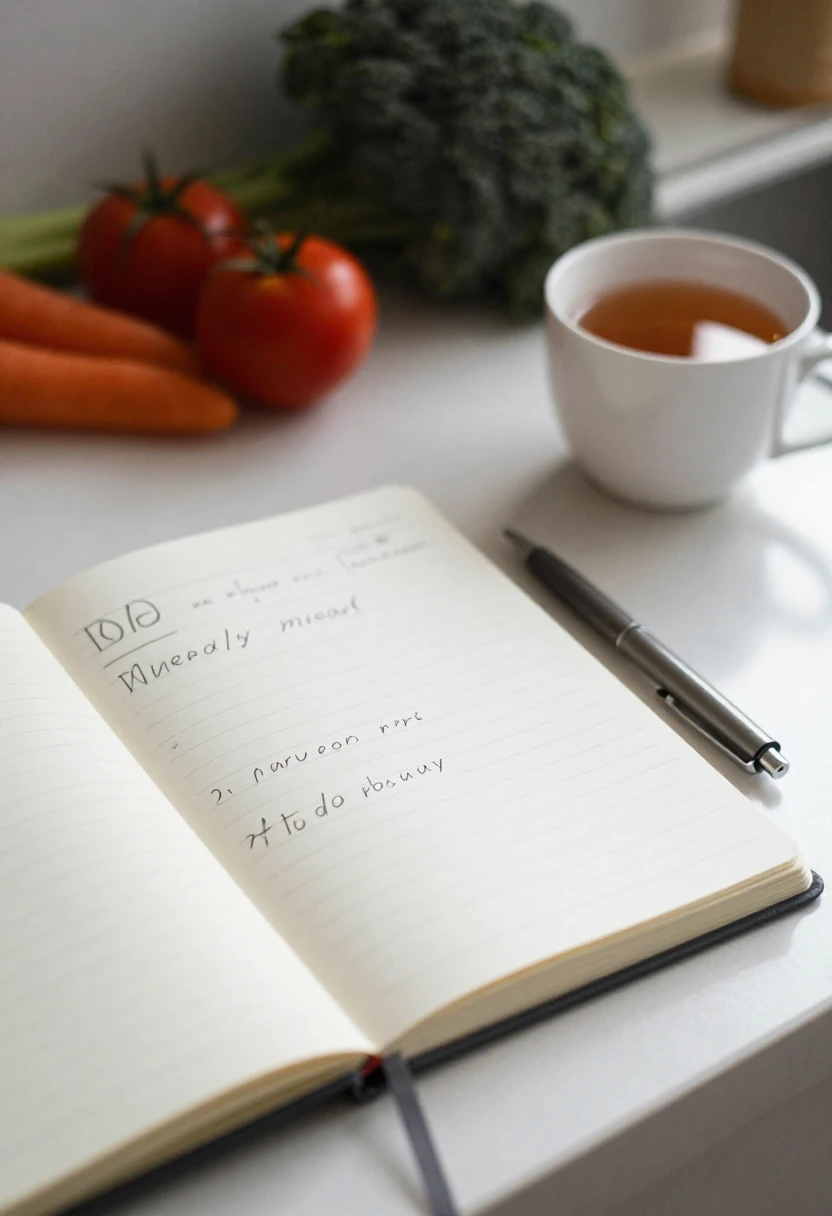
Most people lose money at the grocery store before they even walk through the door. Not because they buy the wrong things — but because they show up without a plan.
Planning doesn’t have to be complicated or time-consuming. You don’t need a color-coded spreadsheet or a Pinterest-worthy meal prep setup. You just need a few minutes of thinking before spending.
Build a Weekly Meal Plan (Even a Rough One)
You don’t need to plan every single meal down to the gram. But having a rough idea of what you’ll eat this week — even just dinners — changes everything.
Start simple:
- Pick 3–4 dinners for the week
- Choose recipes that share ingredients (a can of chickpeas used in Monday’s curry can show up again in Thursday’s salad)
- Plan one or two “use everything up” meals toward the end of the week — soups, stir-fries, and grain bowls are perfect for this
This one habit alone can cut your grocery bill significantly. When you know what you’re cooking, you only buy what you need — and you actually use it.
Take Inventory Before You Buy
Before you write a single item on your list, open your fridge, freezer, and pantry. Seriously — do it.
Most households are sitting on more food than they realize. Half a bag of red lentils. Some frozen peas. A can of tomatoes pushed to the back of the shelf. These are the beginnings of a real meal, not just clutter.
Build this week’s plan around what you already have, then fill in the gaps. You’ll be surprised how little you actually need to buy.
Make a List and Stick to It
A shopping list isn’t just a memory tool — it’s a spending boundary.
When you walk into a store without one, everything looks like a good idea. The fancy granola. The pre-marinated salmon. The three-for-two deal on something you’ll never finish. A list keeps you focused and fast.
A few tips that actually help:
- Organize your list by store section (produce, grains, dairy, etc.) so you move efficiently and avoid unnecessary aisles
- Mark “want” vs. “need” if you’re on a tight budget — it makes trade-offs easier in the moment
- If you see something not on the list, ask yourself: do I have a meal in mind for this? If not, leave it.
Planning takes maybe 15 minutes a week. But it saves you hours of stress, dozens of wasted ingredients, and a surprising amount of money over time.
Shop Smarter, Not More
Once you have a plan, the next step is learning how to actually navigate the store without getting pulled in by marketing, packaging, and clever shelf placement. Grocery stores are designed to make you spend more. Knowing that — and shopping with intention anyway — is half the battle.
Buy Seasonal and Frozen Produce
Fresh produce is one of the healthiest things you can buy. It’s also one of the fastest ways to blow your budget if you’re not paying attention.
The fix? Buy what’s in season.
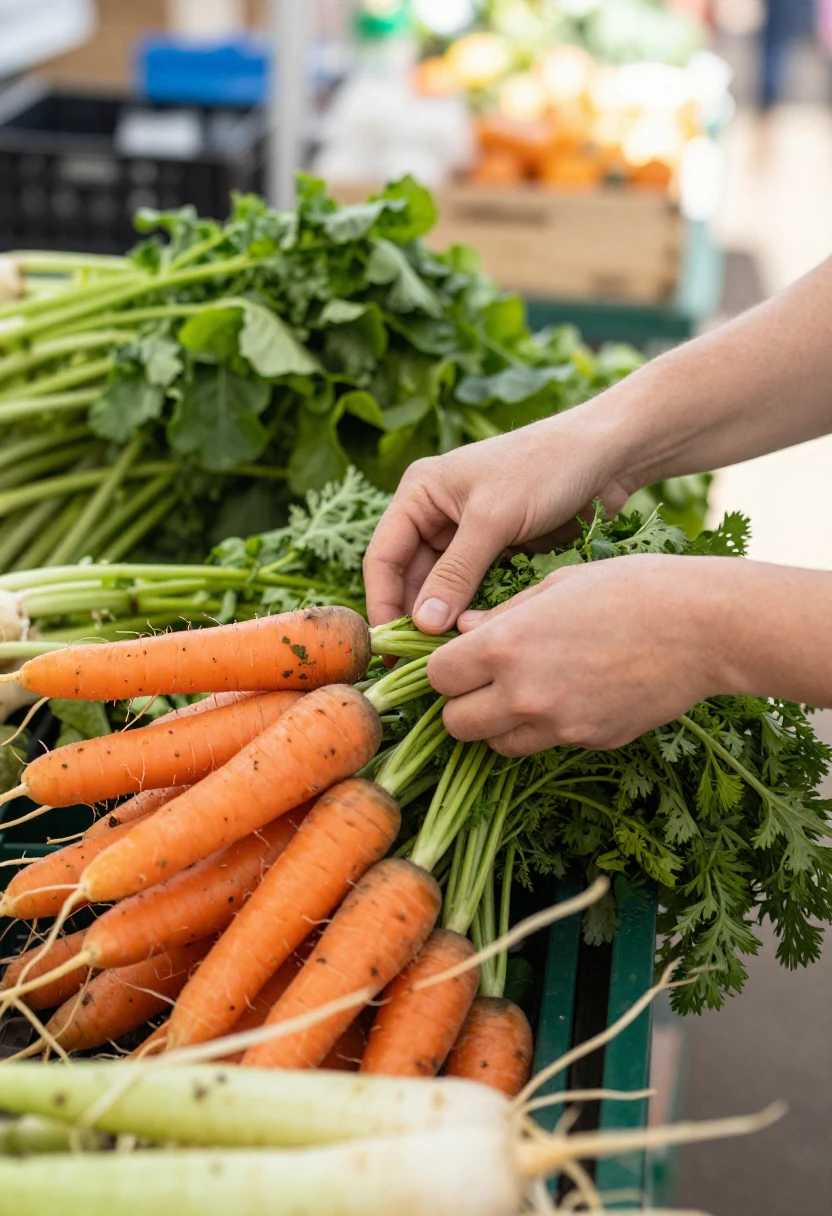
Seasonal fruits and vegetables are cheaper because they’re abundant and don’t need to travel as far. A punnet of strawberries in June costs a fraction of what it does in December. Same goes for zucchini in summer, pumpkin in autumn, and root vegetables in winter.
Not sure what’s in season where you live? A quick search for your region and current month will tell you everything. Or just look at what’s piled high and cheapest at your local market — that’s usually your answer.
And don’t underestimate frozen produce. This is one of the most underrated budget-health tools available. Frozen vegetables and fruit are picked at peak ripeness and flash-frozen immediately, which means they often retain more nutrients than fresh produce that’s been sitting in a truck for three days. Frozen spinach, peas, broccoli, mixed berries — keep these stocked and you’ll always have something nutritious on hand, even at the end of the week when your fridge looks bare.
Choose Store Brands Over Name Brands
Here’s something the food industry doesn’t advertise: store brand products are often made in the same facilities as name brands. The difference is mostly packaging and price.
For pantry staples — canned tomatoes, dried pasta, oats, flour, olive oil, canned beans — store brands are almost always just as good. Sometimes better. And they can cost 20–40% less.
Try this: next time you reach for a familiar label, pause and check the store brand sitting right next to it. Compare the ingredients. Nine times out of ten, they’re nearly identical. Put the cheaper one in your cart and don’t look back.
Use Unit Pricing to Compare Real Value
The sticker price on a product tells you almost nothing useful. What matters is the price per 100g, per litre, or per unit — and most grocery stores are legally required to display this on the shelf label.
That “bigger is cheaper” assumption? It’s not always true. Sometimes a medium-sized pack has a better unit price than the bulk option. Sometimes the sale item is still more expensive per gram than the regular alternative.
Take ten seconds to check the unit price before you grab something. It becomes second nature quickly, and the savings add up faster than you’d expect.
Don’t Shop Hungry
This one sounds obvious. It isn’t, apparently — because most of us have done it, and most of us have paid for it.
When you’re hungry, everything looks good. The pre-made sandwiches, the fancy snacks, the chocolate bar at the checkout. Your brain stops thinking about your meal plan and starts thinking about immediate relief.
Eat something before you shop. Even a small snack. Your future self — and your wallet — will thank you.
Build Your Kitchen Around Affordable Staples
The secret to eating well on a budget isn’t finding cheap versions of expensive food. It’s learning to love the foods that were never expensive to begin with.
Certain ingredients have fed families, cultures, and entire civilizations for centuries — not because people couldn’t afford better, but because these foods genuinely are better. Nutritious, filling, versatile, and kind to your wallet. Once your pantry is stocked with the right staples, putting together a healthy meal stops feeling like a challenge and starts feeling automatic.
The Budget Pantry Essentials
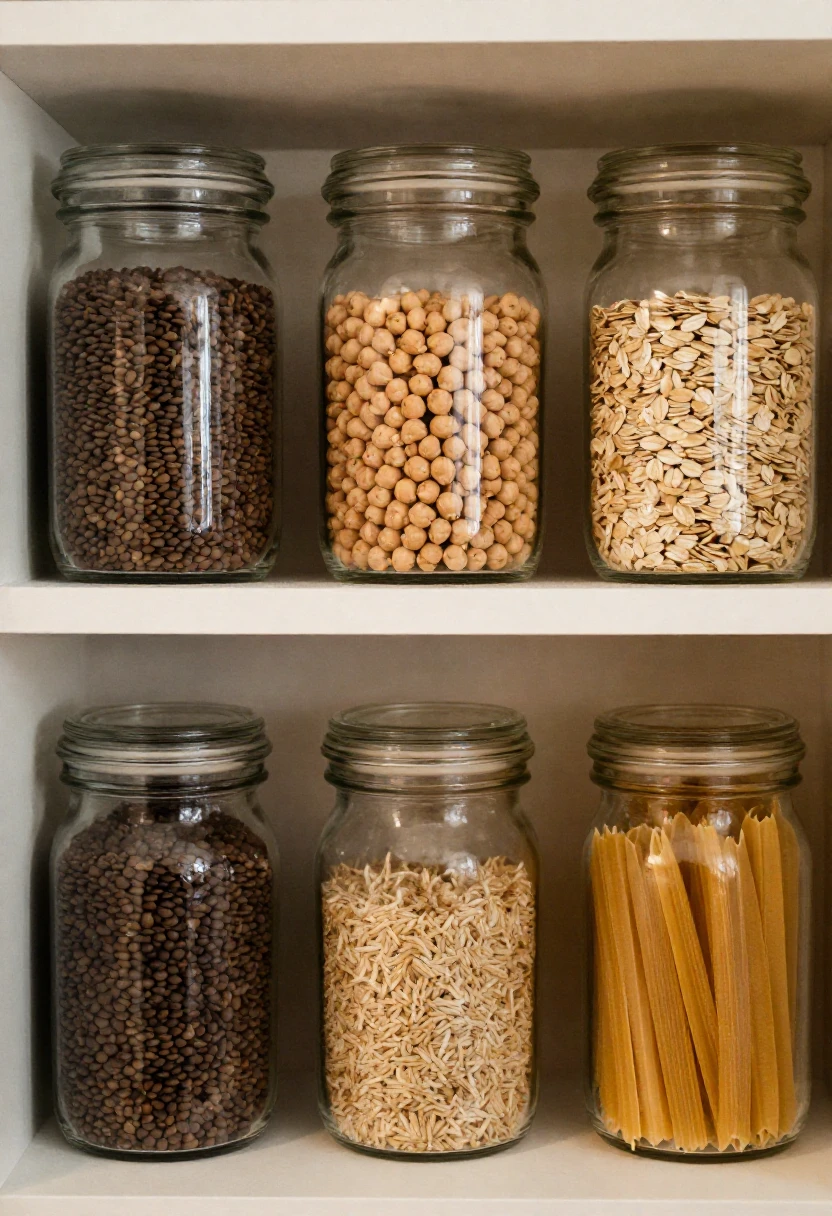
These are the ingredients worth keeping on hand at all times. They last, they’re cheap, and they form the backbone of hundreds of satisfying meals:
- Dried lentils — red, green, or brown. Cook fast, no soaking needed, packed with protein and fiber. A bag costs almost nothing and makes enough soup or dal to last days.
- Canned beans and chickpeas — endlessly versatile. Throw them into salads, soups, stews, wraps, or mash them into a quick dip. Buy dried in bulk if you want to save even more.
- Oats — the most underrated breakfast food. Cheap, filling, slow-burning energy, and genuinely good for your heart. Steel-cut or rolled, doesn’t matter much.
- Brown rice and whole grain pasta — your base for dozens of meals. More fiber and nutrients than their white counterparts, and they keep you full longer.
- Canned tomatoes — the foundation of more good meals than you can count. Sauces, stews, soups, shakshuka. Always have a few cans around.
- Eggs — affordable, complete protein, ready in minutes. Scrambled, boiled, poached, baked into things. One of the most useful ingredients in any kitchen.
- Olive oil, garlic, onions, and basic spices — these are what turn simple ingredients into food that actually tastes like something. Don’t skip them.
Stock these consistently and you’ll rarely find yourself staring at an empty kitchen with nothing to eat.
Protein Without the Price Tag
Protein is often where food budgets break down. Meat is expensive — especially good quality meat. But protein doesn’t have to come with a high price tag.
Some of the best budget-friendly protein sources:
- Eggs — already mentioned, but worth repeating. Hard to beat for cost per gram of protein.
- Lentils and beans — a cup of cooked lentils gives you around 18g of protein. Seriously.
- Canned tuna and sardines — affordable, shelf-stable, and packed with omega-3s. Sardines in particular are one of the most nutrient-dense foods you can buy for under a dollar.
- Plain Greek yogurt — higher in protein than regular yogurt, often on sale, and works as a snack, breakfast, or savory topping.
- Tofu — cheap, filling, and absorbs whatever flavors you cook it with. Crispy tofu with rice and vegetables is a genuinely satisfying meal.
- Chicken thighs — if you eat meat, thighs are significantly cheaper than breasts, more flavorful, and harder to overcook. A tray of bone-in thighs can stretch across multiple meals.
You don’t need to eliminate meat entirely. But shifting the balance — more plant-based protein during the week, meat as an occasional centerpiece rather than an everyday default — makes a real difference both financially and nutritionally.
Frozen vs. Fresh — What’s Actually Better?
Let’s settle this once and for all.
Fresh is not always superior. That’s a marketing idea, not a nutrition fact.
Fresh produce starts losing nutrients the moment it’s harvested. By the time it travels from farm to distribution center to store shelf to your fridge — sometimes days or even weeks later — it may have lost a meaningful amount of its vitamins.
Frozen produce, as mentioned earlier, is harvested at peak ripeness and frozen almost immediately. Studies consistently show that frozen fruits and vegetables retain comparable — and sometimes higher — levels of nutrients than fresh options that have been stored for several days.
The practical takeaway:
- Buy fresh for things you’ll eat within a day or two — salad greens, ripe tomatoes, stone fruit
- Buy frozen for everything else — spinach, peas, edamame, corn, berries, broccoli, green beans
- Buy canned for tomatoes, beans, chickpeas, and fish — just check the label and avoid varieties loaded with added salt or sugar
A well-stocked freezer is one of the most powerful tools a budget cook has. Use it.
Cook More, Waste Less
Here’s an uncomfortable truth: most people don’t overspend on food at the grocery store. They overspend by throwing food away.
The average household wastes a significant portion of the food it buys — produce that wilts before it’s used, leftovers that get forgotten in the back of the fridge, bread that goes stale. All of that is money you already spent, just quietly disappearing into the bin.
Cooking more intentionally and wasting less isn’t about being perfect. It’s about building a few simple habits that keep food — and money — from slipping through the cracks.
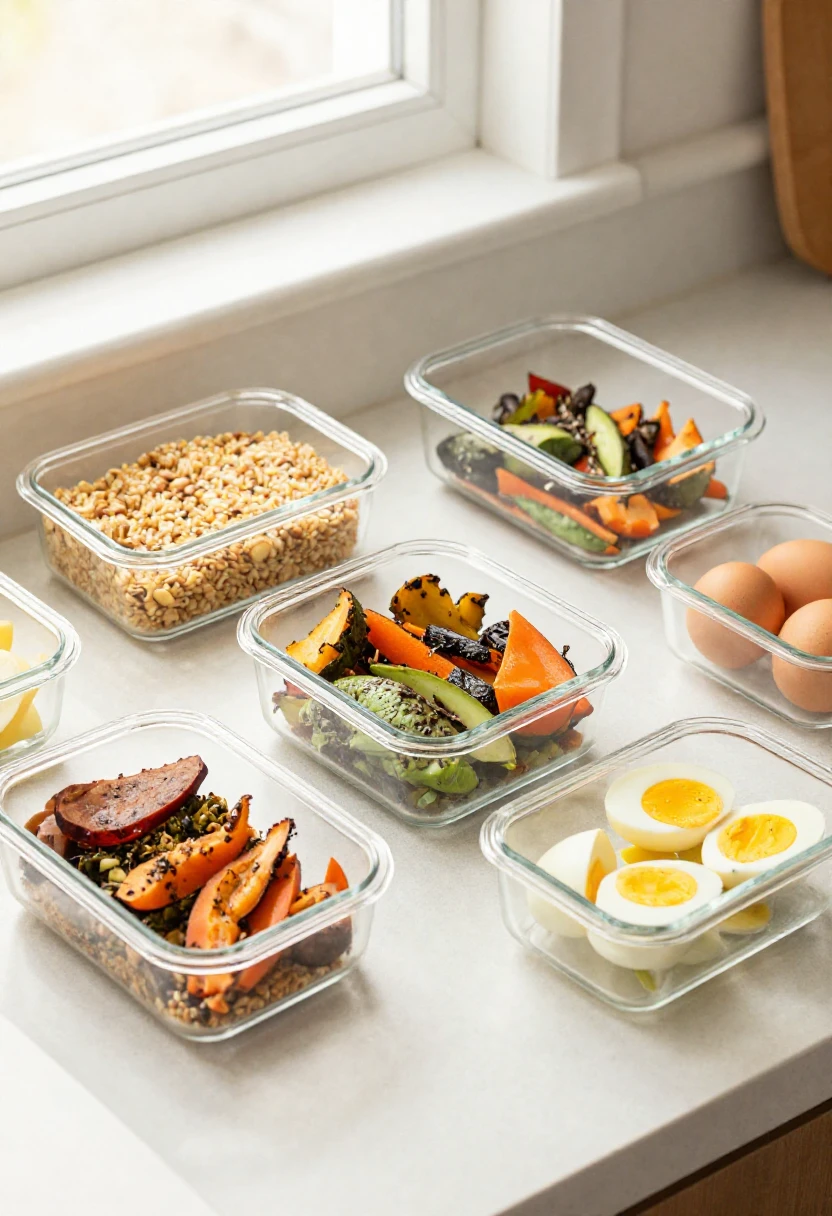
Batch Cooking and Meal Prepping
You don’t need to spend your entire Sunday in the kitchen to benefit from meal prep. Even one hour of intentional cooking can set you up for the whole week.
The idea is simple: cook once, eat multiple times.
A pot of lentil soup made on Sunday becomes lunch on Monday and Tuesday. A tray of roasted vegetables works as a side dish, gets folded into a wrap, and ends up on top of a grain bowl by Thursday. A big batch of cooked rice or quinoa sits in the fridge ready to go whenever you need it.
Some things worth batch cooking regularly:
- Grains — rice, quinoa, farro. Cook a big portion and refrigerate. Stays good for 4–5 days.
- Legumes — if you buy dried beans or lentils, cook a large batch and freeze portions for later
- Roasted vegetables — toss whatever you have with olive oil and seasoning, roast at high heat. Versatile and delicious for days
- Hard-boiled eggs — make six at a time. Ready to grab as a snack or add to any meal
- Sauces and soups — these freeze beautifully and are lifesavers on nights when you have no energy to cook
The goal isn’t rigid meal planning where every lunch is identical. It’s having components ready so that assembling a meal takes ten minutes instead of forty.
How to Use Leftovers Smartly
Leftovers have a reputation problem. People think of them as sad, repetitive, uninspired. But that’s only true if you eat them exactly as they were the first time.
Reimagine rather than reheat.
Last night’s roasted chicken becomes today’s chicken and vegetable soup. Yesterday’s rice gets fried with an egg and some soy sauce into something completely different. Leftover roasted vegetables go into an omelette, a flatbread, or a warm salad with some greens and a good dressing.
A few rules that help:
- Label and date everything you put in the fridge or freezer. You’re much more likely to use something when you can see at a glance what it is and when it was made
- Put leftovers at eye level in the fridge, not pushed to the back where they’ll be forgotten
- Plan a “fridge clean-out” meal once a week — usually Thursday or Friday works well, right before a new shop. Soups, stir-fries, frittatas, and grain bowls are all perfect vehicles for using up odds and ends
Freeze Before It Goes Bad
Your freezer is not just for ice cream and forgotten peas. It’s a preservation tool — and most people massively underuse it.
The moment you notice something is about to turn, freeze it. Don’t wait until it’s gone bad and you feel guilty throwing it away. Act early.
Things that freeze better than most people realize:
- Bread and wraps — slice before freezing and pull out individual pieces as needed
- Bananas — peel them first. Frozen bananas are perfect for smoothies and baking
- Fresh herbs — chop and freeze in olive oil in an ice cube tray. Ready to drop straight into a pan
- Cooked grains and legumes — freeze in portion-sized bags for incredibly quick weeknight meals
- Tomato paste — most recipes only use a tablespoon or two. Freeze the rest in small portions instead of letting the can go moldy in the fridge
- Meat — if you buy in bulk when it’s on sale, portion and freeze immediately. This alone can save a significant amount over the course of a month
Think of your freezer as a personal food bank. Stock it when prices are good or when you have surplus, draw from it when you’re short on time or money.
Cut the Hidden Costs
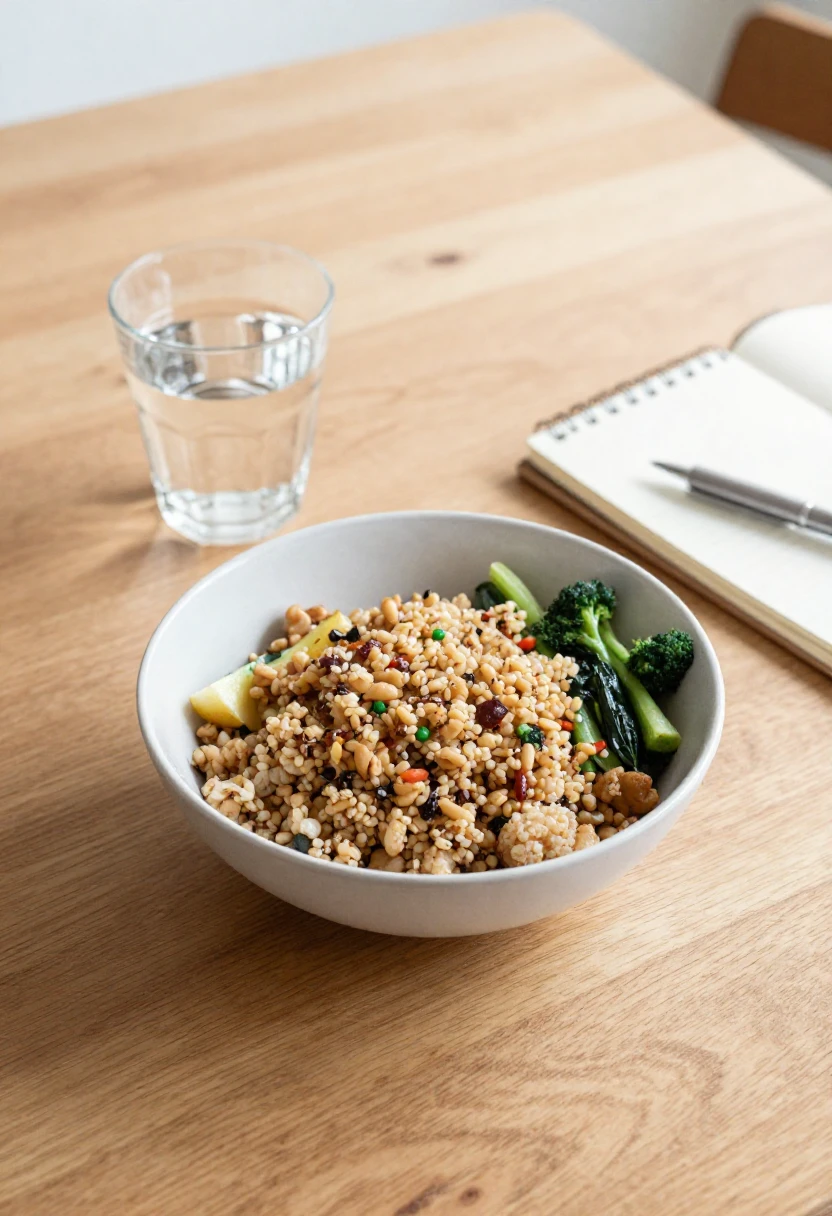
You can plan perfectly, shop smartly, and stock your pantry with all the right staples — and still overspend on food. Because some of the biggest budget leaks aren’t at the grocery store at all. They’re in the small, daily decisions that feel harmless in the moment but quietly add up to a significant amount over the course of a month.
These are the hidden costs. And once you see them, you can’t unsee them.
Eating Out Less (Without Feeling Deprived)
Nobody wants to hear “just stop eating out.” That advice ignores the fact that food is social, emotional, and genuinely enjoyable — and that sometimes a restaurant meal or a takeaway coffee is exactly what you need.
The goal isn’t elimination. It’s intention.
The problem isn’t the occasional dinner out with friends or the Friday night pizza. It’s the unconscious spending — the grabbed lunch because you didn’t bring anything, the third coffee of the day, the takeaway order because you’re tired and there’s nothing ready at home.
That’s where meal prep quietly saves you. When you have something good waiting in the fridge, the impulse to order delivery drops significantly. You’re not making a virtuous choice — you’re just taking the path of least resistance, which happens to be the cheaper one.
A few small shifts that make a real difference:
- Bring lunch to work even just three days a week — the savings over a month are more than most people expect
- Make coffee at home most mornings and treat the café version as an occasional pleasure rather than a daily default
- Keep a “lazy meal” option always ready — something quick and satisfying for nights when cooking feels impossible. A can of good soup, eggs and toast, a grain bowl from prepped components. Anything that beats the delivery app in speed and cost.
You don’t have to give up restaurants. Just make them a choice, not a fallback.
Ditching Processed Snacks and Convenience Foods
Walk through any supermarket and you’ll notice something: the most heavily marketed, most attractively packaged products are almost always the least nutritious and the most expensive per serving.
Pre-cut vegetables. Individual portion snack packs. Flavored instant oatmeal. Bottled smoothies. Protein bars. These things aren’t evil — but they come with a serious price premium for the convenience they offer, and that convenience is often something you could replicate yourself in five minutes.
Compare the cost of a single-serve flavored yogurt to a large tub of plain Greek yogurt with a drizzle of honey and some frozen berries stirred in. The homemade version is cheaper, less sugary, and honestly more satisfying.
The more processed and packaged something is, the more you’re paying for the packaging and marketing — not the actual food inside.
This doesn’t mean you need to make everything from scratch. It means being selective about which convenience you’re paying for and which ones aren’t worth it.
A good rule of thumb: buy ingredients, not products. The more a food has been assembled, portioned, and wrapped for you, the more it costs relative to its nutritional value.
One Meatless Day a Week
This one is simple, flexible, and surprisingly impactful.
Meat — especially beef and lamb — is consistently one of the most expensive items in any grocery basket. Even one day a week without it can noticeably reduce your food bill over the course of a month. Multiply that over a year and the number gets genuinely significant.
But beyond the budget argument, there’s a culinary one: plant-based meals are not a compromise. A well-made lentil dal, a hearty chickpea stew, a smoky black bean taco, a creamy pasta with white beans and spinach — these are satisfying, flavorful meals that don’t leave you looking around for something more.
If the idea of a fully meatless day feels like too big a shift, start smaller:
- Make meat a supporting ingredient rather than the centerpiece — a small amount of chicken in a big vegetable stir-fry, for instance
- Try one meatless dinner per week and build from there
- Explore cuisines that naturally center plant-based cooking — Indian, Middle Eastern, and Mexican food all offer incredible options that happen to be budget-friendly
Once you find two or three plant-based meals you genuinely love, this stops feeling like a sacrifice and starts feeling like just another part of how you eat.
Sample Budget-Friendly Day of Eating
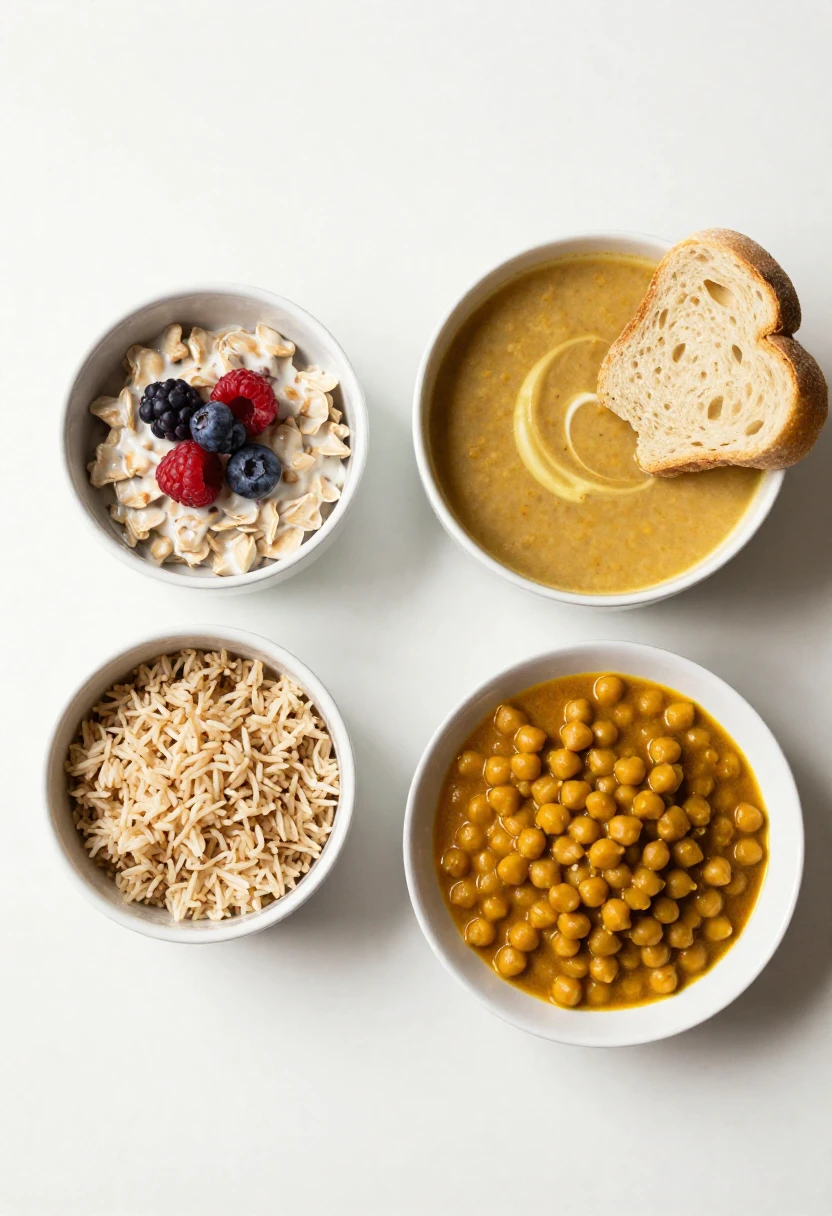
All the planning and strategy in the world means nothing if you can’t picture what it actually looks like on a plate. So here’s a real, practical, genuinely enjoyable day of eating — built around affordable ingredients, balanced nutrition, and food that actually tastes good.
No exotic superfoods. No expensive supplements. Just honest, satisfying meals that won’t break the bank.
Breakfast — Overnight Oats with Frozen Berries
Cost: under €1
The night before, combine:
- ½ cup rolled oats
- ½ cup milk of your choice (dairy or plant-based)
- A spoonful of plain yogurt
- A drizzle of honey or a mashed banana for sweetness
Cover and leave in the fridge overnight. In the morning, top with a handful of frozen berries — they’ll thaw by the time you’re ready to eat — and a sprinkle of seeds or nuts if you have them.
It takes three minutes to prepare the night before. It requires zero effort in the morning. And it keeps you full for hours because oats digest slowly and the protein from the yogurt helps stabilize your energy.
Nutritional wins: fiber, slow-release carbohydrates, antioxidants from the berries, protein from the yogurt.
Lunch — Lentil and Vegetable Soup with Bread
Cost: €1.50–€2 per serving
Make a big pot at the start of the week and eat it for several lunches. This is batch cooking working exactly as it should.
The base:
- Red lentils — they dissolve into a thick, creamy texture without any blending
- Canned tomatoes
- One onion, two cloves of garlic, a carrot, whatever vegetables you have
- Cumin, smoked paprika, a little chili if you like heat
- A squeeze of lemon at the end — this makes a bigger difference than you’d expect
Serve with a slice of whole grain bread or a warm flatbread. The combination of lentils and bread gives you a complete protein profile, which matters especially if you’re eating less meat.
This soup is better on day two. And day three. It’s the kind of meal that rewards you for making too much of it.
Nutritional wins: plant-based protein, iron, fiber, complex carbohydrates, lycopene from the tomatoes.
Snack — Hard-Boiled Egg and a Piece of Fruit
Cost: under €0.50
Simple. Quick. Genuinely effective at holding you over until dinner without reaching for something processed.
A hard-boiled egg takes ten minutes to make and keeps in the fridge for up to a week. Pair it with an apple, a banana, or whatever fruit is in season and cheap right now. That combination of protein, fat, and natural sugar is one of the most balanced snacks you can eat.
No packaging. No ingredient list you need a chemistry degree to understand. Just food.
Dinner — Chickpea and Spinach Curry with Brown Rice
Cost: €1.50–€2 per serving
This is the kind of meal that converts people. Genuinely flavorful, deeply satisfying, and built almost entirely from pantry staples.
What you need:
- One can of chickpeas, drained
- One can of chopped tomatoes
- A large handful of frozen spinach
- One onion, garlic, fresh or powdered ginger
- Spices: cumin, coriander, turmeric, garam masala
- A splash of coconut milk if you have it — adds richness without much cost
- Cooked brown rice to serve
Sauté the onion and garlic until soft and golden. Add the spices and let them bloom in the oil for thirty seconds — this is the step most people skip and it makes all the difference. Add tomatoes, chickpeas, spinach, and simmer for fifteen to twenty minutes. Taste, adjust seasoning, serve over rice.
Total cooking time: about 25 minutes. Total cost for two generous servings: around €3–4.
Nutritional wins: plant-based protein, iron, folate from the spinach, fiber, anti-inflammatory compounds from the turmeric and spices.
Daily Total: approximately €4–5 for a full day of nutritious, satisfying meals
That’s not a compromise. That’s not deprivation. That’s real food, cooked with intention, that happens to cost very little.
The point of this example isn’t to give you a rigid plan to follow. It’s to show you that the gap between “eating healthy” and “eating on a budget” is much smaller than most people think. In fact, for these kinds of meals, they’re the same thing.
Conclusion
Eating healthy on a budget isn’t about sacrifice. It’s not about eating bland food, skipping meals you enjoy, or spending your weekends chained to a kitchen. It’s about making smarter decisions with what you already have — and building habits that quietly work in your favor every single week.
The tools are straightforward: plan before you shop, stock your pantry with real staples, cook in batches, waste less, and pay attention to where the hidden costs are sneaking in. None of these things require a big investment of money or time. They just require a little intention.
And the payoff is real — not just financially, but physically. When you build your meals around whole grains, legumes, eggs, seasonal produce, and good spices, you’re not eating “budget food.” You’re eating the way nutritionists have recommended for decades. It turns out that the most affordable ingredients are often the most nourishing ones.
Start small. Pick one habit from this guide and try it this week. Maybe it’s writing a meal plan on Sunday evening. Maybe it’s swapping one takeaway lunch for something you made at home. Maybe it’s finally using that bag of lentils sitting in your cupboard.
Small changes stack. And before long, eating well on a budget stops feeling like a strategy — it just feels like the way you eat.
Frequently Asked Questions
Q: Is it really possible to eat healthy on a very tight budget? Absolutely. Some of the most nutritious foods available — lentils, oats, eggs, canned beans, frozen vegetables, brown rice — are also among the cheapest. The key is building your meals around these staples rather than treating them as a last resort.
Q: How much should I realistically budget for healthy food per day? With good planning, it’s very possible to eat three balanced, satisfying meals for €4–6 per day. The sample day in this article comes in at around €4–5, including breakfast, lunch, a snack, and dinner. Costs will vary depending on your location and household size, but the principle holds: whole, unprocessed ingredients are almost always cheaper per serving than convenience food.
Q: What’s the single most impactful change I can make right away? Start meal planning — even roughly. Knowing what you’re going to cook before you shop eliminates impulse buying, reduces food waste, and ensures you actually use what you buy. It takes fifteen minutes and consistently makes a bigger difference than any other single habit.
Q: Are frozen vegetables actually healthy, or is fresh always better? Frozen vegetables are genuinely nutritious — often comparable to or better than fresh produce that’s been stored for several days. They’re picked at peak ripeness and frozen quickly, which preserves their vitamins and minerals well. For everyday cooking, frozen spinach, peas, broccoli, and mixed vegetables are excellent choices that are both affordable and reliable.