
Contents
- The Appeal of “Complete Weight Loss Packages”
- Save
- What Is an HCG Diet Package?
- The Original Idea Behind the HCG Diet
- What These Packages Usually Promise
- The Extremely Low-Calorie Diet Behind the Program
- The Extremely Low-Calorie Diet Behind the Program
- What Science Actually Says About HCG
- The Marketing Strategy Behind HCG Packages
- Why People Still Try HCG Diet Programs
- Warning Signs of a Misleading Weight-Loss Program
- Healthier Ways to Approach Weight Loss
The Appeal of “Complete Weight Loss Packages”

In the world of modern dieting, programs that promise a complete solution often attract the most attention. Many people are not simply looking for a single supplement or a new meal plan. They are searching for a structured system that claims to guide them through every step of the weight-loss process. This desire for clarity and simplicity helps explain why HCG diet packages have become a recurring topic in wellness discussions.
Unlike standalone supplements, these packages are usually presented as comprehensive programs. They often combine HCG drops or injections with strict meal plans, supplement recommendations, and sometimes coaching or consultation services. The idea is that by following a complete system rather than isolated advice, participants can achieve faster and more dramatic results.
For someone frustrated by slow progress or confusing nutritional information, the promise of a ready-made solution can feel reassuring. Everything appears organized in advance: what to eat, how much to eat, when to take supplements, and how long the program should last. In theory, this structure removes guesswork and replaces it with a clear path toward rapid transformation.
However, the appeal of a complete package does not automatically guarantee that the approach is effective or safe.
Many HCG diet programs rely on extremely low-calorie eating plans and claims about hormonal fat burning that remain controversial in the scientific community. While participants may experience quick changes on the scale, questions continue to arise about the role of the hormone itself, the sustainability of the diet, and the potential health risks involved.
Understanding what HCG diet packages actually include — and how their promises compare with scientific evidence — is an important step for anyone considering such programs.
In this article, we will explore how these packages are structured, what benefits they claim to provide, what research says about HCG and weight loss, and why experts encourage a careful, informed approach before committing to programs that promise rapid results.
What Is an HCG Diet Package?

An HCG diet package is typically marketed as a complete weight-loss system rather than a single product. Instead of simply selling drops or injections, many companies bundle several elements together and present them as an organized program designed to guide participants through a structured dieting process.
Most HCG packages include some form of HCG supplement, which may appear as injections, drops, pellets, or sprays. These products are usually taken daily according to a schedule provided in the program guidelines. In many cases, the drops or sprays are labeled as homeopathic products, meaning they may contain extremely diluted ingredients rather than clinically active doses of the hormone.
Alongside the supplement, the package often provides a strict dietary protocol.
Participants are typically instructed to follow a very low-calorie meal plan that limits daily intake to around 500–800 calories. The list of approved foods is usually narrow and may include lean protein, certain vegetables, and small portions of fruit. Sugar, oils, grains, and most processed foods are often excluded during the main phase of the program.
Some packages also include additional components meant to reinforce the feeling of a complete system. These may involve:
- printed or digital meal plans
- supplement guides
- detox or vitamin products
- online coaching or consultation services
- progress tracking tools
From a marketing perspective, this structure creates the impression that the package offers a carefully designed pathway to rapid weight loss. Instead of leaving participants to figure out dieting on their own, the program provides detailed instructions that appear scientific and organized.
However, it is important to recognize that the diet itself plays the largest role in the results people experience.
When calorie intake drops to extremely low levels, weight loss often occurs regardless of whether a hormone supplement is included. This distinction is important because it raises questions about whether the HCG component contributes meaningfully to the outcome or simply accompanies the restrictive eating plan.
To better understand where these programs originated, it helps to look at the historical idea that first connected HCG with weight loss.
The Original Idea Behind the HCG Diet

The concept behind HCG diet packages originates from a theory developed in the mid-twentieth century. In the 1950s, British physician Dr. Albert Simeons proposed that the hormone human chorionic gonadotropin (HCG) could help the body release stored fat while following a very low-calorie diet.
HCG is a hormone naturally produced during pregnancy. In medical practice, it plays a role in supporting early pregnancy and is sometimes used in fertility treatments. Dr. Simeons believed that this hormone might also influence how the body mobilizes fat reserves.
According to his theory, HCG could help the body access what he described as “abnormal fat stores.” These fat reserves, often associated with areas such as the hips, abdomen, and thighs, were thought to be resistant to traditional dieting. Simeons suggested that when HCG injections were combined with a very restrictive diet, the hormone would signal the body to release these fat stores for energy.
This idea created a compelling narrative.
Participants were told that the hormone would help them lose fat while reducing hunger and protecting muscle tissue. Because the body would supposedly draw energy from stored fat, the extremely low-calorie diet would feel easier to tolerate.
The concept quickly gained attention and began spreading through clinics offering HCG injections alongside structured meal plans. Over time, as interest in rapid weight-loss programs grew, the approach evolved beyond medical settings. Commercial products such as HCG drops and packaged dieting systems emerged, making the method widely accessible through online stores and wellness programs.
However, the scientific foundation of this theory has been questioned for decades.
Later research examining HCG and weight loss has not confirmed the hormone’s ability to significantly influence fat metabolism or appetite control in the way early proponents described. Despite this, the original narrative remains central to how HCG diet packages are promoted today.
Understanding this historical background helps explain why the programs continue to promise dramatic results.
What These Packages Usually Promise

HCG diet packages are often marketed with ambitious claims designed to capture attention quickly. Promotional materials typically present the program as more than just another dieting method. Instead, they frame it as a carefully designed system that can accelerate fat loss while making the process easier than traditional calorie restriction.
One of the most common promises is rapid weight loss.
Advertisements frequently suggest that participants may lose significant amounts of weight within a few weeks. This message appeals strongly to individuals who have struggled with slower dieting approaches and are hoping for faster, more visible progress.
Another widely promoted benefit involves reduced hunger.
Supporters of the program often claim that HCG helps suppress appetite signals. According to this explanation, the hormone allows the body to rely on stored fat for energy, making it possible to consume far fewer calories without experiencing intense cravings. This promise is particularly appealing because hunger is one of the main reasons restrictive diets become difficult to maintain.
Many HCG diet packages also suggest that the program can reshape body fat distribution.
Marketing language sometimes implies that the hormone encourages the body to target stubborn fat deposits, especially in areas that many people find resistant to traditional dieting. This idea reinforces the belief that the program offers a more precise and efficient way to lose fat.
Another recurring theme is the concept of a “metabolic reset.”
Some packages claim that the program helps restore the body’s natural metabolism, allowing it to burn fat more effectively even after the diet ends. This narrative can make the program appear not only as a short-term solution but also as a way to improve long-term weight management.
When these promises are combined, they create a powerful message: a structured program that claims to accelerate fat loss, reduce hunger, and produce dramatic changes within a short period of time.
However, understanding the diet itself is essential before evaluating these claims.
The Extremely Low-Calorie Diet Behind the Program

At the core of most HCG diet packages lies an eating plan that is far more restrictive than many people initially realize. While the marketing often highlights the hormone component, the program itself revolves around an extremely low-calorie diet, which is typically the primary driver of the weight loss people experience.
During the main phase of the program, daily food intake is usually limited to about 500 to 800 calories. For most adults, this amount is dramatically lower than what the body requires to support normal metabolic activity, physical movement, and organ function.
To maintain this low intake, the diet usually includes a very narrow list of approved foods.
Participants are often instructed to eat small portions of lean protein such as chicken or fish, along with certain vegetables like spinach, lettuce, cucumbers, or tomatoes. Small servings of fruit may also be allowed. At the same time, foods containing fats, sugars, grains, or processed ingredients are typically excluded from the plan.
Meals are carefully structured and portion sizes remain very small.
For example, a typical day might consist of two small meals that include a measured serving of lean protein, a vegetable portion, and occasionally a piece of fruit. Cooking methods are usually limited to grilling, steaming, or boiling, and even small additions such as oils or sauces are discouraged.
Under these conditions, rapid weight loss is not surprising.
When calorie intake drops so dramatically, the body must rely on stored energy to continue functioning. Glycogen reserves are depleted quickly, which often leads to an initial loss of water weight. As the diet continues, the body may begin breaking down both fat and muscle tissue to supply additional energy.
Because the diet is so restrictive, the results can appear dramatic in the short term. However, this also raises an important question about the role of the hormone component within the program.
If the calorie restriction alone is capable of producing significant weight loss, it becomes necessary to examine whether HCG actually contributes anything meaningful to the process.
The Extremely Low-Calorie Diet Behind the Program

At the core of most HCG diet packages lies an eating plan that is far more restrictive than many people initially realize. While the marketing often highlights the hormone component, the program itself revolves around an extremely low-calorie diet, which is typically the primary driver of the weight loss people experience.
During the main phase of the program, daily food intake is usually limited to about 500 to 800 calories. For most adults, this amount is dramatically lower than what the body requires to support normal metabolic activity, physical movement, and organ function.
To maintain this low intake, the diet usually includes a very narrow list of approved foods.
Participants are often instructed to eat small portions of lean protein such as chicken or fish, along with certain vegetables like spinach, lettuce, cucumbers, or tomatoes. Small servings of fruit may also be allowed. At the same time, foods containing fats, sugars, grains, or processed ingredients are typically excluded from the plan.
Meals are carefully structured and portion sizes remain very small.
For example, a typical day might consist of two small meals that include a measured serving of lean protein, a vegetable portion, and occasionally a piece of fruit. Cooking methods are usually limited to grilling, steaming, or boiling, and even small additions such as oils or sauces are discouraged.
Under these conditions, rapid weight loss is not surprising.
When calorie intake drops so dramatically, the body must rely on stored energy to continue functioning. Glycogen reserves are depleted quickly, which often leads to an initial loss of water weight. As the diet continues, the body may begin breaking down both fat and muscle tissue to supply additional energy.
Because the diet is so restrictive, the results can appear dramatic in the short term. However, this also raises an important question about the role of the hormone component within the program.
If the calorie restriction alone is capable of producing significant weight loss, it becomes necessary to examine whether HCG actually contributes anything meaningful to the process.
What Science Actually Says About HCG

Because the HCG diet has been widely discussed for decades, researchers have repeatedly examined whether the hormone itself plays a meaningful role in weight loss. The central question has remained the same: does HCG actually enhance fat loss beyond what would normally occur with severe calorie restriction?
To answer this, several clinical studies have compared individuals following the HCG diet while receiving the hormone with those following the same diet while receiving a placebo. In these controlled experiments, both groups consume similarly restricted calories, allowing researchers to observe whether the hormone produces any additional effects.
The results have been remarkably consistent.
Most studies have found no significant difference in weight loss between participants using HCG and those receiving a placebo. Hunger levels, body composition changes, and overall outcomes also appear similar when both groups follow the same low-calorie eating plan.
These findings suggest that the weight loss associated with HCG programs is largely explained by the extreme calorie restriction, not the hormone itself.
Researchers have also examined the claim that HCG protects muscle tissue while encouraging the body to burn fat. Evidence supporting this idea is limited. When calorie intake drops dramatically, the body typically uses a combination of stored fat and lean tissue for energy unless nutritional intake is carefully balanced.
Because of these findings, many medical organizations and health authorities conclude that HCG does not provide a unique advantage for weight loss.
This scientific perspective does not necessarily diminish the rapid weight loss that people sometimes experience during HCG programs. Instead, it clarifies that the results are most likely driven by the restrictive diet rather than by the hormone component promoted in many diet packages.
Understanding this distinction is important because it shifts attention toward how these programs are marketed and why they can appear so convincing.
The Marketing Strategy Behind HCG Packages

One of the reasons HCG diet packages continue to attract attention is the way they are presented as complete transformation systems rather than simple dieting tools. Instead of promoting a single supplement, many programs combine several elements into a structured package that appears carefully designed to guide participants through every stage of the weight-loss process.
From a marketing perspective, this approach is highly effective.
When people encounter a product that promises not only supplements but also meal plans, instructions, and progress tracking, it creates the impression that the program is more sophisticated and scientifically organized than typical dieting advice. The package format suggests that every step has already been planned, which can make the program feel easier to follow.
Many HCG diet packages are also framed as all-in-one solutions.
They often include components such as HCG drops or injections, detailed diet protocols, supplement recommendations, and sometimes coaching or consultation services. By combining these elements, the program appears comprehensive and supportive, reinforcing the idea that participants are receiving a complete weight-loss system rather than a single product.
Another common marketing strategy involves emphasizing simplicity and structure.
Strict rules about which foods to eat, how much to consume, and when to take supplements can reduce the number of decisions participants need to make each day. For individuals who feel overwhelmed by conflicting nutritional advice, this level of structure can be appealing because it replaces uncertainty with a clear plan.
Testimonials and transformation stories also play an important role.
Before-and-after photos, personal success narratives, and dramatic weight-loss claims are frequently used to illustrate the program’s potential results. These stories often highlight rapid changes within a short period of time, reinforcing the perception that the package offers an unusually effective solution.
However, the persuasive power of these marketing strategies can sometimes overshadow the underlying reality of the program.
When the structure and presentation are examined more closely, the central element driving weight loss often remains the extremely restrictive diet rather than the supplement or package itself.
Understanding this marketing framework helps explain why HCG diet programs continue to attract interest despite ongoing scientific debate.
Why People Still Try HCG Diet Programs

Despite ongoing scientific debate and medical warnings, HCG diet programs continue to attract participants. Understanding why requires looking beyond the technical details of the diet and considering the emotional and psychological factors that often shape weight-loss decisions.
For many people, the appeal begins with the promise of rapid results.
Weight loss can be a slow and sometimes discouraging process. When progress feels minimal after weeks or months of effort, the idea of a program that promises noticeable change within a short time can feel extremely motivating. HCG diet packages frequently highlight dramatic transformations that appear to occur in just a few weeks, which can capture attention quickly.
Another important factor is the sense of structure and certainty these programs offer.
Many individuals find dieting challenging because it involves constant decisions about what to eat, how much to eat, and when to eat. Highly structured programs remove much of this uncertainty by providing strict rules and detailed instructions. For some participants, following a clear set of guidelines can feel easier than navigating flexible eating plans.
Social influence also plays a significant role.
Testimonials, before-and-after photos, and personal success stories often circulate online and on social media. Seeing visible results in others can make the program appear credible and achievable. These stories may not always reflect the full context of the diet or its long-term outcomes, but they can still have a strong impact on perception.
Marketing language further reinforces this appeal.
Terms such as “metabolic reset,” “fat-burning hormone,” and “complete transformation system” create the impression that the program is supported by advanced science. Even when the evidence behind these claims is limited, the terminology can make the approach sound sophisticated and convincing.
Finally, the emotional dimension should not be overlooked.
People often turn to new diet programs during moments of frustration or when they feel stuck in their health journey. In those situations, the promise of a clear and decisive solution can provide a sense of hope.
Recognizing these motivations helps explain why HCG diet programs continue to gain attention. However, understanding the warning signs of potentially misleading weight-loss systems can help individuals evaluate such programs more critically.
Warning Signs of a Misleading Weight-Loss Program

In a marketplace filled with supplements, diet plans, and transformation programs, it can sometimes be difficult to distinguish between credible health guidance and persuasive marketing. Recognizing a few common warning signs can help individuals evaluate whether a weight-loss program deserves closer scrutiny.
One of the most noticeable red flags is the promise of extremely rapid results.
Programs that suggest dramatic weight loss within a very short period often rely on severe calorie restriction or unrealistic expectations. While quick changes on the scale can occur under extreme conditions, such results are rarely sustainable and may place unnecessary strain on the body.
Another warning sign is the use of vague scientific language.
Terms such as “metabolic reset,” “fat-burning hormone activation,” or “secret fat-loss formula” may sound convincing, but they often lack clear scientific meaning. Reliable health information typically explains how a process works in measurable and verifiable terms rather than relying on abstract or mysterious concepts.
Programs that promote a single ingredient as the key to weight loss should also be approached carefully.
Human metabolism is complex, and lasting weight management usually involves multiple factors, including nutrition, physical activity, sleep, and lifestyle habits. Claims that one supplement or hormone alone can dramatically transform the body often oversimplify this process.
Another indicator involves the structure of the program itself.
If the plan requires extremely low calorie intake or eliminates large groups of foods without clear medical justification, the results may come primarily from restriction rather than from the product being sold.
Price and packaging can sometimes offer additional clues.
Some programs are marketed as exclusive packages that combine supplements, special meal plans, and coaching services at a high cost. While comprehensive programs can be valuable in certain contexts, expensive packages that promise rapid transformation should be evaluated carefully.
Finally, credible health programs usually encourage professional guidance and transparency.
When a product discourages consultation with healthcare professionals or relies heavily on testimonials instead of research, it may be wise to investigate further before committing.
Understanding these warning signs can help people approach weight-loss programs with a more informed perspective. Instead of focusing solely on promises of rapid change, it becomes easier to consider approaches that support both health and long-term sustainability.
Healthier Ways to Approach Weight Loss
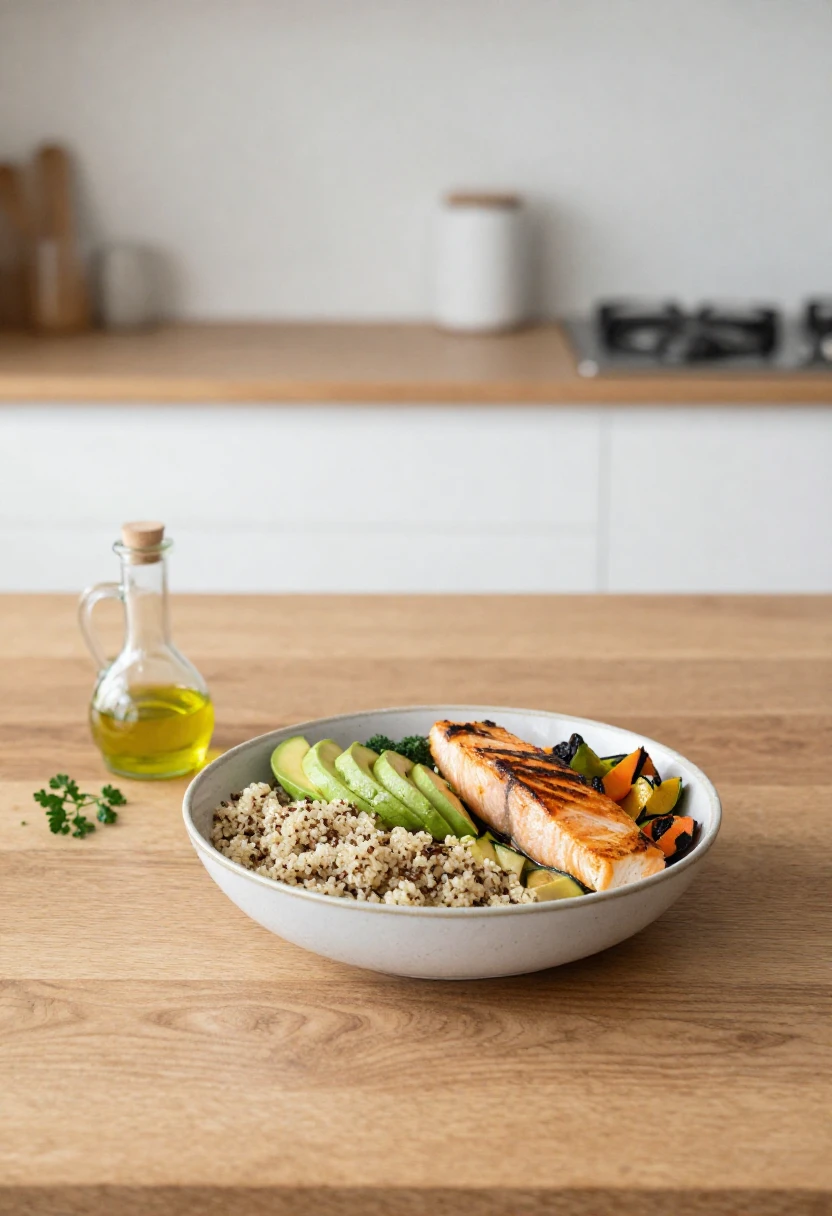
When weight-loss programs promise dramatic results, it can be tempting to focus on speed rather than sustainability. However, long-term success in weight management usually comes from consistent habits that support the body’s natural processes rather than from extreme short-term interventions.
One of the most effective approaches involves creating a moderate and manageable calorie deficit.
Instead of drastically restricting food intake, gradually reducing calories while maintaining a balanced diet allows the body to lose weight without excessive stress. This method helps preserve muscle tissue, sustain energy levels, and make the process easier to maintain over time.
Equally important is the quality of the foods consumed.
Meals built around whole foods such as vegetables, fruits, whole grains, lean proteins, and healthy fats tend to provide essential nutrients while supporting satiety. These foods help regulate appetite and maintain steady energy throughout the day, reducing the likelihood of overeating.
Regular physical activity is another important part of a balanced approach.
Exercise does not need to be extreme to be effective. Activities such as walking, cycling, strength training, or swimming can gradually increase energy expenditure while improving cardiovascular health and muscle strength. Over time, consistent movement supports both weight management and overall well-being.
Lifestyle factors also play a meaningful role.
Adequate sleep helps regulate hormones related to hunger and satiety, while managing stress can reduce emotional eating patterns. Small habits such as eating at regular times, staying hydrated, and paying attention to hunger cues can further strengthen healthy routines.
Perhaps most importantly, sustainable progress often emerges from small, consistent changes rather than dramatic short-term efforts.
Adding an extra serving of vegetables, increasing daily steps, improving sleep patterns, or preparing more meals at home may seem modest, but these habits accumulate over time. As they become part of daily life, they can support steady improvements in both weight and overall health.
Approaches like these may not promise rapid transformation within weeks, but they tend to produce results that are easier to maintain and healthier for the body in the long run.