Contents
The Quiet Power of Something Green
Open your fridge on any given day and you’ll probably spot something green — a bunch of spinach wilting in the drawer, a bag of broccoli florets waiting for their turn, maybe a head of kale you promised you’d use “tomorrow.”
We all buy greens with good intentions… and yet, most of us underestimate just how powerfully these humble vegetables can transform our meals — and our health.
Green vegetables don’t shout for attention. They don’t come wrapped in bold colours or dramatic flavours. But inside their leaves and stems are some of the most concentrated nutrients found in any whole food: vitamins that support immunity, minerals that feed your cells, fibre that keeps digestion smooth, and plant compounds that help your body defend itself from everyday stress.
And here’s the best part: you don’t need twenty different greens to feel the benefits.
Just a handful of reliable, easy-to-find favourites can make all the difference in your energy, your plate, and your long-term wellbeing.
In this guide, we’ll explore the Top 10 Green Vegetables that truly earn their place on your table — along with why they matter, what makes them stand out, and simple ways to add them to your weekly routine. Whether you’re brand new to greens or already a fan, you’ll find fresh inspiration and practical ideas that make eating vibrant, nourishing food feel natural and delicious.
Why Green Vegetables Matter
Green vegetables may seem like a simple side dish, but nutritionally, they’re some of the most powerful foods on the planet. What makes them so special isn’t just one vitamin or one benefit — it’s the combination of nutrients that work together to support nearly every system in your body.
A concentrated dose of essential vitamins
Most green vegetables are naturally rich in vitamins A, C, K, and several B-vitamins. These are the nutrients that help your immune system stay steady, your skin glow, your eyes stay sharp, and your energy feel more consistent throughout the day. A small serving often packs more micronutrients than an entire entrée.
Minerals your body quietly relies on
Iron, magnesium, potassium, calcium — greens are filled with the minerals that keep your muscles, nerves, and metabolism functioning smoothly. If you ever feel fatigued, tense, or sluggish, adding more greens is a simple way to give your body additional support.
Fibre that keeps digestion happy
From spinach to broccoli to peas, green vegetables bring the kind of fibre that helps everything move comfortably through the gut. This means better digestion, steadier blood sugar, and — for many people — a noticeable boost in daily comfort.
Phytonutrients that act like your internal “protective shield”
Green vegetables are loaded with plant compounds that help your body handle inflammation, environmental stress, and cellular wear and tear. They’re subtle, silent helpers — but incredibly effective ones.
A gateway to balance and variety
Perhaps the most overlooked benefit is how greens naturally shift a meal toward balance. Add a handful of spinach to your pasta, and suddenly there’s more colour, more nutrients, more volume, more satisfaction. Greens don’t replace your favourite foods — they elevate them.
In short, green vegetables matter because they deliver big nutrition in surprisingly small portions. And when you make them a regular part of your routine, your body feels it — in your digestion, your energy, your mood, and even your cravings.
Top 10 Green Vegetables You Should Know
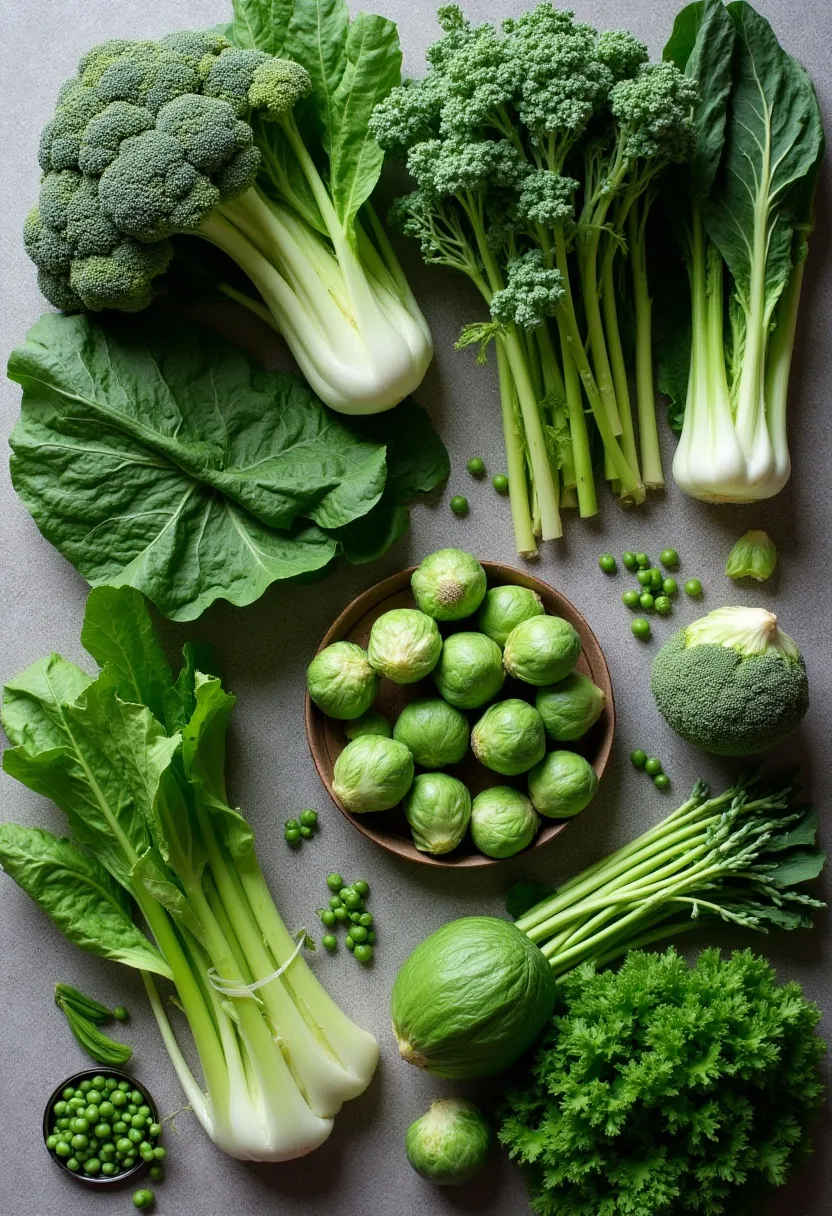
Green vegetables come in all shapes, textures, and personalities — from crisp and peppery to tender and leafy. Each one carries its own nutritional superpower, and the best part is how easily they fit into the rhythms of everyday cooking. Here are ten standouts that truly earn their spot on your plate.
1. Spinach — The Gentle All-Rounder
Soft, mild, and endlessly versatile, spinach is rich in iron, vitamin K, magnesium, and antioxidants.
Try it: wilted into eggs, blended into smoothies, or tossed into warm pasta right before serving.
2. Broccoli — The Fibre-Rich Powerhouse
Broccoli brings vitamin C, fibre, vitamin K, and natural plant compounds that support cell health.
Try it: lightly steamed with olive oil and lemon, or roasted until the edges turn crispy.
3. Kale — The Deep-Green Heavyweight
Dense, hearty, and packed with vitamins A, C, K, and calcium.
Try it: massaged with olive oil for salads, or sautéed with garlic for a warming side.
4. Watercress — The Underrated Nutrient Bomb
Peppery, vibrant, and extremely nutrient-dense, watercress delivers impressive amounts of vitamins and antioxidants.
Try it: tossed into soups, blended into pesto, or used as a bright salad base.
5. Swiss Chard — The Silky Mineral-Rich Leaf
Chard is full of magnesium, potassium, and vitamins A and K.
Try it: sautéed with onions, added to stews, or paired with beans for an easy, satisfying meal.
6. Bok Choy — The Crisp, Cooling Green
A favourite in Asian cooking, bok choy offers vitamin C, folate, and a gentle crunch.
Try it: stir-fried with ginger and garlic, added to noodle bowls, or steamed with sesame oil.
7. Brussels Sprouts — The Bite-Sized Antioxidant Boost
High in fibre, vitamin C, vitamin K, and protective plant compounds.
Try it: roasted until caramelised, shaved into salads, or tossed with balsamic.
8. Green Peas — The Sweet Little Protein Gems
Peas are surprisingly rich in plant protein, vitamin C, and fibre.
Try it: in risottos, blended into soups, or stirred into warm grain bowls.
9. Collard Greens — The Southern Comfort Leaf
Sturdy and nutrient-dense, collards bring calcium, vitamin K, and steady, slow energy.
Try it: simmered with aromatics, rolled as wraps, or mixed into hearty stews.
10. Asparagus — The Elegant Spring Green
Asparagus delivers folate, fibre, and antioxidants, with a fresh, delicate flavour.
Try it: roasted, grilled, or added to omelettes and pasta dishes.
How to Make Greens Play in Your Meals
The easiest way to eat more greens isn’t by forcing salads into every meal — it’s by letting them slip naturally into the dishes you already love. Green vegetables don’t need the spotlight to make a difference; they shine quietly, adding colour, fibre, freshness, and a whole layer of nutrition without changing the heart of the meal.
Here are simple, delicious ways to invite them in:
Add them where heat is already happening
If something warm is cooking, greens can usually join the party.
Fold spinach into scrambled eggs, stir chopped kale into soups, toss peas into a simmering curry, or add broccoli florets to the pasta water in the last two minutes of cooking.
No extra pans, no extra effort.
Blend them into the things you don’t think of as “green”
Smoothies are the obvious choice, but sauces, pestos, and dressings are just as green-friendly.
A handful of spinach disappears into pasta sauce.
Watercress or basil can turn into a vibrant, peppery pesto.
Even a spoonful of steamed broccoli blended into cheese sauce boosts nutrition without changing the comfort.
Use greens as the supporting cast, not the main event
You don’t need to build a whole dinner around vegetables.
Just let greens fill the gaps: a side of roasted Brussels sprouts next to chicken, asparagus with salmon, bok choy tucked into noodles.
They’re the simplest way to round out a meal.
Choose frozen greens for busy days
Frozen spinach, peas, broccoli, and kale are lifesavers. They’re pre-washed, pre-chopped, and frozen at peak freshness, which means you can add them to almost anything within seconds.
No wilting, no guilt, no waste.
Let flavour do the heavy lifting
Greens taste infinitely better when paired with the right flavours: lemon, garlic, olive oil, chili flakes, parmesan, sesame oil, fresh herbs.
It’s amazing what a squeeze of citrus or a drizzle of good oil can do.
Mix raw and cooked for better texture
If a bowl of raw greens feels too much, combine them:
warm roasted broccoli + fresh spinach
or
sautéed chard + crisp watercress
A mix of temperatures and textures makes greens more exciting and satisfying.
Greens don’t need perfection or elaborate recipes.
They just need a tiny space on your plate — and once they’re there consistently, your meals start to feel fresher, lighter, and more supportive of your energy day by day.
Overcoming Common Hurdles (Taste, Time & Texture)
If you’ve ever bought a bunch of greens with the best intentions and then watched it wilt untouched… you’re not alone. Even the healthiest vegetables can feel intimidating if you’re short on time, overwhelmed by choice, or simply not in love with the taste.
The good news? Most obstacles around greens have simple, delicious fixes.
“I don’t like the taste.”
Many greens have a natural bitterness — especially kale, chard, and some brassicas. The trick is pairing them with flavours that balance and brighten:
- Acid → lemon, vinegar, lime
- Salt → cheese, soy sauce, sea salt flakes
- Fat → olive oil, butter, tahini, avocado
- Aromatics → garlic, ginger, chili, herbs
A dash of lemon and olive oil can turn “too bitter” into “surprisingly good.”
“I never have time to prep them.”
Life is busy. Greens don’t have to make it busier.
Try:
- pre-washed spinach or kale
- frozen peas or chopped broccoli
- microwave-steam bags
- greens that require almost no prep (like watercress or baby spinach)
You can add these in 20–30 seconds flat.
“I don’t know how to cook them without overcooking.”
The biggest secret? Greens need far less cooking than most people expect.
A quick sauté, a fast steam, or a short roast is usually enough.
Spinach wilts in under a minute.
Bok choy cooks in three.
Broccoli is bright and crisp after five.
Shorter cooking = better flavour + more nutrients.
“I get bored easily.”
Variety doesn’t mean complexity.
Alternate between raw and cooked.
Swap spinach for watercress.
Try roasting instead of steaming.
Use a new seasoning once a week.
Small shifts keep greens exciting instead of repetitive.
“I don’t know how to make them part of my habits.”
Habits start small.
Try this rule: put something green on the plate at least once a day.
Just once.
One handful of spinach. One scoop of peas. Three spears of asparagus.
Consistency beats perfection every time.
Greens don’t need to be a perfect, Pinterest-level dish.
They just need to show up — even imperfectly — and your body will thank you for it.
Habit Hacks for Daily Green Intake

If you’ve ever tried to “eat more greens” only to forget by Wednesday, you’re in good company. Habits don’t form because we make big promises — they form because we make small, repeatable choices that feel effortless.
The goal here isn’t to overhaul your diet, but to weave greens into your routine in ways that blend into your life almost without thinking.
Start with a “green baseline” every day
Pick one moment in your day that always gets a boost of greens:
- a handful of spinach in your morning eggs
- peas added to lunch
- broccoli or asparagus with dinner
When you’ve built a baseline, extra greens become a bonus, not a chore.
Keep greens where you can see them
Eye level in the fridge is prime real estate.
If your greens live in the back corner, they’ll die there.
Move them to the front or store washed greens in a clear container — it dramatically increases the odds you’ll actually use them.
Prep once, benefit all week
Spend 5 minutes washing spinach, chopping kale, or steaming broccoli on Sunday or Monday.
Even a small amount of prep turns greens into fast add-ins you can toss into almost anything.
Choose frozen as your “green safety net”
Frozen spinach, peas, and broccoli never wilt, never expire, and are ridiculously quick to cook.
Keep a bag or two on hand and you’ll always have a backup option ready.
Pair greens with something you already love
Greens become easier when they accompany your comfort foods:
- add spinach to your favourite pasta
- toss peas into risotto
- roast Brussels sprouts next to your go-to protein
- mix kale into chili or stews
When greens ride on the coattails of foods you already enjoy, they no longer feel like a “healthy obligation.”
Make flavour your friend, not your afterthought
A squeeze of lemon, a drizzle of olive oil, garlic, parmesan, chili flakes, sesame oil — these tiny touches transform taste.
When greens taste good, you’ll naturally crave them.
Use the “two handfuls a day” rule
Simple, flexible, achievable.
Two handfuls of greens a day — raw, cooked, fresh, or frozen — is enough to make a noticeable difference in your fibre, vitamins, and energy levels.
Tiny habits add up.
A handful here, a sprinkle there, a scoop tossed in at the last minute — that’s how greens stop being an occasional guest and become a steady, nourishing part of your day.
Conclusion — Your Green, Everсyday Edge
Green vegetables are some of the simplest foods you can put on your plate — and yet they offer one of the biggest payoffs. They don’t rely on fancy recipes or complicated techniques. They don’t demand perfection or a complete lifestyle overhaul. They work quietly, consistently, in the background of your meals, delivering nutrients your body uses immediately and benefits from long-term.
What makes greens powerful isn’t just their vitamin count or their fibre content. It’s their presence — the way they brighten a dish, add freshness, help you feel lighter, support smoother digestion, and keep your energy more stable. When greens show up in your day, even in the smallest amounts, your whole plate shifts toward balance.
You don’t need all ten vegetables from the list.
You don’t need to be a gourmet cook.
You don’t need to aim for perfect variety.
Just start with one green that feels easy, accessible, and appealing — spinach in your eggs, broccoli with dinner, peas in your pasta, kale in a soup. Let that one choice become a habit, and then build from there when you’re ready.
This isn’t about becoming the kind of person who always eats perfectly.
It’s about becoming someone who adds a little more nourishment, colour, and vibrancy to their plate — one handful of greens at a time.