Contents
- Diet & Clear Skin: What’s the Real Connection?
- High-Glycemic Foods & Refined Carbs — The Sugar–Breakout Connection
- Dairy Products — Why Milk and Some Dairy May Trigger Acne
- Saturated & Trans Fats — How “Western Diet” Foods May Fuel Breakouts
- Chocolate, Sweets & Sugary Snacks — A Subtle but Real Trigger for Many
- Ultra-Processed and Fast Foods — Everyday Convenience, Hidden Acne Triggers
- Whey Protein & High-Meat Diets — When Fitness Nutrition Backfires
- What to Eat Instead — Foods That Support Clear, Healthy Skin
- The Role of Gut Health, Inflammation & Hormones — Why Diet Impacts More Than the Skin’s Surface
- How to Try an Elimination Diet or Clean-Eating Trial — Smart, Gentle, and Without Extremes
- Conclusion — Food as One Piece of the Clear-Skin Puzzle
- FAQ — Common Questions About Diet & Acne
Diet & Clear Skin: What’s the Real Connection?
For years, the conversation around acne has focused on skincare routines, cleansers, spot treatments, and dermatology prescriptions. And while these tools absolutely matter, there’s another piece of the puzzle that often gets overlooked — your diet. What you eat every day doesn’t just fuel your body; it shapes your hormones, your inflammation levels, your gut health, and ultimately… your skin. ✨
More and more people are now discovering something dermatologists have been quietly acknowledging for years: certain everyday foods can make breakouts worse, while others help calm inflammation and support clearer, healthier skin. It’s not about “good” or “bad” foods — it’s about understanding how different ingredients can trigger hormonal reactions, spike insulin, irritate the gut, or increase sebum production.
If you’ve ever felt like your skin is unpredictable no matter how many creams you try…
If you’ve noticed breakouts after certain meals…
Or if you’re simply curious whether small changes in your diet could help your skin glow from the inside out — you’re in the right place.
In this guide, we’ll explore the foods that may contribute to acne for some people, the science behind why they do, and what nourishing swaps you can make instead. We’ll also talk about inflammation, hormones, gut health, and how to safely experiment with elimination diets without falling into extremes.
High-Glycemic Foods & Refined Carbs — The Sugar–Breakout Connection
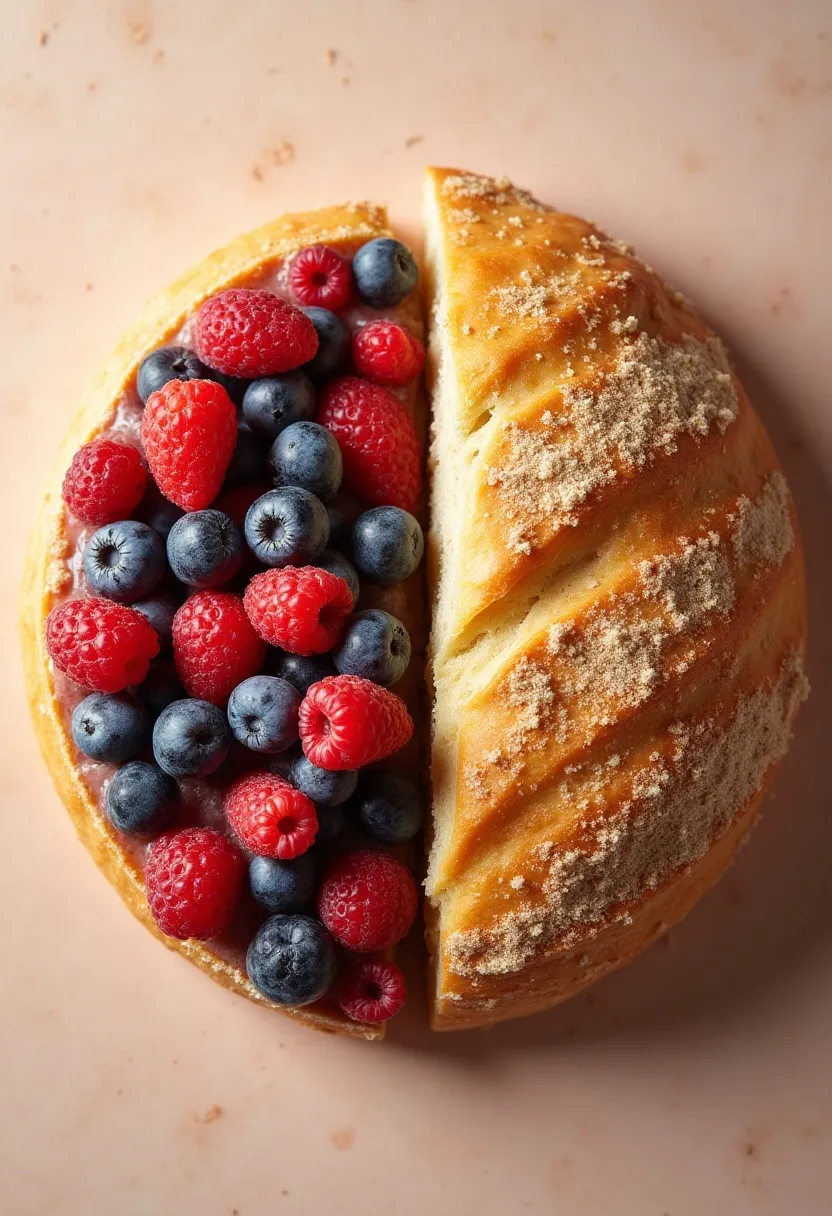
One of the strongest diet–acne links uncovered in research is the connection between high-glycemic foods and breakouts. These are foods that cause your blood sugar to rise quickly — and your skin feels the impact more than you might expect. 🍞🍬⚡
When you eat high-GI foods like white bread, pastries, sugary snacks, fries, or sweetened cereals, your blood sugar spikes sharply. In response, your body releases a burst of insulin to stabilize it. But here’s the catch:
💥 High insulin levels can trigger acne in three ways:
1. Increased sebum (oil) production
Insulin and insulin-like growth factor (IGF-1) stimulate your oil glands. More oil = clogged pores = breakouts.
2. Higher inflammation levels
Sugar and refined carbs promote inflammatory responses, which can worsen existing acne and make new blemishes form more easily.
3. Faster skin cell turnover
Rapid turnover sounds good — but not when dead cells stick together and clog pores instead of shedding naturally.
What foods fall into this category?
- white bread, bagels, and baguettes
- sugary cereals
- pastries, cakes, cookies
- French fries
- white rice
- sweetened drinks
- candy, chocolate with added sugars
You don’t have to eliminate them forever — this is about awareness, not restriction.
Smart swaps for clearer skin:
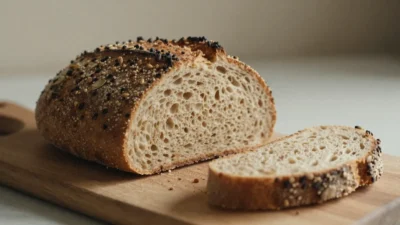
- whole-grain bread instead of white
- oats or low-sugar muesli instead of sugary cereals
- brown rice or quinoa instead of white rice
- roasted sweet potatoes instead of fries
- fruit-infused water instead of soda
Dairy Products — Why Milk and Some Dairy May Trigger Acne
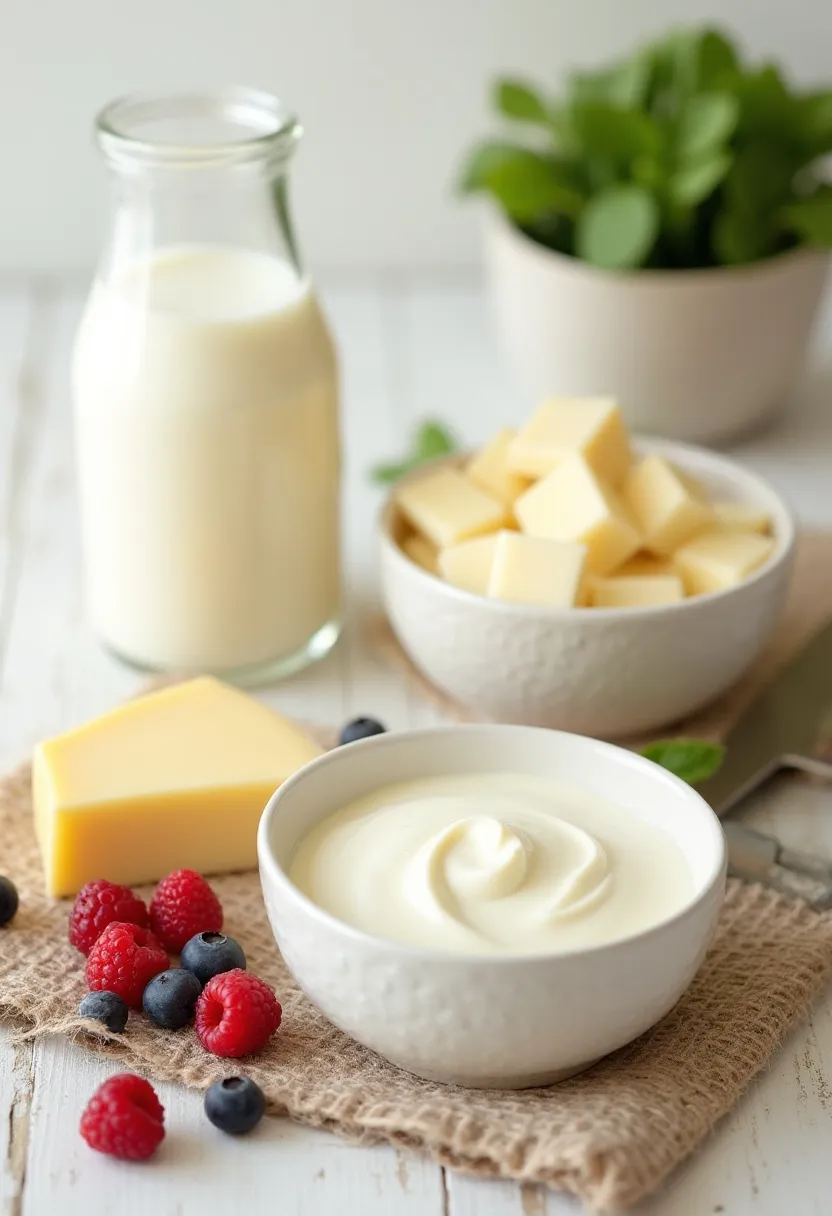
Dairy is one of the most widely discussed (and debated) food groups when it comes to acne — and for good reason. While not everyone reacts to dairy, a growing body of research suggests that milk, especially skim milk, can contribute to breakouts in some people. 🥛✨
It’s not about dairy being “bad.” It’s about how your hormones and skin respond to it.
Here’s what scientists believe is happening:
💥 1. Milk naturally contains hormones — even organic milk
Cows produce milk to feed calves, so the milk contains growth hormones and bioactive molecules.
When humans drink it, these compounds may interact with our own hormonal pathways — particularly those influencing sebum (oil) production.
More oil = more clogged pores = more acne.
💥 2. Dairy may raise IGF-1 (insulin-like growth factor)
This hormone stimulates:
- increased oil gland activity
- faster skin cell turnover
- heightened inflammation
All three mechanisms are known acne triggers.
Skim milk appears to have an even stronger effect, possibly due to added whey proteins.
💥 3. Whey protein (found in many dairy products) is a known acne trigger
Whey promotes muscle growth — but also increases insulin and IGF-1 levels.
That’s why people who use whey shakes often notice jawline or cheek breakouts.
💥 4. Not all dairy behaves the same
Interestingly, cheese and yogurt are less consistently linked to acne.
Fermented dairy may actually support gut health, which can improve skin for some people.
Does this mean you must quit dairy completely?
Not at all.
But if you suspect dairy affects your skin, consider experimenting gently — for example:
🟢 Try swapping:
- regular milk → almond, oat, soy, or lactose-free milk
- whey protein → pea, soy, or rice protein
- sugary dairy desserts → Greek yogurt + fruit
Give it 2–4 weeks and watch for changes.
Saturated & Trans Fats — How “Western Diet” Foods May Fuel Breakouts
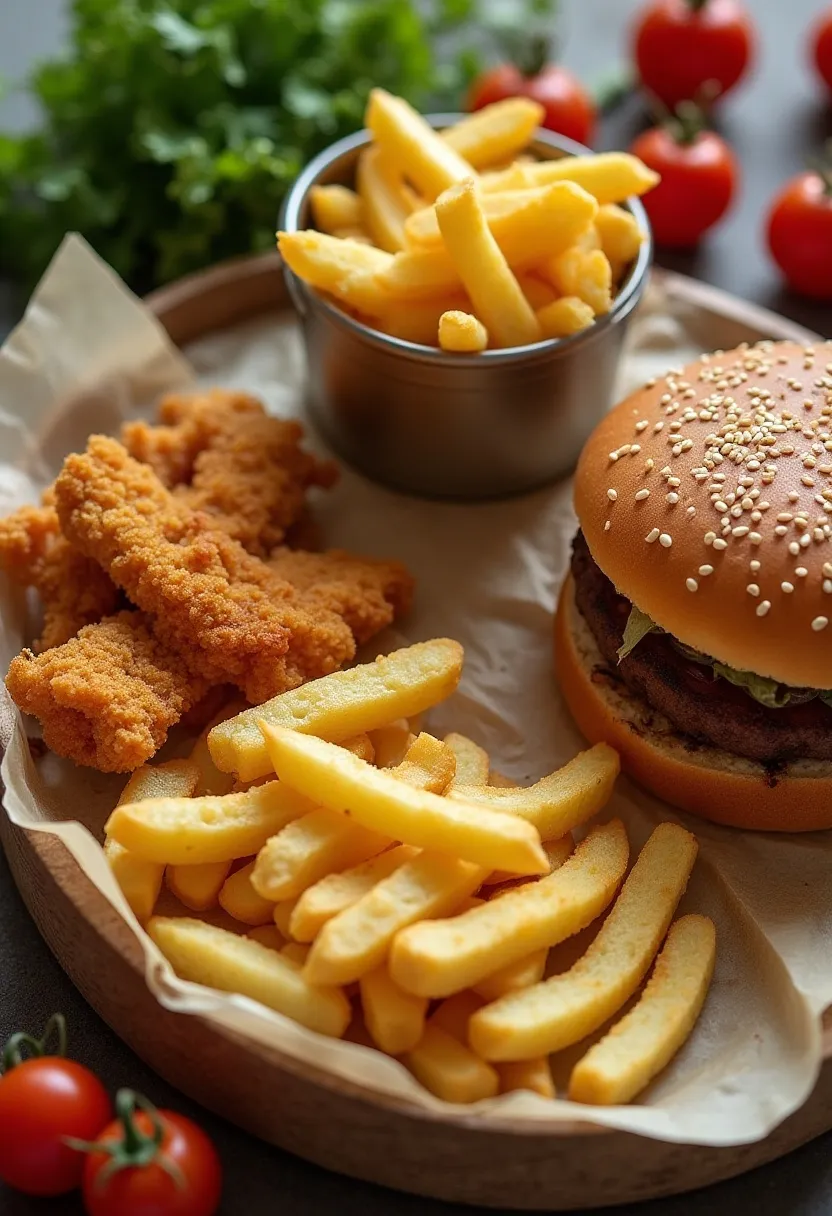
Acne isn’t just about sugar or hormones — inflammatory fats play a quiet but significant role too. Foods high in saturated and trans fats are a hallmark of the modern Western diet, and research suggests they may worsen acne for some people. 🍔🍟🔥
These fats don’t directly “cause” pimples, but they influence the internal conditions that allow acne to thrive.
💥 1. They increase inflammation in the body
Chronic, low-grade inflammation is one of the core drivers of acne.
Foods high in saturated and trans fats — like fast food, deep-fried snacks, processed meats, and commercial baked goods — can elevate inflammatory markers.
More inflammation = more redness, swelling, and painful breakouts.
💥 2. They stimulate excess oil (sebum) production
High-fat, processed meals may activate pathways that increase oil gland activity.
More oil mixes with bacteria and dead skin cells, clogging pores.
This is especially common in diets rich in:
- fried foods
- burgers
- fatty cuts of meat
- pizza
- processed sausages or bacon
💥 3. They can disrupt gut balance
Trans fats and heavily processed oils are tough on the gut lining and microbiome — and gut health is increasingly linked to skin health.
A disrupted gut can lead to:
- more inflammation
- weaker immune responses
- worsened acne flare-ups
💥 4. Hidden sources make them easy to overeat
It’s not just fast food — many everyday products contain inflammatory fats:
- packaged pastries
- store-bought cookies
- microwave popcorn
- crackers
- creamy sauces and dressings
You may be eating more of these oils than you realize.
✔️ Better options to support clearer skin:
- choose leaner protein sources (chicken, turkey, fish)
- bake or air-fry instead of deep-frying
- swap processed snacks for nuts, fruit, or hummus
- cook with olive oil or avocado oil
- add anti-inflammatory foods like berries, greens, and omega-3 rich fish
You don’t have to avoid saturated fats completely — just be mindful of how often they appear on your plate.
Chocolate, Sweets & Sugary Snacks — A Subtle but Real Trigger for Many
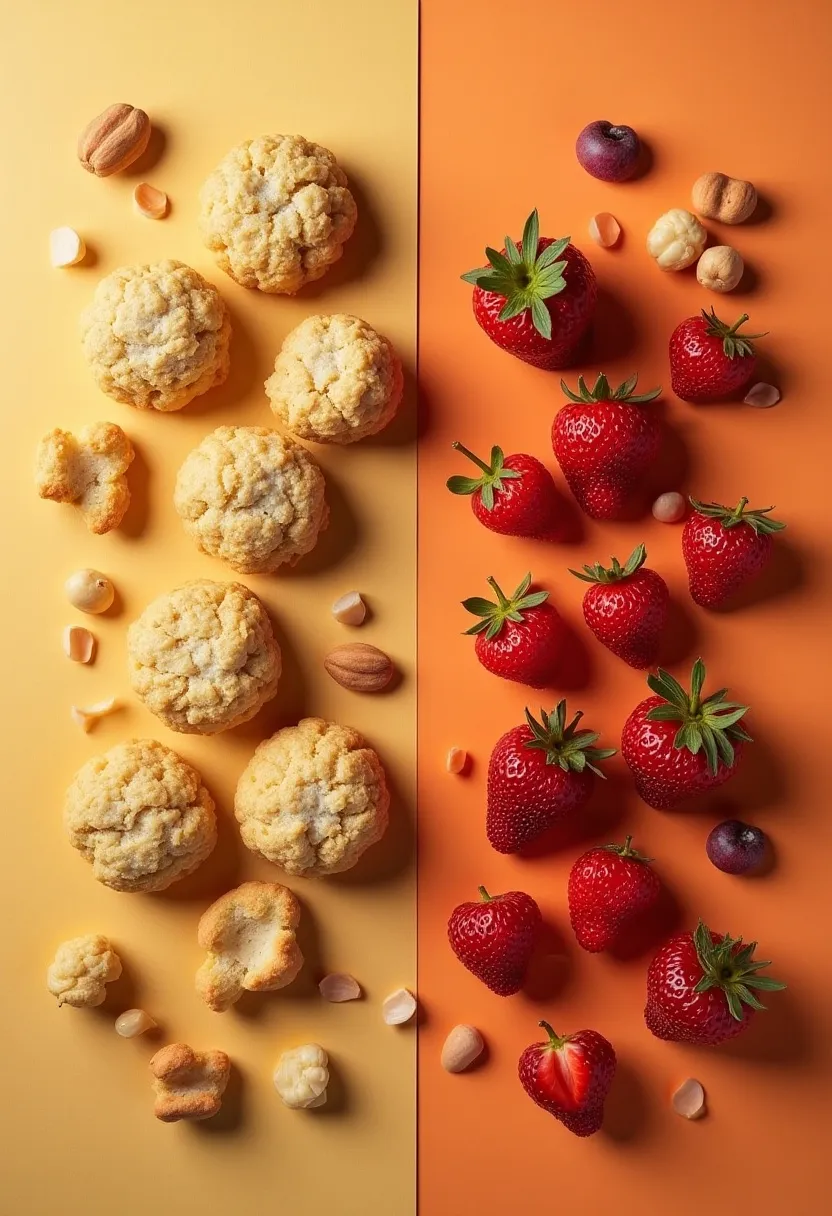
Chocolate and sweet treats have long been blamed for breakouts — and while the story isn’t as simple as “chocolate causes acne,” there is evidence that sugary snacks can worsen flare-ups for some people. 🍫🍪⚡
The key isn’t the chocolate itself — it’s what often comes with it: sugar, dairy, and high-glycemic ingredients that influence hormones linked to acne.
Let’s break it down:
💥 1. Sugary foods spike insulin — and insulin fuels acne
Just like other high-glycemic foods, sweets cause a rapid rise in blood sugar, followed by an insulin surge.
High insulin levels stimulate:
- increased sebum (oil) production
- faster skin cell turnover
- inflammatory responses
- higher IGF-1 levels (strongly linked to acne)
This creates the perfect environment for pores to clog.
💥 2. Many chocolates contain dairy
Milk chocolate, chocolate desserts, and packaged candies often contain:
- milk solids
- whey
- added fats
- sugar
These ingredients can combine to amplify breakouts, especially around the jawline or cheeks.
If you notice acne after eating chocolate, it may be the milk + sugar combo, not cocoa itself.
💥 3. Cocoa itself isn’t the villain
Pure cocoa powder and high-percentage dark chocolate (70%+) contain:
- antioxidants
- polyphenols
- anti-inflammatory compounds
For many people, dark chocolate does not trigger breakouts — and may even support skin health in moderation.
💥 4. Sweets promote inflammation
Regularly eating pastries, candy, cookies, or sweet snacks can heighten inflammation throughout the body.
Inflammation makes acne:
- redder
- more painful
- slower to heal
✔️ Clear-skin-friendly swaps:
Instead of:
- milk chocolate → choose dark chocolate 70–85%
- packaged cookies → nuts, fruit, or homemade oat cookies
- sugary desserts → Greek yogurt + berries + a drizzle of honey
- candy → dried fruit or dark chocolate chips
These changes support stable blood sugar and calmer skin.
You don’t need to ban chocolate or sweets from your life — just be aware of how certain treats affect your skin, and experiment with gentler alternatives.
Ultra-Processed and Fast Foods — Everyday Convenience, Hidden Acne Triggers
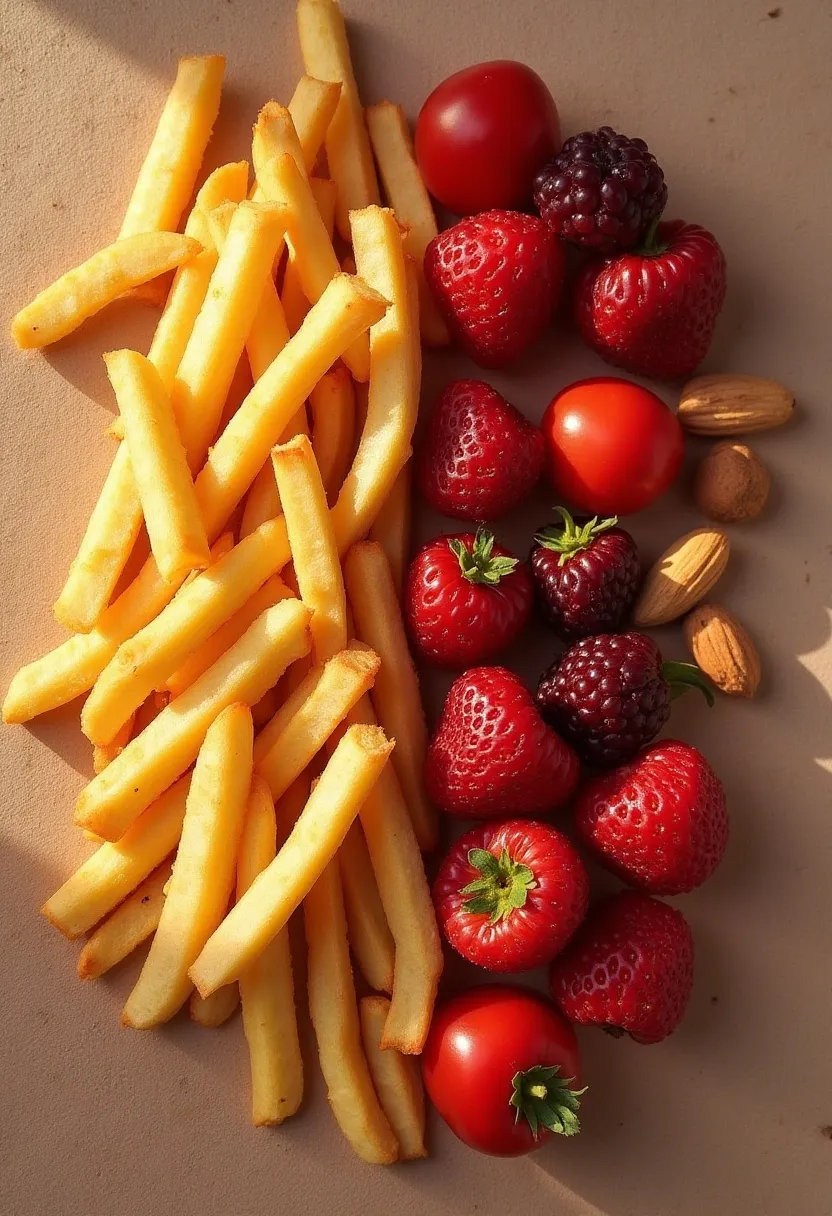
Ultra-processed foods are everywhere — quick lunches, easy snacks, drive-thru dinners, packaged treats. They’re convenient, tasty, and often affordable… but when it comes to your skin, they may be quietly working against you. 🍟🥤🍕
Research suggests that diets high in ultra-processed foods can worsen acne by influencing inflammation, hormones, and gut balance — three core factors behind breakouts.
Here’s why:
💥 1. They are high in inflammatory fats, sugars, and additives
Fast food and packaged snacks typically contain:
- refined vegetable oils
- artificial ingredients
- preservatives
- high levels of sugar or refined carbs
These ingredients create oxidative stress and inflammation in the body — two major contributors to acne flare-ups.
💥 2. They spike blood sugar and insulin
Many processed foods are high-glycemic:
- fries
- white-flour pizza
- sweetened drinks
- nuggets
- instant noodles
Quick insulin spikes → more IGF-1 → more sebum → more clogged pores.
💥 3. They disrupt gut microbiome balance
Ultra-processed foods can reduce the diversity of gut bacteria and weaken the gut barrier.
A stressed gut can manifest as:
- increased inflammation
- hormonal imbalance
- skin irritation
- worsened acne
Your gut and skin communicate more than most people realize.
💥 4. Hidden salt and additives promote water retention & inflammation
High sodium levels may not directly cause acne, but they can:
- make skin puffy
- worsen redness
- amplify inflammatory conditions, including breakouts
Common examples of acne-triggering processed foods:
- burgers and fried chicken
- chips and crackers
- packaged pastries
- frozen meals
- sweetened cereals
- sugary drinks
- processed meats (sausages, bacon, deli meats)
You don’t need to cut them out completely — but reducing frequency can have a noticeable impact on your skin clarity.
✔️ Clear-skin-friendly swaps:
- air-fried veggies instead of fries
- homemade grain bowls instead of fast-food lunches
- sparkling water instead of soda
- nuts or fruit instead of packaged snacks
- whole-grain wraps instead of white-flour fast food
Small upgrades lead to big changes — especially when your skin is sensitive to food quality.
Whey Protein & High-Meat Diets — When Fitness Nutrition Backfires
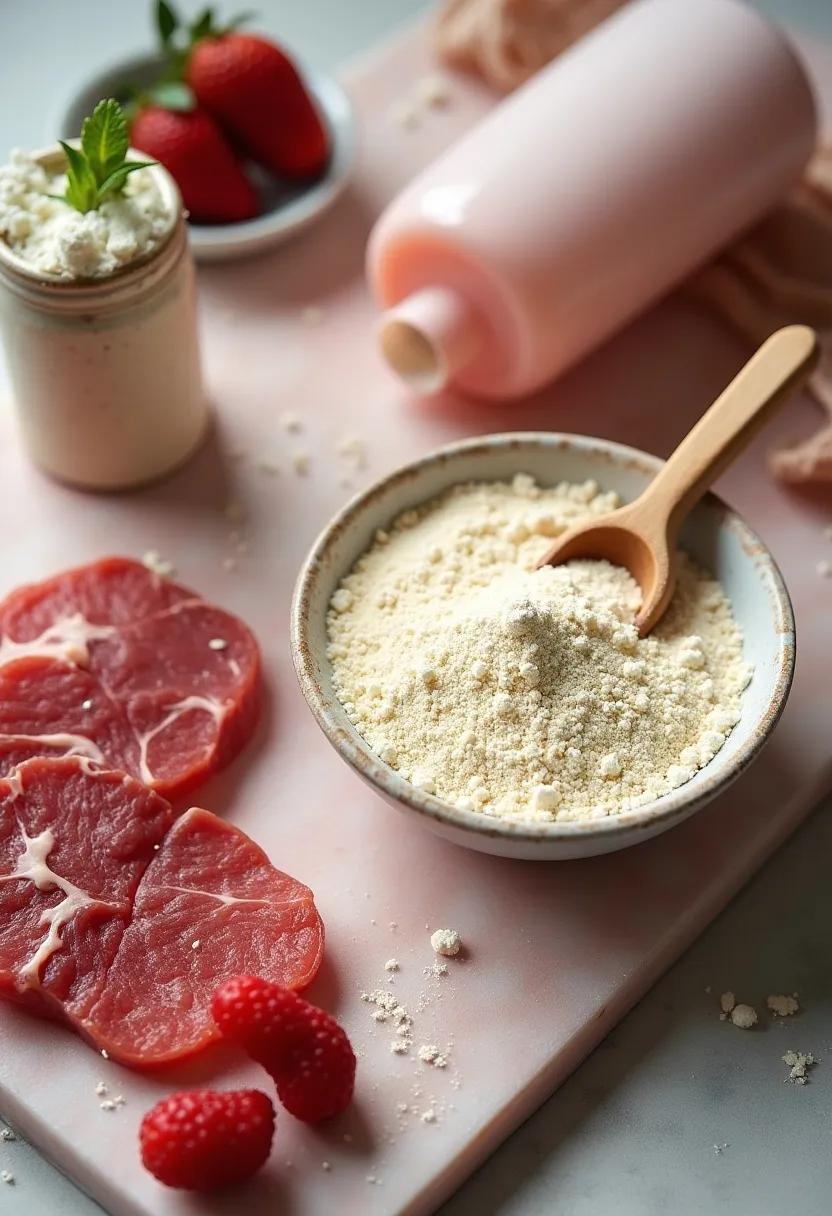
For many people, protein shakes, high-protein diets, and meat-heavy meals go hand in hand with fitness goals. But when it comes to acne, these habits can sometimes have unintended side effects — especially if whey protein or large amounts of red meat are involved. 🏋️♂️🥩
The issue isn’t protein itself. It’s the hormonal and inflammatory response your body has to certain types of protein sources.
Whey protein — a byproduct of milk — is one of the most common triggers. It raises insulin and IGF-1 levels, the same hormones associated with increased oil production. People who drink whey shakes regularly often report breakouts along the jawline, cheeks, or back, even if they never had acne before. Switching to plant-based protein powders like pea or soy often leads to noticeable improvement.
High-meat diets can also pose challenges. Large amounts of red meat, especially fatty cuts, may increase inflammation and stimulate oil glands. This doesn’t happen to everyone, but some people notice clearer skin when they diversify their protein sources with fish, legumes, tofu, or eggs.
It’s all about balance — not eliminating protein, but choosing forms that support both your fitness and your skin. If you suspect whey or heavy meat intake plays a role in your breakouts, try adjusting your routine for a few weeks and observe how your skin responds.
What to Eat Instead — Foods That Support Clear, Healthy Skin
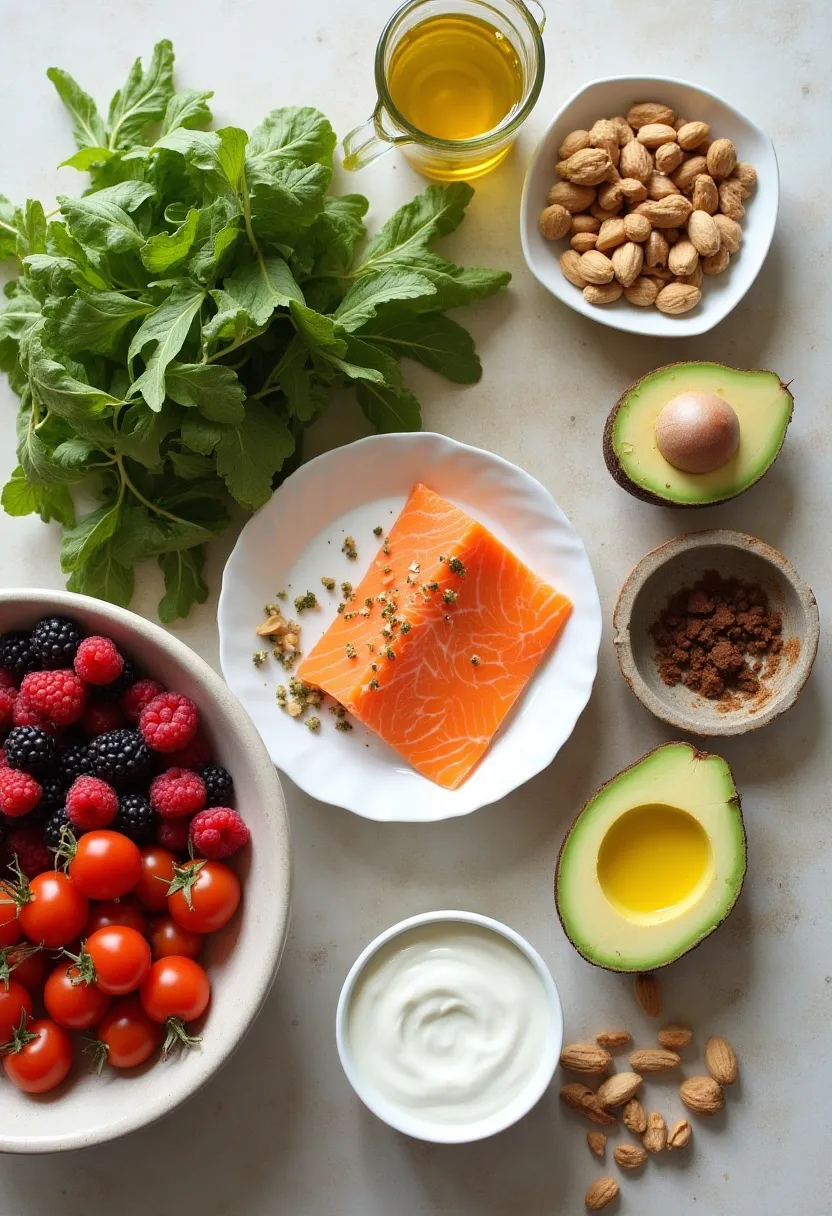
If some foods can trigger breakouts, others can do the exact opposite — nourishing your skin from the inside out. Clearer skin isn’t just about removing triggers; it’s about adding the right nutrients, too. And the good news? These “skin-friendly” foods are simple, accessible, and delicious. 🌿✨
Start with low-glycemic whole foods: vegetables, whole grains, legumes, and slow-digesting carbohydrates help keep blood sugar stable — a key factor in reducing hormonal fluctuations that affect acne. When your energy and glucose stay steady, your skin often follows.
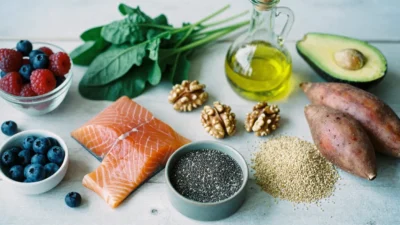
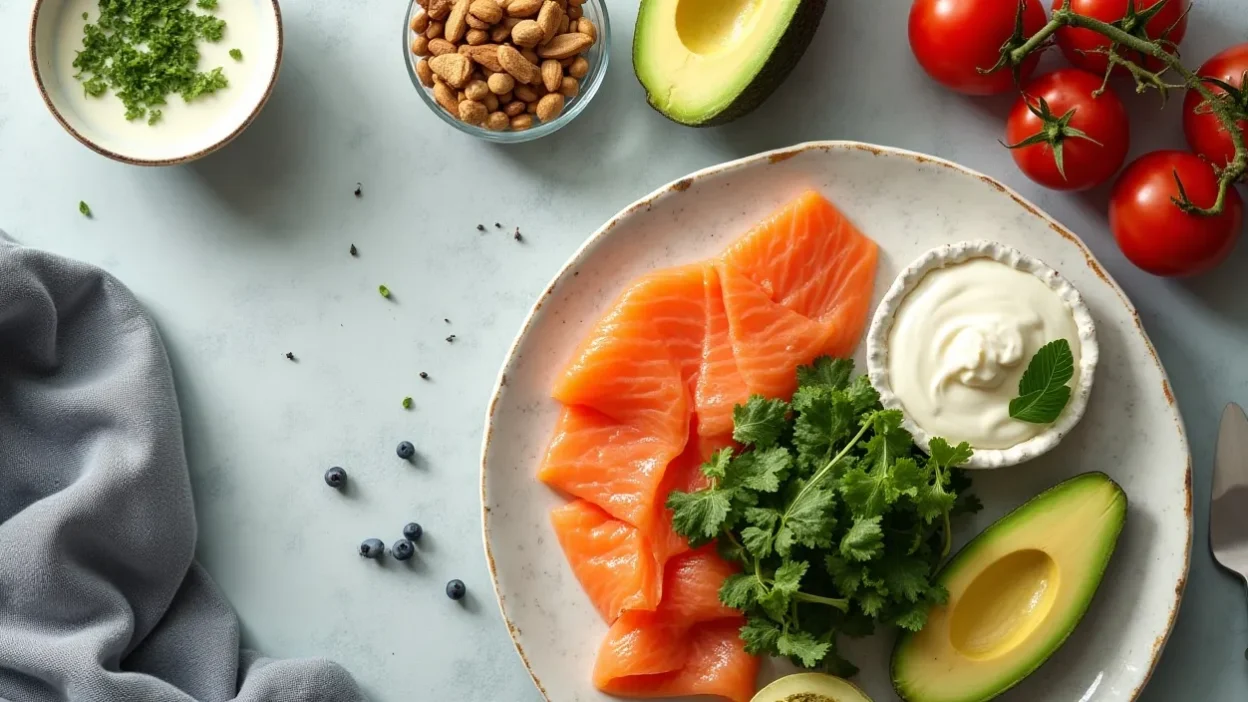
Healthy fats also play a major role. Foods like salmon, sardines, walnuts, chia seeds, and flaxseed provide omega-3 fatty acids, known for calming inflammation and supporting the skin’s protective barrier. Many people notice reduced redness and fewer painful breakouts once they include more anti-inflammatory fats in their meals.
Antioxidant-rich foods are another powerful addition. Berries, leafy greens, tomatoes, sweet potatoes, and colorful vegetables help your skin fight oxidative stress — the internal damage that can worsen acne and slow healing.
And don’t forget about gut-friendly foods. Fermented products like kefir, unsweetened yogurt, kimchi, sauerkraut, and miso nourish the microbiome, which in turn supports hormonal balance, inflammation control, and overall skin resilience.
You don’t have to adopt a perfect “skin diet.” Simply adding more whole foods, more color, more fiber, and more healthy fats can create a calmer internal environment — and your skin will reflect that.
The Role of Gut Health, Inflammation & Hormones — Why Diet Impacts More Than the Skin’s Surface
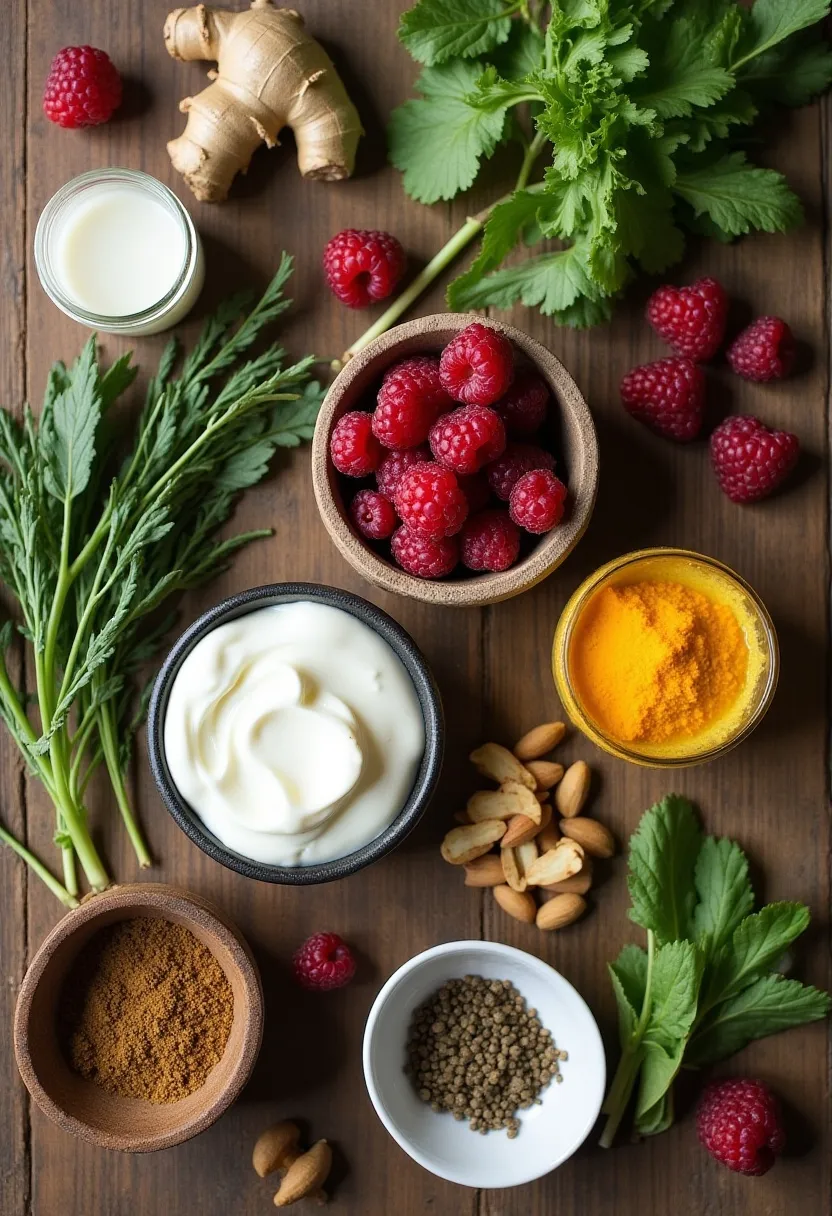
Acne isn’t just a surface-level issue. What happens inside your body — especially in your gut and hormonal systems — can shape how your skin behaves day to day. That’s why the foods you eat can have such a noticeable impact on breakouts. 🌿✨
Your gut is home to trillions of bacteria that help regulate immunity, inflammation, and even hormone balance. When your diet is rich in processed foods, sugar, or unhealthy fats, this delicate ecosystem can become imbalanced. An unsettled gut often leads to more systemic inflammation, which shows up in the skin as redness, irritation, clogged pores, or persistent breakouts.
Hormones also play a central role. Foods that spike blood sugar or stimulate insulin — like refined carbs, sugary snacks, or some dairy products — can disrupt hormonal pathways linked to acne. Elevated insulin increases IGF-1, which boosts oil production and speeds up skin cell turnover, creating the perfect conditions for clogged pores.
Inflammation ties everything together. Chronic, low-grade inflammation — driven by poor diet, stress, or gut imbalance — makes acne more reactive and harder to heal. Even small dietary triggers can lead to outsized flare-ups when your inflammation levels are already high.
This is why adjusting your diet can feel so powerful: you’re not just changing what’s on your plate, you’re adjusting the internal environment that influences your skin at every level. Support the gut, stabilize hormones, calm inflammation — and your complexion often becomes clearer, calmer, and more predictable.
How to Try an Elimination Diet or Clean-Eating Trial — Smart, Gentle, and Without Extremes

When you’re trying to understand which foods affect your skin, it can be tempting to cut out everything at once. But extreme restriction rarely works — and often leads to stress, confusion, or rebound breakouts. A better way is a simple, structured elimination trial that helps you notice patterns without overwhelming your life. 🌱✨
The goal isn’t to create a long list of “forbidden” foods — it’s to observe how your skin responds when certain triggers are removed and then reintroduced.
Start by choosing one or two suspected foods, not the entire list. For many people, that might be dairy, sugary snacks, or high-glycemic foods. Remove them for 3–4 weeks, which is enough time for hormonal and inflammatory responses to settle. During this period, pay attention to how your skin feels: is it calmer, less inflamed, or breaking out less frequently?
Keeping a simple journal can make this process much clearer. Write down what you eat, how your skin looks each day, and any changes in stress, sleep, or digestion. Acne is multi-factorial, so tracking the full picture helps you see real patterns instead of guessing.
After the elimination phase, reintroduce foods slowly — ideally one at a time. This step is crucial. If your skin reacts within a few days of reintroducing a specific food, you may have found a trigger. If nothing happens, great — it’s likely not an issue for you.
Most importantly, be patient and kind to yourself. Skin responds differently for everyone, and dietary acne triggers are highly personal. What inflames one person’s skin may do nothing to another’s. Treat this process like an experiment, not a punishment. You’re simply learning more about your body — and giving your skin the chance to thrive.
Conclusion — Food as One Piece of the Clear-Skin Puzzle
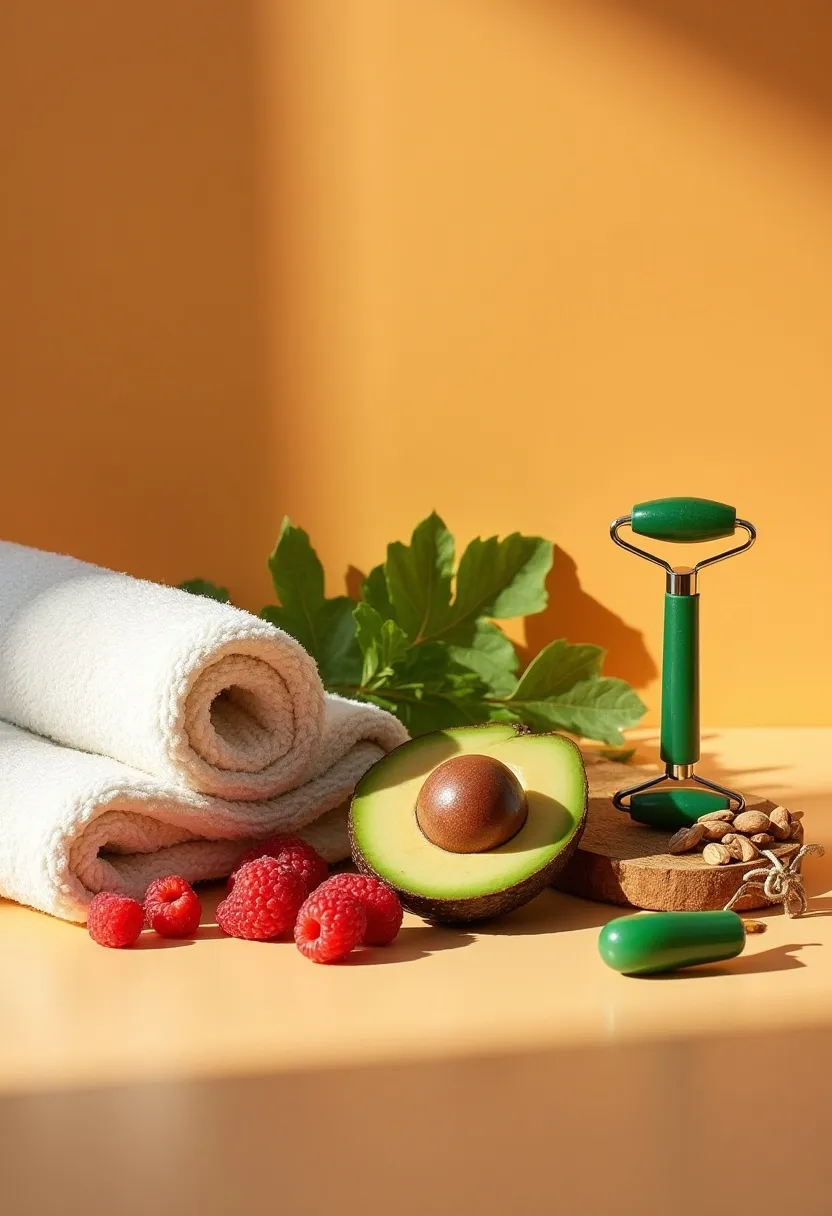
Diet alone can’t cure acne — and it shouldn’t be expected to. But for many people, what they eat genuinely affects how their skin behaves. Think of food as one part of a bigger picture: something that can calm inflammation, support hormones, strengthen gut health, and help your skin function at its best. ✨
The goal isn’t to eliminate every “trigger” forever or obsess over your meals. Instead, it’s about understanding your body’s patterns. Maybe sugar causes flare-ups for you. Maybe dairy makes your jawline break out. Maybe processed foods or whey protein aren’t your skin’s best friends. Or maybe diet plays only a tiny role and your triggers lie elsewhere — hormones, stress, genetics, or skincare ingredients.
What matters is awareness. When you learn how your skin responds to certain foods, you gain clarity and control. You can make gentle adjustments without feeling deprived, choose nourishing alternatives you enjoy, and support your skin from the inside out.
Clearer skin rarely comes from one dramatic change. Instead, it comes from small, consistent choices — eating more whole foods, staying hydrated, caring for your gut, keeping insulin stable, reducing inflammatory triggers, and finding what truly works for you.
Your body is always communicating. This journey is simply about listening.
FAQ — Common Questions About Diet & Acne

1. Does food cause acne for everyone?
No — acne is influenced by many factors: hormones, genetics, stress, skincare, and diet.
But for some people, certain foods do make breakouts more frequent or more intense. The key is learning your own triggers through gentle experimentation.
2. How long does it take to see skin improvements after changing my diet?
Most people notice early changes within 2–4 weeks, especially when reducing sugar, dairy, or processed foods.
Full changes may take 8–12 weeks, since skin turnover takes time.
3. Do I need to cut out all dairy or sugar to clear my skin?
Not at all.
Total elimination isn’t realistic or necessary.
Often, reducing frequency — or swapping to alternatives — is enough to see improvements.
Everyone’s skin reacts differently.
4. Can I still eat chocolate?
Yes — especially dark chocolate (70%+), which is much less likely to trigger breakouts.
Problems usually come from the sugar and dairy in milk chocolate or packaged sweets.
5. What if I eat healthy but still get acne?
Diet is only one piece of the puzzle.
You may need to look at:
- hormones
- stress and sleep
- skincare ingredients
- genetics
- gut health
A dermatologist can help you explore these other factors.
6. Should I try an elimination diet?
If you suspect certain foods affect your skin, a gentle elimination trial can be helpful.
But always avoid extreme restriction. Start small — remove one or two foods for a few weeks, observe your skin, then reintroduce slowly.
7. Can supplements help with acne?
Sometimes. Zinc, omega-3s, and probiotics may help certain people, but results vary widely.
Always consult a healthcare or nutrition professional before adding supplements.
8. Is “clean eating” the only way to get clear skin?
No. Clear skin comes from balance, not perfection.
The goal isn’t to eat flawlessly — it’s to understand your body and make choices that support your skin without stress or guilt.