Contents
- What Amino Acids Actually Are
- Why Essential Amino Acids Matter So Much
- Signs Your Diet May Be Falling Short
- The Best Food Sources of Essential Amino Acids
- Complete vs Incomplete Proteins
- How to Get More Amino Acids Into Everyday Meals
- Do You Need More Amino Acids If You Exercise Often
- Plant-Based Eating and Essential Amino Acids
- Simple Habits That Help You Meet Your Needs Naturally
- Conclusion
- FAQ
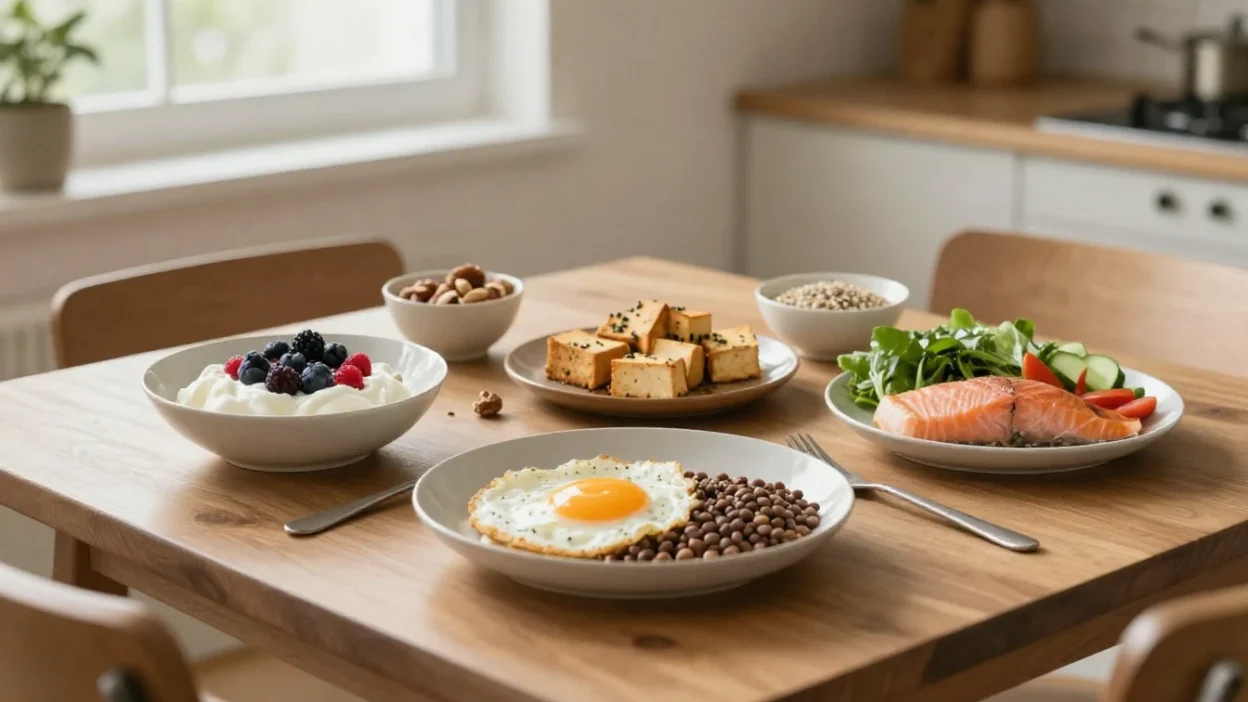
You probably do not think much about amino acids when you make breakfast, grab a yogurt in the afternoon, or decide what to cook for dinner. Most people think in simpler terms: protein, healthy meals, staying full, having more energy, feeling stronger. But behind all of that, amino acids are doing quiet, essential work your body depends on every single day.
They help repair muscle after a long walk or a workout. They support your skin, hormones, immune system, and countless tiny processes you never see happening. Even the way your body recovers from stress, heals from minor wear and tear, and maintains steady strength is connected to getting enough of the right building blocks from food.
That is what amino acids really are: the small units that make up protein, and the reason protein matters so much in the first place. Some of them your body can make on its own. Others, called essential amino acids, must come from what you eat. If they are missing from your meals day after day, your body feels the difference, sometimes in subtle ways at first.
Maybe it looks like low energy that lingers. Maybe it is harder to stay satisfied after meals. Maybe your recovery feels slower, or your eating routine feels a little off even when you are trying to do everything “right.” These are the moments when understanding the basics can make healthy eating feel less confusing and much more practical.
In this guide, you will learn what essential amino acids are, why they matter, which foods contain them, and how to make sure you are getting enough in a natural, realistic way. No complicated nutrition talk. Just clear, useful information you can actually bring into your everyday life.
What Amino Acids Actually Are
The connection between amino acids and protein
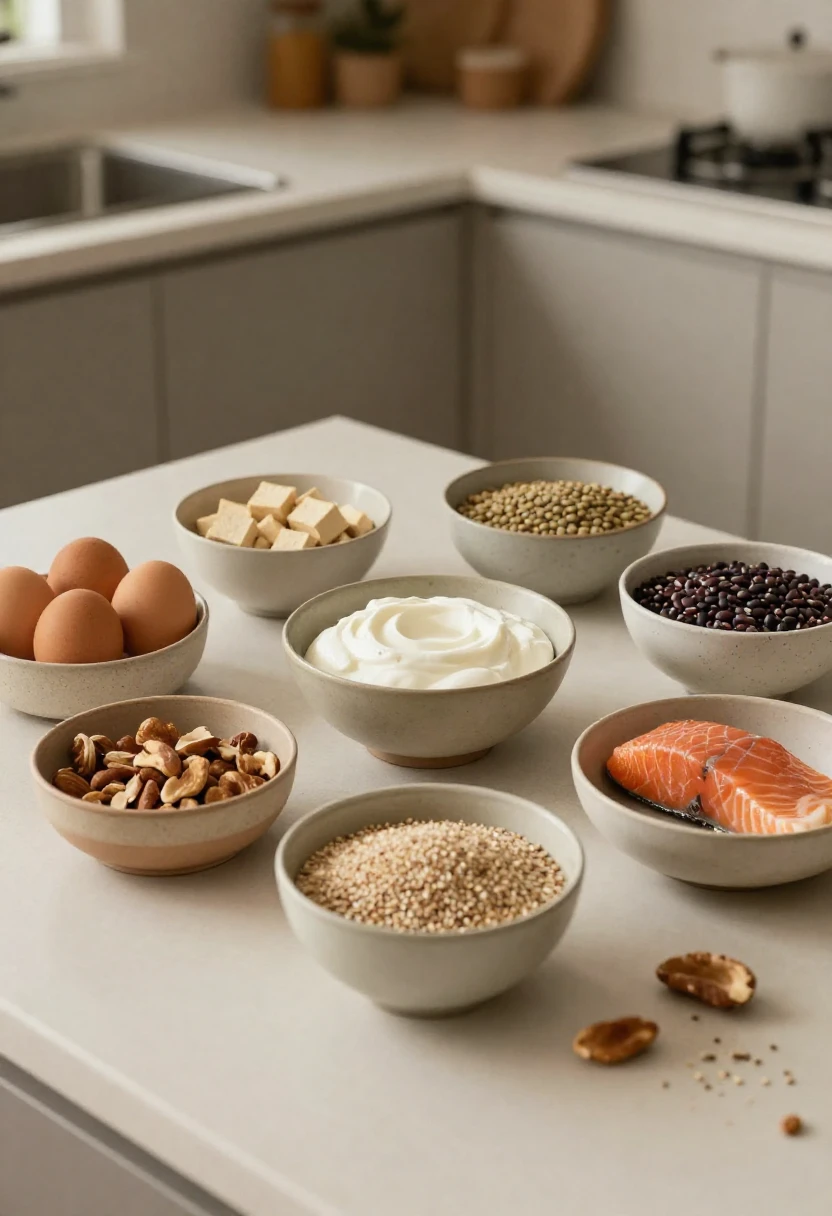
Think of protein as a finished structure and amino acids as the small pieces that build it. When you eat protein-rich foods like eggs, yogurt, beans, fish, tofu, or chicken, your body breaks that protein down into amino acids and uses them to make the proteins it needs for daily life. These proteins help with growth, tissue repair, and many basic body functions that keep you going from morning to night. (MedlinePlus)
That is why protein matters so much in nutrition. It is not only about gym goals or building muscle. It is about giving your body access to the raw materials it uses behind the scenes all day long. Your skin, cells, enzymes, and body tissues all depend on that steady supply. (MedlinePlus)
Why your body depends on them for basic repair and function
Your body is always busy, even when you are doing something ordinary like walking the dog, answering emails, or washing dishes after dinner. Old cells break down, new ones are made, tissues get repaired, and proteins are constantly being rebuilt. Amino acids help support those everyday jobs, including repairing body tissue, helping the body grow, and supporting normal function throughout the day. (MedlinePlus)
It is one of those quiet nutrition truths that can change how you see your plate. A simple lunch with enough protein is not just “healthy” in a vague way. It is practical fuel and rebuilding material. Your body takes what you eat and puts it to work in very real, very physical ways. (MedlinePlus)
Essential vs non-essential amino acids in simple terms
There are 20 amino acids commonly used to make proteins in the human body. Out of those, nine are essential amino acids, which means your body cannot make them on its own, so you need to get them from food. The other amino acids are considered nonessential because your body can produce them itself. Some are also called conditional amino acids, meaning they may become more important during illness or stress. (The Nutrition Source)
The word “essential” sounds dramatic, but it really means something simple: you need a reliable dietary source. That is why meals built around quality protein matter so much. Whether you eat animal proteins, plant proteins, or a mix of both, the goal is not perfection. It is making sure your body gets the amino acids it cannot make for itself. (The Nutrition Source)
Why Essential Amino Acids Matter So Much

How they support muscle repair and recovery
Your muscles are in a constant cycle of breakdown and rebuilding. That happens after strength training, of course, but also after long walks, busy days on your feet, and the normal wear and tear of everyday life. Essential amino acids are the part of protein that most directly helps stimulate muscle protein synthesis, which is the rebuilding process your body uses to repair and maintain muscle tissue. (PMC)
This is one reason a protein-rich meal can feel so satisfying after exercise. It is not only about feeling full. You are giving your body the raw material it needs to recover, adapt, and stay strong over time. For people who are active, aging, or simply trying to maintain strength, that steady intake matters more than most people realize. (PMC)
Their role in skin, hair, tissues, and healing
It is easy to associate protein with muscle and stop there, but your body uses amino acids for much more. Proteins are essential to the structure, function, and regulation of tissues and organs, and your body needs dietary protein to repair cells and make new ones. That means amino acids help support not just muscle, but also the ongoing maintenance of skin, hair, connective tissue, and healing processes throughout the body. (MedlinePlus)
You can think of this as daily maintenance work. A scrape that heals, skin that renews itself, tissues that recover after strain, all of that depends on your body having enough building blocks available. It is not glamorous nutrition advice, but it is deeply practical. Your body is always repairing something. (MedlinePlus)
Why they also matter for mood, energy, and overall balance
Amino acids are not only used to build body proteins. They also serve as starting material for compounds such as neurotransmitters and hormones, which help regulate communication in the body and brain. Some amino acids are used as precursors for neurotransmitters involved in mood, attention, and normal nervous system function. (NCBI)
That does not mean one high-protein lunch will magically change your mood or fix low energy. But it does mean that consistently under-eating protein or relying on a very limited diet can make it harder to support the many systems that depend on amino acids every day. Balanced meals with reliable protein are one small, steady way to support energy, resilience, and overall well-being. (NCBI)
Signs Your Diet May Be Falling Short

Before getting into the signs, one thing matters: these symptoms do not automatically mean you are low in essential amino acids. Protein deficiency symptoms tend to show up as a pattern rather than one single clue, and issues like fatigue or weakness can have many other causes too. Cleveland Clinic notes that people usually experience several signs together, and MedlinePlus says persistent fatigue that is not relieved by rest or good nutrition should be evaluated by a healthcare professional. (Cleveland Clinic)
Feeling tired, slow to recover, or constantly run down
One of the more common early feelings is that you are more tired than usual, weaker, or not bouncing back the way you normally would. NHS guidance on malnutrition lists tiredness, weakness, getting ill often, and wounds that take a long time to heal among common symptoms. That does not mean every low-energy week is a protein problem, but if your meals are inconsistent and protein intake is low, your body may have less support for repair and recovery. (nhs.uk)
Changes in strength, appetite, or day-to-day energy
Sometimes the shift is subtle. You may notice that you feel less steady between meals, more drained during the day, or that your strength and recovery are not where they used to be. In more significant protein deficiency, Cleveland Clinic lists muscle loss and frequent infections among common signs, while broader undernutrition can also lead to unintentional weight loss and muscle wasting. (Cleveland Clinic)
Why low protein variety can quietly affect how you feel
For many people, the issue is not dramatic starvation. It is a routine that becomes too low in overall protein or too limited in protein variety over time. Cleveland Clinic notes that true protein deficiency is often tied to inadequate overall food intake or conditions that affect appetite, and NHS notes that reduced appetite and low mood can also appear in malnutrition. In more severe cases, medical sources such as MSD Manual describe signs like swelling, dry skin, and hair loss, but those are not subtle “wellness” hints; they are signs that deserve medical attention. (Cleveland Clinic)
The helpful takeaway is simple: if you often feel under-fueled, recover poorly, or rely on meals that are mostly refined carbs with very little protein, it may be worth looking at your eating pattern before assuming something more complicated. And if symptoms are persistent, worsening, or severe, it is best to speak with a clinician rather than self-diagnose from nutrition advice alone. (MedlinePlus)
The Best Food Sources of Essential Amino Acids
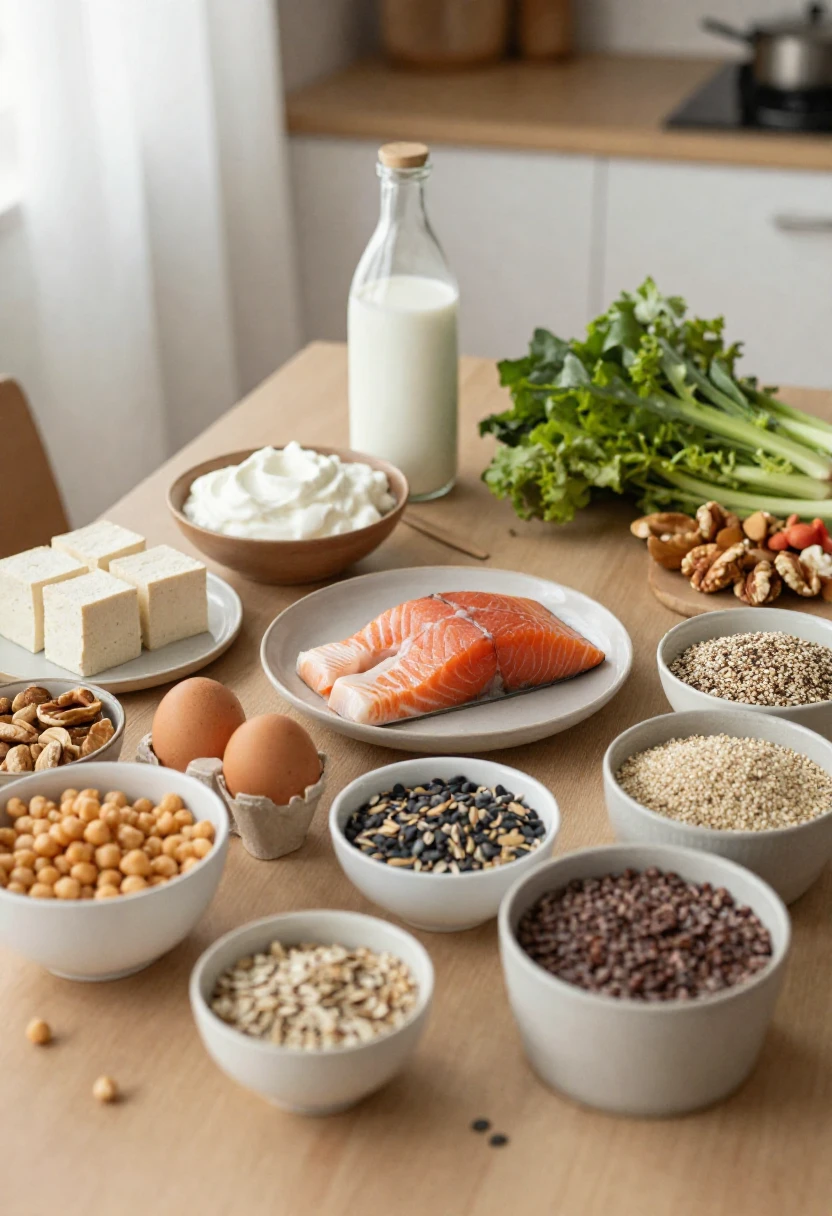
The good news is that essential amino acids are not hidden in rare wellness foods or expensive powders. You can get them from many familiar ingredients, and both animal-based and plant-based eating patterns can work. MedlinePlus notes that essential amino acids must come from food, and amino acids are found in foods such as meat, milk, fish, eggs, soy, beans, legumes, nut butters, and some grains like quinoa. It also notes that you do not need to eat animal products to get all the protein you need. (MedlinePlus)
Animal-based foods that provide complete protein
Animal foods are often the most straightforward sources because many of them are complete proteins, meaning they provide all nine essential amino acids in meaningful amounts. That includes foods like eggs, fish, dairy, poultry, and meat. Harvard Health notes that proteins from animal sources such as meat, eggs, and milk are complete proteins, and MedlinePlus says animal foods like meats, milk, fish, and eggs contain amino acids your body needs. (Harvard Health)
For everyday meals, this can look very simple:
- Greek yogurt with fruit and nuts
- Eggs with whole-grain toast
- Salmon with potatoes and greens
- Chicken with rice and roasted vegetables
- Cottage cheese as a snack
What makes these meals helpful is not just the protein total. They are easy, satisfying ways to give your body a reliable mix of essential amino acids without overcomplicating healthy eating. Harvard and MyPlate both emphasize including a variety of protein foods as part of an overall balanced pattern. (Harvard Health)
Plant-based foods that can help you meet your needs
Plant-based eaters have strong options too. Soy foods such as tofu, tempeh, and edamame are especially useful, and Harvard notes that soy and quinoa are examples of complete protein sources. MedlinePlus also lists soy, beans, legumes, nut butters, and some grains such as quinoa among plant sources of amino acids. (Harvard Health)
Other helpful plant foods include:
- Lentils
- Chickpeas
- Black beans
- Peanuts and peanut butter
- Pumpkin seeds
- Hemp seeds
- Oats
- Quinoa
- Whole grains paired with legumes
These foods may not all work the same way on their own, but together they can absolutely support your needs. USDA MyPlate includes beans, peas, lentils, nuts, seeds, and soy products in the protein foods group, which is a useful reminder that plant proteins count in a very real way. (myplate-prd.kwaps.platform.usda.gov)
Why variety matters more than perfection
This is where a lot of people relax a little. You do not need to build every meal like a chemistry project. MedlinePlus says you do not need animal products to get all the protein you need, and NIH/MedlinePlus explains that most plant proteins are incomplete, so eating different types of plant proteins across the day helps you get the amino acids your body needs. Harvard also recommends eating a variety of protein-rich foods to help meet daily needs and get a wider mix of nutrients. (MedlinePlus)
So instead of chasing perfection, think in patterns. A bowl of lentil soup at lunch, yogurt in the afternoon, and tofu stir-fry for dinner can all add up. A breakfast with eggs one day and oats with seeds and nut butter the next still moves you in the right direction. The goal is not a flawless meal. It is a steady routine that gives your body enough protein from varied, nourishing foods. (Harvard Health)
Complete vs Incomplete Proteins
What a complete protein means
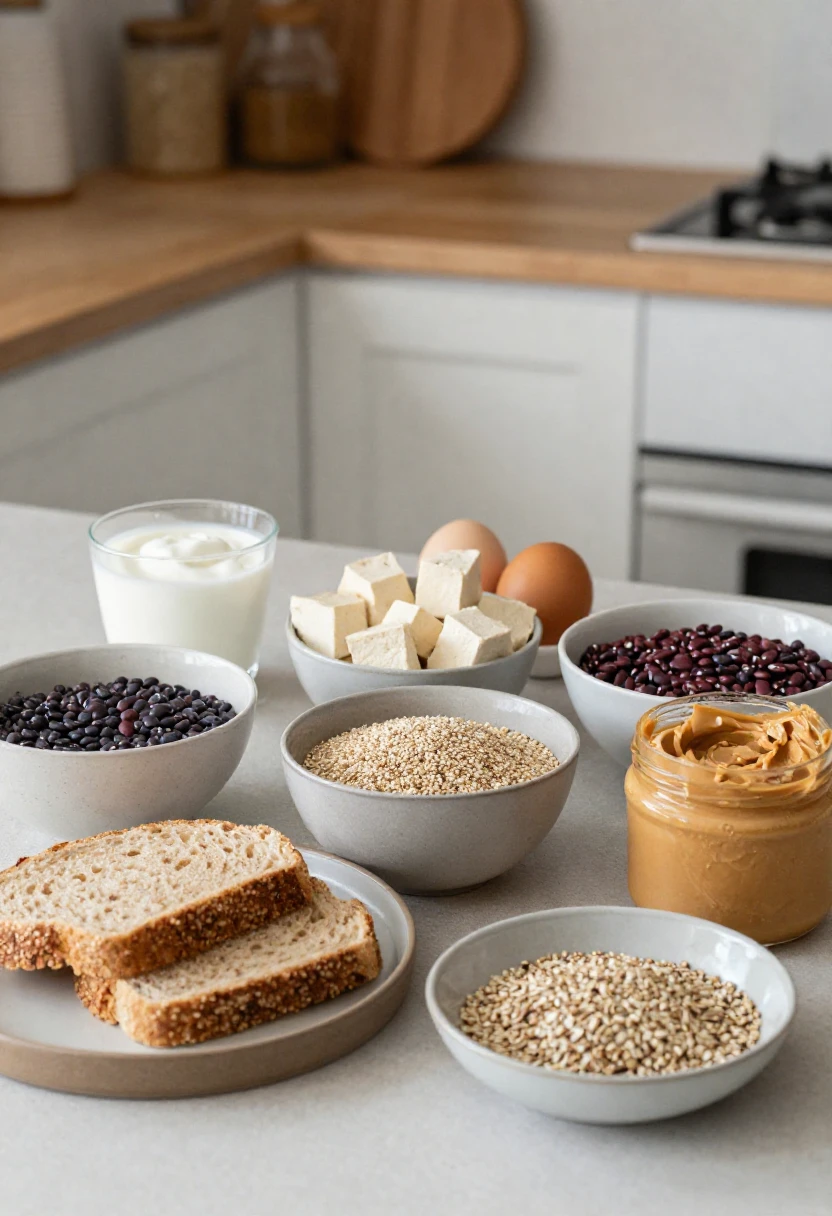
A complete protein is a food that contains all nine essential amino acids your body cannot make on its own. Many animal-based proteins fall into this category, including eggs, dairy, fish, meat, and poultry. Some plant foods do too, with soy and quinoa being two of the best-known examples. (The Nutrition Source)
This matters because complete proteins make it easier to cover your amino acid needs in one food. That said, complete does not automatically mean “better” in every situation. It just means the amino acid profile is more complete on its own. A balanced diet can include both complete and incomplete protein sources and still support excellent health. (The Nutrition Source)
Smart plant-based pairings that work well together
Most plant proteins are considered incomplete, which means they are lower in one or more essential amino acids. MedlinePlus notes that eating different types of plant proteins helps you get all the amino acids your body needs. In real life, that means variety matters more than obsessing over one “perfect” food. (MedlinePlus)
Helpful pairings can look like this:
- Rice and beans
- Lentil soup with whole-grain bread
- Hummus with whole-grain pita
- Peanut butter on whole-grain toast
- Oats with soy milk and pumpkin seeds
These combinations work well because grains, legumes, nuts, and seeds can complement one another over the course of the day. USDA MyPlate also encourages mixing up your protein foods to include beans, peas, lentils, nuts, seeds, and soy products. (myplate-prd.kwaps.platform.usda.gov)
Easy examples from real meals, not just nutrition charts
This is where healthy eating gets easier. You do not need to sit at the table calculating amino acids while your dinner gets cold. For most people, the practical goal is simply to build meals with a reliable protein source and enough variety across the day. MedlinePlus explicitly says you do not need to eat animal products to get all the protein you need. (MedlinePlus)
So a normal day might look like this:
- Breakfast: Greek yogurt with berries and walnuts
- Lunch: Quinoa bowl with chickpeas and roasted vegetables
- Snack: Apple with peanut butter
- Dinner: Tofu stir-fry with rice and broccoli
Or maybe it is even simpler:
- Eggs in the morning
- Lentil soup at lunch
- Salmon or beans at dinner
That is the heart of it. Complete and incomplete proteins are useful ideas, but they are not meant to make eating stressful. They are just a reminder that your body thrives on steady, varied nourishment, not perfection. (The Nutrition Source)
How to Get More Amino Acids Into Everyday Meals
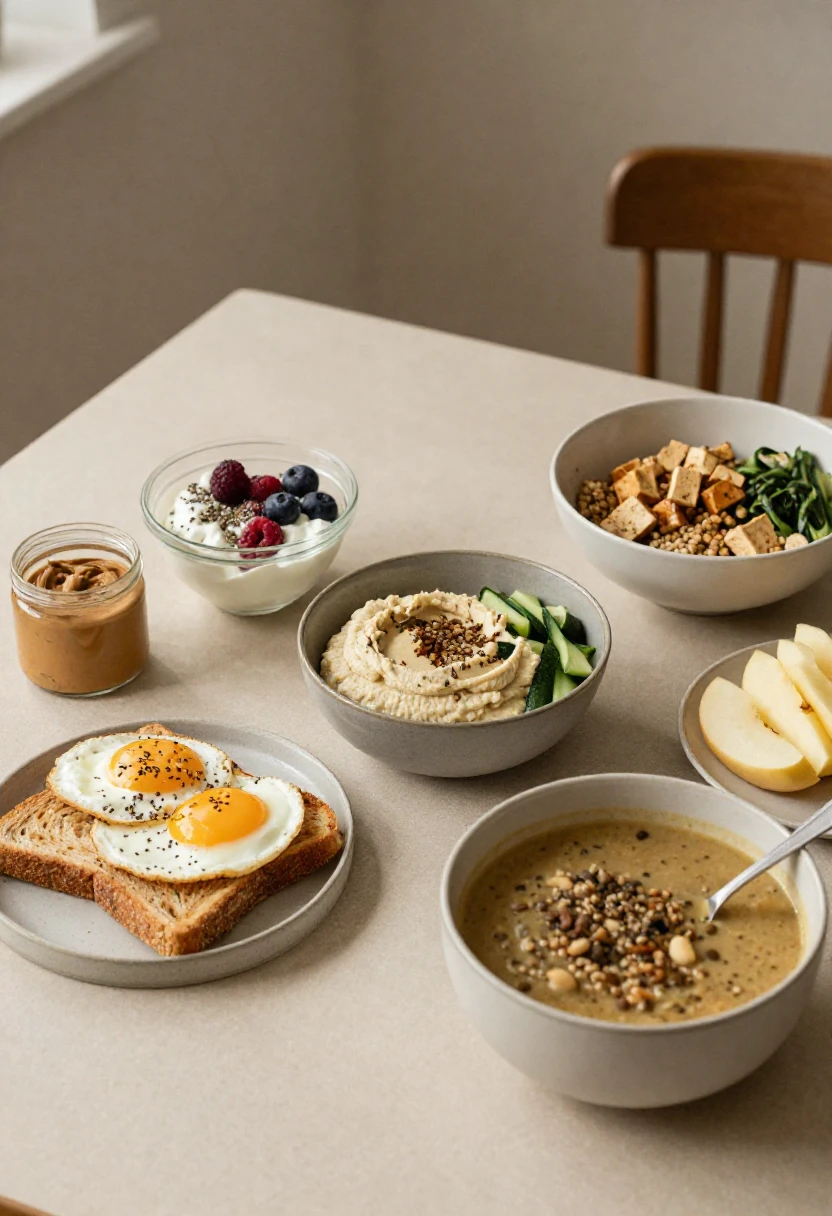
Getting more essential amino acids into your day does not mean turning every meal into a protein shake or tracking every gram on an app. In practical terms, it usually means building meals around a reliable protein source and adding some variety across the day. MedlinePlus notes that your body needs protein from food every day, and both animal foods and plant foods such as soy, beans, legumes, nut butters, and certain grains can help meet that need. (MedlinePlus)
Breakfast ideas that start the day with better protein
Breakfast is one of the easiest places to improve your routine because even small changes can make a meal more balanced and satisfying. A bowl of plain toast or a pastry may get you through the morning for a little while, but adding protein often helps a breakfast feel more steady and complete. MyPlate counts foods like eggs, yogurt, fortified soy yogurt, peanut butter, beans, nuts, and seeds as useful protein choices, which gives you plenty of room to work with what you already like. (myplate.gov)
A few easy ideas:
- Greek yogurt with berries, chia seeds, and walnuts
- Eggs on whole-grain toast with avocado or tomato
- Oatmeal made with milk or fortified soy milk, topped with peanut butter and pumpkin seeds
- Tofu scramble with vegetables and toast
- Cottage cheese with fruit and a handful of nuts
These are the kinds of breakfasts that feel realistic on a weekday. Nothing fancy, just a little more structure on the plate and a better start for your energy. Harvard’s Healthy Eating Plate also recommends making protein about a quarter of the plate and highlights options like fish, poultry, beans, and nuts as versatile choices. (The Nutrition Source)
Lunch and dinner combinations that feel easy and satisfying
Lunch and dinner do not need to be complicated either. One simple way to think about it is this: start with a protein, then build around it with vegetables and a grain or other carbohydrate you enjoy. USDA meal-planning resources suggest starting with a plant-based or lean protein food that can be repurposed across meals, which is a smart trick for busy weeks. (myplate.gov)
That can look like:
- Chicken, rice, and roasted vegetables
- Salmon with potatoes and green beans
- Lentil soup with whole-grain bread
- Tofu stir-fry with rice or noodles
- Quinoa bowl with chickpeas, greens, and tahini
- Bean chili with avocado and a side salad
This kind of meal pattern works because it is flexible. You can cook once and use leftovers in wraps, grain bowls, soups, or salads the next day. Harvard’s meal-prep guidance also emphasizes choosing healthy protein foods like fish, poultry, beans, and nuts, alongside vegetables and whole grains, instead of leaning too heavily on processed meats. (The Nutrition Source)
Snacks that help support steady energy
Snacks are often where people accidentally end up under-fueled. A handful of crackers or something sweet may taste good for a moment, but it usually does not stay with you for long. Adding a protein source can make snacks more satisfying and help your eating pattern feel less chaotic. MedlinePlus lists foods like milk, yogurt, nuts, beans, soy, eggs, and nut butters as protein sources, which means there are plenty of snack-friendly options. (MedlinePlus)
Try options like:
- Apple slices with peanut butter
- Yogurt with seeds
- A boiled egg and fruit
- Roasted chickpeas
- Edamame
- Cheese with whole-grain crackers
- Hummus with sliced vegetables
The goal is not to snack perfectly. It is to create a day of eating that feels more supported, more balanced, and less like you are running on empty by 4 p.m. Small choices repeated consistently often do more for your nutrition than one “perfect” meal ever could. Harvard also notes that healthy protein foods are versatile and can be mixed into meals and snacks throughout the day. (The Nutrition Source)
Do You Need More Amino Acids If You Exercise Often

Why active bodies use protein differently
If you exercise often, your body is asking for a little more from your food. Training creates a need for repair, rebuilding, and adaptation, especially in muscle tissue, and essential amino acids are the part of protein that helps drive that process. Research reviews note that essential amino acids are necessary to increase muscle protein synthesis, and sports-nutrition guidance from the International Society of Sports Nutrition says exercising people generally need more protein than the basic adult minimum, often around 1.4 to 2.0 grams per kilogram of body weight per day. (PMC)
That does not automatically mean you need a separate amino acid supplement every time you work out. In many cases, it simply means your regular meals need to do a better job of covering your needs. A well-built day of eating with eggs, yogurt, fish, beans, tofu, dairy, soy foods, or other quality protein sources can often provide the essential amino acids your body is looking for. This is especially true when protein is spread across the day instead of saved for one giant dinner. (SpringerLink)
Recovery, soreness, and rebuilding after workouts
After exercise, your muscles become more responsive to protein and amino acids for hours afterward. The ISSN position stand notes that skeletal muscle stays sensitized to protein and amino acids for up to 24 hours after resistance exercise, and that a serving of about 20 to 40 grams of high-quality protein is a practical target for stimulating muscle protein synthesis. The same guidance notes that these servings are often most useful when they are evenly distributed every 3 to 4 hours across the day. (SpringerLink)
For people who train hard, this can make recovery feel more supported. It does not guarantee that you will never feel sore, but it gives your body better material to work with when it is repairing tissue and adapting to training. If you are older, doing high-volume workouts, or eating in a calorie deficit, your needs may edge higher, and larger protein servings may be more helpful. ACSM also notes that older active adults often benefit from protein at each meal, with needs increasing when training gets heavier. (SpringerLink)
A balanced way to think about food before and after exercise
The most useful mindset is usually the simplest one: focus on total daily protein, steady meal timing, and overall recovery, not just one magic post-workout product. Nutrient-timing guidance from ISSN says that methodical intake of whole foods, fortified foods, or supplements can support recovery and tissue repair, but it also makes clear that recovery nutrition is broader than amino acids alone. For example, when recovery time between sessions is short, combining carbohydrate with protein can help replenish glycogen and support repair. (SpringerLink)
So if you exercise often, the answer is usually this: you may need more total protein and a better protein routine, not necessarily more fancy supplements. A yogurt bowl after a workout, eggs at breakfast, tofu at lunch, salmon or lentils at dinner, and a protein-rich snack in between can do far more for recovery than chasing isolated powders without a solid food foundation. And if you are considering amino acid supplements specifically, it is worth knowing that evidence is much stronger for getting a full essential amino acid profile or complete protein than relying on BCAAs alone. (SpringerLink)
Plant-Based Eating and Essential Amino Acids
Can vegetarians and vegans get enough
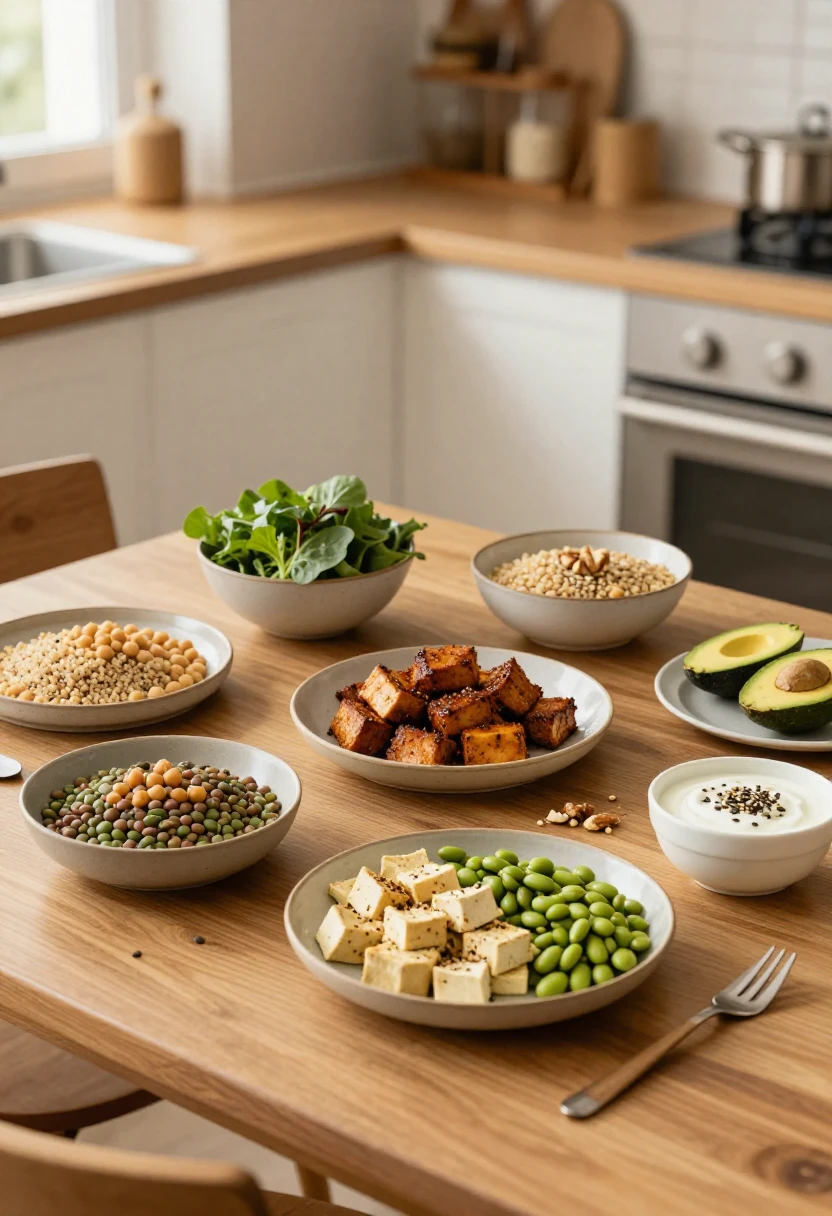
Yes, they can. A well-planned vegetarian or vegan diet can provide the essential amino acids your body needs, because essential amino acids must come from food, not from your body making them on its own. Plant-based diets built around legumes, soy foods, whole grains, nuts, seeds, and fortified soy alternatives can absolutely support healthy protein intake. (MedlinePlus)
This matters because a lot of people still worry that eating less meat automatically means falling short. In reality, the bigger issue is usually not “plant-based” versus “animal-based.” It is whether your meals are varied, regular, and built around actual protein foods instead of being mostly toast, snack foods, or light salads that leave you hungry an hour later. USDA MyPlate includes beans, peas, lentils, eggs, nut butters, nuts, seeds, and soy foods in the protein group, which is a helpful reminder that these foods count in a real nutritional way. (MyPlate)
The most helpful plant foods to keep in rotation
Some plant foods make this easier than others. Soy foods such as tofu, tempeh, edamame, and fortified soy yogurt are especially helpful, and Harvard notes that soy is one of the plant foods considered a complete protein. Quinoa is another commonly cited complete plant protein. Legumes, nuts, seeds, and whole grains are also valuable, even when they are not complete on their own. (The Nutrition Source)
A realistic plant-based routine might include foods like these:
- Tofu or tempeh in stir-fries, bowls, or wraps
- Lentils and beans in soups, salads, tacos, and stews
- Edamame as a snack or meal add-on
- Peanut butter or almond butter with toast, oats, or fruit
- Pumpkin seeds, hemp seeds, or chia seeds added to breakfast or snacks
- Quinoa in bowls, warm salads, or side dishes
- Fortified soy milk or soy yogurt for breakfast and smoothies
The beauty of these foods is that they fit into normal life. A warm bowl of oats with soy milk and seeds on a rushed morning, hummus tucked into a wrap at lunch, or a simple lentil curry at dinner can all help move your day in the right direction. And because USDA guidance encourages variety across the protein group, rotating these foods is a smart approach anyway. (MyPlate)
Common mistakes that make meals less balanced
The most common mistake is not that plant foods are “missing something.” It is that people sometimes build plant-based meals that are too low in protein overall. A breakfast of fruit only, a lunch that is mostly greens, or a dinner built from refined carbs with hardly any beans, tofu, lentils, or other protein source can leave you under-fueled. Harvard’s protein guidance notes that some proteins are complete and others are incomplete, so variety matters, especially with plant-focused eating patterns. (The Nutrition Source)
Another mistake is assuming you need to pair every plant protein perfectly in the same bite. MedlinePlus still describes plant proteins as incomplete and recommends combining different plant proteins to get the amino acids your body needs, while many dietitians now focus more broadly on eating a variety of protein-rich plant foods across the day. In practical terms, that means you do not need to panic over every meal. You just need a routine with enough beans, lentils, soy foods, grains, nuts, and seeds showing up regularly. (MedlinePlus)
A good plant-based plate often feels simple: a grain, a protein-rich plant food, vegetables, and something satisfying like olive oil, tahini, avocado, nuts, or seeds. When meals are built that way, plant-based eating usually feels less like a restriction and more like what it should be: nourishing, steady, and easy to live with. (MyPlate)
Simple Habits That Help You Meet Your Needs Naturally
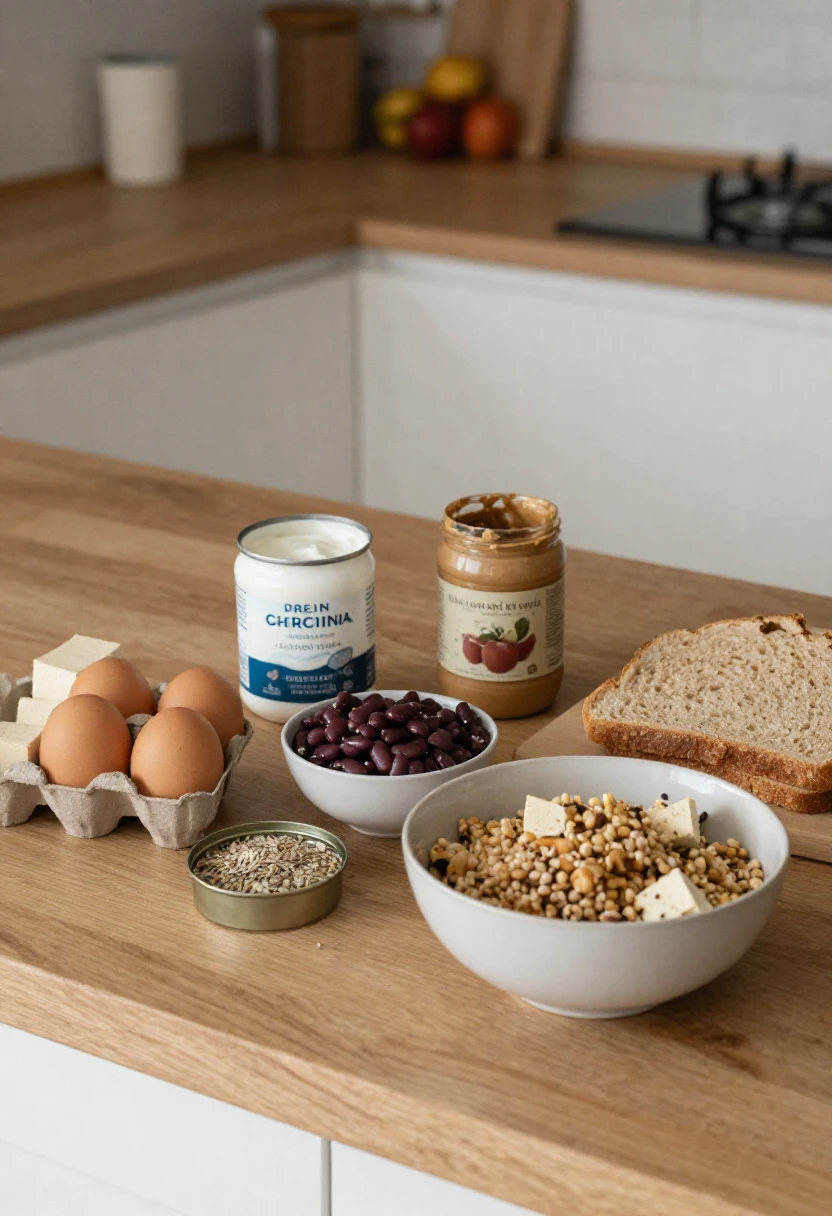
You do not need a perfect meal plan or a shelf full of supplements to get enough essential amino acids. Most of the time, what helps most is a steady rhythm of eating that includes real protein foods throughout the day. It is less about doing something extreme and more about making your meals feel a little more supportive, a little more satisfying, and a lot more realistic.
Building meals around protein without obsessing
One of the easiest habits is to start with the protein source first instead of treating it like an afterthought. When you ask yourself, “What is my protein here?” the rest of the meal often comes together more easily.
That might mean:
- Eggs with toast and fruit in the morning
- Greek yogurt with nuts and berries as a snack
- Lentils or chickpeas added to lunch
- Tofu, fish, chicken, or beans at dinner
This does not mean every plate needs to be perfectly measured or “high protein.” It simply means giving your body a reliable source of the building blocks it needs on a regular basis. Some days that will look beautifully balanced. Other days it may be a hummus wrap eaten between errands or cottage cheese and crackers at your desk. It still counts.
A good question to keep in mind is: Will this meal actually hold me for a while? If the answer is no, adding more protein is often a smart place to start.
Shopping and meal-planning tips that make it easier
Healthy eating gets much easier when your kitchen makes good choices feel convenient. You do not need a strict prep routine, but it helps to keep a few dependable protein foods around so you are not starting from zero every time you get hungry.
A few practical staples:
- Eggs
- Greek yogurt or cottage cheese
- Canned beans or lentils
- Tofu or tempeh
- Frozen edamame
- Nut butters
- Cheese
- Canned tuna or salmon
- Milk or fortified soy milk
- Seeds like pumpkin, chia, or hemp
It also helps to think in simple combinations instead of full recipes. For example:
- Protein + grain + vegetables
- Protein + fruit + healthy fat
- Soup or bowl + added beans, tofu, or eggs
That kind of loose structure makes busy weeks feel less chaotic. Maybe you roast vegetables once, cook a pot of quinoa, and keep boiled eggs or marinated tofu in the fridge. Maybe you rely on frozen options and pantry staples because that is what your week allows. That is fine. A realistic routine you can repeat is always more valuable than an ambitious plan you abandon by Wednesday.
Listening to your body instead of chasing food rules
This may be the most important habit of all. Nutrition advice can get noisy very quickly, and protein is no exception. One person says you need shakes. Another says you need to combine every plant food perfectly. Someone else makes it sound like one missed meal has ruined everything.
Real life is much calmer than that.
Your body often gives useful feedback when you pay attention. Maybe you notice that breakfasts with protein keep you fuller and more focused. Maybe you recover better when dinner includes something more substantial than pasta alone. Maybe your afternoon slump feels less intense when your snack includes yogurt, nuts, or edamame instead of only something sweet.
Those small observations matter.
Instead of chasing rigid food rules, aim for a pattern that feels sustainable:
- Include protein at most meals
- Rotate different sources through the week
- Keep easy options on hand
- Notice what helps you feel steady, satisfied, and well-fed
That is the kind of habit-building that lasts. Essential amino acids matter every day, but meeting your needs does not have to feel hard every day. With a little consistency and a little flexibility, your meals can support your body in a way that feels natural, not forced.
Conclusion
Essential amino acids may sound like something you only hear about in nutrition textbooks or gym conversations, but they are part of everyday health in a very real way. Your body uses them to repair tissue, maintain muscle, support recovery, and keep countless systems working behind the scenes. And because your body cannot make the essential ones on its own, your meals matter.
The reassuring part is that meeting your needs does not have to be complicated. You do not need a perfect diet, expensive powders, or a stressful food routine. Most of the time, it comes down to eating enough protein-rich foods consistently and giving yourself a little variety through the week.
A bowl of yogurt in the morning, lentils at lunch, tofu in a stir-fry, eggs on toast, salmon with vegetables, a handful of nuts with fruit — these small choices add up. And over time, they help create the kind of steady nourishment your body quietly depends on every day.
FAQ
What are essential amino acids in simple terms?
Essential amino acids are the parts of protein your body cannot make by itself, so you need to get them from food. They help with things like muscle repair, tissue maintenance, and normal body function.
Do I need animal products to get essential amino acids?
No, you do not. You can get essential amino acids from plant-based foods too. Soy foods, quinoa, beans, lentils, nuts, seeds, and whole grains can all help, especially when your diet includes a good variety.
What foods are highest in essential amino acids?
Some of the most reliable sources include:
- Eggs
- Fish
- Chicken
- Dairy foods like yogurt and cottage cheese
- Tofu and tempeh
- Edamame
- Beans and lentils
- Quinoa
The best choice is usually the one that fits naturally into your everyday meals.
Can I get enough amino acids without supplements?
Yes, in many cases you can. Most people can meet their needs through a balanced diet with enough protein-rich foods. Supplements are not always necessary when your meals already include a good mix of complete and varied protein sources.
How do I know if I am not eating enough protein?
You might notice things like low energy, poor recovery, feeling hungry soon after meals, or reduced strength, but these signs can also have other causes. If symptoms are ongoing or feel significant, it is a good idea to talk with a healthcare professional.