Contents
- 🍳 Why Eggs Are So Misunderstood
- 🥚 What’s Inside an Egg — Nutrients, Proteins & Good Fats
- ❌ Myth #1: Egg Whites Are Healthier — The Yolk Is Bad
- ❤️ Myth #2: Eggs Raise Blood Cholesterol — So Avoid Them
- 🐔 Myth #3: All Egg Labels Are Meaningful — “Cage-Free” Means Healthy
- 👶 Myth #4: Eggs Are Unhealthy During Pregnancy, for Kids, or as You Age
- 🍽️ Practical Usage — How to Use Eggs Smartly in Your Diet
- 🌿 Real Life Stories & Personal Approach
- 💡 Summary & Key Takeaways
- 🔍 FAQ / Common Questions About Eggs & Nutrition
🍳 Why Eggs Are So Misunderstood

Few foods have been as loved — and feared — as the humble egg.
One decade, it’s hailed as a perfect protein; the next, it’s accused of clogging arteries. 🥚💔
So what’s the truth? Why has something so simple caused so much nutritional confusion?
Eggs have been a breakfast staple for generations. They’re affordable, versatile, and delicious — whether scrambled, poached, or baked into a frittata. But somewhere along the way, they became tangled in cholesterol myths, diet trends, and labeling confusion.
For years, headlines warned us that eggs might raise cholesterol and harm the heart. Many people started tossing the yolk, believing the “white part” was the only healthy choice. Yet, nutrition science has evolved — and it’s time our mindset does too.
Modern research now shows that eggs can be part of a balanced, heart-healthy diet for most people. In fact, they’re one of nature’s most complete foods — packed with protein, vitamins, minerals, and essential fats that support brain and muscle function. 💪🧠
Still, the myths remain. And that’s what this article is here to fix.
We’ll break down the science behind egg nutrition, uncover what’s fact and what’s fiction, and help you enjoy eggs confidently — without guilt or guesswork.
By the end, you’ll know exactly what makes eggs special, how many are healthy, and why you can stop fearing the yolk once and for all. 🌞🥚
🥚 What’s Inside an Egg — Nutrients, Proteins & Good Fats

Let’s crack things open — literally.
An egg may look simple, but inside that shell lies one of the most nutritionally complete foods on earth. 🌎✨
Each egg is a perfect balance of protein, fat, and micronutrients, designed by nature to support new life — and, conveniently, your own health too.
🍳 1. The White: Pure, High-Quality Protein
The egg white (albumen) is mostly made of water and protein — about 4 grams of pure, easily digestible protein per egg.
It’s one of the few foods that contains all nine essential amino acids, earning eggs the title of a “complete protein.”
This means your body can use egg protein efficiently for:
- Building and repairing muscle
- Supporting metabolism
- Maintaining healthy skin, hair, and nails
It’s no wonder athletes and dietitians call eggs the gold standard of protein quality. 💪
🌞 2. The Yolk: The Real Nutrient Powerhouse
Here’s where the real magic happens — the yolk.
While it contains fat and cholesterol (which gave it a bad reputation for years), it’s also the most nutrient-dense part of the egg.
The yolk delivers:
- Vitamin D — one of the few natural food sources
- Vitamin B12 & Folate — essential for energy and red blood cell production
- Choline — supports brain health and fetal development
- Lutein & Zeaxanthin — antioxidants that protect your eyes from strain and aging
- Healthy fats — including omega-3s (in pasture-raised or omega-enriched eggs)
Far from being “bad,” the yolk is what makes an egg a superfood. 🧡
🧬 3. Cholesterol: The Most Misunderstood Nutrient
One large egg contains about 186 mg of cholesterol — all in the yolk.
For decades, that number scared people off. But modern research has shown that dietary cholesterol has little impact on most people’s blood cholesterol levels.
In fact, your liver produces cholesterol naturally, and when you eat more from food, your body simply makes less.
For the majority of healthy individuals, eggs don’t increase heart disease risk — and may even improve cholesterol balance by raising HDL (“good”) cholesterol. ❤️
🥑 4. The Perfect Natural Package
An egg isn’t just about individual nutrients — it’s about how they work together.
The protein in the white, the healthy fats in the yolk, and the vitamins throughout make eggs a rare food that supports muscle health, brain function, and overall energy — all for about 70 calories per egg.
It’s clean, affordable nutrition — no supplements required. 💫
So next time you crack an egg, don’t toss the yolk.
That golden center is where nature hid most of the good stuff — a small but mighty reminder that balance beats restriction every time. 🌿🥚
❌ Myth #1: Egg Whites Are Healthier — The Yolk Is Bad

For years, the poor egg yolk has been the victim of bad press.
People everywhere started separating their eggs, tossing the yolks, and proudly eating “egg-white omelets” in the name of health.
But here’s the truth: the yolk isn’t your enemy — it’s actually the most nutritious part of the egg. 🥚✨
🍳 Why This Myth Started
This belief began in the 1980s and 1990s when dietary guidelines warned against cholesterol-rich foods.
Since the yolk contains all of an egg’s cholesterol, it was labeled unhealthy, while the egg white (pure protein) became the “safe” choice.
What those early warnings missed, however, was a crucial fact:
👉 Dietary cholesterol ≠ blood cholesterol.
Modern studies show that for the vast majority of people, eating eggs doesn’t raise blood cholesterol levels or increase the risk of heart disease.
🌞 Why the Yolk Deserves a Comeback
The yolk is a nutrient powerhouse — it contains nearly half of the egg’s protein and most of its vitamins and minerals.
Here’s what’s hiding in that golden center:
- Choline → essential for brain development and liver function
- Vitamin D → supports bone health and immune function
- Vitamin A, B6, B12 → vital for energy and metabolism
- Lutein & Zeaxanthin → antioxidants that protect your eyes from age-related damage
- Healthy fats → help your body absorb fat-soluble vitamins (A, D, E, K)
Skipping the yolk means losing out on all of these benefits.
💪 The Smart Approach
For most healthy adults, one to two whole eggs a day is perfectly safe — even beneficial.
If you’re managing cholesterol levels, the key is balance — combine eggs with vegetables, fiber, and healthy fats instead of bacon or butter. 🥑🍅
If your doctor has advised you to monitor cholesterol, you can still enjoy eggs by:
- Mixing one whole egg with extra whites for lower fat
- Choosing pasture-raised or omega-3 enriched eggs
- Limiting processed meats or saturated fats alongside them
💛 Bottom Line
Egg whites are great — lean, clean, and high in protein.
But yolks? That’s where the magic lives.
Unless your doctor says otherwise, don’t fear the yolk — embrace it.
It’s nature’s multivitamin wrapped in gold. 🌞🥚
❤️ Myth #2: Eggs Raise Blood Cholesterol — So Avoid Them
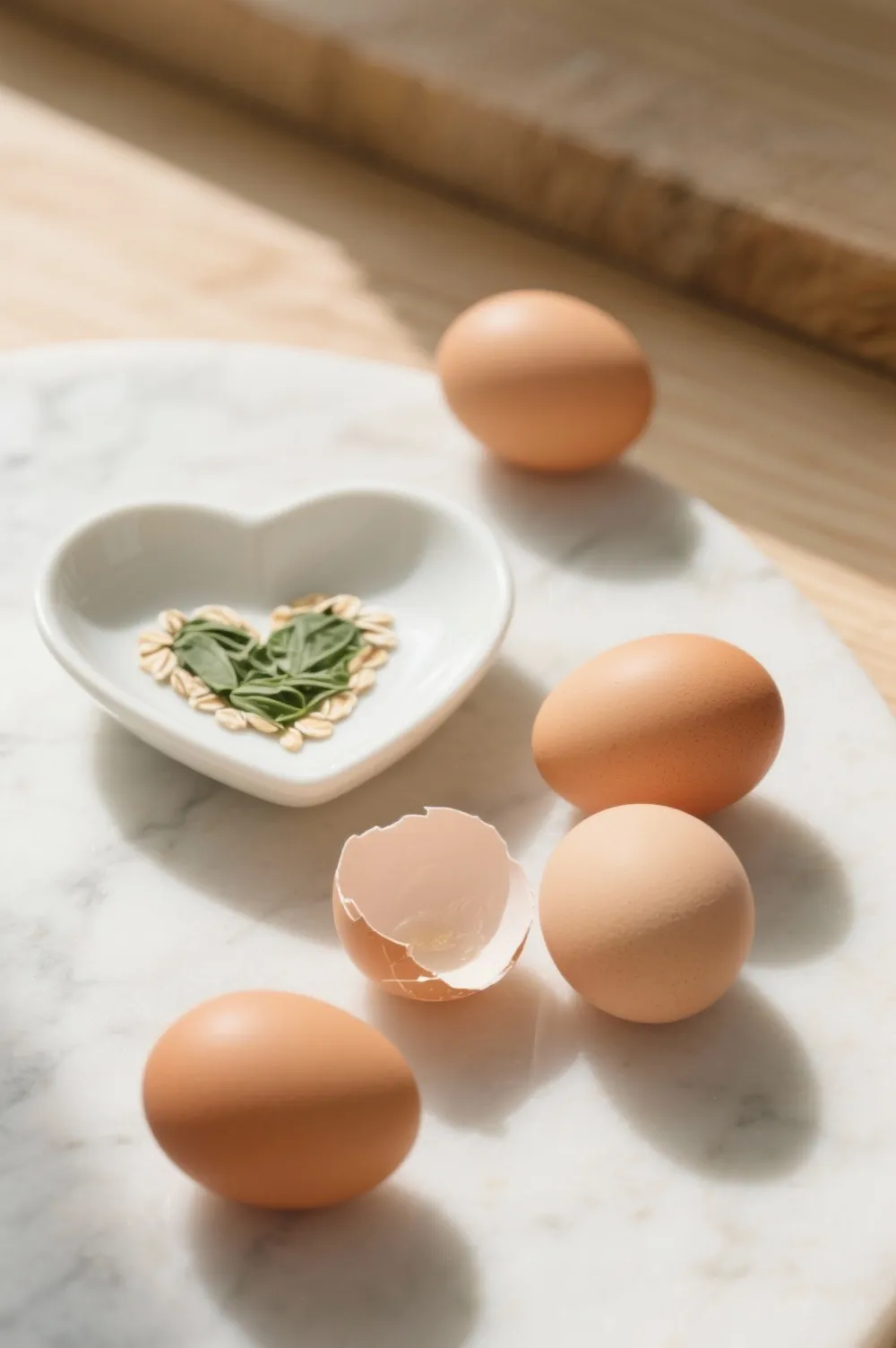
This is the big one — the myth that gave eggs their “bad reputation.”
For decades, we were told to skip the yolk to protect our hearts. But modern science has cracked that old belief wide open. 🥚🔍
📜 Where the Myth Began
Back in the mid-20th century, heart disease was on the rise, and researchers began linking high blood cholesterol to heart problems.
Since egg yolks contain about 186 mg of cholesterol, it seemed logical at the time to assume that eating them would raise cholesterol levels in the blood.
But here’s what scientists later discovered:
👉 The cholesterol you eat doesn’t necessarily translate to cholesterol in your bloodstream.
Your body is smarter than that — it regulates its own cholesterol production.
When you eat more from food, your liver produces less; when you eat less, it makes more. 🧠⚖️
🧬 What the Science Says Now
Dozens of studies and large meta-analyses have found that, for most healthy people, eating eggs does not increase the risk of heart disease.
In fact, some research even suggests that regular egg consumption may help:
- Raise HDL (“good”) cholesterol
- Improve your overall cholesterol ratio (HDL/LDL balance)
- Support eye and brain health thanks to nutrients like choline and lutein
The American Heart Association now acknowledges that eggs can fit into a heart-healthy diet when eaten as part of a balanced lifestyle. 🫀🌿
⚠️ When to Be More Cautious
Of course, everyone’s body is unique.
A small percentage of people — known as “hyper-responders” — may experience a mild increase in blood cholesterol after eating eggs.
If you have existing cardiovascular disease, diabetes, or high LDL levels, it’s wise to:
- Keep portions moderate (e.g. 5–7 eggs per week)
- Focus on how eggs are prepared — boiled or poached beats fried in butter
- Pair them with fiber-rich foods like vegetables or oats, not processed meats 🍅🥑
It’s not about avoiding eggs — it’s about eating them smartly.
💚 Why You Can Relax About Eggs
For most people, eggs are a nutrient-dense, affordable source of protein that support heart and metabolic health.
They deliver a perfect mix of fats and amino acids that actually help your body maintain balance.
So instead of blaming eggs, it’s time to shift focus to the real culprits — saturated fats, ultra-processed foods, and lack of fiber.
🥚 Bottom Line
Eggs don’t cause heart disease — poor dietary patterns do.
If you’re eating plenty of vegetables, whole grains, and healthy fats, eggs fit right in.
Think of them not as “cholesterol bombs,” but as nutrient gems in a balanced, whole-food diet. 💛
🐔 Myth #3: All Egg Labels Are Meaningful — “Cage-Free” Means Healthy
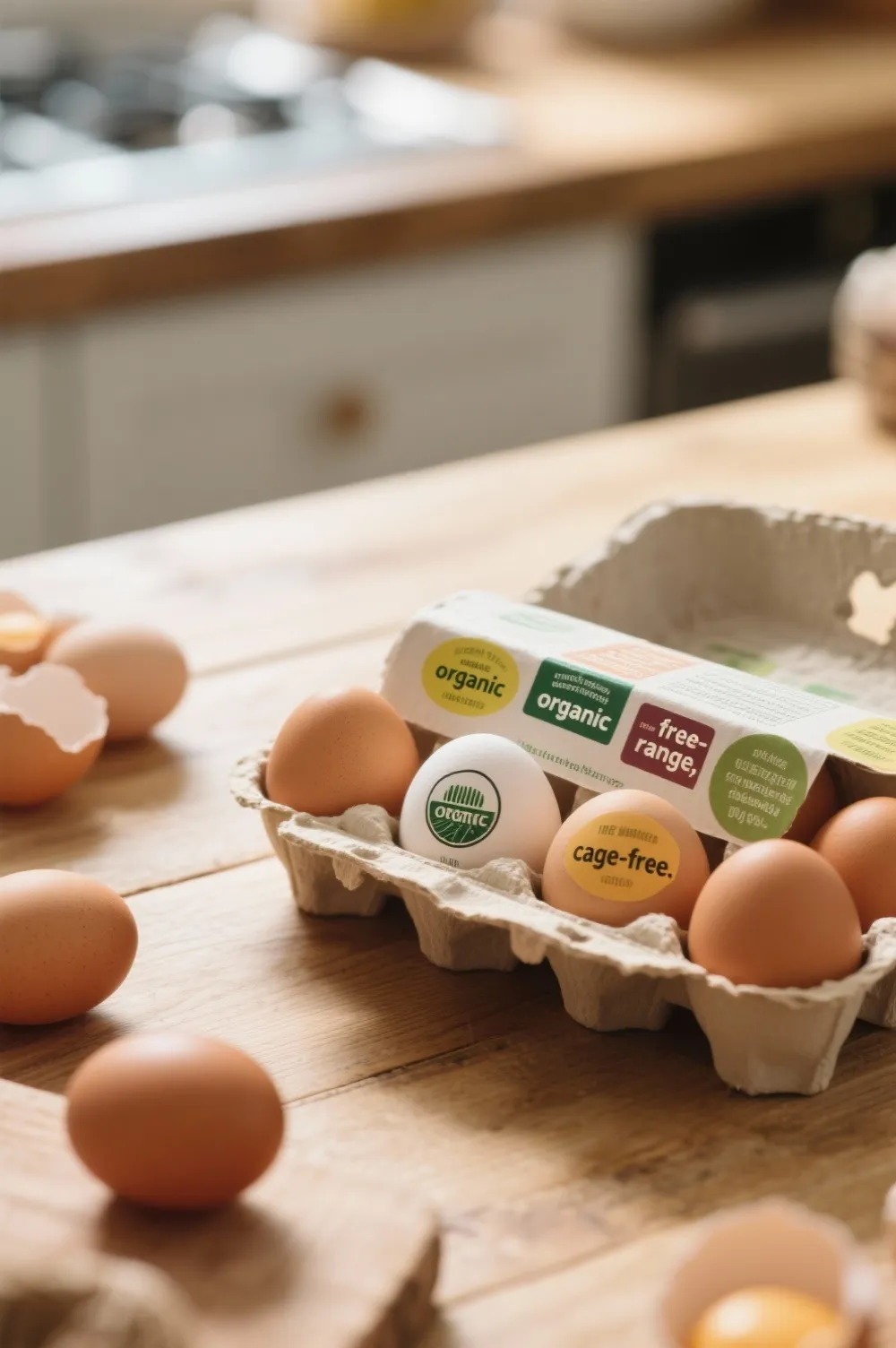
Walk down the egg aisle, and it feels like you need a decoder ring. 🧐
There’s “cage-free,” “free-range,” “pasture-raised,” “organic,” “omega-3 enriched,” “farm fresh” — the list goes on.
Each carton looks wholesome and eco-friendly, but what do these labels actually mean?
Spoiler: not all of them are as virtuous as they sound.
📦 Why This Myth Exists
The food industry knows that consumers associate words like “organic” or “free-range” with health and quality.
But most of these terms refer to how the hens were raised, not necessarily to the nutritional value of the eggs themselves.
That doesn’t mean labels are meaningless — they just don’t always mean what people think.
🥚 Breaking Down the Labels
Here’s a simple guide to the most common terms you’ll see:
Cage-Free
- The hens aren’t kept in small wire cages.
- However, they’re often still raised indoors in crowded barns.
- Nutritional difference: minimal compared to conventional eggs.
Free-Range
- Hens have some access to the outdoors — but how much and how often isn’t always specified.
- Slightly better animal welfare, but again, nutrition is about the same unless they eat a varied, natural diet.
Pasture-Raised
- These hens roam outdoors, pecking at grass and insects.
- Their diet is more natural, which can increase omega-3 content and improve vitamin levels in the eggs.
- Usually the best choice nutritionally and ethically. 🌿
Organic
- Hens are fed organic, non-GMO feed and have outdoor access.
- No antibiotics or synthetic pesticides are used.
- Nutrition can vary — but the bigger advantage is environmental and ethical. 🌎
Omega-3 Enriched
- Hens are fed flaxseed or algae to boost omega-3 fats in their eggs.
- Great option if you don’t eat much fish! 🐟
🌞 What Really Matters for Nutrition
At the end of the day, the hen’s diet and your overall eating habits have more impact on your health than the label on the carton.
If you can afford pasture-raised or omega-3 enriched eggs — great.
If not, don’t stress: conventional eggs are still incredibly nutritious. 🥚💪
Look for:
- Firm, bright yolks (a sign of freshness and good feed)
- Trusted local brands or farmers when possible
- Minimal processing (avoid liquid eggs with additives)
💬 The Bottom Line
Egg labels can be helpful — but they don’t always equal “healthier.”
A “cage-free” egg from a grain-fed chicken can have nearly the same nutrition as a conventional one.
So instead of chasing marketing buzzwords, focus on:
- Freshness
- Quality of diet
- Moderation and preparation
That’s where the real difference lies. 🍳🌿
👶 Myth #4: Eggs Are Unhealthy During Pregnancy, for Kids, or as You Age

Few foods carry as many health myths across generations as eggs.
Pregnant women are told to avoid them, parents worry about allergies, and older adults often skip them because of cholesterol fears.
But science paints a much friendlier picture. 💛🥚
🤰 1. Eggs During Pregnancy: Brain Food for Baby (and Mom!)
Eggs are actually one of the best foods an expectant mother can eat.
They’re rich in choline — an essential nutrient that supports brain development in the fetus and reduces the risk of birth defects.
A single egg provides about 150 mg of choline, roughly a third of the daily recommendation for pregnancy. 🧠👶
They also deliver:
- Protein for tissue growth
- Iron and folate for energy and blood health
- Vitamin D for immune and bone strength
✅ Safe tip: make sure eggs are fully cooked (no runny yolks) to avoid rare bacteria risks like Salmonella.
🧒 2. Eggs for Kids: A Nutrient Boost for Growing Bodies
For children, eggs are an ideal first protein.
They’re soft, easy to digest, and packed with nutrients that support growth, including vitamin B12, choline, and iron.
In fact, research shows that children who eat eggs regularly tend to have better overall diet quality and higher levels of key nutrients than those who don’t. 🐣
💡 Allergy tip:
Egg allergies are one of the most common early food sensitivities, but most kids outgrow them by school age.
Introduce eggs early (after 6 months, depending on your doctor’s advice) — early exposure can actually reduce allergy risk.
👵 3. Eggs for Older Adults: Protein, Vision & Brain Support
As we age, our nutritional needs change — but eggs remain one of the most valuable foods for older adults.
Here’s why:
- The high-quality protein in eggs helps maintain muscle and prevent frailty.
- Lutein and zeaxanthin support eye health and may lower risk of macular degeneration.
- Choline and B vitamins aid memory and brain function.
Plus, eggs are easy to prepare, affordable, and gentle on digestion — perfect for seniors who need simple, nutrient-rich meals. 🌞
🌿 4. The Real Risk Lies in Preparation, Not the Egg Itself
Whether you’re pregnant, young, or older, eggs only become “unhealthy” when cooked with the wrong company — think fried in butter or paired with processed meats like bacon or sausage.
Opt for boiled, poached, or lightly scrambled eggs with veggies and whole grains for the healthiest combo. 🍅🥬
💬 Bottom Line
From pregnancy to childhood to golden years, eggs can safely and beneficially be part of every stage of life.
They’re nutrient-dense, affordable, and incredibly versatile — the kind of food that truly ages well with you. 💚
🍽️ Practical Usage — How to Use Eggs Smartly in Your Diet

Now that you know eggs are nutrient-packed and heart-healthy, it’s time to put them to work in your everyday meals. 🥚💪
Eggs are one of the most versatile foods on the planet — simple enough for breakfast, elegant enough for dinner, and nutritious enough for snacks in between. The key is how you cook and pair them.
Here’s how to enjoy eggs smartly — with balance, flavor, and creativity. 👇
🌞 1. Start Your Day with Power
Eggs make a perfect protein-rich breakfast that keeps you full for hours and helps stabilize blood sugar.
Try these simple combos:
- 🍳 Scrambled eggs with spinach, tomatoes, and avocado
- 🥣 Overnight oats topped with a boiled egg on the side
- 🌮 Breakfast tacos with eggs, black beans, and salsa
- 🧁 Egg muffins baked with veggies for easy meal prep
💡 Tip: Add fiber-rich carbs (like oats or whole-grain toast) to create a perfectly balanced plate.
🥗 2. Build Smart Lunches & Dinners
Eggs aren’t just for breakfast — they’re an easy protein boost for any meal.
Ideas:
- 🥗 Add a sliced boiled egg to salads for extra protein and healthy fat
- 🍜 Toss a soft-boiled egg on ramen or quinoa bowls for richness
- 🍛 Make a veggie-loaded frittata or omelet for a quick, satisfying dinner
- 🥪 Whip up egg salad with Greek yogurt instead of mayo for a lighter twist
Eggs bring structure, flavor, and satisfaction to plant-forward dishes — a budget-friendly way to make meals more filling. 🌿
🧁 3. Use Eggs as a “Nutrition Multitasker”
Beyond meals, eggs can improve your nutrition in small ways throughout the day:
- Add one to pancake batter or oatmeal for extra protein
- Mix into veggie patties, stir-fries, or soups for a silky finish
- Bake healthy treats like banana bread or muffins — eggs add moisture and nutrients
Eggs do it all — they bind, enrich, and nourish. 🍌🥚
⚖️ 4. Cooking Matters: Choose Wisely
How you cook eggs makes a difference.
Keep it simple and light — fried eggs in butter every day? Not ideal.
Try these methods instead:
- Boiled or poached = minimal fat
- Scrambled with olive oil = healthy and delicious
- Oven-baked (frittatas, muffins) = easy and meal-prep friendly
Avoid high heat and heavy oils to preserve nutrients and heart health. ❤️
🥑 5. Balance Is the Secret Ingredient
Eggs pair beautifully with vegetables, whole grains, and healthy fats — like avocado, olive oil, or nuts.
Together, they form a balanced, satisfying meal that nourishes every system in your body.
The trick isn’t to eat more eggs — it’s to eat them better. 🌿
💚 Quick Recap: Smart Egg Habits
✅ Include 1–2 eggs a day as part of a balanced diet
✅ Combine with fiber, veggies, and good fats
✅ Vary your cooking methods
✅ Enjoy both whites and yolks
Eggs are not just a breakfast food — they’re an all-day, all-purpose nutrition ally. 🍳✨
🌿 Real Life Stories & Personal Approach

Nutrition isn’t just numbers on a label — it’s about habits, emotions, and beliefs that shape how we eat every day.
And few foods show that better than eggs. 🥚💛
For decades, people have had strong feelings about them — some eat them daily, others avoid them entirely.
But as we’ve learned, when you look past the myths, eggs become more than breakfast — they’re a symbol of balance.
Here are a few real-life snapshots of how people found their own “egg peace.” 👇
👩🍳 Lena: The Diet Perfectionist Turned Realist
Lena used to skip egg yolks religiously. She believed only the whites were “clean.”
Her breakfasts were bland, and she often felt hungry again an hour later.
When she started adding back whole eggs — scrambled with veggies and a slice of avocado toast — she noticed something incredible: better energy, fewer cravings, and more satisfaction. 🌞
Her takeaway? Restriction isn’t the same as discipline. Sometimes, balance means adding things back in.
🧘♂️ Carlos: The Fitness Lover Who Needed Simplicity
As a personal trainer, Carlos used to overcomplicate his diet — measuring every macro, avoiding certain foods.
Then he realized that eggs gave him everything he needed: complete protein, good fats, and fast prep.
Now, his favorite meal is a post-workout omelet with spinach and sweet potato.
He says: “Eggs are my recovery and my reset. They’re simple fuel that actually tastes good.” 💪
👩👧 Maya: The Busy Mom Who Simplified Nutrition
Maya used to feel guilty about breakfast — juggling kids, work, and trying to “eat clean.”
One day, she decided to stop chasing trends and just go practical.
She preps hard-boiled eggs on Sundays and keeps them in the fridge for easy snacks and lunchbox protein.
Now, mornings are calmer, her kids eat better, and breakfast isn’t stressful anymore. 🧺🍳
👵 Helen: The Grandmother Who Proved It’s Never Too Late
At 70, Helen was told years ago to limit eggs for her heart. She missed her Sunday omelet ritual.
After talking to her doctor, she reintroduced eggs — and felt stronger, more energized, and finally free from outdated fear. 💚
Her words say it best:
“I wish I hadn’t spent so many years afraid of something that was actually good for me.”
💬 Your Story Matters, Too
Whether you’re rebuilding your relationship with food, balancing fitness goals, or just trying to eat smarter — remember this:
Nutrition isn’t about perfection. It’s about peace.
Eggs can be part of a joyful, balanced way of eating — full of nourishment, not guilt. 🥚🌿
💡 Summary & Key Takeaways
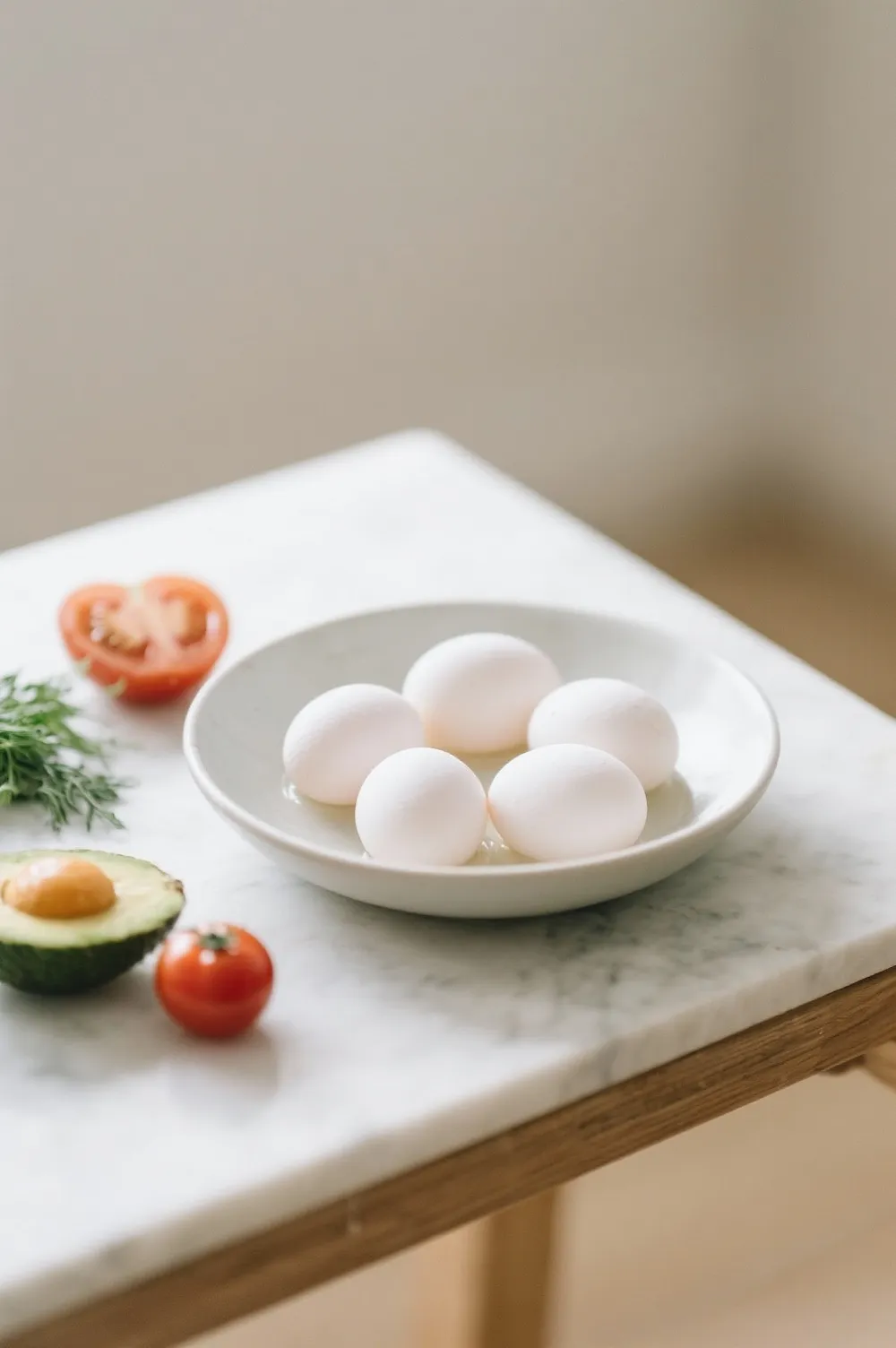
Let’s face it — eggs have been unfairly judged for far too long.
But now that the science is clear, it’s time to give this humble food the credit it deserves. 🌞🥚
Here’s the truth:
Eggs are one of the most complete, affordable, and versatile sources of nutrition available.
They’re packed with high-quality protein, healthy fats, essential vitamins, and powerful antioxidants — all in a tiny 70-calorie package. 💪
🧬 1. What We Know for Sure
- Eggs do not raise cholesterol in most people.
- The yolk is full of nutrients — vitamin D, B12, choline, lutein, and healthy fats.
- Egg whites offer pure protein, perfect for muscle and metabolism support.
- Whole eggs are safe for kids, pregnant women, and older adults — when cooked properly.
- Balance and preparation matter more than labels or restriction.
🍳 2. How to Eat Eggs the Smart Way
✅ 1–2 whole eggs per day fit easily into most healthy diets.
✅ Choose pasture-raised or omega-3 enriched eggs if possible.
✅ Cook with olive oil, not butter, for a heart-healthy meal.
✅ Pair eggs with veggies, whole grains, and good fats (like avocado).
✅ Avoid heavy frying or pairing eggs with processed meats.
Simple, natural, delicious — that’s the formula. 🌿
🩺 3. When to Be Mindful
If you have high cholesterol, heart disease, or diabetes, talk to your doctor about what’s right for you.
Even then, most experts agree that moderate egg intake is not only safe but beneficial when part of a balanced, whole-food diet. ❤️
🌞 4. The Bigger Picture
Eggs aren’t villains or miracle cures — they’re just real food.
And real food, eaten in balance, is what good nutrition is all about.
So go ahead — scramble them, poach them, bake them, or hard-boil them.
Enjoy the taste, the texture, and the nourishment, guilt-free. 🥑🍳
Because the truth is simple:
Eggs aren’t the problem — misinformation is.
🔍 FAQ / Common Questions About Eggs & Nutrition

❓ 1. Are eggs healthy or not?
Yes — absolutely! 🥚
Eggs are one of the most nutrient-dense foods you can eat. They’re rich in protein, vitamins (D, B12, A), minerals, and healthy fats.
When eaten in moderation, eggs support heart, brain, and muscle health — and fit easily into most balanced diets.
❓ 2. How many eggs can I eat per day?
For most healthy adults, 1–2 whole eggs daily is perfectly safe.
If you’re active or need more protein, you can include extra egg whites.
People with specific health conditions (like high LDL or diabetes) should check with their doctor — but moderate intake is still usually fine. ⚖️
❓ 3. Do eggs increase cholesterol or cause heart disease?
No — modern research shows that dietary cholesterol has minimal impact on blood cholesterol for most people.
Eggs can even help improve your good (HDL) cholesterol levels.
The real concern is how you cook them — frying with butter and bacon is very different from boiling or poaching. ❤️
❓ 4. Are egg yolks bad for you?
Not at all! The yolk is the most nutritious part of the egg — it contains vitamins D, B12, A, choline, and antioxidants like lutein.
It’s time to ditch the “yolk fear” — that’s where the good stuff lives. 🌞
❓ 5. What kind of eggs are the healthiest to buy?
Pasture-raised and omega-3 enriched eggs are often the most nutritious.
If you’re on a budget, don’t worry — regular eggs still provide amazing nutrition.
The hen’s diet affects the nutrients in the egg more than fancy labels. 🐔
❓ 6. Are eggs safe during pregnancy or for kids?
Yes! Eggs are a fantastic source of choline, iron, and protein — vital for brain and body development.
Just be sure to cook eggs thoroughly to avoid foodborne illness. For kids, early exposure (from 6 months) can even reduce allergy risk. 👶
❓ 7. Are eggs good for weight loss?
Yes! Eggs are high in protein and help you feel full longer, reducing cravings.
Eating eggs for breakfast is linked to better appetite control and lower calorie intake throughout the day. 🍳
❓ 8. How should I cook eggs for the best health benefits?
The healthiest cooking methods are:
- Boiled 🥚
- Poached 🌿
- Scrambled with olive oil 🍳
- Baked (frittata or muffins) 🧁
Avoid deep-frying or pairing eggs with processed meats. Keep it light and simple.
💚 Final Word
Eggs aren’t dangerous — they’re misunderstood.
When enjoyed as part of a balanced diet, they support energy, strength, and longevity.
So crack, cook, and savor — confidently. 🌞🥚