Contents
- Why Diet Is Key to Blood Pressure Control
- Understanding Blood Pressure — What Numbers Mean and Why They Matter
- Focus on Whole Foods — What to Eat More Of
- Sodium Awareness — How Salt Affects Blood Pressure
- Potassium, Magnesium & Calcium — Nutrients That Support Healthy Blood Pressure
- Healthy Fats and Heart Health — Not All Fats Are Equal
- Hydration and Drinks — What Helps and What to Limit
- Practical Eating Tips — Meal Ideas and Everyday Habits
- Lifestyle Factors That Boost Diet Effects
- FAQ — Real Questions People Ask About Diet & Blood Pressure
Why Diet Is Key to Blood Pressure Control

High blood pressure doesn’t usually arrive with loud symptoms or dramatic moments. It builds quietly, shaped by everyday habits — the meals we eat, the drinks we reach for, the routines we repeat without thinking. And because it develops gradually, it’s easy to assume that change must be complicated. But often, the opposite is true.
Food is one of the most powerful tools we have for supporting healthy blood pressure. The right choices help your blood vessels relax, reduce strain on the heart, and assist your body in balancing fluids and minerals naturally. This isn’t about strict diets, bland meals, or giving up everything you enjoy. It’s about understanding how nutrients, whole foods, and simple habits can work together to ease pressure on your cardiovascular system.
Many people are surprised at how quickly diet can make a difference. Within days or weeks, small adjustments — adding more potassium-rich foods, reducing sodium, prioritizing whole grains, drinking more water — can begin to shift blood pressure numbers in a healthier direction. And over time, these choices build resilience: stronger arteries, better circulation, and reduced long-term risks.
In this guide, we’ll explore the most effective, science-supported eating strategies for lowering and managing blood pressure naturally. You’ll find practical tips, food suggestions, habits you can start today, and gentle guidance to help you build a routine that supports your heart for years to come.
Understanding Blood Pressure — What Numbers Mean and Why They Matter
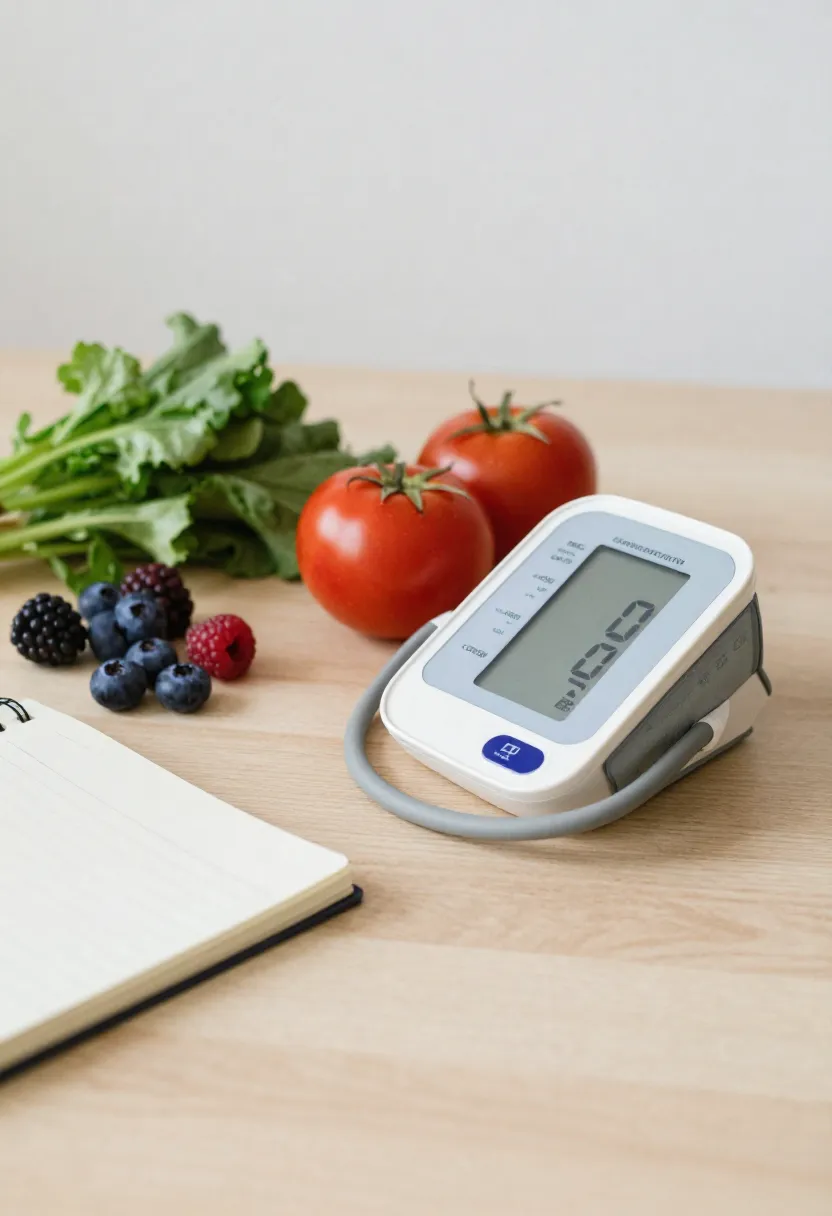
Before you can use food to support healthier blood pressure, it helps to understand what those familiar numbers on the blood pressure cuff actually mean. They’re more than statistics or targets — they’re a snapshot of how hard your heart is working and how smoothly blood flows through your arteries.
Blood pressure is measured with two numbers:
Systolic (the top number)
This shows the pressure in your arteries when your heart beats.
It’s the stronger pulse — the force that pushes oxygen-rich blood through your body.
Diastolic (the bottom number)
This reflects the pressure when your heart is resting between beats.
It’s the quiet moment, but just as important, because it tells you how relaxed your blood vessels are.
Both numbers matter. Persistent elevation in either one tells you the cardiovascular system is under strain — either from narrowed arteries, excess fluid, chronic stress, or long-term lifestyle patterns.
Why is this important?
Because high blood pressure, over time, makes the heart work harder than it should. It can stiffen blood vessels, reduce oxygen flow, and quietly increase the risk of heart disease, stroke, and kidney issues. It’s one of those conditions that feels silently harmless… until it isn’t.
The empowering part is this: blood pressure responds incredibly well to lifestyle changes, especially dietary ones. The foods you eat can help your arteries relax, improve circulation, reduce inflammation, and support electrolyte balance — all of which make it easier for your heart to do its job.
Understanding your numbers is simply the first step.
Next, we’ll explore the foods that help your body maintain healthier, more stable levels.
Focus on Whole Foods — What to Eat More Of
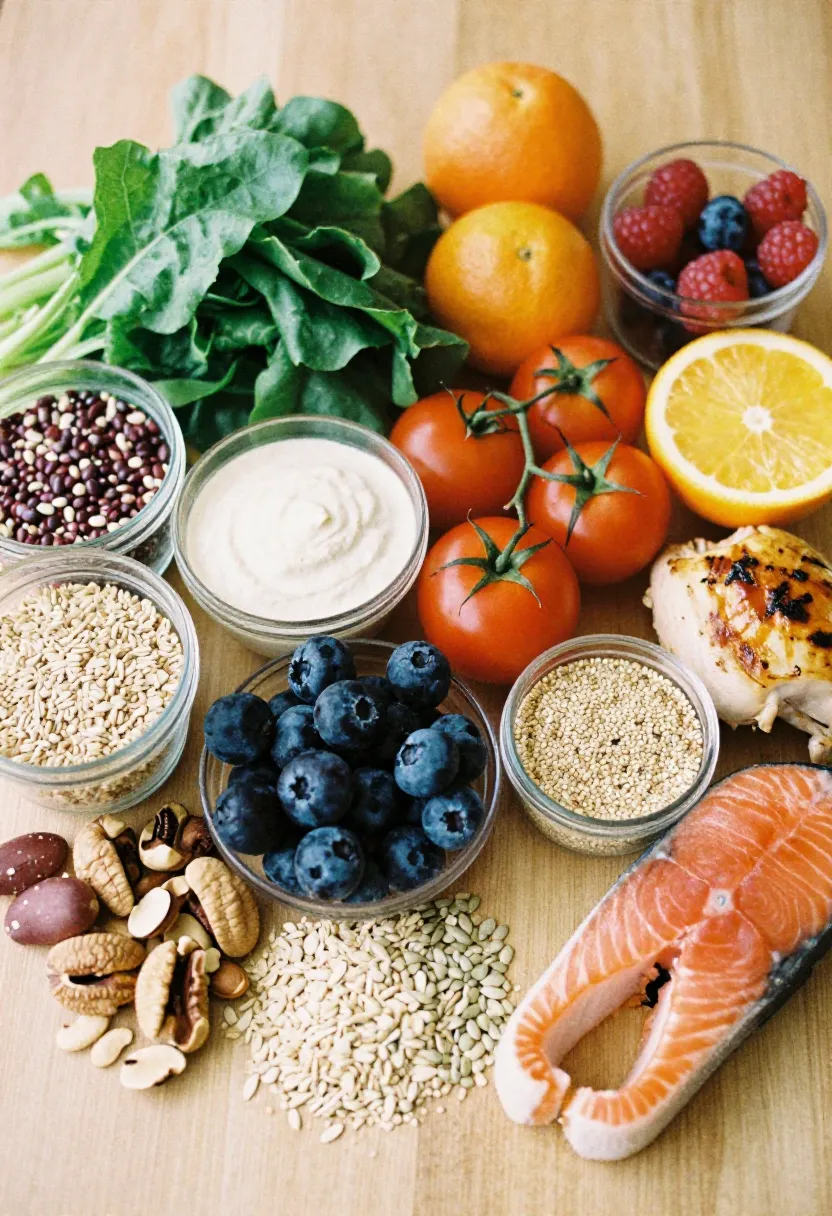
When it comes to managing blood pressure naturally, whole foods are your strongest allies. They provide the minerals, fibers, antioxidants, and healthy fats your cardiovascular system depends on to stay flexible and resilient. Unlike heavily processed products, whole foods work with your body rather than against it — supporting steady circulation, balanced fluids, and calmer blood vessels.
Think of whole foods as nourishment in its most helpful form. Here’s how they support your blood pressure in everyday, real-world ways.
Vegetables: Your Daily Foundation
Non-starchy vegetables — especially leafy greens, broccoli, peppers, zucchini, tomatoes, and carrots — offer the perfect blend of potassium, fiber, and antioxidants. Potassium is especially powerful because it helps counteract sodium’s effect, relaxing vessel walls and making it easier for the heart to pump.
Even adding just one extra serving a day can create a noticeable shift over time.
Fruits That Support Heart Health
Whole fruits provide vitamins, hydration, and natural compounds that help reduce inflammation. Berries, bananas, oranges, apples, pears, and kiwis fit beautifully into a blood-pressure-friendly lifestyle.
Their natural sweetness satisfies, while their fiber helps maintain steadier energy — without the sharp spikes you get from juices or refined sweets.
Whole Grains for Steady Energy
Whole grains like oats, quinoa, brown rice, barley, and whole-grain bread digest slowly and support healthy cholesterol levels. They also provide magnesium — a mineral that helps blood vessels relax. People who regularly eat whole grains often notice fewer energy crashes and a more stable mood throughout the day.
Lean Proteins for Strength and Satiety
Protein helps balance blood sugar and supports overall cardiovascular health. Options like chicken, turkey, eggs, fish, tofu, tempeh, and legumes keep meals satisfying without overwhelming the body with sodium or unhealthy fats.
Fish — especially salmon, sardines, trout — adds heart-loving omega-3 fats that further support circulation.
Legumes: Small But Mighty
Beans, lentils, chickpeas, and peas deliver fiber, plant protein, and minerals in one package. They’re filling, inexpensive, versatile, and consistently linked with better heart health in research. Just a few servings a week can help support blood pressure control.
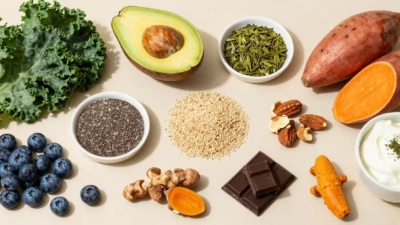
Nuts, Seeds & Healthy Fats
A handful of almonds, walnuts, chia seeds, flaxseed, or pumpkin seeds adds healthy fats and minerals that nourish the cardiovascular system. These foods help keep you full and steady between meals, making it easier to avoid salt-heavy processed snacks.
Low-Fat Dairy or Fortified Alternatives
Yogurt, kefir, and milk provide potassium, calcium, and magnesium — three nutrients that work together to balance fluids and support strong heart function. If you avoid dairy, fortified almond, soy, or oat milk can offer similar benefits.
Whole foods don’t work overnight, but they do work steadily — supporting your body meal after meal, day after day. Over time, these quiet daily choices create a foundation for a calmer, more resilient cardiovascular system.
Sodium Awareness — How Salt Affects Blood Pressure
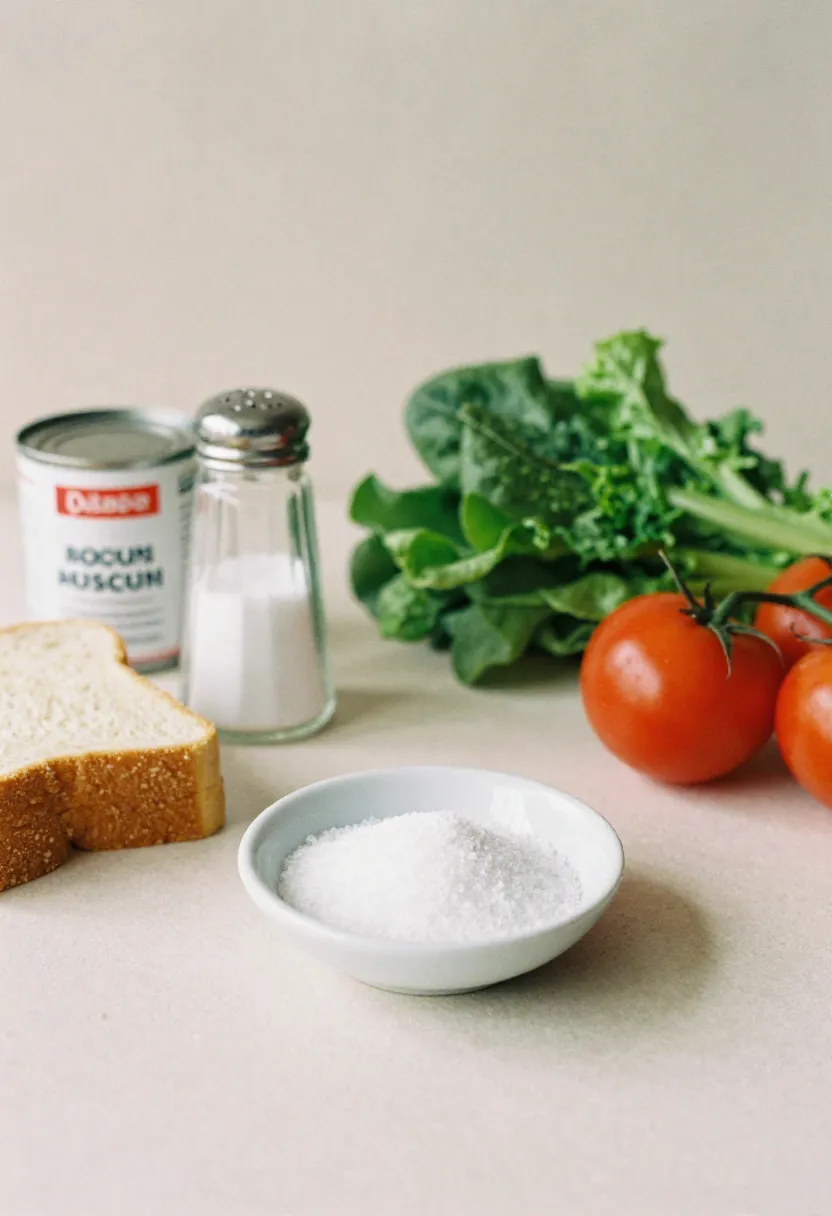
Salt is one of those ingredients that feels harmless because it’s everywhere — in home-cooked meals, snacks, sauces, breads, and even foods that don’t taste salty at all. But when it comes to blood pressure, sodium plays a decisive role. Understanding it doesn’t mean eliminating flavor; it simply means becoming aware of what your body needs to stay in balance.
Why Sodium Influences Blood Pressure So Strongly
Sodium affects how your body manages fluid. When you consume too much, your body holds onto extra water to dilute it. This increases the volume of blood flowing through your vessels, which raises the pressure against artery walls.
Over time, consistently high sodium intake can make those vessels stiffer and less responsive, creating a cycle that keeps blood pressure elevated.
Some people are especially “salt-sensitive,” meaning their blood pressure responds more dramatically to sodium — but most people benefit from reducing it.
Where Salt Hides (and Why You Don’t Notice It)
At home, we often think the salt shaker is the main problem, but most sodium actually comes from packaged and restaurant foods.
Things like bread, canned soup, sauces, deli meats, cheese, flavored rice or noodles, takeaways, and snack foods account for the majority of hidden sodium in the average diet.
That’s why two people can cook with the same amount of salt at home, yet have completely different daily sodium levels based on how many processed items they consume.
Practical Ways to Reduce Sodium Without Losing Flavor
You don’t need bland meals to lower blood pressure. In fact, low-sodium dishes often end up more aromatic because they rely on real flavor rather than saltiness.
Here’s how most people naturally reduce sodium without feeling restricted:
- Use herbs, garlic, lemon, vinegar, and spices to replace salt-heavy sauces.
- Choose fresh or frozen foods over canned ones when possible.
- Rinse canned beans or vegetables — it reduces sodium noticeably.
- Compare labels: even similar products (like tomato sauces or breads) can differ dramatically in sodium content.
- Limit salty snacks and replace them with nuts, vegetables, fruit, or yogurt.
- Gradually reduce salt in home cooking — taste buds adjust surprisingly quickly.
A Gentle Shift, Not a Sudden Change
Small, steady improvements make a bigger difference than one dramatic change. Reducing sodium helps your blood vessels relax, supports healthier fluid balance, and gives your cardiovascular system space to recover. Many people notice they feel less bloated, more energetic, and more hydrated when they eat this way.
And the best part? Once you tune into natural flavors, heavily salted foods start tasting overwhelming — a sign that your body is rebalancing.
Potassium, Magnesium & Calcium — Nutrients That Support Healthy Blood Pressure
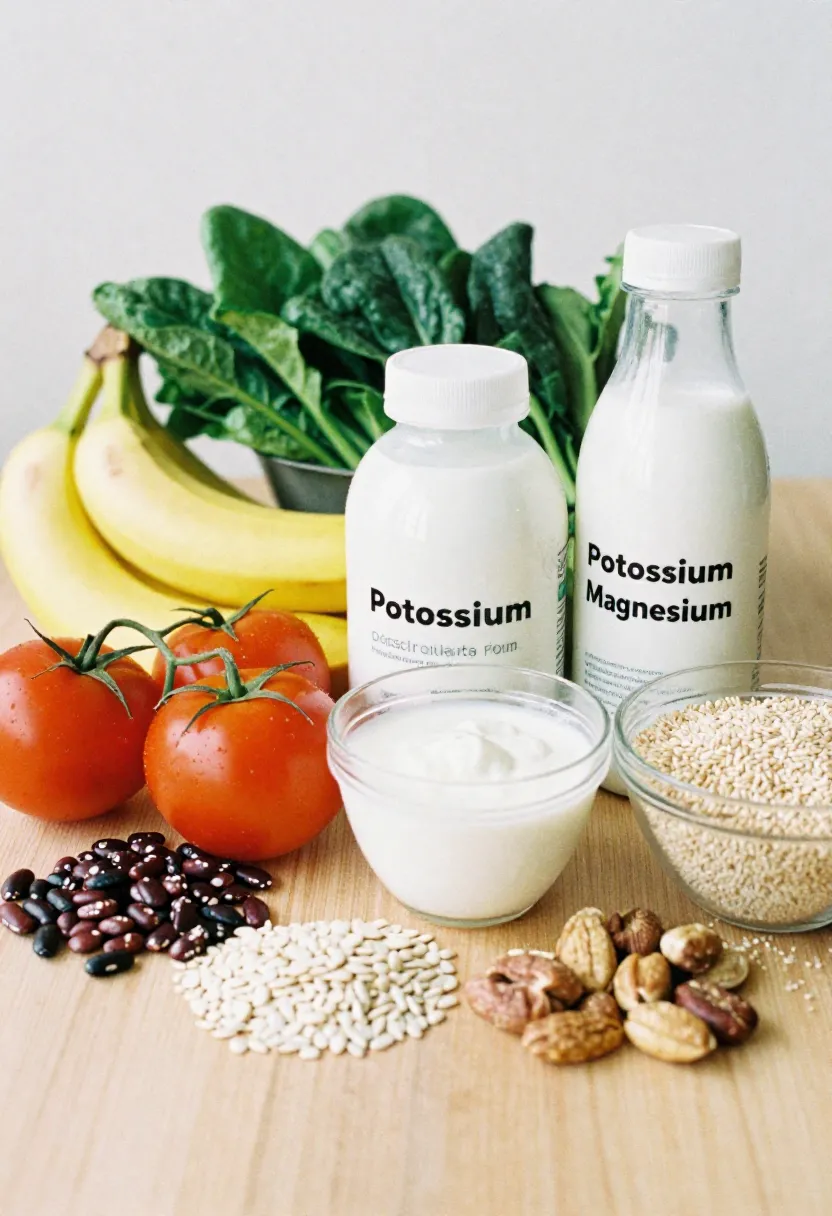
While sodium tends to steal the spotlight, three other minerals—potassium, magnesium, and calcium—play an equally important role in keeping blood pressure steady. Think of them as quiet partners working behind the scenes, helping your blood vessels relax, supporting healthy circulation, and balancing the fluids your body carefully manages each day.
Potassium: Sodium’s Natural Counterbalance
If sodium raises blood pressure, potassium helps bring it back down.
Potassium encourages your kidneys to excrete excess sodium and helps your blood vessels relax instead of tightening. Most people don’t get enough — not because it’s hard, but because modern diets are often built around processed foods that lack it.
Rich, natural sources include leafy greens, bananas, oranges, potatoes, beans, lentils, tomatoes, yogurt, and avocados. Adding more of these foods to your daily routine can create measurable improvements in blood pressure over time.
Magnesium: The Muscle Relaxer for Blood Vessels
Magnesium helps regulate hundreds of processes in the body, including the way blood vessels expand and contract. When magnesium levels are low, blood vessels may not relax efficiently, which can contribute to higher pressure.
Foods naturally high in magnesium include whole grains, nuts, seeds, spinach, legumes, and even dark chocolate with a high cocoa content. These foods don’t just support blood pressure; they also help with energy, sleep, and stress balance.
Calcium: Strength + Balance
Calcium isn’t just for bones — it also supports the proper contraction and relaxation of blood vessels. Getting enough calcium through food helps keep the cardiovascular system functioning smoothly.
Good dietary sources include dairy products like yogurt, kefir, and milk, as well as fortified plant milks, leafy greens, broccoli, tofu, almonds, and chia seeds. When combined with magnesium and potassium, calcium contributes to a more stable internal balance that supports lower blood pressure naturally.
The Power of Synergy
These three minerals work best when they’re part of a balanced, whole-food diet rather than taken as isolated supplements. When you eat meals rich in vegetables, whole grains, legumes, nuts, seeds, and dairy or fortified alternatives, your body absorbs these nutrients gently and consistently.
Blood pressure control is rarely about one food or one rule — it’s the cumulative effect of what you eat day after day. These minerals help shift your internal environment toward one where your blood vessels feel supported, not strained.
Healthy Fats and Heart Health — Not All Fats Are Equal

For years, fat was painted as the villain of heart health. But we now know the truth is far more balanced — and far more empowering. Fat itself isn’t the problem. In fact, the right fats can actively support healthier blood pressure and protect your cardiovascular system. It’s all about choosing fats that help your blood vessels stay flexible and avoiding those that add strain.
Why Healthy Fats Matter for Blood Pressure
Healthy fats reduce inflammation, support smoother blood flow, and help your body absorb key nutrients like vitamins A, D, E, and K. They also promote satiety, meaning you feel satisfied longer and are less likely to reach for salty, processed snacks.
When your meals include heart-friendly fats, your body often responds with calmer energy, steadier blood pressure, and better overall metabolic balance.
Where to Find the Fats That Help — Naturally
Unsaturated fats — especially monounsaturated and polyunsaturated — are the real heroes here. They’re found in foods that are nourishing, flavorful, and easy to incorporate into everyday meals.
Olive oil, avocados, nuts, seeds, and oily fish like salmon, sardines, and mackerel are excellent examples. These foods help lower LDL cholesterol, reduce arterial stiffness, and encourage healthier circulation. Even small additions — like a drizzle of olive oil on vegetables or a handful of walnuts — can make a meaningful difference over time.
The Fats to Minimize for Heart Health
Not all fats offer the same benefits. Saturated fats, found in fatty cuts of meat, full-fat dairy, butter, and certain baked goods, can raise LDL cholesterol in some people. While they don’t need to be completely eliminated, keeping them in moderation supports healthier blood pressure and heart function.
Trans fats, often found in ultra-processed snacks, fried foods, margarine, and commercial baked goods, are the ones to avoid as much as possible. They make arteries stiffer, increase inflammation, and have been strongly linked to heart disease.
Balanced Fat Intake Works Better Than Strict Rules
You don’t need a “low-fat diet” to lower blood pressure — you need the right balance of fats. Meals that include vegetables, whole grains, lean protein, and a source of healthy fat tend to leave you full, satisfied, and metabolically stable.
When fats come from whole foods rather than processed items, they nourish your heart instead of challenging it. Over time, these small decisions add up, supporting a heart that feels stronger, calmer, and more resilient.
Hydration and Drinks — What Helps and What to Limit

What you drink throughout the day has a surprisingly strong effect on blood pressure. Some beverages support healthy circulation and fluid balance, while others quietly work against you, adding strain without offering much in return. The goal isn’t perfection — it’s awareness. Once you understand how different drinks behave in the body, you can make choices that genuinely support your heart.
How Hydration Helps Control Blood Pressure
Water may seem simple, but it plays an essential role in maintaining a healthy cardiovascular system. Proper hydration helps your blood stay at the right thickness, supports kidney function, and ensures your heart doesn’t have to pump harder than necessary. When you’re even mildly dehydrated, your body tends to hold onto sodium and tighten blood vessels — two things that raise blood pressure.
Drinking water regularly throughout the day keeps everything flowing more smoothly. You don’t need a strict number of glasses; just aim for steady, consistent sips and pay attention to thirst and energy levels.
Beverages That Support Heart Health
Unsweetened herbal teas — like hibiscus, chamomile, mint, or rooibos — are gentle, hydrating, and full of plant compounds that soothe the cardiovascular system. Hibiscus tea, in particular, has been studied for its natural blood-pressure-lowering effects.
Green tea offers antioxidants that support vessel flexibility and metabolic health. Black coffee can also be part of a heart-friendly routine for many people, as long as it’s not paired with sugary syrups or heavy cream.
Low-fat milk or fortified plant milks provide calcium and magnesium — two minerals that help keep blood vessels relaxed.
Drinks to Enjoy Occasionally, with Awareness
Sugary beverages like sodas, sweetened coffees, flavored teas, and fruit juices can contribute to higher blood pressure over time. They’re quick to digest, raise insulin, and often contain excess sodium or hidden additives.
Alcohol deserves special attention: while small amounts may be fine for some, regular drinking — especially beer, wine, or cocktails — can raise blood pressure gradually. If you choose to drink, moderate amounts and hydration in between can help.
Energy drinks, with their combination of high caffeine and added stimulants, can cause sudden spikes in blood pressure and are best avoided for heart health.
A Gentle Hydration Rhythm
The simplest approach is also the most effective: prioritize water and nourishing drinks, enjoy others in moderation, and stay aware of how your body feels. When you give your cardiovascular system the hydration it needs, it often responds with greater steadiness, better energy, and calmer blood pressure.
Practical Eating Tips — Meal Ideas and Everyday Habits
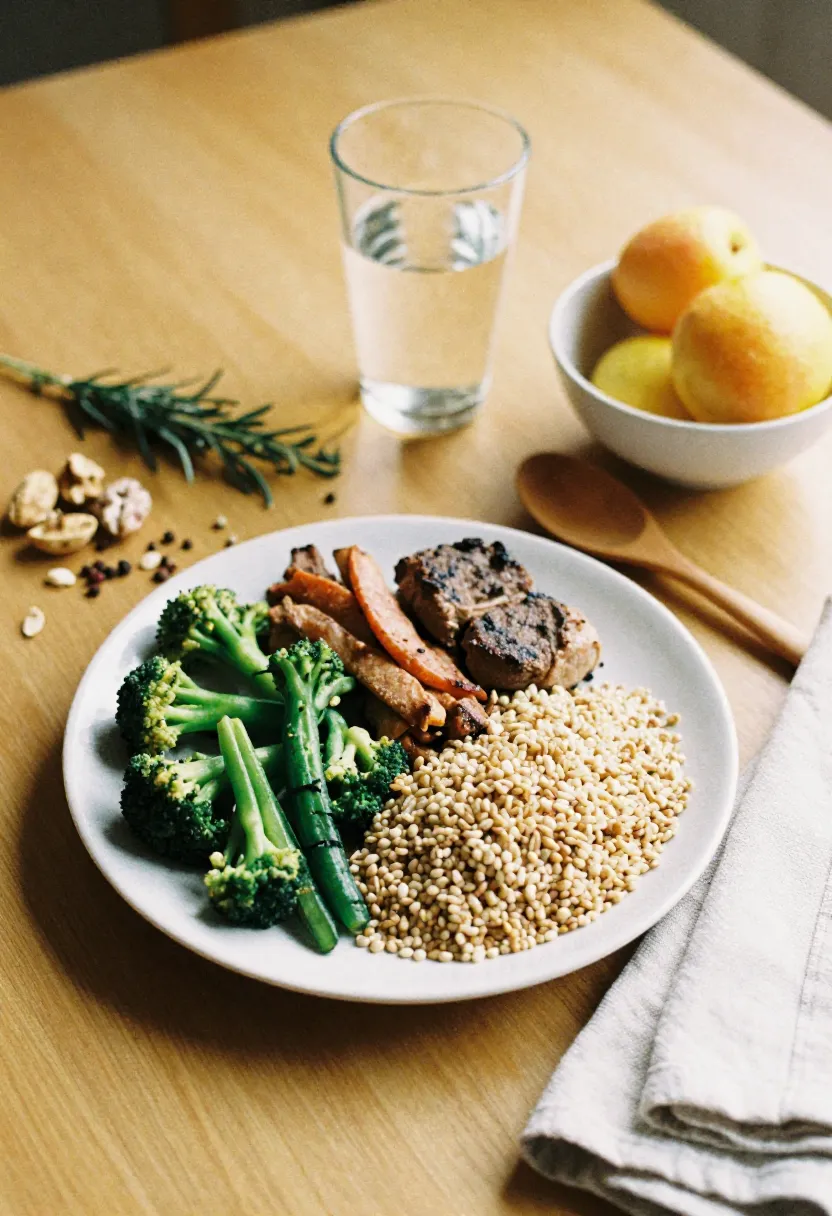
Lowering blood pressure through diet isn’t about strict rules or dramatic restrictions. It’s about creating a rhythm of eating that supports your heart day after day. Small decisions — made consistently — have the most powerful impact. And the best part? These habits are simple, enjoyable, and easy to fit into real life.
Build Your Plate With Balance in Mind
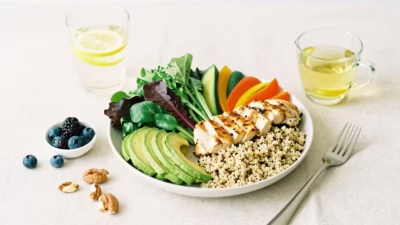
A heart-healthy meal doesn’t need to be complicated. Visualize your plate in three sections:
• Half filled with vegetables
• One quarter with lean protein
• One quarter with whole grains or legumes
This structure naturally increases fiber, reduces sodium, and supports more stable energy. It also keeps you satisfied without relying on salty processed foods.
Use Flavor, Not Salt, to Season Your Meals
Herbs, spices, citrus, garlic, and vinegar can transform your food without raising blood pressure. Lemon juice brightens vegetables, smoked paprika adds depth to soups, and fresh herbs make even simple dishes feel vibrant. When meals taste satisfying, you naturally crave less salt.
Incorporate Blood-Pressure-Friendly Foods Into Daily Eating
A few examples:
• Oatmeal topped with berries and nuts for breakfast
• A lentil or bean-based soup for lunch
• Roast chicken or salmon served with vegetables for dinner
• Snacks like yogurt, fruit, or unsalted nuts
These foods work quietly in the background to support your cardiovascular system.
Be Mindful of Processed Foods
You don’t need to avoid them entirely — just be aware that many packaged foods hide more sodium than you’d expect. A quick label check helps you choose options with lower salt, healthier fats, and fewer additives.
Plan for Success Without Overthinking
A little preparation goes a long way. Washing veggies ahead of time, keeping fruit within reach, or cooking a batch of whole grains for the week makes healthy choices almost automatic. Even small routines like carrying a reusable water bottle or eating meals at consistent times help your body maintain balance.
Slow Down and Notice How Foods Make You Feel
Heart-healthy eating isn’t just about numbers or ingredients — it’s also about connection. When you slow down, chew thoughtfully, and actually taste your meals, digestion improves and overeating becomes less likely. A calmer mealtime rhythm supports a calmer cardiovascular system.
In the end, practical dietary changes are less about perfection and more about gentle consistency. Over time, these habits create a nourishing way of eating that supports your heart and makes you feel good every day.
Lifestyle Factors That Boost Diet Effects

Diet is a powerful tool for lowering blood pressure, but it becomes even more effective when paired with supportive lifestyle habits. Think of these habits as quiet amplifiers — each one strengthening the impact of the food choices you make. You don’t need perfection or intense routines. Small, steady changes can transform how your cardiovascular system feels day to day.
Movement Helps Your Heart Work Less Hard
Regular physical activity helps blood vessels stay flexible and improves circulation. Even light movement — such as daily walks, gentle cycling, swimming, or yoga — encourages your heart to pump more efficiently.
You don’t need long workouts. A simple 10–20 minute walk after meals can noticeably soften post-meal blood pressure increases and support healthier digestion. Over time, movement helps lower both systolic and diastolic numbers.
Sleep Restores the Cardiovascular System
Good sleep is one of the most underrated factors in blood pressure control. When you sleep poorly, your stress hormones stay elevated, your blood vessels tighten, and your body becomes more sensitive to sodium.
Consistent, restful sleep allows your cardiovascular system to recalibrate each night.
Helpful habits include winding down early, dimming lights, reducing screen time before bed, and maintaining a steady sleep schedule.
Stress Directly Influences Blood Pressure
Stress doesn’t just affect your mind — it raises cortisol and adrenaline, which cause your blood vessels to constrict. Long-term stress can keep blood pressure elevated even when your diet is excellent.
Gentle practices can help bring everything back into balance:
• Deep breathing
• Short mindfulness exercises
• Walks in nature
• Journaling
• A calming hobby
• Stretching or slow yoga
You don’t need to eliminate stress completely — just create moments of release throughout your day.
Healthy Weight Supports Healthy Pressure
For many people, even modest weight loss can reduce strain on the heart and help lower blood pressure. This isn’t about strict dieting — just consistent, nourishing habits. When you eat whole foods, move regularly, sleep well, and manage stress, weight often finds a more natural equilibrium.
Your Daily Routine Matters as Much as Your Meals
When diet, movement, sleep, stress management, and hydration all work together, blood pressure shifts almost effortlessly. These habits complement one another, creating a foundation of stability that your cardiovascular system can rely on.
Together, they form a lifestyle that’s not only heart-healthy but also energizing, sustainable, and deeply supportive of overall well-being.
FAQ — Real Questions People Ask About Diet & Blood Pressure

Can I still eat salt if I have high blood pressure?
Yes — but in smaller amounts and with more awareness. You don’t need to eliminate salt completely. The goal is to reduce excess sodium from processed foods and use herbs, spices, lemon, and garlic to build flavor instead. Most people find that their taste buds adjust within a couple of weeks.
Do I need to avoid all fats?
Not at all. Healthy fats — like those in olive oil, nuts, avocados, and fatty fish — actually support heart health and can help lower blood pressure. What you want to limit are trans fats and high amounts of saturated fat from processed foods.
Are bananas bad because they’re high in sugar?
No. Bananas are rich in potassium, which helps counteract sodium and supports healthier blood pressure. Their natural sugars are balanced by fiber. If you prefer a lower-sugar option, choose slightly underripe bananas or pair them with yogurt or nuts.
What’s the best drink for lowering blood pressure?
Water is the simplest and most effective option. Herbal teas — especially hibiscus — can also help. Sugary drinks and energy drinks should be limited because they can raise blood pressure over time.
Do I have to follow the DASH diet exactly?
The DASH diet is a helpful template, but you don’t need to follow it perfectly. The principles — more whole foods, more potassium-rich foods, less sodium, and healthy fats — are what make it effective. You can adjust it to fit your routines, culture, and personal preferences.
Can coffee raise blood pressure?
For some people, coffee causes a temporary rise in blood pressure, especially if they’re sensitive to caffeine. For many others, moderate black coffee fits comfortably into a heart-healthy lifestyle. Pay attention to how your body responds and enjoy it without added sugars or heavy creams.
Can alcohol worsen high blood pressure?
Regular or heavy drinking can raise blood pressure over time. Moderate drinking may be fine for some individuals, but spacing drinks out, alternating with water, and choosing low-sugar options is best.
How quickly can diet improve blood pressure?
Many people see early improvements within a few days to a few weeks — especially when reducing sodium, increasing potassium, and staying hydrated. Long-term, consistent habits create the strongest and most lasting results.
Is it possible to control blood pressure without medication?
Some people can achieve significant improvements through diet and lifestyle alone, while others may still need medication. The goal isn’t to avoid medicine at all costs — it’s to support your cardiovascular system so effectively that your treatment plan becomes as gentle and balanced as possible.