Contents
- Welcome to the World of Creamy Cheese Sauce
- Save
- The Foundations of Cheese Sauce
- Choosing the Right Cheese for a Smooth, Creamy Sauce
- How to Make Silky Cheese Sauce (Without Stress or Lumps)
- Common Cheese Sauce Problems (and How to Fix Them)
- Flavor Enhancements & Creative Cheese Sauce Variations
- Cheese Sauce Recipes: From Everyday to Elevated
- Where Cheese Sauce Works Best: Pairings & Uses
- Frequently Asked Questions About Cheese Sauce
Welcome to the World of Creamy Cheese Sauce
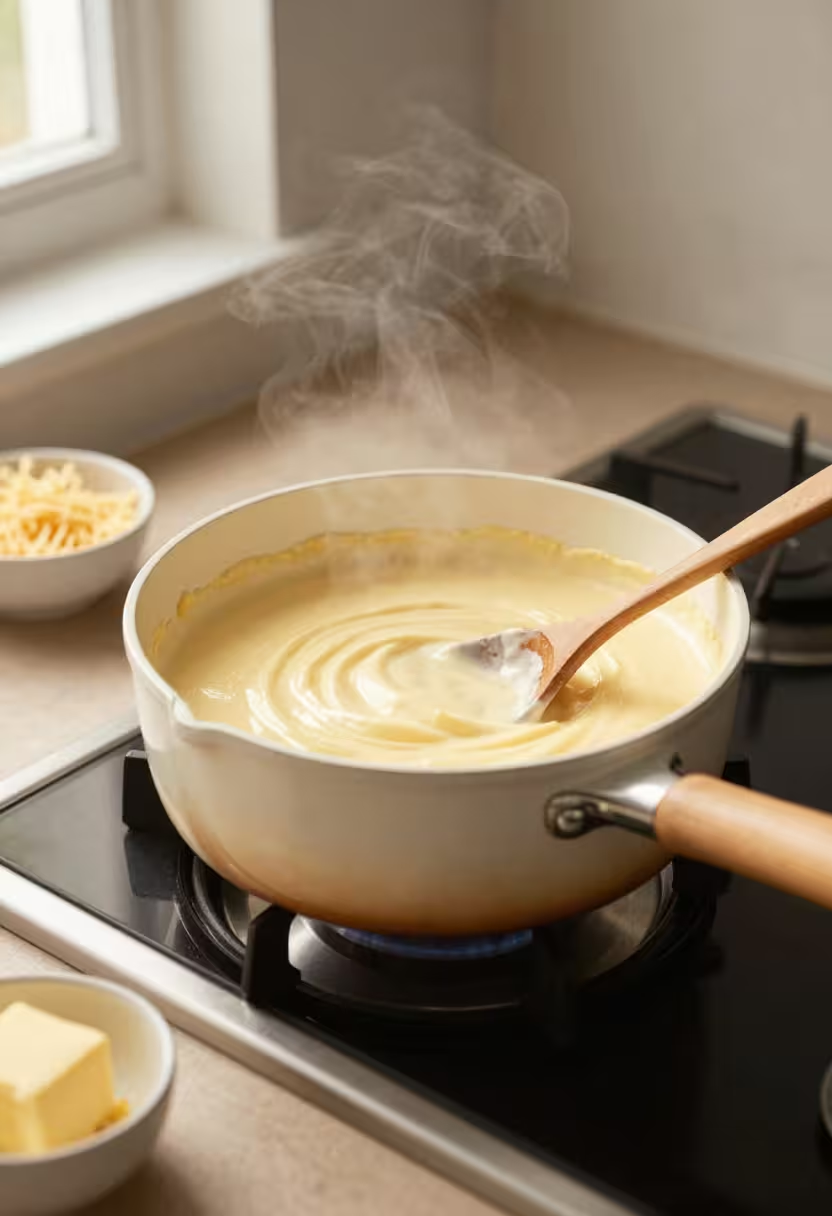
Few things in the kitchen feel as instantly comforting — or as intimidating — as cheese sauce.
When it’s good, it’s luxurious and silky, clinging perfectly to pasta, vegetables, or a warm slice of bread. When it’s not, it can turn grainy, greasy, or stubbornly lumpy in seconds. Many home cooks have experienced both extremes, often in the same lifetime.
Cheese sauce sits at the crossroads of technique and instinct. It relies on simple ingredients — butter, milk, cheese — yet demands patience, timing, and a little understanding of how heat and dairy interact. This is why it’s often described as “fussy,” even though the process itself is beautifully straightforward when you know what to look for.
Why Cheese Sauce Matters More Than You Think
Cheese sauce is one of those foundational preparations that appears everywhere:
- Classic mac and cheese
- Vegetable gratins
- Nachos and dips
- Pasta bakes and casseroles
- Sandwiches, fries, and roasted vegetables
Once you master it, you stop relying on store-bought versions and start adjusting flavor, thickness, and richness to suit the dish in front of you.
And perhaps more importantly — you gain confidence.
The Real Secret: Control, Not Complexity
The biggest misconception about cheese sauce is that it requires fancy ingredients or advanced techniques. In reality, the secret lies in control:
- Controlling heat
- Controlling moisture
- Controlling when and how the cheese is added
Small choices make a big difference. Freshly grated cheese instead of pre-shredded. Gentle heat instead of a rolling boil. Patience instead of rushing the final step.
Cheese sauce rewards calm hands and close attention.
What This Guide Will Help You Master
In this article, we’ll walk through everything you need to know to make consistently smooth, creamy cheese sauce at home:
- The foundations behind a stable sauce
- How to choose the right cheese for melting
- Common mistakes — and how to fix them
- Flavor variations that go beyond the basics
- Simple recipes you can return to again and again
Whether you’re making your first roux or refining a technique you already use, this guide is designed to demystify cheese sauce and make it feel approachable, flexible, and deeply satisfying.
Because once you understand cheese sauce, it stops being a gamble — and starts becoming one of your most reliable kitchen tools.
The Foundations of Cheese Sauce
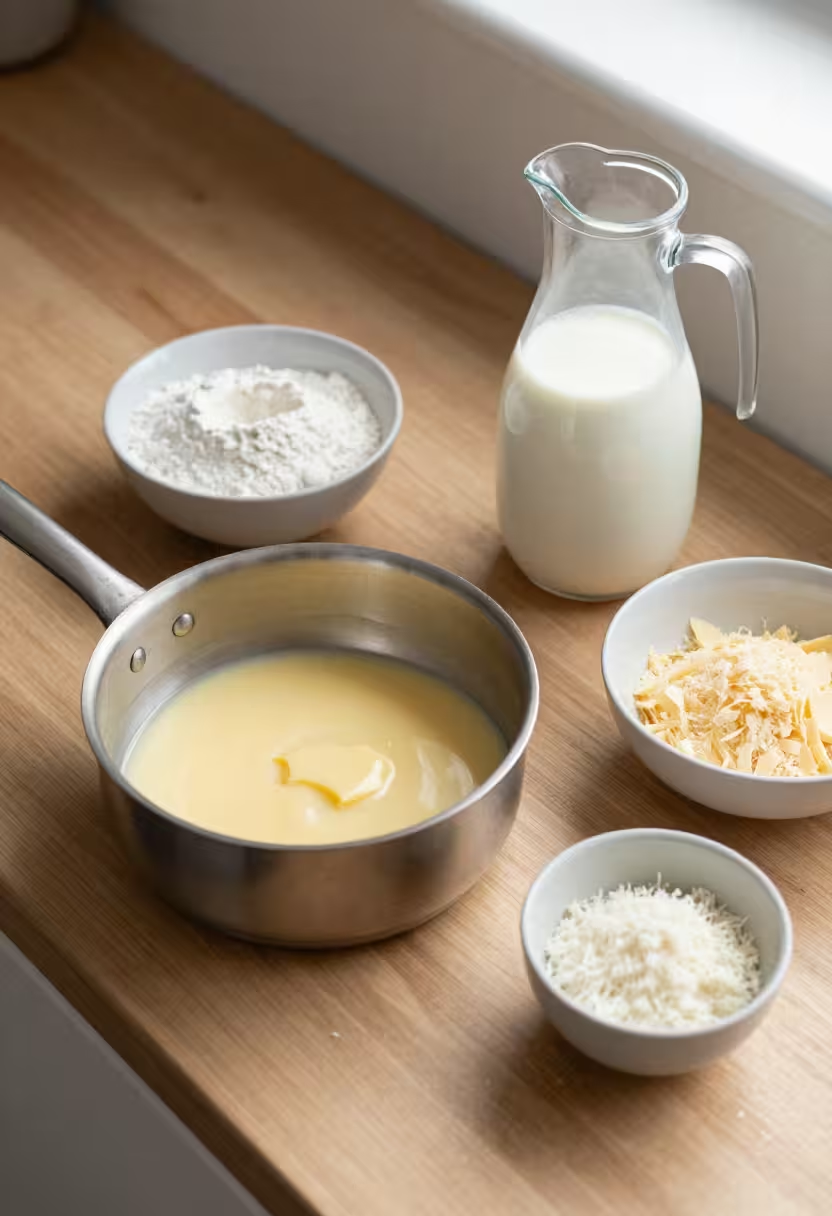
At its core, cheese sauce is wonderfully simple. No long ingredient lists. No complicated equipment. Just a few elements working together in harmony. When you understand what each one does, the process stops feeling fragile — and starts feeling logical.
The Three Building Blocks
Almost every classic cheese sauce is built on three components:
- Fat – usually butter
- Liquid – most often milk (sometimes cream or stock)
- Cheese – the star of the show
The magic isn’t in adding more ingredients, but in how these three are combined.
Why the Roux Matters
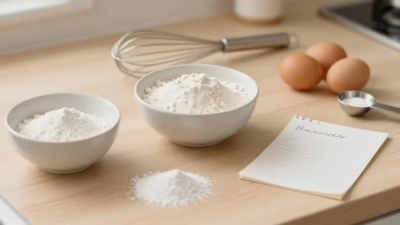
The foundation of most creamy cheese sauces is a roux — a cooked mixture of fat and flour.
Butter provides richness, while flour acts as a stabilizer. Together, they create a base that helps the liquid and cheese blend smoothly instead of separating.
A well-made roux should:
- Smell slightly nutty, not raw
- Look smooth, not greasy
- Stay pale for cheese sauces (you’re not aiming for color here)
Rushing this step or cooking it too long can affect both flavor and texture later.
Adding Liquid: Slow and Steady Wins
Once the roux is ready, liquid is added — and this is where patience matters.
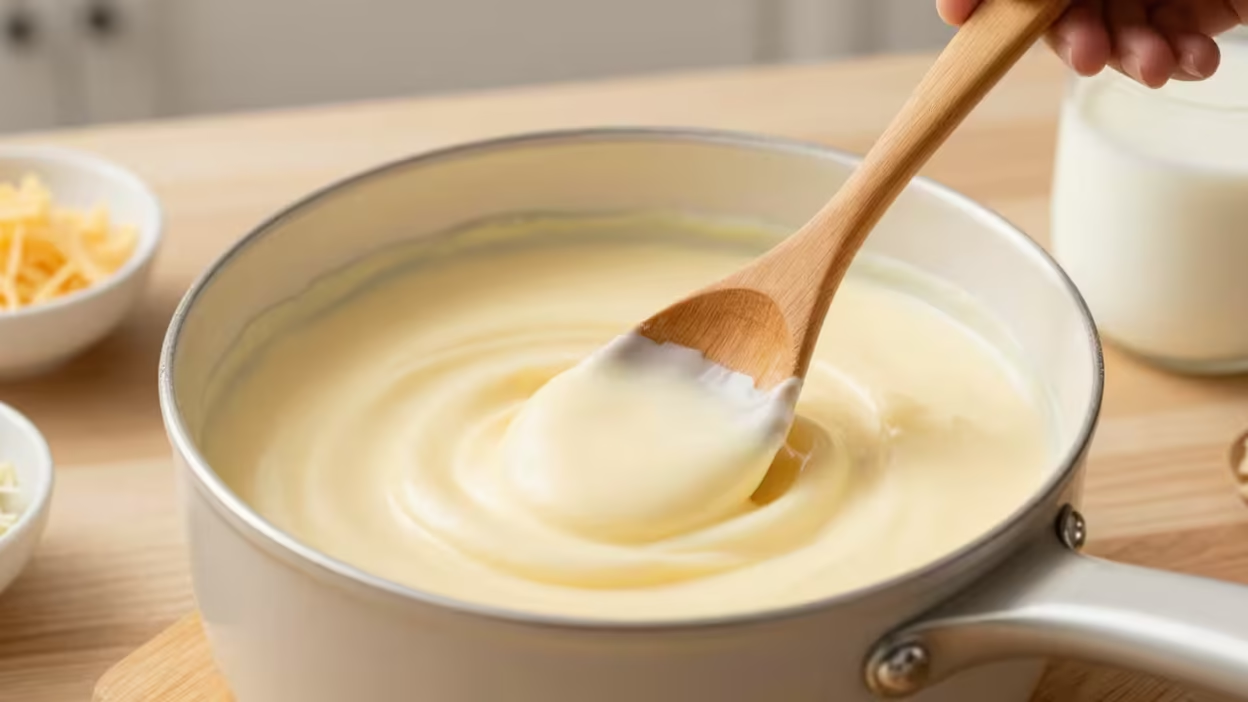
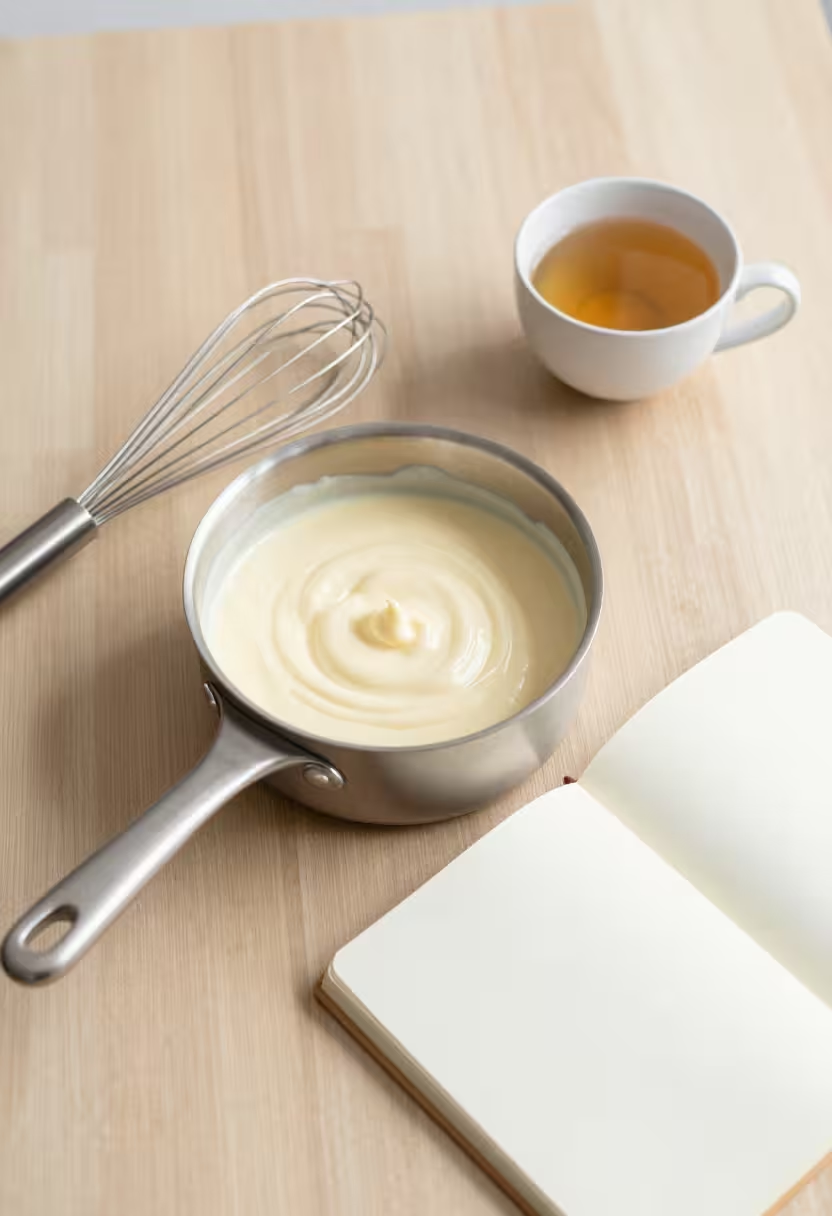
Milk should be added gradually, whisking constantly to prevent lumps. As the mixture heats gently, it thickens into a smooth béchamel-style sauce. This step sets the texture of your final cheese sauce.
If the heat is too high or the liquid is added too quickly, lumps form — and they’re hard to undo.
Cheese Comes Last (and Off the Heat)
This is where many sauces go wrong.
Cheese should be added after the sauce base is smooth and slightly cooled. High heat causes cheese proteins to tighten and release fat, leading to grainy or greasy sauce.
Add cheese:
- Off the heat or on very low heat
- In small handfuls
- Stirring gently, not aggressively
Let each addition melt before adding more.
Cheese doesn’t like to be rushed — it wants a calm environment.
Texture Is a Choice
A good cheese sauce isn’t one-size-fits-all.
- Thicker sauces work well for mac and cheese or gratins
- Looser sauces are better for drizzling or dipping
Understanding the foundation allows you to adjust consistency confidently, rather than guessing.
Once these fundamentals click, cheese sauce stops being unpredictable. It becomes repeatable — and adaptable.
Choosing the Right Cheese for a Smooth, Creamy Sauce
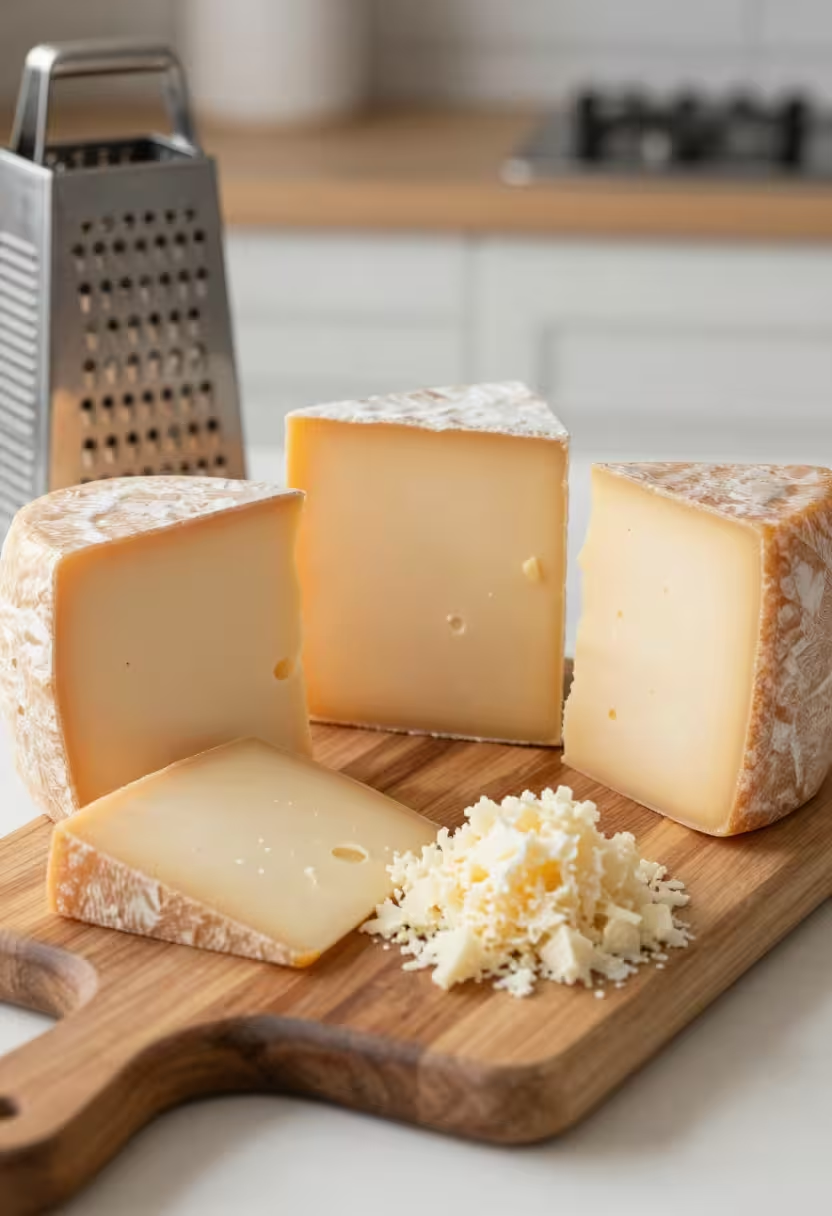
If cheese sauce is a skill, then cheese choice is the turning point. You can follow every step perfectly, control the heat, whisk patiently — and still end up with a grainy or oily sauce if the cheese itself isn’t suited for melting.
The good news? Once you understand what makes a cheese melt well, choosing becomes intuitive rather than intimidating.
What Makes a Cheese “Good” for Sauce?
Great melting cheeses share a few key traits:
- Moderate moisture (not too dry, not too wet)
- Balanced fat content
- Minimal aging
Highly aged cheeses tend to separate when heated, while very fresh or acidic cheeses may refuse to melt smoothly.
In cheese sauce, you’re looking for cooperation, not intensity.
Reliable Cheeses for Creamy Results
These cheeses are known for melting smoothly and consistently:
- Cheddar – Classic, flavorful, and widely available. Use mild or medium for best texture; sharp cheddar adds flavor but benefits from blending with another cheese.
- Gruyère – Smooth, nutty, and elegant. Ideal for sauces meant to feel refined.
- Monterey Jack – Mild and exceptionally creamy; great for silky textures.
- Fontina – Soft, buttery, and luxurious when melted.
- Gouda (young) – Slightly sweet, smooth, and excellent in blended sauces.
Blending two cheeses — one for melt, one for flavor — often gives the best results.
Cheeses to Use with Caution
Some cheeses bring incredible flavor but need careful handling:
- Parmesan – Adds depth, but should be added in small amounts and at low heat.
- Blue cheese – Best stirred in gently at the end for flavor, not structure.
These cheeses work best as accents, not the base.
Cheeses That Don’t Love Sauce
Certain cheeses simply aren’t built for smooth sauces:
- Very aged cheeses
- Fresh cheeses like feta or goat cheese
- Low-fat cheeses
They tend to clump, separate, or refuse to melt evenly.
Always Grate Your Own Cheese
This one step makes a bigger difference than most people realize.
Pre-shredded cheese is coated with anti-caking agents that interfere with melting. Freshly grated cheese melts faster, smoother, and more predictably.
When it comes to cheese sauce, texture starts before the pan ever gets hot.
Think in Layers, Not Singles
Great cheese sauce often isn’t about one perfect cheese — it’s about balance. A creamy base cheese, a flavorful secondary cheese, and gentle heat can take your sauce from good to unforgettable.
Once you’ve chosen the right cheese, technique becomes much more forgiving.
How to Make Silky Cheese Sauce (Without Stress or Lumps)
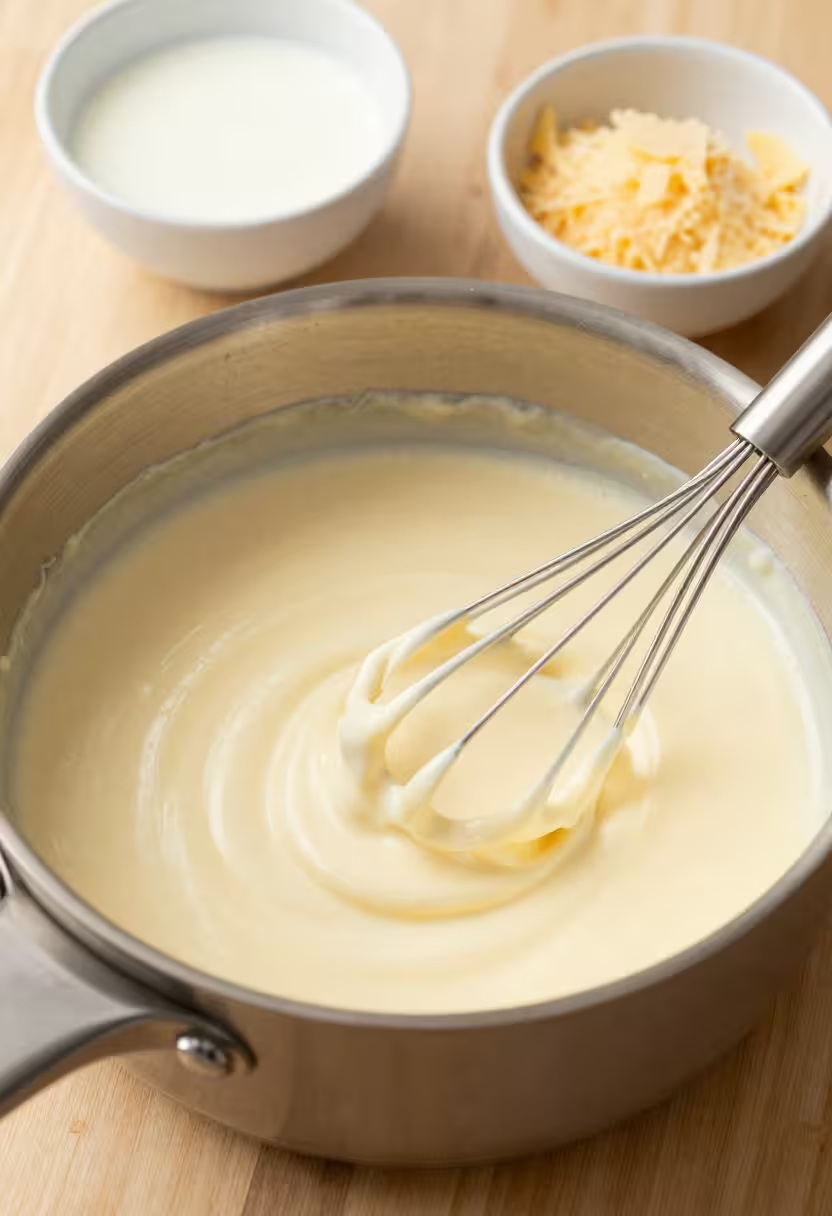
This is the moment where technique becomes confidence. When you follow the process in the right order — and resist the urge to rush — cheese sauce becomes one of the most reliable things you can make.
Think of this as a gentle rhythm rather than a strict formula.
Step 1: Start with a Gentle Roux
Melt butter over medium-low heat, then whisk in flour.
You’re not looking for color — just a smooth, cohesive paste. Cook it for about a minute, long enough to remove the raw flour taste, but not so long that it browns.
If it smells nutty and looks silky, you’re on track.
Step 2: Add Warm Liquid Slowly
Cold milk can shock the roux and create lumps. If possible, warm your milk slightly before adding it.
Pour it in gradually, whisking constantly. At first, it may look thick and resistant — keep whisking. As more milk is added, the sauce will smooth out and loosen.
This stage determines your final texture, so patience here pays off later.
Step 3: Let the Sauce Thicken Gently
Once all the milk is added, keep the heat moderate and continue stirring until the sauce coats the back of a spoon.
Avoid boiling. High heat is the fastest way to create grainy texture later.
When the sauce looks smooth and glossy, remove it from the heat.
Step 4: Add Cheese Off the Heat
This is the most important step.
Add cheese in small handfuls, stirring gently after each addition. Let it melt fully before adding more. The residual heat of the sauce is enough — forcing it with direct heat often causes separation.
If the sauce cools too much before all the cheese melts, return it to very low heat, stirring constantly.
Step 5: Adjust and Finish
Now is the time to:
- Add salt (often less than you expect)
- Adjust thickness with a splash of milk if needed
- Add flavor accents like mustard, paprika, or garlic
Taste slowly. Cheese sauce develops as it rests.
A good cheese sauce is coaxed, not pushed.
If Something Goes Wrong
Even experienced cooks have off days. If your sauce:
- Feels too thick → whisk in warm milk a little at a time
- Looks grainy → remove from heat and stir gently; sometimes a splash of warm liquid helps
- Separates slightly → keep stirring on very low heat until it comes back together
Most problems are fixable with calm adjustments.
Once you’ve made cheese sauce this way a few times, your hands start to remember the process — and you stop watching the clock.
Common Cheese Sauce Problems (and How to Fix Them)
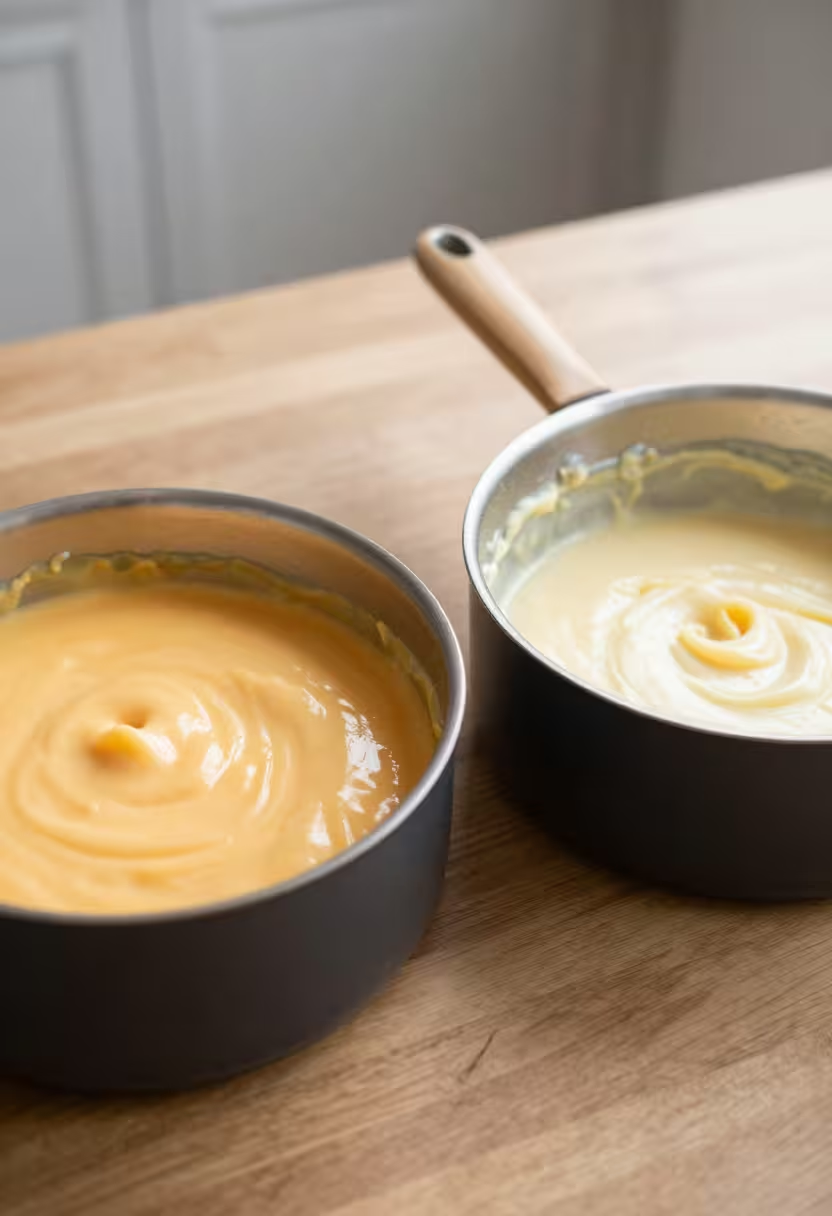
Even when you understand the basics, cheese sauce can occasionally misbehave. The good news is that most issues come from a small handful of causes — and nearly all of them are fixable.
Think of this section as your calm, practical safety net.
Grainy or Gritty Texture
Why it happens:
- Heat was too high
- Cheese was added too quickly
- The cheese was overcooked
When cheese gets too hot, its proteins tighten and squeeze out fat, creating a grainy texture.
How to fix it:
- Remove the sauce from heat immediately
- Stir gently, not vigorously
- Add a splash of warm milk or cream to help re-emulsify
Next time, add cheese off the heat and keep temperatures low.
Oily or Separated Sauce
Why it happens:
- Too much heat
- Cheese with high fat content added too aggressively
- Sauce cooked for too long after adding cheese
Separation looks dramatic, but it’s usually reversible.
How to fix it:
- Lower the heat to minimum
- Whisk gently while adding a small amount of warm liquid
- If needed, add a pinch of cornstarch slurry (mixed with cold milk) and warm gently
Slow, steady stirring often brings the sauce back together.
Lumpy Sauce
Why it happens:
- Liquid added too quickly to the roux
- Milk was too cold
- Insufficient whisking early on
Lumps usually form before cheese is even added.
How to fix it:
- Whisk vigorously while the sauce is still warm
- Use an immersion blender for a quick rescue
- Strain the sauce if needed (it’s okay — even pros do this)
To prevent lumps, warm the milk slightly and add it gradually.
Sauce Too Thick
Why it happens:
- Too much flour in the roux
- Sauce reduced too long
- Cooled slightly (cheese sauce thickens as it sits)
How to fix it:
- Whisk in warm milk a little at a time
- Gently reheat while stirring
Thickness is adjustable — always easier to thin than to thicken.
Sauce Too Thin
Why it happens:
- Too much liquid
- Insufficient roux
- Cheese added before the base thickened
How to fix it:
- Let the sauce simmer gently to reduce
- Add a small amount of additional grated cheese
- As a last resort, whisk in a tiny amount of cornstarch slurry and heat gently
Bland Flavor
Why it happens:
- Underseasoning
- Cheese flavor too mild on its own
How to fix it:
- Add salt slowly and taste
- Try mustard powder, paprika, garlic, or a pinch of nutmeg
- Blend in a small amount of a more flavorful cheese
Most cheese sauce problems come from rushing — patience fixes more than technique.
Once you know how to recognize and correct these issues, cheese sauce stops feeling fragile. It becomes forgiving, adaptable, and far less stressful.
Flavor Enhancements & Creative Cheese Sauce Variations
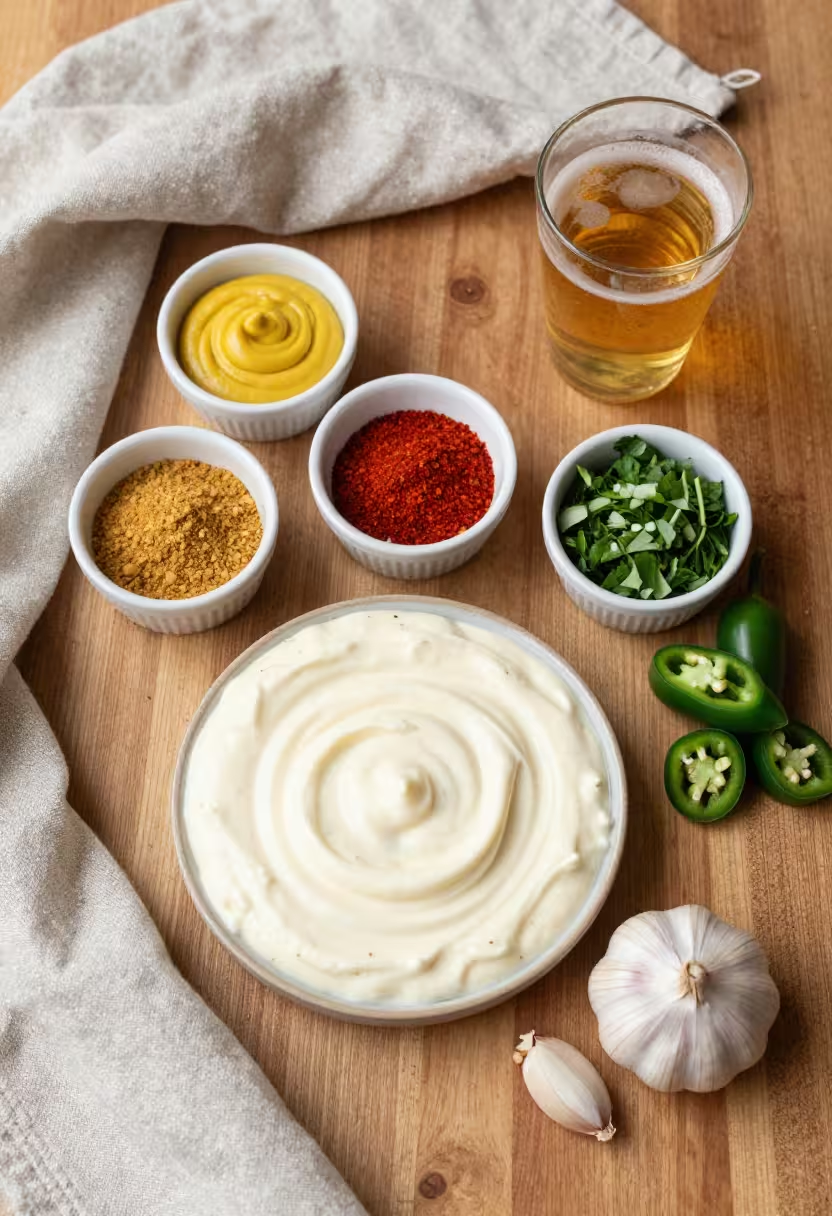
Once you’ve mastered a smooth, reliable base, cheese sauce becomes a canvas. Small additions can shift it from comforting to bold, from classic to unexpected — without complicating the process.
This is where cheese sauce stops being “just a sauce” and starts feeling personal.
Subtle Flavor Boosters (Start Here)
These additions enhance flavor without overpowering the cheese:
- Mustard powder or Dijon – Adds depth and sharpness; a classic pairing with cheddar
- Garlic (fresh or powdered) – Brings warmth and savory balance
- Paprika or smoked paprika – Adds color and gentle smokiness
- Nutmeg – A tiny pinch adds warmth, especially in creamy sauces
- Black or white pepper – Sharpens the overall flavor
These ingredients work best when added after the cheese has melted, so you can taste and adjust.
Spicy Variations
For sauces with heat and personality:
- Cayenne or chili flakes for controlled spice
- Hot sauce for tang and heat
- Jalapeños or green chilies, finely chopped, for texture and freshness
Spice should complement the cheese, not drown it — add gradually.
Beer Cheese Sauce
Beer adds bitterness and complexity that balances rich cheese beautifully.
How to do it:
- Replace part of the milk with a mild beer
- Use cheeses like cheddar, Gouda, or Gruyère
- Keep heat low to avoid bitterness
This variation shines with pretzels, fries, and roasted vegetables.
Herb-Forward Cheese Sauce
Fresh or dried herbs can transform a sauce instantly.
Try:
- Thyme or rosemary for roasted vegetables
- Chives or parsley for brightness
- Sage for richer, fall-inspired dishes
Add herbs near the end to preserve aroma.
Umami & Savory Depth
For sauces that feel richer and more layered:
- A small amount of Parmesan
- A splash of Worcestershire sauce
- A pinch of miso for subtle savoriness
These additions deepen flavor without making the sauce heavier.
Blended Cheese Profiles
One of the easiest ways to elevate cheese sauce is to combine cheeses:
- A mild, melty base (Monterey Jack, Fontina)
- A sharper accent (cheddar, Gruyère)
This gives you both texture and flavor without risk.
The best cheese sauces aren’t complicated — they’re thoughtful.
Once you start experimenting, you’ll notice how flexible cheese sauce really is. The same base can feel entirely different depending on how you finish it.
Cheese Sauce Recipes: From Everyday to Elevated

These recipes are designed to be reliable, flexible, and endlessly useful. Each one starts with the same core method you’ve already learned — what changes are the cheeses, flavors, and final mood of the sauce.
Think of them as templates, not rules.
1. Classic Creamy Cheese Sauce (Your Go-To Base)
This is the sauce you’ll come back to again and again.
Best for: mac and cheese, vegetables, casseroles, baked dishes
You’ll need:
- Butter
- Flour
- Milk
- Mild or medium cheddar (freshly grated)
- Salt and pepper
How it works:
Make a pale roux, slowly whisk in milk, then melt in the cheese off the heat. Season simply and adjust thickness as needed.
This sauce is neutral, comforting, and perfect for customization.
2. Simple Nacho Cheese Sauce
Smoother and more pourable, with a gentle kick.
Best for: nachos, fries, burgers, dipping
Flavor additions:
- Cheddar + Monterey Jack
- A pinch of paprika
- A splash of milk for looseness
- Optional jalapeños or hot sauce
This version stays silky and flows easily, making it ideal for drizzling.
3. Beer Cheese Sauce
Bold, savory, and deeply satisfying.
Best for: pretzels, roasted potatoes, vegetables
What makes it different:
- Replace part of the milk with a mild beer
- Use cheddar or Gruyère
- Add mustard powder for balance
Keep heat low — beer adds flavor, not aggression.
4. Gruyère Cheese Sauce (Elegant & Smooth)
A refined sauce that feels special without extra effort.
Best for: gratins, roasted vegetables, baked pasta
Why it works:
Gruyère melts beautifully and brings a nutty depth that doesn’t overpower the dish. A touch of nutmeg enhances the warmth.
5. Garlic & Herb Cheese Sauce
Comforting with a fresh finish.
Best for: vegetables, chicken, pasta
Flavor additions:
- Lightly sautéed garlic
- Fresh herbs like thyme, parsley, or chives
Add herbs at the end to keep them bright.
6. Parmesan-Forward Cheese Sauce (Use Carefully)
Intense, savory, and best used as a supporting player.
Best for: pasta, drizzling over vegetables
Key tip:
Use Parmesan as an accent, not the base. Add it slowly and off the heat to avoid graininess.
Scaling and Storing Tips
- Cheese sauce thickens as it cools — always make it slightly looser than you think
- Store leftovers in an airtight container for up to 3 days
- Reheat gently with a splash of milk, stirring often
A good cheese sauce adapts to the dish — not the other way around.
With these recipes in your rotation, cheese sauce becomes a practical skill, not a special occasion event.
Where Cheese Sauce Works Best: Pairings & Uses

One of the greatest strengths of cheese sauce is its versatility. Once you know how to make it well, you’ll start seeing opportunities for it everywhere — not as an afterthought, but as a thoughtful addition that brings comfort, balance, and richness.
Pasta & Baked Dishes
This is the most familiar home for cheese sauce — and for good reason.
Cheese sauce:
- Coats pasta evenly
- Adds moisture to baked dishes
- Carries additional flavors like herbs or spices
Mac and cheese is just the beginning. Think baked ziti, cauliflower pasta bakes, or layered casseroles where sauce binds everything together.
Vegetables (Yes, Really)
Cheese sauce has a special talent: it makes vegetables feel indulgent without hiding them.
It pairs beautifully with:
- Broccoli and cauliflower
- Brussels sprouts
- Roasted carrots
- Steamed green beans
A light, well-seasoned sauce enhances natural sweetness rather than overpowering it.
Dips & Snacks
Looser cheese sauces shine as dips.
Perfect for:
- Fries and wedges
- Soft pretzels
- Nachos
- Breadsticks
Here, texture matters most — smooth, pourable, and warm.
Sandwiches & Wraps
A spoonful of cheese sauce can turn a simple sandwich into something memorable.
Try it:
- In grilled sandwiches
- Over burgers
- In wraps with roasted vegetables or chicken
Keep the sauce slightly thicker so it stays where it belongs.
Breakfast & Brunch
Cheese sauce isn’t just for dinner.
It works surprisingly well with:
- Eggs and omelets
- Breakfast potatoes
- Savory waffles or biscuits
Used sparingly, it adds comfort without heaviness.
When Less Is More
The key to using cheese sauce well is restraint. It should support, not dominate.
The best pairings let the cheese sauce feel intentional — not excessive.
Once you start thinking this way, cheese sauce becomes part of your everyday cooking vocabulary.
Frequently Asked Questions About Cheese Sauce
Why does my cheese sauce turn grainy?
This usually happens when the heat is too high or the cheese is added too quickly.
Cheese proteins tighten under high heat and release fat, which leads to a grainy texture. To prevent this, always add cheese off the heat or over very low heat, and stir gently. Freshly grated cheese also melts more smoothly than pre-shredded.
Can I make cheese sauce ahead of time?
Yes — with a little care.
Cheese sauce can be made up to 2–3 days in advance and stored in an airtight container in the refrigerator. When reheating, do so slowly over low heat and add a splash of milk to restore smoothness.
Avoid microwaving at high power, which can cause separation.
What’s the best cheese for beginners?
Mild or medium cheddar, Monterey Jack, or Fontina are excellent starting points.
They melt easily, are forgiving, and don’t require complex handling. Once you’re comfortable, you can experiment with blends or stronger cheeses.
How do I keep cheese sauce smooth for serving?
Keep it warm — not hot.
If the sauce sits too long or cools completely, it will thicken. Gentle heat and occasional stirring help maintain a silky texture. If needed, thin it with warm milk a tablespoon at a time.
Can I freeze cheese sauce?
Freezing isn’t ideal.
Cheese sauces often separate when thawed, especially those made with milk and flour. If you must freeze it, expect to re-blend or whisk vigorously after reheating — and know that the texture may change slightly.
Is there a way to make cheese sauce lighter?
Yes.
You can:
- Use milk instead of cream
- Reduce the amount of cheese slightly
- Serve the sauce more thinly rather than thick
A lighter sauce can still be flavorful when seasoned thoughtfully.
Why does pre-shredded cheese behave differently?
Pre-shredded cheese is coated with anti-caking agents that interfere with melting.
For the smoothest sauce, always grate cheese fresh. It’s one of the simplest changes with the biggest payoff.