Contents
- The Quiet Power of a Simple Loaf
- Bread Basics: What Actually Makes a Loaf “Healthy”?
- How to Read Bread Labels Without Getting Overwhelmed
- The Most Common Types of Bread — and How They Compare
- The Glycemic Story: Why Some Breads Keep You Fuller Longer
- The Salt Question: Are We Eating More Than We Think?
- Additives, Emulsifiers & Preservatives — Should You Be Worried?
- Homemade vs Store-Bought Bread: Which Is Actually Better for You?
- How to Choose the Best Bread for Your Lifestyle
- A Friendly Conclusion: Your Bread, Your Body, Your Choice
- FAQ — Your Bread Questions, Answered
The Quiet Power of a Simple Loaf

There’s a particular kind of comfort that lives in the scent of freshly baked bread.
Maybe you know it too — that soft, warm aroma that drifts out of a bakery doorway, or the gentle crackle of a loaf cooling on your kitchen counter. Bread feels familiar, trustworthy, almost nostalgic. It’s the thing we reach for when we need a quick breakfast, a grounding snack, or something simple to go with a bowl of soup on a chaotic day.
And yet… for something so ordinary, bread carries an extraordinary amount of confusion.
Over the years, this humble staple has been praised, criticized, reinvented, and misunderstood. One moment, whole grains are the hero of balanced eating; the next, someone swears that cutting bread changed their life. Supermarket shelves don’t make it easier — they overflow with loaves that promise to be artisan, multigrain, whole, high-protein, low-sugar, or gut-friendly. It’s enough to make anyone pause in the bread aisle, loaf in hand, wondering:
“Is this actually good for me… or does it just sound good?”
The truth is far gentler — and far less dramatic — than the diet world often makes it out to be. Bread isn’t inherently “good” or “bad.” What matters is understanding what you’re buying, how it’s made, and how your body responds to it. When you learn to look beyond the crust — beyond the marketing and the myths — choosing a healthier loaf becomes surprisingly simple, even intuitive.
So let’s take a cozy, honest walk through the world of bread.
Not to judge your favorite toast, but to understand it.
Bread Basics: What Actually Makes a Loaf “Healthy”?
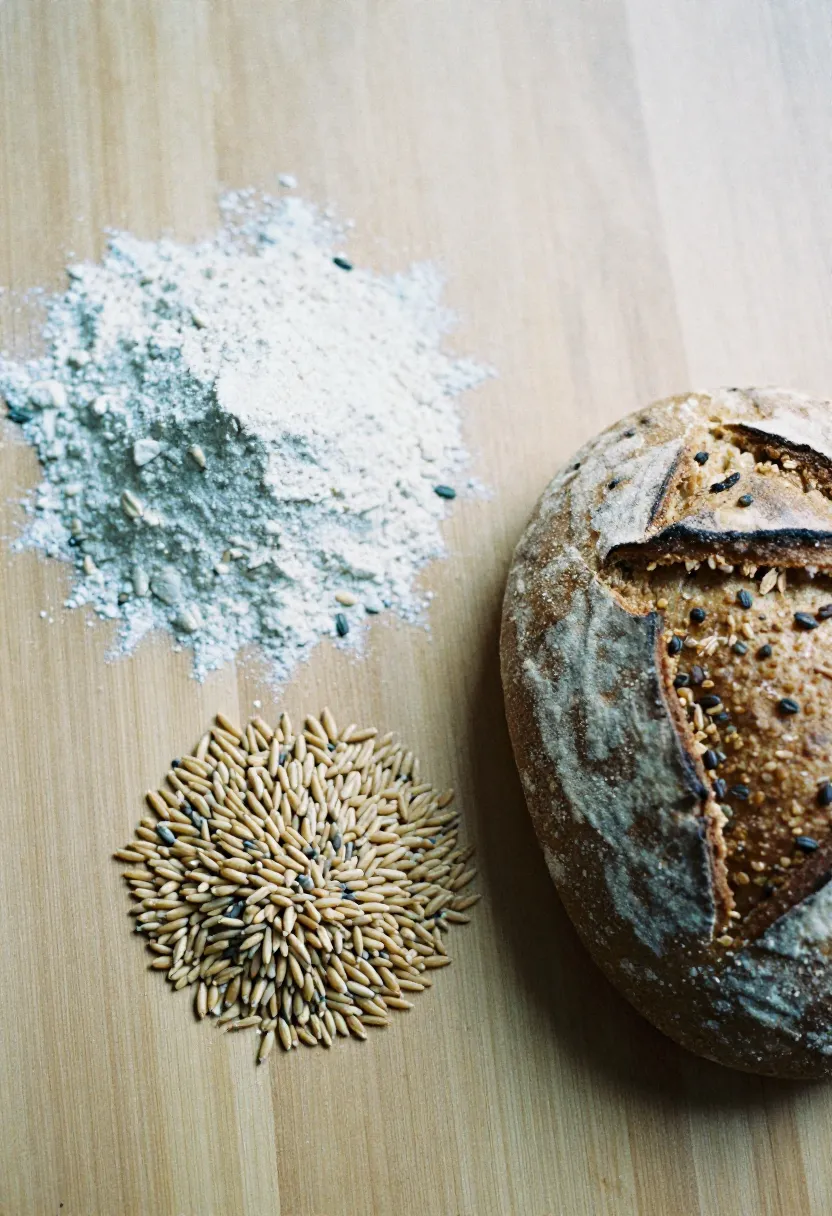
If you strip bread down to its essence, it’s an incredibly simple food: flour, water, yeast, salt. That’s it. Four ingredients that have fed civilizations for thousands of years. But somewhere between ancient grains and the modern supermarket shelf, bread became… complicated. Suddenly, a loaf can have twenty ingredients, half of which sound like they belong in a lab rather than a kitchen.
So what actually separates a nourishing loaf from one that leaves you hungry an hour later?
Let’s break it down gently and clearly.
1. It starts with the grain — whole vs refined
Think of a grain as a tiny treasure chest.
A whole grain still has all three parts:
- Bran – fiber, minerals, antioxidants
- Germ – healthy fats, B vitamins
- Endosperm – carbohydrates and some protein
When flour is refined, most of the bran and germ are removed — taking the fiber and nutrients with them. What’s left is mainly the starchy endosperm. This makes bread softer and lighter, but also quicker to digest, which can lead to fast spikes and drops in blood sugar.
A healthy loaf doesn’t have to be “perfect,” but generally, the more wholegrain flour, the more:
- sustained energy
- digestive support
- natural vitamins & minerals
- feeling of fullness
2. Fiber: the quiet hero
If there’s one nutrient that transforms bread from “just carbs” into something truly beneficial, it’s fiber.
Fiber slows digestion, supports gut health, balances blood sugar, and keeps you satisfied longer.
Wholemeal, rye, seeded, and sourdough varieties often deliver more fiber than standard white bread.
A simple rule of thumb for choosing better bread later on:
Aim for at least 3–4g of fiber per slice (but more is even better).
3. The role of fermentation
Bread isn’t just baked — it’s transformed through fermentation.
Sourdough, with its naturally fermented starter, is a great example. During fermentation:
- sugars are broken down more slowly
- the bread becomes easier to digest for some people
- certain nutrients become more available for your body
- flavor deepens into that tangy, comforting sourness
Not all sourdough on store shelves is truly fermented, but real slow-rise bread often offers a gentler experience for your gut.
4. Ingredients list: fewer is usually better
A shorter ingredient list often signals a less-processed loaf.
A healthy bread doesn’t need:
- artificial softeners
- unnecessary sugars
- coloring agents
- flavor enhancers
While many additives are safe, too many can mean the bread relies on chemistry to mimic freshness.
5. Balance matters more than perfection
Here’s the comforting truth: you don’t need to eat the “healthiest possible” bread to eat well.
Sometimes, a slice of soft white toast with butter is emotional nourishment — and that matters too.
Healthy bread is ultimately about finding:
- good grains
- enough fiber
- simple ingredients
- bread that supports your energy, digestion, and lifestyle
It’s about understanding your loaf — not resenting it.
How to Read Bread Labels Without Getting Overwhelmed
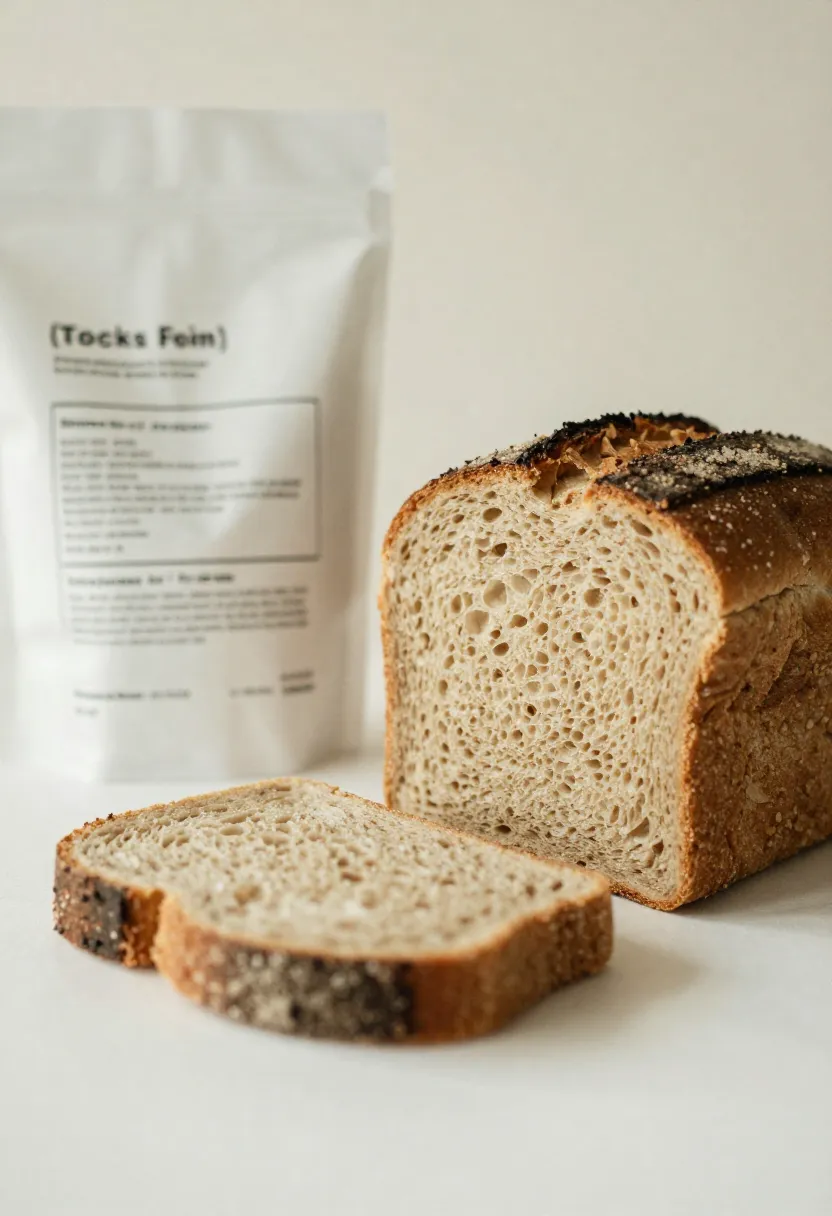
Standing in the bread aisle can feel a bit like decoding a secret language. Every loaf is whispering promises — multigrain, artisan, farmhouse, light, whole, natural, sprouted, protein-packed. Some of these words have meaning; many simply create the illusion of health.
But with a few gentle tricks, you can read a bread label in under 10 seconds and know exactly what you’re getting. Let’s break it down in a calm, human way.
1. Don’t trust the front of the package — go straight to the ingredients
The front of the wrapper is marketing.
The ingredient list is the truth.
A genuinely wholesome bread will have:
- a primary flour (wholemeal, rye, wholegrain wheat)
- water
- yeast or sourdough starter
- salt
Optional but nice to have:
- seeds
- oats
- whole grains
- natural sweeteners used sparingly (like honey or malt)
Red flags that signal a highly processed loaf:
- high-fructose corn syrup or multiple sugars
- caramel color (used to fake “wholegrain” appearance)
- long lists of preservatives
- emulsifiers and texturizers in excess
- “enriched flour” as the first ingredient (meaning nutrients were removed, then added back artificially)
A simple feeling to remember: the shorter the list, the closer it is to real food.
2. Look for the word whole — and where it appears
If a bread is truly wholegrain or wholemeal, the word “whole” must appear at the beginning of the ingredient list.
For example:
- Good: “Wholemeal wheat flour (60%)”
- Not so good: “Wheat flour, whole wheat flour (8%)”
The second example is a classic trick — a tiny sprinkle of whole grains used to make the loaf sound healthier.
3. Watch out for the “multigrain” trap
Here’s a small industry secret:
“Multigrain” does not mean “healthy.”
It only means the bread contains more than one type of grain. Those grains can all be refined and stripped of nutrients.
Multigrain bread becomes truly nourishing only when those grains are:
- whole
- minimally processed
- accompanied by a good fiber content
Otherwise, it’s just white bread dressed in rustic clothing.
4. Check fiber: the easiest quick check
If the ingredients confuse you, fiber will not.
A health-supportive bread typically has:
- 3–4g of fiber per slice (minimum)
- 5g+ of fiber per slice (excellent)
If the label offers less than 2g per slice, the loaf is likely very refined — even if marketed as “natural” or “artisan.”
5. Sodium — the hidden number we often miss
Bread can be a major source of daily salt without us realizing it.
Aim for:
- less than 400mg sodium per 100g for regular bread
- ideally 350mg or less
If a slice tastes surprisingly savory, check the label — it often explains why.
6. Added sugars: yes, even bread has them
Many commercial loaves include sugar to improve browning and softness.
A small amount is fine, but if sugar is among the first few ingredients or appears in multiple forms (glucose syrup, dextrose, molasses), it’s a sign the bread is more ultra-processed.
A good target: no more than 3g of sugars per 100g for standard bread.
7. The 10-second technique to evaluate any loaf
If you ever feel overwhelmed, use this simple rule:
Check the first three ingredients and the fiber number.
If the first ingredient is wholegrain flour and the fiber is 3g+ per slice, you’ve found a solid everyday bread.
Everything else is optional nuance.
The Most Common Types of Bread — and How They Compare
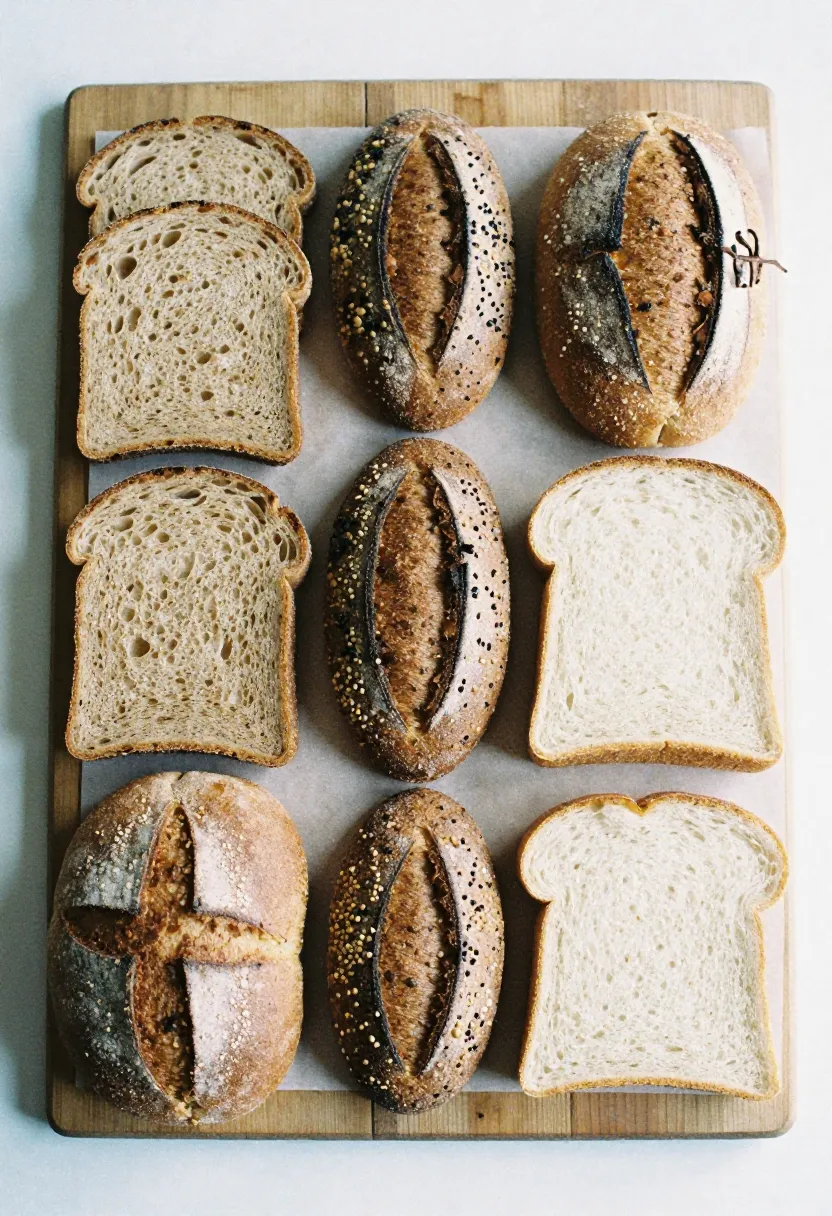
Bread comes in so many personalities. Some loaves are airy and soft, others dense and earthy. Some are designed for long fermentation; others are quick, convenient staples. Understanding these differences helps you choose a bread that supports not just your taste buds, but also your energy, digestion, and overall wellness.
Here’s a warm, honest look at the breads you’re most likely to meet — and what each one brings to the table.
1. White Bread — Soft, Familiar, But Short-Lived Energy
White bread is like that childhood friend you still have a soft spot for. Comforting, simple, nostalgic… but maybe not the one that keeps you grounded all day.
Pros:
- Soft texture many people enjoy
- Often enriched with added vitamins
- Easy to digest for some
Cons:
- Lower in fiber
- Quick spikes in blood sugar
- Less satiety (hungry again soon)
White bread isn’t “bad.” But it’s the loaf that benefits from mindful pairing — think protein, healthy fats, or fiber-rich toppings to keep you satisfied longer.
2. Wholemeal Bread — Steady Energy and Gentle Support
Wholemeal flour keeps the entire grain intact, offering fiber, minerals, antioxidants, and slow-release carbs.
Benefits:
- Excellent source of fiber
- Supports blood sugar balance
- Boosts digestive health
- Helps you feel full and stable longer
Wholemeal bread is one of the most reliable everyday choices if you want nourishment without overthinking.
3. Sourdough — The Fermented Favorite
Real sourdough rises slowly, often over many hours, allowing natural bacteria and wild yeast to break down parts of the dough.
Why people love it:
- Can be gentler on the digestive system
- Lower glycemic response than many commercial breads
- Deep, complex flavor
- Longer shelf life without additives
But a small note: Not all supermarket “sourdough” is authentic. If the label includes yeast and many additives, it’s likely sourdough-flavored, not slow-fermented.
4. Rye Bread — Earthy, Dense, and Satisfying
Rye has a distinctive flavor — slightly sour, rich, grounding.
Benefits:
- Higher fiber than standard wheat bread
- Helps regulate blood sugar
- Keeps you fuller for longer
- Works beautifully for savory sandwiches
Rye’s dense structure means even a thin slice provides serious satiety.
5. Seeded Loaves — Crunchy, Nutritious, Naturally Energizing
These breads include sunflower seeds, flaxseeds, pumpkin seeds, sesame seeds, or mixes of all four.
Benefits:
- Healthy fats (omega-3 and omega-6)
- Extra minerals (like magnesium and zinc)
- Great for sustained energy
- Wonderful texture and flavor
A seeded loaf is almost like a built-in trail mix — satisfying, nourishing, and incredibly versatile.
6. Gluten-Free Bread — Necessary for Some, Optional for Most
Gluten-free breads serve an important purpose for people with coeliac disease or gluten sensitivity.
Pros:
- Essential for those who cannot tolerate gluten
- Often fortified with nutrients
Cons:
- Can be lower in fiber
- Sometimes higher in sugar or starches
- Texture may be less satisfying
If you don’t medically need to avoid gluten, wholegrain wheat, rye, or spelt breads often offer better nutrition.
7. High-Protein or “Functional” Breads — Marketing Meets Nutrition
These loaves promise extra protein, added fiber, or boosted nutrients.
Useful when:
- You want higher protein for satiety
- You enjoy gym-friendly or macro-focused options
But be cautious:
- Some use isolated proteins and fibers that can cause bloating
- Often highly processed
- Long ingredient lists
When choosing these, simplicity is still key — the fewer additives, the better.
The Glycemic Story: Why Some Breads Keep You Fuller Longer
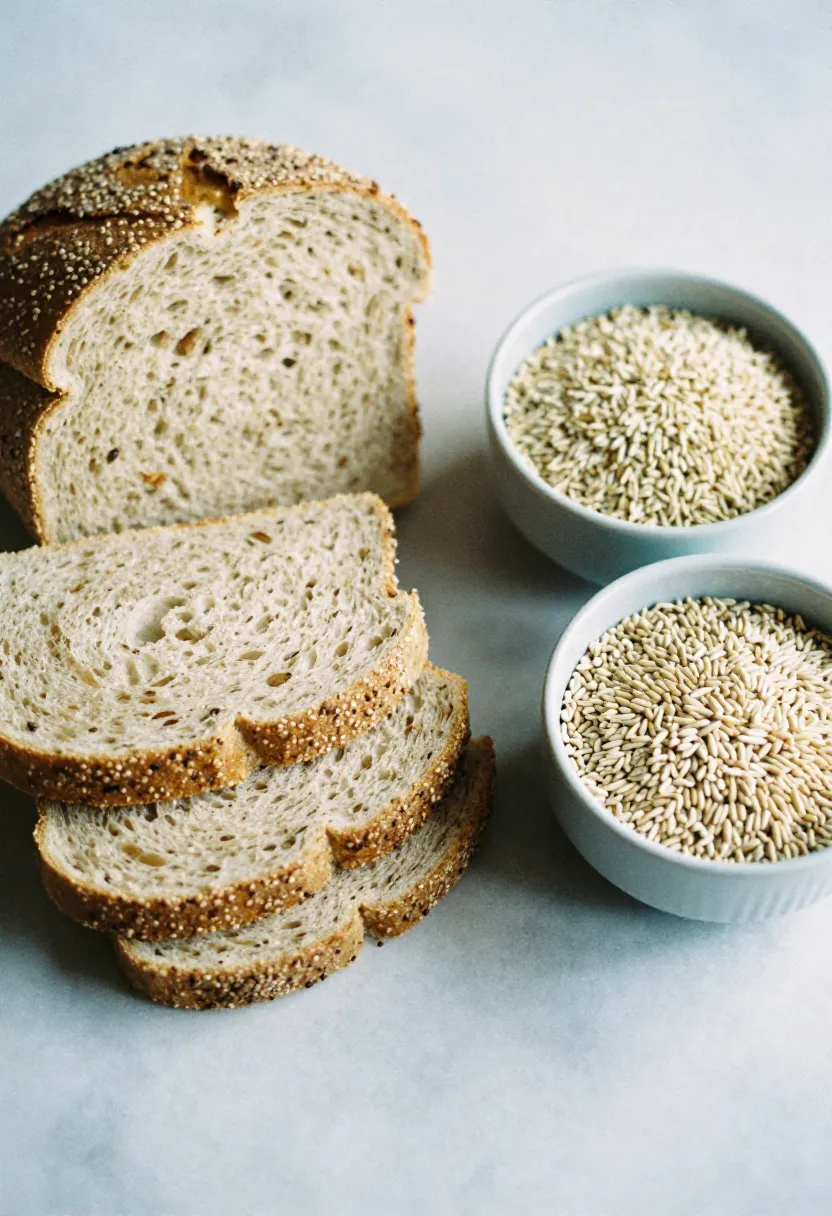
If you’ve ever wondered why one slice of bread leaves you hungry in an hour while another keeps you comfortably full all morning, the answer often lies in something called the glycemic index (GI). But don’t worry — we’re not diving into complicated charts or numbers. Think of GI as a simple story about how quickly your body turns bread into energy.
1. A gentle explanation of the Glycemic Index
Foods with a high GI break down quickly, causing a fast rise — and then a noticeable fall — in blood sugar.
This can lead to:
- sudden hunger
- energy crashes
- cravings for more quick carbs
Foods with a low GI digest more slowly, providing:
- steady energy
- better focus
- longer-lasting satiety
- fewer cravings
Bread can fall anywhere on this spectrum depending on how it’s made.
2. Why some breads digest slower — and why that helps
Here’s the cozy twist: the breads that feel more hearty — denser, chewier, grainier — often digest more slowly.
What lowers GI in bread:
- Whole grains (bran and fiber slow digestion)
- Seeds (healthy fats and protein help balance absorption)
- Rye flour (naturally slower to break down)
- Sourdough fermentation (acids slow starch digestion)
- Minimal processing
These factors help your body release energy gradually, like a calm, steady flame instead of a quick spark.
3. Why white bread spikes energy faster
Refined flour has the bran and germ removed, leaving mostly starch.
That means:
- rapid digestion
- quick blood sugar rise
- short-lived fullness
It’s the same reason a white baguette tastes irresistible warm but leaves you searching the pantry soon after.
4. The emotional side of slow-release bread
There’s something quietly comforting about a bread that doesn’t rush you.
A slice of wholegrain sourdough with avocado can keep you nourished through a morning meeting; a rye sandwich can carry you gently through a busy afternoon. These slow-release breads offer not just nutrition, but a sense of stability.
As one reader once wrote to us:
“When I switched to seeded rye, the 3 p.m. slump just… disappeared.”
Sometimes, the right bread is not just food — it’s support.
5. A simple takeaway for everyday life
If you want a loaf that keeps you full and centered:
- choose wholemeal, rye, seeded, or authentic sourdough
- aim for higher fiber
- pair bread with protein and healthy fats for even better balance
Your goal isn’t to avoid “high GI” food, but to choose bread that feels good in your body and supports your day at the pace you live it.
The Salt Question: Are We Eating More Than We Think?
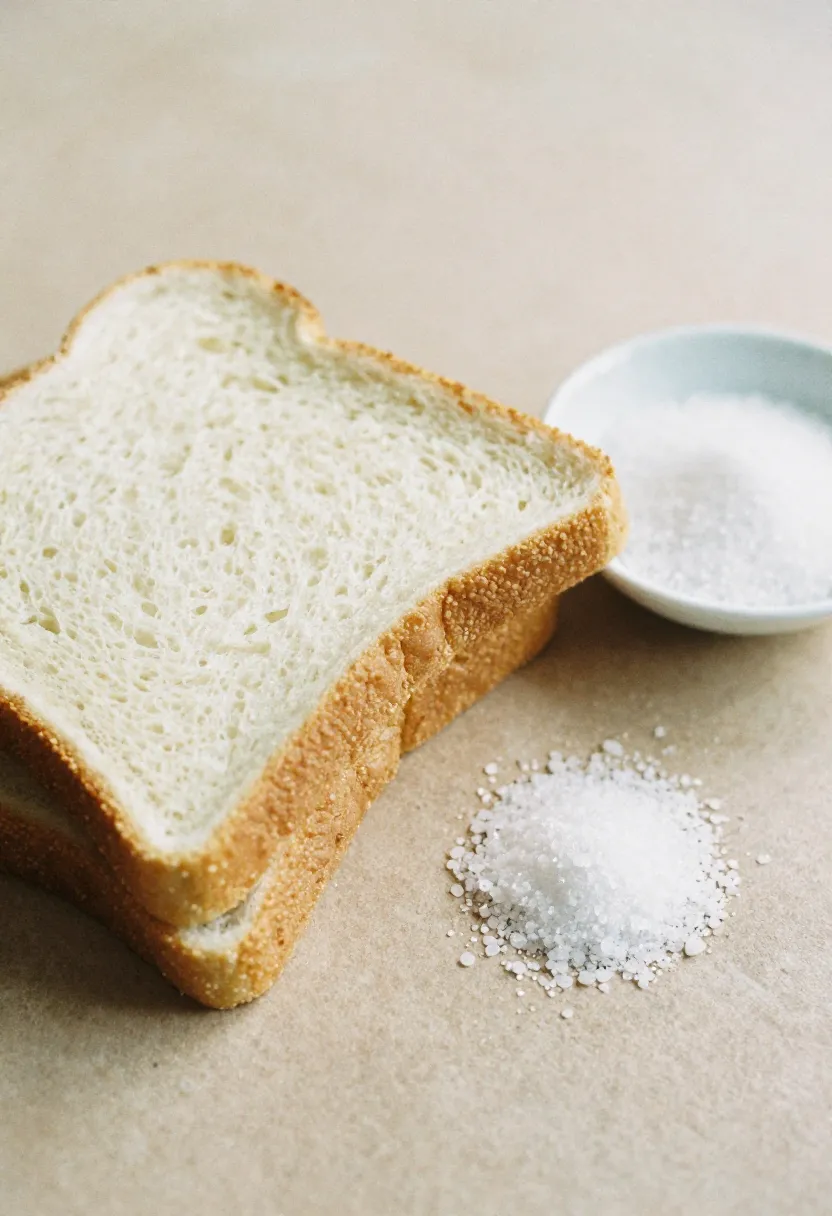
Salt is one of those quiet ingredients we rarely think about in bread — until suddenly everyone is talking about heart health, blood pressure, and hidden sodium. Unlike sugar, which we instinctively look for, salt blends into the flavor so seamlessly that most people don’t even realize how much they’re consuming daily.
Yet bread, this gentle everyday staple, is surprisingly one of the biggest sources of hidden salt in many diets.
Let’s break it down with kindness and clarity.
1. Why bread contains more salt than you expect
Salt in bread isn’t just about taste — though it does enhance flavor beautifully. It also:
- strengthens gluten structure
- controls yeast activity
- improves texture and crust
- helps bread stay fresher a little longer
Because of these functions, many commercial loaves include more salt than the average person realizes.
A typical slice of packaged bread can contain 0.4–0.6g of salt. Two slices for a sandwich? You might already be approaching a third of your recommended daily intake — before adding fillings.
2. The recommended daily salt intake (and where bread fits in)
Health experts suggest adults aim for no more than 6g of salt per day.
That’s about one teaspoon — total.
When you imagine that…
- bread
- cheese
- cured meats
- soups
- sauces
…all carry hidden sodium, it becomes clear how easily we exceed that limit without even salting our food.
Bread alone can quietly contribute 20–30% of daily intake for many people.
3. How to spot a lower-salt loaf without sacrificing flavor
You don’t need to avoid bread — just learn what to look for:
- Check for less than 1g of salt per 100g (ideal)
- Acceptable range: 1–1.2g per 100g
- Avoid loaves with 1.3g+ unless truly special or artisanal
Some real sourdoughs and wholegrain breads naturally use less salt because long fermentation builds flavor without relying on sodium.
4. Does low-salt bread taste bland? Not necessarily
Salt shapes flavor, but ingredients like:
- fermented dough
- toasted seeds
- whole grains
- rye flour
…bring natural depth and richness. Many people find that once they switch to a slightly lower-sodium loaf, their palate adjusts in just a few weeks. Foods begin to taste more nuanced. Even a simple slice with butter feels enough.
5. A gentle thought about balance
It’s easy to overthink nutrients when you’re trying to make healthier choices. But your goal isn’t to micromanage every gram of salt — it’s to stay aware.
One or two mindful swaps can quietly improve your daily well-being.
Choosing a loaf with a bit less sodium is one of the simplest, most effortless steps you can take.
Additives, Emulsifiers & Preservatives — Should You Be Worried?
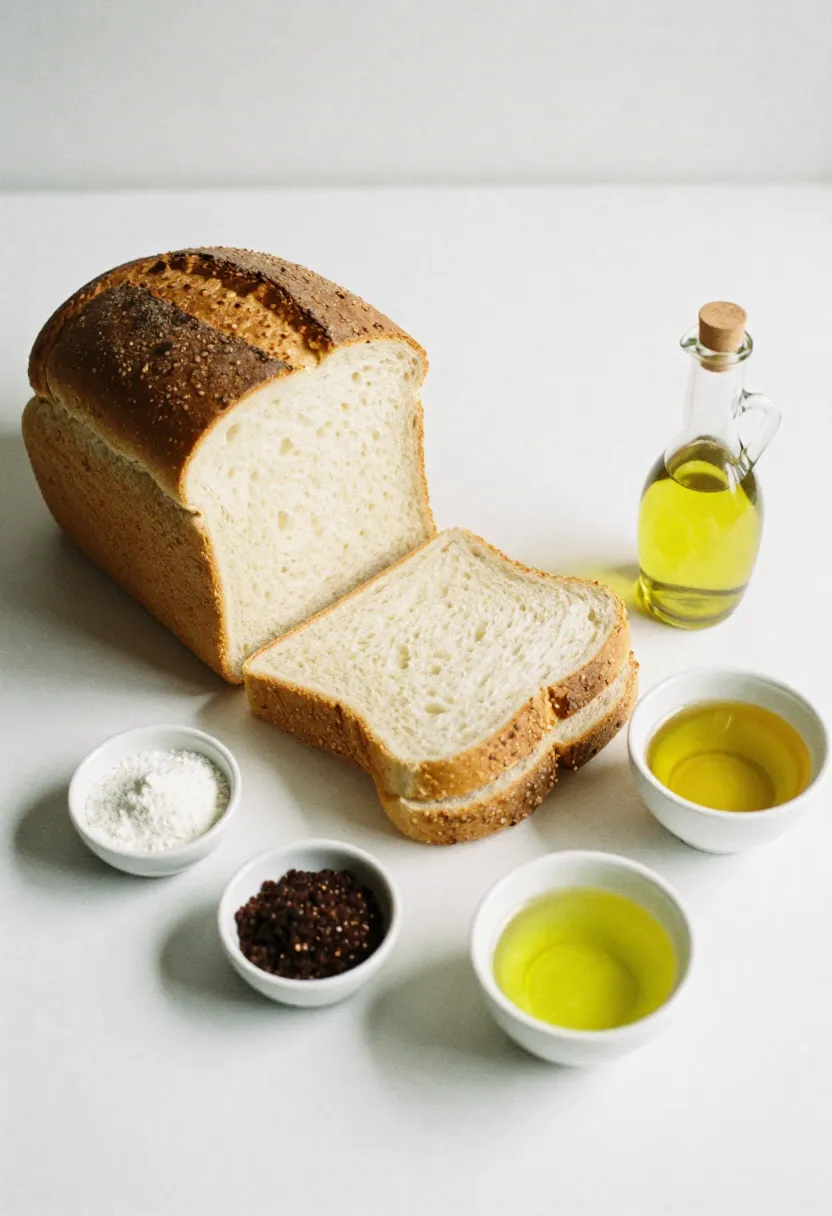
Walk down any supermarket bread aisle and you’ll notice something interesting: many loaves stay soft and springy for days — sometimes even weeks. It’s impressive, almost magical… until you read the ingredient list and realize it’s not magic at all. It’s additives.
But are these ingredients harmful? Or just misunderstood?
Let’s take a calm, evidence-informed look — without fear, without alarmism, and without the pressure to eat “perfectly.”
1. Why additives exist in the first place
Commercial bread has to withstand:
- long transport times
- long shelf life
- consistent texture expectations
- mass production conditions
To achieve that, manufacturers use ingredients like:
- emulsifiers (to improve softness)
- preservatives (to slow mold growth)
- enzymes (to boost dough strength)
- dough conditioners (to improve elasticity and rise)
Many of these ingredients are technically safe and approved. But “safe” doesn’t always equal “ideal” for everyone.
2. The most common additives in bread — and what they do
Here’s a gentle, realistic list of additives you’re likely to find:
1. Emulsifiers (e.g., E471, E472e)
Help create a soft, uniform crumb. Some studies suggest they may affect gut lining in sensitive individuals — but research is still evolving.
2. Preservatives (e.g., calcium propionate, sorbates)
Extend shelf life. Mostly harmless, though some people report headaches or digestive discomfort.
3. Enzymes
Used to improve dough handling. These don’t appear on labels because they are considered “processing aids.” This surprises many consumers.
4. Sweeteners (e.g., glucose syrup, dextrose, molasses)
Improve browning, texture, and taste — even in “savory” breads.
5. Stabilizers & thickeners
Help maintain softness and moisture.
The key point: none of these ingredients are inherently dangerous in moderate amounts, but many indicate a highly processed loaf.
3. Should you avoid these additives entirely?
Not necessarily.
But here’s a more honest approach:
- If you have a sensitive gut, IBS, or food intolerances, certain emulsifiers may irritate your digestion.
- If you prefer minimally processed foods, choosing bread with fewer additives aligns better with your values.
- If you enjoy the taste and texture of real, slow-fermented bread, you may find commercial loaves less satisfying anyway.
As always, listen to your body — it often whispers the truth before labels do.
4. How to identify quality bread with fewer additives
It’s easier than you think:
- Look for short ingredient lists
- Prefer wholegrain, rye, and true sourdough options
- Choose breads from local bakeries when possible
- Avoid loaves with multiple emulsifiers or preservatives
- Learn to recognize “processing signals” (super soft texture, long shelf life, identical slices)
Good bread doesn’t need a long chemistry set to taste wonderful.
5. When additives may actually be helpful
This is an important nuance:
For people who don’t have access to fresh bakeries, preservatives help reduce food waste — which is good for both budgets and the environment.
A balanced perspective always leaves room for practicality.
6. The gentle conclusion
Additives aren’t monsters hiding in your loaf — but they do tell a story about how your bread was made. Choosing simpler, more natural options when possible is an easy way to support your digestion, energy levels, and overall well-being.
Homemade vs Store-Bought Bread: Which Is Actually Better for You?
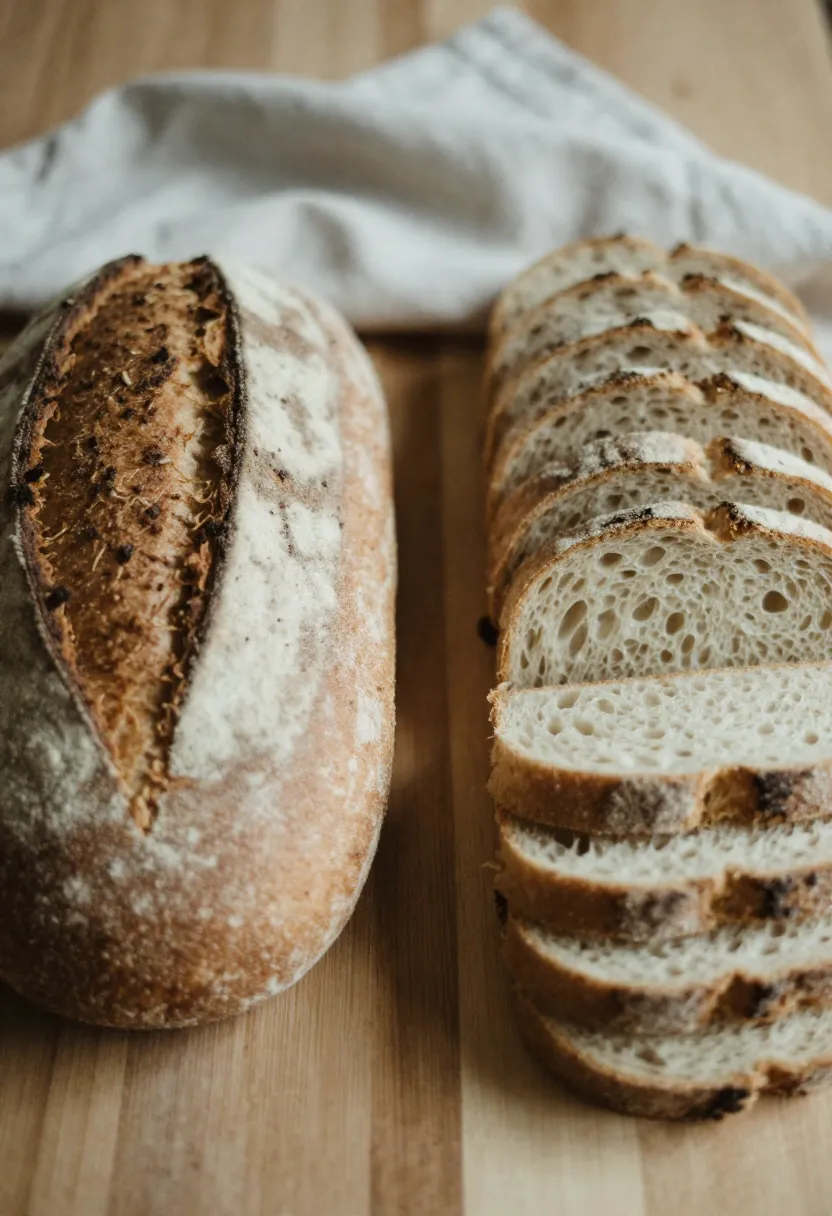
There’s something undeniably romantic about homemade bread. The quiet rhythm of kneading, the slow rise under a clean kitchen towel, the aroma that fills your home — it feels almost therapeutic. Yet for most of us, store-bought bread is the daily reality: convenient, consistent, waiting patiently on the shelf.
So which one is truly better for you?
The answer, as always, comes with nuance — and a little warmth.
1. Homemade Bread: Control, Comfort, and Connection
When you bake at home, you decide everything:
- the type of flour
- the amount of salt
- whether you add seeds or whole grains
- how long the dough ferments
- whether you include sugar at all
This gives you a beautiful level of control. Homemade bread often has fewer ingredients, less processing, and a deeper, more satisfying flavor.
Benefits of homemade bread:
- Simple ingredient list
- Naturally lower in additives
- Customizable for your needs
- Can support better digestion (especially with long fermentation)
- Nourishes emotional well-being — it’s grounding, mindful, creative
Many readers describe baking as a tiny act of self-care.
One woman shared: “My sourdough starter saved me during a stressful year. It gave me something to nurture.”
2. The limitations of homemade bread
Even when it’s wonderful, homemade bread isn’t automatically healthier:
- It can still be made with refined white flour
- Fresh bread may be eaten in larger portions (because it’s irresistible)
- It lacks some fortification present in commercial bread (iron, folic acid, B vitamins)
- It spoils faster, which may not suit busy households
And not everyone has time or energy to bake regularly — that’s perfectly okay.
3. Store-Bought Bread: Convenience with a Side of Caution
Supermarket bread exists for a reason: we live busy lives.
It’s accessible, affordable, and consistent.
Advantages of store-bought bread:
- Long shelf life
- Often enriched with essential nutrients
- Wide variety to suit different dietary needs
- Quick, portable, and predictable
But there are trade-offs:
- more additives and preservatives
- higher sodium levels
- varying fiber content
- marketing claims that can be confusing
Store-bought bread ranges from truly wholesome artisanal loaves to highly processed, ultra-soft slices — and everything in between.
Choosing wisely is key.
4. So… which is healthier?
Neither is inherently superior — it depends on the ingredients, method, and your personal needs.
Homemade bread wins for:
- simplicity
- ingredient control
- digestion-friendly fermentation
- emotional comfort
Store-bought bread wins for:
- practicality
- nutritional fortification
- accessibility
The healthiest choice is the one that fits your lifestyle while still aligning with the principles of good bread: whole grains, fiber, balanced salt, and minimal unnecessary additives.
5. A gentle, realistic takeaway
Bake when you can. Enjoy store-bought bread without guilt.
Alternate between the two if that feels good.
Your relationship with bread doesn’t need to be rigid — it simply needs to nourish you in body and spirit.
How to Choose the Best Bread for Your Lifestyle

Bread isn’t one-size-fits-all. The “healthiest loaf” for an athlete might be different from the best choice for someone with a sensitive gut, a busy family, or a person craving comfort food after a long week.
The goal is not perfection — it’s alignment. The right bread should feel like it supports your life, not complicates it.
Let’s gently walk through a few common needs and what kinds of bread pair beautifully with them.
1. If you want stable energy and fewer cravings
Choose:
Wholemeal bread, rye bread, seeded loaves, or real sourdough
Why:
- Higher fiber content slows digestion
- More steady blood sugar levels
- Keeps you full longer
- Excellent for breakfast or workday lunches
These breads offer that quiet, sustained “fuel” that carries you through meetings, errands, or school runs.
Try this: seeded rye toast with avocado and lemon — a simple combination that feels like a little anchor on a busy day.
2. If you want better digestion or gut support
Choose:
Authentic sourdough, wholegrain spelt, rye sourdough
Why:
- Fermentation breaks down some carbohydrates
- Lower glycemic impact
- Easier on sensitive stomachs
- Encourages beneficial gut bacteria
For many people, switching from standard white bread to a slow-fermented sourdough feels like moving from chaos to calm.
3. If you need lower sodium
Choose:
Bread with <1g salt per 100g, or salt-reduced wholemeal loaves
Why:
- Helps support heart health
- Reduces water retention
- Avoids hidden sodium intake from sandwiches and toast
Tip: Toasting low-salt bread often enhances flavor naturally.
4. If you’re focused on balanced weight or mindful eating
Choose:
High-fiber wholemeal, rye, or seeded breads
Why:
- Fiber improves satiety
- Slower energy release helps avoid snacking
- Supports metabolic stability
Portion tip: One thick slice of dense wholegrain bread often satisfies more than two slices of soft white bread.
5. If you’re managing blood sugar or prediabetes
Choose:
Low-GI breads such as rye, pumpernickel, or authentic sourdough.
Why:
- Slower glucose release
- Better insulin response
- Minimizes energy crashes
Pair with protein (eggs, cheese, nut butter) or healthy fats (avocado, olive oil) for an even smoother post-meal curve.
6. If you’re gluten-sensitive (but not diagnosed coeliac)
Choose cautiously:
Sourdough, spelt, or part-rye blends
Why:
- Some individuals tolerate fermented or ancient grains better
- Structure of gluten changes during fermentation
Important: This doesn’t apply to coeliac disease — only to mild sensitivities. Always listen to your body.
7. If you’re a busy parent or cooking for a family
Choose:
Fortified wholemeal bread or soft seeded loaves
Why:
- Kids often prefer softer textures
- Fortification adds iron, B vitamins, folic acid
- Works well for sandwiches, toast, lunchboxes
A little nutritional consistency goes a long way in chaotic mornings.
8. If bread is your comfort food
Choose:
Whatever brings you joy — with intention
Why:
Food is emotional as much as it is nutritional. A warm slice of soft white bread with butter on a rainy evening might be exactly what your heart needs.
Balance matters more than rigidity.
9. The gentle rule that fits almost everyone
The best daily bread is one that is:
- mostly wholegrain
- at least 3g fiber per slice
- reasonably low in salt
- minimally processed
- enjoyable for you
When you love the bread you choose, you’re far more likely to build nourishing habits around it.
A Friendly Conclusion: Your Bread, Your Body, Your Choice
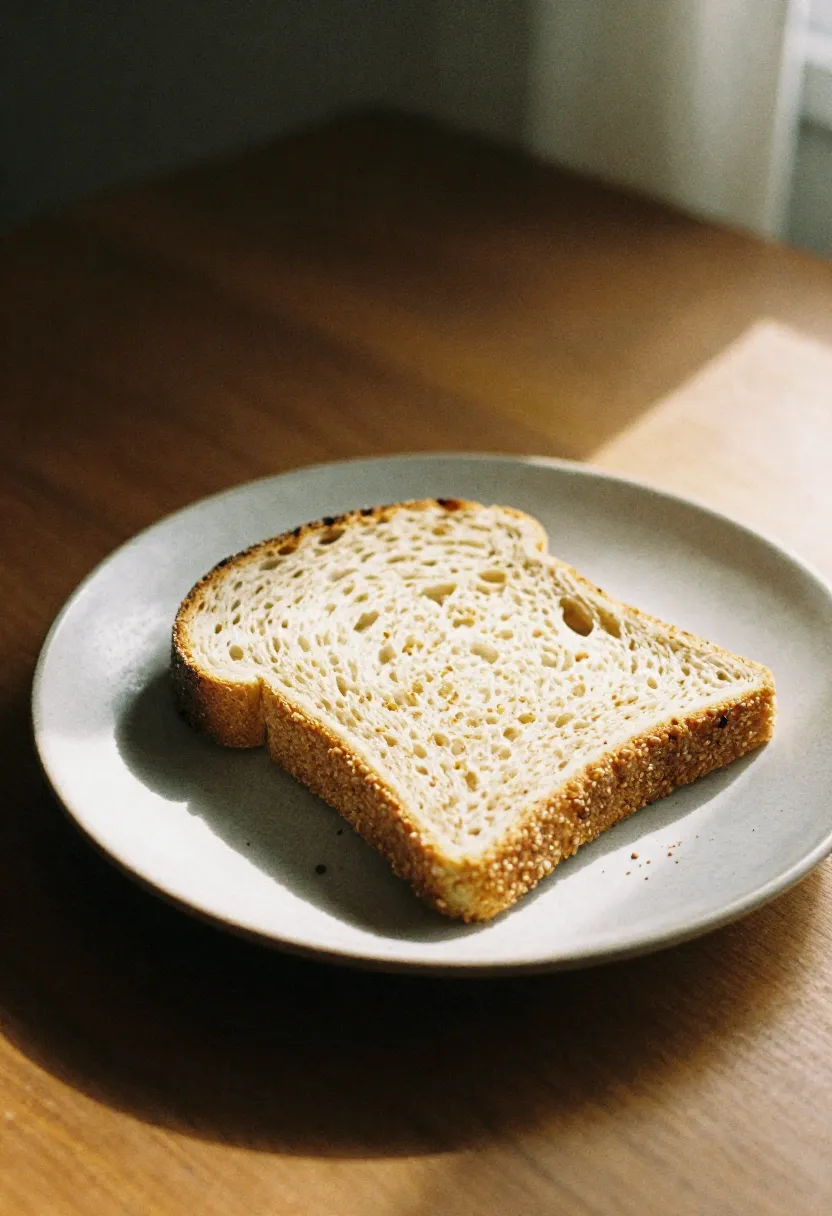
Bread has always been more than food. It’s warmth, culture, routine, memory. It’s the quick breakfast before a busy day, the slice of toast during a quiet moment alone, the sandwich packed with love for someone you care about. And somewhere along the way, it also became a source of confusion, guilt, and mixed messages.
But here’s the truth — you don’t need to fear your loaf.
When you look beyond the crust, past the marketing and the myths, bread becomes surprisingly simple. It’s about:
- whole grains that give steady energy,
- fiber that supports digestion,
- fermentation that brings your gut a little harmony,
- salt and additives you can evaluate with clarity,
- and most importantly, choosing what feels good for your body.
There’s no single “perfect” bread. There’s only the bread that fits your lifestyle, your preferences, your health, and your joy. For some, that’s a dense, earthy rye. For others, it’s soft wholemeal toast with honey. And sometimes, it’s the smell of a homemade loaf that reminds you of home.
Bread shouldn’t be a battleground. It should be a companion — one you choose with awareness and enjoy without guilt.
So the next time you stand in a bakery or supermarket aisle, take a breath, trust what you’ve learned, and pick the loaf that feels right. You’re not just choosing food.
You’re choosing nourishment, comfort, and a small daily ritual that supports your well-being.
FAQ — Your Bread Questions, Answered

1. Is bread healthy or unhealthy?
Bread itself is not “good” or “bad.” Its health value depends on the ingredients, grain type, fiber content, fermentation process, and your personal needs.
Wholegrain, rye, seeded, and real sourdough breads are generally more nourishing and provide steadier energy. White bread is fine in moderation — especially when paired with protein or healthy fats.
2. What is the healthiest type of bread to eat daily?
For most people, the best daily options are:
- wholemeal bread
- rye bread
- seeded wholegrain loaves
- authentic sourdough
They provide more fiber, minerals, and slow-release carbohydrates.
3. Is sourdough really better for digestion?
Often yes. Slow fermentation breaks down some carbohydrates and gluten, making sourdough easier to digest for many people. It may also support gut health thanks to natural acids and prebiotic fibers.
4. Does bread make you gain weight?
Bread alone doesn’t cause weight gain. The key factors are portion size, toppings, overall diet, and the type of bread.
High-fiber breads keep you full longer and help prevent overeating. Soft white breads digest quickly and can trigger more snacking.
5. Should I avoid bread if I’m trying to eat low-carb?
Not necessarily. Lower-carb options like protein breads, seed-heavy loaves, or rye varieties can fit into a balanced diet. But if you feel better with fewer carbs, listen to your body — it’s about personalization, not restriction.
6. How can I tell if bread is truly wholegrain?
Check the first ingredient. It should say:
- “wholemeal wheat flour”
- “wholegrain rye flour”
- “whole wheat flour”
If refined flour comes first, and whole grains appear later in tiny amounts, the loaf is mostly white bread with wholegrain “sprinkles.”
7. Is gluten-free bread healthier?
Gluten-free bread is healthier only for people who need it — those with coeliac disease or gluten sensitivity. For everyone else, wholegrain wheat, rye, or spelt bread usually offer more fiber, nutrients, and better texture.
8. Why does store-bought bread stay soft for so long?
Commercial loaves contain preservatives, emulsifiers, and enzymes that keep them soft and prevent mold. These additives are approved for consumption, but many people prefer simpler breads with shorter ingredient lists.
9. How much bread is okay to eat per day?
Most people do well with 1–2 servings (1–2 slices), depending on their calorie needs, activity level, and what else they’re eating. Focus more on quality than quantity — nourish rather than restrict.
10. Is homemade bread always healthier?
Not always. Homemade bread has fewer additives and gives you ingredient control, but it can still be low in fiber if made with white flour. For the healthiest homemade loaf, use wholegrain flours or long fermentation.