Contents
- When Baking Soda Isn’t There — and Baking Still Needs to Happen
- What Baking Soda Does in Recipes
- When You Can Replace Baking Soda (and When You Shouldn’t)
- Top Baking Soda Substitutes & How to Use Them
- How to Adjust Your Recipe When You Substitute Baking Soda
- Common Mistakes When Swapping Leavening Agents
- Dietary Considerations & Special Baking Situations
- Frequently Asked Questions About Baking Soda Substitutes
- Final Thoughts: Flexible Baking Starts with Understanding
When Baking Soda Isn’t There — and Baking Still Needs to Happen
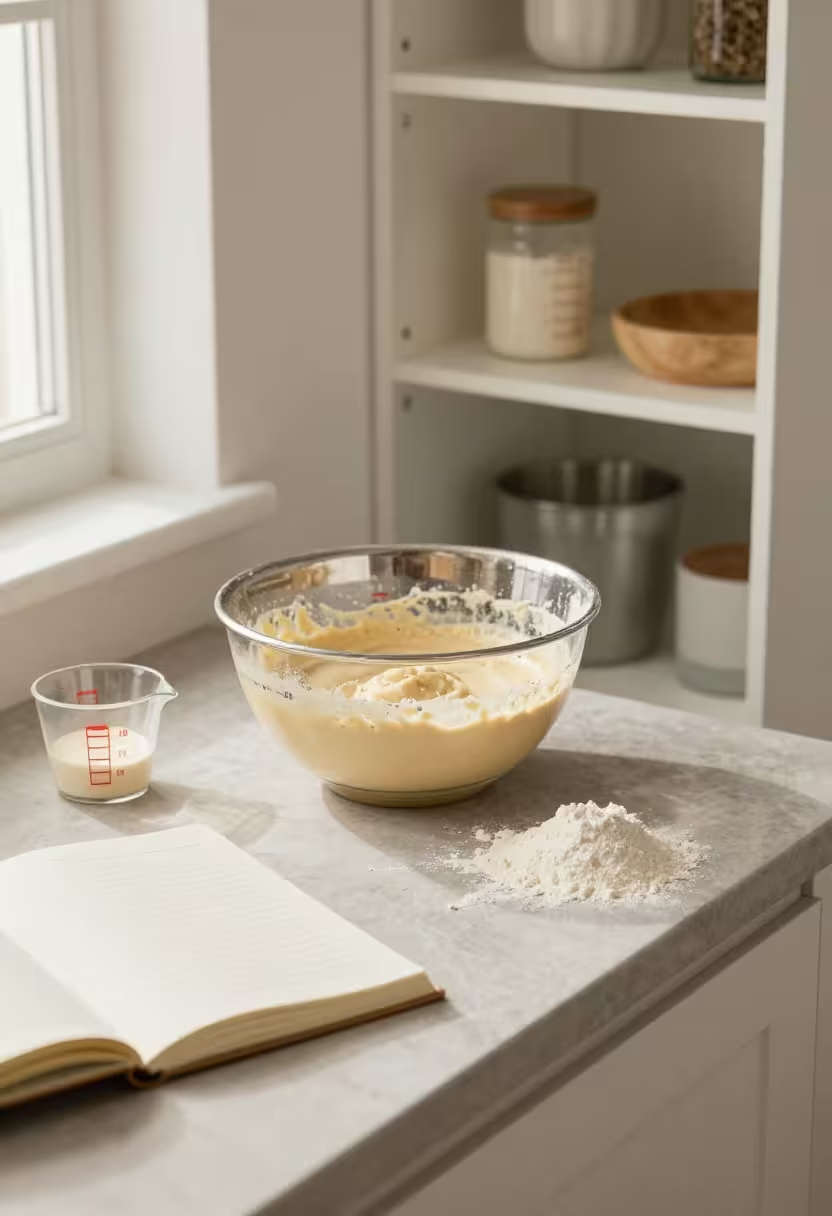
You’re halfway through a recipe. The oven is preheating, the flour is measured, the batter is almost ready — and then you realize it: no baking soda.
For many home bakers, that moment feels like a full stop.
But it doesn’t have to be.
At Book of Foods, we believe good cooking and baking aren’t about rigid rules — they’re about understanding ingredients well enough to adapt. Baking soda may be small, but it plays a big role. And knowing what to use when it’s missing can save your recipe, your time, and your confidence in the kitchen.
Why Baking Soda Matters in Home Baking
Baking soda is a leavening agent, meaning it helps baked goods rise. When it reacts with acidic ingredients like yogurt, buttermilk, lemon juice, or vinegar, it produces carbon dioxide — the tiny bubbles that make cakes fluffy, cookies tender, and quick breads light.
Remove it without a plan, and baked goods can turn out:
- Dense instead of airy
- Flat instead of risen
- Heavy instead of tender
That’s why substitutions need to be intentional, not random.
The Good News: You Have More Options Than You Think
Many home bakers assume baking soda is irreplaceable. In reality, several common pantry ingredients can step in — if you know when and how to use them.
Some substitutes already contain acid. Others rely on mechanical aeration. Some work best in quick breads, while others shine in pancakes, muffins, or cakes. The key isn’t memorizing swaps, but understanding why they work.
Baking becomes far less intimidating when you understand the role each ingredient plays.
What This Guide Will Help You Do
In this article, we’ll walk you through:
- What baking soda actually does in recipes
- When it can (and can’t) be replaced
- The best baking soda substitutes for home baking
- How to adjust recipes so texture and flavor stay balanced
- Common mistakes to avoid when swapping leavening agents
Whether you’re mid-recipe, baking on a schedule, or simply trying to be more flexible with your pantry, this guide is here to help you bake with confidence — even when ingredients don’t line up perfectly.
Because good baking isn’t about having everything.
It’s about knowing what to do with what you have.
What Baking Soda Does in Recipes
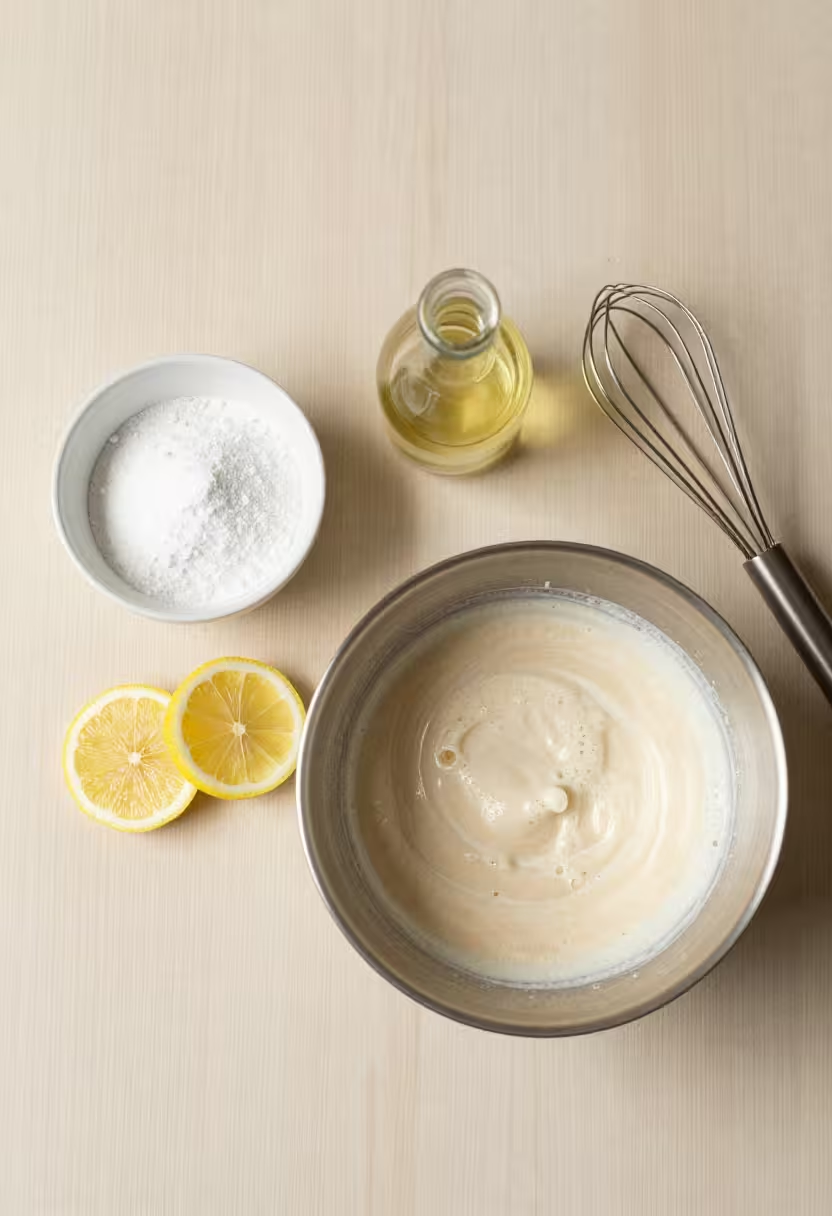
Baking soda may look like a humble white powder, but in baking, it’s a quiet workhorse. Understanding what it does — rather than just that it’s included — is the key to knowing when and how you can replace it successfully.
Baking Soda Is a Leavening Agent
At its most basic, baking soda helps baked goods rise.
Chemically speaking, baking soda is an alkaline compound. When it comes into contact with an acid and moisture, it produces carbon dioxide gas. Those tiny bubbles expand in the oven, creating lift and lightness in the final bake.
This reaction happens quickly, which is why recipes using baking soda usually go into the oven right after mixing.
It Needs Acid to Work Properly
Unlike baking powder, baking soda does not contain acid on its own.
That means it relies on acidic ingredients already present in the recipe, such as:
- Yogurt or buttermilk
- Sour cream
- Lemon juice or vinegar
- Honey or molasses
- Cocoa powder (natural, not Dutch-processed)
Without enough acid, baking soda won’t activate fully — and the result can be flat, dense, or even slightly bitter.
It Affects Texture, Not Just Rise
Baking soda influences more than height.
When used correctly, it helps create:
- Tender crumbs in cakes and muffins
- Soft, spreadable cookies
- Light, moist quick breads
Because it neutralizes acids, it can also soften gluten development, which contributes to a gentler texture.
It Plays a Role in Browning
Baking soda raises the pH of batters and doughs, which encourages browning during baking.
This is why it’s often used in:
- Cookies that spread and brown nicely
- Crackers and pretzels
- Recipes where a deeper golden color is desired
Without it, baked goods may look paler and less caramelized.
Why You Can’t Always Remove It Without Consequences
If you simply leave baking soda out of a recipe:
- The bake may not rise properly
- Texture can become heavy or gummy
- Flavors may taste sharper or unbalanced
That’s why substitutes need to account for both leavening and acidity, not just volume.
Baking soda isn’t just about rise — it’s about balance.
Once you understand its role, replacing baking soda becomes far less intimidating. You stop guessing and start choosing substitutes that make sense for the recipe in front of you.
When You Can Replace Baking Soda (and When You Shouldn’t)
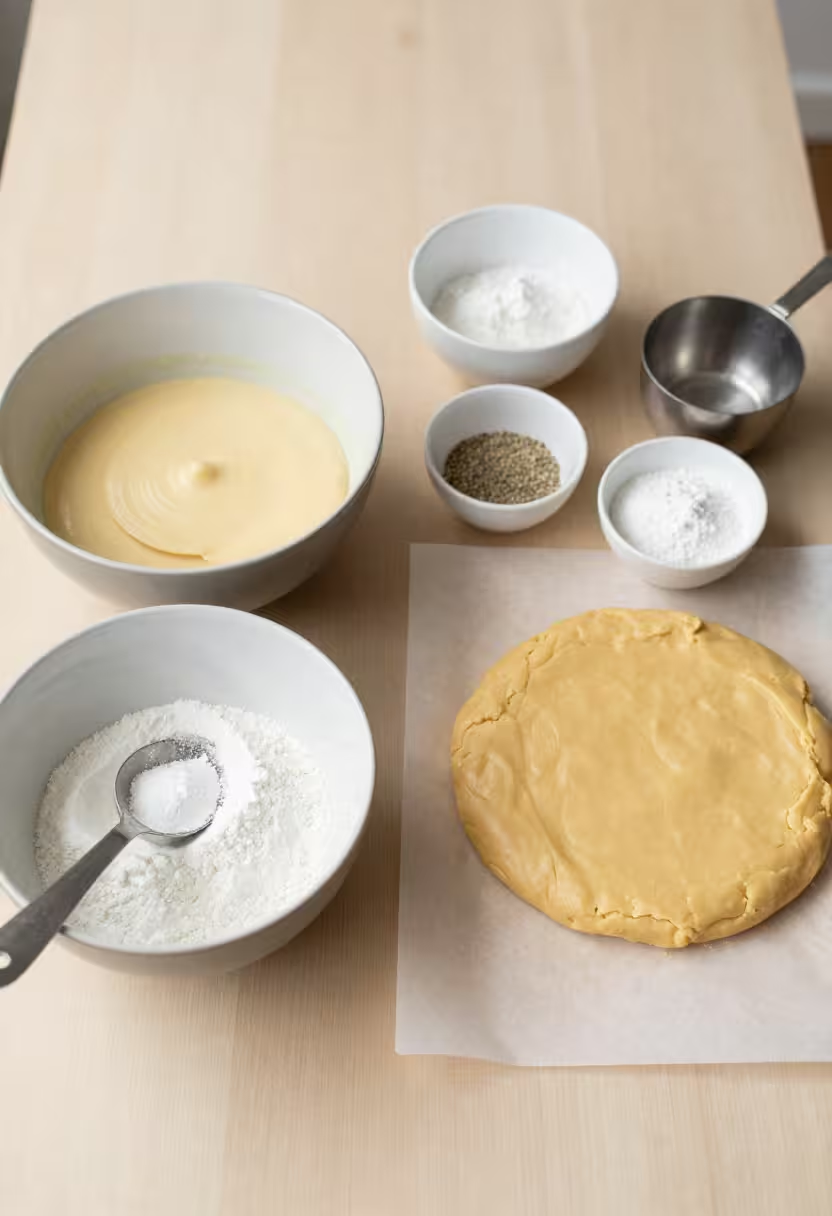
Knowing what baking soda does is only half the story. The other half is knowing when a substitute will actually work — and when it’s better to pause, rethink, or choose a different recipe altogether.
Not all baked goods rely on baking soda in the same way.
Recipes That Are More Forgiving
Some bakes are naturally flexible and handle substitutions well, especially when baking soda isn’t the sole source of lift.
These include:
In these recipes, structure often comes from a mix of eggs, flour, and moisture. As long as you replace baking soda with a thoughtful alternative, results are usually still good — sometimes nearly identical.
Recipes That Need Extra Care
Other recipes rely heavily on baking soda for both rise and texture.
These are trickier:
- Cookies, especially those that need to spread and brown
- Dense chocolate cakes
- Recipes with strong acidic ingredients
In these cases, substitutions need to be precise. The wrong swap can change how cookies spread, how cakes rise, or how flavors balance.
When Baking Powder Is Already Present
If a recipe already includes baking powder, replacing baking soda becomes easier.
Baking powder contains both an acid and a base, so it can often handle the leavening on its own — though you may need to adjust quantities or expect slightly less browning.
This is one of the safest situations for substitution.
When You Should Think Twice About Substituting
There are moments when replacing baking soda isn’t ideal:
- Recipes that depend on exact texture, like crisp cookies
- Bakes where browning and color are essential
- Recipes with little to no acidity
In these cases, it may be better to:
- Choose a different recipe
- Scale down expectations
- Or wait until baking soda is available
Sometimes the smartest baking decision is knowing when not to improvise.
A Simple Rule of Thumb
Before substituting, ask yourself:
- Does this recipe include an acidic ingredient?
- Is baking soda the only leavening agent?
- Is texture more important than rise here?
If you can answer those questions, you’re already halfway to a good decision.
Successful substitutions aren’t about luck — they’re about context.
With this judgment in place, we can move into specifics.
Top Baking Soda Substitutes & How to Use Them
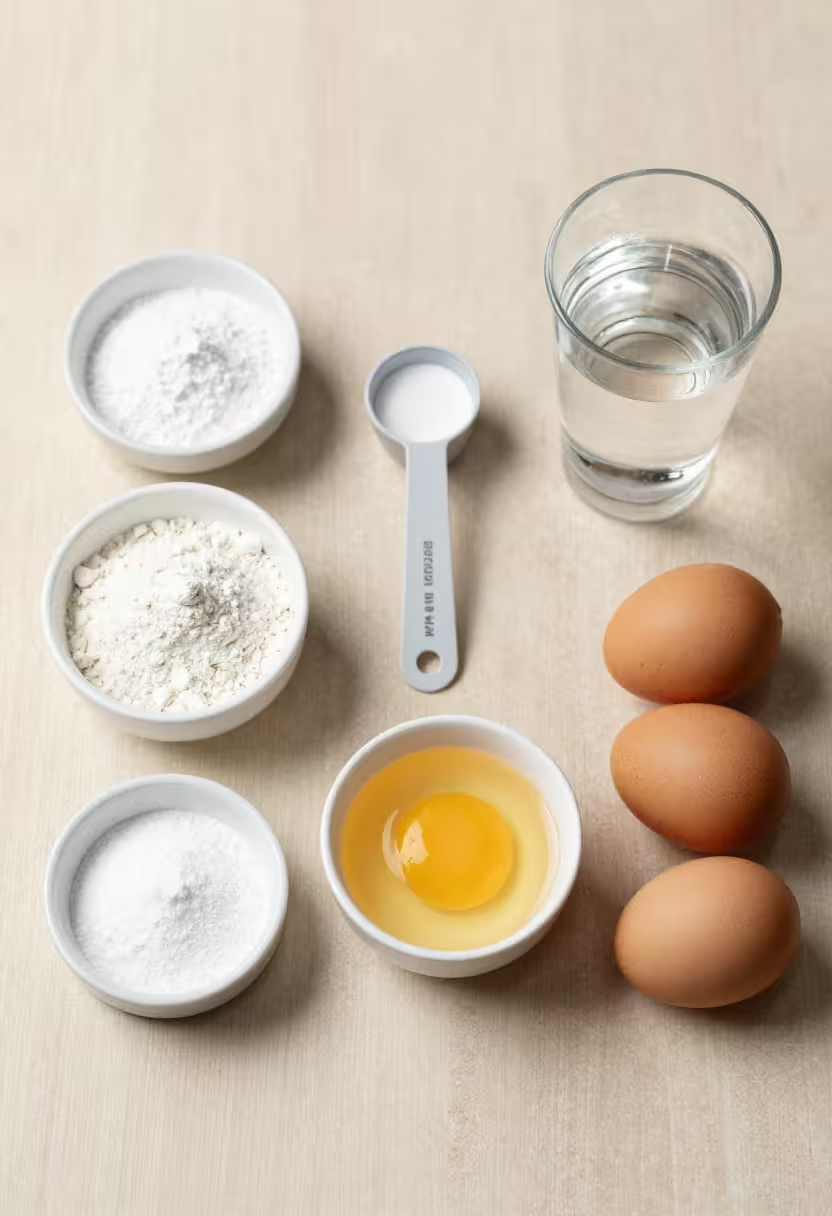
When baking soda is missing, the goal isn’t to replace it blindly, but to recreate its function: leavening, balance, and texture. These substitutes work for different reasons, and knowing which one to choose makes all the difference.
Baking Powder (The Most Reliable Substitute)
Best for: quick breads, muffins, pancakes, cakes
Baking powder is the closest substitute because it already contains both an acid and a base. That means it doesn’t rely on acidic ingredients in the recipe to activate.
How to substitute:
Use 3 times the amount of baking powder for every 1 part baking soda.
What to expect:
- Slightly less browning
- A more neutral flavor
- Reliable rise in most recipes
This is the safest choice for most home bakers.
Potassium Bicarbonate (Low-Sodium Option)
Best for: health-conscious baking, low-sodium diets
Potassium bicarbonate behaves similarly to baking soda but lacks sodium. Because it’s also alkaline, it still needs acid to activate.
How to use:
- Substitute 1:1 for baking soda
- Add an acidic ingredient (lemon juice, vinegar, yogurt) if the recipe doesn’t already include one
What to expect:
- Similar rise
- Slightly different flavor profile (often unnoticeable in baked goods)
Self-Rising Flour
Best for: simple cakes, biscuits, pancakes
Self-rising flour already includes baking powder and salt, making it a built-in substitute — but only if you adjust the recipe.
How to use:
- Replace regular flour with self-rising flour
- Omit baking soda and salt from the recipe
What to expect:
- Softer texture
- Reliable lift in forgiving recipes
This works best in simple bakes, not precision-heavy recipes.
Whipped Egg Whites (Mechanical Leavening)
Best for: light cakes, pancakes, sponge-style bakes
Egg whites don’t create gas chemically — they trap air physically.
How to use:
- Whip egg whites until soft or stiff peaks
- Gently fold into the batter at the end
What to expect:
- Light, airy texture
- Less browning and structure
This method works best when texture matters more than shape.
Yeast (In a Pinch)
Best for: quick breads that can tolerate longer rise times
Yeast isn’t a direct substitute, but it can add lift when time allows.
How to use:
- Expect longer resting and baking times
- Works better in bread-like recipes than cakes
What to expect:
- More chew
- A slightly different flavor
This is more of a workaround than a replacement.
Club Soda or Sparkling Water
Best for: pancakes, waffles, quick batters
The carbonation adds temporary lift.
How to use:
- Replace some liquid with sparkling water
- Use immediately after mixing
What to expect:
- Lightness, but limited structure
- Best for quick-cook recipes
A Note on Vinegar or Lemon Juice Alone
Acids alone do not replace baking soda. They only activate it.
Without an alkaline ingredient, adding vinegar or lemon juice won’t provide lift — and may throw off flavor balance.
Good substitutions work because they replace function, not just ingredients.
Now that you know the options, the next step is learning how to adjust your recipe so everything stays balanced.
How to Adjust Your Recipe When You Substitute Baking Soda
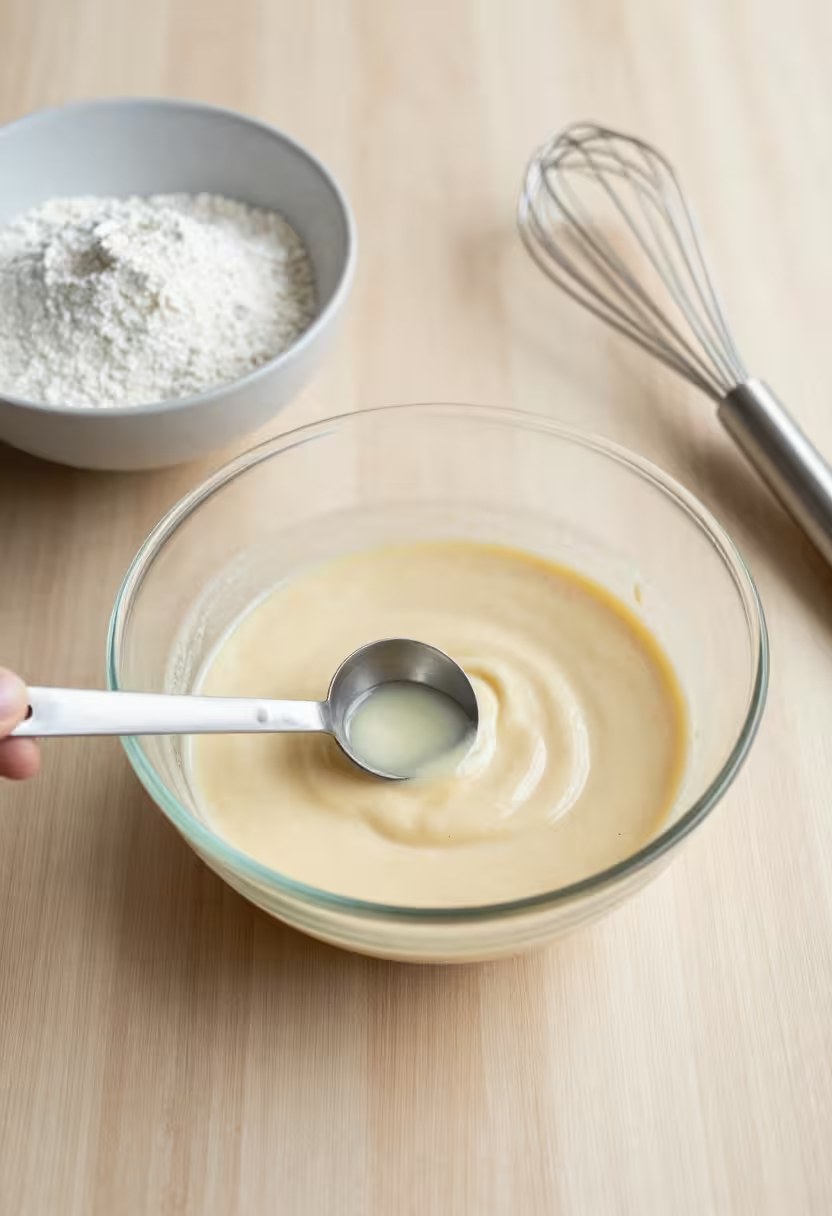
Replacing baking soda isn’t just about swapping one ingredient for another. Because baking soda affects rise, acidity, texture, and browning, even a good substitute may need small adjustments to keep everything balanced.
These tweaks are simple — but they make the difference between a bake that “technically worked” and one that tastes right.
Pay Attention to Acidity
Baking soda neutralizes acids. When you remove it, that balance can shift.
If you’re using a substitute that already contains acid (like baking powder):
- Avoid adding extra acidic ingredients unless the recipe needs them for flavor
- Expect slightly less browning
If you’re using an alkaline substitute (like potassium bicarbonate):
- Make sure the recipe includes enough acid
- Add a small amount of lemon juice, vinegar, or yogurt if needed
Balance is more important than precision.
Adjust Liquids Thoughtfully
Some substitutes introduce extra volume or moisture.
For example:
- Baking powder may slightly thicken batter
- Whipped egg whites add air but also water
- Sparkling water changes hydration
If the batter looks unusually thick or thin, trust your instincts and adjust with:
- A tablespoon of milk or water
- Or a small amount of flour, added gradually
Batter consistency matters more than exact measurements.
Expect Changes in Browning
Because baking soda encourages browning, its absence often leads to paler baked goods.
To compensate:
- Bake a few minutes longer (without overbaking)
- Use a slightly higher oven rack
- Add a pinch of sugar or honey if appropriate
This helps restore visual appeal without changing flavor too much.
Watch Texture Closely
Different substitutes affect structure differently:
- Baking powder gives steady, predictable rise
- Egg whites create lightness but less stability
- Yeast adds chew rather than tenderness
If texture matters deeply (cookies, brownies), expect results to be slightly different — and that’s okay.
Taste Before You Bake (When Possible)
For batters like pancakes or quick breads, a small taste test can reveal problems early:
- Too acidic? Add a pinch of sugar
- Too flat? Consider a little extra leavening
- Too salty? Adjust seasoning before baking
Small corrections before baking save bigger disappointments later.
Recipe adjustments aren’t signs of failure — they’re signs of understanding.
Once you get comfortable making these small changes, substituting baking soda becomes second nature.
Common Mistakes When Swapping Leavening Agents
Even with the best intentions, baking soda substitutions can go sideways if a few key details are overlooked. Most problems don’t come from the substitute itself — they come from how it’s used.
Here’s what to watch out for.
Treating Substitutes as 1:1 Swaps
One of the biggest mistakes is assuming all leavening agents work the same way.
- Baking powder is not equal to baking soda
- Egg whites don’t behave like chemical leaveners
- Yeast works on a completely different timeline
Ignoring conversion ratios often leads to flat or oddly textured results.
Fix:
Always check how much of the substitute is needed — especially when using baking powder or self-rising flour.
Forgetting About Acid Balance
Baking soda’s job includes neutralizing acids. Removing it without thinking about acidity can throw off both flavor and texture.
Common signs of imbalance:
- Sour or sharp taste
- Pale color
- Dense crumb
Fix:
Ask whether your substitute adds acid, needs acid, or changes the pH of the batter — then adjust accordingly.
Overcompensating with Too Much Substitute
It’s tempting to add extra leavening “just in case.”
Unfortunately, too much leavening can cause:
- Bitter or metallic flavors
- Collapsing baked goods
- Irregular air pockets
Fix:
Stick to recommended amounts. More leavening doesn’t mean more rise — it often means less structure.
Expecting Identical Results
Even a successful substitution may change the final bake slightly.
Texture, color, and spread can all shift — especially in:
- Cookies
- Brownies
- Delicate cakes
Fix:
Aim for good results, not perfect replication. Understanding why something changes is part of confident baking.
Ignoring Timing Differences
Some substitutes act immediately, others need time.
For example:
- Baking soda reacts quickly
- Baking powder reacts in stages
- Yeast needs time to ferment
Fix:
Match your substitute to the recipe’s rhythm. Quick bakes need quick reactions.
Skipping the Test Bake
When trying a substitution for the first time, baking a full batch can be risky.
Fix:
If possible, bake a small test portion. It’s a low-effort way to learn how a substitute behaves before committing.
Most baking mistakes happen when we rush — not when we substitute.
Once you avoid these common errors, swapping leavening agents becomes far more predictable and far less stressful.
Dietary Considerations & Special Baking Situations
Not every kitchen — or every baker — has the same needs. Sometimes baking soda substitutions aren’t just about what’s available, but about health, dietary choices, or environmental constraints. The good news is that flexibility is still possible, as long as you understand the trade-offs.
Low-Sodium Baking
Traditional baking soda is sodium-based, which can be a concern for people watching their salt intake.
Best option:
- Potassium bicarbonate — it provides similar leavening power without sodium
What to keep in mind:
- It still needs acid to activate
- Flavor differences are usually subtle in baked goods
This swap is especially useful in everyday baking like muffins and quick breads.
Vegan Baking
Baking soda itself is vegan, but some substitutes rely on eggs.
Vegan-friendly substitutes include:
- Baking powder
- Potassium bicarbonate
- Club soda or sparkling water
Avoid:
- Whipped egg whites, unless using plant-based foams (which behave differently and require testing)
In vegan baking, chemical leaveners are often the most predictable choice.
Gluten-Free Baking
Gluten-free flours behave differently, so leavening becomes even more important.
Helpful substitutes:
- Baking powder (check that it’s gluten-free)
- Self-rising gluten-free flour blends
Tips:
- Expect slightly denser textures
- Consider combining leavening with whipped eggs or extra moisture
Gluten-free recipes often benefit from layered leavening strategies rather than relying on one ingredient.
High-Altitude Baking
At higher altitudes, gases expand more quickly — which can make leavening tricky.
What to watch for:
- Over-rising followed by collapse
- Dry textures
Helpful adjustments:
- Reduce total leavening slightly
- Use baking powder rather than baking soda when possible
- Increase liquid just a bit
Precision matters more at altitude, so substitutions should be conservative.
Emergency or Limited-Pantry Situations
Sometimes you’re baking with what you have — no shopping, no substitutions on hand.
In those cases:
- Sparkling water can help with quick batters
- Whipped eggs can add lift to simple cakes
- Choosing a more forgiving recipe may be the best solution
Smart baking isn’t about perfection — it’s about adaptability.
Understanding how substitutions interact with dietary needs gives you more control, not less.
Frequently Asked Questions About Baking Soda Substitutes
Can I replace baking soda with baking powder 1:1?
No — not directly.
Baking powder is much less concentrated than baking soda. As a general rule, you’ll need about 3 times more baking powder to replace baking soda. Even then, expect slightly less browning and a more neutral flavor.
What happens if I skip baking soda entirely?
It depends on the recipe.
Without baking soda:
- Baked goods may rise less
- Texture can become dense or heavy
- Color may be paler
- Flavors can taste sharper if acids aren’t balanced
Some forgiving recipes still work, but many benefit from a thoughtful substitute.
Can vinegar or lemon juice replace baking soda?
No — acids alone don’t provide lift.
Vinegar and lemon juice activate baking soda, but they don’t replace it. Without an alkaline ingredient to react with, adding acid won’t help baked goods rise and may negatively affect flavor.
Is baking powder always a safe substitute?
Often, but not always.
Baking powder works best in:
- Muffins
- Pancakes
- Cakes
- Quick breads
It’s less ideal for recipes that rely heavily on baking soda for browning or spread, such as certain cookies.
Will substitutes change the taste of my baked goods?
Sometimes — usually subtly.
- Baking powder tends to be neutral
- Potassium bicarbonate may slightly alter flavor
- Yeast introduces a noticeable taste
- Egg-based leavening changes texture more than flavor
Most differences are mild, especially when recipes are well balanced.
Can I use self-rising flour instead of baking soda?
Yes, with adjustments.
If you use self-rising flour:
- Remove baking soda from the recipe
- Omit added salt
- Be mindful that it already contains leavening
This works best in simple, forgiving recipes.
What’s the best substitute for cookies?
Cookies are tricky.
If possible:
- Use baking powder (adjusted amount)
- Expect slightly less spread and browning
- Avoid substitutes like yeast or sparkling water
Cookies rely on precise chemistry, so results may vary more than with cakes or muffins.
How do I know if a substitution worked?
Look for:
- Adequate rise
- Even crumb
- Balanced flavor
- No bitter or metallic aftertaste
If the bake holds together well and tastes good, the substitution was successful — even if it looks a little different.
Should I try substitutions in new recipes?
It’s safer to substitute in familiar recipes first.
That way, you already know:
- How the batter should look
- How the texture should feel
- What changes are acceptable
Once you’re comfortable, experimenting becomes much easier.
Final Thoughts: Flexible Baking Starts with Understanding
Running out of baking soda doesn’t have to stop you from baking. When you understand what ingredients do — not just what they’re called — your kitchen becomes more flexible and far less stressful.
At Book of Foods, we believe confidence comes from knowledge, not perfection. Substitutes aren’t shortcuts — they’re tools. And with the right approach, they can help you bake just as successfully as the original recipe intended.
If you’d like next, I can:
- write SEO title + meta description + keywords
- create hero image + image prompts for each section
- or help adapt this article for printable reference or prep-style guides