You wake up late. The fridge looks uninspiring. Someone brings pastries to the office. Dinner turns into whatever is fastest because you are tired, hungry, and not in the mood to wash three pans. I think this is where most healthy eating advice goes wrong. It assumes you have endless time, perfect motivation, and a kitchen that always looks like a farmers market.
Most people do not need a stricter diet. They need an easier rhythm.
Eating healthy every day is less about perfect meals and more about small choices you can repeat. Add something fresh. Choose a more filling breakfast. Keep a few useful foods at home. Drink water before you reach for another sweet drink. Build meals that taste good enough that you actually want to eat them again.
That is the part that matters.
A healthy routine should fit into your normal day, not take over your life. You do not have to count every bite, give up bread, cook from scratch every night, or pretend that a bowl of plain lettuce is a satisfying lunch. You just need a few habits that make your meals a little more balanced, a little more filling, and a lot easier to stick with.
This guide is about that kind of healthy eating: practical, flexible, and realistic enough for busy days.
Start with the meals you already eat
The easiest way to eat healthier every day is not to throw away everything in your kitchen and start over.
That sounds dramatic, but people do it all the time in smaller ways. They decide Monday will be different, buy a cart full of “healthy” food, and then realize by Thursday that they do not actually want plain chicken breast, dry quinoa, and a sad bag of spinach for dinner.
Healthy eating works better when you begin with your real meals. The ones you already cook. The ones you already order. The ones you reach for when you are hungry and tired.
Then you improve them a little.
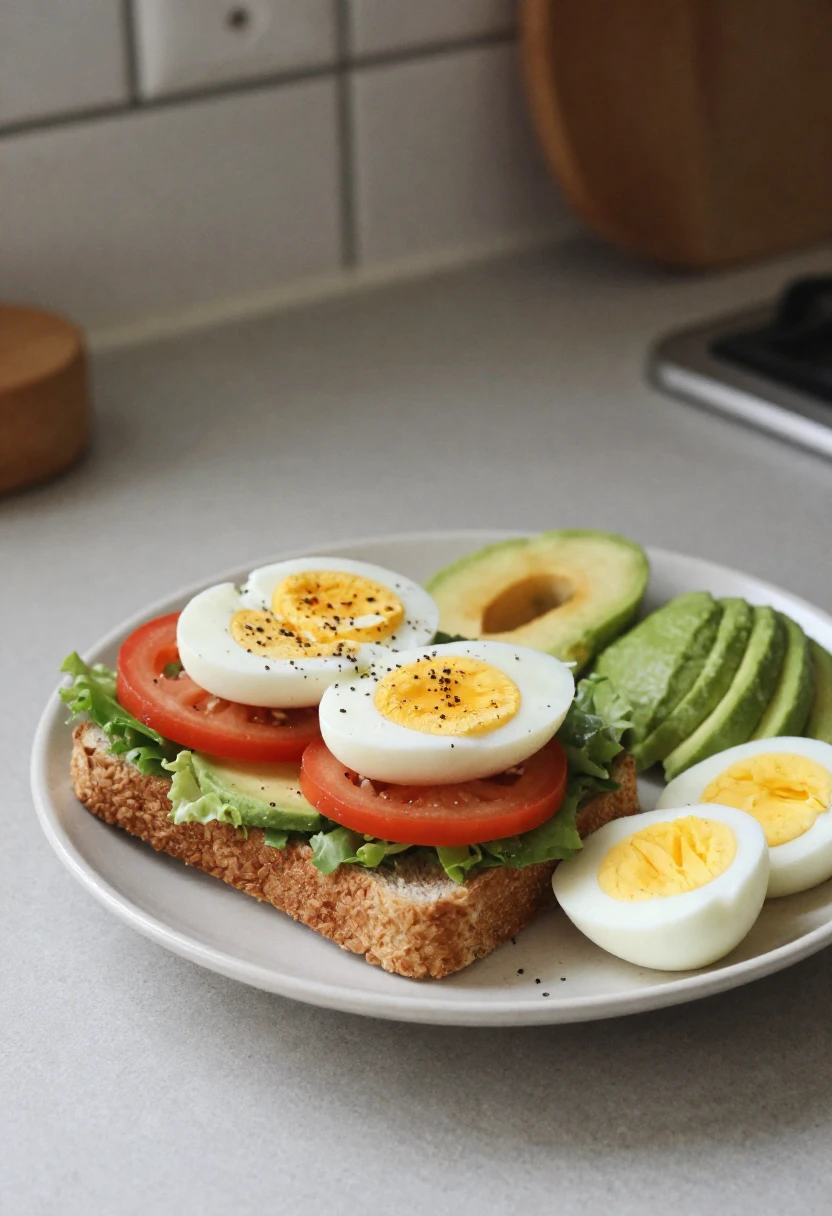
A sandwich can become more filling with turkey, eggs, tuna, hummus, avocado, or extra vegetables. Pasta can still be pasta, but you can add roasted vegetables, beans, chicken, or a side salad. Breakfast can still be toast, but maybe now it has peanut butter and banana instead of only jam.
Small upgrades sound almost too simple. But they are easier to repeat, and that matters more than making one perfect meal and never cooking it again.
Why small upgrades work better than a full diet reset
A full diet reset feels exciting for about two days.
You clean the fridge, make a plan, maybe even prep containers. There is a nice little burst of control. But if the food does not match your schedule, appetite, budget, or taste, the whole thing starts to fall apart.
Small upgrades are less glamorous, but they stick.
Instead of changing your entire breakfast, change one part of it. If you usually eat a sweet pastry and coffee, you do not have to jump straight to a green smoothie with chia seeds and protein powder. Try adding Greek yogurt on the side. Or keep the pastry, but have it after eggs instead of as the whole meal.
If you usually eat instant noodles, add frozen vegetables and an egg. If you usually order a burger, add a salad or choose water instead of soda. If dinner is often rice and something quick, add beans, canned fish, chicken, tofu, or vegetables from the freezer.
The meal still feels familiar. That is the point.
When food feels familiar, your brain does not fight it as much. You are not asking yourself to become a completely different person by lunch. You are just making the meal work harder for you.
Easy swaps that do not feel like punishment
A healthy swap should not make you feel like you lost something.
I do not like swaps that pretend cauliflower is the same as rice, or zucchini is the same as pasta. Sometimes those foods are good on their own. But when you want pasta, you usually know you want pasta. So instead of replacing the whole meal, try adjusting it.
Here are a few swaps that feel realistic:
- Use whole grain bread sometimes instead of white bread, especially for sandwiches.
- Add plain yogurt to sauces instead of using only mayo or sour cream.
- Choose fruit with breakfast instead of drinking fruit juice.
- Use olive oil, avocado, nuts, or seeds for healthy fats instead of relying only on butter or creamy dressings.
- Add beans or lentils to soups, stews, and rice dishes.
- Keep frozen vegetables for nights when fresh produce is already gone.
- Choose sparkling water with lemon when you want something cold and fizzy.
The goal is not to make every meal “clean.” I honestly do not find that word very useful. The goal is to make your normal meals more balanced without making them miserable.
A bowl of pasta with tomato sauce is fine. A bowl of pasta with tomato sauce, sautéed zucchini, chickpeas, and a little parmesan is better. It has more fiber, more texture, more staying power. And it still tastes like dinner, not homework.
How to make breakfast, lunch, and dinner slightly better
Breakfast is usually the best place to start because it sets the tone for the day. Not in a magical way. More in a very practical, “will I be starving by 10:30?” way.
If your breakfast is mostly sugar or refined carbs, you may feel hungry again quickly. Add protein or fiber and it usually holds you longer.
Try:
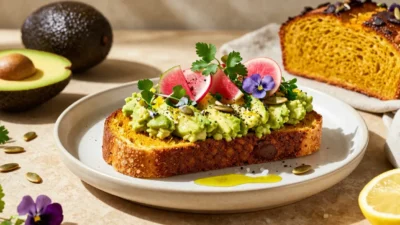
- Toast with eggs, avocado, cottage cheese, or peanut butter
- Oatmeal with yogurt, berries, nuts, or seeds
- Greek yogurt with fruit and granola
- A smoothie with fruit, milk or yogurt, and nut butter
- Leftovers, if you are not a sweet-breakfast person
Lunch is where many people get stuck. It needs to be easy, but it also needs to keep you full. A tiny salad with no protein is not lunch. It is a snack wearing a green outfit.
A better lunch usually has four parts: something filling, something fresh, something with protein, and something that makes it taste good. That might be rice, cucumbers, chicken, and a garlic yogurt sauce. Or bread, tuna, tomato, and olive oil. Or lentil soup with a piece of toast and fruit.
Dinner can be even simpler. Pick a base, add protein, add vegetables, and finish with flavor.
That could look like:
- Rice, salmon, cucumbers, avocado, and soy-ginger sauce
- Potatoes, chicken thighs, carrots, and a simple salad
- Pasta, white beans, spinach, tomato sauce, and parmesan
- Tortillas, scrambled eggs, black beans, salsa, and cabbage
- Soup with lentils, vegetables, herbs, and crusty bread
None of this requires a perfect meal plan. It just gives your meals a little structure.
And once you get used to that structure, healthy eating starts to feel less like a project. You stop asking, “What diet should I follow?” and start asking, “What can I add to this meal so it actually feeds me?”
Build your plate around filling foods
One of the most underrated parts of healthy eating is simply feeling full.
Not stuffed. Not sleepy. Just comfortably fed enough that you are not searching the kitchen again twenty minutes later.
A lot of “healthy” meals fail because they are too light. A bowl of lettuce with a few tomatoes might look fresh, but if there is no protein, no satisfying carbs, and no fat, it will not carry you very far. Then the snack cravings arrive, and suddenly the day feels harder than it needed to be.
When you build meals around filling foods, healthy eating becomes much easier to keep. You are not trying to survive on willpower. You are giving your body something useful.
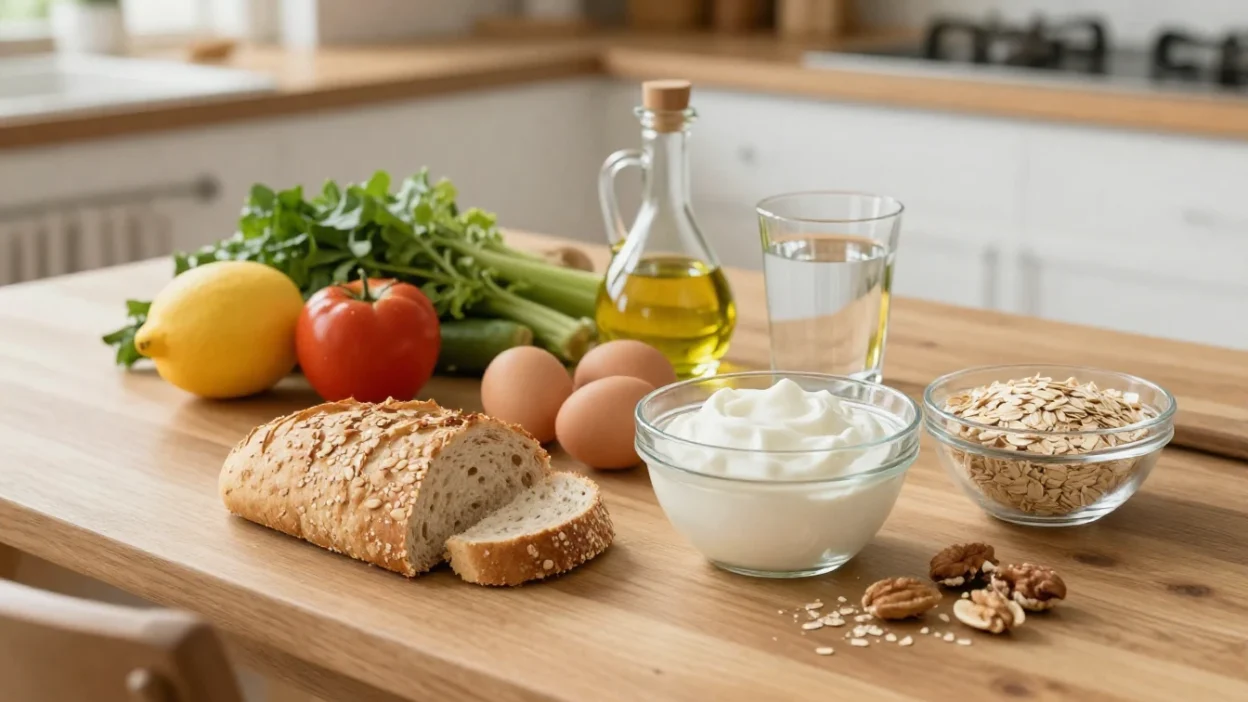
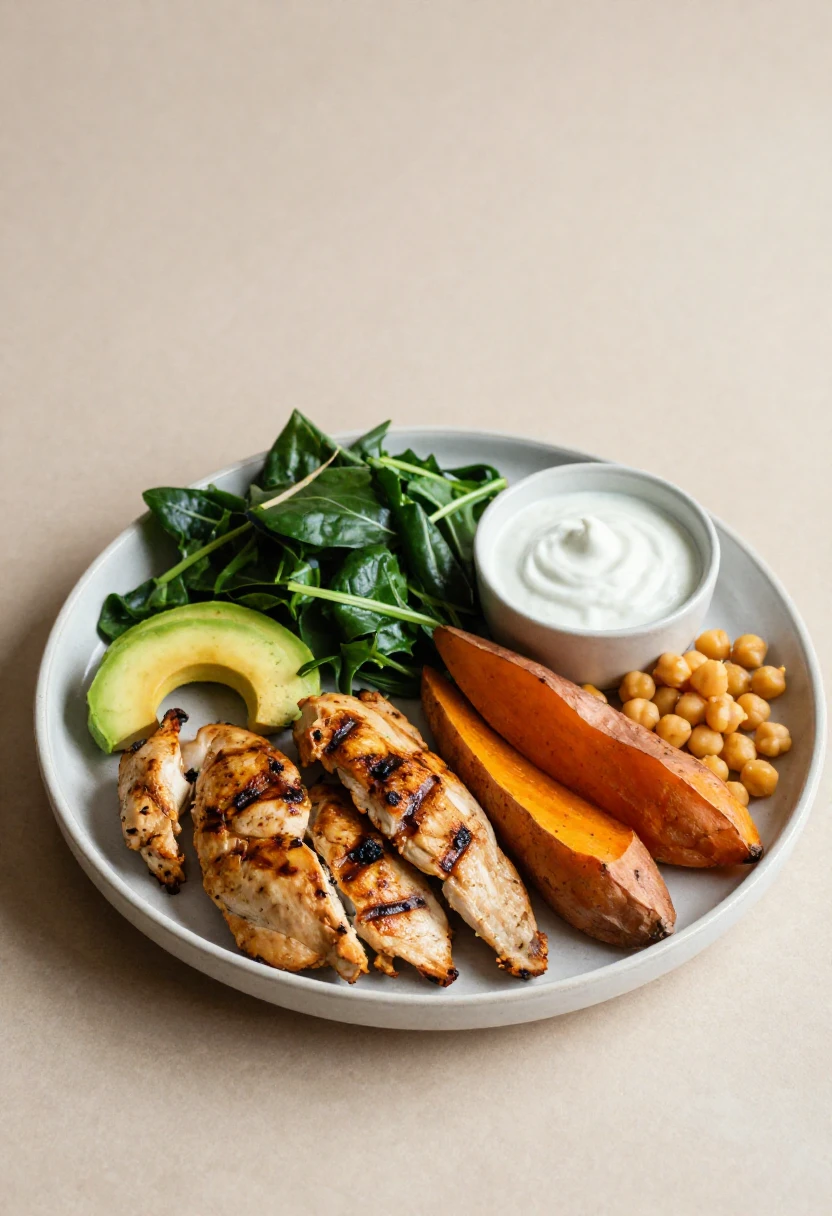
A good everyday plate usually has:
- Protein
- High-fiber carbs
- Vegetables or fruit
- A little healthy fat
- Something flavorful enough to make you want another bite
That last part matters more than people admit.
Add protein so meals keep you full
Protein is the part of the meal that often makes it feel complete.
You do not need to turn every meal into a bodybuilder plate, but adding a real protein source helps with fullness and makes meals more balanced. It also helps avoid that annoying feeling where you technically ate, but still want to snack on everything nearby.
Easy protein options include:
- Eggs
- Greek yogurt
- Cottage cheese
- Chicken or turkey
- Fish or canned tuna
- Beans, lentils, and chickpeas
- Tofu or tempeh
- Lean beef
- Nuts and seeds, though they work better as a smaller add-on
I like protein best when it is built into meals naturally. Eggs on toast. Lentils in soup. Beans in a rice bowl. Greek yogurt in a sauce. Chicken added to pasta. Nothing complicated.
If breakfast leaves you hungry too soon, protein is usually the first thing to check. Toast with butter may taste good, but toast with eggs or peanut butter will probably keep you full longer. Oatmeal is better with yogurt, milk, nuts, or seeds than with only sugar and water.
You do not have to overthink it. Just ask: “Where is the protein in this meal?”
If you cannot answer, add some.
Choose high-fiber carbs more often
Carbs are not the enemy. Boring diet advice made them sound suspicious, but most people feel better when they include the right kind of carbs in the right amount.
The trick is to choose carbs that give you more than quick energy.
High-fiber carbs digest more slowly and usually keep you satisfied longer. They also add texture, which makes meals feel more substantial. Think oats, potatoes with the skin, brown rice, whole grain bread, beans, lentils, fruit, and vegetables.
That does not mean you can never eat white rice, regular pasta, or a fresh piece of bread. Of course you can. Food does not need to pass a purity test.
But if you want to eat healthy every day without making it complicated, it helps to make high-fiber choices more often.
A few simple examples:
- Use oats for breakfast instead of sugary cereal.
- Add beans to rice, soup, tacos, or salads.
- Choose whole grain bread for sandwiches when you like the taste.
- Keep potatoes or sweet potatoes for easy dinners.
- Add fruit to yogurt instead of only honey or jam.
- Mix regular pasta with vegetables or legumes so the meal feels fuller.
The best carb choice is the one that fits the meal and keeps you satisfied. Sometimes that is brown rice. Sometimes it is roasted potatoes. Sometimes it is pasta with a pile of vegetables and a sauce you actually enjoy.
Healthy eating becomes easier when you stop treating carbs like a problem and start using them well.
Use healthy fats without overdoing them
Fat makes food taste better. It carries flavor, improves texture, and helps meals feel satisfying.
That is why fat-free “diet food” often feels so disappointing. You can eat a big portion and still feel like something is missing.
Healthy fats can come from olive oil, avocado, nuts, seeds, fatty fish, olives, tahini, and nut butters. You do not need a lot. A little olive oil on roasted vegetables, a spoon of peanut butter in oatmeal, a few slices of avocado on toast, or tahini in a dressing can make a meal feel much more complete.
The only catch is that fat is easy to over-pour or over-scoop. I say this as someone who has absolutely turned “a little olive oil” into a shiny lake at the bottom of the pan.
So use fat, but use it with some awareness.
Try this:
- Drizzle olive oil instead of pouring without looking.
- Add nuts or seeds as a topping, not the whole snack bowl.
- Use avocado as part of the meal, not the only filling ingredient.
- Make creamy sauces with Greek yogurt plus a little olive oil or tahini.
- Choose fatty fish sometimes, especially salmon, sardines, or mackerel.
Healthy fats are not something to fear. They just work best when they support the meal instead of quietly taking over the whole plate.
Why vegetables make meals easier, not harder
Vegetables often get treated like the responsible part of the meal. The thing you are supposed to eat.
That is not the best way to think about them.
Vegetables add color, crunch, sweetness, freshness, and volume. They can make a meal feel bigger without making it heavy. They also help rescue meals that would otherwise taste flat.
A bowl of rice and chicken is fine. Add cucumber, shredded cabbage, carrots, scallions, and a spicy yogurt sauce, and suddenly it feels like something you would actually look forward to eating.
Vegetables do not always need to be fresh, chopped beautifully, or served as a salad. Frozen vegetables count. Canned tomatoes count. Bagged slaw counts. Pickles count in their own salty little way.
Some easy ways to use vegetables:
- Add spinach to eggs, pasta, soup, or rice.
- Roast carrots, zucchini, onions, peppers, or broccoli.
- Keep cucumbers and cherry tomatoes for quick sides.
- Add frozen peas, corn, or mixed vegetables to rice dishes.
- Use canned tomatoes as a base for soups and sauces.
- Add cabbage or lettuce to wraps and sandwiches.
- Keep pre-washed greens for the days you have no patience.
The easiest vegetables are the ones you can use before they die in the fridge. That might sound obvious, but it is the whole game.
If washing, peeling, and chopping feels like too much, buy the shortcut version. Frozen broccoli is better than fresh broccoli you meant to cook and then threw away a week later.
Healthy eating is not about making every plate perfect. It is about building meals that help you feel good and that you can repeat without turning dinner into a daily negotiation.
Make fruit and vegetables part of your normal routine
Most people know they should eat more fruit and vegetables. The problem is not the knowing part.
The problem is the Tuesday afternoon part, when the berries are hidden behind leftovers, the lettuce is slowly giving up in the drawer, and the easiest snack is something from a package because it is already open.
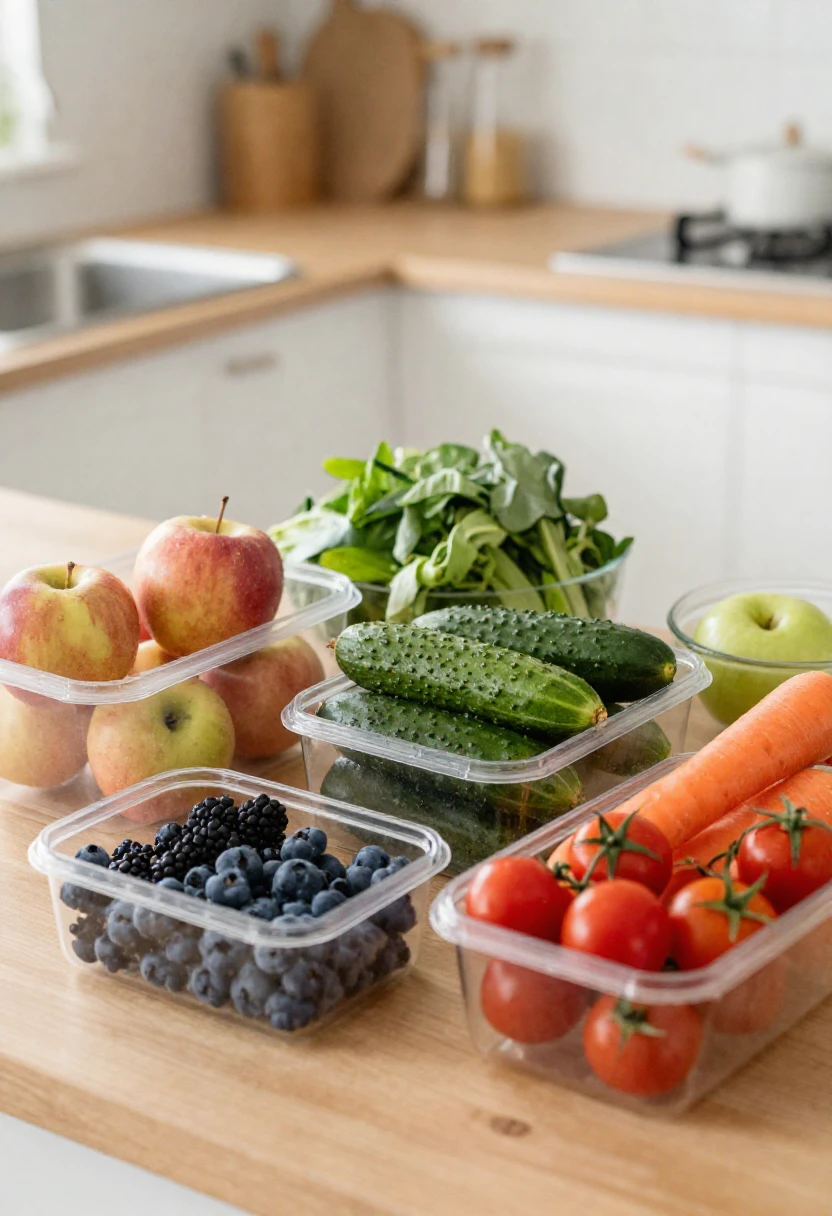
Fruit and vegetables become easier to eat when they are visible, ready, and attached to meals you already have. You should not need a motivational speech every time you want an apple.
Make them normal. Make them easy. Make them a little obvious.
Keep ready-to-eat produce where you can see it
This sounds almost too basic, but it works.
If fruit is washed, visible, and easy to grab, you are more likely to eat it. If it is buried in the fridge or still in the grocery bag, it becomes decoration with an expiration date.
I like keeping fruit in the places where I already reach for snacks. Apples, bananas, oranges, peaches, or pears can sit on the counter. Grapes, berries, and cut melon can go in clear containers in the fridge. Carrot sticks, cucumber slices, and cherry tomatoes are much easier to eat when they are already washed.
There is a small kitchen truth here: the food that takes the least effort usually wins.
So help the good stuff win.
A few simple habits:
- Wash berries before you want them, not when you are already hungry.
- Cut melon or pineapple into containers once, then use it for a few days.
- Keep apples or bananas near your coffee area or work bag.
- Put snack vegetables at eye level in the fridge.
- Keep lemon or lime around to make fruit, salads, and water taste brighter.
You do not have to prep a rainbow of produce every Sunday. Even washing grapes and moving them to a bowl can make a difference.
Tiny effort now, easier choice later.
Add vegetables to meals you already cook
The most reliable way to eat more vegetables is to stop treating them like a separate project.
You do not always need a side salad. You can fold vegetables into food you already like.
Add spinach to scrambled eggs. Stir frozen peas into rice. Put mushrooms, onions, or bell peppers into pasta sauce. Add shredded carrots or cabbage to wraps. Toss zucchini or broccoli onto the same pan as chicken or potatoes.
Vegetables feel less annoying when they are part of the meal instead of another thing to prepare.
Some easy pairings:
- Eggs with spinach, mushrooms, tomatoes, or peppers
- Pasta with zucchini, broccoli, peas, spinach, or roasted eggplant
- Rice bowls with cucumbers, carrots, cabbage, avocado, or edamame
- Soups with carrots, celery, onions, greens, beans, or tomatoes
- Sandwiches with lettuce, tomato, cucumber, sprouts, or roasted peppers
- Tacos with cabbage, salsa, corn, beans, or grilled vegetables
I also like what I call the “extra handful” method. Whatever you are cooking, add one extra handful of something plant-based. A handful of spinach into soup. A handful of frozen corn into rice. A handful of cabbage into tacos.
It does not feel like a big healthy eating decision. It is just one more ingredient.
That is the kind of habit that lasts.
Use frozen and canned options when life gets busy
Fresh produce is lovely when you have time and a plan. But frozen and canned foods are the reason many healthy meals happen at all.
Frozen vegetables are already washed, chopped, and waiting. They do not judge you from the crisper drawer. They just sit there until you need dinner.
Canned foods can be just as useful. Canned tomatoes turn into sauce, soup, chili, or shakshuka. Canned beans make rice bowls, salads, wraps, and stews more filling. Canned corn, peas, pumpkin, lentils, and artichokes can save a meal when the fridge is almost empty.
I always think a kitchen feels calmer when it has a few backup ingredients.
Good options to keep around:
- Frozen broccoli, peas, spinach, mixed vegetables, berries, and edamame
- Canned tomatoes, beans, lentils, chickpeas, corn, pumpkin, and tuna
- Jarred roasted peppers, olives, pickles, and salsa
- Shelf-stable soups or broths with simple ingredients
The only thing I would watch is sodium and added sugar. Rinse canned beans if they taste too salty. Choose fruit packed in juice instead of syrup when possible. Pick plain frozen vegetables more often than versions covered in heavy sauces.
But do not let perfection ruin the shortcut.
Frozen spinach in your eggs is better than fresh spinach you bought with hope and forgot until it turned wet.
Simple ways to get closer to five servings a day
Five servings of fruit and vegetables can sound like a lot until you spread them through the day.
You do not need to eat a giant salad at noon and call it done. It is easier to add small portions to meals you already have.
A simple day might look like this:
- Banana with breakfast
- Spinach or tomatoes in eggs
- Apple with lunch
- Carrots or cucumber with a sandwich
- Broccoli, salad, or roasted vegetables with dinner
That already gets you close.
Another easy approach is to aim for produce at most meals. Fruit with breakfast. Something crunchy or fresh at lunch. A vegetable with dinner. It does not need to be fancy.
Try these low-effort ideas:
- Add berries or sliced banana to oatmeal or yogurt.
- Keep apples, oranges, or pears for snacks.
- Add tomato, cucumber, or greens to sandwiches.
- Use salsa as a quick vegetable-based topping.
- Roast a tray of vegetables while something else cooks.
- Add frozen vegetables to soup, noodles, rice, or pasta.
- Eat fruit after dinner when you want something sweet.
And yes, some days will be messy. You may eat one sad apple and call it your produce for the day. Fine. Tomorrow you try again.
Healthy eating is not built on perfect days. It is built on the foods you keep returning to, even after a day that did not go as planned.
Drink more water and rethink sweet drinks
Food gets most of the attention when people talk about healthy eating, but drinks can quietly change the whole day.
A sweet coffee in the morning. Juice with breakfast. Soda at lunch. Another sweet drink in the afternoon because energy is disappearing. None of these feel like a big deal on their own, but they can add up quickly, especially because drinks do not always make you feel full the way food does.
This does not mean you need to drink plain water all day and pretend you love it.
It just means your daily drinks deserve a little attention.
Water is the simplest place to start. It helps you feel better, supports digestion, and often prevents that “am I hungry or just thirsty?” confusion that happens when you have been running on coffee and vibes since breakfast.
Why drinks can quietly add a lot of sugar
Sweet drinks are easy to overlook because they go down fast.
A pastry feels like food. A soda feels like a drink. But your body still gets the sugar from both.
Soda, sweetened iced tea, flavored coffee drinks, energy drinks, lemonade, and some bottled smoothies can contain much more added sugar than people expect. Even fruit juice, which sounds healthier, can be tricky. It has vitamins, yes, but it is still easy to drink a lot of sugar quickly without getting the fiber you would get from eating whole fruit.
That is the part that matters.
An orange takes time to peel and chew. A glass of orange juice disappears in a few seconds.
You do not have to cut every sweet drink forever. That usually makes the habit feel stricter than it needs to be. A better goal is to make sweet drinks more occasional and water more automatic.
Start with one change:
- Drink water before your morning coffee.
- Choose water or unsweetened tea with lunch.
- Save soda for certain meals instead of drinking it daily.
- Order a smaller sweet coffee and add a real breakfast with it.
- Dilute juice with sparkling water.
- Choose whole fruit more often than fruit juice.
The goal is not to be perfect. It is to stop letting sugar sneak into the day through drinks you barely notice.
Easy ways to make water more appealing
Some people genuinely enjoy plain water. Good for them. I am not always that person.
If water feels boring, make it easier to want. Cold water helps. So does a bottle you actually like using. I know that sounds silly, but the bottle on your desk is the bottle you drink from.
Flavor helps too.
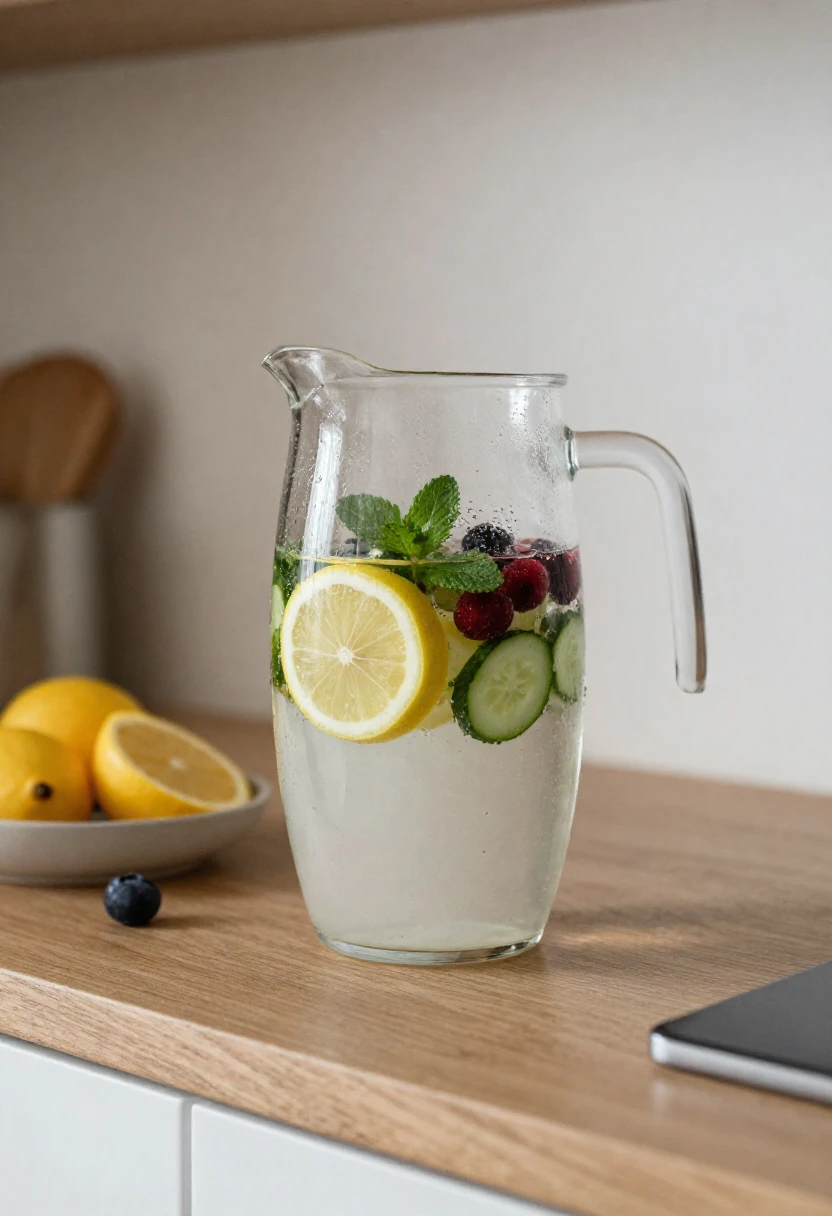
Try adding:
- Lemon, lime, or orange slices
- Cucumber and mint
- Frozen berries
- A splash of unsweetened cranberry juice
- Fresh ginger
- Basil and strawberry
- Sparkling water with citrus
You can also drink unsweetened tea, herbal tea, or water with a little fruit flavor. It still counts toward hydration, and it gives you something more interesting than another plain glass.
One habit I like is keeping water linked to things I already do. A glass after waking up. A glass while cooking. A bottle next to the laptop. Water after coffee. Water before dinner.
Not because it is a rule. Because it removes the decision.
Healthy routines are much easier when you do not have to negotiate with yourself every time.
When smoothies and juices make sense
Smoothies can be healthy, but they can also turn into dessert with a health halo.
A good smoothie should feel like a small meal or a filling snack, not just blended fruit and sugar. The easiest way to balance it is to include protein, fiber, and some fat.
A more filling smoothie might have:
- Greek yogurt or milk
- Berries or banana
- Peanut butter or chia seeds
- Oats
- Spinach
- A little cinnamon
That kind of smoothie can work well for breakfast, especially when you are in a hurry and chewing feels like too much effort. I like smoothies best when they have some creaminess and enough substance to keep me full for a few hours.
Juice is different. It can fit, but I would treat it more like a small extra than the main fruit serving of the day. A little orange juice with breakfast is not a disaster. Drinking a huge bottle of juice because it says “natural” on the label is where things get less helpful.
If you love juice, try smaller portions or mix it with sparkling water. You still get the flavor, but it becomes lighter and less sugary.
And when you can, eat the fruit.
Fruit gives you fiber, texture, and more fullness. A handful of berries in yogurt, an apple with peanut butter, or an orange after lunch will usually serve you better than another sweet drink.
Healthy eating every day is not only about what lands on your plate. Sometimes it is about what is in your glass while you are not paying attention.
Keep healthy food easy to grab
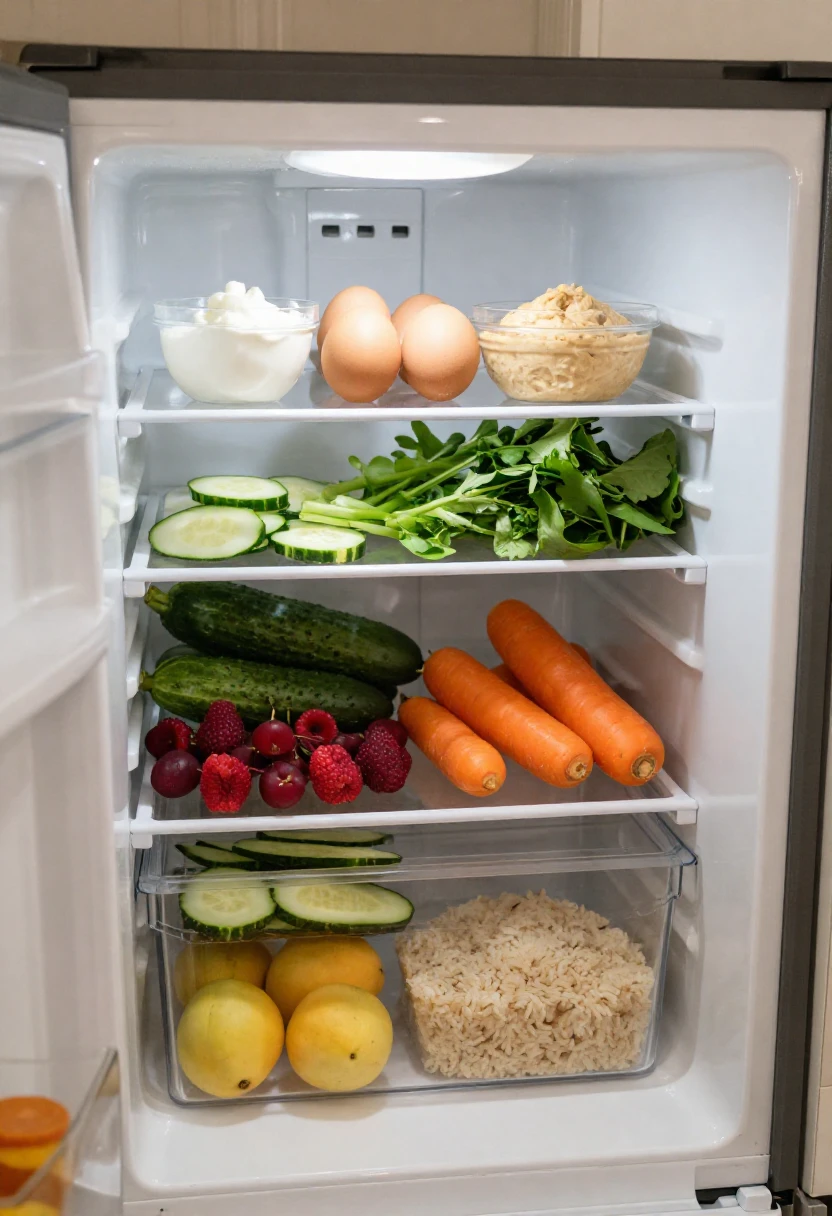
Healthy eating gets much easier when the better choice is also the easiest choice.
That sounds obvious, but it changes everything. If you are hungry and the only visible food is chips, cookies, or whatever snack is already open, you will probably eat that. Not because you failed. Because it is right there.
Your kitchen does not need to be perfect. It just needs a few useful foods that are easy to reach when your energy is low.
I like to think of this as setting up future-you. Future-you is tired. Future-you does not want to chop an onion at 9 p.m. Future-you will absolutely choose the fastest option. So make the fastest option a little better.
What to keep in your fridge
A healthy fridge does not have to look like a wellness influencer lives there.
Actually, I think an overly perfect fridge can be a little suspicious. Who has six glass jars of chopped vegetables lined up every week? Maybe some people do. I am happy for them. Most of us need something simpler.
Keep foods that help you build meals quickly.
Good fridge staples include:
- Eggs
- Greek yogurt or cottage cheese
- Washed greens
- Cucumbers, carrots, tomatoes, or bell peppers
- Cooked rice, potatoes, or quinoa
- Cooked chicken, turkey, tofu, or beans
- Hummus
- Cheese
- Fruit you actually like
- A sauce or dressing that makes simple food taste better
The key phrase is “actually like.”
Do not buy celery because some article said it is healthy if you know you will ignore it until it bends. Buy the produce you will use. Cucumbers with salt and lemon. Cherry tomatoes with eggs. Bell peppers in wraps. Carrots with hummus. Whatever fits your real habits.
I also like keeping one cooked thing in the fridge when possible. Not a full meal prep situation. Just one helpful base. A container of rice. Roasted potatoes. Boiled eggs. Grilled chicken. Lentils. Something that turns “there is no food” into “okay, I can make a bowl.”
What to keep in your pantry
The pantry is where healthy eating becomes less fragile.
Fresh food runs out. Plans change. You forget to defrost something. It happens. A good pantry gives you backup meals that do not depend on a perfect grocery week.
Useful pantry staples include:
- Oats
- Rice, pasta, couscous, or quinoa
- Canned beans, chickpeas, and lentils
- Canned tomatoes
- Tuna, salmon, or sardines
- Nut butter
- Olive oil
- Nuts and seeds
- Whole grain crackers or bread
- Broth or bouillon
- Spices you use often
- Vinegar, soy sauce, mustard, or hot sauce
With those foods, you can make a lot without much effort.
Beans, rice, salsa, and avocado. Pasta with canned tomatoes, tuna, and spinach. Oatmeal with peanut butter and banana. Chickpea salad with olive oil, lemon, and herbs. Lentil soup with canned tomatoes and broth.
None of it feels fancy. That is exactly why it works.
Healthy eating every day often comes down to having enough basic food in the house so you are not forced into random choices every time hunger shows up.
Healthy snacks that do not need much prep
Snacks are not the enemy. A good snack can save you from arriving at dinner so hungry that you eat half the kitchen while cooking.
The problem is when snacks are mostly sugar or refined carbs and do not satisfy you for long. You eat them, they taste good, and then you are hungry again soon after.
A better snack usually has protein, fiber, fat, or some combination of the three.
Easy options:
- Apple with peanut butter
- Greek yogurt with berries
- Cottage cheese with fruit
- Hummus with carrots or crackers
- Boiled eggs
- Nuts with a piece of fruit
- Cheese with whole grain crackers
- Tuna on toast
- Roasted chickpeas
- Smoothie with yogurt and fruit
I like snacks that feel like real food, not tiny punishment portions. If you need a snack, eat one that helps. A handful of crackers may not do much. Crackers with hummus, cucumber, and a boiled egg will probably carry you longer.
Also, keep snacks visible.
Put fruit on the counter. Keep yogurt at eye level. Portion nuts into a small bowl instead of eating from the bag while standing in the kitchen. Not because you need strict rules, but because food is easier to enjoy when you are not eating it in a rush with the fridge door open.
We have all done it. Still, a plate helps.
How your kitchen setup affects your choices
Your kitchen quietly shapes what you eat.
If the cutting board is buried, you will chop fewer vegetables. If the healthy snacks are hidden, you will forget they exist. If the pan you like is always dirty, cooking feels annoying before you even start.
Small setup changes can make healthy eating feel less like effort.
Try keeping:
- A fruit bowl on the counter
- A water bottle where you work
- Washed greens near the front of the fridge
- Frozen vegetables in easy reach
- A good knife and cutting board ready to use
- Clear containers for leftovers
- A few simple sauces or seasonings nearby
I also think it helps to have one “emergency meal” always available. Something you can make when the day goes sideways.
For me, that kind of meal is usually eggs on toast, tuna pasta, rice with beans, or soup from pantry ingredients. It is not impressive. It does not need to be. It just keeps the day from turning into takeout because there was no plan.
Healthy eating is easier when your kitchen supports the version of you that is tired, busy, and hungry.
That is the version who needs help the most.
Plan just enough, but not too much
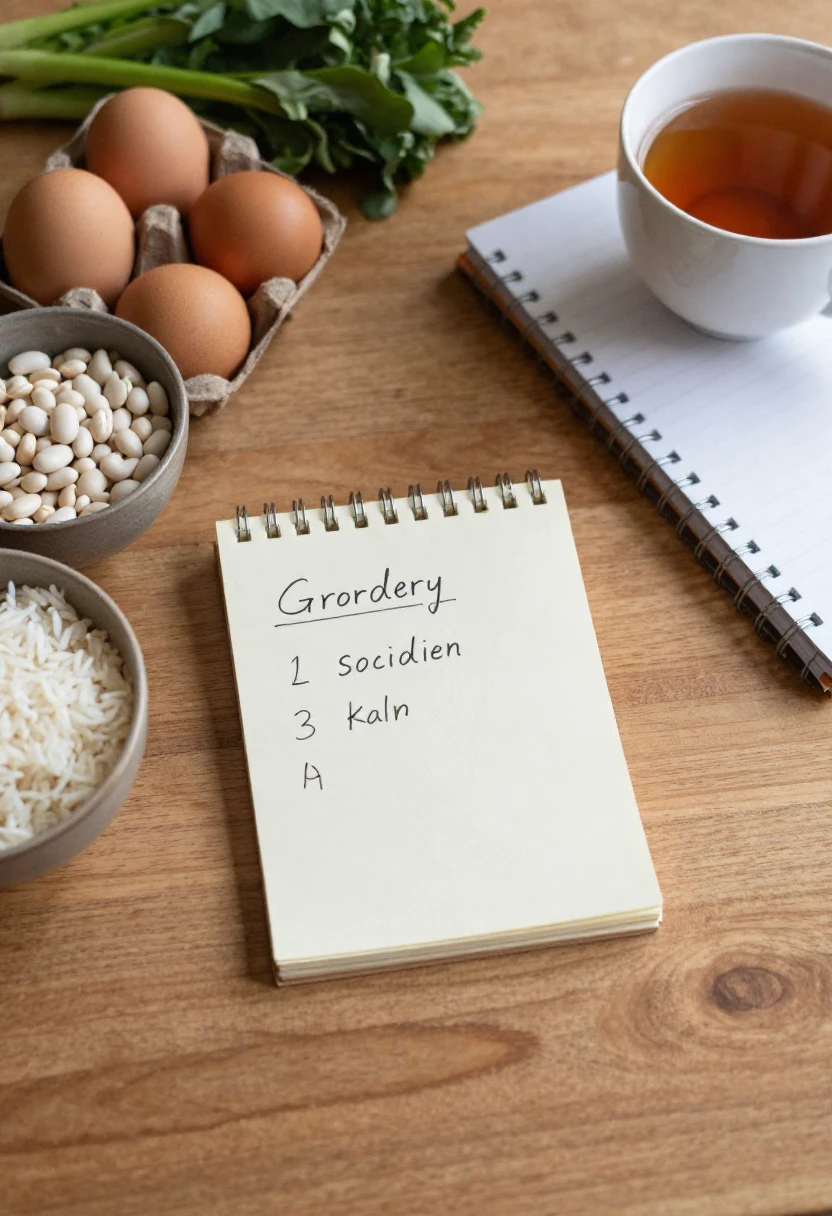
Meal planning sounds helpful until it starts acting like a second job.
I have tried the kind where every breakfast, lunch, dinner, and snack is written out for the week. It looks beautiful for about five minutes. Then one meeting runs late, someone eats the ingredient you needed, or you simply do not feel like the dinner you assigned to Wednesday.
Real life does not always respect the meal plan.
That is why I like a lighter approach. Plan just enough so you are not making every food decision from scratch, but leave enough room to move things around.
You do not need seven perfect dinners. You need a few reliable options, a short grocery list, and a backup meal for the nights when everything goes sideways.
Why perfect meal prep often fails
Perfect meal prep usually fails for a boring reason: people get tired of eating the same thing.
A fridge full of identical containers can feel productive on Sunday and depressing by Thursday. The texture changes. The sauce disappears into the rice. The chicken gets dry. Suddenly the takeout app looks very reasonable.
Meal prep works better when you prep parts of meals instead of fully finished meals.
For example:
- Cook rice, quinoa, potatoes, or pasta.
- Roast a tray of vegetables.
- Wash greens.
- Boil eggs.
- Make one sauce.
- Cook one protein.
- Chop fruit for snacks.
Now you have building blocks. You can turn them into bowls, wraps, salads, soups, omelets, or quick plates depending on what you want that day.
This gives you structure without locking you into one meal five times in a row.
And honestly, food tastes better when it has a little freshness added at the end. A squeeze of lemon. A handful of herbs. Fresh cucumber. Toasted seeds. A spoon of yogurt sauce. These small things make leftovers feel less like leftovers.
The “two dinners and one backup meal” method
If planning a full week feels like too much, try this instead: choose two dinners and one backup meal.
That is it.
Two dinners are enough to guide your grocery shopping. One backup meal keeps you from panicking when the plan falls apart.
The two dinners should be meals you actually want to eat. Not aspirational meals. Not recipes with twelve ingredients you never use. Choose food that fits your week.
For example:
- Chicken rice bowls and lentil soup
- Pasta with vegetables and salmon with potatoes
- Turkey tacos and chickpea curry
- Egg fried rice and sheet-pan chicken
- Tuna pasta and bean chili
Then choose one backup meal from pantry or freezer staples.
Good backup meals include:
- Eggs on toast with fruit
- Rice with beans, salsa, and avocado
- Pasta with canned tomatoes and tuna
- Soup from broth, frozen vegetables, and lentils
- Tortillas with eggs, cheese, and cabbage
- Oatmeal with peanut butter and banana
The backup meal does not need to impress anyone. It just needs to feed you when the original plan stops working.
This method is simple enough to repeat every week. You still have room for leftovers, eating out, random cravings, and the very human moment when you open the fridge and decide you want something else.
How to shop without buying random healthy food you will not use
Healthy grocery shopping can get weirdly emotional.
You walk into the store with good intentions and come home with kale, chia seeds, celery, three kinds of yogurt, and no actual dinner. Then half of it sits there because none of it connects to a meal.
Before buying “healthy food,” ask one question: how will I eat this?
Not “is it healthy?” Not “did someone online recommend it?” Just: how will I eat this?
If you cannot picture the meal or snack, it may not belong in the cart.
A more useful grocery list has categories:
- Two protein options
- Two or three vegetables
- One or two fruits
- One filling carb
- One easy breakfast item
- One snack
- One sauce, dressing, or flavor booster
For example, you might buy eggs, chicken, cucumbers, carrots, frozen broccoli, apples, oats, rice, hummus, and yogurt. That is not glamorous, but it gives you real meals.
You can make eggs with vegetables, chicken rice bowls, oatmeal with apples, yogurt snacks, hummus with carrots, and broccoli as a quick side.
That is how healthy shopping should work. The food should already have a job.
What to cook when you have no energy
Low-energy meals are important because nobody feels motivated every day.
This is where a lot of healthy eating advice falls apart. It gives you recipes for your best self, not your tired self. But your tired self still needs dinner.
Keep a few no-energy meals in your head.
My favorites are the ones with almost no chopping:
- Scrambled eggs with toast and tomatoes
- Greek yogurt bowl with fruit, oats, and peanut butter
- Tuna pasta with olive oil, lemon, and frozen peas
- Rice with canned beans, salsa, and cheese
- Soup with broth, frozen vegetables, and lentils
- Baked potato with cottage cheese, beans, or tuna
- Tortilla wrap with eggs, hummus, greens, or leftover chicken
A low-energy meal can still be healthy. It just has to be simple enough that you will make it instead of skipping dinner or grazing on snacks.
There is no prize for making everything from scratch when you are exhausted.
Use shortcuts. Use frozen food. Use canned beans. Use pre-washed greens. Use rotisserie chicken if that helps. Use whatever gets you to a decent meal without draining the last bit of patience you have left.
Healthy eating every day is not about having endless discipline. It is about building a food routine that still works when you are not at your best.
Eat less sugar, salt, and ultra-processed food without obsessing
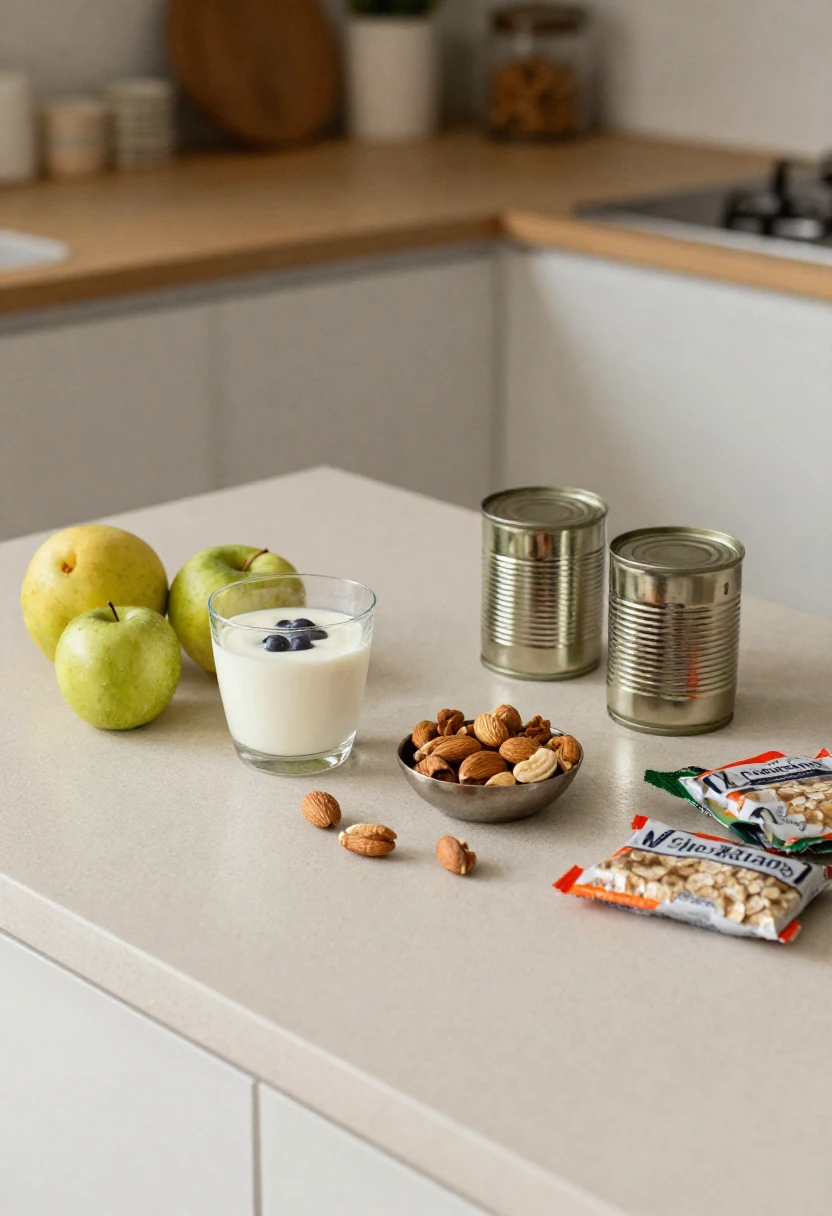
Healthy eating gets exhausting when every label starts to feel like a test.
Is this too much sugar? Is this too much salt? Is this processed? Is this bad now? You can lose the joy of eating pretty quickly if every meal turns into a nutrition debate.
I think the better approach is calmer: notice the foods that show up often, then make small changes where they matter most.
A cookie once in a while is not the problem. The bigger issue is when added sugar, salty snacks, and ultra-processed foods become the default because they are easy, cheap, and always within reach. They are designed to be convenient. Of course we eat them.
So the goal is not to panic over every ingredient. It is to make your usual routine a little less dependent on foods that do not keep you full for long.
How to read labels quickly
You do not need to study every label like you are preparing for an exam.
Start with the basics:
- Serving size
- Added sugar
- Sodium
- Fiber
- Protein
- Ingredient list
The serving size matters because a package can look reasonable until you realize it contains two or three servings. Added sugar tells you how much sugar was put in, not the sugar naturally found in fruit or milk. Sodium helps you spot foods that may be much saltier than they taste.
Fiber and protein are useful because they usually make food more filling. If a snack has almost no fiber, no protein, and a lot of added sugar, it may taste good but probably will not hold you for long.
The ingredient list can also tell you a lot. Not because every long ingredient name is scary. Some are harmless. But if the first few ingredients are sugar, refined flour, oils, and salt, the food is probably built more for craving than fullness.
A quick label check should help you decide, not make you afraid of eating.
Small changes that lower added sugar
Added sugar hides in more places than dessert.
Sweetened yogurt, cereal, granola bars, flavored coffee, bottled tea, sauces, salad dressings, and even some breads can carry more sugar than expected. You do not need to remove all of them. Just start with the ones you eat most often.
If you drink sweet coffee every morning, that is a better place to adjust than the slice of birthday cake you have once a month.
Try these changes:
- Choose plain yogurt and add fruit or a little honey yourself.
- Buy lower-sugar cereal or mix sweet cereal with plain oats.
- Use cinnamon, vanilla, or berries to make breakfast taste sweeter.
- Choose unsweetened tea more often.
- Pick sauces with less added sugar when you use them daily.
- Eat whole fruit when you want something sweet after meals.
- Keep desserts intentional instead of automatic.
I like the word intentional here. Dessert tastes better when you actually want it, sit down, and enjoy it. It feels different from eating random sweets because they are open on the counter.
You can still have sweet foods. Healthy eating every day does not mean your life becomes plain oatmeal and steamed broccoli. It just means sugar is not quietly running the whole menu.
How to reduce sodium without making food bland
Lowering salt does not mean eating dull food.
That is the fear, right? You imagine boiled vegetables, dry chicken, and soup that tastes like hot water. No thank you.
The trick is to use flavor from more places, not only salt.
Lemon juice, vinegar, garlic, onion, herbs, spices, chili flakes, mustard, ginger, smoked paprika, black pepper, and toasted sesame oil can all make food taste more alive. Acid especially helps. A squeeze of lemon at the end can wake up a soup, grain bowl, or roasted vegetable tray.
You can also reduce sodium slowly. Taste buds adjust better when the change is gradual.
A few useful habits:
- Rinse canned beans and vegetables.
- Choose low-sodium broth when you use broth often.
- Taste food before adding more salt.
- Use herbs, spices, citrus, and vinegar for extra flavor.
- Mix salty ingredients with unsalted ones, like feta with plain grains and vegetables.
- Use smaller amounts of very flavorful salty foods, such as olives, parmesan, pickles, soy sauce, or capers.
I would rather use a small amount of something salty and delicious than make a whole meal taste flat. A little parmesan on vegetables can do more than a lot of plain salt. Pickles can make a sandwich better. Soy sauce can carry a stir-fry, especially when balanced with ginger, garlic, and lime.
Healthy food needs flavor. Otherwise, you will not keep eating it.
Why occasional treats can still fit
A healthy routine has room for treats.
Actually, I think it works better that way. When you try to ban every sweet, salty, or processed food, those foods become more exciting than they need to be. Then one cookie feels like a failure, which is a terrible way to think about a cookie.
The goal is not to eat perfectly. The goal is to eat in a way that supports you most of the time.
That might mean:
- Having dessert after a balanced meal
- Eating chips with a sandwich and vegetables
- Enjoying pizza with a salad on the side
- Keeping chocolate in the house without treating it like forbidden treasure
- Choosing a smaller portion of something rich and actually enjoying it
There is a big difference between eating a treat on purpose and grazing through snacks because you are tired, stressed, or underfed.
If cravings hit hard every afternoon, look at lunch. Was there enough protein? Enough fiber? Enough food? If you want sweets every night, maybe you need a planned dessert instead of pretending you do not.
Healthy eating should not make you feel trapped.
You are allowed to enjoy food. You are allowed to eat birthday cake, fries, cookies, and salty snacks sometimes. The daily pattern matters more than one meal.
And the daily pattern becomes much easier when your regular meals are filling, flavorful, and not built around restriction.
Make healthy eating taste good
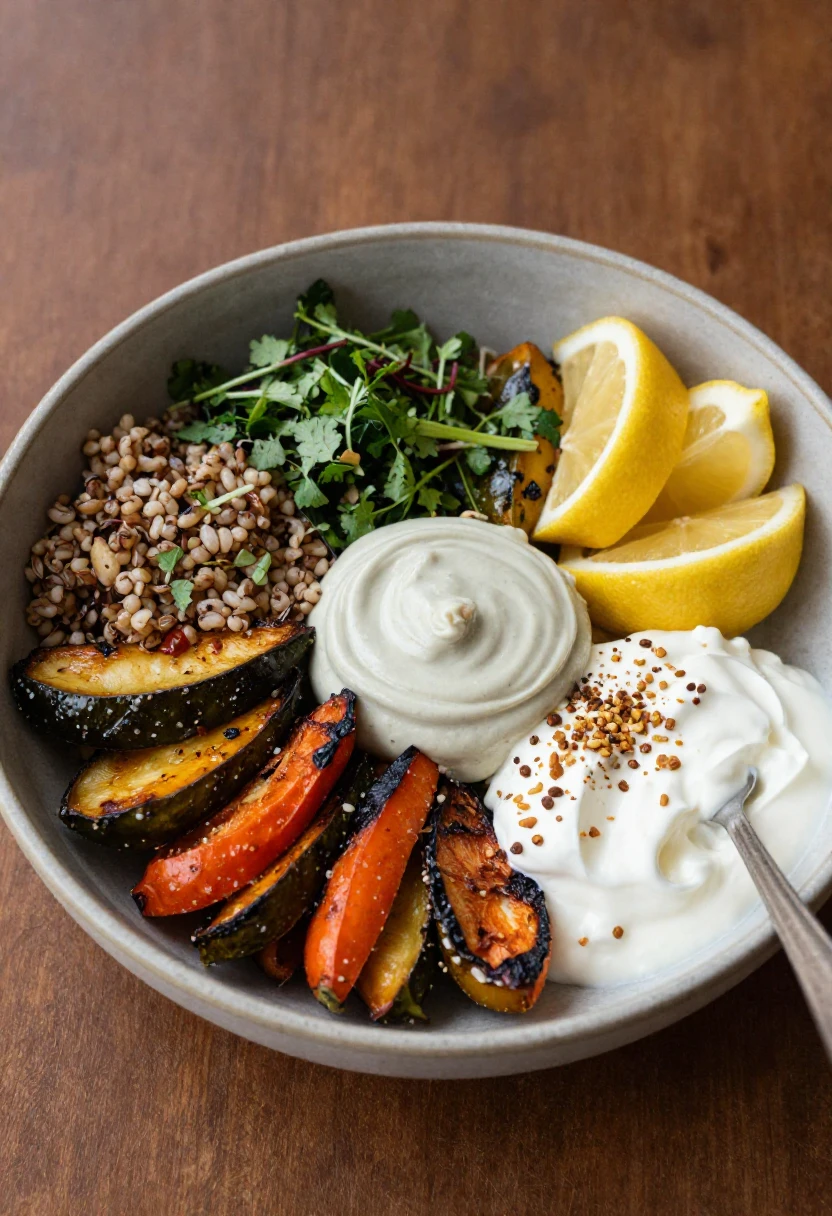
Healthy eating becomes much easier when the food tastes like something you would choose even if nobody told you it was good for you.
That may sound obvious, but it gets missed all the time. People build “healthy” meals around plain chicken, dry grains, raw vegetables, and almost no seasoning, then wonder why they cannot stick with it.
Of course they cannot. Most people do not want to eat food that feels like a chore.
Good healthy food needs flavor. It needs texture. It needs sauce sometimes. It needs salt, acid, herbs, spices, crunch, and warmth. A meal can be balanced and still feel comforting. Actually, that is usually the version worth repeating.
Use herbs, spices, citrus, and sauces
A lot of healthy meals do not need more ingredients. They need better finishing touches.
Lemon juice can make roasted vegetables taste brighter. Fresh herbs can make a rice bowl feel fresh instead of heavy. Garlic can turn yogurt into a sauce. Chili flakes can wake up eggs, pasta, soup, or avocado toast.
This is where simple food starts to feel less plain.
Keep a few flavor boosters around:
- Lemons or limes
- Garlic
- Fresh parsley, cilantro, basil, or dill
- Chili flakes or hot sauce
- Smoked paprika
- Cumin
- Black pepper
- Mustard
- Vinegar
- Soy sauce
- Tahini
- Greek yogurt
- Olive oil
You do not need all of them. Just a few that match the food you like.
One of my easiest sauces is Greek yogurt with lemon juice, garlic, salt, and a little olive oil. It works on chicken, potatoes, bowls, wraps, roasted vegetables, and even eggs. Another easy one is tahini with lemon, water, garlic, and salt. It turns vegetables and grains into a real meal.
Sauce is not cheating.
If a sauce helps you eat more vegetables, beans, fish, chicken, or whole grains, use the sauce.
Roast, toast, and sauté for better flavor
Cooking method changes everything.
Boiled broccoli and roasted broccoli are technically the same vegetable, but they do not feel like the same food. Roasted broccoli gets browned edges and a deeper flavor. Boiled broccoli can taste like regret if you forget it for one minute too long.
Roasting is one of the easiest ways to make healthy food taste better. Toss vegetables with olive oil, salt, pepper, and spices, then roast until the edges brown. Carrots get sweeter. Cauliflower gets nutty. Potatoes turn crisp. Onions become soft and almost jammy.
Toasting helps too. Toast nuts and seeds before adding them to salads or oatmeal. Toast bread before topping it with avocado, eggs, tuna, or cottage cheese. Toast spices in oil for a few seconds before adding beans or vegetables.
Sautéing is another simple upgrade. Spinach, mushrooms, peppers, zucchini, onions, and garlic all taste better after a little time in a hot pan.
A few easy ideas:
- Roast sweet potatoes and serve them with yogurt sauce.
- Sauté spinach with garlic before adding it to eggs.
- Toast pumpkin seeds for salads or soup.
- Brown mushrooms before adding them to pasta.
- Roast chickpeas for a crunchy snack or bowl topping.
- Cook cabbage in a hot pan until the edges caramelize.
Healthy eating is much easier when your food has browned edges, a good smell, and some texture.
Nobody gets excited about a plate that looks tired before you even sit down.
Why boring healthy food is hard to keep eating
Boring food makes healthy eating feel like discipline.
Flavorful food makes it feel like dinner.
That difference matters because you are not trying to eat one healthy meal. You are trying to build a pattern you can return to tomorrow, next week, and on the random Thursday when you are tired and annoyed and very close to ordering fries.
If your healthy meals taste bland, you will keep looking for something more satisfying after eating them. Sometimes that is not a craving problem. Sometimes the meal was just not good enough.
A better meal does not have to be complicated. It can be as simple as:
- Eggs with toast, tomatoes, and chili flakes
- Rice with beans, avocado, salsa, and lime
- Roasted potatoes with chicken and garlic yogurt sauce
- Pasta with spinach, tuna, lemon, and olive oil
- Lentil soup with herbs and crusty bread
- Greek yogurt with berries, nuts, and a little honey
These meals are not perfect. They are just balanced, filling, and pleasant to eat.
That is the goal.
Healthy eating every day does not mean choosing the most serious-looking food on the plate. It means finding meals that support your body and still make you think, “Yes, I would eat that again.”
Create habits you can repeat on busy days
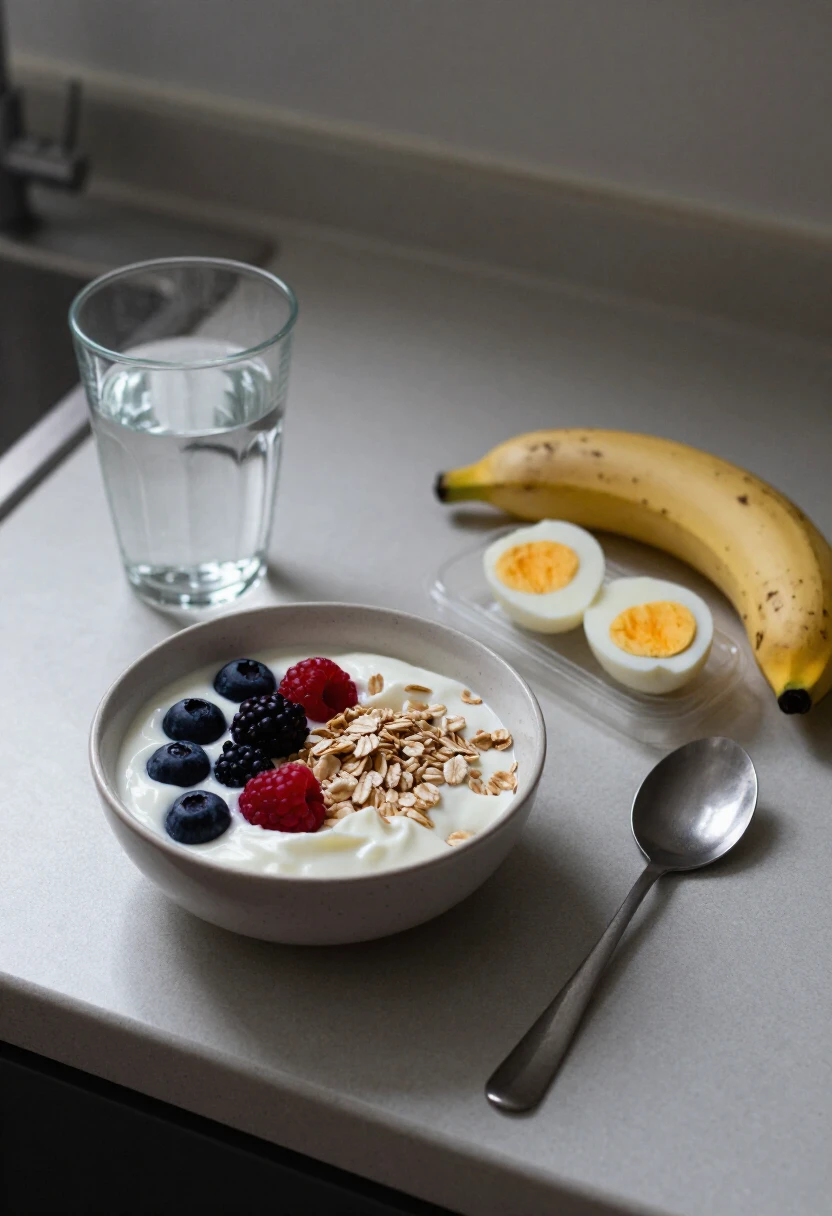
Healthy eating is easy to imagine on a calm day.
You have groceries. You slept well. You have time to cook. The kitchen is clean enough. Nothing is urgent. On those days, making a balanced meal does not feel like a big deal.
But busy days are different.
Busy days are when healthy eating habits either help you or disappear completely. That is why your routine needs to work when life is slightly messy, not only when everything is organized.
The best habits are small enough that you can repeat them without a long internal discussion.
Drink water when you wake up. Add fruit to breakfast. Keep eggs in the fridge. Put vegetables into whatever you are already cooking. Choose one filling lunch you can repeat. Keep a backup dinner. Eat something before you become wildly hungry and start making dramatic snack decisions.
These are not exciting habits. That is why they work.
The best healthy habits are boring in a good way
A healthy food routine does not need to feel new every week.
In fact, repeating a few meals can make eating well much easier. You stop spending so much energy deciding what to eat. You already know what to buy, what to cook, and what keeps you full.
There is comfort in that.
Maybe your weekday breakfast is Greek yogurt with berries and oats. Maybe lunch is usually a rice bowl. Maybe dinner rotates between soup, pasta with vegetables, eggs on toast, and sheet-pan chicken. It does not have to be impressive. It just has to work.
I think people sometimes make healthy eating harder because they expect variety all the time. Variety is nice, but it can also become another task. You do not need a different breakfast every morning if one simple breakfast makes your day easier.
A few repeatable habits can do a lot:
- Add protein to breakfast.
- Eat fruit once or twice a day.
- Keep frozen vegetables for quick meals.
- Drink water before sweet drinks.
- Build lunch around protein, fiber, and something fresh.
- Cook one extra portion for leftovers.
- Keep one backup meal in the pantry.
Once these habits feel normal, you can add more variety if you want. But the base should be easy.
Healthy eating is not a performance. Nobody is grading your lunch.
How to recover after a messy eating day
Some days will not look healthy.
You might skip breakfast, eat a rushed lunch, snack more than usual, order takeout, or end the day with a meal that has almost no vegetables. That does not mean you failed. It means you had a day.
The worst thing you can do after a messy eating day is turn it into a dramatic reset.
No punishment breakfast. No “I will start over Monday.” No pretending you need to cancel out what you ate yesterday.
Just return to your next normal meal.
That might be eggs with toast and fruit. Soup with beans and vegetables. Yogurt with berries. Chicken and rice. A sandwich with something fresh on the side. Simple food that brings you back to your routine without making the day feel heavy.
One meal does not ruin your health. One messy day does not erase your habits.
What matters is how quickly you can come back without guilt.
I like the “next meal” mindset because it keeps things practical. You do not need a new plan. You do not need to overcorrect. You only need to ask, “What would help me feel better at the next meal?”
Usually the answer is boring: water, protein, fiber, vegetables, and enough food.
Not punishment. Food.
What consistency looks like in real life
Consistency does not mean eating perfectly every day.
It looks more like this: most breakfasts have protein. Most lunches keep you full. Most dinners include vegetables. You drink enough water most days. You keep a few useful foods at home. You eat treats without turning them into a personal crisis.
That is real consistency.
It has room for birthdays, travel days, busy weeks, restaurant meals, cravings, and nights when dinner is toast with eggs because that is all you have left.
A consistent healthy eater is not someone who never eats pizza. It is someone who can enjoy pizza and then have a normal breakfast the next morning.
That sounds simple, but it takes pressure off the whole process.
The more flexible your routine is, the easier it is to keep. If your version of healthy eating only works when you cook everything from scratch and avoid every treat, it will break the moment life gets inconvenient.
Build a routine with enough room to breathe.
A few strong habits, repeated often, will do more for you than a perfect plan you can only follow for four days.
A simple one-day example of healthy eating
Healthy eating gets easier when you can picture what it looks like in a normal day.
Not a perfect day. Not a polished meal plan with tiny containers and expensive powders. Just a regular day where you eat enough, get some fruit and vegetables, drink water, and build meals that do not leave you hunting for snacks every hour.
Use this as a flexible example, not a rulebook. Your portions, schedule, appetite, and food preferences may look different. That is fine. The structure matters more than copying every ingredient.
Easy breakfast idea
A good breakfast should help you feel steady for a few hours.
One easy option is Greek yogurt with oats, berries, and nuts. It takes about two minutes, especially if the berries are already washed or frozen.
You can make it with:
- Plain Greek yogurt
- Rolled oats or low-sugar granola
- Blueberries, strawberries, banana, or apple
- Walnuts, almonds, chia seeds, or peanut butter
- Cinnamon or a small drizzle of honey
This breakfast gives you protein from the yogurt, fiber from the oats and fruit, and healthy fat from the nuts or seeds. It also tastes like real food, not something you are forcing yourself to eat because it sounds responsible.
If you prefer savory breakfast, go with eggs on toast. Add tomato, avocado, spinach, or a little cottage cheese on the side. That works just as well.
The best breakfast is the one you can repeat on a busy morning without thinking too much.
Practical lunch idea
Lunch should not collapse by 3 p.m.
A simple rice bowl works well because it is easy to change depending on what you have. Start with rice, quinoa, potatoes, or another filling base. Add protein, something fresh, and a sauce.
For example:
- Brown rice or white rice
- Chicken, tofu, beans, tuna, or eggs
- Cucumber, carrots, cabbage, spinach, or tomatoes
- Avocado or a small drizzle of olive oil
- Yogurt sauce, salsa, tahini dressing, or soy-ginger sauce
This kind of lunch is useful because it can be made from leftovers. Yesterday’s chicken becomes today’s bowl. A lonely cucumber becomes crunch. A spoon of sauce pulls the whole thing together.
And it does not have to be eaten warm. Some days that matters.
If you are packing lunch, keep the sauce separate until you eat. It keeps everything fresher and saves you from that sad, soggy texture that ruins many packed meals.
Simple dinner idea
Dinner is where simple meals win.
Try a sheet-pan dinner with chicken, potatoes, and vegetables. It is one of those meals that feels more comforting than the effort it takes.
You can use:
- Chicken thighs or chicken breast
- Potatoes or sweet potatoes
- Carrots, broccoli, zucchini, onions, or bell peppers
- Olive oil
- Garlic, paprika, black pepper, and a little salt
- Lemon or yogurt sauce for serving
Cut everything into pieces, spread it on a pan, season it well, and roast until the vegetables are browned and the chicken is cooked through. The edges of the potatoes get crisp, the carrots turn sweet, and the whole kitchen starts to smell like you had a better plan than you actually did.
Serve it with a small salad, fruit, or just extra vegetables from the pan.
This is healthy eating in its most useful form: protein, vegetables, filling carbs, flavor, and not too many dishes.
Snack ideas that actually satisfy
Snacks should help, not tease your appetite.
A snack that is only sugar or refined carbs may taste good, but it often leaves you hungry again quickly. A more satisfying snack usually has protein, fiber, or fat.
Good options include:
- Apple with peanut butter
- Greek yogurt with berries
- Carrots with hummus
- Cottage cheese with fruit
- Boiled eggs with whole grain toast
- Nuts with an orange or banana
- Cheese with whole grain crackers
- A small smoothie with yogurt and fruit
You do not need to snack if you are not hungry. But if you are hungry, eat something that actually supports the rest of your day.
There is a big difference between a planned snack and standing in the kitchen eating random handfuls of whatever is open. I say this with no judgment. The kitchen-standing snack has visited all of us.
Putting food on a plate helps. Sitting down helps. Choosing something filling helps even more.
A healthy day does not need to look perfect from morning to night. It just needs a few meals that give you enough energy, enough satisfaction, and enough flexibility to do it again tomorrow.
Conclusion
Eating healthy every day does not have to feel like a strict plan you are always one tired evening away from breaking.
Start smaller. Add protein to breakfast. Keep fruit where you can see it. Make vegetables easier to use. Drink more water. Keep a backup dinner in the pantry. Choose meals that are filling, flexible, and good enough that you actually want to repeat them.
That is where healthy eating becomes realistic.
Not perfect. Not dramatic. Just steady enough to support your real life.
FAQ
Is it okay to eat the same healthy meals every day?
Yes, especially if those meals are balanced and you enjoy them. Repeating simple meals can make healthy eating easier because you do not have to make new food decisions all the time. Just try to include some variety across the week, especially with fruits, vegetables, protein sources, and whole grains.
What is the easiest way to start eating healthier?
Start by improving meals you already eat. Add eggs or Greek yogurt to breakfast, vegetables to pasta, beans to rice, fruit to snacks, or water before sweet drinks. Small changes are easier to keep than a full diet reset.
Can I eat healthy without cooking every day?
Yes. Use leftovers, frozen vegetables, canned beans, rotisserie chicken, Greek yogurt, eggs, tuna, pre-washed greens, and simple pantry meals. Healthy eating does not require cooking from scratch every day.
Do I have to stop eating sweets to eat healthy?
No. Sweets can fit into a healthy routine. The goal is to make them intentional instead of automatic. Enjoy dessert when you truly want it, and focus on making your regular meals filling enough so cravings do not take over the day.