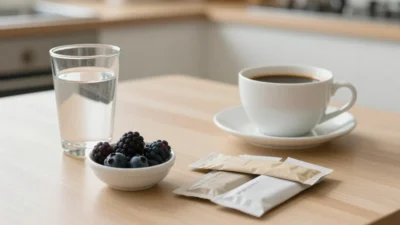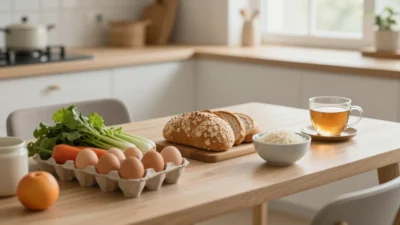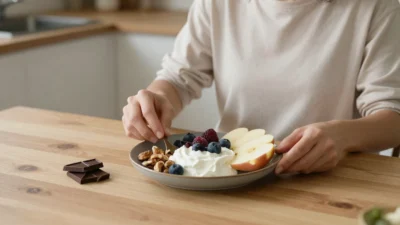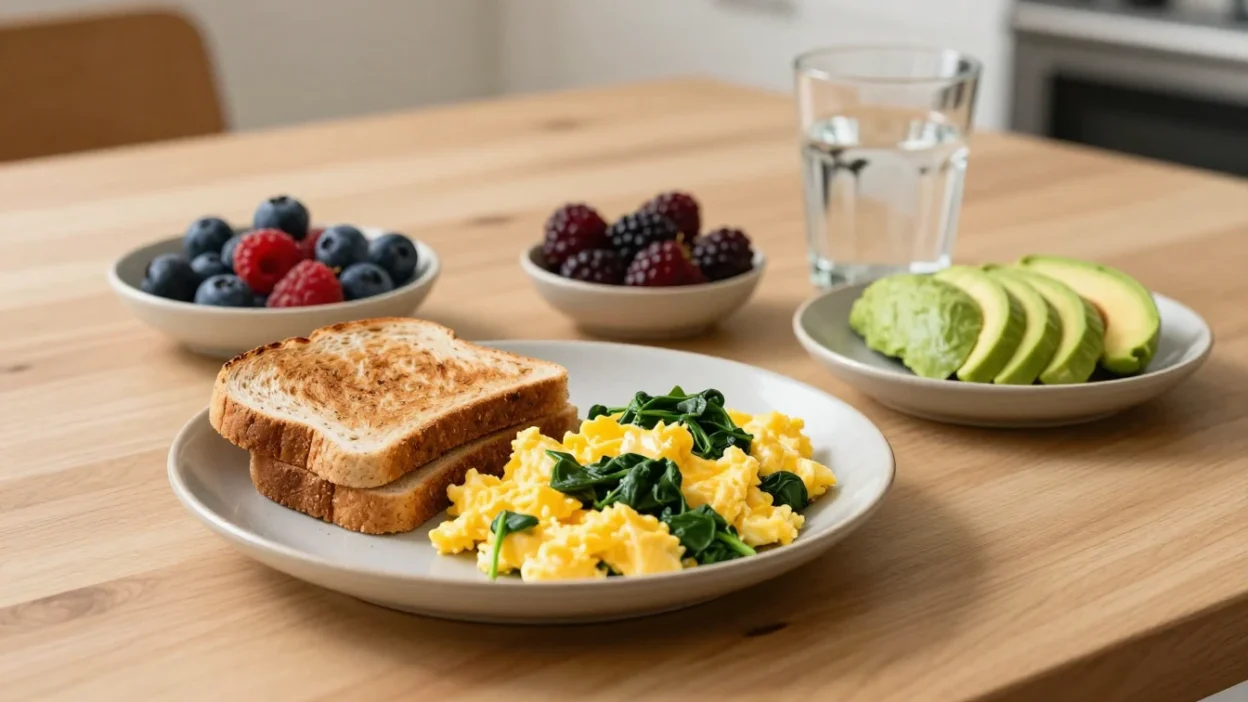
You do not always need a dramatic food makeover to eat better.
Sometimes, healthier eating begins with something almost too small to notice: adding a handful of spinach to your eggs, choosing whole grain toast one morning, mixing extra vegetables into pasta sauce, or reaching for fruit before opening the snack cabinet.
These tiny choices may not feel powerful in the moment. They do not come with strict rules, meal plans, or the uncomfortable feeling that your favorite foods are suddenly “off limits.” But over time, they can gently shift the way you eat — and the way you feel after meals.
That is what makes this approach so realistic.
Instead of trying to force yourself into a diet that feels cold, complicated, or impossible to maintain, you can start with the meals you already enjoy. Your sandwiches, pasta bowls, soups, snacks, and desserts can all become a little more nourishing without losing the comfort that made you love them in the first place.
Healthy eating does not have to feel like punishment.
It can feel like making your usual plate a little brighter, a little more filling, and a little kinder to your body. It can be as simple as choosing foods that give you steady energy, help you feel satisfied longer, and make everyday meals work a bit harder for your health.
The best part? You do not have to change everything at once.
You only need to start noticing where small upgrades can fit naturally into your day. Over time, those small upgrades become habits — and those habits can change your diet without making you feel like you are on one.
Why Healthy Eating Feels Harder Than It Should
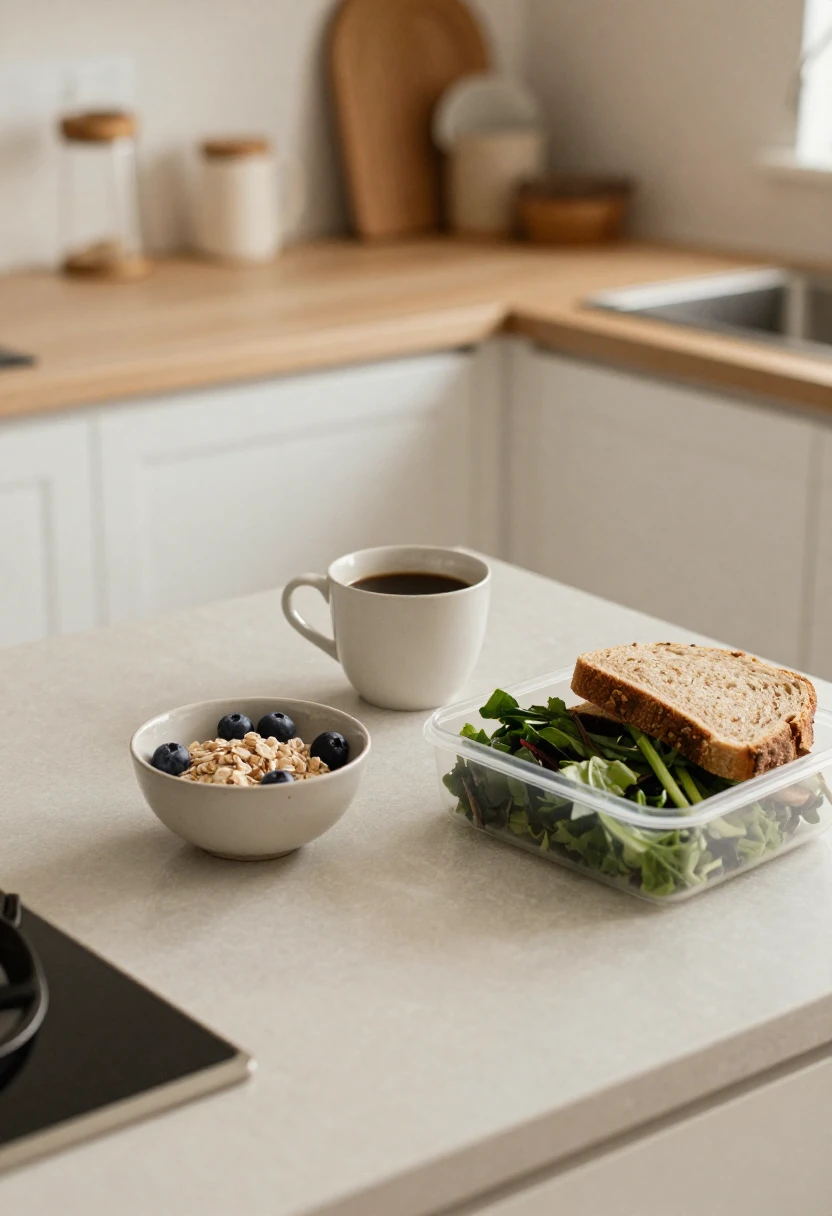
Healthy eating can sound simple from the outside.
Eat more vegetables. Choose whole grains. Drink more water. Cut back on sugar. Cook at home more often.
But real life is rarely that neat.
You may have a busy morning where breakfast becomes coffee and whatever is closest. You may come home tired and want something warm, quick, and comforting. You may open the fridge with good intentions, then realize the fresh vegetables need washing, chopping, cooking, and energy you simply do not have.
That is why many people struggle with healthy eating — not because they do not care, but because the usual advice often ignores daily life.
The Problem Is Not Always Willpower
It is easy to blame yourself when healthier habits do not stick.
Maybe you tell yourself you need more discipline. Maybe you feel frustrated because you bought the salad greens, the fruit, the yogurt, the ingredients for homemade meals — and somehow still ended up ordering takeout or snacking straight from the pantry.
But food choices are not made in a quiet, perfect world.
They happen when you are hungry, rushed, stressed, bored, tired, or feeding other people with different tastes. They happen in kitchens where convenience matters and comfort food has emotional value.
So instead of asking, “Why can’t I eat perfectly?” a better question is:
How can I make healthy choices easier to repeat?
That small shift changes everything.
Why Big Diet Changes Often Fail
Strict diets often feel exciting at first because they promise a fresh start. You clean out the kitchen, make a plan, buy new ingredients, and imagine yourself becoming a completely different eater overnight.
But after a few days, the cracks usually show.
The meals may take too long. The food may not feel satisfying. Your cravings may get louder. Social meals become awkward. One unplanned snack feels like failure, and suddenly the whole plan seems ruined.
The problem is not that you are weak.
The problem is that many diets ask too much, too fast.
When you suddenly remove familiar foods, change your routines, and expect yourself to enjoy meals that feel nothing like your normal life, your brain pushes back. Food is not only fuel. It is habit, comfort, culture, pleasure, and routine.
A healthier approach respects that.
Instead of replacing your entire way of eating, you gently improve it.
How Small Food Upgrades Make Healthy Eating Easier
Small upgrades work because they do not feel threatening.
You are not saying goodbye to pasta. You are adding vegetables to the sauce.
You are not banning sandwiches. You are choosing better bread or adding extra greens.
You are not giving up dessert. You are making it lighter, smaller, or more balanced.
These changes may seem simple, but they are powerful because they are repeatable. And repeatable habits matter more than perfect choices you can only maintain for a week.
A few easy upgrades might look like:
- Adding spinach, arugula, or sliced tomato to your usual sandwich
- Mixing beans or lentils into ground meat dishes
- Choosing whole grain bread a few times a week
- Stirring grated zucchini or carrots into pasta sauce
- Keeping fruit washed and visible on the counter
- Adding nuts to yogurt, oatmeal, or a small dessert
None of these changes require you to become a different person.
They simply make the food you already eat a little more nourishing.
And that is the secret: when healthy eating feels normal, easy, and enjoyable, you are much more likely to keep doing it.
Start With the Foods You Already Eat
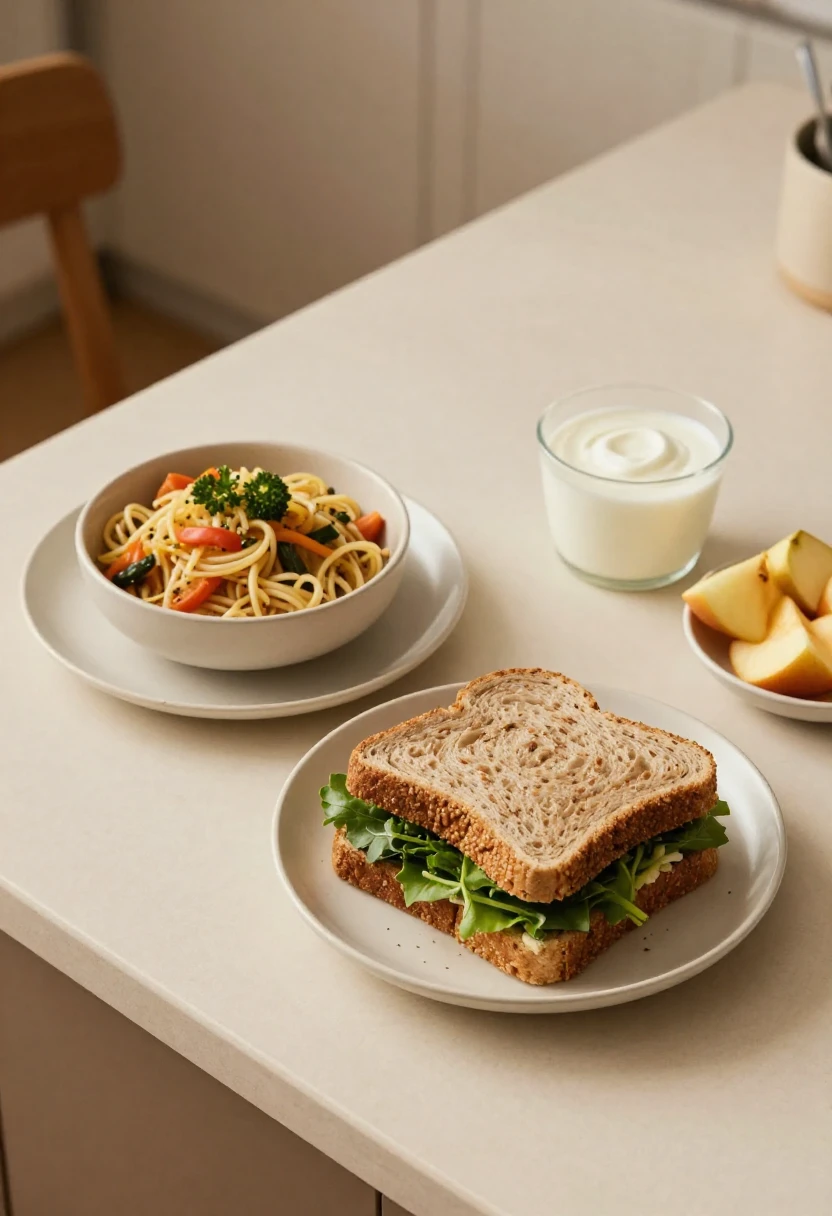
One of the easiest ways to eat healthier is to stop trying to build a completely new diet from scratch.
You do not need to wake up tomorrow and eat a breakfast you dislike, pack a lunch that feels sad, or cook dinners that make you miss your usual meals. That kind of change often feels exciting for a day or two, then exhausting.
A better place to begin is with what is already on your plate.
Look at your normal meals — the toast, sandwiches, pasta, rice bowls, tacos, soups, snacks, and desserts you actually enjoy. These are not the enemy. They are the foundation.
Once you see them that way, healthy eating becomes less about restriction and more about gentle improvement.
Why Familiar Meals Are the Best Place to Begin
Familiar meals are easier to upgrade because you already know how they fit into your life.
You know which breakfasts you can make when you are half-awake. You know what lunches feel realistic on a busy day. You know which dinners your family will actually eat without staring at the plate suspiciously.
That matters.
If you normally eat scrambled eggs and toast, you can add a handful of spinach or sliced avocado. If you love pasta, you can add roasted vegetables or blend vegetables into the sauce. If your usual lunch is a turkey sandwich, you can switch the bread, add greens, or use hummus instead of a heavier spread.
The meal stays recognizable.
It just becomes a little better for you.
How to Make One Small Upgrade at a Time
The quiet magic of small changes is that they do not demand much from you.
You can choose one meal, one ingredient, or even one habit. That is enough to begin.
For example:
- Add one extra vegetable to dinner
- Replace one sugary drink with water or unsweetened tea
- Choose whole grain bread once this week
- Add fruit to breakfast
- Keep nuts, yogurt, or boiled eggs ready for snacks
- Use less creamy dressing and add more herbs, lemon, or spices
The goal is not to impress anyone.
The goal is to make the change so easy that you barely have to think about it.
Once that small upgrade feels normal, you can add another. Then another. Over time, your meals begin to change naturally — without the pressure of starting a “diet.”
The “Don’t Shock Your Taste Buds” Approach
Your taste buds are used to your usual foods.
That does not mean they can never change. It simply means they may need time.
If you switch from white pasta to whole wheat pasta overnight and dislike the texture, you may decide healthy pasta is not for you. But if you mix half regular pasta with half whole grain pasta, add a flavorful sauce, and give yourself time to adjust, the change feels much easier.
The same idea works with many foods:
- Mix brown rice with white rice before fully switching
- Add spinach to romaine or iceberg lettuce instead of replacing it all at once
- Use half ground meat and half beans in chili or tacos
- Blend vegetables into soup before serving them as a main side
- Choose lightly sweetened yogurt before moving to plain yogurt with fruit
Healthy eating should not feel like your meals suddenly lost all joy.
It should feel like your food is slowly becoming more colorful, more satisfying, and more supportive of the way you want to feel.
Small steps may look ordinary, but they are often the steps that last.
Make Your Sandwiches, Wraps, and Toast Healthier
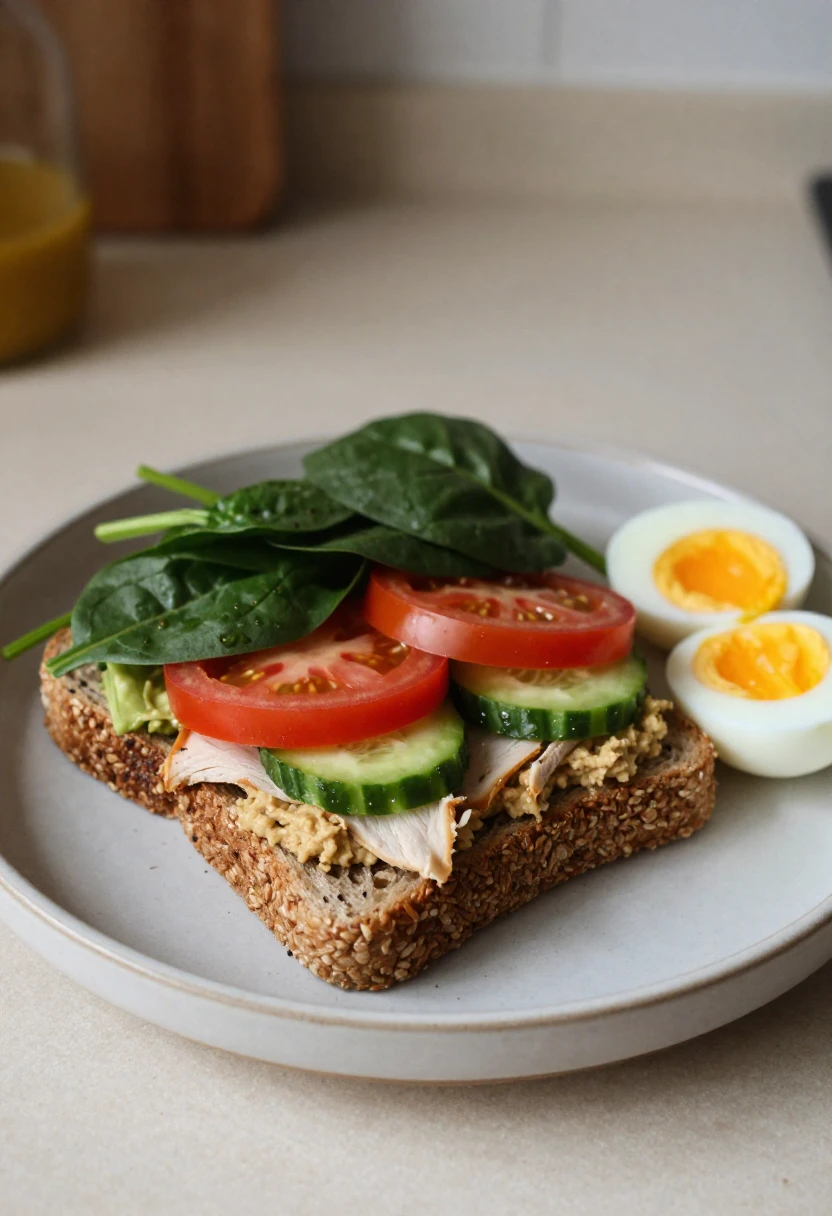
Sandwiches, wraps, and toast are everyday foods for a reason.
They are quick. They are familiar. They can be eaten at the kitchen counter, packed for work, made for kids, or thrown together when you are too hungry to cook a full meal.
And because they show up so often in daily life, even small changes can make a real difference.
You do not have to give up your favorite sandwich to make it healthier. You only need to build it with ingredients that help you feel fuller, steadier, and more satisfied.
Swap White Bread Gradually
If you usually eat white bread, you do not have to force yourself into the densest seeded loaf you can find.
Start gently.
Try a soft whole wheat bread, a thin-sliced whole grain loaf, or a bread made with oats, rye, or sprouted grains. The goal is to choose bread with more fiber and a little more staying power, without making lunch feel like a chore.
A simple transition might look like this:
- Use whole grain bread for toast, but keep your usual bread for sandwiches
- Try one new loaf each week until you find one you enjoy
- Choose bread with whole grain listed near the beginning of the ingredient list
- Use a smaller portion of bread and add more filling ingredients
The right bread should still taste good to you.
Healthy eating becomes much easier when the better choice is also the choice you actually want to repeat.
Try Whole Grain or Lighter Wheat Options
Whole grain does not have to mean heavy, dry, or bland.
There are plenty of softer options that work well for everyday meals — especially if you pair them with flavorful fillings like turkey, eggs, hummus, avocado, roasted vegetables, or tuna.
For wraps, look for whole wheat tortillas or higher-fiber wraps. For toast, try whole grain bread with peanut butter and banana, avocado and egg, or cottage cheese with tomato and black pepper.
These small upgrades add more texture and nutrition without changing the whole meal.
A regular slice of toast can become more balanced when you add:
- Protein, like eggs, cottage cheese, turkey, tofu, or Greek yogurt on the side
- Healthy fats, like avocado, nut butter, seeds, or olive oil
- Fiber, like berries, tomatoes, greens, beans, or whole grains
That combination helps your meal feel more complete. Instead of getting hungry an hour later, you are giving your body something slower and steadier to work with.
Add Greens Without Changing the Flavor Too Much
Greens are one of the easiest things to add quietly.
A few spinach leaves tucked into a sandwich may barely change the flavor. Arugula adds a peppery bite. Romaine gives crunch. Thin cucumber slices, tomato, sprouts, or shredded cabbage can make a wrap feel fresher without making it feel “too healthy.”
Think of greens as a layer, not a rule.
You can add them to:
- Egg sandwiches
- Turkey or chicken wraps
- Tuna toast
- Hummus sandwiches
- Grilled cheese with tomato
- Breakfast toast with avocado
Even a small handful counts.
And if raw greens are not your favorite, try cooked ones. A little sautéed spinach in an egg wrap or roasted peppers in a sandwich can feel cozy and flavorful rather than cold and “diet-like.”
The point is not to build the perfect sandwich.
The point is to take something you already enjoy and make it work a little harder for your body.
Upgrade Pasta, Rice, and Comfort Meals
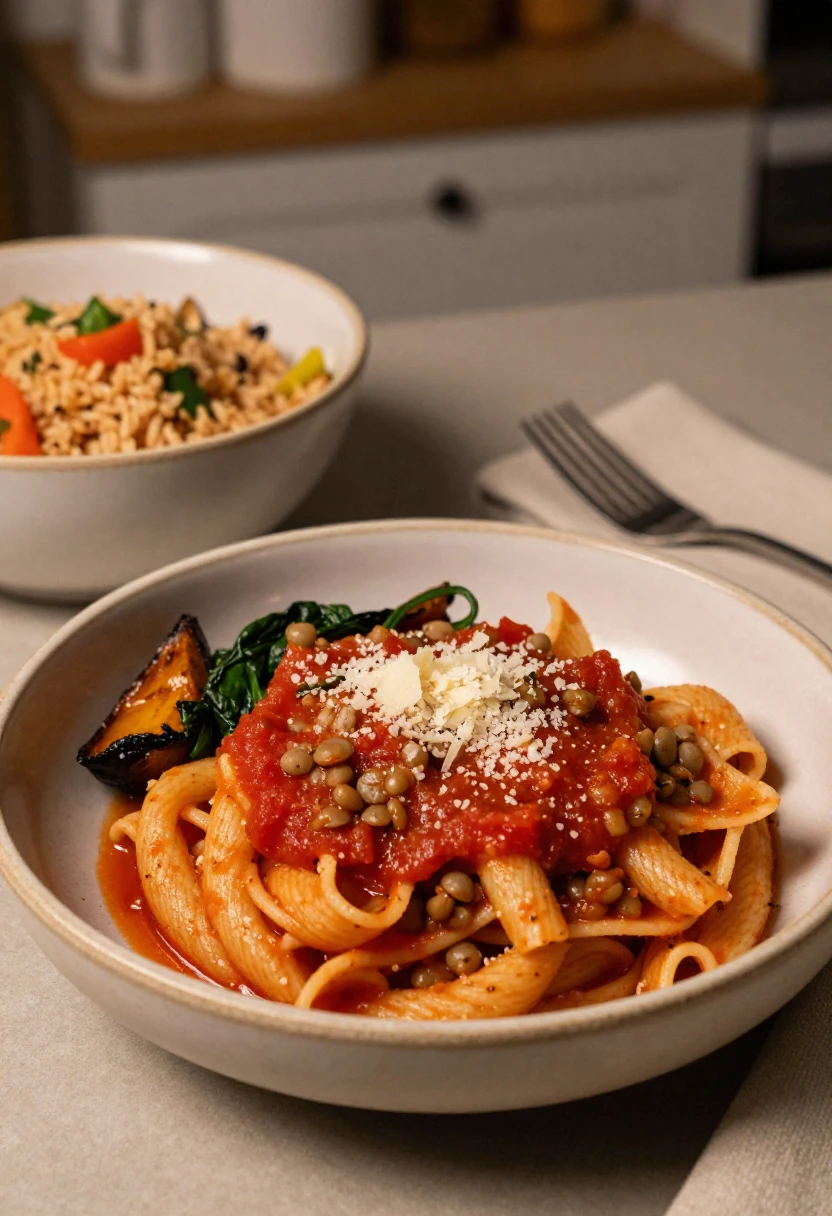
Comfort meals are often the foods people fear they have to give up when they decide to eat healthier.
Pasta. Rice bowls. Creamy soups. Tacos. Chili. Casseroles. Mashed potatoes. Warm meals that make the kitchen smell good and the evening feel softer.
But these foods do not need to disappear from your life.
In fact, they are some of the easiest meals to upgrade because they already have a strong flavor base. When a dish has garlic, herbs, tomato sauce, roasted vegetables, spices, broth, or a little cheese, it becomes much easier to add more nourishing ingredients without making the meal feel unfamiliar.
Healthy comfort food is not about removing the comfort.
It is about adding more balance.
Mix Regular and Whole Grain Pasta
If you love pasta, keep pasta in your life.
The goal is not to turn dinner into something you resent. Instead, try making small changes that increase fiber and nutrients while keeping the texture and taste enjoyable.
One simple trick is to mix regular pasta with whole grain pasta. This gives you a softer transition if you are not used to the heartier flavor of whole wheat noodles.
You can try:
- Half regular pasta and half whole wheat pasta
- Regular pasta with extra vegetables mixed in
- Chickpea or lentil pasta once in a while for more protein
- Smaller portions of pasta with a bigger serving of sauce, vegetables, or protein
The sauce matters too.
A rich tomato sauce with basil, garlic, olive oil, and roasted vegetables can make a healthier pasta bowl feel cozy and satisfying — not like a compromise.
Add Vegetables Into Sauces
Sauces are one of the best places to add vegetables quietly.
If you or someone in your family is not excited about a pile of vegetables on the side of the plate, try blending them into something familiar.
For example, you can add:
- Carrots to tomato sauce for gentle sweetness
- Zucchini to pasta sauce for extra moisture
- Spinach to soup or curry until it wilts down
- Roasted red peppers to creamy sauces
- Mushrooms to meat sauce for a richer texture
- Cauliflower to mashed potatoes or creamy soups
These vegetables do not have to take over the dish. They simply become part of the flavor.
A basic pasta sauce can turn into a more nourishing meal when you blend in roasted carrots and peppers. A creamy soup can become lighter and more filling with cauliflower. A rice bowl can feel fresher with chopped spinach, cucumber, or shredded carrots tucked under the main topping.
The more often you do this, the more natural it feels.
Use Beans, Lentils, or Extra Vegetables to Stretch Hearty Meals
Beans and lentils are quiet heroes in everyday cooking.
They are filling, budget-friendly, and easy to add to meals you may already make. They also bring fiber and plant-based protein, which can help you feel satisfied longer.
You can use them to stretch dishes like:
- Chili
- Tacos
- Burritos
- Sloppy joes
- Soups
- Stews
- Rice bowls
- Pasta sauces
Try adding black beans to taco meat, lentils to a tomato-based meat sauce, or chickpeas to a vegetable soup. You can still keep the flavors you love — cumin, garlic, paprika, oregano, tomato, onion, or chili powder — while making the meal more balanced.
This is especially helpful when you want to eat healthier without cooking separate “healthy food.”
Everyone can eat the same meal. It just has a little more fiber, color, and staying power built in.
And sometimes, that is the most realistic kind of healthy eating: not a perfect plate, but a familiar one made better.
Sneak More Vegetables Into Everyday Dishes
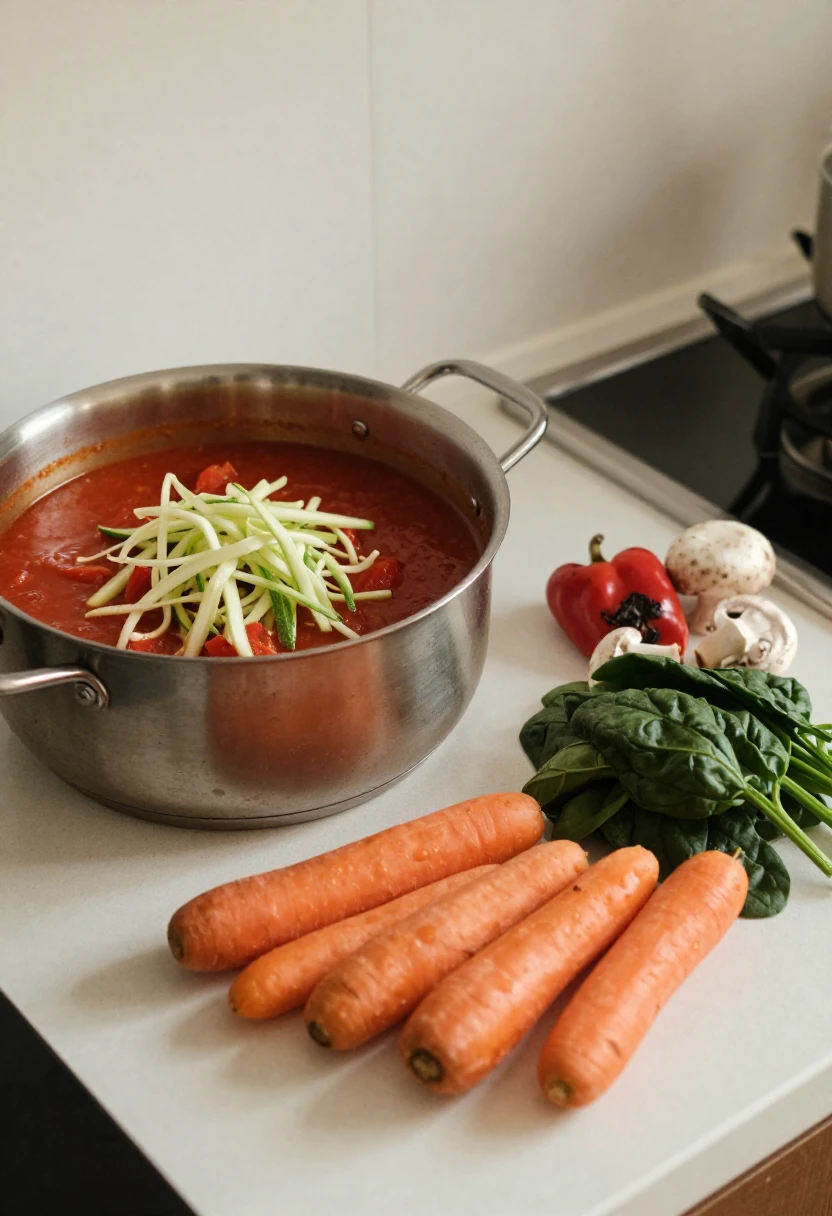
Vegetables do not always need to sit in a neat pile on the side of your plate.
Sometimes, the easiest way to eat more of them is to let them blend into the meals you already love. This is especially helpful if you are cooking for picky eaters, feeling bored with salads, or simply trying to make dinner more nourishing without making it feel like a project.
Think of vegetables as quiet helpers.
They can add sweetness, creaminess, moisture, color, and texture — often without changing the meal in a dramatic way.
Blend Vegetables Into Sauces and Soups
Blending vegetables into sauces is one of the simplest tricks for healthier eating.
A tomato sauce can become richer with roasted carrots, onions, zucchini, or red peppers. A creamy soup can become lighter with blended cauliflower or white beans. A cheese sauce can stretch further with butternut squash or pumpkin blended in for a soft golden color and gentle sweetness.
You can try adding blended vegetables to:
- Pasta sauce
- Pizza sauce
- Soup
- Curry
- Chili
- Mac and cheese
- Gravy-style sauces
- Casserole fillings
The best part is that blended vegetables often make sauces taste deeper and more homemade.
Roasted carrots bring sweetness. Mushrooms add a savory flavor. Red peppers taste smoky and bright. Cauliflower makes soups creamy without needing as much heavy cream.
It does not feel like “sneaking” vegetables in a bad way.
It feels like making your food more flavorful.
Add Mild Vegetables to Family Favorites
Some vegetables are naturally easy to hide because they have a mild flavor.
Zucchini, carrots, spinach, cauliflower, mushrooms, and bell peppers can fit into many meals without taking over. You can grate them, chop them finely, sauté them, or blend them depending on the dish.
For example:
- Add grated zucchini to meatballs or burgers
- Stir chopped spinach into scrambled eggs
- Mix mushrooms into ground meat
- Add shredded carrots to taco filling
- Blend cauliflower into mashed potatoes
- Stir peas or spinach into rice dishes
- Add finely chopped peppers to omelets or casseroles
These small additions can make a meal more colorful and nourishing without turning it into something unfamiliar.
If you are cooking for children or anyone who is unsure about vegetables, start with very small amounts. Let the flavor stay familiar first. You can always increase the amount later.
Choose Vegetables That Disappear Into Flavor
Some vegetables work especially well because they soften, shrink, or blend into stronger flavors.
Spinach wilts into soup, pasta, eggs, and rice. Mushrooms blend beautifully into meat sauces. Carrots melt into tomato-based dishes. Zucchini softens into casseroles, muffins, and sauces. Cauliflower disappears into creamy soups and mashed potatoes.
This makes them perfect for everyday meals.
A few smart pairings include:
- Spinach with eggs, pasta, soup, and wraps
- Mushrooms with beef, turkey, pasta sauce, and rice bowls
- Carrots with tomato sauce, chili, soup, and stews
- Zucchini with pasta sauce, meatballs, muffins, and casseroles
- Cauliflower with mashed potatoes, soups, sauces, and rice dishes
The goal is not to trick yourself into eating vegetables forever.
Over time, your taste buds may become more comfortable with them. You may start enjoying roasted broccoli, fresh cucumber, crisp peppers, or a big colorful salad because your meals already feel more vegetable-friendly.
But until then, it is perfectly fine to start small.
A spoonful of blended carrots in sauce still counts. A handful of spinach in eggs still counts. A little cauliflower in soup still counts.
Healthy eating is built from these quiet wins.
Make Protein Choices a Little Smarter
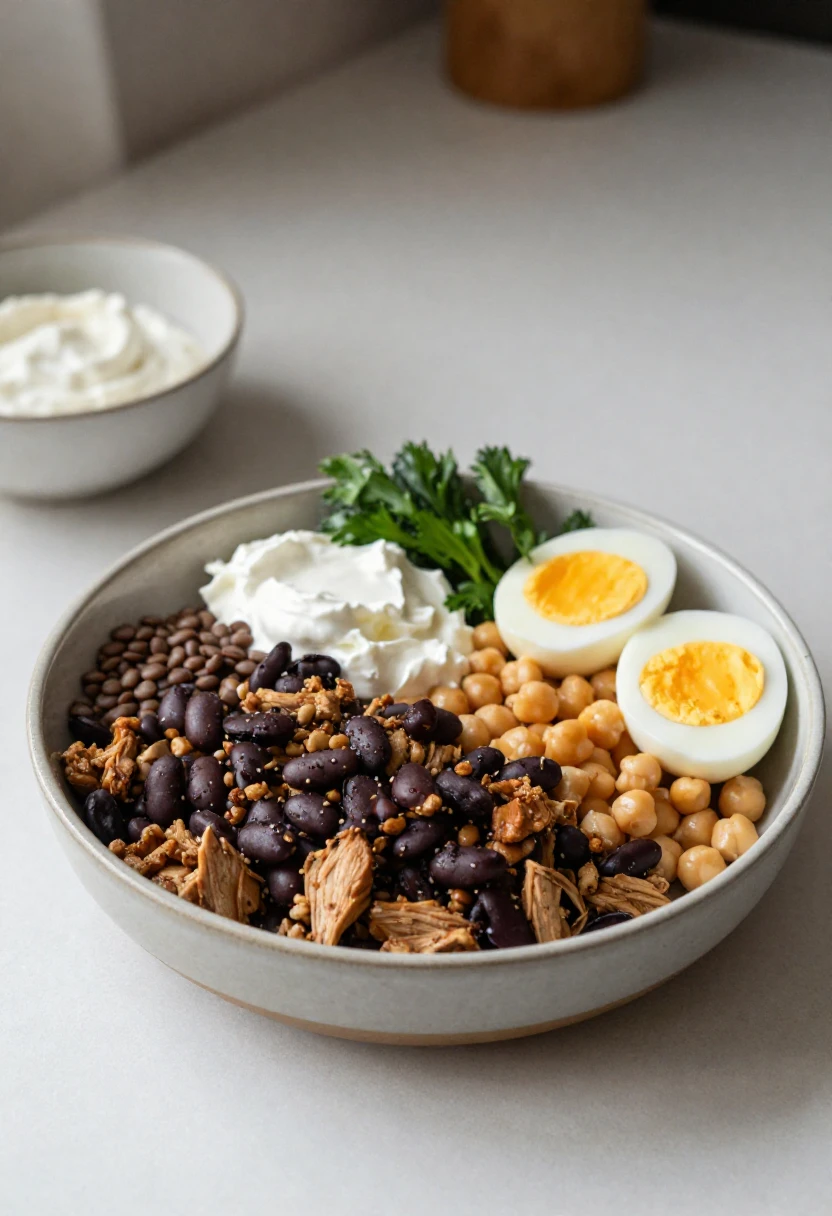
Protein is one of those nutrients that quietly changes how a meal feels.
When your meal has enough protein, you are more likely to feel satisfied, steady, and comfortable for longer. When it does not, you may find yourself searching the kitchen an hour later, even if you technically “ate enough.”
But smarter protein choices do not have to mean eating plain grilled chicken every day or measuring every bite.
It can be much simpler than that.
You can keep the meals you already like and make the protein part a little more balanced, more filling, or more varied.
Add Beans to Ground Meat Dishes
One of the easiest protein upgrades is adding beans to meals that already use ground meat.
This works beautifully because beans take on flavor from spices, sauces, onions, garlic, and herbs. They also add fiber, which helps make the meal more filling.
Try adding beans to:
- Tacos
- Chili
- Burrito bowls
- Sloppy joes
- Pasta sauce
- Stuffed peppers
- Nachos
- Casseroles
For example, if you are making taco filling, use your usual ground beef, turkey, or chicken, then stir in black beans or pinto beans. The flavor still feels familiar, but the meal becomes heartier and more nourishing.
You can do the same with lentils.
Cooked lentils blend especially well into tomato-based sauces, chili, soups, and shepherd’s pie-style meals. They soften into the dish and make it feel rich without needing as much meat.
Try Plant-Based Options Without Pressure
You do not have to become vegetarian to eat more plant-based meals.
Even one or two plant-forward meals a week can add variety to your diet. The key is to choose meals that already feel satisfying instead of forcing yourself to eat something that feels like a “replacement.”
Some easy ideas include:
- Bean and cheese quesadillas
- Lentil soup with crusty whole grain toast
- Chickpea salad wraps
- Hummus and veggie sandwiches
- Black bean tacos
- Peanut noodle bowls with edamame
- Egg and spinach breakfast wraps
- Greek yogurt bowls with fruit and nuts
Plant-based meals work best when they still have flavor, texture, and comfort.
A bowl of lentil soup with garlic, herbs, carrots, and a drizzle of olive oil can feel just as cozy as a meat-based stew. A chickpea wrap with crunchy cucumber, tomato, and a creamy sauce can feel fresh and filling. A bean burrito with salsa, avocado, and a little cheese can be easy, affordable, and satisfying.
No pressure. No labels.
Just more options.
Choose Balance Instead of Perfection
Protein choices do not have to be perfect to be helpful.
Some days you may choose fish, eggs, chicken, tofu, beans, yogurt, or lean meat. Other days, dinner may be a quick sandwich, leftovers, or a bowl of pasta with whatever protein you can add.
That is normal.
Instead of asking whether every meal is ideal, ask whether you can add one thing that makes it more balanced.
For example:
- Add eggs to toast
- Add tuna or chickpeas to a salad
- Add Greek yogurt to breakfast
- Add beans to soup
- Add tofu, chicken, or shrimp to stir-fry
- Add nuts or seeds to oatmeal
- Add cottage cheese beside fruit
The small addition matters.
It can help your meal feel more complete without turning eating into a strict set of rules. And when your meals satisfy you better, healthy eating starts to feel less like self-control and more like self-care.
Build Better Snacks Without Feeling Deprived
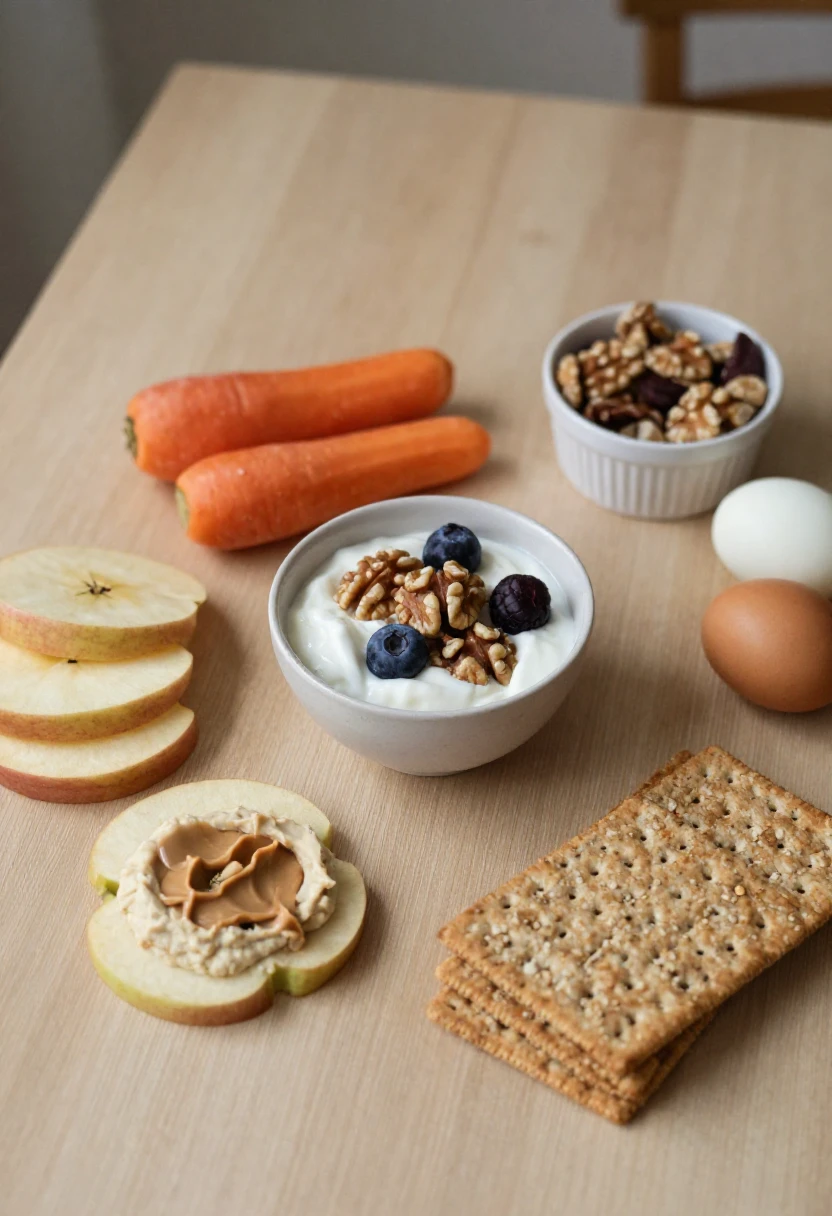
Snacks often get blamed for unhealthy eating, but snacking is not the problem.
The real problem is when snacks are not satisfying enough. You eat something quick, sweet, salty, or crunchy, and for a few minutes it feels good. Then, not long after, you are hungry again — sometimes even hungrier than before.
A better snack does not have to be boring.
It simply needs to give your body a little more to work with: some fiber, protein, healthy fat, or natural sweetness. That way, your snack feels like a small pause that supports you instead of a quick bite that leaves you searching for more.
Pair Sweet Cravings With Nuts or Fruit
If you crave something sweet in the afternoon, you do not always need to ignore it.
Sometimes, the easiest approach is to pair that sweetness with something more filling.
For example:
- Apple slices with peanut butter
- Greek yogurt with berries and walnuts
- Banana with almond butter
- Dates with a few nuts
- Cottage cheese with peaches
- Dark chocolate with strawberries
- Oatmeal with cinnamon and sliced fruit
This works because you still get the sweet flavor you wanted, but the snack has more balance. Fruit adds fiber and freshness. Nuts and nut butters add healthy fats. Yogurt or cottage cheese adds protein.
Instead of feeling like you “gave in,” you can feel like you took care of the craving in a smarter way.
Choose Snacks That Keep You Full Longer
A snack that disappears in two minutes and leaves you hungry again is not very helpful.
More satisfying snacks usually include at least two of these:
- Protein
- Fiber
- Healthy fat
- Water-rich foods, like fruit or vegetables
That might sound technical, but in real life it can be very simple.
Try combinations like:
- Hummus with carrots or whole grain crackers
- Cheese with apple slices
- Boiled eggs with cucumber
- Trail mix with nuts and dried fruit
- Turkey roll-ups with avocado
- Whole grain toast with peanut butter
- Edamame with a little sea salt
- Yogurt with chia seeds and fruit
These snacks feel more complete because they slow down hunger. They give you something creamy, crunchy, fresh, salty, or sweet — but with enough substance to carry you to the next meal.
Make Healthier Snacks Easy to Grab
The healthiest snack in your kitchen will not help much if it is hidden behind three containers, unwashed, or difficult to prepare when you are already hungry.
Convenience matters.
So make the better choice the easy choice.
You can:
- Wash grapes, berries, or apples ahead of time
- Keep yogurt cups or cottage cheese ready in the fridge
- Portion nuts into small containers
- Slice vegetables and store them with hummus
- Keep boiled eggs ready for busy days
- Place fruit where you can see it
- Keep whole grain crackers, tuna packets, or nut butter nearby
This does not require a full meal-prep day.
Even five minutes can help. Wash the fruit. Move the healthier snacks to eye level. Put nuts in a small jar. Keep something simple in your bag or desk.
When the better option is visible, ready, and appealing, you are much more likely to choose it without feeling like you are making a big effort.
That is the kind of healthy habit that quietly sticks.
Enjoy Dessert in a Lighter Way
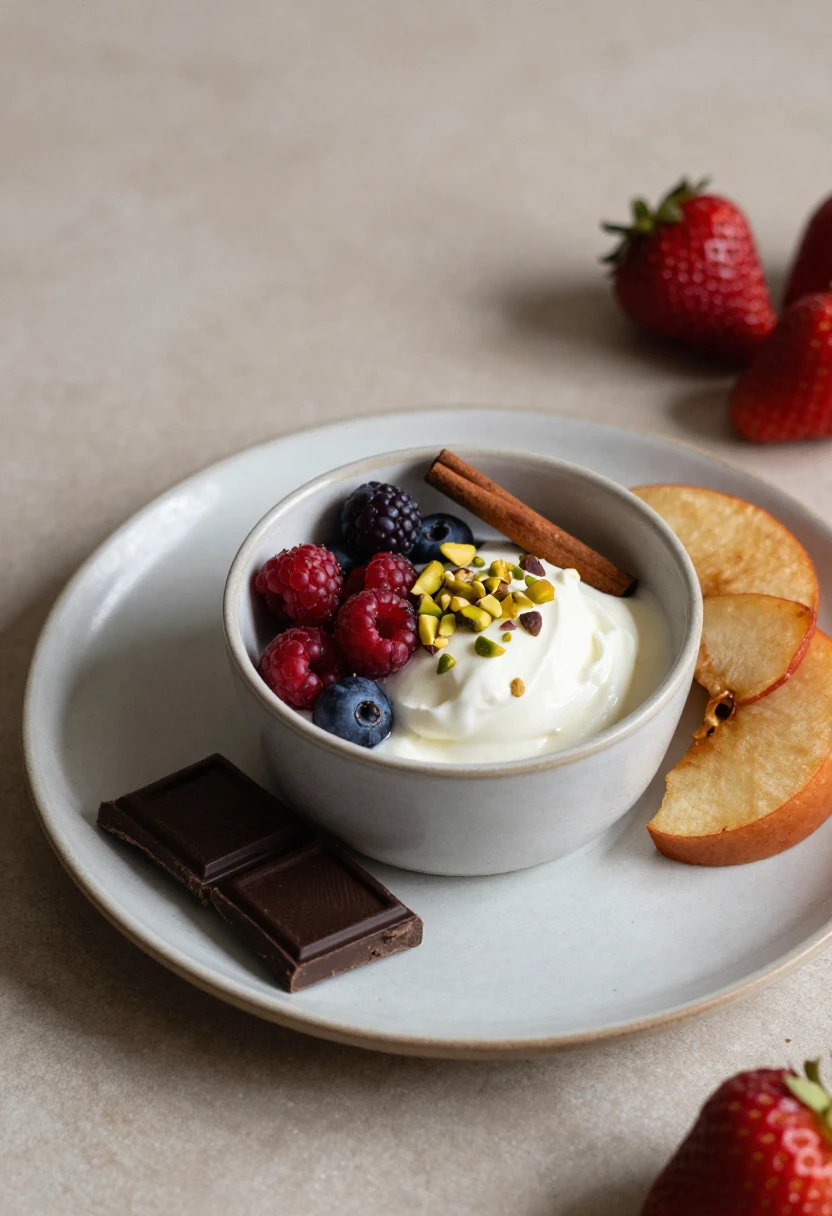
Dessert does not have to disappear just because you want to eat healthier.
In fact, trying to remove sweets completely can sometimes make them feel even more tempting. Suddenly, a cookie is not just a cookie — it becomes the thing you are “not allowed” to have. That kind of pressure can make eating feel tense, and healthy eating should not feel like a constant battle with yourself.
A better approach is to keep dessert in your life, but make it more intentional.
You can enjoy something sweet, satisfying, and comforting without turning it into an all-or-nothing moment.
Try Frozen Yogurt, Fruit-Based Desserts, or Smaller Portions
Sometimes, a lighter dessert is enough to satisfy the craving.
Frozen yogurt with berries, baked apples with cinnamon, grilled peaches, fruit with a little whipped cream, or a small bowl of yogurt with honey and nuts can all feel sweet and special without being overly heavy.
You can also make your usual desserts work better by adjusting the portion.
Instead of a large serving, try a smaller piece and pair it with something fresh:
- A small brownie with strawberries
- A scoop of ice cream with sliced banana
- A cookie with Greek yogurt and berries
- A few squares of dark chocolate with orange slices
- Apple crisp with extra fruit and less topping
This helps dessert feel balanced instead of forbidden.
You still get pleasure from the food, but you are not relying on sugar alone to feel satisfied.
Add Texture and Satisfaction With Nuts
Nuts can make simple desserts feel more complete.
A sprinkle of walnuts, almonds, pistachios, or pecans adds crunch, richness, and healthy fats. That texture makes each bite more satisfying, especially when paired with fruit, yogurt, oatmeal, or a small serving of something sweet.
Try adding nuts to:
- Yogurt with honey
- Baked apples or pears
- Frozen yogurt
- Banana slices with dark chocolate
- Oatmeal cookies
- Fruit parfaits
- Cottage cheese with berries
A little goes a long way.
You do not need a large handful. Even a spoonful can make dessert feel more interesting and more filling.
Keep Treats in Your Life Without Guilt
Guilt does not make dessert healthier.
It usually just makes the experience less enjoyable.
If you want a piece of cake at a birthday party, have the cake. If you love ice cream on a warm evening, enjoy it slowly. If your family makes cookies and the kitchen smells like vanilla and butter, one cookie can be part of a healthy life.
The goal is not to eat perfectly.
The goal is to build a pattern that supports you most of the time.
That means you can enjoy treats without letting them define your whole day. One dessert does not erase a nourishing breakfast, a balanced lunch, or the vegetables you added to dinner. It is simply one part of your eating life.
When you remove guilt, you make room for trust.
And when you trust yourself around food, healthy eating becomes much easier to maintain.
Let Your Taste Buds Adjust Slowly
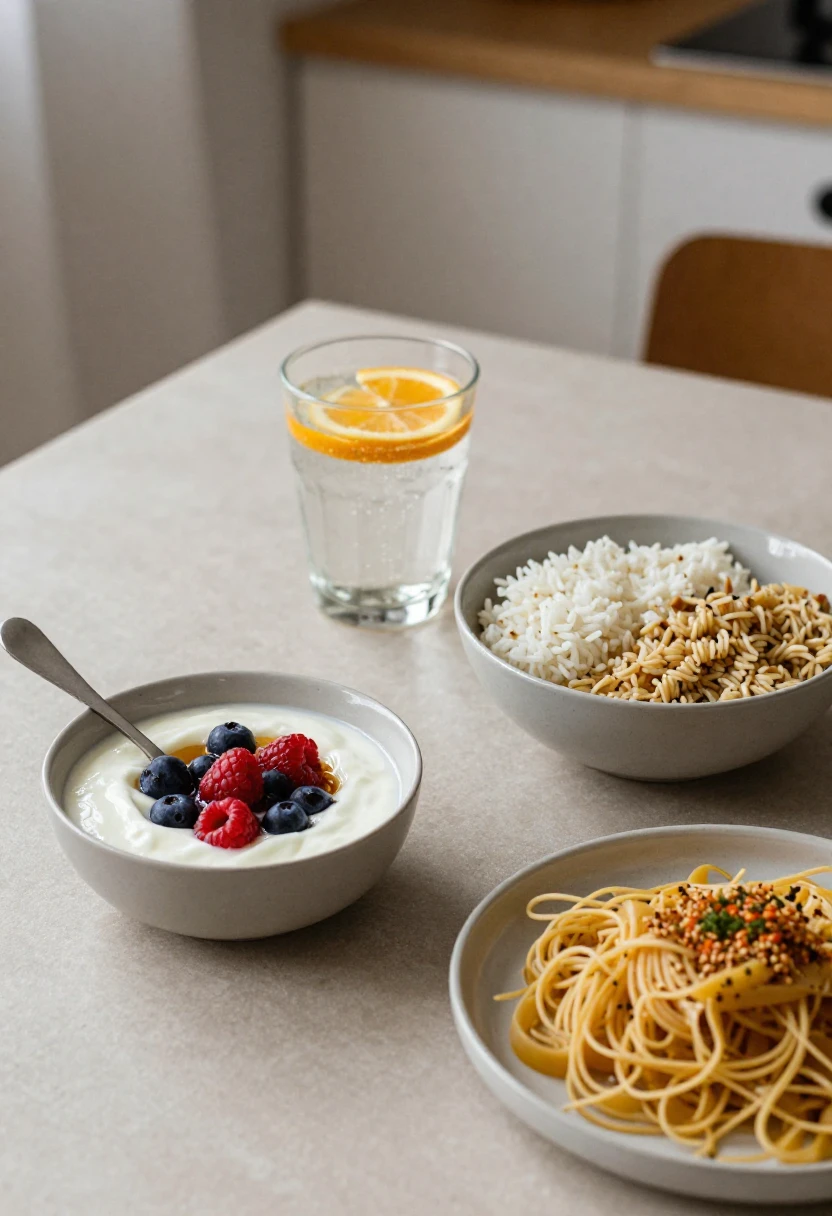
Your taste buds are not fixed forever.
They learn from what you eat often. If you are used to very sweet yogurt, plain yogurt may taste sharp at first. If you usually eat white bread, whole grain bread may feel heavier. If vegetables have mostly shown up as plain steamed broccoli, it makes sense if they do not excite you.
But taste can shift.
Not overnight. Not by forcing yourself to eat foods you dislike. But slowly, through repeated, gentle exposure.
That is why small changes work so well. They give your mouth, your habits, and your expectations time to catch up.
Why Gradual Change Works Better
A sudden change can make healthier food feel like a punishment.
If you go from sweet cereal to unsweetened oatmeal, regular soda to plain water, or white pasta to chickpea pasta all at once, your brain may notice everything that feels missing.
Less sweetness. Different texture. Less salt. More chew. New flavors.
Gradual changes are easier because they soften the contrast.
You might:
- Mix plain yogurt with your usual flavored yogurt
- Add sparkling water to juice
- Use half white rice and half brown rice
- Mix regular pasta with whole grain pasta
- Add one mild vegetable to a favorite dish
- Use slightly less sugar in coffee or tea
This gives your taste buds a bridge.
Instead of asking them to jump into a completely different way of eating, you are inviting them there step by step.
How Your Cravings Can Shift Over Time
Cravings are not always commands. Sometimes, they are habits.
If you usually eat something sweet after lunch, your body may start expecting sweetness at that time. If you always snack while watching TV, the couch itself can become a trigger. If salty chips are your usual afternoon comfort, your brain may ask for them before you are even truly hungry.
The good news is that habits can change.
You do not have to fight every craving. You can guide it.
For example:
- If you crave candy, try fruit with a few nuts first
- If you crave chips, try popcorn, roasted chickpeas, or crackers with hummus
- If you crave soda, try sparkling water with citrus
- If you crave dessert every night, try a smaller portion with fruit
- If you snack out of boredom, make tea or take a short walk before deciding
The goal is not to shame the craving.
It is to create more choices around it.
Over time, you may notice that extremely sweet foods taste sweeter than they used to. You may start wanting something fresh with heavier meals. You may feel satisfied with smaller portions because your meals are more balanced.
That is not restriction.
That is your body adapting.
When to Be Patient With Picky Eating Habits
If you have always been a picky eater, or you are cooking for someone who is, patience matters.
Some people need to taste a food many times before it feels normal. Texture can be a bigger issue than flavor. A raw tomato may be unpleasant, while tomato sauce is fine. Steamed carrots may feel boring, while roasted carrots taste sweet and caramelized.
So do not treat picky eating as a failure.
Experiment with preparation.
Try:
- Roasting vegetables instead of steaming them
- Blending vegetables into sauces
- Chopping vegetables very small
- Pairing new foods with familiar dips or seasonings
- Serving small portions without pressure
- Trying the same food in different forms
A vegetable does not need to be eaten plain to count. Spinach in eggs counts. Carrots in soup count. Zucchini in sauce counts. Cauliflower blended into mashed potatoes counts.
Healthy eating becomes much easier when you stop demanding instant love for every nutritious food.
You only need openness, repetition, and a little curiosity.
Simple Daily Habits That Make Healthy Eating Automatic
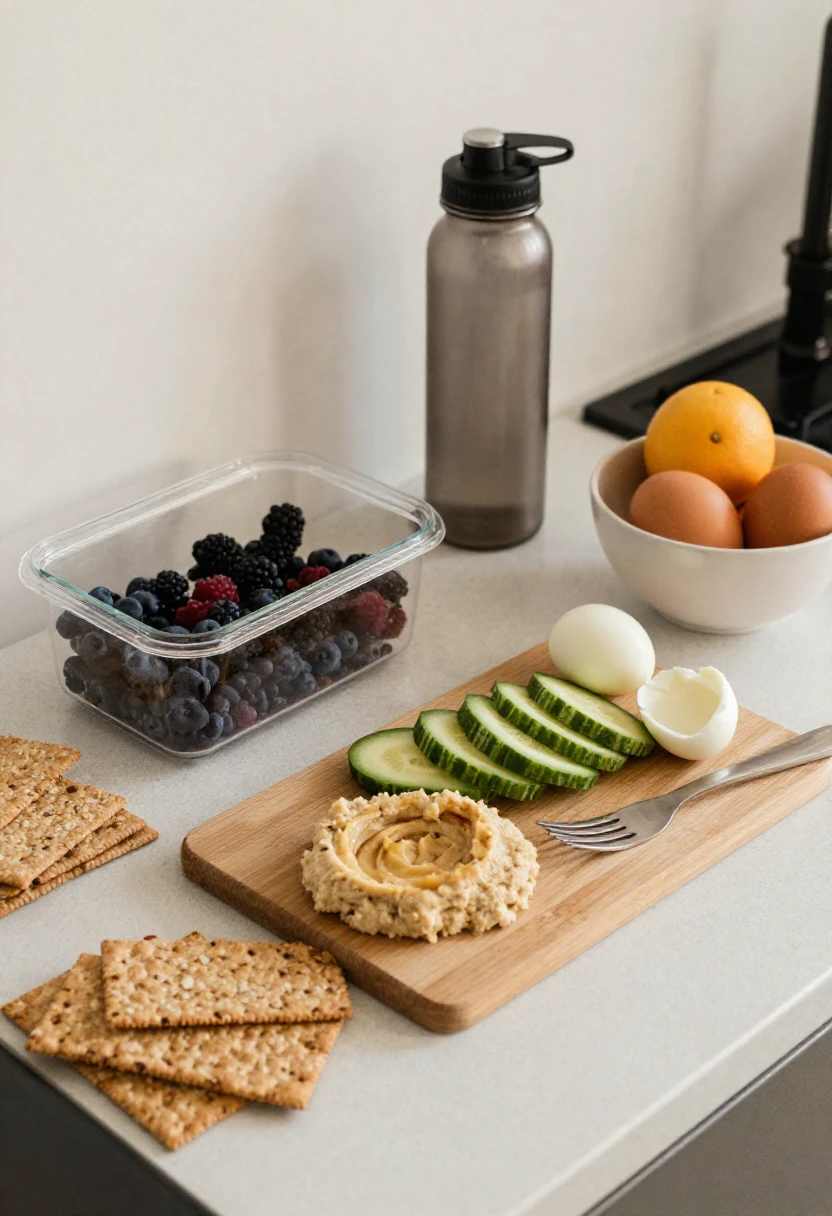
The easiest healthy habits are the ones you do not have to think about very much.
When every better choice requires planning, effort, and motivation, it becomes hard to keep going. But when your kitchen, routine, and environment gently support you, healthy eating starts to feel more automatic.
You are not relying on perfect discipline.
You are making the better option easier to reach.
Keep Better Choices Visible
You are more likely to eat what you see.
If fruit is hidden in the back of the fridge, it is easy to forget about it. If chips, cookies, or crackers are the first things you see when you open the pantry, they naturally become the easy choice.
This does not mean you need to remove every treat from your home.
It simply means arranging your kitchen in a way that helps you.
Try this:
- Keep a bowl of apples, oranges, or bananas on the counter
- Place washed berries or grapes at eye level in the fridge
- Store cut vegetables in clear containers
- Keep yogurt, cottage cheese, or boiled eggs easy to grab
- Put nuts, oats, or whole grain crackers where you can see them
- Move less helpful snacks to a less visible shelf
Small changes in visibility can shape your choices quietly.
You may reach for fruit simply because it looks fresh and ready. You may add spinach to eggs because it is already washed and sitting in front of you. You may choose yogurt because it is the first thing you notice when you open the fridge.
That is not luck.
That is smart setup.
Prep Small Ingredients, Not Full Meals
Meal prep can sound overwhelming if you imagine spending half of Sunday cooking full containers of food.
But you do not have to prepare complete meals to make healthy eating easier.
Sometimes, prepping a few small ingredients is enough.
You can:
- Wash lettuce or spinach
- Chop cucumbers, carrots, or peppers
- Cook a pot of rice, quinoa, or lentils
- Boil a few eggs
- Roast a tray of vegetables
- Make a simple sauce or dressing
- Portion nuts or trail mix
- Cook extra chicken, tofu, beans, or turkey
These ingredients give you building blocks.
A cooked grain can become a rice bowl, soup addition, or side dish. Roasted vegetables can go into wraps, eggs, pasta, or salads. Boiled eggs can become breakfast, snack, or quick protein for lunch.
You are not locking yourself into one meal.
You are giving your future self options.
Make the Healthy Option the Easy Option
Healthy eating becomes much more realistic when it fits your real life.
If you come home tired, the healthy option needs to be simple. If mornings are rushed, breakfast needs to be almost automatic. If you snack while working, better snacks need to be close by.
Think about the moments when your choices usually feel hardest.
Then make one small adjustment.
For example:
- If mornings are rushed, keep overnight oats, boiled eggs, or yogurt ready
- If lunch gets skipped, keep simple protein snacks available
- If dinner feels stressful, keep frozen vegetables and canned beans on hand
- If you crave sweets at night, keep fruit, yogurt, or dark chocolate ready
- If takeout is common, choose one or two healthier default orders
- If you forget water, keep a bottle where you work
This is not about creating a perfect routine.
It is about reducing friction.
When the better choice is already washed, cooked, visible, packed, or easy to assemble, you are more likely to choose it — especially on the days when motivation is low.
And those are the days that matter most.
Healthy eating does not need to feel like a constant decision. With the right small habits, it can become part of the background of your life: quiet, steady, and supportive.
Conclusion: Healthy Eating Can Feel Simple
You do not need to change your whole life to eat healthier.
You do not need to give up pasta, sandwiches, snacks, desserts, or the meals that make your day feel normal. You do not need to follow strict rules or turn every bite into a test of discipline.
You can start smaller.
Add vegetables to meals you already make. Choose whole grains when they feel realistic. Pair snacks with protein or healthy fats. Make dessert a little lighter without making it joyless. Keep better choices visible. Let your taste buds adjust slowly.
These small choices may feel ordinary, but they add up.
And that is the beauty of eating healthier without feeling like you are on a diet: it becomes part of your life instead of something you are constantly trying to survive.
When food feels nourishing, familiar, satisfying, and enjoyable, healthy eating stops feeling like restriction.
It starts feeling like care.
FAQ
Can I eat healthier without giving up my favorite foods?
Yes. In most cases, you can keep your favorite foods and make them more balanced. Add vegetables, choose better grains when possible, include protein, or adjust portions instead of removing the food completely.
What is the easiest first step to eating healthier?
Start with one meal you already eat often. For example, add spinach to eggs, choose whole grain toast, mix beans into tacos, or keep fruit ready for snacks. Small changes are easier to repeat.
How long does it take for taste buds to adjust?
It can take time and repeated exposure. Some foods may become more enjoyable after trying them in different ways, such as roasted, blended into sauces, paired with seasonings, or mixed with familiar foods.
Is it okay to still eat dessert?
Absolutely. Dessert can be part of a healthy eating pattern. Try smaller portions, fruit-based desserts, frozen yogurt, or pairing sweets with fruit or nuts. The goal is balance, not guilt.