The Ultimate Macrobiotic Diet Food List for Beginners
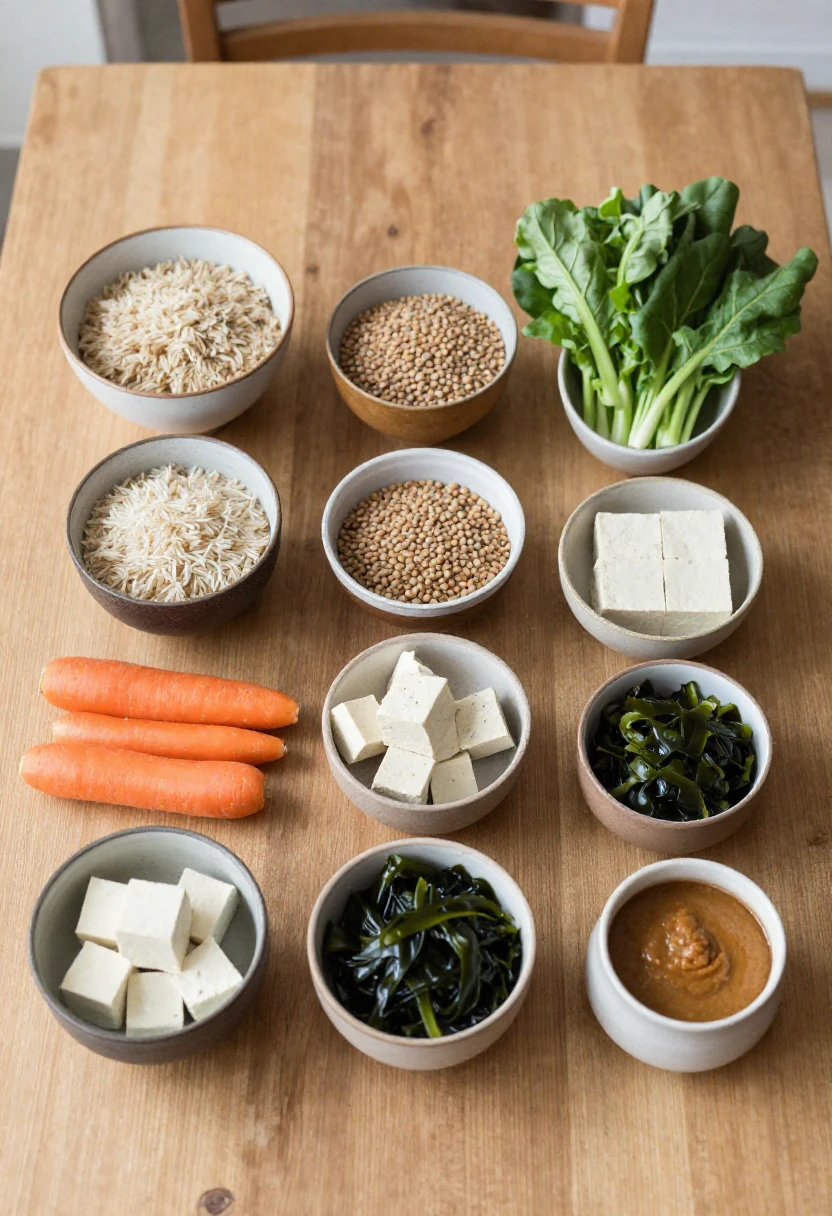
In a world full of complicated diets and constantly changing nutrition trends, the macrobiotic diet offers something refreshingly simple: balance.
Instead of focusing on strict calorie counting or short-term weight loss, this way of eating encourages a deeper connection with food — choosing ingredients that are natural, seasonal, and nourishing. For many people, the macrobiotic approach feels less like a diet and more like a gentle return to mindful, traditional eating.
The idea behind macrobiotic food philosophy is rooted in balance. Meals are built around whole grains, vegetables, legumes, and other plant-based foods that are minimally processed and close to their natural form. The goal is not perfection, but harmony — creating meals that support both physical wellbeing and a sense of everyday calm.
This style of eating originally developed in Japan and later gained popularity around the world through wellness communities that appreciated its focus on simplicity, sustainability, and whole foods.
At its heart, the macrobiotic diet encourages people to slow down and become more aware of what they eat. Meals are often prepared thoughtfully, with attention to ingredients, cooking methods, and seasonal availability.
For beginners, one of the easiest ways to understand the macrobiotic approach is to start with the food list — the core ingredients that make up the foundation of this diet.
From hearty whole grains and colorful vegetables to fermented foods and sea vegetables, macrobiotic meals are built from a relatively small group of wholesome foods that can be combined in many nourishing ways.
In this guide, we’ll explore the ultimate macrobiotic diet food list for beginners, explain how these foods fit into the macrobiotic philosophy, and help you understand how simple ingredients can come together to create balanced, satisfying meals.
What Is the Macrobiotic Diet?

The macrobiotic diet is often described as a way of eating that focuses on balance, simplicity, and whole, natural foods. But for many people who follow it, macrobiotics is more than just a list of ingredients — it’s a philosophy about living in harmony with nature and the rhythms of everyday life.
The modern macrobiotic movement has roots in traditional Japanese dietary practices and was later popularized internationally through the work of Japanese educator George Ohsawa. His teachings introduced the idea that food could help bring the body into balance by emphasizing natural, minimally processed ingredients.
A key concept in macrobiotic thinking is the idea of yin and yang balance. In this philosophy, foods are believed to have different energetic qualities. Some foods are considered more expansive and cooling (yin), while others are more grounding and warming (yang). The goal is not to eliminate one or the other, but to create meals that feel balanced and supportive.
In practical terms, the macrobiotic diet encourages eating foods that are:
- whole and minimally processed
- seasonal and locally available
- primarily plant-based
- prepared using simple cooking methods
Rather than focusing on strict calorie targets or complicated nutrition rules, macrobiotics emphasizes food quality and balance. Meals are typically centered around whole grains, supported by vegetables, beans, and small portions of other plant-based foods.
Another important aspect of the macrobiotic approach is mindfulness. Meals are often prepared and eaten with care, encouraging people to pay attention to flavors, textures, and the natural qualities of the ingredients.
For beginners, understanding this philosophy can make the food list much easier to follow.
Once you see how the macrobiotic diet is built around a few simple principles, the ingredients themselves start to make perfect sense.
Core Principles of Macrobiotic Eating

While the macrobiotic diet food list focuses on specific ingredients, the way those foods are chosen and prepared is just as important. Macrobiotic eating is guided by a few simple principles that help create balanced, nourishing meals.
These ideas are not meant to feel restrictive. Instead, they act as gentle guidelines that encourage people to eat in a way that feels natural and supportive for the body.
Emphasizing whole foods
One of the central ideas of the macrobiotic diet is choosing foods that are as close to their natural state as possible. Whole grains, fresh vegetables, legumes, and naturally fermented foods form the foundation of most meals.
Highly processed products, refined sugars, and artificial additives are generally avoided because they move food further away from its natural form.
Eating seasonally and locally
Macrobiotic philosophy also encourages paying attention to seasonal ingredients. Vegetables, grains, and fruits that grow naturally during a particular season are believed to better support the body during that time of year.
For example, lighter foods like leafy greens and fresh vegetables are often enjoyed in warmer months, while heartier grains and root vegetables may feel more satisfying in colder seasons.
Simple cooking methods
Preparation in macrobiotic cooking is usually straightforward and gentle. Instead of complicated techniques, meals are often prepared through methods such as:
- steaming
- simmering
- sautéing with minimal oil
- light pickling or fermentation
These cooking styles help preserve the natural flavor and nutritional value of ingredients.
Balanced meal composition
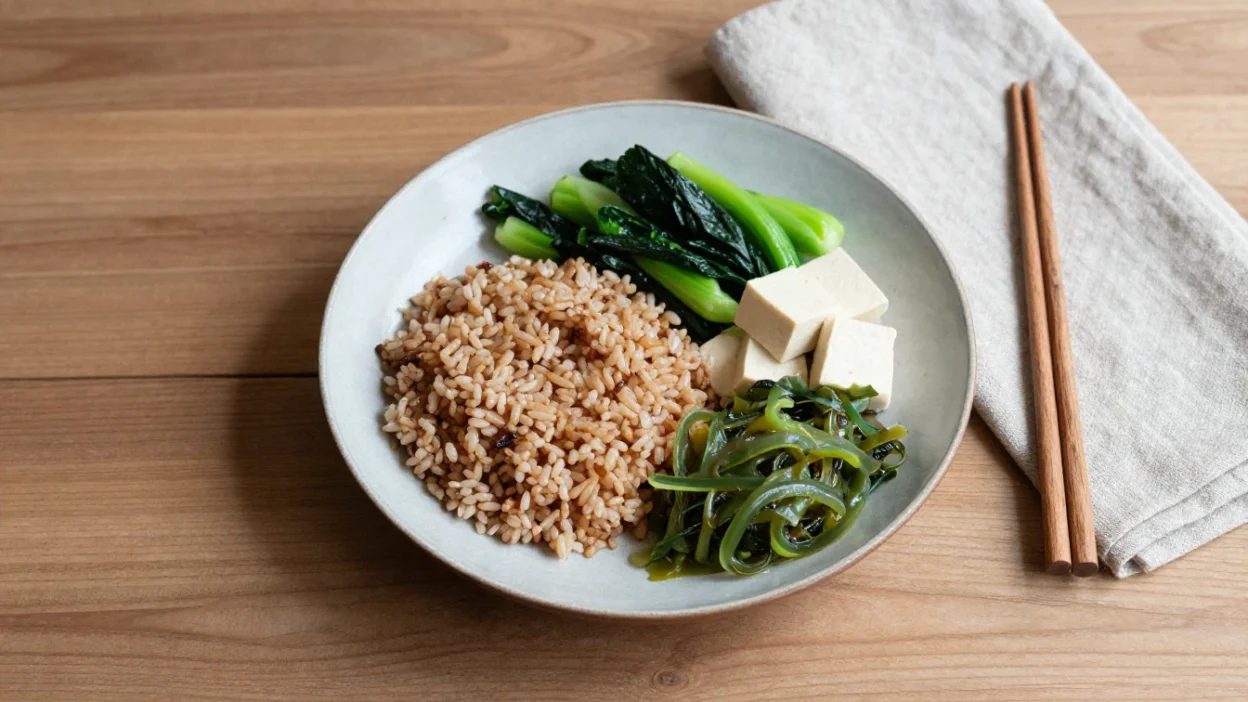
A typical macrobiotic plate often follows a simple structure:
- 50–60% whole grains
- 25–30% vegetables
- 10–15% beans or plant proteins
- small additions such as sea vegetables or fermented foods
This balance helps create meals that are filling, nutrient-rich, and easy to digest.
When these principles come together, the macrobiotic diet becomes less about strict rules and more about creating harmony on the plate.
And that harmony starts with the most important part of the macrobiotic diet — the core foods themselves.
The Macrobiotic Diet Food List: Core Foods
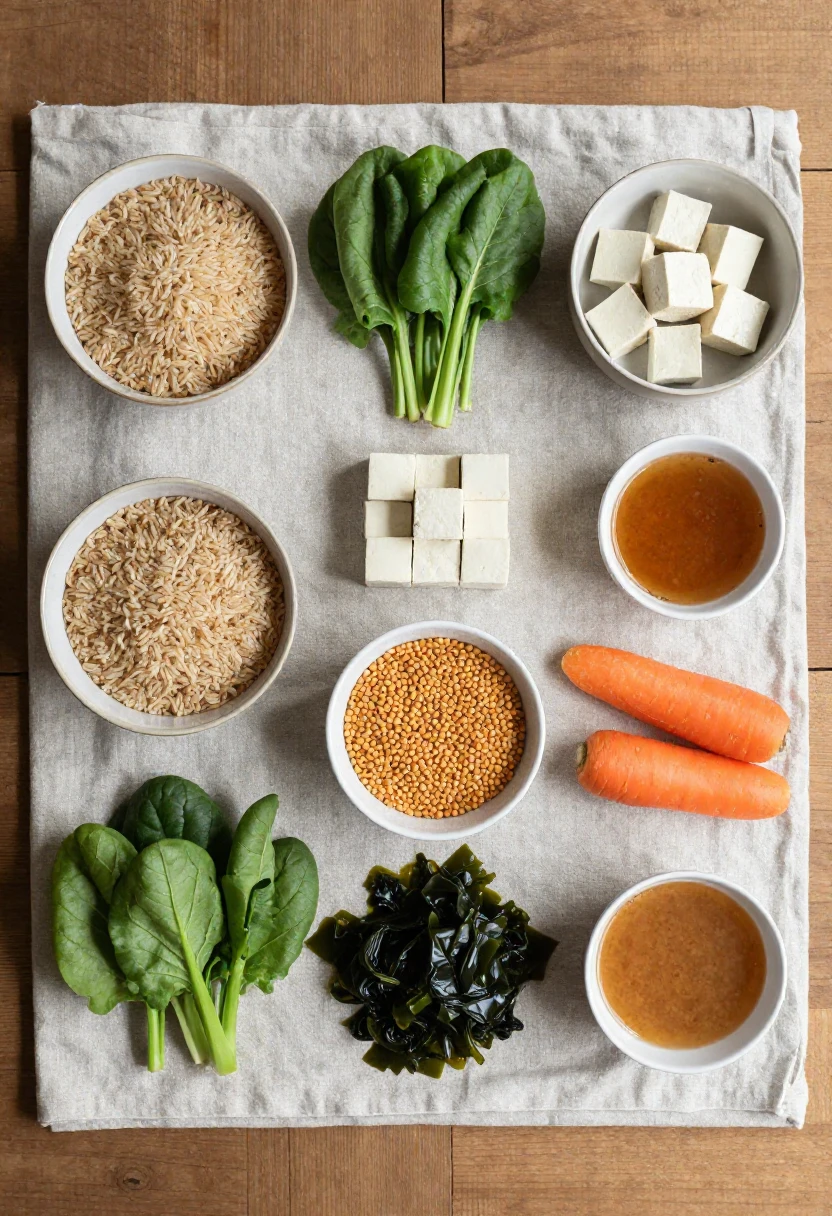
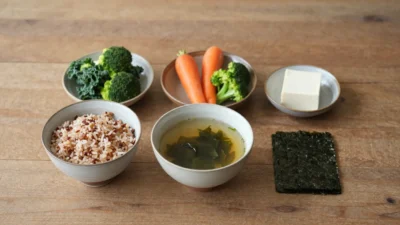
At the heart of the macrobiotic diet is a relatively simple group of whole, nourishing foods. Instead of relying on highly processed ingredients or complex meal plans, macrobiotic cooking focuses on a few natural staples that can be combined in many different ways.
These foods are chosen for their nutritional value, balance, and ability to support steady energy throughout the day.
While individual macrobiotic plans may vary slightly, most meals are built around four main food groups.
Whole grains
Whole grains are considered the foundation of the macrobiotic diet, often making up the largest portion of daily meals. They provide complex carbohydrates, fiber, and a steady source of energy.
Common macrobiotic grains include:
- brown rice
- barley
- millet
- oats
- buckwheat
- whole wheat products
Among these, brown rice is often seen as the classic macrobiotic staple because of its balance and versatility.
Vegetables
Vegetables play a central role in macrobiotic cooking. A wide variety of seasonal vegetables are encouraged, especially those that grow locally.
Popular choices include:
- leafy greens such as kale and collard greens
- cabbage and broccoli
- carrots and daikon radish
- onions and squash
Vegetables are often lightly cooked to make them easier to digest while preserving their natural flavors.
Beans and legumes
Legumes provide an important source of plant-based protein in the macrobiotic diet. They are usually eaten in moderate portions alongside grains and vegetables.
Common options include:
- lentils
- chickpeas
- adzuki beans
- black beans
- tofu and tempeh
These foods help create balanced meals while keeping the diet primarily plant-based.
Sea vegetables
One unique feature of macrobiotic cooking is the regular use of sea vegetables, which are rich in minerals and trace nutrients.
Some of the most commonly used varieties are:
- nori
- wakame
- kombu
- hijiki
These ingredients are often added to soups, grain dishes, or vegetable preparations to enhance flavor and nutrition.
Together, these core foods form the base of the macrobiotic diet. From them, countless simple meals can be created — each one built on the idea of balance and natural nourishment.
The most important of these foods, however, are the grains that serve as the centerpiece of the macrobiotic plate.
Whole Grains: The Foundation of the Macrobiotic Diet
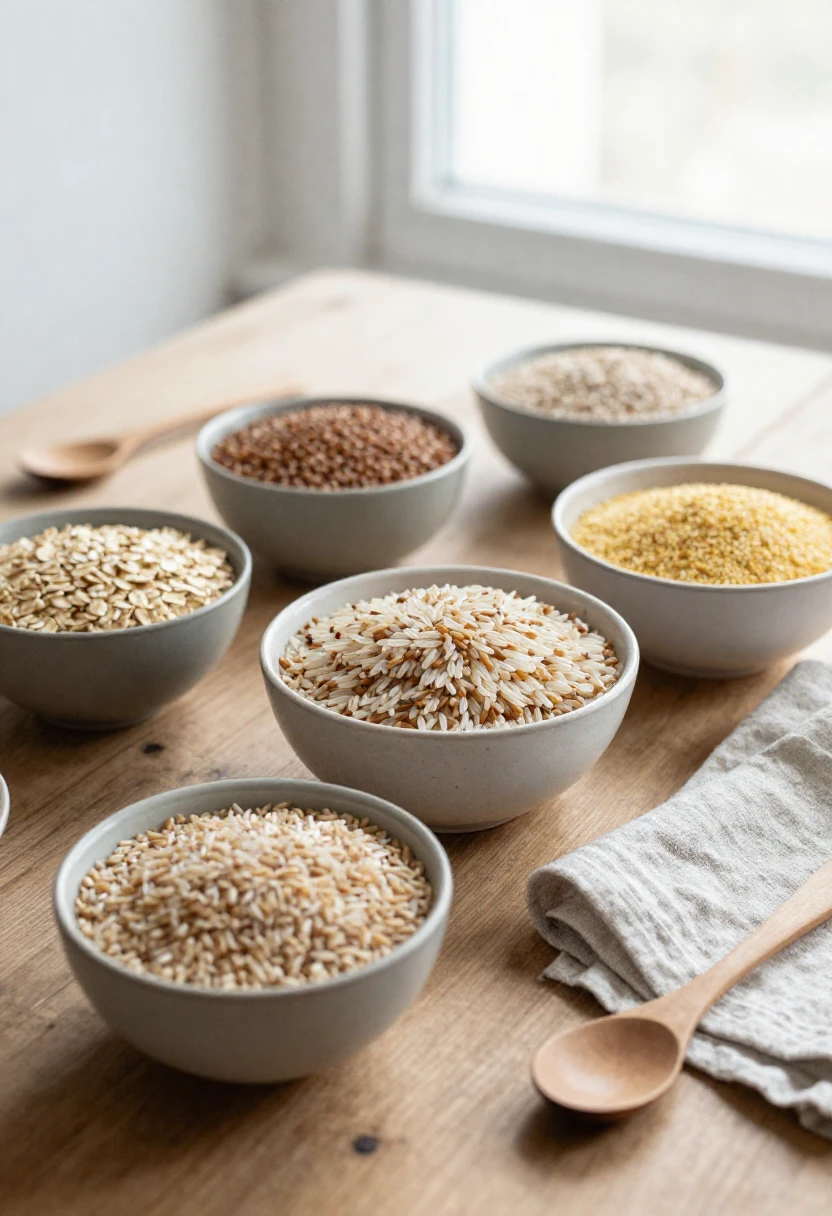
If there is one category of food that truly defines the macrobiotic diet, it is whole grains.
In traditional macrobiotic meals, grains often make up about half of the plate, providing the steady energy and nourishment that form the base of the diet. Unlike refined grains, whole grains contain the entire grain kernel — including the bran, germ, and endosperm — which means they retain their natural fiber, vitamins, and minerals.
Because of this, whole grains are valued not only for their nutritional benefits but also for their ability to create satisfying, balanced meals.
Brown rice
Among all macrobiotic foods, brown rice is perhaps the most iconic. It has long been considered the central grain in macrobiotic cooking thanks to its versatility and balanced nutritional profile.
Brown rice can be served as a simple side dish, mixed into vegetable bowls, or used as a base for soups and grain salads.
Barley
Barley is another grain frequently used in macrobiotic cuisine. Its slightly chewy texture makes it a comforting addition to soups and stews, especially during colder months.
It also pairs well with root vegetables and legumes.
Millet
Millet is a light, slightly nutty grain that cooks quickly and works well in both savory and mildly sweet dishes. In macrobiotic cooking, millet is sometimes used as a breakfast grain or served alongside steamed vegetables.
Buckwheat
Despite its name, buckwheat is actually a seed rather than a true grain. It has a rich, earthy flavor and is often enjoyed in dishes such as soba noodles or warm grain bowls.
Oats
Oats can also appear in macrobiotic meals, particularly for breakfast. A bowl of warm oatmeal with seeds or fruit can provide a nourishing start to the day.
Together, these grains create a strong nutritional foundation for the macrobiotic diet. They provide complex carbohydrates that release energy slowly, helping maintain stable energy levels throughout the day.
But grains are only one part of the macrobiotic plate.
To bring color, texture, and additional nutrients to meals, macrobiotic cooking relies heavily on another essential group of foods: vegetables.
Vegetables in the Macrobiotic Diet
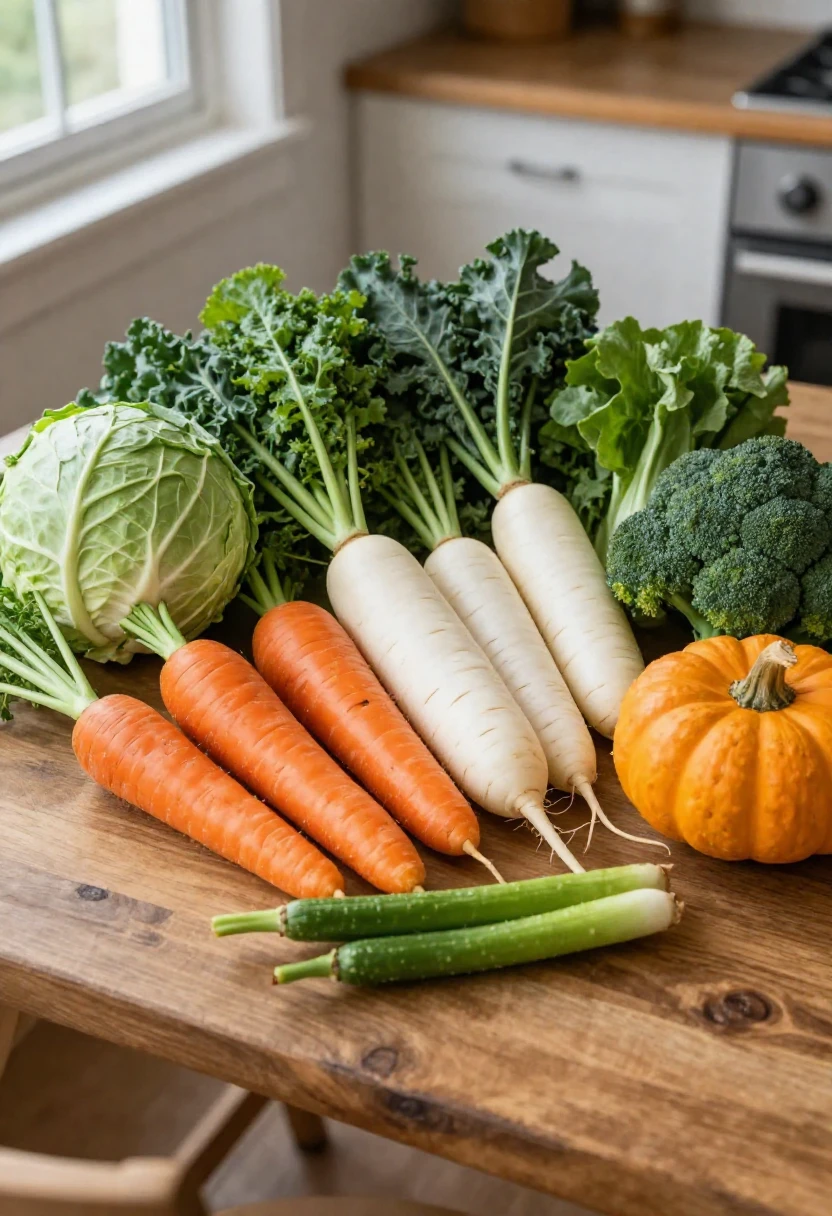
If whole grains form the foundation of the macrobiotic diet, vegetables bring life, color, and balance to the plate.
Macrobiotic cooking encourages a wide variety of vegetables, especially those that grow locally and are in season. These foods provide fiber, vitamins, and minerals while adding texture and flavor to everyday meals.
Unlike some diets that focus heavily on raw foods, the macrobiotic approach often favors lightly cooked vegetables. Gentle cooking methods can make vegetables easier to digest and help bring out their natural sweetness.
Leafy greens
Leafy vegetables are commonly included in macrobiotic meals and are valued for their nutrient density.
Some popular choices include:
- kale
- collard greens
- mustard greens
- spinach
These greens are often lightly steamed, sautéed, or added to soups and grain bowls.
Root vegetables
Root vegetables play an important role in macrobiotic cooking because they are naturally grounding and filling.
Common examples include:
- carrots
- daikon radish
- turnips
- burdock root
These vegetables are frequently simmered, roasted, or used in slow-cooked dishes.
Cruciferous vegetables
Vegetables from the cabbage family are also widely used thanks to their versatility and nutritional value.
Examples include:
- cabbage
- broccoli
- cauliflower
- Brussels sprouts
These vegetables can be steamed, sautéed, or fermented for dishes such as traditional pickles.
Seasonal variety
Another key aspect of macrobiotic eating is seasonal awareness. Instead of relying on the same vegetables year-round, meals often reflect what is naturally available.
In warmer months, lighter vegetables such as cucumbers and leafy greens may appear more often. During colder seasons, heartier vegetables like squash and root vegetables can provide warmth and nourishment.
By combining different vegetables with whole grains, macrobiotic meals become colorful, balanced, and satisfying.
To add another layer of nutrition and protein to these meals, the macrobiotic diet also includes a variety of beans and plant-based proteins.
Beans and Plant Proteins
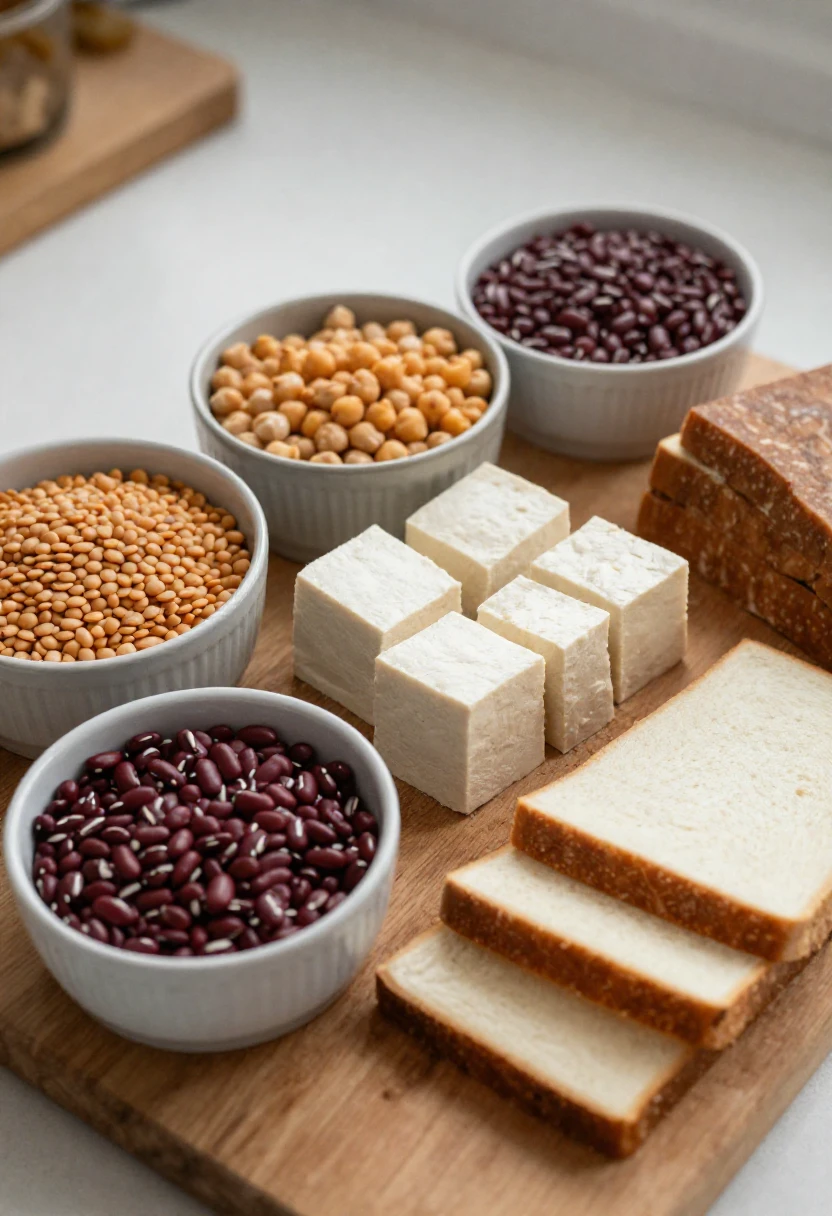
While whole grains and vegetables form the core of the macrobiotic diet, beans and plant-based proteins help complete the balance of the meal.
These foods provide essential nutrients such as protein, fiber, and minerals, making them an important addition to a primarily plant-based way of eating. In macrobiotic cooking, beans are usually served in moderate portions, complementing grains and vegetables rather than dominating the plate.
Adzuki beans
One of the most traditional legumes used in macrobiotic cuisine is the adzuki bean. These small red beans are popular in Japanese cooking and are valued for their mild flavor and digestibility.
Adzuki beans are often simmered slowly and served alongside brown rice or vegetables.
Lentils
Lentils are another common protein source in macrobiotic meals. They cook quickly and absorb flavors well, making them ideal for soups, stews, and simple grain bowls.
Different varieties — such as green, brown, or red lentils — can be used depending on the dish.
Chickpeas
Chickpeas add a slightly nutty flavor and a satisfying texture to meals. They can be incorporated into vegetable dishes, grain salads, or blended into spreads.
Tofu and tempeh
Fermented soy products like tofu and tempeh are also common in macrobiotic cooking.
- Tofu offers a soft texture and absorbs flavors easily.
- Tempeh has a firmer texture and a deeper, nutty taste because it is fermented.
These ingredients provide plant-based protein while fitting naturally into the macrobiotic philosophy of simple, minimally processed foods.
Balance on the plate
In a typical macrobiotic meal, beans and plant proteins usually make up about 10–15% of the plate. When combined with grains and vegetables, they help create a balanced dish that provides sustained energy and nourishment.
Another distinctive element of macrobiotic cuisine, however, comes from the ocean.
Sea vegetables and naturally fermented foods add both flavor and valuable minerals to many traditional macrobiotic meals.
Sea Vegetables and Fermented Foods
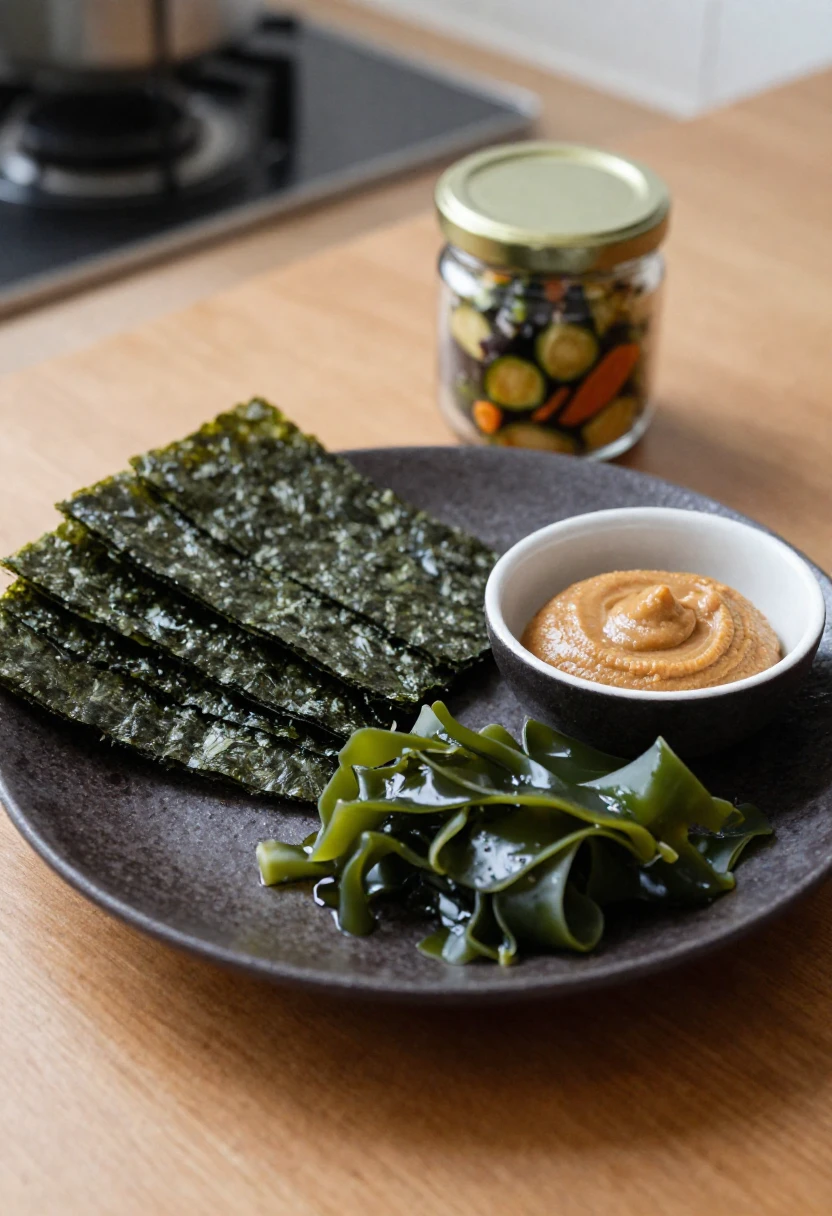
One of the most distinctive elements of the macrobiotic diet food list is the inclusion of sea vegetables and traditional fermented foods. These ingredients may be less familiar to beginners, but they play an important role in adding both flavor and valuable nutrients to macrobiotic meals.
Sea vegetables
Sea vegetables — often called seaweed — are commonly used in Japanese cooking and have long been valued for their rich mineral content. Because they grow in the ocean, they naturally contain trace elements such as iodine, calcium, and magnesium.
In macrobiotic cooking, sea vegetables are usually used in small amounts to complement other foods.
Some of the most popular varieties include:
- Nori – thin sheets of seaweed often used to wrap sushi or crumble over rice and vegetable dishes
- Wakame – a soft sea vegetable commonly added to soups and salads
- Kombu – a thicker variety often used to flavor broths and cook beans
- Hijiki – a dark, mineral-rich sea vegetable that is typically simmered with vegetables
These ingredients add depth of flavor while contributing important nutrients.
Fermented foods
Fermented foods are another traditional component of macrobiotic meals. Fermentation is an age-old preservation method that also supports digestive health by introducing beneficial bacteria.
Common fermented foods in macrobiotic cuisine include:
- Miso – a fermented soybean paste often used to make comforting soups
- Tempeh – fermented soybeans pressed into a firm cake
- Traditional pickled vegetables such as fermented cabbage or cucumbers
These foods are typically eaten in small portions alongside grains and vegetables.
A unique layer of flavor and nutrition
Together, sea vegetables and fermented foods add complexity to the macrobiotic diet. While the overall ingredient list may appear simple, these elements help create meals that are both satisfying and nutritionally diverse.
At the same time, the macrobiotic diet also recommends limiting or avoiding certain types of foods that are considered highly processed or overly refined.
Foods That Are Limited or Avoided

While the macrobiotic diet food list includes many nourishing whole foods, it also recommends limiting or avoiding certain ingredients that are considered highly processed or less aligned with the philosophy of natural balance.
The goal is not necessarily strict restriction, but rather encouraging people to focus on foods that are closer to their natural state and more supportive of long-term wellbeing.
Processed foods
Highly processed foods are generally discouraged in macrobiotic eating. These products often contain artificial additives, preservatives, and refined ingredients that move far away from the original whole food.
Examples include:
- packaged snack foods
- fast food
- heavily processed ready-made meals
- products with artificial flavorings or colorings
Instead, macrobiotic cooking emphasizes fresh ingredients that are prepared at home using simple methods.
Refined sugar and sweeteners
Another category that is typically limited is refined sugar. Many macrobiotic practitioners try to avoid highly processed sweeteners such as white sugar and high-fructose syrups.
Occasionally, natural alternatives like small amounts of brown rice syrup or barley malt may be used instead.
Dairy products
Traditional macrobiotic diets usually minimize or avoid dairy products such as milk, cheese, and butter. The diet tends to rely on plant-based foods for most nutrients.
However, some modern interpretations allow small amounts depending on individual preferences.
Red meat and poultry
Animal products are often limited in macrobiotic eating. Red meat and heavily processed meats are generally avoided, while fish may be included occasionally in certain versions of the diet.
The emphasis remains on plant-based foods such as grains, vegetables, and legumes.
Alcohol and highly refined ingredients
Alcohol and highly refined products — including white flour and artificial sweeteners — are also typically reduced or avoided.
By minimizing these foods, the macrobiotic diet encourages a simpler approach to eating that centers on whole, natural ingredients.
Of course, many people are curious not only about what the macrobiotic diet excludes, but also about the potential health benefits that may come from following this style of eating.
Potential Benefits of the Macrobiotic Diet
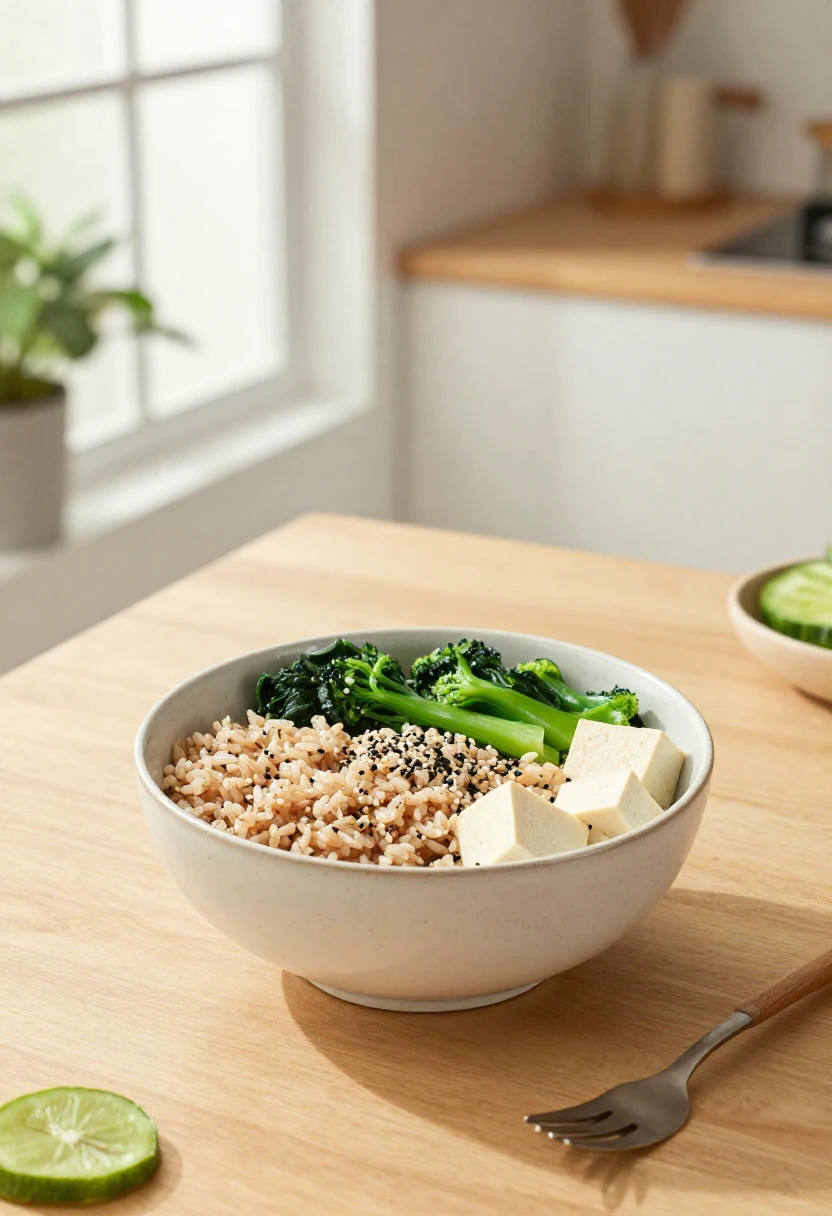
Because the macrobiotic diet emphasizes whole, minimally processed foods, many people are drawn to it for its potential health benefits. While research on strict macrobiotic diets is still limited, several aspects of this eating style align with widely accepted principles of balanced nutrition.
A focus on whole foods
One of the biggest strengths of the macrobiotic approach is its focus on natural, unprocessed ingredients. Meals are typically built from whole grains, vegetables, legumes, and fermented foods — all of which provide important nutrients and fiber.
Diets rich in whole foods are often associated with improved digestive health and more stable energy levels throughout the day.
High fiber intake
Because macrobiotic meals include large amounts of grains, vegetables, and beans, they tend to be naturally high in dietary fiber.
Fiber plays an important role in supporting:
- healthy digestion
- balanced blood sugar levels
- feelings of fullness after meals
This can make macrobiotic eating both satisfying and supportive of long-term health.
Plant-based nutrition
The macrobiotic diet is largely plant-based, which means it often includes foods rich in antioxidants, vitamins, and minerals. Many studies have linked plant-forward eating patterns with positive health outcomes such as improved heart health and lower levels of certain chronic diseases.
Mindful eating habits
Another potential benefit comes from the mindful approach to food preparation and meals. Macrobiotic cooking encourages people to slow down, choose ingredients thoughtfully, and pay attention to how foods affect the body.
This kind of awareness can lead to healthier eating habits over time.
Balanced energy throughout the day
Because macrobiotic meals emphasize complex carbohydrates from whole grains and balanced portions of vegetables and protein, they may help provide steady energy rather than quick spikes and crashes.
However, like any dietary pattern, the macrobiotic diet may also present certain challenges or nutritional considerations, especially when followed very strictly.
Possible Challenges or Nutritional Concerns

Although the macrobiotic diet emphasizes many healthy whole foods, it is important to recognize that any structured eating pattern can come with potential challenges — especially when followed very strictly.
Understanding these considerations can help beginners approach the macrobiotic diet in a balanced and flexible way.
Risk of certain nutrient deficiencies
Because traditional macrobiotic diets are primarily plant-based and may limit or avoid certain animal products, there is a possibility of low intake of some nutrients if the diet is not carefully planned.
For example, nutrients that may require attention include:
- Vitamin B12, which is mainly found in animal products
- Vitamin D, depending on sun exposure and dietary choices
- Iron and calcium, if the variety of foods is limited
Including a wide range of plant foods and consulting a nutrition professional when making major dietary changes can help address these concerns.
Restrictive interpretations
Some traditional macrobiotic guidelines can feel quite restrictive, especially for beginners. Strict rules about which foods are allowed or avoided may make the diet difficult to follow in everyday life.
Fortunately, many modern approaches to macrobiotic eating are more flexible, focusing on the overall philosophy of whole foods rather than rigid restrictions.
Limited food variety
If someone relies too heavily on only a few staple foods, meals may become repetitive over time. Expanding the variety of grains, vegetables, legumes, and cooking styles can help keep the diet enjoyable and nutritionally balanced.
Social and lifestyle challenges
Eating in restaurants or attending social gatherings may require some adjustments when following a macrobiotic style of eating. However, with a flexible approach, many people find ways to adapt while still maintaining the core principles of the diet.
Despite these potential challenges, the macrobiotic diet can still be approachable for beginners — especially when starting with a simple, balanced macrobiotic plate.
A Simple Way to Build a Macrobiotic Plate
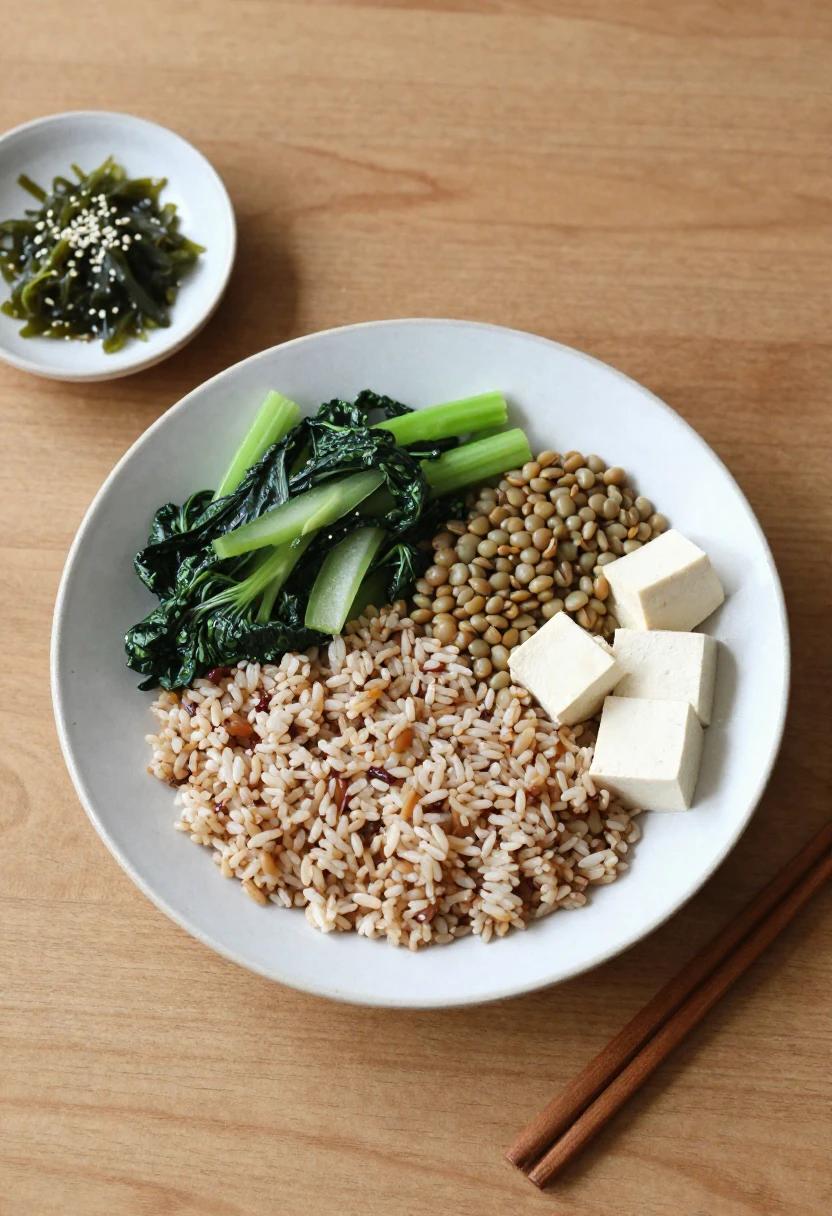
For beginners, the macrobiotic diet can seem a little overwhelming at first. There are many principles to learn and unfamiliar ingredients like sea vegetables or fermented foods.
But in practice, building a macrobiotic meal is surprisingly simple.
Instead of focusing on strict rules, many people find it helpful to think about the balance of the plate. Traditional macrobiotic meals follow a basic structure that combines grains, vegetables, and plant-based proteins in nourishing proportions.
A typical macrobiotic plate often looks like this:
50–60% whole grains
Whole grains are the centerpiece of the meal and provide long-lasting energy. Common choices include:
- brown rice
- barley
- millet
- buckwheat
- oats
These grains form the base of the plate and are often served warm and simply prepared.
25–30% vegetables
A variety of cooked vegetables adds color, texture, and essential nutrients. Leafy greens, root vegetables, and seasonal produce are especially common.
Cooking methods such as steaming, simmering, or light sautéing help maintain flavor while making vegetables easy to digest.
10–15% beans or plant proteins
Beans and soy products provide protein and help round out the meal.
Typical options include:
- lentils
- chickpeas
- adzuki beans
- tofu
- tempeh
These ingredients add substance without overwhelming the balance of the plate.
Small additions for flavor and nutrients
Small amounts of other ingredients can enhance the meal, such as:
- sea vegetables like nori or wakame
- fermented foods like miso or pickled vegetables
- seeds or nuts in small portions
When these elements come together, the result is a simple but nourishing meal that reflects the central idea of the macrobiotic diet: balance through whole, natural foods.
Over time, many people find that this way of eating encourages a calmer, more mindful relationship with food — one built on simplicity, variety, and seasonal ingredients.
The Takeaway: A Simple, Balanced Way of Eating
At its core, the macrobiotic diet is not just about a list of allowed foods — it’s about building a balanced relationship with what we eat.
By focusing on whole grains, fresh vegetables, legumes, and naturally fermented foods, the macrobiotic approach encourages meals that are simple, nourishing, and connected to the rhythms of nature. Instead of chasing quick diet trends, it promotes a more mindful way of eating that values balance, variety, and seasonal ingredients.
For beginners, the most helpful place to start is often the macrobiotic diet food list. Understanding the core ingredients makes it easier to create meals that follow the philosophy without feeling restrictive or complicated.
A bowl of brown rice with steamed vegetables and lentils, a miso soup with sea vegetables, or a warm grain salad with seasonal produce can all reflect the essence of macrobiotic cooking.
Like many traditional dietary patterns, the macrobiotic diet works best when approached with flexibility. There’s no need to follow every guideline perfectly from the beginning. Small steps — such as incorporating more whole grains, adding fermented foods, or choosing seasonal vegetables — can gradually bring the principles of macrobiotic eating into everyday life.
In the end, the macrobiotic philosophy reminds us that healthy eating doesn’t have to be complicated.
Sometimes, the most nourishing meals come from simple ingredients prepared with care and balance.