A Sip of Sunlight

There is something almost magical about the first sip of limoncello.
It is cold and bright, gently warming as it settles, carrying the scent of fresh lemon peel and distant summer evenings. For a moment, everything slows down. Conversations soften. Shoulders relax. Time feels generous.
You might be sitting on a balcony as the sky turns pink.
Or at a long dinner table, plates cleared, laughter lingering in the air.
Or simply in your own kitchen, holding a small chilled glass after a long day.
Wherever you are, limoncello has a way of transporting you.
It tastes like sunlight captured in liquid form. Like citrus groves and sea breezes. Like tradition passed quietly from one generation to the next.
Unlike many spirits that feel bold, sharp, or demanding, limoncello is gentle in its confidence. It does not rush you. It invites you to pause. To savor. To notice.
And when it is homemade, that experience becomes even richer.
Suddenly, it is no longer just a drink. It is the result of patience, care, and attention. It carries the memory of peeling lemons by hand, waiting weeks for flavors to develop, adjusting sweetness little by little until it feels just right. It becomes personal.
Behind every bottle of homemade limoncello is a story.
A story of place.
Of lemons grown under real sun.
Of kitchens filled with citrus perfume.
Of traditions shaped over centuries.
In this article, we will explore that story together — from the origins of limoncello in Southern Italy to the quiet craft of making it at home, from the science of flavor extraction to the emotional rituals that surround each glass.
Because limoncello is more than a digestif.
It is a celebration of simplicity.
A lesson in patience.
And a reminder that some of life’s most beautiful pleasures are created slowly, with intention and heart.
What Is Limoncello — Beyond a Simple Digestif

At its most basic level, limoncello is a liqueur made from just a few ingredients: lemon zest, alcohol, water, and sugar. There are no complicated spices, no long lists of flavorings, no hidden components. And yet, when these elements come together with care, they create something surprisingly layered and expressive.
Traditionally, limoncello is served cold, in small glasses, at the end of a meal. In Italy, it is considered a digestivo — a drink meant to support digestion and gently close a dining experience. It is not rushed. It is not poured in large amounts. It is offered as a final gesture of hospitality, a quiet way of saying, “Stay a little longer.”
But reducing limoncello to “just a digestif” misses its deeper meaning.
This drink is rooted in everyday life. It belongs to family kitchens, coastal towns, and small gardens filled with citrus trees. It appears at weddings, birthdays, Sunday lunches, and spontaneous gatherings. It is often homemade, shared in reused bottles, and passed along with pride.
Unlike many commercial spirits designed for consistency, traditional limoncello embraces variation. Each household recipe reflects personal taste. Some versions are more intense and sharp. Others are softer and sweeter. Some lean toward herbal notes. Others focus purely on lemon brightness.
What unites them is respect for the main ingredient.
Real limoncello is about lemon zest, not juice. The fragrant oils stored in the peel are the soul of the drink. They carry bitterness, sweetness, and floral complexity all at once. When properly extracted, they create a flavor that feels alive rather than artificial.
This is why authentic limoncello tastes different from lemon-flavored vodka or sugary citrus liqueurs. It is not designed to hide behind sweetness. It celebrates the full personality of the fruit — including its sharp edges and subtle bitterness.
Culturally, limoncello represents generosity and connection. Offering someone a glass is an act of welcome. It signals warmth, familiarity, and care. In many homes, guests are never allowed to leave without at least a small sip.
So when you hold a glass of limoncello, you are holding more than alcohol and sugar.
You are holding a tradition of sharing.
A philosophy of slowing down.
A reminder that hospitality begins with simple things, done well.
And that understanding changes how every sip feels.
The History and Origins — Where It All Began
Like many beloved traditional foods, limoncello does not have a single, neatly documented origin. Instead, it exists in a landscape of stories, local pride, and gentle rivalries between regions that all claim to be its birthplace.
Most paths, however, lead to Southern Italy.
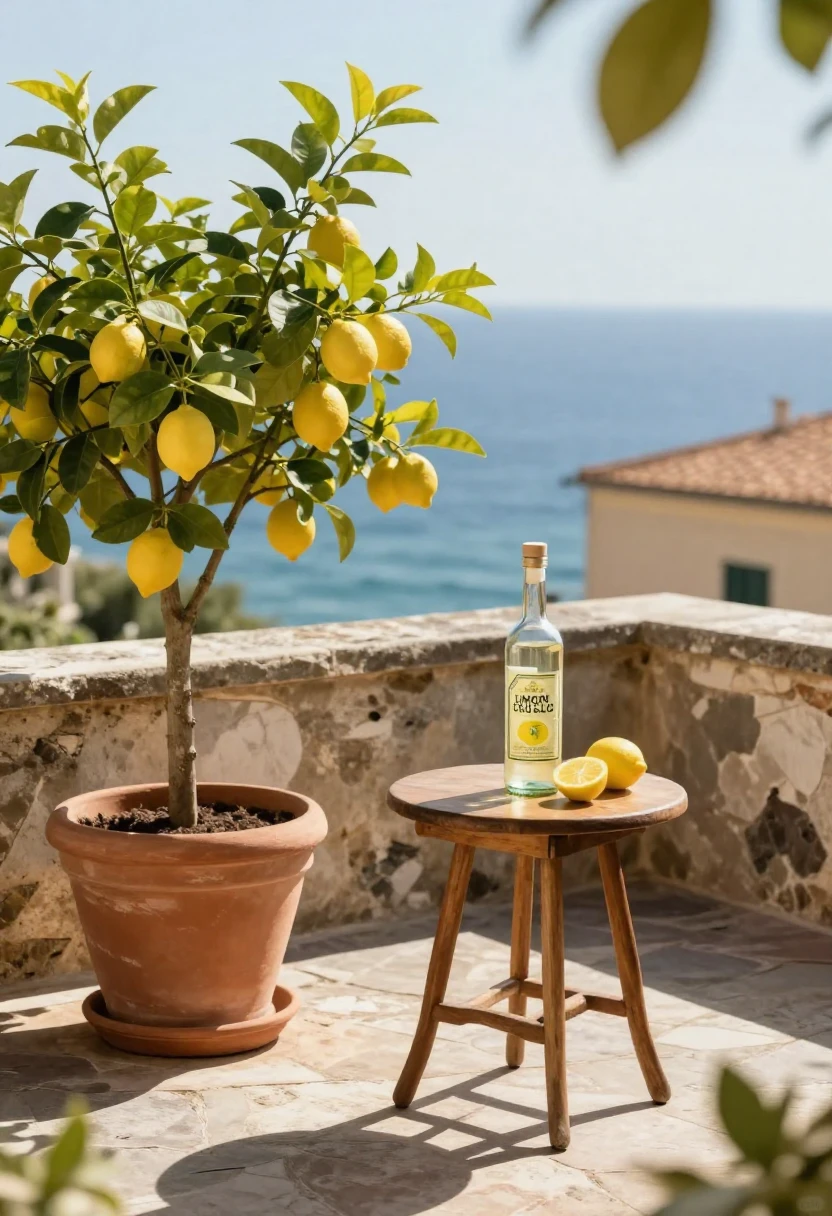
The Amalfi Coast, Capri, Sorrento, and parts of Sicily are often named as the spiritual home of limoncello. These areas are famous for their dramatic cliffs, deep blue seas, and — perhaps most importantly — their extraordinary lemons. Large, fragrant, thick-skinned, and intensely aromatic, these fruits thrive in the Mediterranean sun and sea air.
Long before limoncello became known internationally, families in these regions were already making their own versions at home.
Some stories speak of monks infusing lemon peels in alcohol centuries ago. Others describe farmers and innkeepers creating homemade liqueurs to welcome travelers. One popular tale traces limoncello back to small guesthouses in Capri, where hosts would serve it to visitors as a symbol of hospitality.
Whether these accounts are fully accurate matters less than what they reveal: limoncello was never meant to be a commercial invention. It grew organically out of daily life.
In coastal villages, lemons were everywhere. Trees grew in gardens and terraces. Peels were too precious to waste. Infusing them in alcohol became a practical and pleasurable way to preserve their aroma long after harvest season.
Over time, recipes were refined.
Ratios were adjusted.
Steeping times were tested.
Sweetness was balanced.
Each family developed its own approach, often guarded quietly and shared only with close relatives. These recipes were passed down not through written instructions, but through observation and repetition — watching grandparents peel lemons, measuring sugar by instinct, tasting and correcting.
For generations, limoncello remained a local treasure.
It was something you discovered while visiting relatives, staying in small inns, or being invited into someone’s home. It belonged to place and memory more than to markets.
Only in the late twentieth century did limoncello begin to gain wider recognition. Tourism brought curious visitors. Bottled versions appeared. Export followed. What had once been intimate and regional slowly became global.
Yet even today, many Italians will tell you that the best limoncello is still made at home.
Because history, in this case, is not only about dates and documents.
It is about continuity.
About hands repeating familiar movements.
About flavor carrying the past into the present.
When you sip limoncello, you are tasting that continuity — a tradition shaped by land, lemons, and generations who believed that some things are worth making slowly.
Why Lemon Matters — Citrus That Defines the Spirit
If limoncello has a heart, it is the lemon.
Not just any lemon, but a particular kind of fruit — fragrant, thick-skinned, intensely aromatic, and grown under generous sun. In traditional limoncello-making regions, lemons are not treated as simple ingredients. They are respected as the foundation of everything that follows.
The secret lies in the peel.
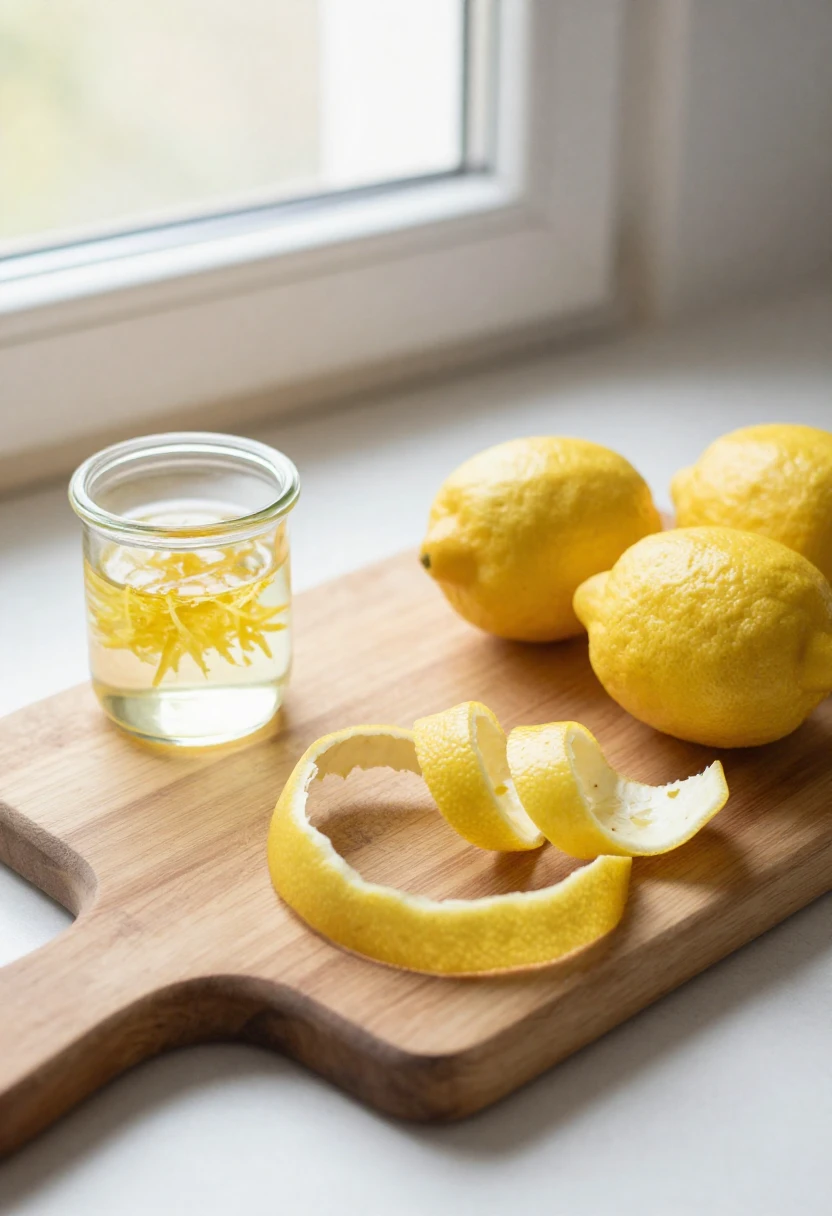
Lemon zest contains tiny pockets of essential oils that hold the fruit’s deepest aromas and most complex flavors. These oils carry brightness, bitterness, sweetness, and floral notes all at once. When steeped slowly in alcohol, they release their essence, creating the signature golden-yellow color and layered fragrance of authentic limoncello.
This is why juice plays a surprisingly small role.
Juice brings acidity, but very little aroma. Zest brings personality.
Great limoncello depends on lemons with thick, healthy skins and minimal chemical treatment. In Southern Italy, varieties like Sorrento and Amalfi lemons are prized for exactly this reason. Their peels are rich in oils and free from bitterness when handled properly.
But beyond variety, growing conditions matter deeply.
Lemons exposed to strong sunlight develop more aromatic compounds. Coastal air, mineral-rich soil, and steady temperatures all contribute to flavor intensity. These environmental factors concentrate themselves in the peel, turning each fruit into a small reservoir of place.
When making limoncello at home, this becomes immediately noticeable.
A lemon from a local organic market often produces a dramatically different infusion than a supermarket fruit shipped from far away. One yields perfume and warmth. The other may feel flat or overly sharp. The difference is not subtle.
Preparation also plays a crucial role.
Only the yellow outer layer should be used. The white pith beneath is bitter and can overpower the drink. Peeling requires patience and attention — slow movements, careful angles, steady hands. It is a small ritual that sets the tone for the entire process.
As you work, the scent fills the room.
Sharp. Sweet. Almost intoxicating.
It is in this moment that many people begin to understand why limoncello feels so special. You are not just preparing an ingredient. You are unlocking something stored inside the fruit, something invisible until you take the time to release it.
In limoncello, lemon is not a background flavor.
It is the voice.
It tells the story of sunlight, soil, season, and care. It carries the spirit of the land where it grew. And when treated with respect, it transforms a simple infusion into something luminous.
Everything else in limoncello exists to support that voice.
The Craft of Making Limoncello — Patience and Precision

At first glance, making limoncello seems almost too simple. You peel lemons, soak the zest in alcohol, add sugar syrup, and wait. No special equipment. No complicated techniques. No professional training required.
And yet, anyone who has made it more than once knows that this simplicity is deceptive.
Limoncello rewards patience.
It demands attention.
It reveals every shortcut.
The process begins with maceration — the slow infusion of lemon zest in high-proof alcohol. Traditionally, neutral spirits such as pure grain alcohol or high-quality vodka are used because they allow lemon oils to shine without interference. Over days and weeks, the alcohol draws aromatic compounds from the peel, turning clear liquid into a glowing yellow elixir.
Time matters here.
A short infusion produces a light, delicate flavor. A longer one creates depth and intensity. Too short, and the drink feels thin. Too long, and bitterness may creep in. Finding balance requires observation and tasting rather than blind adherence to timelines.
Once the infusion is ready, sugar syrup is added.
This step is where many recipes diverge. Some favor rich sweetness. Others prefer restraint. The ratio of sugar to water influences not only taste, but texture. A heavier syrup creates a thicker, more luxurious mouthfeel. A lighter one keeps the drink crisp and refreshing.
Temperature also plays a role. Syrup should be fully cooled before mixing to preserve clarity and aroma. Rushing this step can cloud the final product and mute fragrance.
After blending, patience returns.
Freshly mixed limoncello often tastes disjointed. Alcohol, sugar, and lemon compete rather than cooperate. Given time, however, these elements harmonize. Weeks of resting allow sharp edges to soften and flavors to merge into something cohesive and elegant.
Filtration may follow, removing sediment and ensuring visual purity. Bottling then marks the transition from process to promise — a promise that what you have created will continue to improve quietly in storage.
Throughout this craft, precision and intuition coexist.
Measurements provide structure.
Tasting provides direction.
Experience provides confidence.
Each batch teaches something new. One season’s lemons may require less sugar. Another year’s infusion may need extra aging. The maker learns to respond rather than impose.
This is why homemade limoncello often feels more meaningful than commercial versions.
It reflects time invested.
Mistakes corrected.
Preferences discovered.
It carries the fingerprint of the person who made it.
And in that quiet exchange between hands, fruit, and patience, craft becomes tradition — renewed with every bottle.
Modern Variations — From Classic to Creative
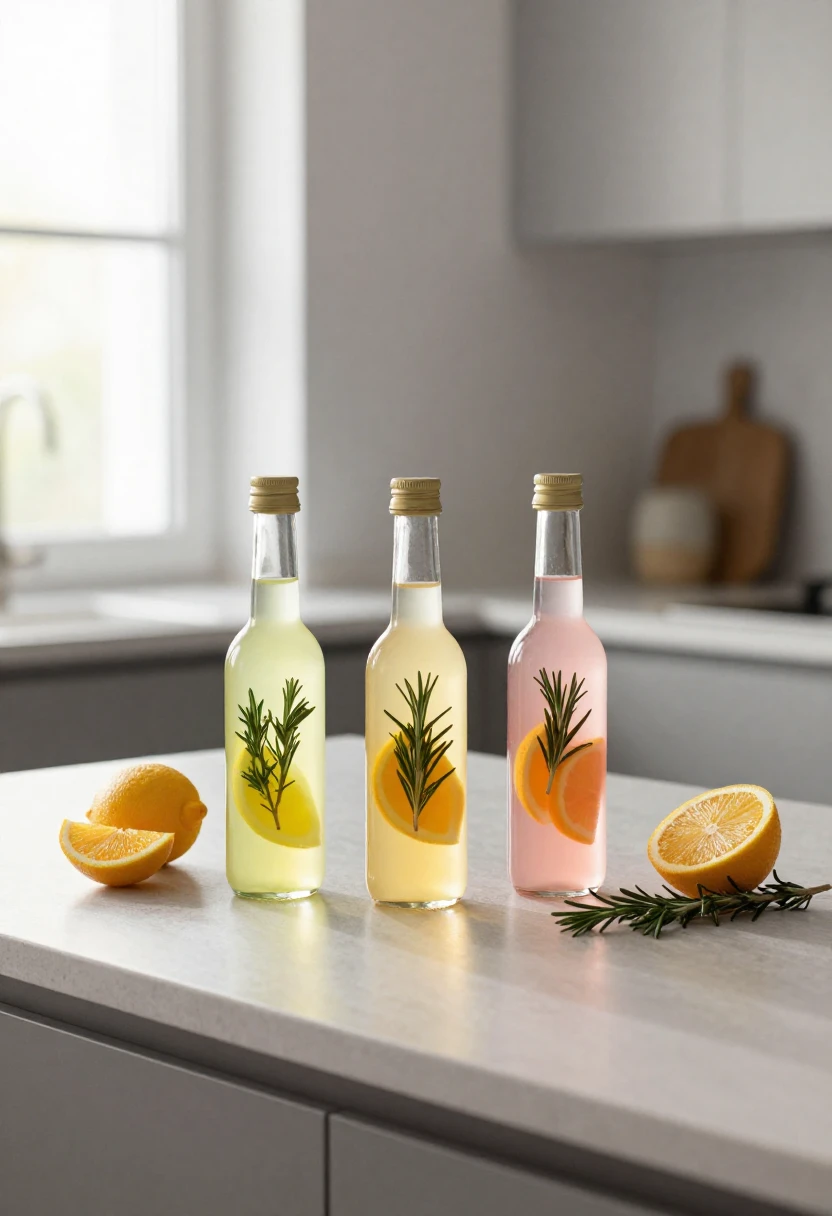
While traditional limoncello remains deeply respected, it has never been frozen in time. As more people around the world have embraced homemade liqueurs and artisanal spirits, limoncello has become a canvas for quiet experimentation and personal expression.
At its core, the classic recipe still serves as the foundation. Lemon zest, alcohol, sugar, and water remain essential. But within that framework, countless variations have emerged, each reflecting regional tastes, seasonal ingredients, and individual creativity.
Some makers begin by adjusting sweetness. Modern palates often prefer lighter, less sugary drinks, leading to versions that emphasize citrus brightness over syrupy richness. These limoncellos feel sharper, cleaner, and especially refreshing when served very cold.
Others explore botanical additions.
A few sprigs of rosemary can add piney depth.
Fresh basil brings gentle herbal sweetness.
Lavender introduces floral softness.
Ginger contributes warmth and subtle heat.
When used sparingly, these elements do not overpower lemon. Instead, they create new layers that unfold slowly with each sip.
Fruit-based variations have also gained popularity. Blood orange zest blended with lemon creates a warmer, amber-toned liqueur. Bergamot adds complexity and faint bitterness. Meyer lemons produce a softer, almost honeyed profile. Some makers even combine citrus with berries to produce rosé-style interpretations.
Another growing trend is alcohol base experimentation.
While neutral spirits remain standard, some producers use high-quality brandy, grappa, or even light rum to add subtle background notes. These versions are less traditional, but they can feel elegant and distinctive when carefully balanced.
Texture and presentation have evolved as well. Some modern limoncellos are lightly carbonated. Others are infused into cocktails, desserts, and frozen treats. Limoncello spritzes, granitas, and sorbets have become popular ways to reinterpret the classic flavor.
Yet despite these innovations, successful variations share one principle.
They respect the lemon.
No matter how creative the recipe becomes, citrus remains central. It is never masked. It is never diluted beyond recognition. Innovation enhances rather than replaces tradition.
This balance is what keeps limoncello relevant.
It allows each generation to make the drink its own while preserving its essence. It encourages curiosity without sacrificing identity.
In this way, limoncello continues to evolve — not as a trend, but as a living tradition shaped by imagination and restraint.
The Experience of Drinking It — Sips, Rituals, and Pairings

Limoncello is not meant to be rushed.
It is not poured into large glasses.
It is not taken in quick shots.
It is not treated like an ordinary spirit.
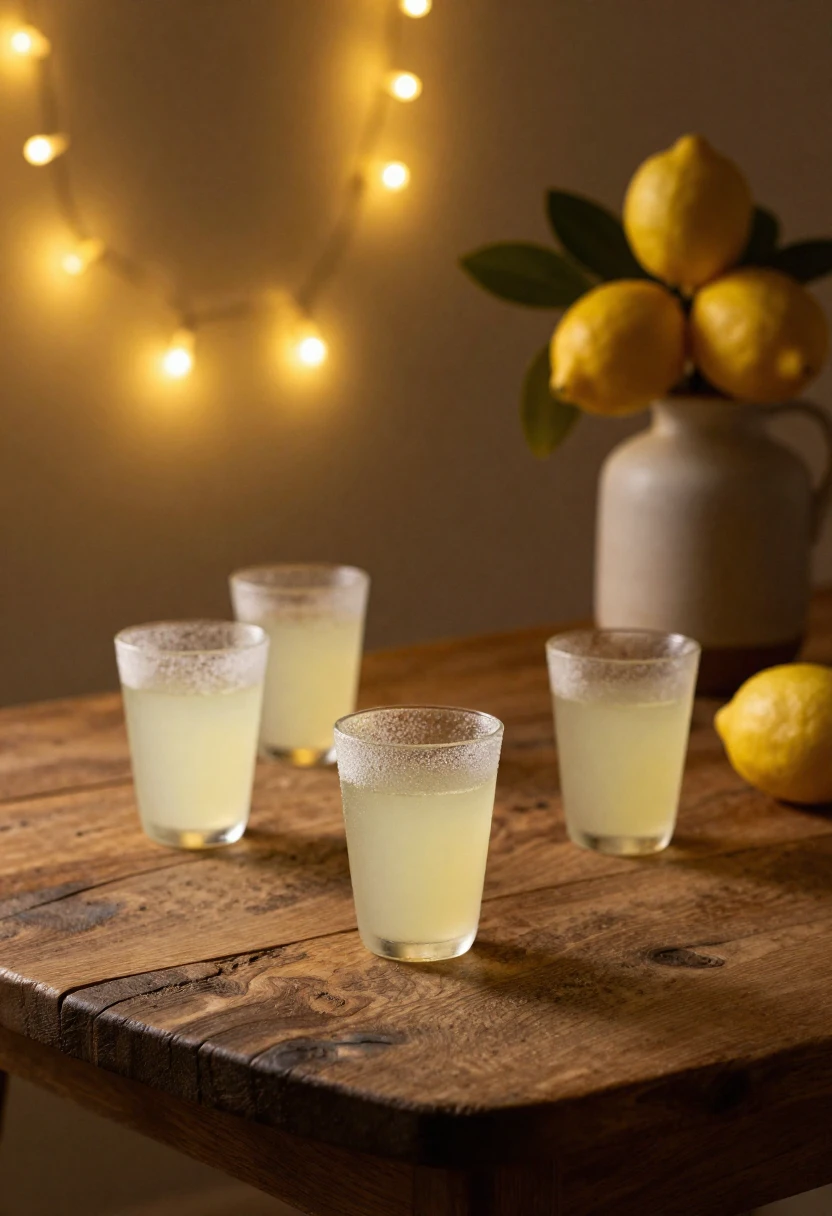
Traditionally, it is served in small, slender glasses that have been chilled in the freezer. When the bottle is removed from the cold, a soft frost often forms on the glass, and the liquid inside becomes thick and silky. Even before tasting, the ritual has begun.
This preparation matters.
Cold temperatures soften alcohol intensity and highlight citrus oils, allowing aroma and sweetness to unfold gently. The first sip feels smooth and rounded rather than sharp. The lemon notes appear slowly, lingering instead of striking.
In many Italian households, serving limoncello is part of closing a meal.
Plates are cleared.
Coffee may be poured.
Conversation slows.
Someone brings out the bottle, often with quiet pride. Glasses are filled modestly. There is no pressure to drink quickly. The moment belongs to connection rather than consumption.
This context shapes the experience.
Limoncello tastes different when shared. It feels warmer when linked to laughter, storytelling, and lingering evenings. It becomes part of hospitality rather than a product to be evaluated.
Pairings further enhance this ritual.
After dessert, limoncello acts as a bridge between sweetness and closure. It pairs beautifully with almond cookies, biscotti, lemon cakes, panna cotta, and fruit tarts. Its brightness cuts through creaminess and refreshes the palate.
It can also accompany simple fruit — strawberries, peaches, berries, or melon — highlighting natural sweetness without overwhelming it. In summer, this combination feels especially light and satisfying.
In more modern settings, limoncello often appears in cocktails or spritzes, mixed with sparkling water, prosecco, or tonic. While different from tradition, these drinks still reflect the same philosophy: freshness, balance, and ease.
Yet many enthusiasts agree that the purest experience remains the simplest.
A small frozen glass.
A quiet pause.
One thoughtful sip.
In that moment, limoncello becomes more than flavor. It becomes atmosphere. It marks transition. It signals that the day is winding down and that there is time to enjoy what remains.
This is why people remember their first truly good limoncello.
Not just for how it tasted.
But for how it made them feel.
Myths and Misconceptions — What Limoncello Is Not
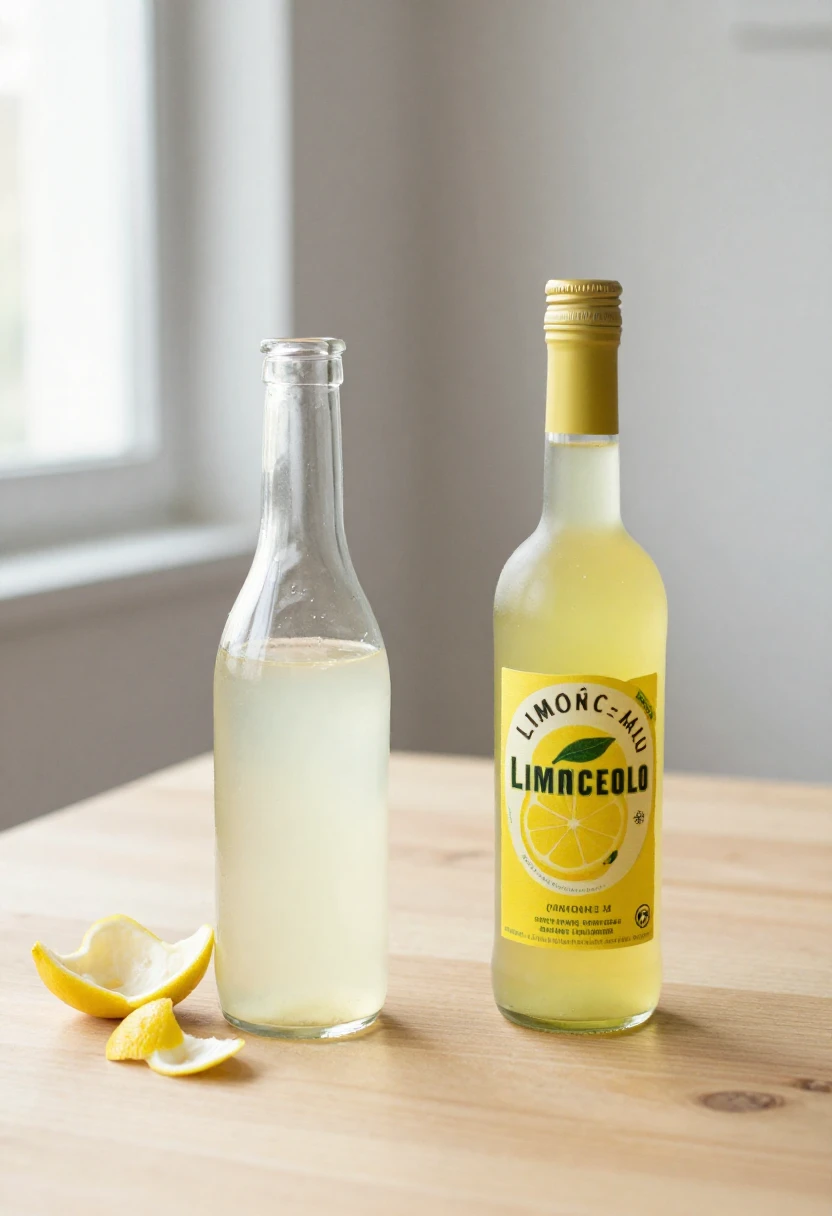
As limoncello has become more widely available around the world, it has also collected a number of misunderstandings. Bottled supermarket versions, overly sweet cocktails, and low-quality imitations have shaped perceptions that do not always reflect the true character of this traditional liqueur.
One of the most common myths is that limoncello is simply a sugary lemon drink with alcohol added.
In reality, authentic limoncello is built around aromatic oils extracted from fresh lemon zest. Sugar plays a supporting role, not the lead. When properly balanced, sweetness enhances citrus rather than masking it. A good limoncello should feel bright and clean, not syrupy and heavy.
Another misconception is that stronger means better.
Some people believe that high alcohol content automatically signals quality. This often leads to harsh, burning versions that overpower flavor. Traditional limoncello aims for harmony. Alcohol should carry aroma and structure, not dominate the palate. If the first sensation is heat rather than lemon, something is out of balance.
There is also the idea that limoncello is only useful as a cocktail ingredient.
While it does appear in many modern drinks, reducing it to a mixer ignores its cultural role. Limoncello was created to be enjoyed on its own, slowly and deliberately. Cocktails can be enjoyable, but they are adaptations, not replacements.
Another persistent myth is that all yellow liqueurs labeled “limoncello” are equivalent.
Many commercial products rely on artificial flavorings, colorants, and excessive sugar to mimic citrus character. These versions may look appealing, but they lack the complexity and freshness of true zest-based infusions. Once you taste a carefully made homemade or artisanal limoncello, the difference becomes unmistakable.
Some also assume that making limoncello is imprecise and casual.
In truth, successful batches require attention to detail. Zest thickness, infusion time, alcohol strength, syrup ratio, and resting period all matter. Small deviations can produce large changes in outcome.
Finally, there is the belief that limoncello is only for special occasions.
In traditional settings, it is woven into everyday hospitality. It appears after simple family meals as often as after celebrations. It is not reserved for rarity, but for connection.
Understanding what limoncello is not helps reveal what it truly is.
A Simple Homemade Recipe — Bring the Sunshine Home

Making limoncello at home is one of those rare culinary experiences that feels both accessible and deeply satisfying. With just a few ingredients and a little patience, you can create something that rivals — and often surpasses — many commercial versions.
More importantly, you create a drink that reflects your own taste and care.
At its heart, homemade limoncello is about balance and timing rather than complexity. When approached calmly, the process becomes almost meditative.
Ingredients
– 8 to 10 organic, unwaxed lemons
– 750 ml high-proof neutral alcohol (95% grain alcohol or high-quality vodka)
– 600 to 700 g sugar (adjust to taste)
– 1 liter filtered water
Step 1: Prepare the Zest
Wash and dry the lemons thoroughly. Using a sharp peeler or paring knife, remove only the yellow outer layer of the peel. Avoid the white pith, which adds bitterness.
As you work, notice the aroma filling the room. This fragrance is the essence of your future limoncello.
Step 2: Infuse
Place the zest in a large glass jar and pour the alcohol over it. Seal tightly and store in a cool, dark place.
Let it infuse for 10 to 30 days, gently shaking the jar every few days. The liquid will gradually turn deep yellow as oils are extracted.
Taste occasionally. When the lemon flavor feels vibrant but not harsh, it is ready.
Step 3: Make the Syrup
In a saucepan, combine sugar and water. Heat gently, stirring until the sugar dissolves completely. Do not boil. Allow the syrup to cool fully.
Step 4: Blend and Rest
Strain the zest from the infused alcohol. Slowly mix in the cooled syrup, tasting as you go until you reach your preferred balance.
Transfer to bottles and let rest for at least two weeks. Longer resting — one to three months — produces smoother, more integrated flavor.
Step 5: Serve
Store in the freezer and serve well chilled in small glasses.
Helpful Tips
Use the freshest lemons you can find.
Be patient with infusion and resting.
Taste thoughtfully, not frequently.
Keep notes for future batches.
Each time you make limoncello, you will learn something new.
Perhaps you prefer less sugar.
Perhaps longer infusion suits your palate.
Perhaps a certain lemon variety surprises you.
This recipe is a starting point, not a rulebook.
Over time, it becomes yours.
And when you finally pour that first glass — golden, fragrant, and quietly glowing — you will understand why people have been making limoncello at home for generations.
Wellness & Moderation — Enjoying Limoncello Mindfully

Limoncello is rooted in pleasure, but it is also rooted in balance.
In traditional settings, it is never about excess. The glass is small. The sip is slow. The purpose is not intoxication, but completion — a gentle punctuation mark at the end of a meal. This cultural context offers a subtle lesson in mindful enjoyment.
Alcohol, by its nature, deserves respect. When approached thoughtfully, it can be part of a relaxed and meaningful ritual. When consumed carelessly, it quickly loses that role. Limoncello’s strength lies in its ability to encourage slowness rather than speed.
The small serving size matters.
Because limoncello is concentrated in flavor and alcohol, only a modest amount is needed to feel satisfying. One well-chilled glass, sipped gradually, often provides more pleasure than multiple rushed drinks. Its sweetness and citrus oils naturally slow the pace, inviting attention rather than distraction.
There is also something grounding about homemade versions. When you have peeled the lemons yourself, waited weeks for infusion, adjusted the sugar carefully, and watched the liquid transform, you are less likely to treat it casually. Craft creates awareness.
Mindful enjoyment also means choosing the right moment.
After a nourishing meal.
In good company.
On an evening when there is time to sit and talk.
In this way, limoncello becomes less about alcohol and more about atmosphere. It enhances connection rather than replacing it. It supports digestion and conversation rather than dominating the experience.
For those who prefer lighter options, small adjustments are possible. Lowering the alcohol content slightly, reducing sugar, or serving with sparkling water can create a gentler variation without sacrificing character. The goal is not strict rules, but thoughtful adaptation.
Ultimately, wellness is not about eliminating pleasure. It is about integrating it wisely.
Limoncello, when enjoyed with intention, aligns beautifully with this philosophy. It encourages gratitude for craftsmanship, appreciation for flavor, and awareness of limits.
One small glass.
One slow moment.
One conscious choice.
And that is often more than enough.
Limoncello begins with lemons, alcohol, sugar, and water. But it never ends there.
By the time it reaches your glass, it has absorbed far more than ingredients. It carries sunlight and soil, patience and precision, history and adaptation. It reflects hands that peeled carefully, waited faithfully, and tasted thoughtfully. It holds time in suspension.
Every bottle tells a story.
Some are tied to family kitchens, where recipes are passed down quietly and adjusted instinctively. Others are born from curiosity, from someone deciding to try something new on a quiet weekend. Some are made for celebration. Others for comfort. All are shaped by intention.
What makes limoncello special is not its complexity, but its sincerity.
It does not try to impress with extravagance.
It does not demand attention.
It offers warmth without noise.
It fits naturally into moments of togetherness. After a long dinner. During a late-night conversation. On a balcony overlooking fading light. It appears when people are ready to slow down and be present.
Over time, these moments accumulate.
A shared glass becomes a shared memory.
A familiar bottle becomes part of tradition.
A simple ritual becomes emotional heritage.
Years later, a sip of limoncello can bring it all back. The table. The voices. The laughter. The feeling of belonging. Taste becomes a bridge between past and present, between who you were and who you are.
This is the quiet power of food and drink made with care.
They anchor us.
They remind us that pleasure does not need to be excessive to be meaningful. That craftsmanship does not need spectacle to matter. That the most beautiful experiences are often the simplest ones, repeated with love.
Limoncello, in the end, is not just something you drink.
It is something you remember.
And each time you make it, share it, or savor it slowly, you add another chapter to its story — and to your own.