Ancient Grains for a Modern Kind of Nourishment
There’s a quiet shift happening in the way we eat.
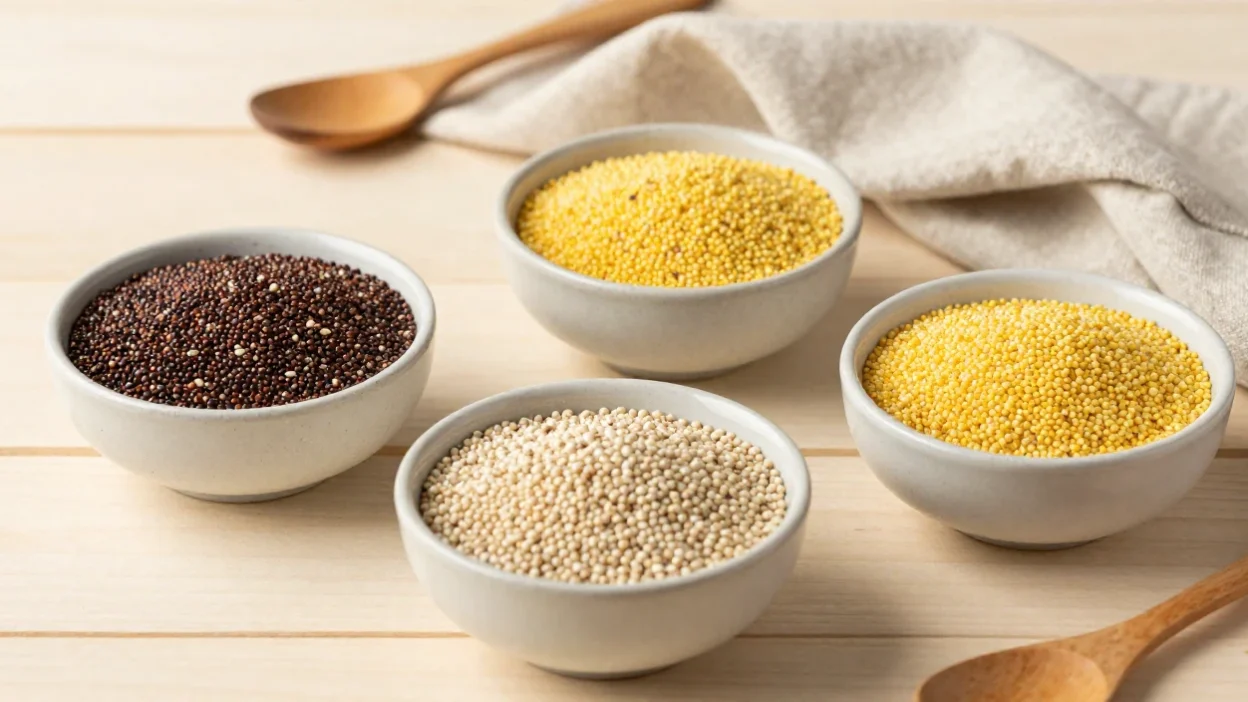
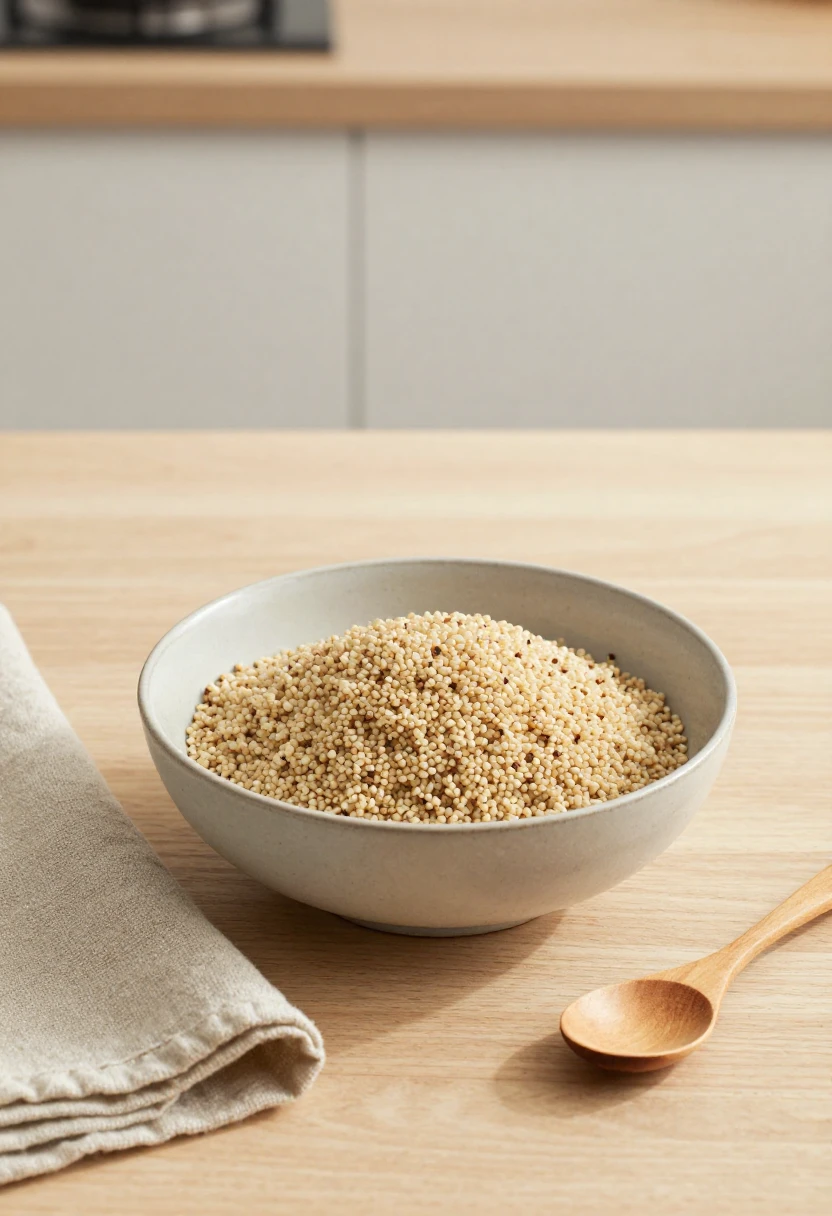
More and more, we’re reaching for foods that feel grounding rather than flashy — ingredients that don’t shout promises of instant results, but gently support us over time. In that return to simplicity, ancient grains like quinoa, millet, and amaranth are finding their way back into modern kitchens.
These grains aren’t new discoveries. In fact, they’ve nourished civilizations for thousands of years, long before refined flours and ultra-processed staples became the norm. What is new is the way we’re beginning to see them again — not as niche health foods, but as everyday ingredients that fit naturally into a balanced, thoughtful way of eating.
Quinoa, millet, and amaranth offer something many of us are craving: nourishment that feels both practical and intuitive. They’re naturally gluten-free, rich in plant-based protein, packed with essential minerals, and surprisingly versatile. But beyond nutrition labels and health claims, these grains bring something quieter to the table — steadiness. The kind of food that keeps you satisfied, energized, and supported without asking for constant attention.
At Book of Foods, we often explore ingredients that connect nourishment with lived experience — foods that work just as well in a simple weekday meal as they do in a more intentional cooking ritual. Ancient grains fit beautifully into that space. They’re humble, resilient, and deeply adaptable, much like the way many of us are learning to eat now.
In this article, we’ll take a closer look at quinoa, millet, and amaranth — where they come from, what makes them nutritionally unique, and how they can gently support everyday wellness. Whether you’re curious about diversifying your grains, looking for plant-based protein sources, or simply wanting food that feels good to eat, these ancient staples have something meaningful to offer.
Sometimes, the most nourishing choices aren’t about eating differently — they’re about eating more wisely, with ingredients that have stood the test of time.
What Makes These Grains “Ancient”
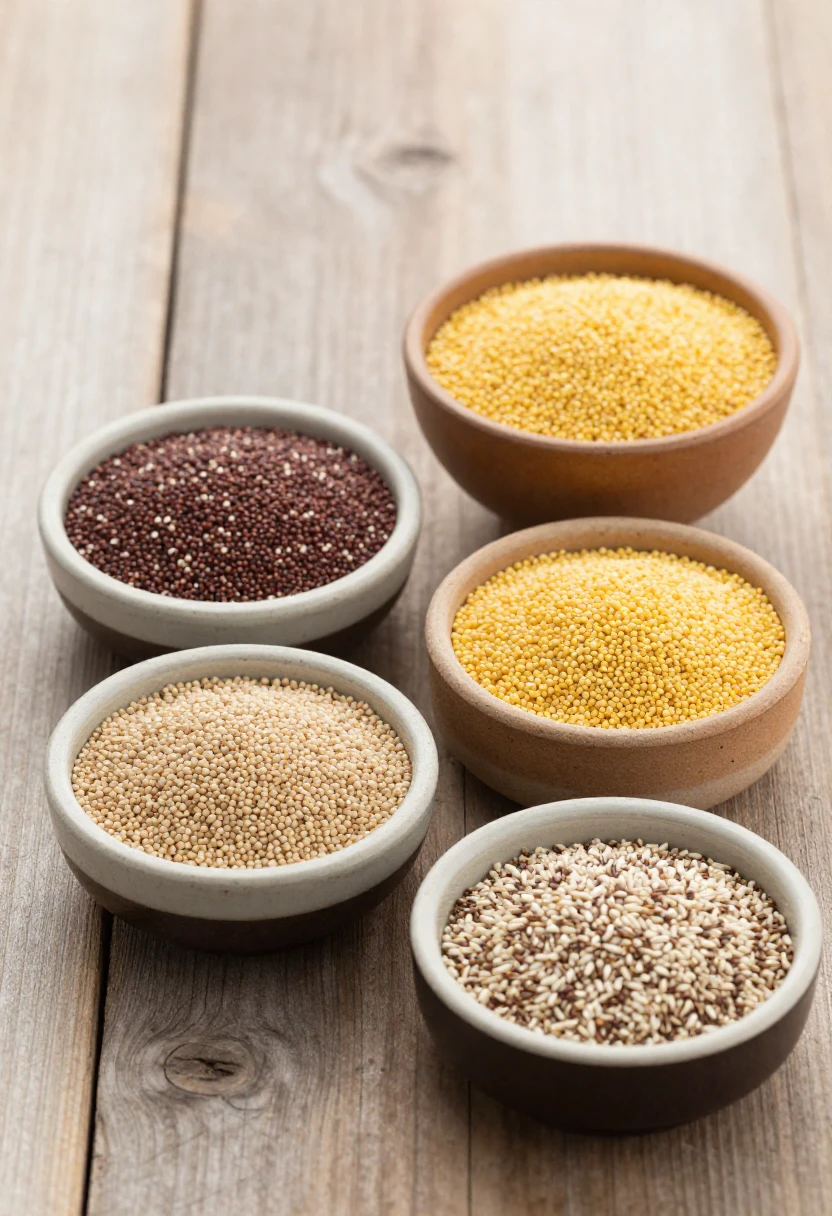
When we call quinoa, millet, and amaranth ancient grains, we’re not using the word as a marketing label. It’s a quiet acknowledgment of something rare in modern food culture: continuity.
These grains have been grown and eaten in much the same form for thousands of years. Long before industrial agriculture standardized crops for yield and shelf life, ancient civilizations relied on these plants for daily nourishment — and they did so without heavily altering their structure.
Ancient Doesn’t Mean Outdated
“Ancient” doesn’t mean primitive or nutritionally inferior. In fact, it often means the opposite.
Ancient grains are defined by the fact that they have:
- remained largely unchanged through centuries of cultivation
- avoided extensive hybridization or genetic modification
- retained their original nutrient profiles
In contrast, many modern grains have been selectively bred to prioritize speed, uniformity, and processing efficiency — sometimes at the expense of diversity and nutritional depth.
Where These Grains Come From
Each of these grains has deep roots in a specific region and culture:
- Quinoa was a staple of Andean civilizations, valued for its resilience and complete protein profile.
- Millet sustained communities across Africa and Asia, thriving in dry climates where other crops struggled.
- Amaranth played a central role in ancient Mesoamerican diets, prized for both its seeds and leafy greens.
These grains weren’t dietary trends — they were survival foods, trusted over generations.
Why Ancient Grains Matter Today
In a modern context, ancient grains offer something increasingly valuable: balance.
Because they haven’t been overly refined or stripped down, they tend to:
- provide steady, long-lasting energy
- contain more fiber and minerals
- feel more satisfying and grounding
Many people also find them easier to digest, especially when compared to heavily processed grain products.
A Different Relationship With Food
Eating ancient grains invites a subtle shift in perspective. Instead of focusing on novelty or restriction, it encourages continuity — eating foods that have supported human nourishment across climates, cultures, and centuries.
There’s a quiet confidence in that.
Sometimes, the most forward-thinking food choices are rooted in the past.
Understanding what makes these grains “ancient” helps explain why they feel so relevant today. They offer nourishment that’s steady, adaptable, and deeply human — qualities that translate just as well to modern kitchens as they did to ancient ones.
Quinoa: A Complete Protein Grain
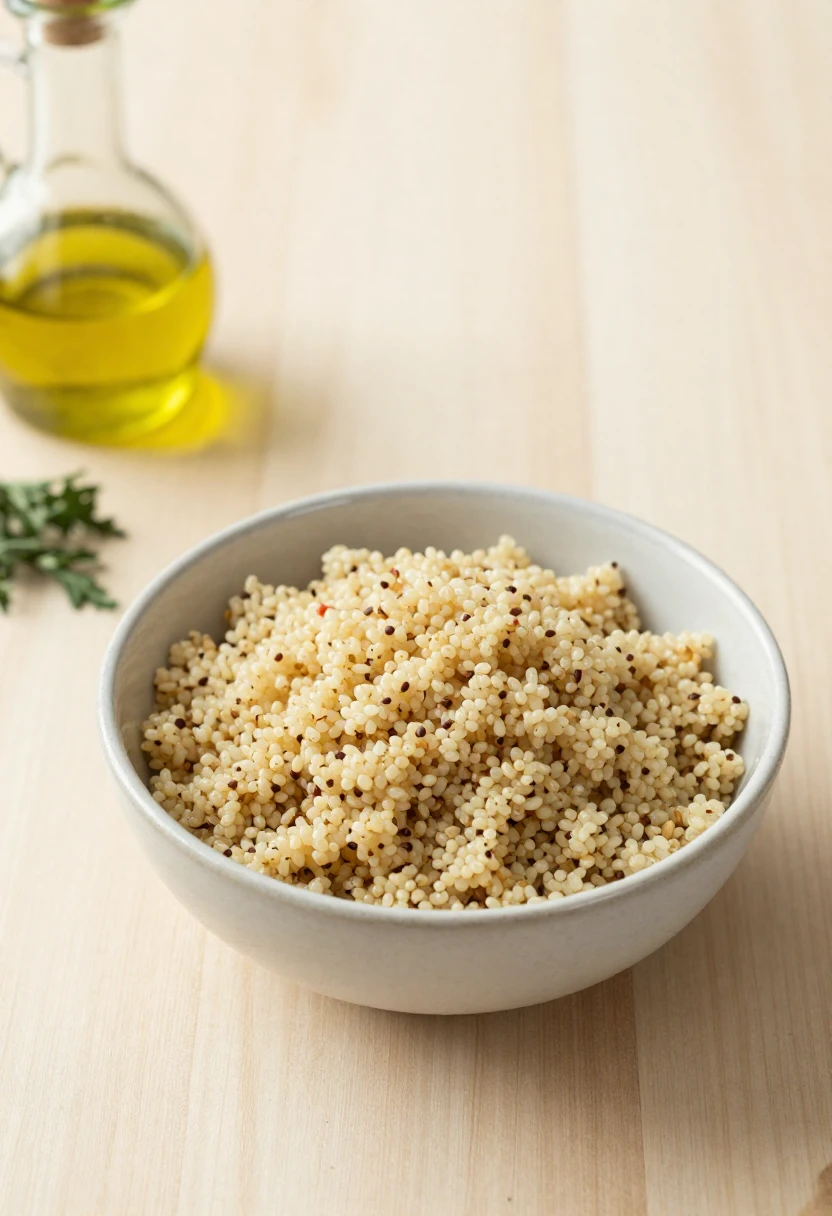
Quinoa often feels like the gateway grain — the one many people encounter first when they begin exploring alternatives to rice or wheat. But its popularity isn’t accidental. Beneath its light, fluffy texture is a nutritional profile that quietly sets it apart.
Technically, quinoa isn’t a grain at all. It’s a seed, but it’s used and cooked like a grain, making it both familiar and flexible in everyday meals.
Why Quinoa Is Nutritionally Unique
What truly distinguishes quinoa is its status as a complete protein. Unlike most plant-based foods, quinoa contains all nine essential amino acids — the building blocks the body can’t produce on its own.
This makes it especially valuable for:
- plant-based and vegetarian diets
- anyone looking to balance meals without relying heavily on animal protein
- people seeking sustained energy rather than quick spikes
Beyond protein, quinoa also provides:
- fiber for digestion and satiety
- magnesium and iron for energy and muscle function
- naturally gluten-free nourishment
How Quinoa Supports Everyday Energy
Quinoa offers a kind of energy that feels steady rather than sharp. Because it combines protein, complex carbohydrates, and fiber, it tends to digest more slowly — helping you feel satisfied longer after a meal.
Many people notice that meals built around quinoa:
- keep hunger at bay between meals
- feel lighter yet more sustaining than refined grains
- support focus and balance throughout the day
It’s the kind of ingredient that quietly works in the background, supporting rather than demanding attention.
Texture, Taste, and Versatility
One of quinoa’s strengths is how easily it adapts.
Its mild, slightly nutty flavor allows it to:
- absorb spices, herbs, and dressings beautifully
- work just as well in savory dishes as in lightly sweet ones
- transition from breakfast bowls to salads to warm grain sides
When cooked properly, quinoa becomes tender with a gentle bite — never heavy, never bland.
A Small Tip That Makes a Big Difference
Quinoa is naturally coated with saponins, compounds that can taste bitter if not removed. Rinsing quinoa thoroughly before cooking helps bring out its clean, pleasant flavor.
It’s a small step, but one that transforms the experience.
Quinoa in a Thoughtful Kitchen
Quinoa fits seamlessly into a mindful, flexible way of eating. It doesn’t ask for complicated preparation or strict rules. It simply offers nourishment that feels reliable and easy to return to.
In many ways, quinoa reflects what ancient grains do best: provide nourishment that’s both practical and deeply rooted — food that supports the body without overwhelming it.
Millet: Small Seed, Big Nutrition
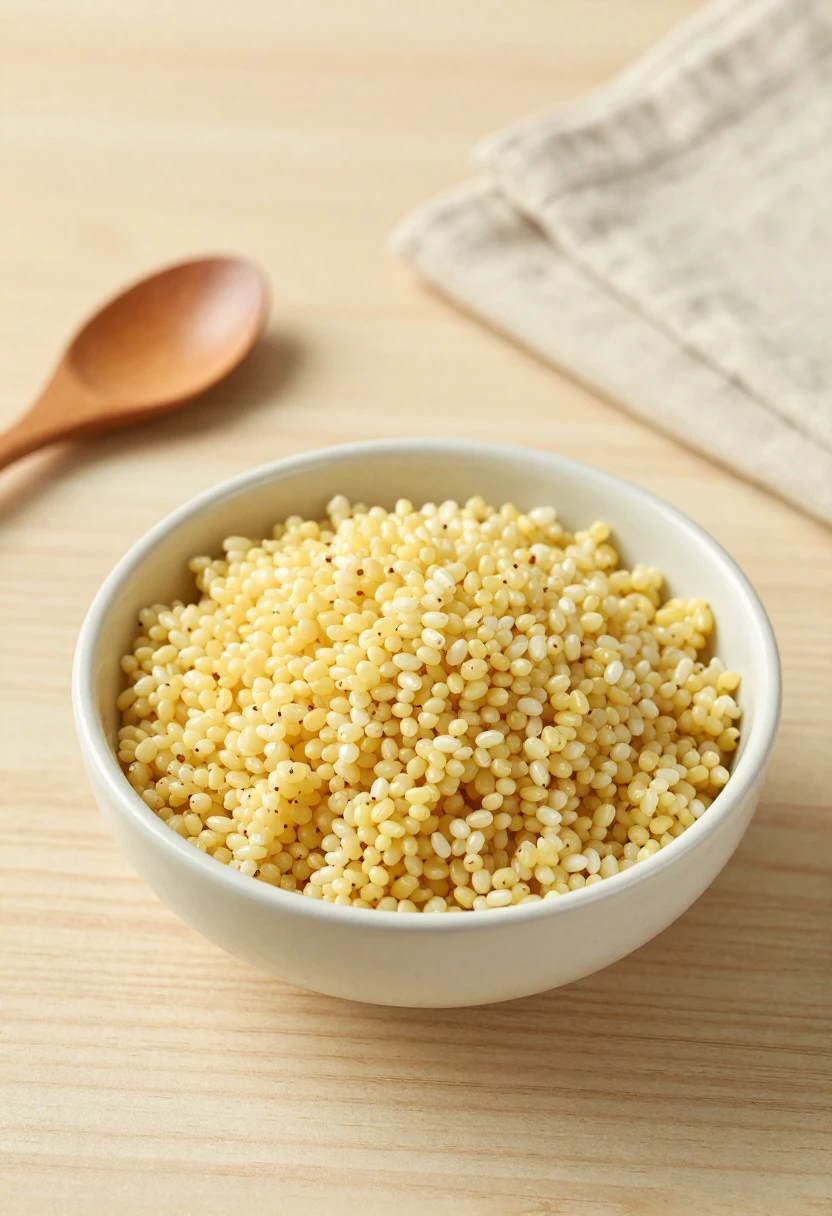
Millet doesn’t always get the attention it deserves. It’s quieter than quinoa, less familiar in many Western kitchens, and often misunderstood as a single grain rather than a whole family of seeds. But for centuries, millet has been a nutritional cornerstone across Africa and Asia — trusted, resilient, and deeply nourishing.
What millet lacks in trendiness, it makes up for in reliability.
What Exactly Is Millet?
Millet isn’t one grain, but a group of small-seeded grasses that grow well in dry, challenging climates. Some of the most common varieties include:
- pearl millet
- finger millet (ragi)
- foxtail millet
Each type has its own subtle flavor and texture, but they share similar nutritional strengths.
Naturally gluten-free and easy to digest, millet has long been valued as an everyday staple rather than a specialty food.
Gentle Energy and Digestive Support
One of millet’s most appreciated qualities is how gentle it feels in the body.
Because it’s rich in complex carbohydrates and fiber, millet:
- provides steady, slow-releasing energy
- supports digestion without heaviness
- helps maintain stable blood sugar levels
Many people who find refined grains draining or bloating discover that millet feels grounding and comfortable — the kind of food that supports rather than distracts.
Nutritional Highlights of Millet
Millet offers a range of nutrients that quietly support daily wellness:
- magnesium for muscle and nerve function
- phosphorus for bone health
- antioxidants that help protect cells
- plant-based protein that complements other foods
It’s especially useful in meals meant to nourish without overwhelming — breakfasts, light lunches, or simple dinners.
A Flavor That Adapts Easily
Mild and slightly nutty, millet is incredibly versatile.
Depending on how it’s cooked, it can be:
- fluffy and light, similar to couscous
- creamy and comforting, like porridge
- crisped lightly for texture in salads
It takes on spices and seasonings well, making it easy to incorporate into both savory and subtly sweet dishes.
Millet in Everyday Cooking
Millet shines when treated simply. A warm bowl with vegetables, herbs, and olive oil can feel just as satisfying as a more complex grain dish. It’s also commonly used in flatbreads, breakfast porridges, and one-pot meals across traditional cuisines.
In a modern kitchen, millet offers flexibility without fuss — nourishment that fits naturally into everyday routines.
If quinoa is the grain people discover first, millet is often the one they return to for comfort.
Amaranth: The Tiny Grain With Mighty Power
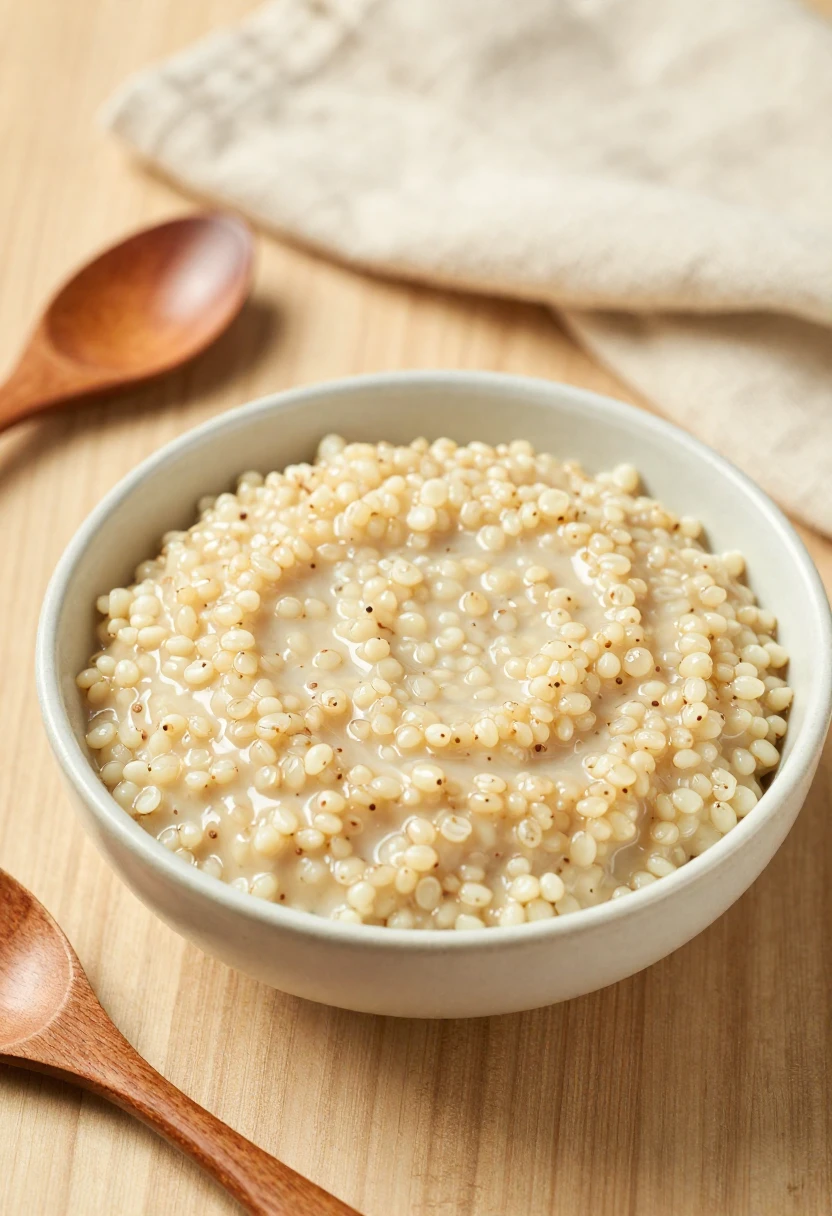
Amaranth may be small, but it carries a quiet intensity that sets it apart. Long before it appeared on modern wellness lists, amaranth was a sacred staple in ancient Mesoamerican cultures — valued not only for sustenance, but for strength, resilience, and vitality.
Like quinoa, amaranth is technically a seed, though it’s used as a grain in cooking. And while it doesn’t look like much at first glance, its nutritional depth tells a very different story.
Why Amaranth Is Nutritionally Special
Amaranth stands out for its impressive protein content and unique amino acid profile. It’s especially rich in lysine, an essential amino acid that many grains lack and that plays a role in tissue repair and immune support.
Alongside protein, amaranth provides:
- iron to support oxygen flow and energy
- calcium and magnesium for bone health
- fiber for digestion and satiety
Naturally gluten-free, it’s also well suited for those looking to diversify their grain intake without relying on wheat-based options.
A Grain That Nourishes Deeply
Amaranth tends to feel more substantial than quinoa or millet. When cooked, it becomes soft and slightly gelatinous — almost porridge-like — which makes it especially comforting.
This texture contributes to:
- a feeling of fullness with smaller portions
- slower digestion and steady energy
- meals that feel warming and grounding
It’s the kind of food that works well when the body needs extra support — during busy seasons, colder months, or times of recovery.
Flavor and Texture: Different, but Worth Exploring
Amaranth has a mildly earthy, nutty flavor that’s more pronounced than quinoa’s but still gentle enough to pair easily.
It works beautifully in:
- warm breakfast bowls
- savory porridges with vegetables and herbs
- thickening soups or stews naturally
Because of its texture, amaranth often benefits from being paired with other ingredients — vegetables, spices, or fats — that balance and round out the dish.
Beyond the Grain: A Whole-Plant Ingredient
One of the most interesting aspects of amaranth is that it’s more than just a seed. In many traditional cuisines, amaranth leaves are also eaten, offering additional vitamins and minerals.
This whole-plant approach reflects the grain’s origins: food grown to nourish fully, with little waste and maximum value.
Amaranth in a Modern Kitchen
Amaranth may take a little getting used to, but it rewards curiosity. Once familiar, it becomes a dependable ingredient — especially for those seeking meals that feel deeply nourishing rather than light or fleeting.
Among ancient grains, amaranth reminds us that size doesn’t determine impact. Sometimes, the smallest ingredients offer the greatest support.
How These Grains Compare to Common Grains
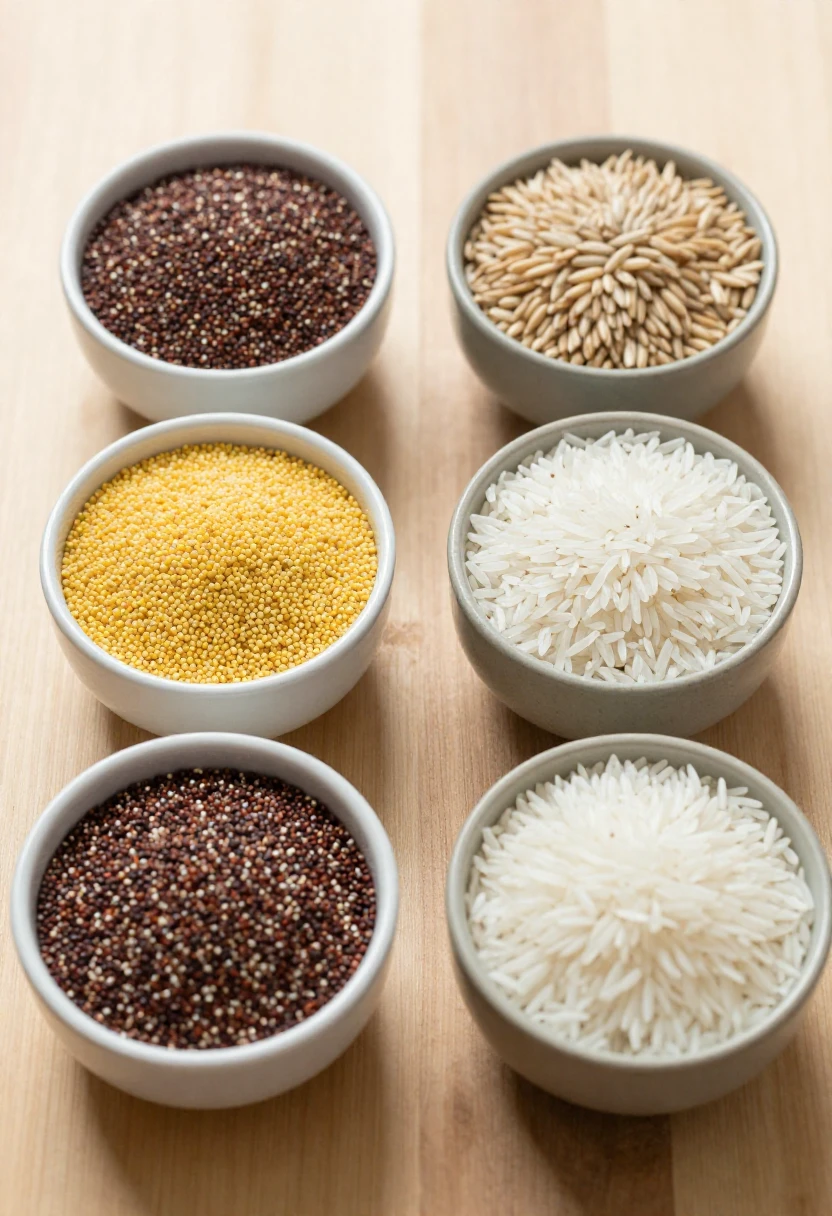
Quinoa, millet, and amaranth often get grouped together as “healthy alternatives,” but what does that really mean in practice? To understand their value, it helps to look at how they compare to more familiar grains like white rice, wheat, or even oats — not to declare winners, but to understand what each one offers.
Refined vs. Whole: A Key Difference
Many commonly eaten grains today are refined. During processing, parts of the grain — including fiber, minerals, and natural oils — are removed to improve texture and shelf life. What’s left is often easier to cook, but nutritionally simpler.
Ancient grains, by contrast, are typically eaten whole. This means they retain:
- more fiber for digestion
- a broader range of minerals
- a more complex structure that slows digestion
That complexity is part of why they tend to feel more satisfying.
Protein Content: Where Ancient Grains Shine
One of the most noticeable differences is protein.
- Quinoa stands out as a complete protein, offering all essential amino acids.
- Amaranth provides higher protein levels than most grains and is rich in lysine.
- Millet offers moderate protein, especially valuable when paired with legumes or vegetables.
Compared to white rice or refined wheat products, these grains contribute more meaningfully to daily protein intake — especially in plant-forward diets.
Fiber and Digestion
Fiber plays a major role in how food feels in the body.
Ancient grains tend to:
- support more stable blood sugar levels
- promote longer-lasting fullness
- feel gentler and more grounding when eaten regularly
Refined grains, while quick to digest, often lead to quicker hunger and energy dips.
Gluten and Digestive Comfort
Another important distinction: quinoa, millet, and amaranth are naturally gluten-free.
For people with gluten intolerance or those who simply feel better limiting gluten, these grains offer variety without sacrificing nourishment. Even for those who tolerate gluten well, rotating in gluten-free grains can support dietary diversity.
Taste, Texture, and Use in the Kitchen
From a culinary perspective, ancient grains offer diversity that common grains sometimes lack.
- Quinoa is light and fluffy, ideal for salads and bowls.
- Millet can be creamy or fluffy, depending on preparation.
- Amaranth is rich and comforting, perfect for porridges and stews.
Compared to rice or wheat, they bring different textures that can make meals feel more interesting without being complicated.
Choosing Grains With Intention
This isn’t about eliminating familiar grains entirely. Rice, wheat, and oats all have their place. The value of ancient grains lies in expanding the palette, not replacing it.
By incorporating quinoa, millet, and amaranth alongside more common staples, meals become:
- more nutritionally diverse
- more satisfying
- more aligned with a thoughtful, balanced approach to eating
Ancient grains don’t demand exclusivity. They simply offer options — and sometimes, that’s exactly what nourishment looks like.
Ways to Include Them in Your Everyday Meals
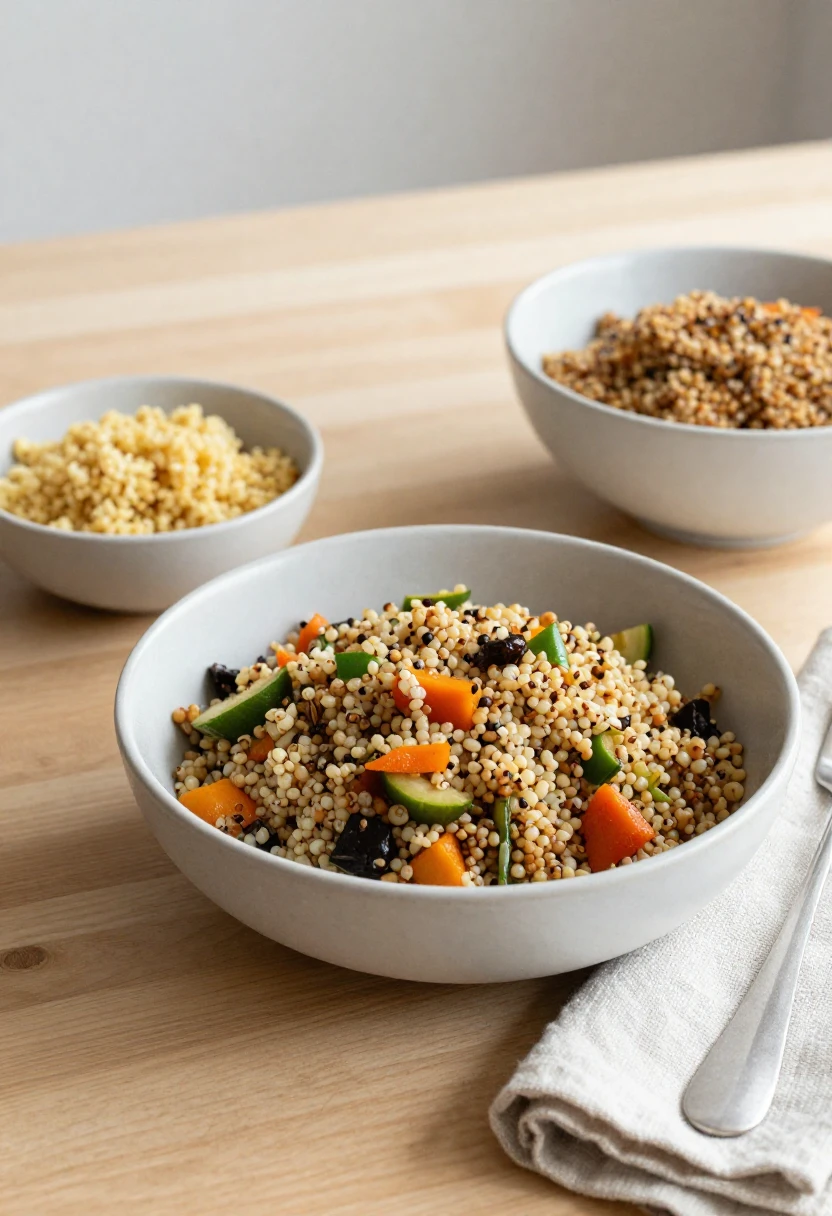
One of the biggest misconceptions about ancient grains is that they require a lifestyle overhaul or complicated cooking methods. In reality, quinoa, millet, and amaranth fit best when they’re treated like everyday ingredients, not special projects.
They’re flexible, forgiving, and easy to adapt to the meals you already enjoy.
Start by Swapping, Not Reinventing
The simplest way to bring ancient grains into your kitchen is to substitute them where you already use grains.
- Replace rice with quinoa in grain bowls or stir-fries
- Use millet instead of couscous or small pasta
- Add amaranth where you’d normally make porridge or oatmeal
These small swaps keep meals familiar while quietly increasing their nutritional depth.
Breakfast: Warm, Grounding, and Satisfying
Ancient grains work beautifully in the morning, especially if you enjoy warm breakfasts.
- Millet porridge with fruit, nuts, and a drizzle of honey
- Amaranth breakfast bowls cooked slowly for a creamy texture
- Quinoa breakfast bowls with yogurt, seeds, or soft spices
These meals tend to feel more sustaining than refined cereals, helping energy last longer into the day.
Lunch: Light but Nourishing
For midday meals, ancient grains add substance without heaviness.
Try:
- quinoa salads with vegetables, herbs, and simple dressings
- millet-based grain bowls with roasted vegetables
- leftover amaranth added to soups or stews for body and texture
They travel well, reheat easily, and hold flavor throughout the day.
Dinner: Comfort Without Overload
In the evening, these grains shine when paired with vegetables and healthy fats.
- quinoa as a base for warm bowls or stuffed vegetables
- millet cooked softly as a side dish instead of rice
- amaranth used to thicken soups or create hearty one-pot meals
Because they digest more slowly, they often feel satisfying without feeling too heavy before rest.
Keep Preparation Simple
Ancient grains don’t need elaborate seasoning to work well.
A few basics go a long way:
- olive oil or butter
- salt added early in cooking
- herbs, spices, or aromatics you already use
Cooking them in broth instead of water is an easy way to add depth without effort.
Let Familiarity Build Gradually
You don’t need to use all three grains at once. Choose one, learn how it behaves, and let it become familiar. Over time, these grains stop feeling “new” and start feeling dependable.
Nourishing food works best when it feels natural, not forced.
Ancient grains are at their best when they quietly support everyday meals — not when they demand attention.
Common Myths and Misconceptions
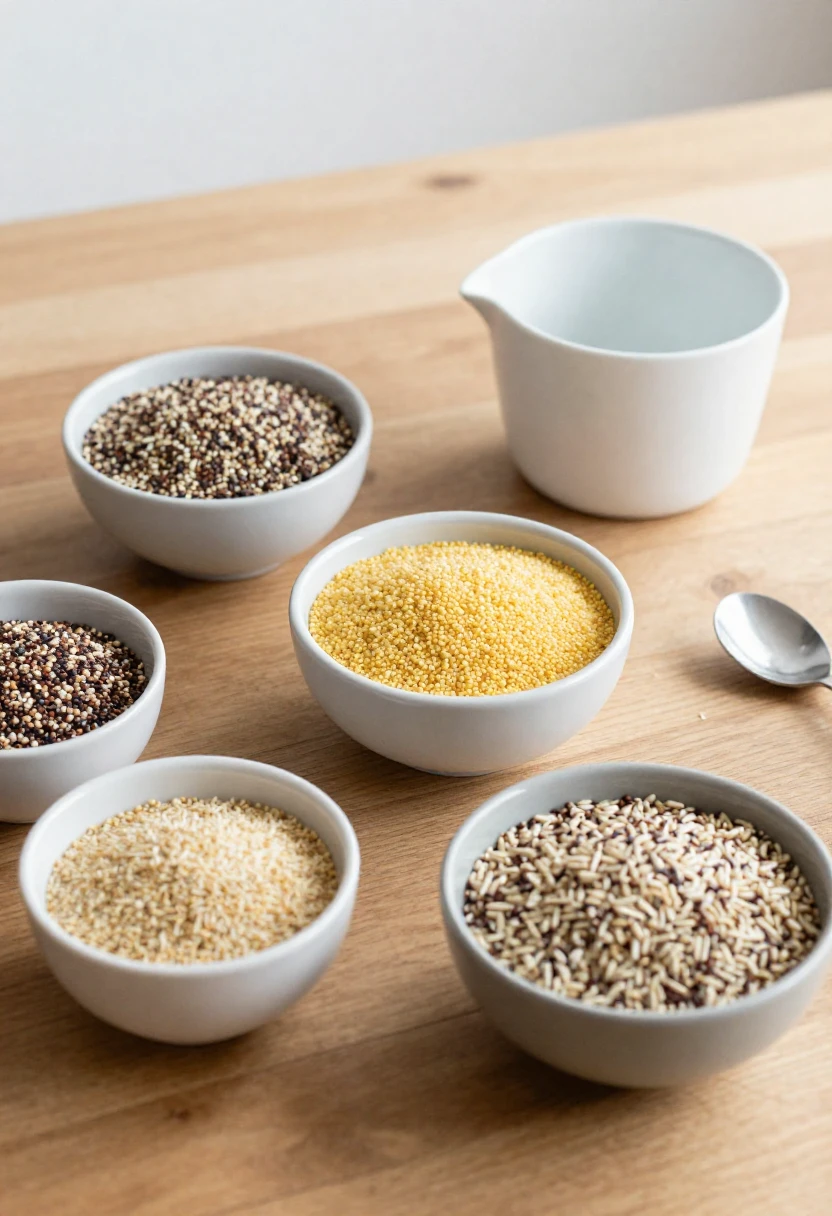
Ancient grains often get wrapped in a layer of misunderstanding. They’re sometimes seen as complicated, expensive, or “only for health-focused cooks.” In reality, most of these assumptions don’t hold up once you get familiar with how these grains actually work in everyday kitchens.
Let’s clear up a few of the most common myths.
“Ancient Grains Are Hard to Cook”
This is one of the biggest misconceptions.
In truth:
- Quinoa cooks in about 15 minutes
- Millet takes roughly the same time as rice
- Amaranth needs a bit more patience, but minimal effort
If you can cook rice or oats, you can cook ancient grains. Most of them follow a simple grain-to-liquid ratio and don’t require special equipment or techniques.
“They Don’t Taste Good”
Because ancient grains have mild, natural flavors, they sometimes get labeled as bland. But that neutrality is actually their strength.
Quinoa, millet, and amaranth are designed to:
- absorb seasonings well
- complement vegetables, herbs, and spices
- adapt to both savory and lightly sweet dishes
When cooked with a pinch of salt or broth, their flavor becomes subtle and pleasant — never overpowering.
“Ancient Grains Are Only for Special Diets”
While these grains are popular in gluten-free and plant-based diets, they aren’t limited to them.
Ancient grains aren’t about restriction. They’re about variety. They fit just as easily into omnivorous diets, traditional home cooking, and comfort food-style meals.
They don’t replace other foods — they simply expand options.
“They’re Too Expensive for Everyday Use”
While packaged grain blends can be pricey, plain quinoa, millet, and amaranth are often affordable when bought in bulk or simple packaging.
Because they’re filling and nutrient-dense:
- smaller portions go further
- meals tend to be more satisfying
- food waste is often reduced
In that sense, they can actually be cost-effective staples.
“You Have to Eat Them Perfectly to Get the Benefits”
Nutrition doesn’t disappear because a meal isn’t optimized.
Ancient grains don’t require perfect pairings or ideal preparation to be beneficial. Even simple, imperfect meals provide fiber, minerals, and steady energy.
Nourishment doesn’t demand precision — it responds to consistency.
Letting Go of the Myths
Once these misconceptions are set aside, ancient grains stop feeling intimidating. They become what they’ve always been: reliable, adaptable foods meant to be eaten regularly, not admired from a distance.
Understanding what they aren’t makes it easier to appreciate what they are — steady, nourishing ingredients that work quietly in the background of everyday life.
FAQs About Quinoa, Millet & Amaranth
Are quinoa, millet, and amaranth gluten-free?
Yes — all three are naturally gluten-free. This makes them suitable for people with gluten intolerance or those who simply feel better reducing gluten in their diet. As with any grain, it’s important to check packaging for cross-contamination if gluten sensitivity is a concern.
Which grain is best if I’m trying ancient grains for the first time?
Many people start with quinoa because of its light texture and neutral flavor. It behaves similarly to rice and fits easily into familiar meals. Millet is another gentle option, especially if you enjoy warm, comforting dishes. Amaranth can come later, once you’re comfortable experimenting with texture.
Do I need to soak ancient grains before cooking?
Soaking isn’t required for quinoa or millet, though rinsing quinoa is recommended to remove its natural coating. Amaranth doesn’t need soaking either, but cooking it slowly with enough liquid helps achieve a pleasant texture.
How should I store these grains?
Store uncooked quinoa, millet, and amaranth in airtight containers in a cool, dry place. Properly stored, they can last several months — sometimes longer. Cooked grains keep well in the refrigerator for 3–5 days and reheat easily.
Can I eat ancient grains every day?
Yes, they’re suitable for regular consumption. Like all foods, they’re best enjoyed as part of a varied diet, alongside vegetables, legumes, healthy fats, and proteins. Rotating grains can also help keep meals interesting and nutritionally diverse.
Are ancient grains good for digestion?
Many people find ancient grains easier to digest than refined grains, thanks to their fiber content and less processed structure. That said, everyone’s body is different. Starting with small portions and paying attention to how you feel is always a good approach.
Can I use these grains in baking?
Yes, though results vary. Cooked quinoa or millet can be added to baked goods for texture, while amaranth flour is sometimes used in gluten-free baking. For beginners, these grains tend to be easiest to enjoy in cooked, whole form before experimenting with baking.
Are ancient grains suitable for kids and families?
Absolutely. Their mild flavor and nourishing profile make them a great addition to family meals. Millet and quinoa, in particular, work well in simple dishes that kids already enjoy, like bowls, soups, or breakfast porridge.