Why Mushroom Powders Are Suddenly Everywhere
Not long ago, mushrooms lived quietly on the edges of our plates — sliced into stir-fries, simmered into soups, or tucked into risottos for depth and umami. Today, they’ve stepped into a very different spotlight. From morning lattes and smoothies to capsules and wellness blends, mushroom powders have become one of the most talked-about superfood supplements in modern nutrition.
At Book of Foods, we pay close attention to trends that sit at the intersection of tradition and everyday life. Mushroom powders are exactly that. While they may feel new to Western wellness culture, many of these mushrooms have been used for centuries in traditional practices across Asia and Eastern Europe — valued not as miracle cures, but as supportive foods woven into daily routines.
From Ancient Forests to Modern Kitchens
What’s driving this renewed interest? Part of it is a growing desire for natural, food-based ways to support health. People are increasingly curious about ingredients that feel closer to the earth — less synthetic, more intentional. Mushroom powders fit neatly into that mindset. They’re plant-based, versatile, and rooted in long histories of use.
At the same time, modern life has a way of demanding more from us: more focus, more resilience, more energy, better balance. Mushroom powders are often discussed as tools that support these goals, whether added to a morning drink or blended into a simple recipe.
But with popularity comes confusion.
Superfood… or Just Another Supplement?
As mushroom powders flood shelves and social feeds, questions naturally follow:
- What exactly are mushroom powders?
- Are all types the same?
- Do they actually do anything — or is this just clever marketing?
- How do you use them without turning your kitchen into a supplement lab?
The truth sits somewhere between excitement and skepticism. Mushroom powders are not magic. They don’t replace a balanced diet or healthy habits. But when understood and used thoughtfully, they can become interesting, functional additions to everyday eating.
The most valuable wellness ingredients are the ones you can actually live with.
What This Guide Will Help You Understand
In this article, we’ll take a calm, practical look at the rise of mushroom powders as superfood supplements. We’ll explore:
- What mushroom powders really are
- The types people use most often
- How they’re commonly incorporated into daily routines
- What to look for when choosing a quality product
- And where curiosity should be balanced with caution
No hype. No miracle claims. Just clear, grounded information to help you decide whether mushroom powders belong in your kitchen — and how to approach them with confidence.
Because food trends come and go, but understanding ingredients always stays useful.
What Are Mushroom Powders?
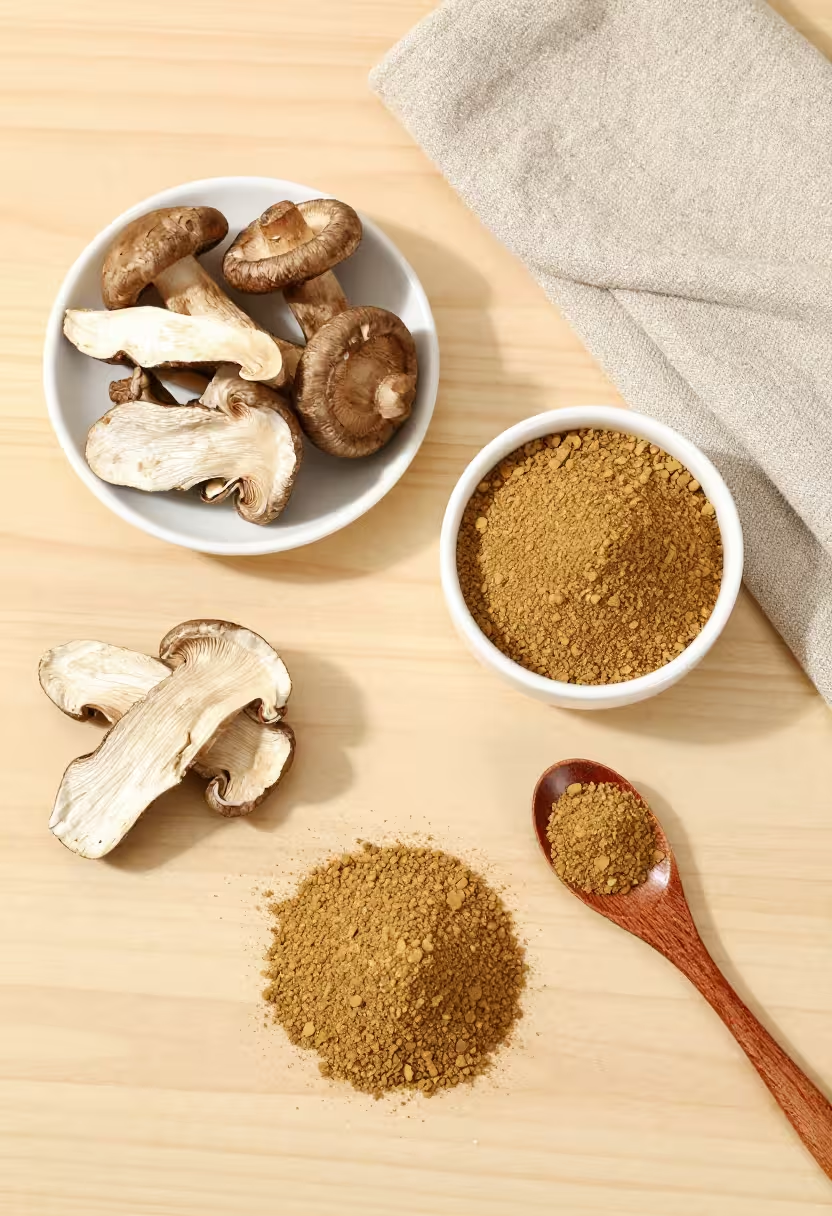
At their simplest, mushroom powders are exactly what they sound like: mushrooms that have been dried and finely ground into a powder. But how they’re made — and which mushrooms are used — makes a meaningful difference in how they’re experienced and why people use them.
From Whole Mushrooms to Fine Powder
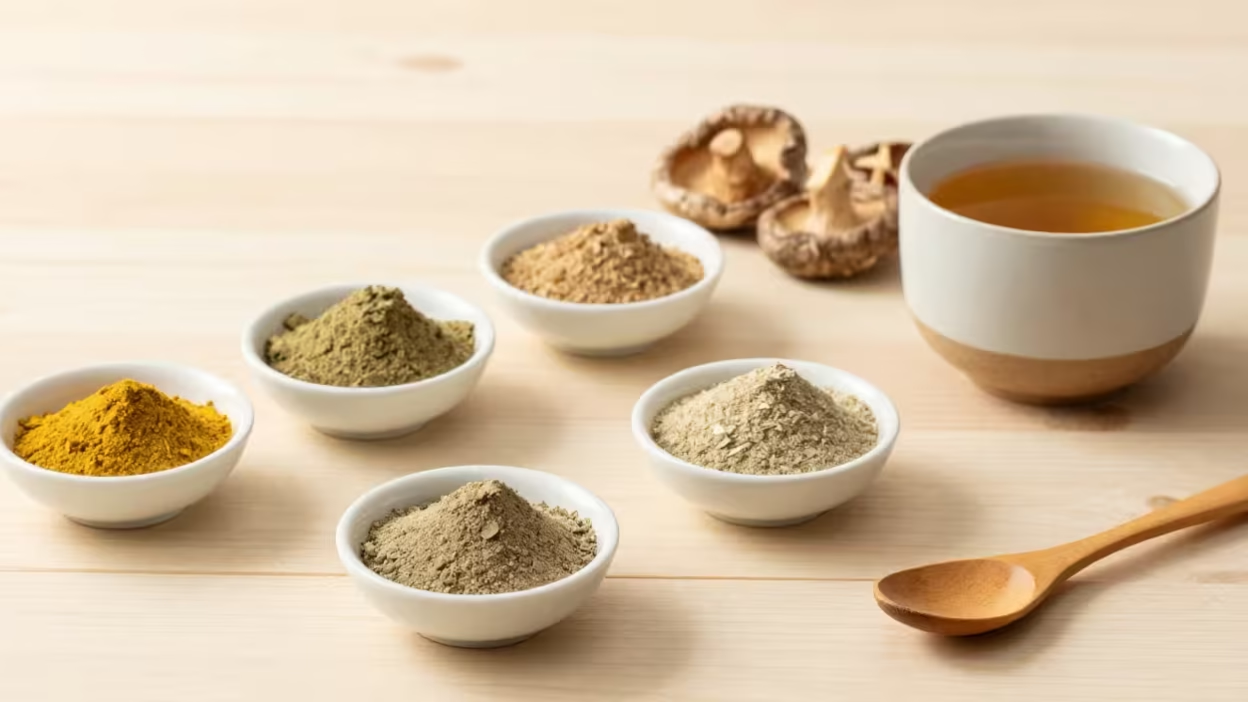
Most mushroom powders start with either fruiting bodies (the visible mushroom cap and stem) or mycelium (the root-like network that grows underground). These parts are harvested, dried at low temperatures to preserve their natural compounds, and then milled into a fine, shelf-stable powder.
Some powders go through an additional step called extraction, where heat or liquid is used to draw out specific compounds before drying again. This process is common for mushrooms traditionally used in teas or broths.
You’ll often see labels like:
- Raw mushroom powder
- Hot-water extract
- Dual extract (using both water and alcohol)
Each method influences flavor, solubility, and how the powder is typically used.
The Most Common Types of Mushroom Powders
While dozens of edible mushrooms exist, a handful dominate the supplement and wellness space:
- Lion’s Mane – often associated with focus, memory, and cognitive clarity
- Reishi – traditionally used for balance and relaxation
- Chaga – known for its antioxidant content
- Cordyceps – commonly linked to energy and stamina
- Turkey Tail – valued for immune-related compounds
Some blends combine several types to create a more rounded profile.
Food First, Supplement Second
One important distinction: mushroom powders are derived from food, even when sold as supplements. They aren’t synthetic isolates or lab-created compounds. This is part of their appeal — they feel closer to cooking than to medicine.
That said, they’re also concentrated. A teaspoon of powder can represent several servings of whole mushrooms, which is why they’re used in small amounts and added to drinks or recipes rather than eaten by the spoonful.
Flavor, Texture, and Use
Mushroom powders tend to have:
- Earthy, slightly bitter notes
- A fine, lightweight texture
- Good blendability in warm liquids
Some are more neutral than others. Lion’s mane, for example, is often mild, while reishi and chaga can be more assertive in flavor.
Think of mushroom powders as ingredients, not pills — how you use them matters.
Understanding what mushroom powders actually are helps cut through the noise. Once you know how they’re made and what types exist, it becomes much easier to evaluate claims and choose products intentionally.
The Health Benefits People Associate With Mushroom Powders
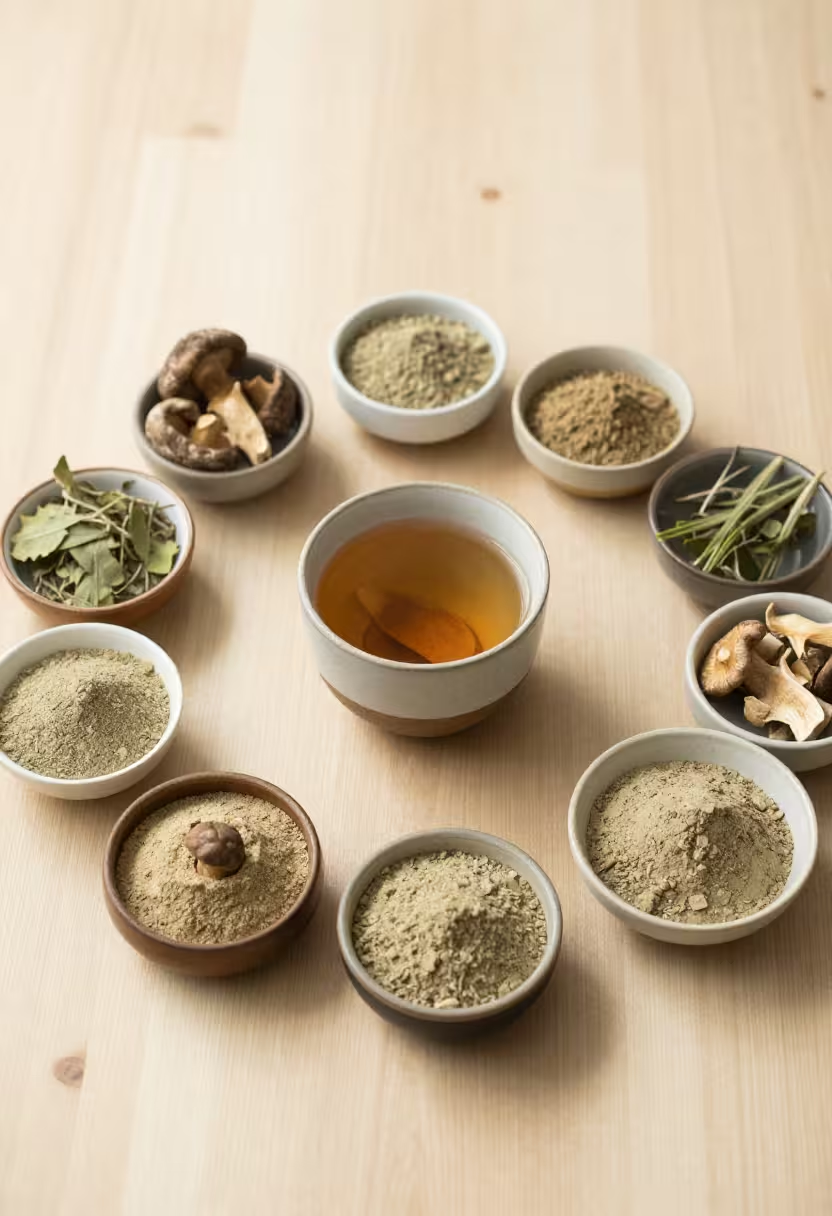
Mushroom powders didn’t become popular overnight just because they’re trendy. Their rise is tied to a broader shift in how people think about wellness — less about quick fixes, more about supporting the body over time with ingredients that feel natural and familiar.
It’s important to say this clearly upfront: mushroom powders are not medicines. They don’t cure illnesses or replace medical care. What they offer instead is something more subtle — gentle, food-based support that fits into daily routines.
Immune Support and Resilience
One of the most commonly discussed reasons people turn to mushroom powders is immune support.
Mushrooms like turkey tail and reishi contain naturally occurring compounds that have long been studied for their role in immune function. Traditionally, these mushrooms were consumed in broths or teas — today, powders offer a more convenient format.
People often describe the benefit not as “boosting” immunity, but as supporting balance, especially during stressful seasons or times of fatigue.
Focus, Mental Clarity, and Cognitive Support
Lion’s mane is perhaps the most talked-about mushroom when it comes to brain health.
It’s often associated with:
- Mental clarity
- Focus and concentration
- Long-term cognitive support
For many users, the appeal lies in how subtle it feels. Instead of a spike in energy, lion’s mane is often described as providing a clearer, calmer sense of focus — especially when used consistently rather than occasionally.
Energy and Physical Endurance
When people want energy without relying on stimulants, they often look toward cordyceps.
Cordyceps is traditionally associated with:
- Physical stamina
- Endurance
- Supporting oxygen use during activity
Rather than a jolt like caffeine, cordyceps is typically framed as supporting sustained energy, which is why it’s popular among active individuals and those trying to avoid afternoon crashes.
Antioxidant Support and Overall Wellness
Chaga stands out for its naturally high antioxidant content.
Antioxidants help protect cells from oxidative stress, which is part of why chaga is often included in wellness blends aimed at:
- General vitality
- Long-term wellness support
Its deep, earthy flavor also makes it a common choice for teas and warm drinks.
Adaptation, Not Transformation
A theme runs through most conversations about mushroom powders: adaptation rather than transformation.
People who enjoy them often describe benefits as:
- Gradual
- Mild but noticeable over time
- More about feeling steady than dramatically different
Mushroom powders tend to work best when expectations are realistic.
Tradition Meets Modern Curiosity
Many of the benefits associated with mushroom powders come from traditional use, now being explored through modern research. While studies continue to evolve, interest remains strong because these mushrooms have been consumed for generations — not as shortcuts, but as part of a broader approach to nourishment.
Understanding this context helps separate genuine interest from exaggerated claims.
How to Use Mushroom Powders in Everyday Life
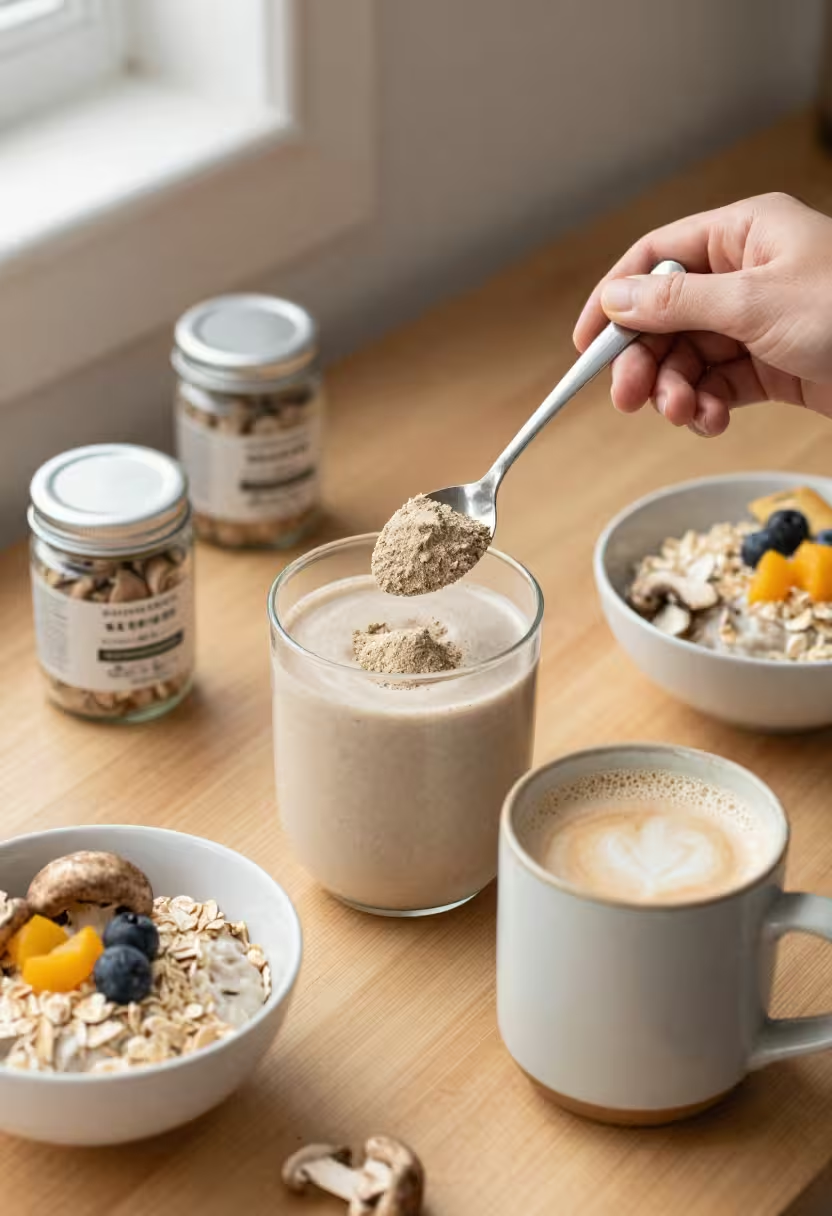
One of the reasons mushroom powders have gained so much traction is their ease of use. You don’t need to overhaul your diet or learn new routines. In most cases, mushroom powders are added quietly to foods and drinks you already enjoy.
The key is thinking of them as supporting ingredients, not centerpieces.
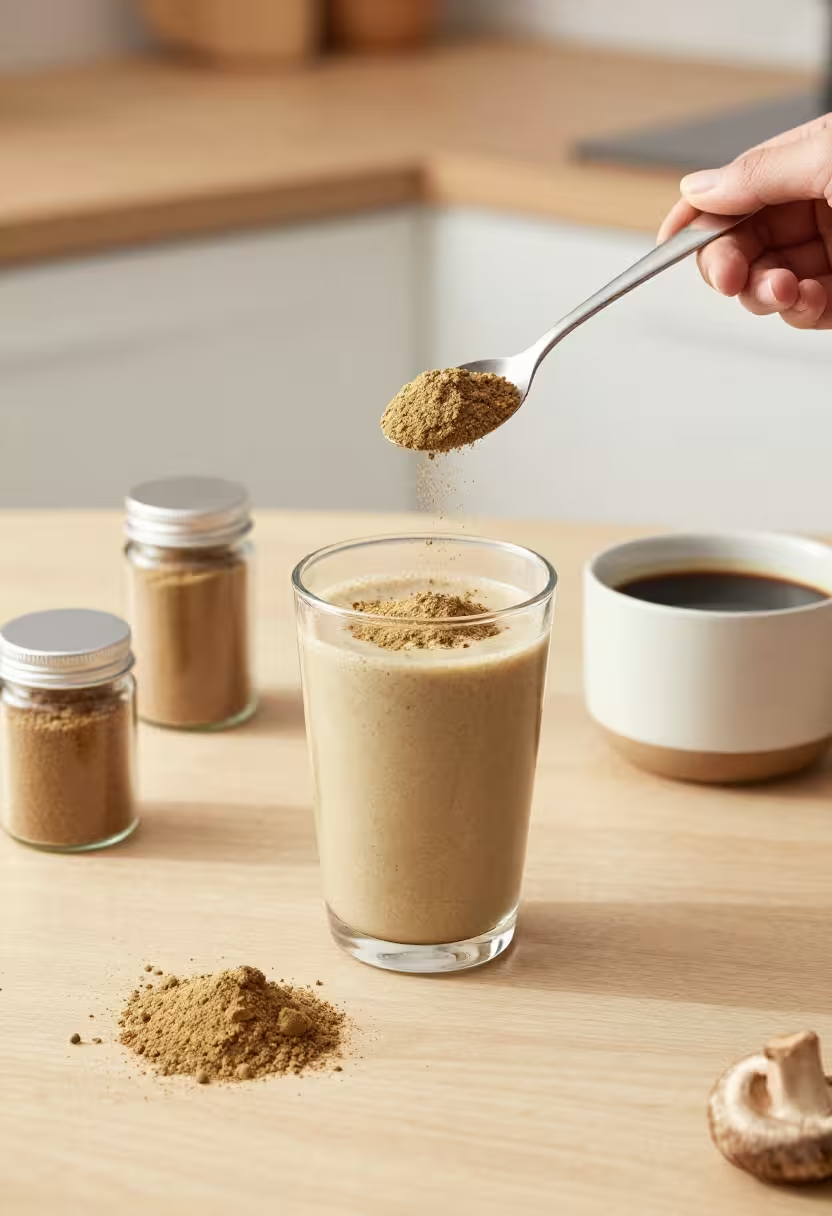
Stir Them Into Drinks You Already Make
This is the most common — and often the easiest — entry point.
Mushroom powders blend well into:
- Coffee and lattes (especially lion’s mane or reishi)
- Tea and herbal infusions
- Smoothies, where fruit and nut butters soften earthy flavors
- Warm milk or plant-based milk drinks
Start with small amounts. Many people prefer mushroom powders in warm liquids, where they dissolve more smoothly and feel more comforting.
Add Them to Simple Foods
If you enjoy experimenting in the kitchen, mushroom powders can slip into everyday meals with little effort.
Try adding them to:
- Oatmeal or porridge, especially with cinnamon or cocoa
- Yogurt or chia pudding
- Soups and broths, where savory flavors complement the earthiness
- Energy balls or no-bake snacks
The goal isn’t to taste the mushroom — it’s to let it blend into the background.
Baking and Savory Cooking (Use Lightly)
Mushroom powders can work in baking and savory dishes, but restraint matters.
They’re best suited for:
Because heat and flavor balance matter, small amounts are usually enough. Too much can overwhelm a dish or add bitterness.
How Much Is “Enough”?
There’s no universal dose, but most people start with:
- ¼ to ½ teaspoon per serving
Consistency tends to matter more than quantity. Mushroom powders are often used daily or several times a week rather than occasionally in large amounts.
Think gentle support, not dramatic intervention.
When to Take Them
Some people prefer:
- Energizing mushrooms (like cordyceps or lion’s mane) earlier in the day
- Calmer mushrooms (like reishi) in the evening
Others focus less on timing and more on habit — adding powders to the same drink or meal each day.
A Note on Taste and Adjustment
If the flavor feels unfamiliar at first, that’s normal.
Ways to make it easier:
- Pair with cocoa, cinnamon, vanilla, or honey
- Use blends rather than single-mushroom powders
- Increase amounts gradually over time
Taste preferences often adapt quickly.
Using mushroom powders doesn’t need to feel technical or clinical. When they work best, they fade into your routine — quietly supporting it rather than demanding attention.
Mushroom Powders vs Other Supplements
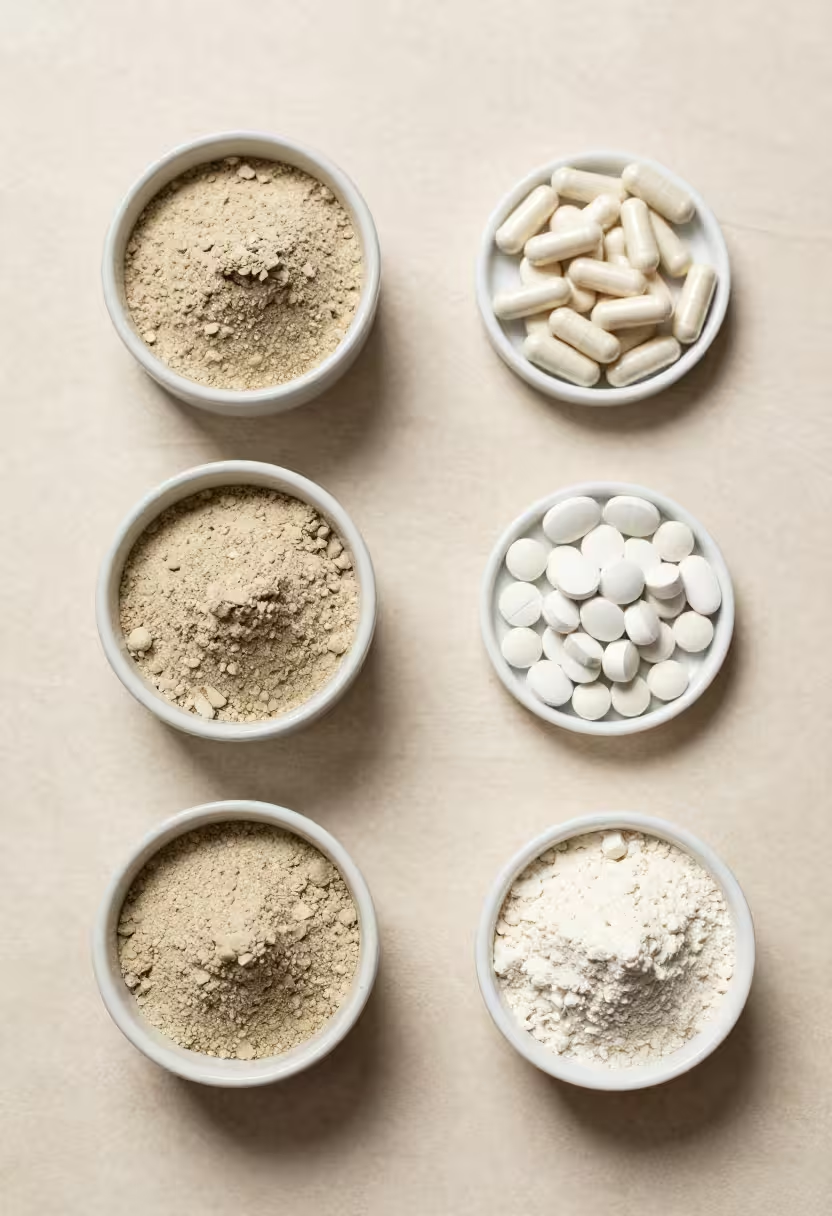
With shelves full of pills, capsules, and powders promising better health, it’s fair to ask: what makes mushroom powders different? And do they actually offer something unique, or are they just another supplement in a crowded space?
The answer lies in how they’re used — and how they’re understood.
Food-Based vs Isolated Nutrients
Many common supplements focus on isolated compounds: a single vitamin, mineral, or extracted molecule designed to target one function. Mushroom powders, by contrast, are typically whole-food–based.
That means they contain:
- A naturally occurring mix of compounds
- Fiber, enzymes, and micronutrients
- Subtle interactions between elements, rather than one dominant ingredient
For people drawn to a more holistic approach to nutrition, this feels more aligned with how food works in real life.
Mushroom Powders vs Multivitamins
Multivitamins aim for coverage — a little of everything, often in standardized doses. Mushroom powders tend to be more specific and intentional.
Key differences:
- Multivitamins focus on preventing deficiencies
- Mushroom powders focus on functional support (energy, focus, balance)
- Multivitamins are often taken once daily
- Mushroom powders are woven into meals and drinks
They serve different roles and can even complement each other rather than compete.
Mushroom Powders vs Protein Powders
Protein powders are macronutrient-focused — they’re meant to fuel muscles, recovery, and satiety. Mushroom powders aren’t about calories or protein intake.
Instead, they offer:
- Functional compounds rather than bulk nutrition
- Smaller serving sizes
- Subtle effects rather than immediate fullness or energy
They’re often added alongside protein powders in smoothies, not instead of them.
Mushroom Powders vs Herbal Supplements
This is where comparisons become more nuanced.
Like herbal supplements, mushroom powders:
- Draw from traditional use
- Are often associated with adaptogenic qualities
- Support balance rather than quick results
However, mushrooms are also culinary ingredients, which makes them easier to integrate into daily life without feeling medicinal.
The biggest difference is mindset: mushroom powders are used like food, not treatment.
Capsules vs Powders
Many mushroom supplements come in capsule form — so why choose powder?
Powders allow:
- Flexible dosing
- Easy integration into food and drinks
- A sensory connection to what you’re consuming
Capsules may be more convenient for some, but powders tend to feel more intentional and adaptable.
Which One Is “Better”?
There’s no single winner.
Mushroom powders work best for people who:
- Enjoy food-based wellness
- Prefer gentle, long-term support
- Like building habits rather than taking pills
They’re not replacements for medical treatment or targeted supplementation — and they’re not meant to be.
Understanding how mushroom powders compare to other supplements helps clarify expectations. They’re not about fixing problems overnight, but about supporting everyday wellbeing in a quiet, consistent way.
What to Look for When Choosing a Mushroom Powder
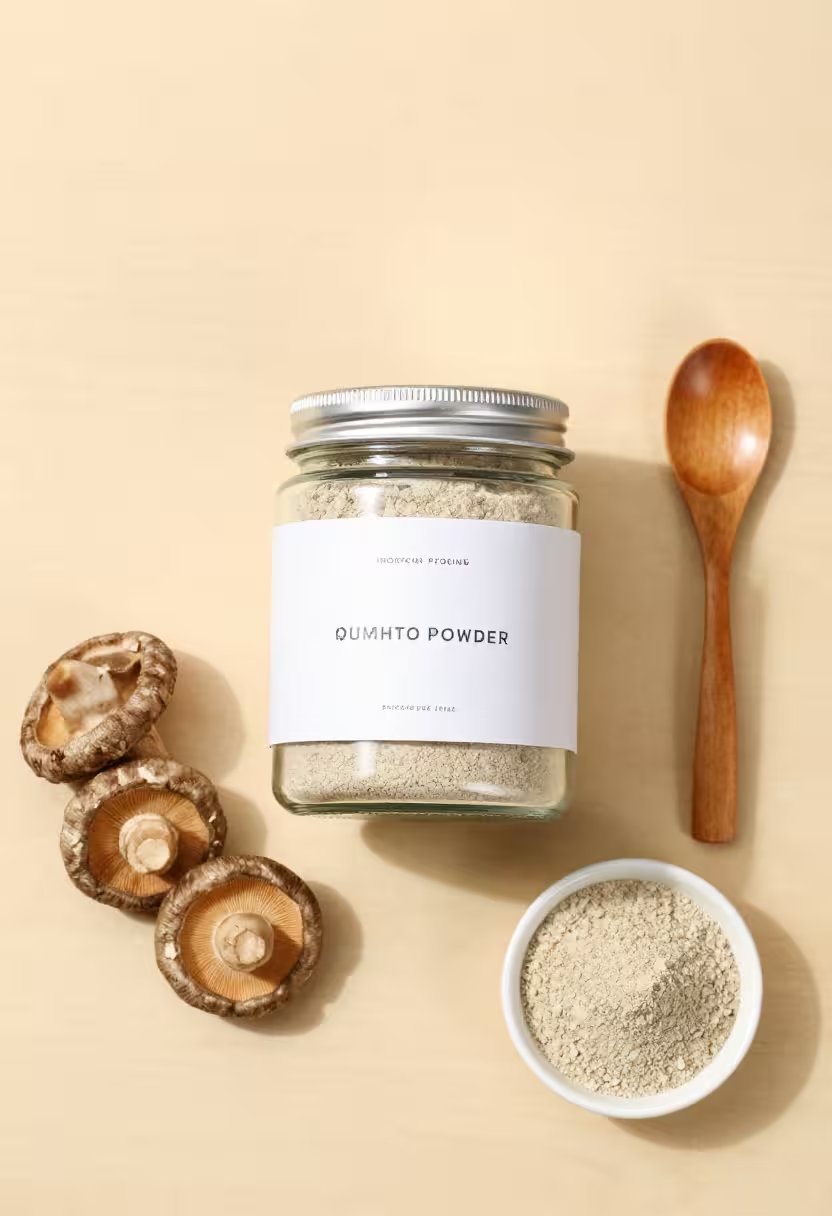
As mushroom powders grow in popularity, so does the range of products on the market — and not all of them are created equal. Labels can be confusing, claims can sound impressive, and prices can vary wildly. Knowing what actually matters helps you choose with confidence instead of guesswork.
Fruiting Body vs Mycelium
This is one of the most important distinctions — and one of the least clearly explained.
- Fruiting body powders are made from the visible mushroom (cap and stem).
- Mycelium powders come from the root-like structure grown on grain or other substrates.
Many people prefer products made primarily from fruiting bodies, as they’re traditionally used and tend to contain higher concentrations of the compounds people are seeking. Mycelium-based products aren’t necessarily bad, but transparency matters.
Tip: Look for labels that clearly state which part of the mushroom is used.
Extraction Method Matters
Some beneficial mushroom compounds are not easily absorbed in raw form.
Common extraction types include:
- Hot water extraction – draws out water-soluble compounds
- Dual extraction – uses both water and alcohol to capture a broader range
Extracted powders are often easier to digest and more potent per serving, though raw powders can still be useful in culinary contexts.
If the label mentions an extraction method, that’s usually a good sign.
Ingredient Simplicity
A high-quality mushroom powder doesn’t need much else added.
Ideally, the ingredient list should be short:
- One type of mushroom (or a clearly listed blend)
- No fillers, artificial flavors, or sweeteners
Be cautious with products that include vague terms like “proprietary blend” without clear quantities.
Organic and Sourcing Transparency
Because mushrooms absorb compounds from their growing environment, sourcing matters.
Look for:
- Organic certification when possible
- Clear information about where mushrooms are grown
- Third-party testing or quality assurance statements
This is especially important if you plan to use mushroom powders regularly.
Flavor and Solubility
Not all mushroom powders behave the same in the kitchen.
Some dissolve easily in liquids, while others are better suited to smoothies or foods with more body. If taste matters to you, starting with milder mushrooms or blended formulas can make the experience more enjoyable.
Price vs Value
Higher price doesn’t always mean higher quality — but extremely cheap products can be a red flag.
Instead of focusing on price alone, consider:
- Serving size
- Extraction method
- Ingredient purity
A slightly higher upfront cost can translate into better consistency and satisfaction over time.
Choosing a mushroom powder is less about finding “the best” and more about finding the right fit for your habits.
Once you know what to look for, mushroom powders become far less mysterious — and far easier to evaluate.
Potential Side Effects & Who Should Be Cautious
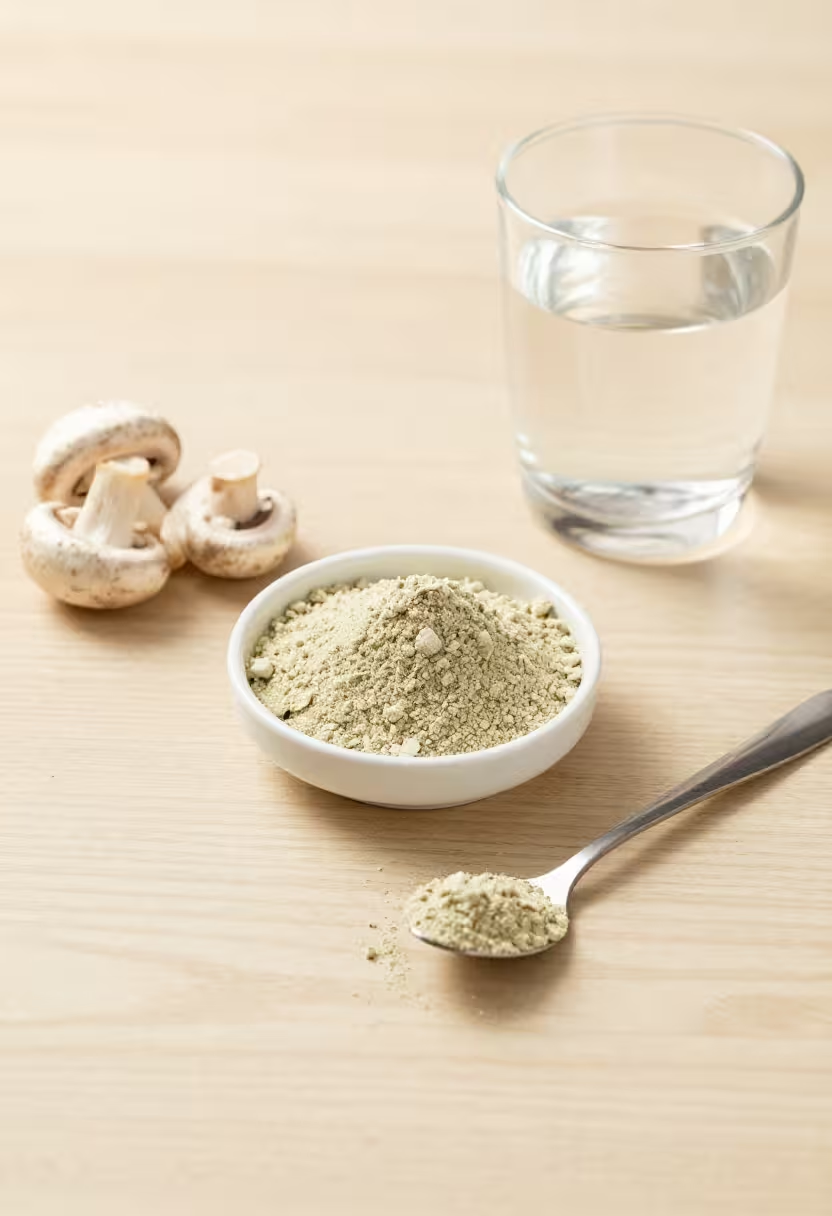
Mushroom powders are often described as gentle and food-based — and for many people, they are. Still, “natural” doesn’t automatically mean “right for everyone.” Like any concentrated ingredient, mushroom powders deserve a thoughtful approach, especially when used regularly.
Mild Side Effects Some People Experience
Most people tolerate mushroom powders well, particularly when starting with small amounts. That said, some users report mild effects, especially in the beginning.
These can include:
- Digestive discomfort (bloating, gas, or nausea)
- Headaches or light dizziness
- Feeling overstimulated or, conversely, unusually relaxed
These reactions are often temporary and linked to dosage or sensitivity, not to the mushrooms themselves.
Tip: Start low and increase slowly. A quarter teaspoon can be plenty at first.
Allergies and Sensitivities
Although uncommon, mushroom allergies do exist.
If you’ve ever reacted to:
- Culinary mushrooms
- Mold-related foods
- Fermented products
It’s wise to proceed cautiously. Trying one mushroom type at a time makes it easier to identify what works for you.
Interactions With Medications
This is where extra care matters.
Some mushroom powders are traditionally associated with immune or metabolic effects. If you take medications that affect:
- Immune function
- Blood pressure
- Blood sugar
- Blood thinning
It’s best to speak with a healthcare professional before adding mushroom powders to your routine.
Food-based supplements can still interact with the body in meaningful ways.
Pregnancy, Breastfeeding, and Special Health Conditions
During pregnancy or breastfeeding, the body is especially sensitive. Because research on concentrated mushroom powders in these contexts is limited, many experts recommend avoiding them or using only with professional guidance.
The same applies to individuals with:
- Autoimmune conditions
- Chronic illnesses
- Recent surgeries
Caution doesn’t mean prohibition — it simply means personalization.
Less Is Often More
One of the most common mistakes people make is assuming that more powder equals better results. In reality, mushroom powders tend to work best when used:
- Consistently
- In small amounts
- As part of an overall balanced diet
Large doses don’t speed things up — they often just increase the chance of discomfort.
Trust Your Body Over Trends
Mushroom powders are tools, not requirements. If they make you feel better supported, clearer, or more balanced, they may be worth keeping in your routine. If they don’t, it’s perfectly fine to step away.
Wellness works best when it listens, not when it pushes.
Understanding potential side effects isn’t about creating fear — it’s about using ingredients with awareness and respect.
Myths & Misconceptions About Mushroom Powders
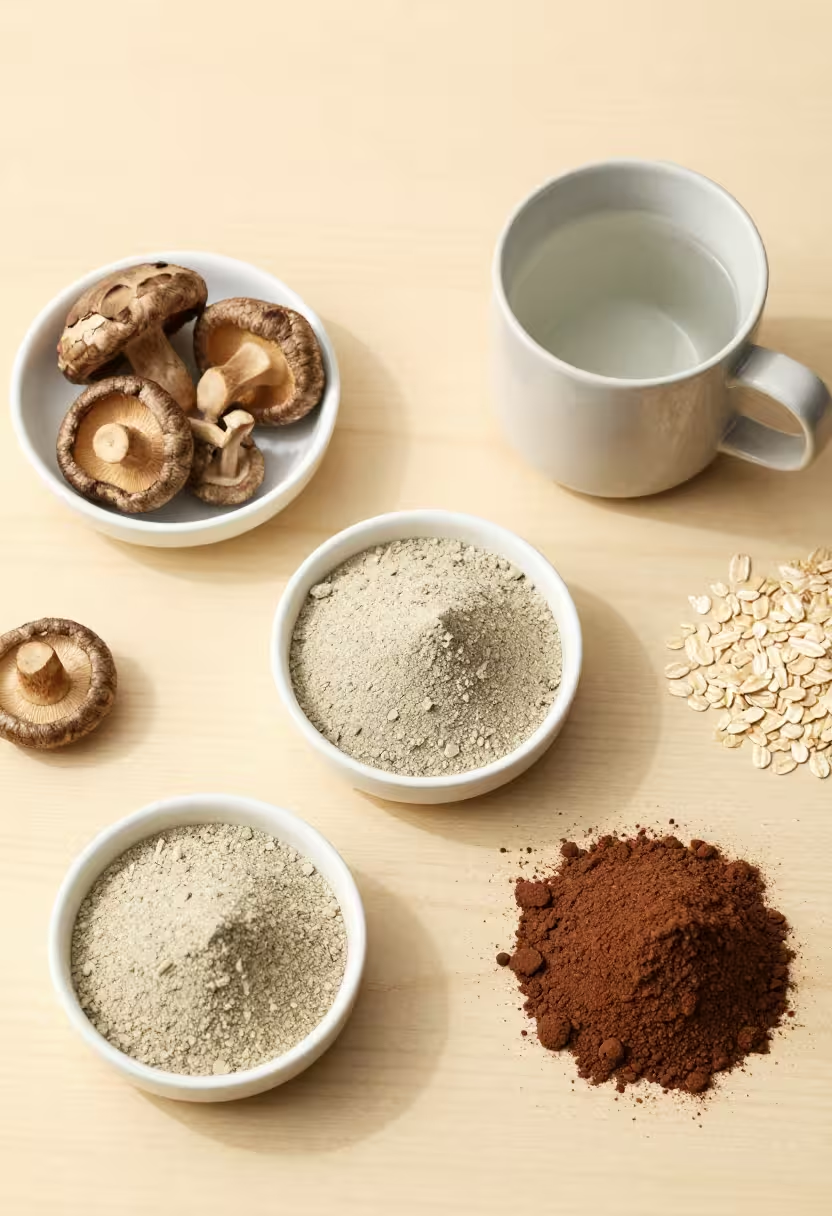
As mushroom powders have moved from niche wellness circles into the mainstream, they’ve picked up a fair share of myths along the way. Some come from overenthusiastic marketing, others from simple misunderstandings. Separating fact from fiction helps keep expectations realistic — and experiences positive.
Myth 1: All Mushroom Powders Are Basically the Same
This is one of the most common misconceptions.
In reality, mushroom powders can differ significantly based on:
- Mushroom species
- Whether they’re made from fruiting bodies or mycelium
- Extraction methods
- Purity and sourcing
A lion’s mane powder will not behave the same way as reishi or chaga, and two products labeled “mushroom powder” can have very different compositions.
Reality: The type of mushroom and how it’s processed matters.
Myth 2: Mushroom Powders Work Instantly
Unlike caffeine or sugar, mushroom powders aren’t about immediate effects.
Many people expect to feel something right away — and when they don’t, they assume the product isn’t working. In truth, these powders are typically used for gradual support, not quick stimulation.
Reality: Benefits, if noticed, tend to appear over time and with consistent use.
Myth 3: More Is Better
It’s easy to assume that doubling the amount will double the benefits. With mushroom powders, that often backfires.
Larger amounts can lead to:
- Digestive discomfort
- Strong, unpleasant flavors
- No added benefit
Reality: Small, steady amounts are usually more effective than large doses.
Myth 4: Mushroom Powders Can Replace a Healthy Diet
Mushroom powders are sometimes marketed as nutritional shortcuts — a way to “fix” poor eating habits.
That’s not how they work.
Reality: Mushroom powders are additions, not replacements. They support a balanced diet; they don’t stand in for whole foods, sleep, or movement.
Myth 5: “Medicinal” Means They Aren’t Food
Because some mushrooms are labeled as “medicinal,” people assume they’re no longer food.
In fact, many of these mushrooms have long culinary histories — often consumed in soups, teas, and broths.
Reality: Mushroom powders sit at the intersection of food and tradition, not outside it.
Myth 6: If One Mushroom Helps, You Should Take Them All
Wellness blends can be useful, but they aren’t automatically better for everyone.
Some people respond well to one specific mushroom and feel overwhelmed by blends with many ingredients.
Reality: Simpler is often better, especially when you’re just starting out.
A Healthier Way to Think About Mushroom Powders
When stripped of hype, mushroom powders are best viewed as:
- Food-based ingredients
- Supportive, not transformative
- Optional tools rather than essentials
The most sustainable wellness choices are the ones that fit quietly into your life.
Understanding these myths makes it easier to approach mushroom powders with curiosity instead of pressure.
Frequently Asked Questions About Mushroom Powders
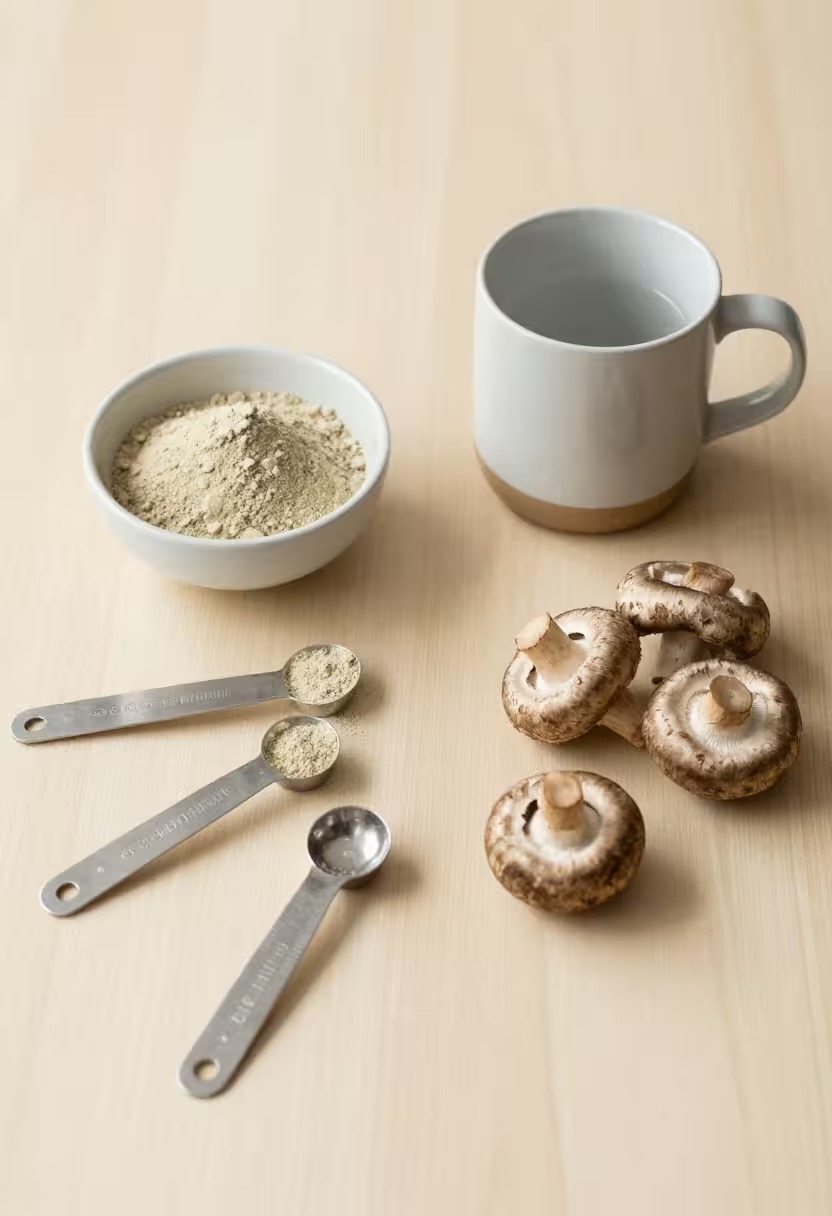
Are mushroom powders safe to use every day?
For many people, yes — when used in moderate amounts.
Most mushroom powders are designed for regular, low-dose use rather than occasional large servings. Many users add them daily to drinks or meals without issue. As always, consistency matters more than quantity.
If you’re new, start small and see how your body responds.
Are mushroom powders vegan and plant-based?
Yes.
Mushroom powders are naturally vegan and plant-based, making them suitable for a wide range of dietary preferences. Just be sure to check labels for added ingredients if you’re using blended products.
How long does it take to notice any effects?
This varies widely.
Some people notice subtle changes in:
- Focus
- Energy
- General sense of balance
within a few weeks. Others may not feel anything noticeable at all — which doesn’t necessarily mean the powder isn’t doing anything.
Mushroom powders are typically about long-term support, not immediate results.
Can I take more than one type of mushroom powder at a time?
Yes, many people do.
You can:
- Use single mushrooms based on specific goals
- Choose blended powders that combine several types
If you’re just starting, trying one mushroom at a time can make it easier to understand how each one affects you.
Do mushroom powders taste strong?
It depends on the type.
- Lion’s mane is often mild and slightly nutty
- Chaga has a deeper, earthy flavor
- Reishi can be quite bitter
Blending mushroom powders with cocoa, coffee, spices, or smoothies usually makes the flavor much more approachable.
Can I cook with mushroom powders?
Yes — but gently.
Mushroom powders work best when:
- Stirred into warm drinks
- Added to soups or sauces near the end of cooking
- Used in low-heat baking
High heat may reduce some delicate compounds, so using them as finishing ingredients is often preferred.
Are mushroom powders the same as eating whole mushrooms?
Not exactly.
Mushroom powders are concentrated forms of mushrooms and are often made from varieties not commonly eaten whole. They complement whole mushrooms but don’t replace the nutritional diversity of eating mushrooms in their fresh form.
Are there people who should avoid mushroom powders?
Some people should be cautious, including those who:
- Have mushroom allergies
- Take immune-related medications
- Are pregnant or breastfeeding
- Have chronic health conditions
In these cases, professional guidance is recommended before use.
What’s the best mushroom powder for beginners?
Many beginners start with:
- Lion’s mane for its mild flavor and gentle profile
- Or blended powders designed for everyday use
Choosing something easy to enjoy consistently often matters more than choosing the “most powerful” option.
Do mushroom powders expire?
Yes.
Most have a shelf life of 1–2 years when stored:
- In a cool, dry place
- Away from direct sunlight
- In a tightly sealed container
Always check the expiration date and storage instructions on the package.