Indian cooking has a way of transforming even the simplest ingredients into something deeply flavorful and comforting. A pot of lentils becomes rich and aromatic. Rice turns into the foundation of countless meals. A pinch of spice can change the entire mood of a dish. And while Indian cuisine may seem complex at first glance, its magic often starts with a well-stocked pantry.
At Book of Foods, we believe that understanding ingredients is the first step to cooking with confidence. You don’t need dozens of recipes or years of experience to enjoy Indian food at home — you just need the right building blocks. Once those essentials are in your kitchen, everything else begins to feel approachable.
An Indian pantry is less about excess and more about intention. A handful of versatile spices, a few key grains and pulses, and some everyday staples can open the door to hundreds of dishes across different regions of India. These ingredients are used repeatedly, layered thoughtfully, and adapted depending on the season, the meal, or the cook.
What makes Indian groceries especially exciting is their flexibility. The same spices can flavor a comforting dal, a quick vegetable stir-fry, or a slow-simmered curry. Yogurt can become a marinade, a sauce, or a cooling contrast to heat. Rice and flatbreads act as quiet companions that allow bold flavors to shine.
If you’ve ever stood in an Indian grocery store feeling curious but unsure where to start, this guide is for you. We’ll walk through the essential Indian groceries to keep in your kitchen, explain what they are, how they’re used, and why they matter. Whether you’re new to Indian cooking or simply looking to deepen your pantry, these staples will help you cook more confidently — and more deliciously.
Spices That Define Indian Flavors
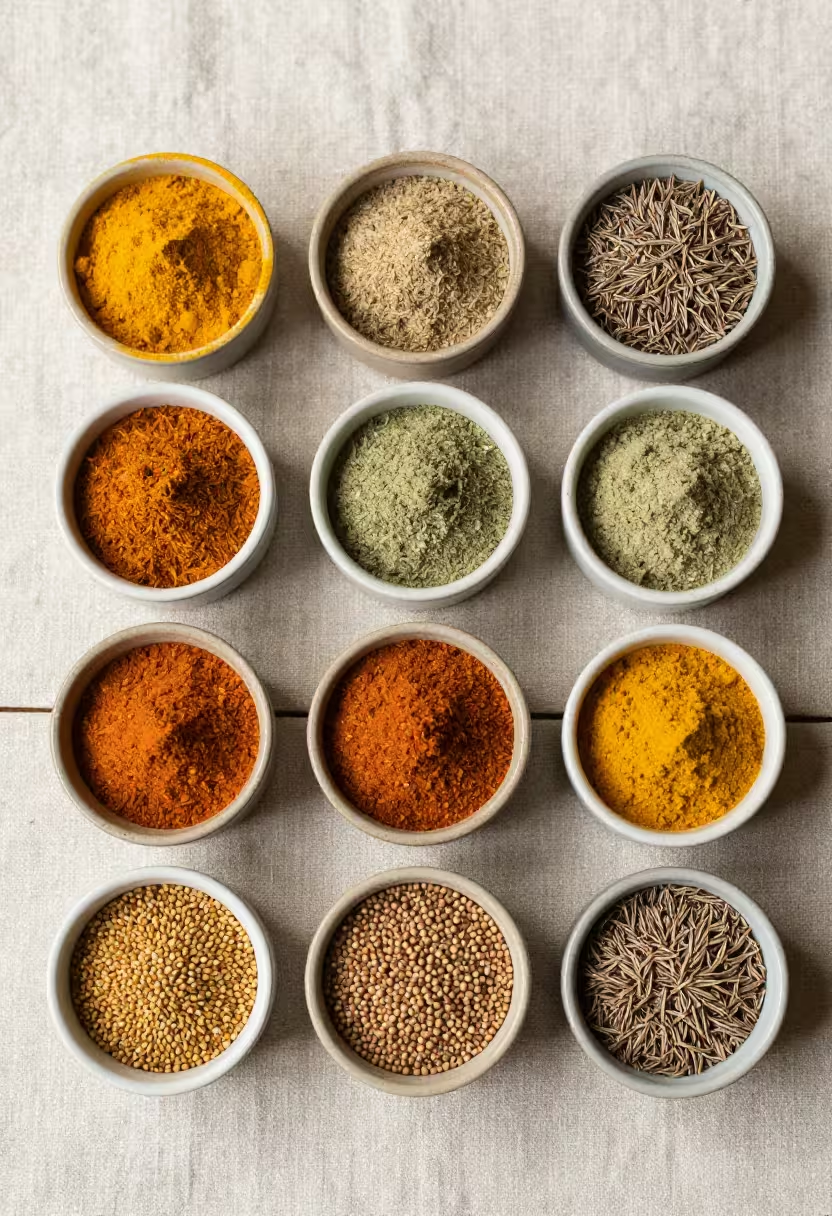
If there is one thing that gives Indian cuisine its unmistakable character, it’s spices. Not used for heat alone, spices in Indian cooking create depth, balance, aroma, and warmth. A well-chosen spice blend can turn everyday ingredients into something layered and memorable.
The good news? You don’t need an overflowing shelf to start. A small collection of core spices will take you very far.
Turmeric (Haldi)
Earthy, slightly bitter, and deeply golden, turmeric is one of the most essential spices in Indian cooking.
It’s used in:
- Lentils and curries
- Vegetable dishes
- Rice preparations
Beyond flavor, turmeric adds color and a subtle warmth that forms the backbone of many dishes.
Cumin (Jeera)
Cumin brings a warm, nutty aroma that instantly feels familiar in Indian food.
You’ll find it:
- Whole, tempered in hot oil at the start of cooking
- Ground, blended into spice mixes
Cumin is often one of the first spices to hit the pan, setting the tone for the entire dish.
Coriander (Dhania)
Mild, citrusy, and slightly sweet, coriander balances stronger spices.
Ground coriander is commonly used in:
- Curries
- Dry vegetable dishes
- Spice blends
It adds body and softness rather than intensity.
Garam Masala
Rather than a single spice, garam masala is a warming blend — usually including cloves, cinnamon, cardamom, and cumin.
It’s typically added near the end of cooking to preserve aroma and is used sparingly to lift a dish rather than dominate it.
Mustard Seeds (Rai)
Small but powerful, mustard seeds add sharpness and depth when popped in hot oil.
They’re especially common in:
- South Indian dishes
- Vegetable sautés
- Pickles
That brief crackling sound in the pan is the start of flavor-building.
Optional but Worth Exploring
As your pantry grows, you may also want to include:
- Chili powder for adjustable heat
- Asafoetida (hing) for savory depth in lentil dishes
- Fenugreek for subtle bitterness and aroma
Indian spices work best together — each one supporting, not overpowering, the others.
Once these spices are in place, the rest of the pantry begins to make sense.
Essential Pulses and Rice — The Heart of Every Meal
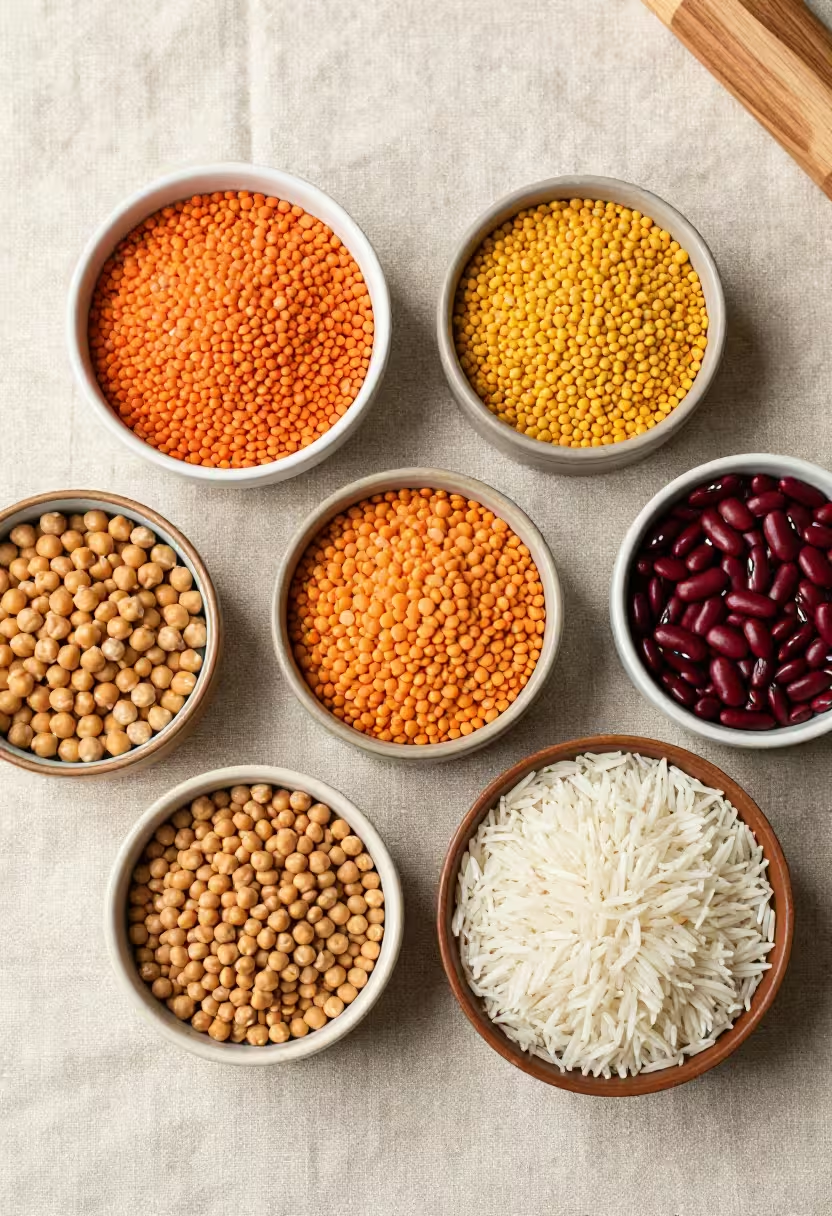
In many Indian homes, no meal feels complete without some combination of rice and lentils. Together, they form the nutritional and cultural backbone of Indian cooking — simple, affordable, and endlessly adaptable.
Stocking a few key pulses and the right kind of rice will instantly expand what you can cook.
Lentils (Dal)
“Dal” refers both to lentils themselves and to the comforting dishes made from them. Lentils are cooked daily across India, flavored simply or richly depending on the region.
A few staples to keep on hand:
- Toor dal (split pigeon peas) — common in South Indian dishes and sambars
- Masoor dal (red lentils) — quick-cooking and beginner-friendly
- Moong dal (split mung beans) — light and versatile
- Urad dal (black lentils) — essential for creamy dals and fermented batters
Each lentil brings a different texture and flavor, but all pair beautifully with spices.
Chickpeas and Beans
Beyond lentils, whole legumes are widely used:
- Chickpeas (chana) for curries and salads
- Kidney beans (rajma) for rich, tomato-based dishes
These heartier pulses are perfect for slow-simmered meals.
Basmati Rice
Long-grain, fragrant basmati rice is the most common rice used in Indian cooking.
Its light texture and aroma make it ideal for:
- Everyday meals
- Pilafs and biryanis
- Serving alongside rich curries
Properly cooked basmati stays fluffy and separate — never sticky.
Other Rice Varieties Worth Knowing
In some regions, short-grain or parboiled rice is preferred, especially in South Indian cooking. While basmati is a great starting point, exploring other rice types can deepen your understanding of regional dishes.
Rice and dal may seem humble, but they are where Indian cooking truly lives.
With these pantry staples, you can create meals that are nourishing, comforting, and endlessly customizable.
Dairy Staples for Richness
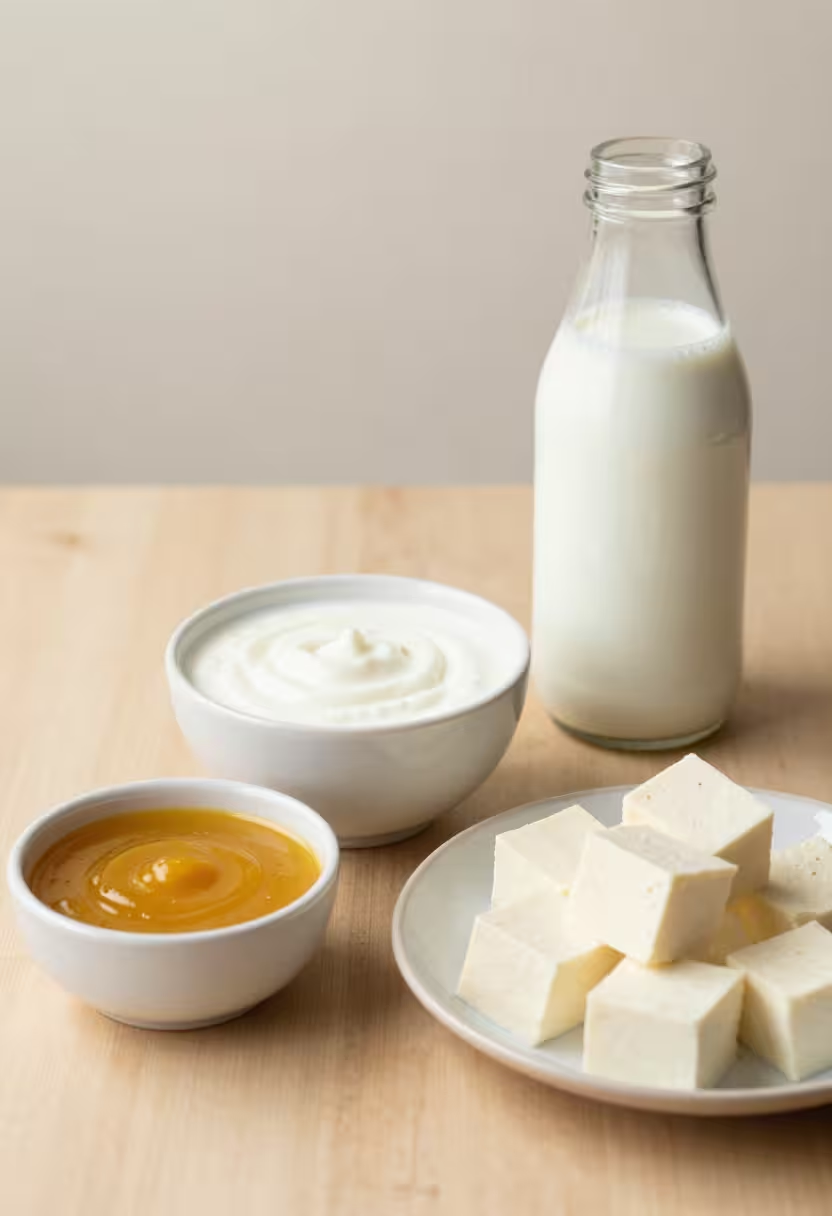
Dairy plays a central role in Indian cooking, adding creaminess, depth, and contrast to bold spices. Used thoughtfully, dairy ingredients soften heat, enrich sauces, and create some of the most comforting textures in the cuisine.
A few key staples can go a long way.
Yogurt (Dahi)
Plain yogurt is one of the most versatile ingredients in an Indian kitchen.
It’s used to:
- Marinate meats and vegetables
- Add creaminess to curries
- Create cooling sides like raita
Yogurt balances spice beautifully and adds a gentle tang that keeps dishes from feeling heavy.
Ghee (Clarified Butter)
Ghee is butter that’s been gently cooked to remove water and milk solids, leaving behind a rich, aromatic fat.
In Indian cooking, ghee is used for:
- Tempering spices
- Cooking lentils and rice
- Finishing dishes with warmth and aroma
Its high smoke point and deep flavor make it ideal for both everyday and special dishes.
Paneer
Paneer is a fresh, non-melting cheese that holds its shape when cooked.
It’s commonly found in:
- Vegetable curries
- Grilled or sautéed dishes
- Rich tomato-based sauces
Mild in flavor, paneer absorbs spices beautifully, making it a favorite protein in vegetarian cooking.
Milk and Cream (Used Sparingly)
Milk and cream appear in certain regional dishes, particularly in North Indian cooking, to create luxurious sauces. A small amount goes a long way — adding silkiness rather than heaviness.
In Indian cuisine, dairy isn’t about excess — it’s about balance.
With dairy staples in place, your pantry is well on its way.
Must-Have Pastes, Sauces & Condiments
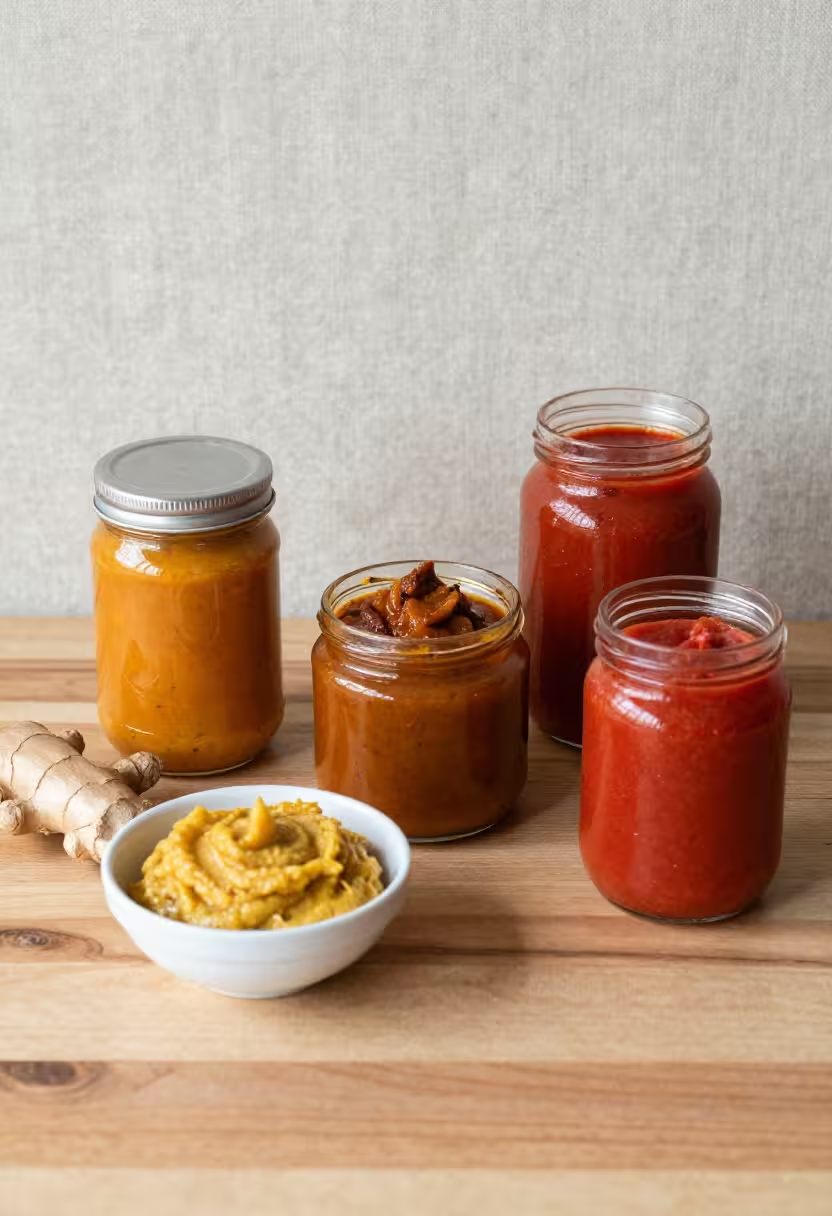
In Indian cooking, many of the most important flavors are built before the main ingredients even hit the pan. Pastes, sauces, and condiments create the base layer of countless dishes — adding depth, aroma, and balance that define the final result.
Keeping a few of these essentials on hand makes Indian cooking faster and more intuitive.
Ginger-Garlic Paste
This is one of the most fundamental building blocks in Indian cuisine.
Made from fresh ginger and garlic, this paste is used in:
- Curries and gravies
- Lentil dishes
- Marinades
It adds warmth and savoriness right at the start of cooking. You can buy it ready-made or blend it fresh at home.
Tomato Puree or Crushed Tomatoes
Tomatoes form the backbone of many North Indian curries.
They provide:
- Acidity to balance spices
- Body and richness in sauces
Canned crushed tomatoes or tomato puree are pantry-friendly options that work well year-round.
Tamarind
Tamarind brings a distinctive sweet-sour flavor that’s especially common in South Indian and coastal dishes.
It’s used in:
- Sambars and rasams
- Chutneys and sauces
A small amount adds brightness and complexity.
Chutneys
Chutneys add contrast and freshness.
Popular varieties include:
- Mint-coriander chutney
- Tamarind chutney
- Mango chutney
They’re served as condiments, spreads, or side sauces that lift a meal.
Pickles (Achar)
Indian pickles are bold, salty, and intensely flavored.
Used sparingly, they:
- Add punch to simple meals
- Complement rice and flatbreads
A spoonful is often enough.
These condiments aren’t extras — they’re part of the conversation on the plate.
With these essentials stocked, cooking Indian food becomes less about following recipes and more about layering flavor naturally.
Fresh Ingredients That Make Indian Cooking Sing
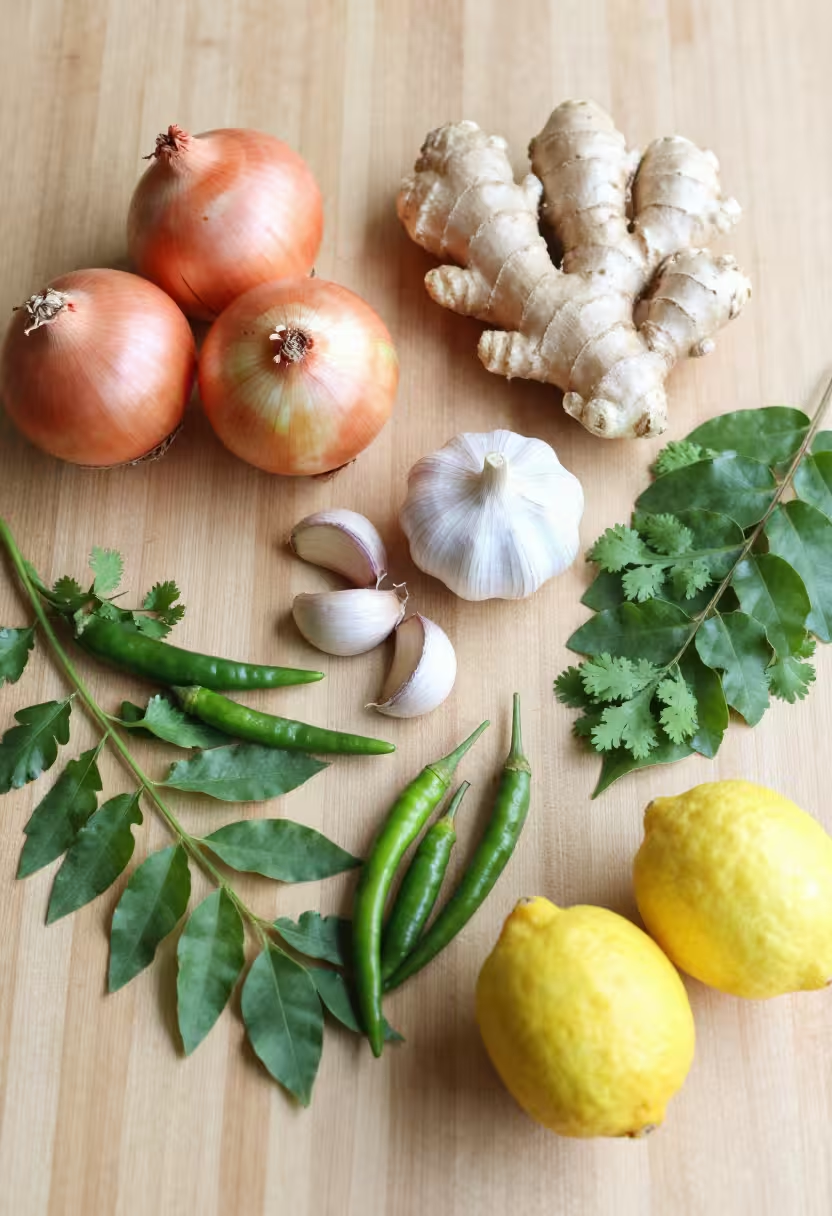
While pantry staples lay the groundwork, it’s fresh ingredients that give Indian cooking its energy and lift. These everyday items add sharpness, aroma, and contrast — ensuring that rich, spiced dishes never feel heavy or one-dimensional.
Most of these ingredients are easy to find and used frequently, often in small but impactful amounts.
Onions
Onions are the starting point for countless Indian dishes.
They’re used to:
- Build the base of curries and gravies
- Add sweetness and depth when cooked slowly
- Provide texture in dry vegetable dishes
Depending on how long they’re cooked, onions can bring sharpness, sweetness, or richness.
Fresh Ginger
Fresh ginger adds brightness and gentle heat that feels clean rather than spicy.
It’s commonly:
- Grated or minced into sauces
- Added at the end of cooking for aroma
- Used in teas and simple broths
Ginger keeps dishes lively and balanced.
Garlic
Garlic adds savory depth and warmth.
Used generously but thoughtfully, it appears:
- In tempering oils
- In pastes and marinades
- As a finishing flavor in some regional dishes
Its aroma is one of the most recognizable signals that something delicious is cooking.
Green Chilies
Green chilies provide fresh heat that’s sharper and brighter than dried chili powder.
They allow you to:
- Control spice levels easily
- Add heat without overwhelming flavor
A small slit chili can transform a dish.
Fresh Herbs: Cilantro & Curry Leaves
- Cilantro adds freshness and is often used as a garnish
- Curry leaves bring a citrusy, aromatic note, especially in South Indian cooking
These herbs are often added at the end, where their aroma stays vibrant.
Citrus: Lemon or Lime
A squeeze of lemon or lime just before serving:
- Brightens rich dishes
- Balances spice and fat
It’s a simple step that makes a big difference.
In Indian cooking, freshness isn’t loud — it’s what keeps flavors alive.
With fresh ingredients in place, your kitchen is ready to handle a wide range of dishes.
Flours & Breads — Beyond Wheat
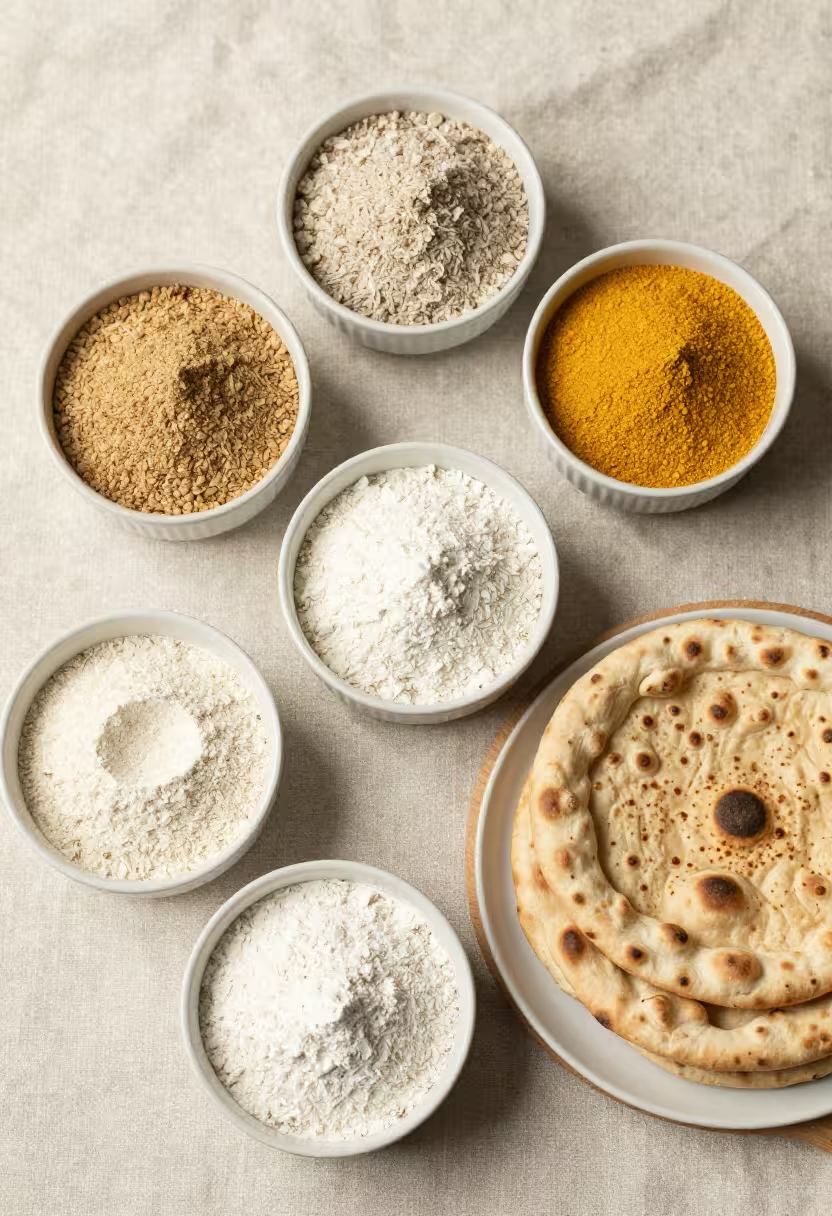
Bread plays a quiet but essential role in Indian meals. It’s used to scoop, wrap, and balance bold flavors — often replacing cutlery altogether. While wheat flour is the most familiar starting point, Indian cooking makes use of a variety of flours, each with its own purpose and personality.
Atta (Whole Wheat Flour)
Atta is a finely milled whole wheat flour used to make everyday flatbreads like roti and chapati.
It’s different from standard whole wheat flour:
- Softer in texture
- Higher protein content
- Produces pliable, tender breads
If you plan to cook Indian food regularly, atta is a worthwhile pantry addition.
Besan (Gram Flour / Chickpea Flour)
Besan is one of the most versatile flours in Indian cooking.
It’s used for:
- Savory pancakes and fritters
- Thickening curries
- Making snacks and sweets
Nutty and naturally gluten-free, besan adds body and flavor without heaviness.
Rice Flour
Rice flour appears frequently in South Indian cooking.
It’s used to:
- Make batters and crepes
- Lightly coat vegetables
- Add crispness to fried dishes
A small bag goes a long way.
Ready-Made Flatbreads (Optional but Practical)
While making bread from scratch is rewarding, having store-bought naan, roti, or paratha in the freezer can be a practical shortcut for busy days.
Warm them properly, and they become a reliable companion to curries and dals.
In Indian cooking, bread isn’t just a side — it’s part of how the meal is experienced.
With flours and breads stocked, your pantry is nearly complete.
Pantry Tools & Extras Worth Owning
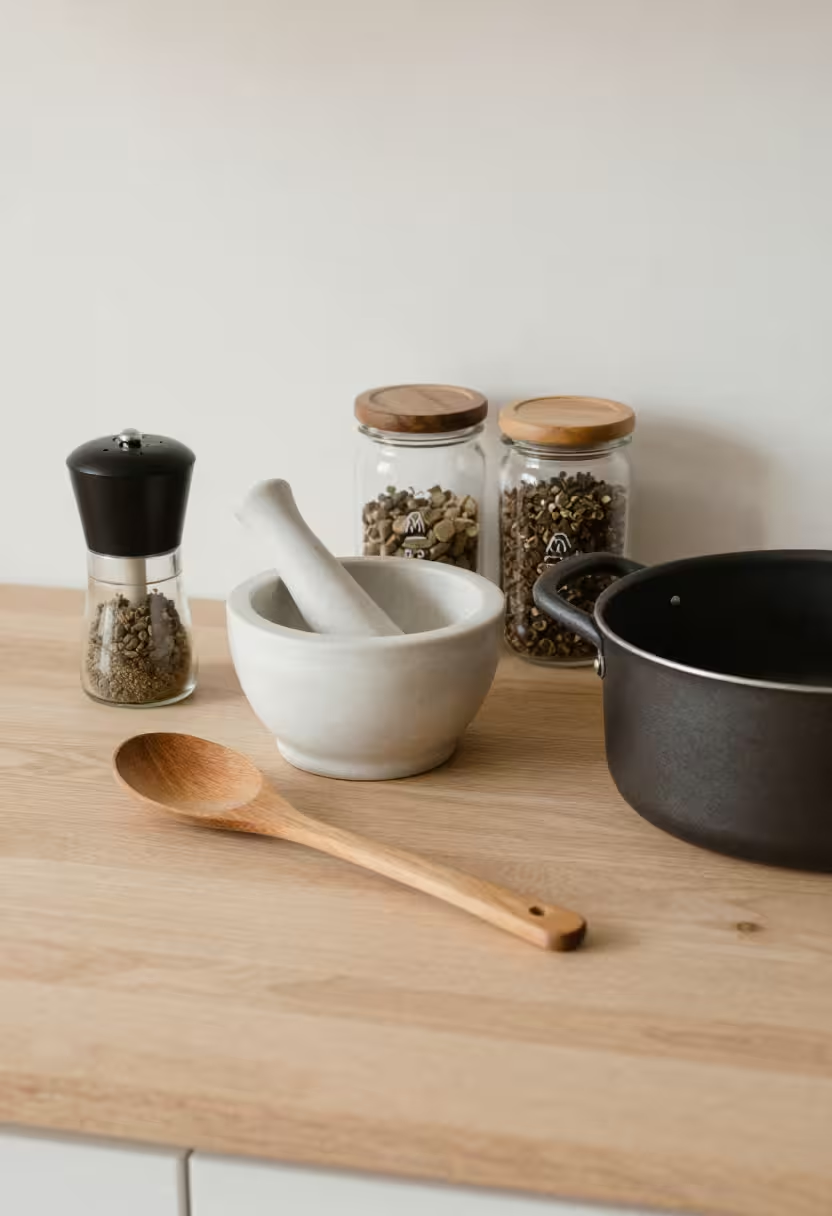
You don’t need a professional kitchen to cook Indian food well. But a few simple tools and pantry extras can make the process easier, faster, and far more enjoyable — especially as you start cooking more confidently.
These are the quiet helpers that support good ingredients.
A Heavy-Bottomed Pan or Pot
Indian cooking often involves sautéing spices, simmering sauces, and slow-cooking lentils. A sturdy pan or pot helps:
- Prevent burning spices
- Distribute heat evenly
- Build flavor gradually
A single good-quality pot can handle most dishes.
Spice Grinder or Mortar and Pestle
Freshly ground spices have noticeably more aroma and depth.
A small spice grinder or mortar allows you to:
- Toast and grind whole spices
- Customize blends
- Refresh older spices quickly
This step isn’t mandatory — but once you try it, it’s hard to go back.
Small Storage Containers for Spices
Keeping spices organized and airtight matters.
Clear, well-sealed containers:
- Protect flavor and aroma
- Make cooking faster
- Encourage regular use
Store spices away from heat and sunlight for best results.
Ladle and Wooden Spoon
Many Indian dishes are stirred often and served directly from the pot. A good ladle and sturdy spoon make this easier — especially for dals, curries, and soups.
Pressure Cooker or Instant Pot (Optional)
While not essential, a pressure cooker or Instant Pot can dramatically reduce cooking time for lentils, beans, and stews.
It’s a modern convenience that fits naturally into traditional cooking.
Tools don’t replace skill — they support it.
With the right tools and pantry essentials in place, Indian cooking becomes less intimidating and far more intuitive.
Shopping Tips: How to Stock an Indian Pantry on a Budget
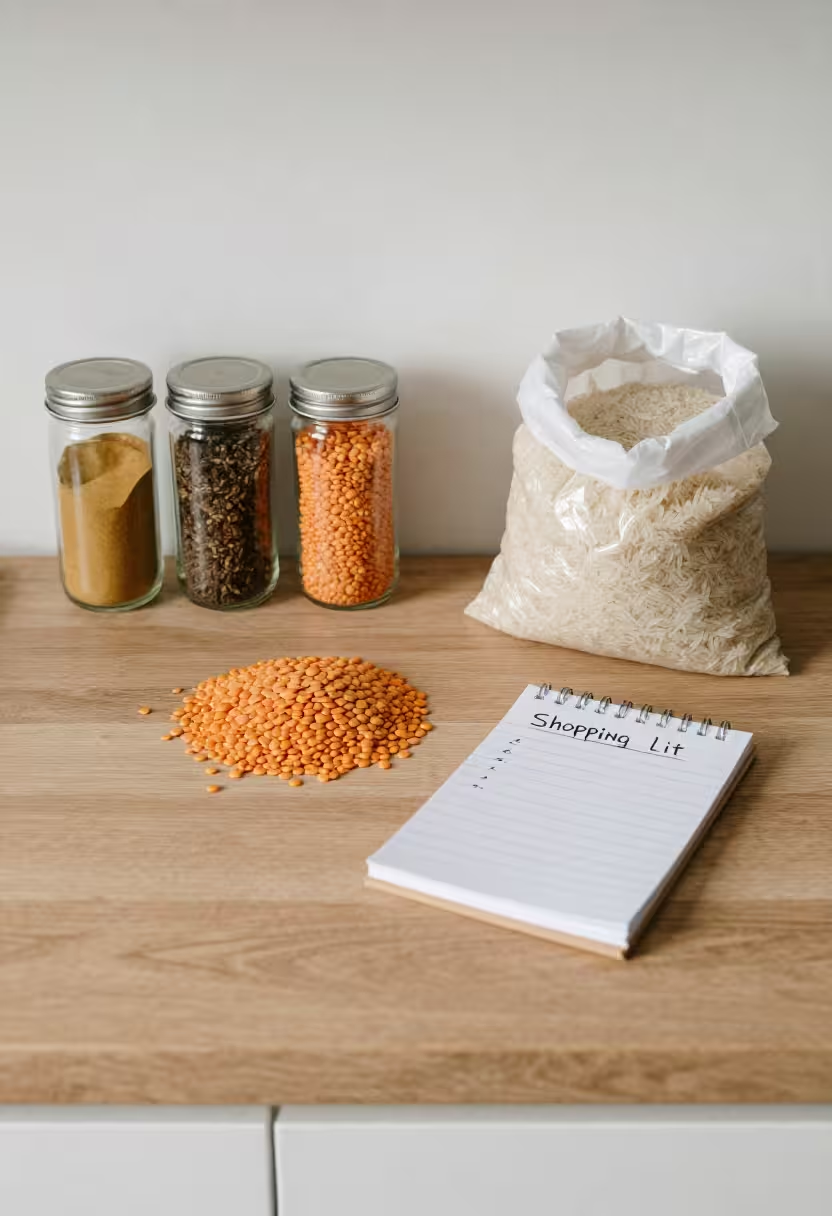
Building an Indian pantry doesn’t have to happen all at once — and it definitely doesn’t need to be expensive. In fact, many Indian groceries are among the most affordable and long-lasting ingredients you can buy when chosen thoughtfully.
Here’s how to stock your kitchen gradually, without overwhelm.
Start Small and Build Slowly
You don’t need every spice or ingredient from day one.
Begin with:
- A few core spices (turmeric, cumin, coriander, garam masala)
- One or two lentils
- Basmati rice
Once you start cooking, you’ll naturally discover what you use most — and what can wait.
Buy Spices in Small Quantities
Spices lose flavor over time, especially when stored improperly.
Buying smaller amounts:
- Keeps flavors fresh
- Reduces waste
- Allows you to experiment without commitment
Indian grocery stores often sell spices in bulk or smaller packets, which is ideal for beginners.
Look Beyond Indian Grocery Stores
While Indian markets offer the best variety and value, many essentials are easy to find elsewhere:
- Lentils and rice at international or health food stores
- Chickpea flour and spices at Middle Eastern or Asian markets
- Yogurt, garlic, onions, and tomatoes at any grocery store
You don’t need to shop in one place.
Choose Versatile Ingredients First
Prioritize items you’ll use across many dishes:
- Cumin and coriander over niche spice blends
- Red lentils over less common dals
- Ginger-garlic paste instead of multiple aromatics
Versatility stretches your budget and simplifies cooking.
Store Ingredients Properly
Good storage saves money.
- Keep spices in airtight containers away from heat
- Store lentils and rice in sealed containers
- Refrigerate pastes and chutneys after opening
Proper storage extends shelf life and preserves flavor.
Don’t Be Afraid to Ask
If you shop at an Indian grocery store, ask for help. Staff are often happy to recommend essentials or explain unfamiliar ingredients — especially to first-time cooks.
An Indian pantry is built with curiosity, not perfection.
With a few smart choices, you can create a pantry that supports flavorful cooking for months to come.
Frequently Asked Questions About Indian Groceries
Do I need all these ingredients to start cooking Indian food?
Not at all.
Indian cooking is flexible. You can start with just a few spices, one type of lentil, and rice. Many dishes are built from the same core ingredients, simply combined in different ways. A small pantry can still produce deeply flavorful meals.
Are Indian spices very spicy?
Spices don’t always mean heat.
Many Indian spices — like cumin, coriander, turmeric, and cardamom — are aromatic rather than spicy. Heat usually comes from chilies, which can be adjusted or skipped entirely. You’re always in control.
Where can I buy Indian groceries if I don’t have an Indian store nearby?
Many essentials are widely available:
- Lentils, rice, and chickpeas at most grocery stores
- Spices at international or Middle Eastern markets
- Online retailers offer reliable access to Indian pantry staples
You can build most of your pantry without specialty stores.
How long do Indian pantry items last?
- Whole spices: up to a year (sometimes longer) when stored properly
- Ground spices: best within 6–9 months
- Lentils and rice: 1–2 years when sealed
- Pastes and chutneys: check labels and refrigerate after opening
Good storage makes a big difference.
Is Indian cooking time-consuming?
Some dishes take time, but many everyday meals are quick and simple.
Lentil dishes, vegetable sautés, and rice-based meals can be ready in under 30 minutes — especially with a pressure cooker or Instant Pot.
Final Thoughts: A Pantry That Opens New Possibilities
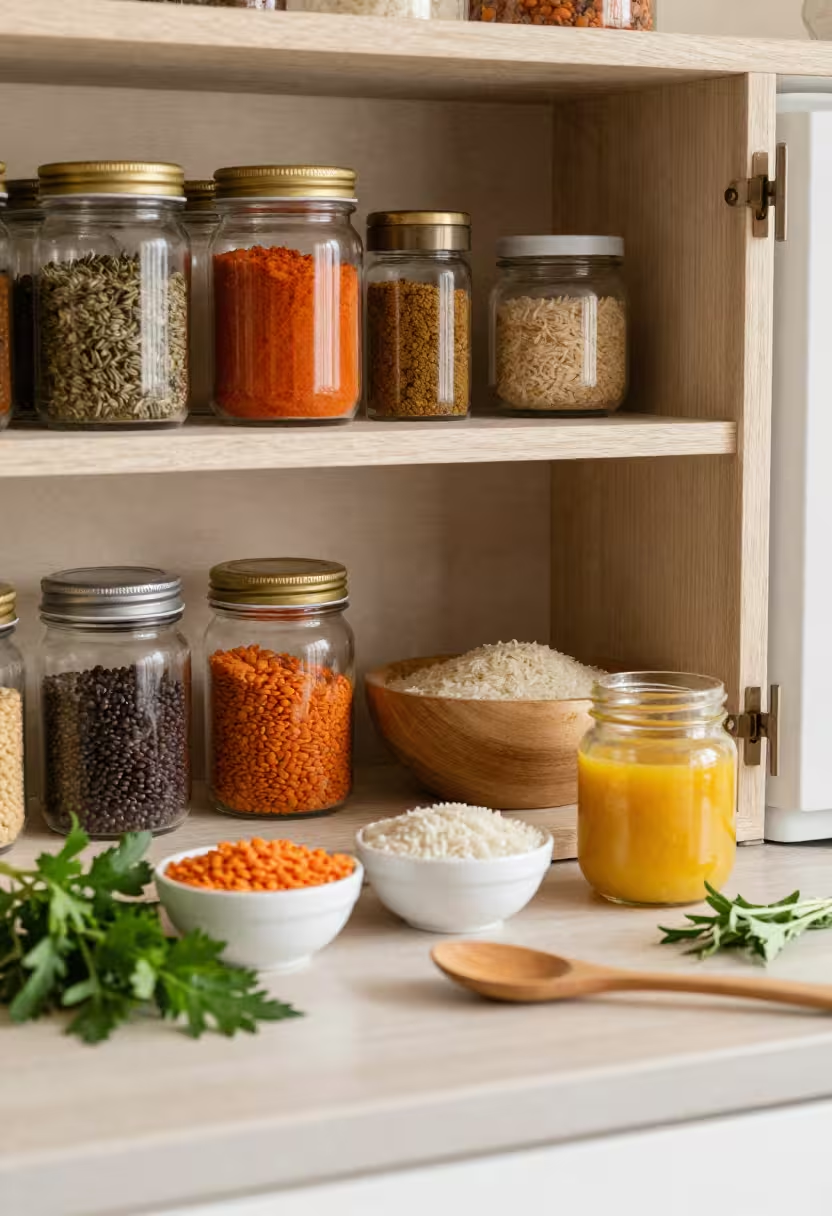
An Indian pantry isn’t about following strict rules or mastering complicated recipes. It’s about giving yourself options — flavors you can return to again and again, ingredients that adapt to your mood, your schedule, and what you have on hand.
With a few essential Indian groceries in your kitchen, cooking becomes more intuitive. You start to recognize patterns: how spices bloom in oil, how lentils soften into comfort, how fresh herbs and citrus bring everything into balance.
At Book of Foods, we believe the most meaningful cooking starts with understanding ingredients — not perfection. An Indian pantry invites curiosity, creativity, and confidence, one meal at a time.
Stock it slowly. Use it often. Let it evolve with you.