If you’ve reached a point where your body feels familiar, yet strangely different, you’re not imagining it.
One day, you’re eating the same breakfasts you’ve loved for years. Taking your usual walks. Living your normal life. And yet — the scale creeps up, energy dips by mid-afternoon, sleep feels lighter, and weight seems to settle stubbornly around your middle.
Welcome to menopause — a season that quietly rewrites the rules of your metabolism.
For many women, menopause weight gain feels confusing, frustrating, and deeply personal. It’s not about willpower. It’s not about “letting yourself go.” It’s about hormones, shifting estrogen levels, slower metabolism, and changes in how your body processes food, stores fat, and builds muscle.
And here’s the good news:
Your body isn’t broken — it simply needs a new strategy.
That’s where this 5-day menopause diet plan comes in.
This isn’t a crash diet, a detox, or a rigid meal plan that leaves you hungry and exhausted. Instead, it’s a gentle metabolic reset designed specifically for women in perimenopause and menopause — supporting weight loss, stable energy, better digestion, and hormone balance through real, nourishing food.
Over the next five days, you’ll focus on:
- Balanced meals that help reduce menopause belly fat
- Foods that support blood sugar control and hormone health
- Enough protein to protect muscle and boost metabolism
- Fiber-rich ingredients that keep you full and satisfied
- Healthy fats that support mood, joints, and long-term wellness
Think of this plan as a soft landing — a way to reconnect with your body rather than fight it.
Many women say that once they stop trying to “eat less” and start eating smarter for menopause, everything begins to shift. Cravings calm down. Energy steadies. Meals feel grounding again instead of stressful.
“I stopped blaming myself — and started listening to what my body actually needed.”
If you’ve been searching for a menopause meal plan for weight loss that feels realistic, comforting, and sustainable — you’re in the right place.
Let’s start by understanding why menopause changes the way your body responds to food — and how a few thoughtful adjustments can make all the difference.
The Science Behind Weight Gain in Menopause
For years, your body followed a rhythm you could almost predict. Eat reasonably well, stay moderately active, and your weight more or less balanced itself out. Then menopause arrives — and suddenly that rhythm changes.
The reason isn’t age alone. It’s hormones.
As estrogen levels begin to decline during perimenopause and menopause, your body responds in several important ways that directly affect weight:
Estrogen and Fat Storage
Estrogen plays a quiet but powerful role in how and where your body stores fat. When levels drop, fat distribution often shifts from hips and thighs toward the abdomen. This is why many women notice menopause belly fat even without eating more than usual.
Your body is simply adapting to a new hormonal environment — not failing you.
Slower Metabolism and Muscle Loss
Another key change is a gradual loss of muscle mass. Muscle is metabolically active tissue, meaning it burns more calories at rest. With less muscle, your basal metabolic rate slows, so your body needs slightly fewer calories than it once did — but rarely signals this clearly.
This mismatch often leads to gradual weight gain that feels confusing and unfair.
Blood Sugar, Insulin, and Cravings
Menopause can also reduce insulin sensitivity. In simple terms, your body becomes less efficient at handling carbohydrates and sugar. Blood sugar spikes happen more easily, followed by energy crashes and stronger cravings — especially for quick, comforting foods.
That mid-afternoon urge for something sweet? There’s a biological reason behind it.
Stress, Sleep, and Cortisol
Hot flashes, night sweats, and disrupted sleep raise cortisol — the stress hormone. Elevated cortisol encourages fat storage, particularly around the waist, and makes weight loss even more challenging.
It’s a domino effect:
poor sleep → higher stress → stronger cravings → slower fat loss.
Why “Eating Less” Often Backfires
This is where many women go wrong — understandably so. When weight gain appears, the instinct is to eat less. Skip meals. Cut carbs. Push harder.
But during menopause, undereating can increase stress hormones, worsen fatigue, and slow metabolism further. Instead of weight loss, the body holds on even tighter.
Menopause weight loss isn’t about restriction — it’s about precision and nourishment.
That’s why the most effective menopause diet plans focus on balanced meals, stable blood sugar, and hormone support, not extreme calorie cutting.
In the next section, we’ll break down the core principles of a menopause-friendly diet — the foundation that makes this 5-day plan work gently, effectively, and sustainably.
Core Principles of the Menopause Diet
Once you understand why your body responds differently to food during menopause, the next step becomes clearer:
you don’t need to eat less — you need to eat with intention.
A menopause-friendly diet isn’t about perfection or strict rules. It’s about giving your body the nutrients it now relies on more than ever. These core principles are what make a 5-day menopause diet plan effective, satisfying, and sustainable.
1. Protein Is Non-Negotiable
During menopause, protein becomes one of your greatest allies.
Adequate protein helps:
- Preserve lean muscle mass
- Support a healthy metabolism
- Reduce cravings and keep you full longer
- Stabilize blood sugar levels
Many women unknowingly eat far too little protein, especially at breakfast. A menopause diet plan prioritizes protein at every meal — eggs, yogurt, fish, poultry, legumes, tofu, or lean meats — without feeling heavy or restrictive.
Think of protein as the anchor that keeps your energy steady throughout the day.
2. Fiber for Fullness, Digestion, and Hormone Balance
Fiber-rich foods do more than aid digestion. They help regulate blood sugar, support gut health, and assist the body in eliminating excess hormones.
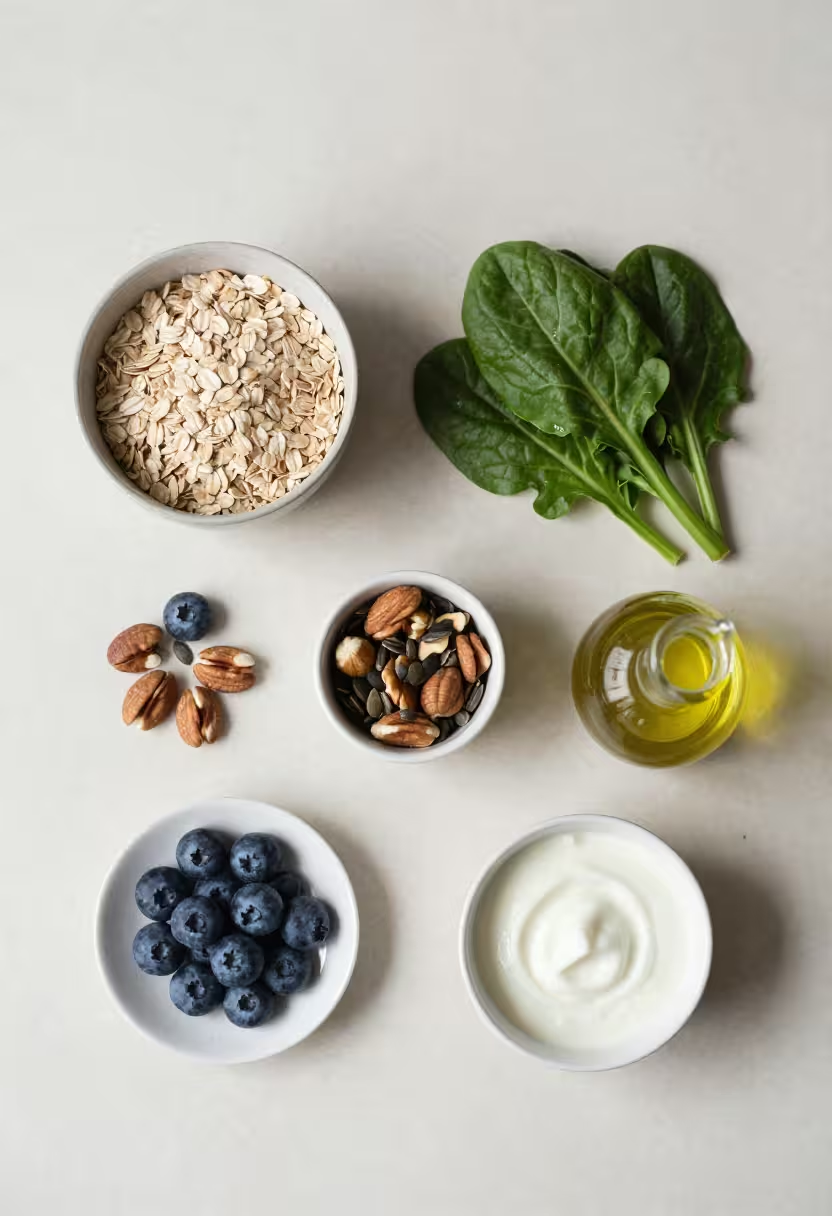
Vegetables, berries, whole grains, legumes, seeds, and nuts are essential components of a menopause meal plan for weight loss. They add volume to meals, making portions feel generous while naturally supporting fat loss.
A good rule of thumb?
If half your plate isn’t colorful, it’s missing an opportunity.
3. Healthy Fats Are Your Friend
For years, fat was wrongly blamed for weight gain. During menopause, healthy fats are essential.
Omega-3 fatty acids and unsaturated fats support:
- Hormone production
- Brain and mood health
- Joint comfort
- Satiety and satisfaction after meals
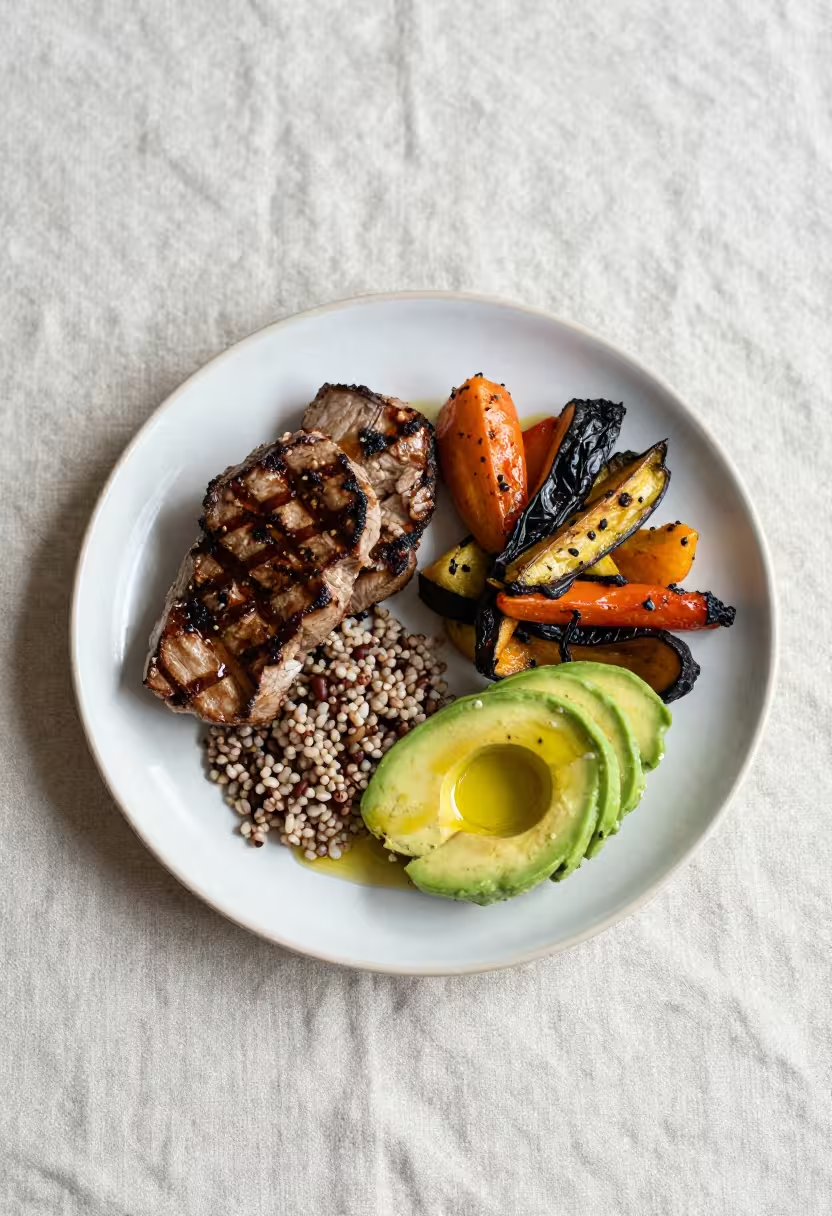
Avocado, olive oil, nuts, seeds, and fatty fish don’t stall weight loss — they help regulate appetite and reduce inflammation.
This is one of the biggest mindset shifts many women experience when eating for menopause.
4. Carbohydrates — Choose Quality, Not Quantity
Carbs aren’t the enemy, but quality matters more than ever.
Instead of refined sugars and white flour, a menopause diet focuses on low-glycemic carbohydrates that release energy slowly:
- Oats
- Quinoa
- Sweet potatoes
- Brown rice
- Fruits paired with protein or fat
This approach minimizes blood sugar spikes, supports insulin sensitivity, and helps reduce menopause belly fat over time.
5. Consistency Beats Perfection
Your hormones crave rhythm.
Eating regular meals — without skipping or extreme restriction — helps reduce cortisol, manage hunger, and create a sense of calm around food. This 5-day plan isn’t meant to be flawless; it’s meant to be repeatable.
“The moment I stopped dieting and started nourishing, my body finally responded.”
6. Hydration and Micronutrients Matter
Water, calcium, vitamin D, magnesium, and iron quietly support bone health, muscle function, sleep, and energy. Dehydration alone can mimic hunger and fatigue.
Simple habits — drinking enough water, including leafy greens, dairy or fortified alternatives — make a noticeable difference.
The 5-Day Menopause Diet Plan (Day by Day)
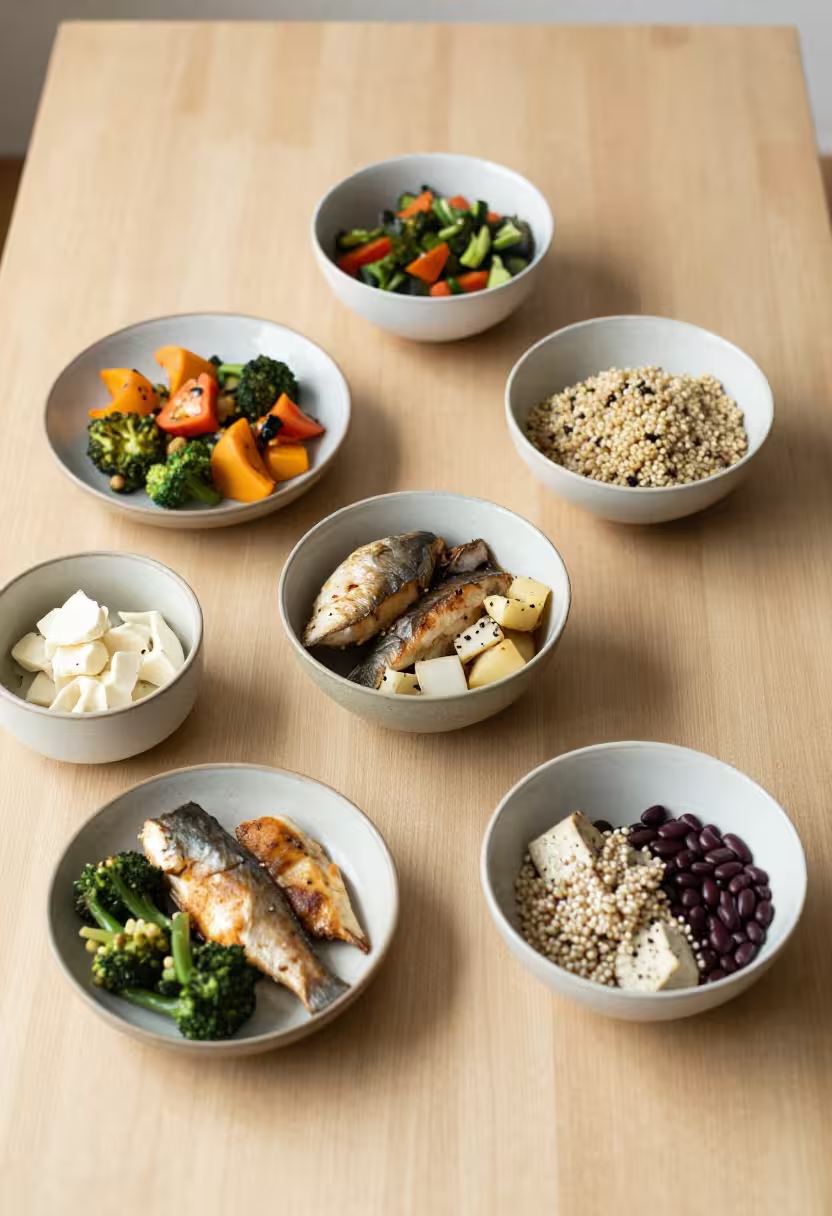
This 5-day menopause diet plan is designed to feel supportive, flexible, and deeply nourishing. Each day builds on the same principles — balanced blood sugar, adequate protein, fiber-rich foods, and healthy fats — while offering enough variety to keep meals enjoyable.
Think of this as a reset, not a rulebook. Portions can be adjusted to your hunger, and meals can be swapped as needed.
Day 1: Stabilize Blood Sugar & Reduce Cravings
Day one is about creating calm in the body. When blood sugar stabilizes, energy improves and cravings naturally soften — a crucial first step in menopause weight loss.
Breakfast
Greek yogurt with berries, ground flaxseed, and a drizzle of honey
(Protein + fiber to start the day steady)
Lunch
Lentil and vegetable soup with a slice of whole-grain bread and olive oil
(Comforting, filling, and rich in plant-based protein)
Snack
A small handful of almonds and an apple
Dinner
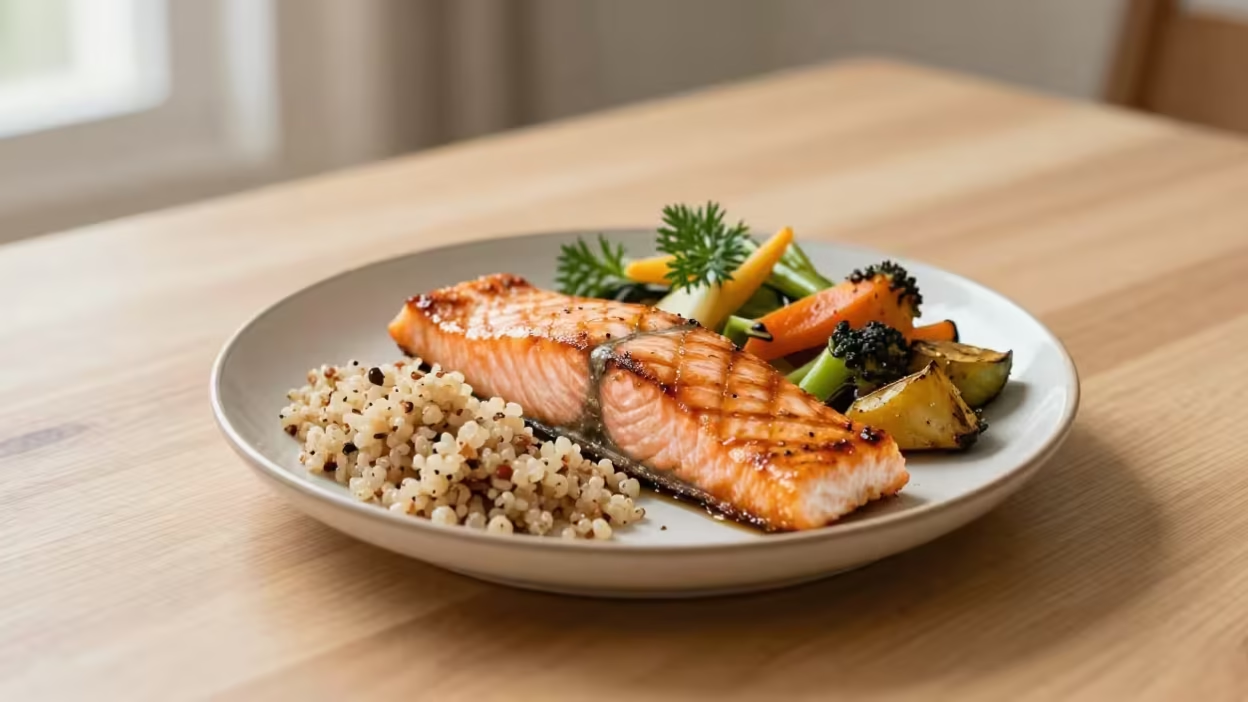
Grilled salmon with roasted vegetables and quinoa
(Omega-3 fats support hormones and reduce inflammation)
Many women notice fewer afternoon crashes by simply eating enough protein early in the day.
Day 2: Support Gut Health & Hormone Balance
Your gut plays a major role in hormone regulation. Day two focuses on fiber, fermented foods, and colorful plants that feed beneficial bacteria.
Breakfast
Oatmeal topped with chia seeds, blueberries, and almond butter
Lunch
Mixed greens salad with chickpeas, cucumber, avocado, and lemon-olive oil dressing
Snack
Plain kefir or yogurt with cinnamon
Dinner
Stir-fried tofu or chicken with broccoli, carrots, and brown rice
This is the kind of eating that feels light yet satisfying — no heaviness, no guilt.
Day 3: Protein for Metabolism & Muscle
Midweek, the focus shifts to protecting lean muscle mass — essential for keeping metabolism active during menopause.
Breakfast
Scrambled eggs with spinach and whole-grain toast
Lunch
Turkey or hummus wrap with vegetables and tahini sauce
Snack
Cottage cheese with sliced pear
Dinner
Baked cod or chicken breast with sweet potato and green beans
Protein at every meal helps reduce late-night snacking and keeps hunger predictable.
Day 4: Healthy Fats for Satisfaction & Mood
Day four leans into fats that nourish your brain, joints, and hormones — while keeping meals deeply satisfying.
Breakfast
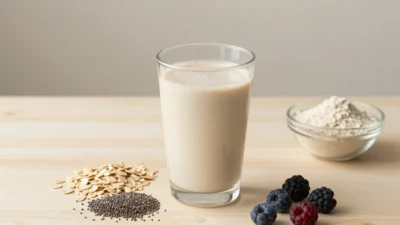
Smoothie with berries, protein powder, spinach, and flax oil
Lunch
Quinoa bowl with roasted vegetables, feta, and olive oil
Snack
Dark chocolate (a small square) and walnuts
Dinner
Grilled sardines or mackerel with leafy greens and roasted squash
This day often surprises women — eating more fat can actually make weight loss feel easier.
Day 5: Balanced, Flexible & Repeatable
The final day is about bringing it all together in a way that feels sustainable beyond this week.
Breakfast
Avocado toast with poached eggs
Lunch
Vegetable-packed minestrone soup with beans
Snack
Fresh fruit with nut butter
Dinner
Roasted chicken or tempeh with mixed vegetables and wild rice
By now, many women notice steadier energy, fewer cravings, and a calmer relationship with food.
“Nothing felt extreme — and that’s why it worked.”
How to Make This Menopause Diet Plan Work in Real Life

A meal plan only works if it fits into real days — busy mornings, changing appetites, social plans, and moments when motivation dips. The beauty of this 5-day menopause diet plan is that it’s flexible by design. Here’s how to make it feel natural, not forced.
Keep Grocery Shopping Simple
You don’t need specialty foods or hard-to-find ingredients. Most of what you need lives around the edges of the grocery store.
Focus on:
- Fresh vegetables and fruits (frozen works too)
- Lean proteins: eggs, fish, chicken, tofu, legumes
- Whole grains like oats, quinoa, and brown rice
- Healthy fats: olive oil, nuts, seeds, avocado
- Fermented foods like yogurt or kefir
If your kitchen is stocked with these basics, balanced meals become almost automatic.
Build Plates, Not Rules
Instead of obsessing over exact recipes, use a simple structure:
- ½ plate vegetables
- ¼ plate protein
- ¼ plate whole grains or starchy vegetables
- A source of healthy fat
This approach supports hormone balance, blood sugar stability, and menopause weight loss — without counting calories.
Smart Swaps That Still Work
Life happens. If you miss a meal or can’t follow the plan exactly, small swaps keep you on track.
- No salmon? Use canned sardines or eggs
- No quinoa? Try farro, barley, or lentils
- Dairy-free? Choose fortified plant yogurts
- Vegetarian? Lean into beans, tofu, tempeh, and seeds
Consistency matters far more than perfection.
Portion Awareness Without Restriction
Menopause doesn’t respond well to extremes. Eat slowly. Pause halfway through meals. Let fullness guide you rather than rigid portions.
Some days you’ll be hungrier — that’s normal. Other days less so. Trusting those signals builds long-term balance.
Meal Timing Matters More Than You Think
Skipping meals can raise stress hormones and worsen cravings later in the day. Aim for regular meals every 3–4 hours, especially earlier in the day.
Many women notice better sleep and fewer evening cravings simply by eating enough during the day.
Beyond Food: Lifestyle Habits That Support Menopause Weight Loss

Food is powerful — but it works best alongside a few supportive habits.
Gentle, Consistent Movement
You don’t need punishing workouts. Walking, yoga, swimming, and light strength training help preserve muscle and support metabolism.
Even 20–30 minutes most days can make a noticeable difference.
Sleep Is Non-Negotiable
Poor sleep increases hunger hormones and stress. Create a calming evening routine: dim lights, limit screens, and keep meals balanced at dinner.
Sometimes weight loss starts with rest, not effort.
Manage Stress With Compassion
Chronic stress raises cortisol, which encourages fat storage — especially around the belly. Breathing exercises, journaling, time outdoors, or quiet moments with tea all count.
Menopause asks for kindness, not control.
A Gentle Reminder Before You Go
This 5-day menopause diet plan isn’t about changing your body overnight. It’s about rebuilding trust with it.
When you nourish instead of restrict, support instead of punish, your body responds — often in ways that feel almost relieving.
In the next section, we’ll hear real, relatable voices and answer the most common questions women ask about eating during menopause.
Real Voices: What Women Wish They Knew About Eating During Menopause

If there’s one thing women often say about menopause, it’s this:
“I wish someone had explained it earlier.”
So many carry quiet frustration — doing “everything right,” yet feeling disconnected from their bodies. Eating less. Exercising more. Blaming themselves when nothing seems to work.
Here are voices that echo again and again:
“I thought I was failing at dieting. Turns out, my body just needed different fuel.”
“Once I stopped skipping meals, my cravings finally calmed down.”
“I stopped fighting my hunger — and the weight slowly followed.”
What stands out isn’t dramatic weight loss or strict rules. It’s relief. A sense of understanding. The moment women realize menopause weight gain isn’t a personal flaw — it’s a biological transition that deserves care.
This 5-day menopause diet plan often becomes a turning point not because it’s perfect, but because it feels respectful.
Frequently Asked Questions About the Menopause Diet

Can I repeat this 5-day menopause meal plan?
Absolutely. Many women use it as a weekly framework, rotating proteins and vegetables for variety. It’s designed to be repeatable, not restrictive.
Will this help reduce menopause belly fat?
Over time, yes. By stabilizing blood sugar, reducing cortisol, and supporting muscle mass, this style of eating supports gradual fat loss — especially around the abdomen.
Do I need to count calories?
No. In fact, calorie counting can increase stress during menopause. Focus on balanced meals, hunger cues, and consistency instead.
Can this help with hot flashes and sleep?
Many women report improvements, especially when meals support stable blood sugar and include healthy fats, calcium, and magnesium-rich foods.
What if I don’t lose weight right away?
Menopause weight loss can be slower — and that’s normal. Early signs of progress often include better energy, fewer cravings, improved digestion, and better sleep. Those changes matter.
Final Thoughts: Eating Well Is an Act of Self-Respect
Menopause asks us to let go of old rules — and create new ones rooted in care.
This Ultimate 5-Day Menopause Diet Plan to Lose Weight & Feel Amazing isn’t about shrinking yourself. It’s about supporting your body through change, honoring its needs, and finding steadiness again.
When you eat to nourish hormones, protect muscle, and calm stress, weight loss becomes a side effect — not the obsession.
Start where you are. Eat with intention. Repeat what feels good.
Your body is listening.