Techniques for Juicy, Tender, Flavorful Cuts

Cooking meat can feel intimidating, even for confident home cooks. One moment it’s undercooked and chewy, the next it’s dry and disappointing. Many of us have had that experience — standing in the kitchen, knife in hand, wondering where things went wrong with a cut that looked so promising just minutes before.
The truth is, great meat cooking isn’t about luck or expensive equipment. It’s about understanding how meat behaves — how heat affects it, how time changes texture, and how the right technique can turn even a tough cut into something deeply satisfying. When you know what you’re working with, meat becomes far less unpredictable.
Different cuts ask for different approaches. A steak wants quick, confident heat. A shank needs patience. Organ meats reward gentleness and respect. Once you learn to recognize these needs, cooking meat stops feeling stressful and starts feeling intuitive.
This guide is designed to help you cook meat with confidence — whether it’s a familiar cut you make every week or something more adventurous you’ve never tried before. We’ll talk about preparation, cooking methods, and the small decisions that make the difference between just cooked and truly delicious.
Because when meat is cooked well, it doesn’t need much. Just good technique, a little attention, and the willingness to trust your senses.
Know Your Meats — From Everyday Cuts to Variety Meats

Before heat ever touches the pan, great meat cooking starts with understanding what kind of meat you’re dealing with. Not all cuts are created equal, and treating them the same is one of the fastest ways to end up with something dry, tough, or forgettable.
At the simplest level, meats fall into two broad categories: naturally tender cuts and hard-working cuts.
Tender cuts — like steaks, chops, and loins — come from muscles that don’t work very hard. They’re fine-grained, relatively low in connective tissue, and respond best to quick, high-heat cooking. Think searing, grilling, or roasting. These cuts reward confidence and restraint: hot pan, short cooking time, proper rest.
Hard-working cuts tell a different story. Shanks, shoulders, brisket, cheeks — these muscles are full of connective tissue and collagen. Cooked quickly, they’re tough and unforgiving. Cooked slowly, they transform. Time and gentle heat melt collagen into gelatin, creating meat that’s tender, juicy, and deeply flavorful. These cuts thrive in braises, slow roasts, and long simmers.
Then there are variety meats — sometimes called offal or organ meats — which often intimidate home cooks but can be incredibly rewarding. Liver, heart, tongue, sweetbreads, tripe: each has its own texture, flavor, and ideal method. They demand precision rather than force. Liver likes quick cooking and balance. Heart benefits from trimming and fast heat. Tongue needs patience and moisture. When treated correctly, these meats offer richness and character you won’t find elsewhere.
Understanding this distinction changes everything. Instead of asking “How long do I cook this?”, you start asking “What does this cut need?”
Speed or patience? Dry heat or moisture? Gentle or bold seasoning?
Once you know the answers, you stop fighting the meat — and start working with it.
Basic Meat Preparation Techniques
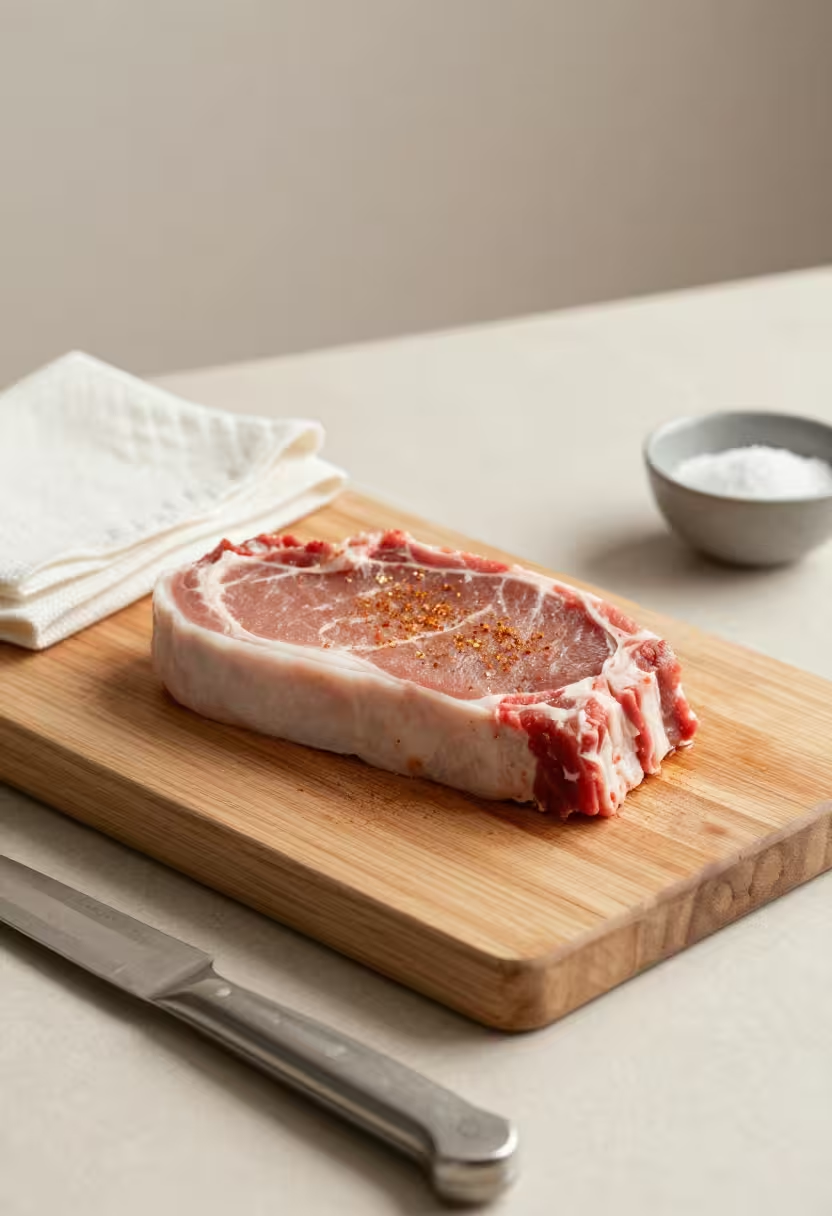
Good meat cooking doesn’t begin at the stove — it begins at the cutting board. The way you prepare meat before cooking has a direct impact on its texture, juiciness, and flavor, often more than the cooking method itself.
Start with trimming, but do it thoughtfully. Remove excess silver skin and tough connective tissue, especially on harder-working cuts, but don’t be too aggressive with fat. Fat protects meat from drying out and carries flavor. Leaving the right amount in place helps keep meat juicy during cooking.
Next comes drying the surface. Moisture is the enemy of browning. Pat meat dry with a paper towel before it hits the pan or grill — this small step is the difference between steaming and proper searing. That golden crust everyone loves starts with a dry surface.
Seasoning early is another quiet game-changer. Salting meat ahead of time allows salt to penetrate, improving flavor and texture throughout. Even 30–60 minutes makes a difference. For thicker cuts, longer seasoning can help retain moisture rather than draw it out, leading to juicier results.
Marinades and brines serve different purposes. Marinades add surface flavor and, when acidic, can gently tenderize — but only if used briefly. Brines, on the other hand, work through salt and time, helping meat retain moisture and seasoning it all the way through. Knowing which one to use depends on the cut and the final dish.
Finally, remember temperature matters. Bringing meat closer to room temperature before cooking helps it cook more evenly. Cold meat straight from the fridge often cooks unevenly — overdone on the outside, undercooked inside.
These steps aren’t complicated, but they are intentional. Taken together, they create the conditions for success — so when the meat finally meets heat, it’s already on your side.
How to Cook Common Meats Perfectly
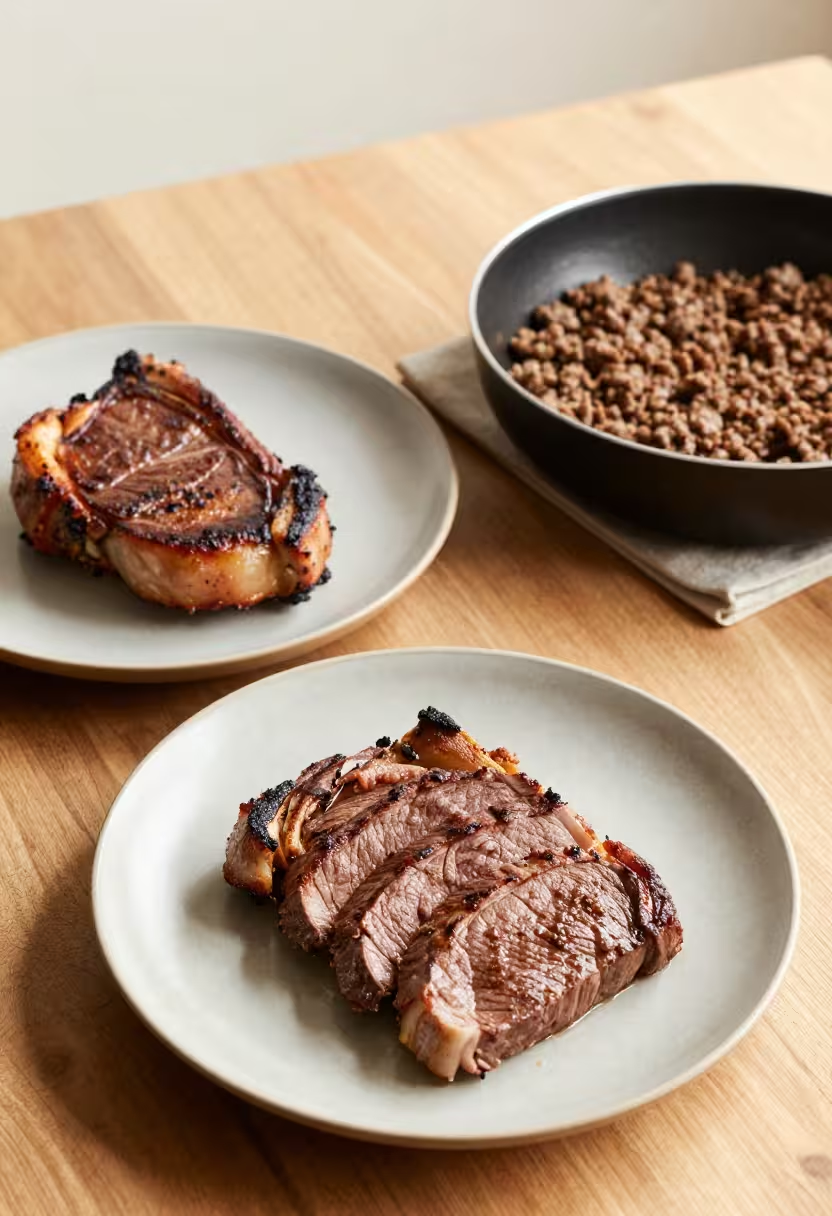
Once you understand the cut and prepare it well, cooking common meats becomes far less stressful — and far more satisfying. The goal is always the same: even cooking, good browning, and moisture retention. How you get there depends on the meat.
Beef is all about heat control. Tender cuts like steak benefit from a hot pan or grill and minimal handling. Let the surface brown deeply before flipping, then give the meat time to rest so juices redistribute. For roasts, lower heat and patience are key. Cooking beef gently allows it to stay juicy while developing rich flavor on the outside.
Pork rewards attention. Lean cuts such as loin or chops dry out quickly if overcooked, so moderate heat and careful timing matter. Slightly pink pork is not only safe when properly handled — it’s also far more tender and flavorful. Fatty cuts like shoulder or belly, on the other hand, thrive with slow cooking, where fat renders and meat softens into something deeply comforting.
Ground meat deserves just as much care as whole cuts. Avoid over-mixing, which makes it dense and tough. Season lightly, handle gently, and let it brown undisturbed to develop flavor. Whether you’re making burgers or sauces, browning creates depth you can’t add later.
Even poultry, often overlooked in meat discussions, follows the same principles. Dark meat prefers longer cooking and forgiving heat, while breast meat benefits from careful temperature control to stay juicy.
Across all these meats, a few habits make a big difference: don’t overcrowd the pan, resist the urge to flip too often, and always let meat rest before cutting. These simple choices protect texture and flavor.
Mastering these basics gives you a strong foundation — one you can rely on before moving into less familiar territory.
Cooking Less Familiar Meats with Confidence
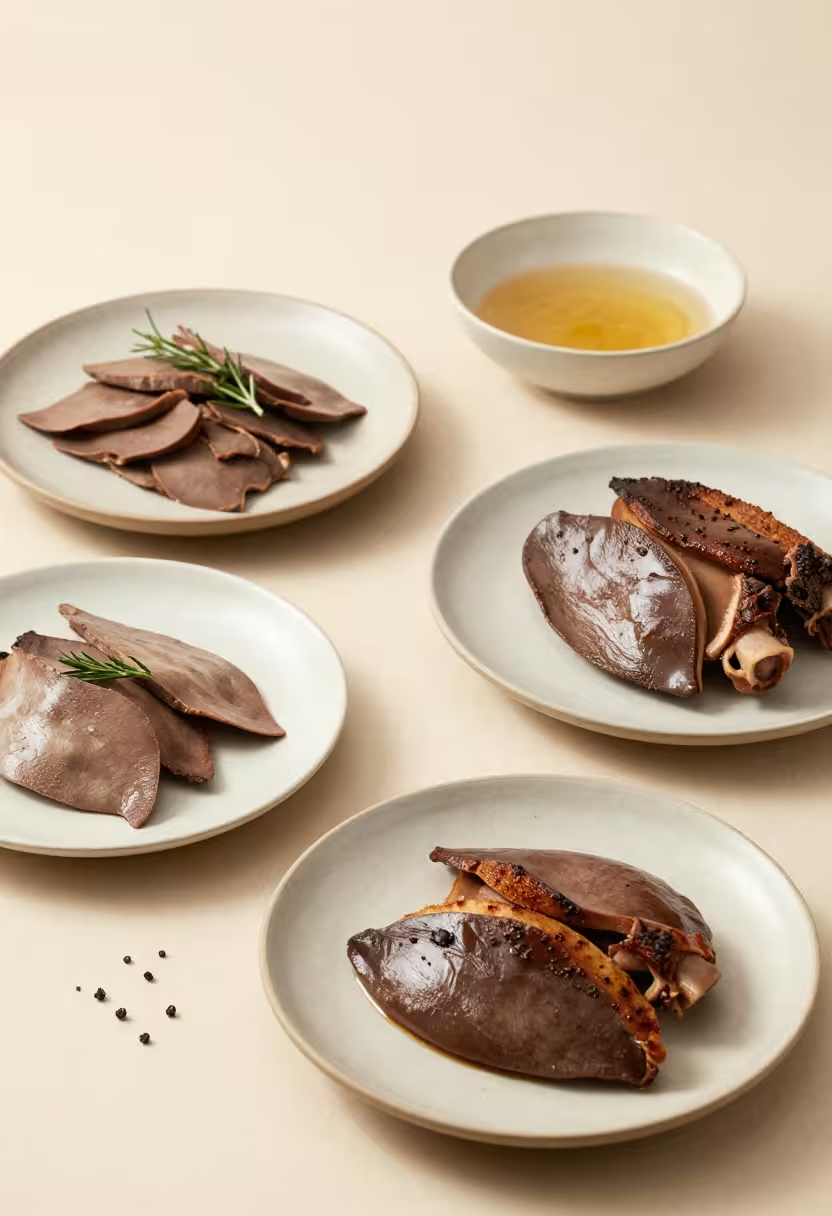
Less familiar meats often come with hesitation — not because they’re difficult, but because they’re misunderstood. Liver, heart, tongue, sweetbreads, tripe, shank — these cuts simply follow different rules. Once you know them, they become some of the most rewarding things you can cook.
Liver is all about balance and restraint. Its flavor is rich and mineral, which can feel overwhelming if mishandled. A short soak in milk or lightly salted water can soften bitterness. Cook it quickly over medium-high heat, just until set. Overcooking is what makes liver grainy and harsh. Finished with butter, onions, or a splash of acid, it becomes silky and deeply savory.
Heart is lean, dense, and surprisingly mild when trimmed properly. Remove tough outer membranes, slice thinly, and cook it fast — much like a steak. High heat, short time. Heart rewards bold seasoning and quick searing, staying tender when treated with confidence.
Tongue asks for patience. Slow, moist cooking is its friend. Simmer or braise gently until tender, then peel away the outer skin. What’s left is rich, delicate meat that slices beautifully and absorbs flavor exceptionally well. Tongue is forgiving — time does most of the work for you.
Sweetbreads and tripe require careful cleaning and gentle cooking, but the payoff is texture you won’t find anywhere else. Blanching, then slow cooking or light sautéing, helps them stay tender and mild rather than tough.
For cuts like shank or heavily worked muscles, slow heat is essential. These cuts are full of collagen, which transforms into silky gelatin when cooked low and slow. Rushing them only creates resistance; patience turns them luxurious.
The key with all of these meats is respect — for the cut, for its structure, and for what it needs. When you stop forcing them to behave like steaks, they show you what they’re capable of.
Methods That Make All Meat Better
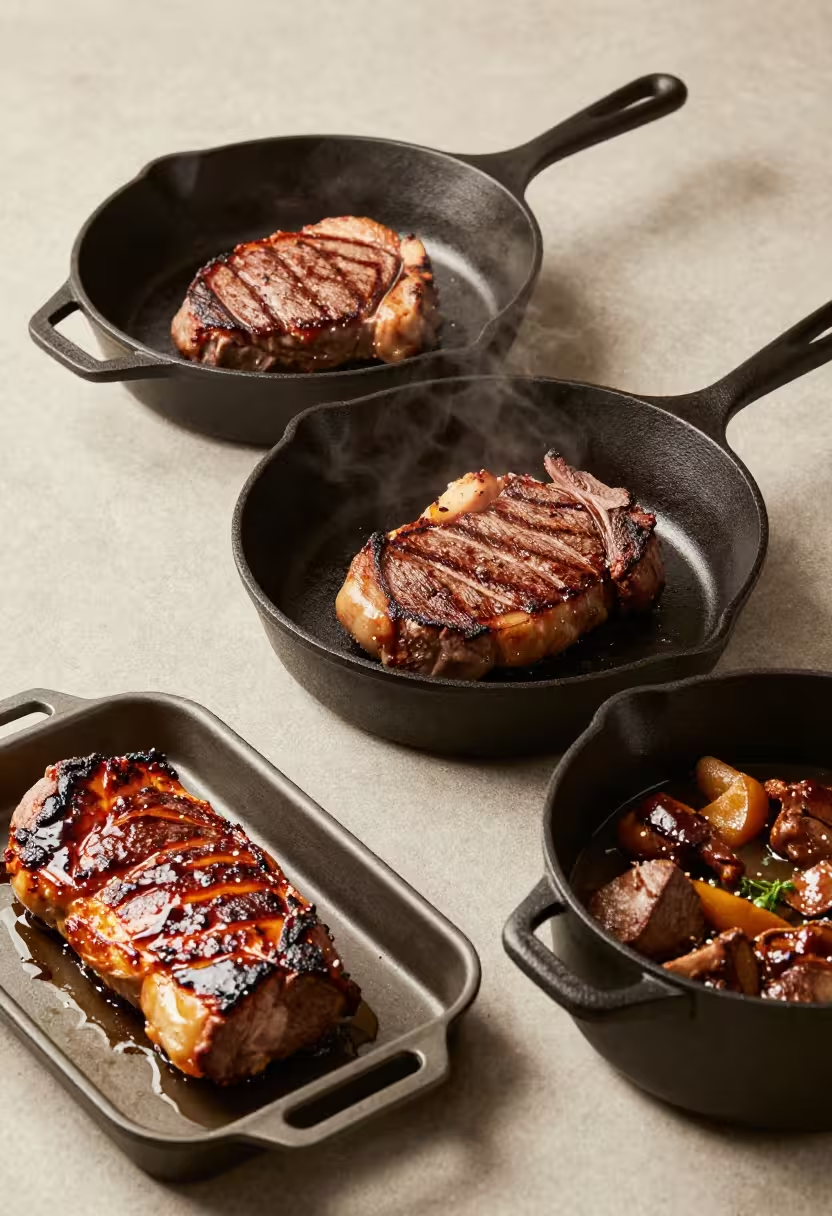
No matter the cut, certain cooking methods consistently bring out the best in meat. These techniques aren’t about complexity — they’re about choosing the right kind of heat and letting it do its work.
Searing is where flavor begins. High heat creates a deeply browned surface that adds richness and aroma. The key is patience: let the meat sit undisturbed until it naturally releases from the pan. That crust isn’t just visual — it’s flavor you can’t replicate later.
Grilling and broiling use intense, direct heat to cook meat quickly while adding smoky, charred notes. They’re ideal for tender cuts that don’t need time to soften. Good grilling is about control: hot zones, cooler zones, and knowing when to move the meat rather than flip it endlessly.
Roasting offers even, surrounding heat, making it perfect for larger cuts. Starting hot to build color, then lowering the temperature to finish gently, helps preserve moisture while developing depth. Roasting rewards planning more than constant attention.
Braising and slow cooking are transformative. Tough cuts rich in connective tissue soften over time, turning firm meat into something spoon-tender. Low heat, moisture, and patience allow collagen to break down into gelatin, creating richness without added fat. These methods are forgiving — ideal for cuts that intimidate beginners.
Sous vide and low-temperature cooking bring precision into the picture. By controlling temperature exactly, meat cooks evenly from edge to center. While not essential, these methods highlight how powerful temperature control can be.
Across all these techniques, one principle remains constant: don’t rush. Meat responds to calm, steady heat far better than impatience. When you choose the method that suits the cut, most of the work is already done.
How to Tell When Meat Is Done
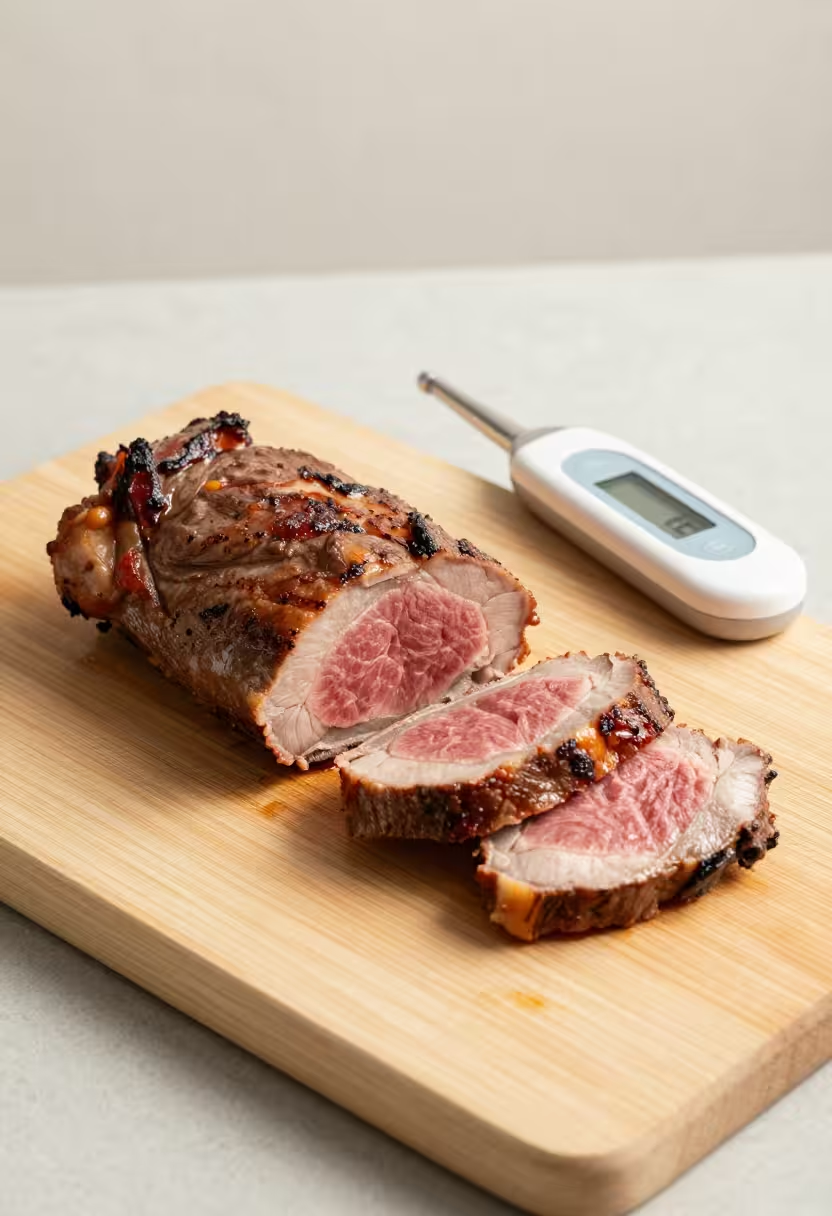
Knowing when meat is perfectly cooked is one of the most valuable skills a home cook can develop. It’s also one of the most misunderstood. Cutting into meat too early releases juices and leaves you guessing — but there are better ways to tell when it’s ready.
The most reliable guide is internal temperature. A simple thermometer removes uncertainty and builds confidence, especially when cooking larger cuts or unfamiliar meats. It helps you hit the sweet spot between undercooked and overdone, every time.
That said, experienced cooks also rely on touch and visual cues. Meat firms up as it cooks. Rare meat feels soft and yielding; well-done meat feels firm. Over time, your hands learn this language. Color changes can help too, though they’re not always foolproof — especially with meats like pork or ground cuts.
One often-overlooked step is resting. When meat comes off the heat, juices are still moving. Resting allows them to redistribute, making meat juicier and more tender. Cutting too soon is one of the most common reasons meat feels dry, even when cooked to the right temperature.
It’s also important to remember carryover cooking. Meat continues to cook slightly after being removed from heat. Taking it off just before it reaches the final temperature helps prevent overcooking.
Most mistakes come from impatience, not lack of skill. Learning to trust temperature, timing, and rest transforms meat cooking from stressful to reliable.
Flavor Boosters for Every Cut
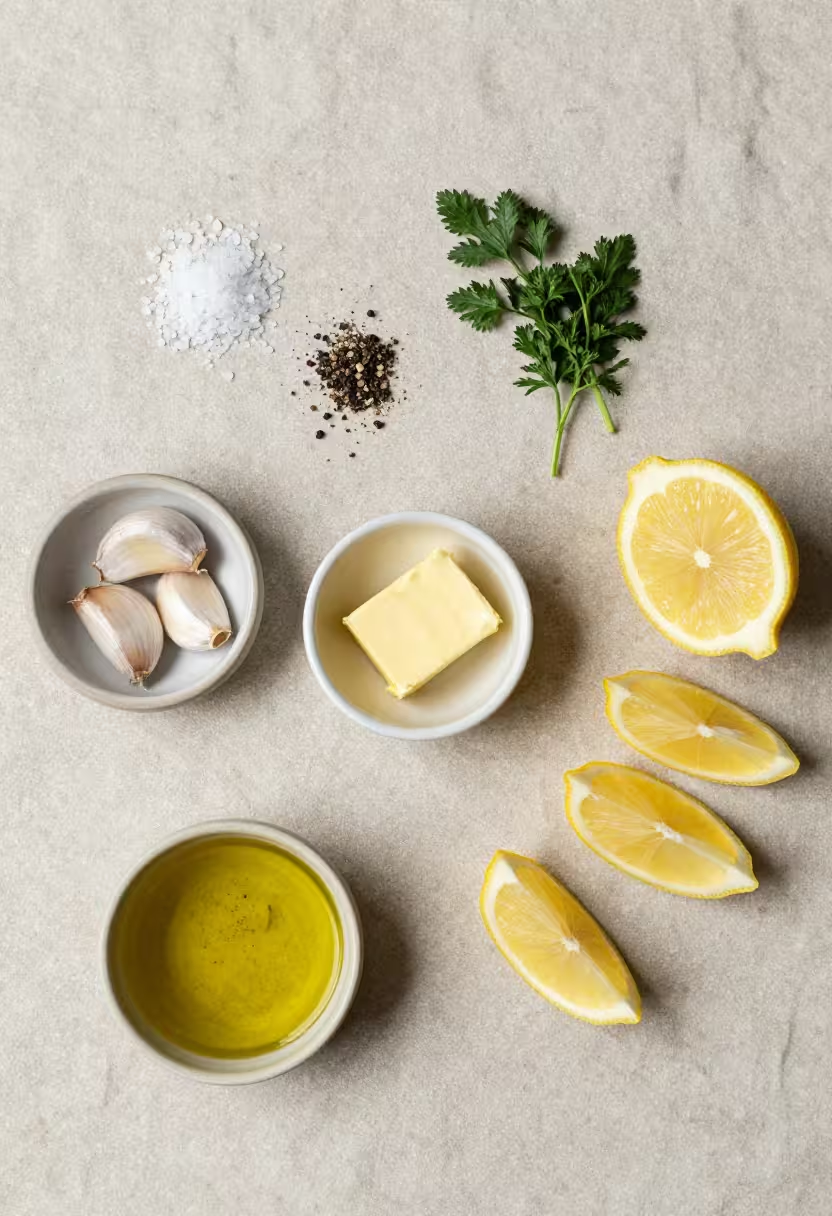
Once meat is cooked properly, flavor is what takes it from good to unforgettable. The best part? You don’t need complicated sauces or long ingredient lists. A few thoughtful additions, used at the right moment, can elevate any cut.
Seasoning blends and dry rubs build character before cooking even begins. Salt is essential, but spices, herbs, and aromatics add personality. Earthy spices suit slow-cooked meats, while brighter blends shine on quickly cooked cuts. The goal isn’t to mask flavor — it’s to support it.
Marinades add surface flavor and can soften tougher cuts, but restraint matters. Too much acid or time can make meat mushy. For tender cuts, marinades should be brief and balanced. For tougher meats, longer marinating paired with slow cooking brings the best results.
Finishing touches are where dishes often come alive. A knob of butter melted over hot meat adds richness. A squeeze of lemon or splash of vinegar brightens everything. Fresh herbs sprinkled at the end bring contrast and aroma that heat would otherwise dull.
Sauces don’t need to be heavy. Simple pan sauces made from drippings, stock, and a touch of acid complement meat without overpowering it. Even a drizzle of good olive oil can round out flavor and texture beautifully.
Think of flavor boosters as final adjustments rather than fixes. When the meat is cooked well, these small additions feel intentional — not corrective.
Final Thoughts — Cooking Meat with Confidence
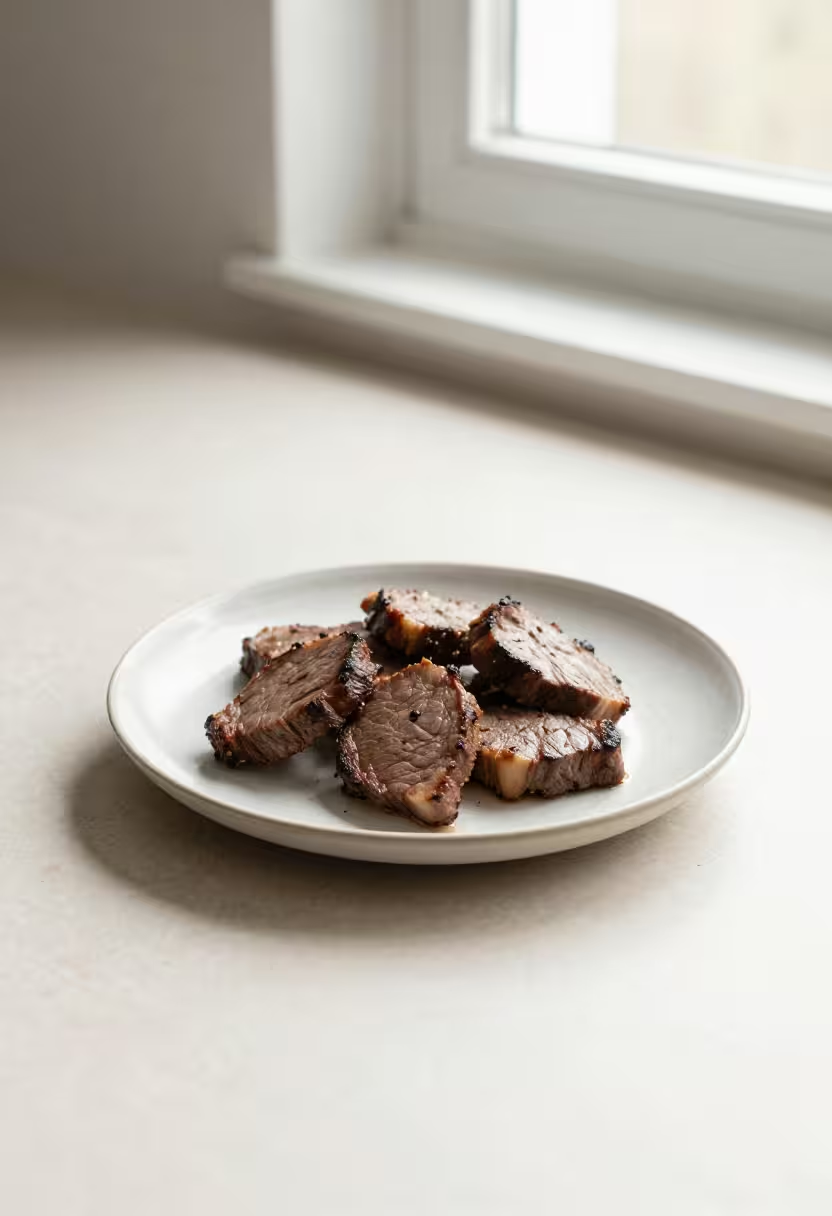
Cooking meat well is less about memorizing rules and more about building awareness. Once you understand how different cuts behave, how heat changes texture, and how small adjustments affect flavor, meat stops feeling unpredictable.
Confidence comes from paying attention. From noticing how a cut responds to heat. From tasting, resting, adjusting. From accepting that every piece of meat is slightly different — and that flexibility is a skill, not a weakness.
Whether you’re cooking a simple weeknight chop or trying a cut you’ve never worked with before, the principles stay the same: respect the meat, choose the right method, and don’t rush the process. Technique matters, but so does patience.
Over time, you’ll find that you rely less on instructions and more on instinct. Meat cooking becomes quieter, calmer, and more rewarding. And that’s when it stops feeling intimidating — and starts feeling like something you truly understand.