What “Superfoods” Really Mean Today

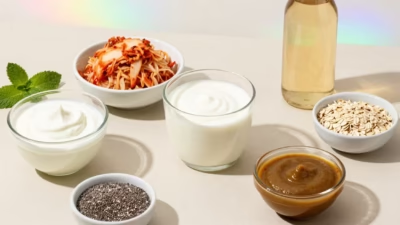
“Superfood” is one of those words that seems to live everywhere — splashed across smoothie menus, printed on snack labels, whispered in wellness trends. But behind the marketing buzz, the idea is refreshingly simple: certain foods contain an exceptionally high concentration of nutrients that support your body in meaningful, measurable ways.
Superfoods aren’t magic, and they won’t transform your health overnight.
But they will quietly elevate your energy, strengthen your immune system, feed your brain, support digestion, and help your body thrive — one colourful, nutrient-rich bite at a time.
Think of them as nature’s “power players”: foods so dense in vitamins, minerals, antioxidants, and healthy fats that they deliver more nourishment in fewer bites. Some are ancient ingredients celebrated for thousands of years. Others are humble everyday foods we’ve simply learned to appreciate more deeply.
In a world full of complicated diets, superfoods offer clarity:
eat more foods that naturally support your body’s systems — and do it in ways that feel enjoyable, fresh, and sustainable.
In this guide, inspired by the evidence-based wellness approach highlighted by UKCareGuide, we’ll explore:
- what actually makes a food “super,”
- how these nutrient powerhouses benefit your health,
- which superfoods deserve space in your kitchen,
- and simple, delicious ways to use them every day.
No hype. No unrealistic promises.
The Science Behind Superfoods: What Makes Them “Super”
Before we dive into lists and recipes, it’s important to understand why certain foods earn the title “superfood.” It’s not a marketing trick — there’s real nutritional science behind it.
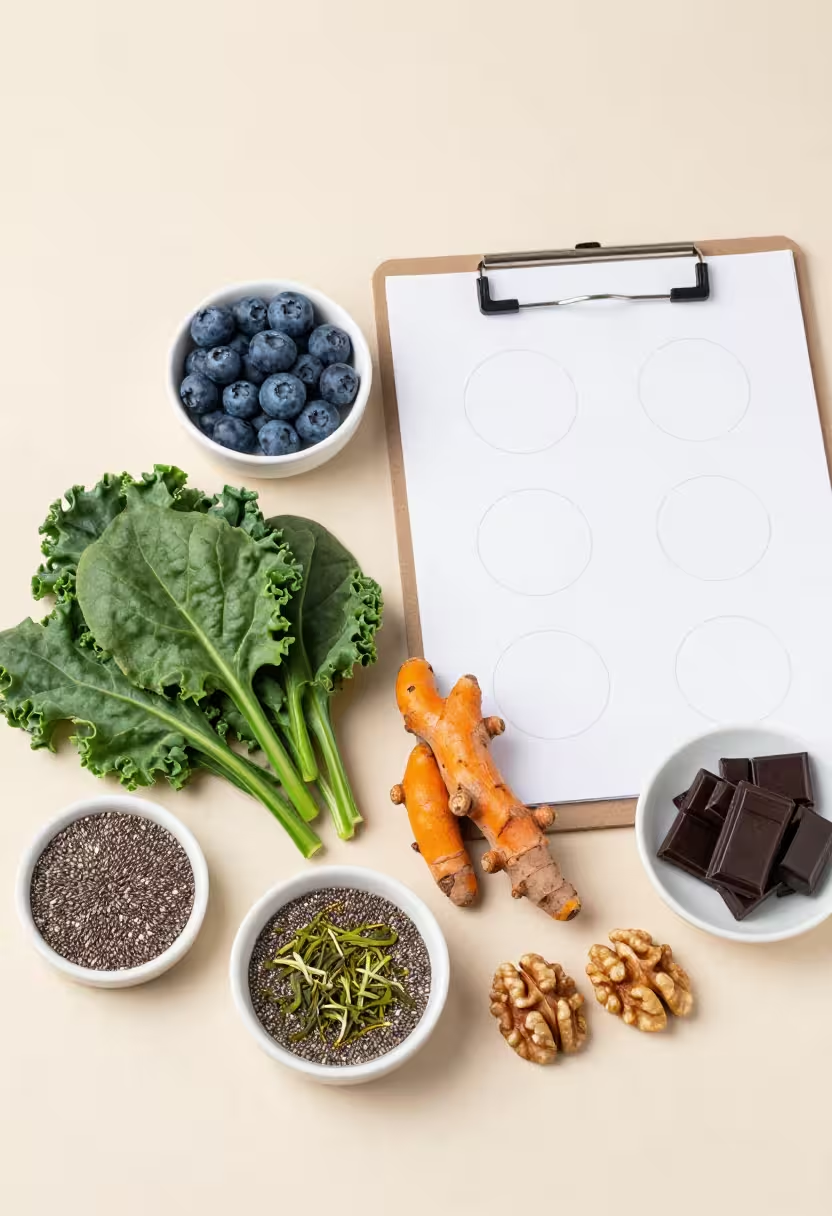
Superfoods stand out because they contain exceptionally high levels of health-supporting compounds, such as:
✔ Antioxidants
These are plant compounds that protect your cells from damage caused by stress, pollution, and aging. The most powerful antioxidants — like polyphenols and flavonoids — are abundant in berries, dark chocolate, green tea, and leafy greens.
They help your body:
- reduce inflammation,
- protect the brain,
- slow cellular aging,
- and support immunity.
✔ Healthy Fats
Oily fish, avocado, nuts, and seeds contain omega-3s and monounsaturated fats — essential for heart health, stable hormones, and a sharp brain.
Healthy fats:
- nourish your nervous system,
- reduce inflammation,
- and keep you full for longer.
✔ Fibre & Prebiotics
Superfoods like chia seeds, sweet potatoes, quinoa, and oats are powerful sources of fibre — the key to digestive health, gut balance, stable blood sugar, and better mood regulation.
A healthy gut = a healthier you.
✔ Vitamins & Minerals in High Concentration
Some superfoods offer unusually potent doses of essential nutrients, like:
- vitamin C (citrus, berries),
- vitamin K (kale, spinach),
- magnesium (nuts, seeds, cacao),
- potassium (avocado, sweet potato).
These nutrients boost energy, help recovery, and support whole-body balance.
✔ Unique Bioactive Compounds
Some foods contain compounds that don’t appear widely elsewhere — like curcumin in turmeric or EGCG in green tea. These offer powerful, targeted benefits such as anti-inflammatory, antioxidant, or immune-supportive effects.
The Real Benefits of Adding Superfoods to Your Diet
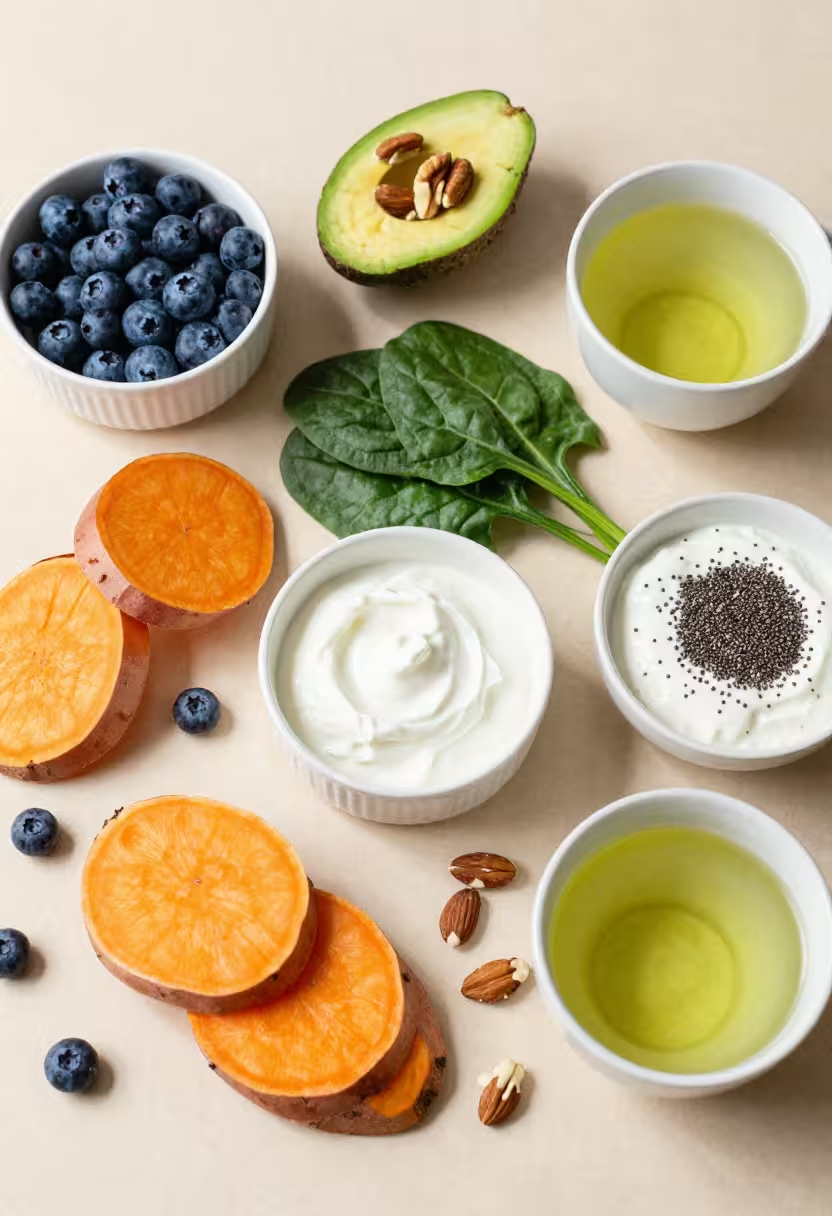
Superfoods aren’t a trend — they’re a practical way to upgrade your everyday nutrition without complicated diets or strict rules. When eaten regularly, their nutrient density works quietly in the background, supporting your body in ways you can feel over time.
Here’s how superfoods make a real difference in daily life:
✨ More Natural Energy (Without the Crash)
Because superfoods are rich in slow-digesting carbohydrates, healthy fats, and essential minerals, they provide a steady release of energy.
Think: the difference between a sugary snack and a bowl of oats with berries — both sweet, but only one keeps you going for hours.
You’ll notice:
- fewer afternoon slumps,
- more stable focus,
- stronger workout performance,
- and better waking energy.
✨ Stronger Immune System
Antioxidants, vitamin C, zinc, and polyphenols found in berries, citrus, nuts, leafy greens, and green tea help your immune cells function effectively.
Superfoods help your body fight what it encounters daily — stress, pollution, bacteria, and viruses — with more resilience.
✨ Better Digestion & Gut Health
A diet rich in fibre, prebiotics, and naturally fermented foods supports a thriving microbiome.
A healthy gut improves:
- digestion,
- nutrient absorption,
- immunity,
- and even mood (thanks to the gut–brain connection).
Chia seeds, oats, yogurt, kefir, and sweet potatoes are superstars here.
✨ Anti-Inflammatory Support
Chronic inflammation is linked to fatigue, joint pain, weight issues, skin problems, and various long-term conditions.
Superfoods like turmeric, salmon, berries, and leafy greens help calm this inflammation naturally.
✨ Sharper Brain & Better Mood
Omega-3s, antioxidants, and magnesium support the brain at every level — from cellular protection to neurotransmitter balance.
You may notice:
- clearer thinking,
- better memory,
- calmer mood,
- greater emotional resilience.
✨ Healthy Skin, Hair & Aging Support
Nutrients like vitamin E, collagen-supporting vitamin C, and polyphenols nourish your skin from the inside out — giving it a natural glow and supporting elasticity.
Top Antioxidant Superfoods & How They Work
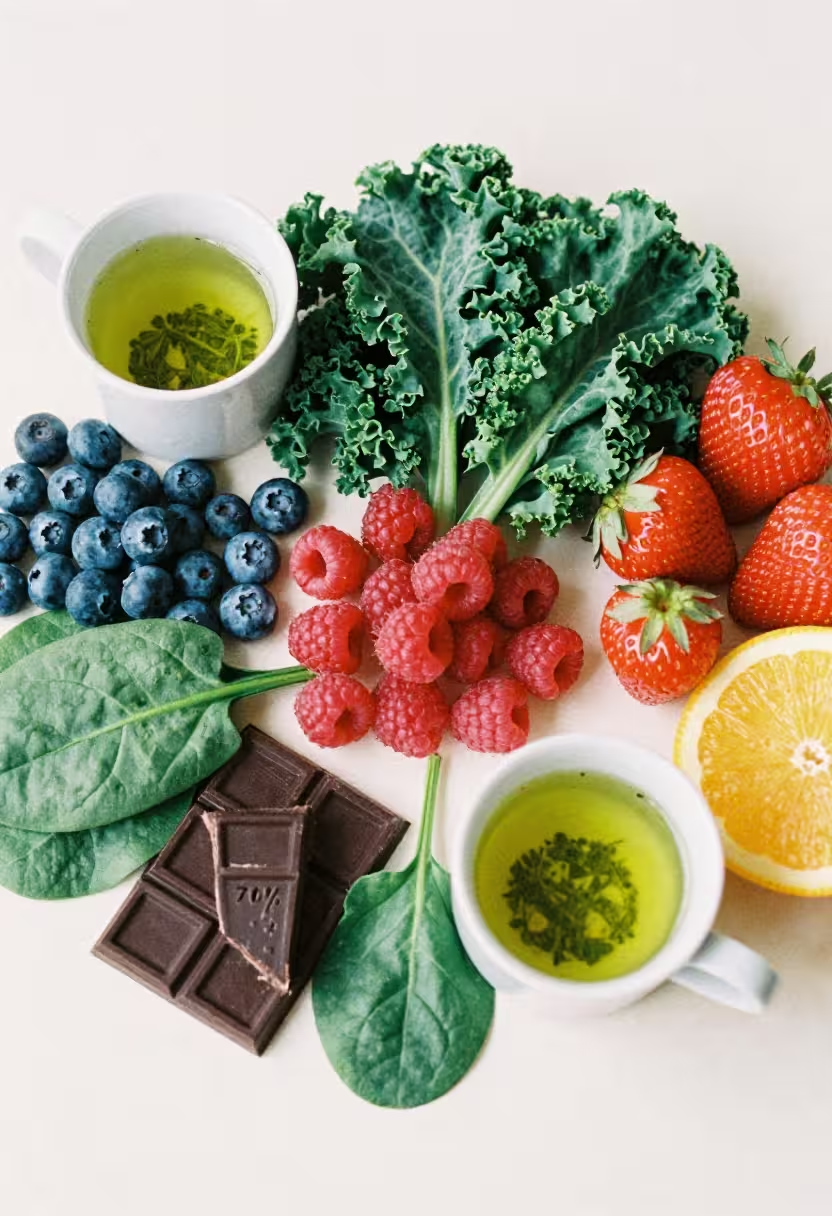
Antioxidant-rich superfoods are often the first ones people think of — and for good reason. These foods help your body defend itself from oxidative stress, a natural process that can accelerate aging, weaken immunity, and drain your energy if left unchecked. When you include antioxidant superfoods regularly, you’re essentially giving your cells a protective shield.
Some of the most powerful antioxidant foods are surprisingly simple and accessible. Berries, for example, are tiny but mighty. Blueberries, raspberries, strawberries, and blackberries contain polyphenols that support brain function, reduce inflammation, and steady blood sugar. A handful tossed into oatmeal or yogurt can noticeably brighten your energy.
Dark leafy greens like kale, spinach, and Swiss chard offer a different antioxidant profile, rich in vitamins A, C, and K. They’re incredibly versatile — blend them into smoothies, sauté with garlic, or add them to warm grain bowls. Their nutrients help support skin health, immunity, and even bone strength.
Then there’s green tea, one of the most researched antioxidant beverages in the world. Its star compound, EGCG, has been linked to improved metabolism, brain protection, and reduced inflammation. Even one cup a day can make a difference, especially when it replaces sugary drinks.
For something richer and more indulgent, dark chocolate (70% and above) is one of the most surprising yet effective sources of antioxidants. Just a few squares can contribute to heart health and improved blood flow — a delicious way to boost wellbeing without feeling like you’re “dieting.”
These antioxidant superfoods don’t require complicated recipes or expensive habits. They slip easily into your daily meals, adding colour, vibrancy, and protection. In the next section, we’ll explore another category: superfoods that nourish your brain and support mood — something modern life demands more than ever. 🫐🍃🍫
Superfoods for Brain & Mood Support

Some foods don’t just nourish the body — they nourish the mind. In a world filled with constant stimulation, screens, and stress, giving your brain the right nutrients can make an extraordinary difference in how you think, focus, and feel. Brain-supporting superfoods contain healthy fats, antioxidants, and minerals that improve communication between neurons, protect against oxidative stress, and stabilise mood.
One of the strongest pillars in this category is salmon and other oily fish. Packed with omega-3 fatty acids, especially DHA, these nutrients form the very building blocks of brain cells. Regular intake has been linked to better memory, reduced anxiety, and improved concentration. If you don’t eat fish, walnuts, chia seeds, and flaxseeds offer plant-based omega-3 alternatives.
Another powerful brain food is the avocado. Thanks to its monounsaturated fats, it supports healthy blood flow, which is vital for cognitive function. It also delivers vitamin E — a nutrient associated with slower cognitive aging. Add avocado to salads, toast, or blended sauces, and you get rich, creamy nourishment that serves more than just flavour.
For mood support, dark chocolate stands out again. Its polyphenols help lift serotonin levels, creating a subtle but real mood boost. And let’s be honest — sometimes a small square of chocolate can be an emotional comfort that feels both grounding and satisfying.
Blueberries and other deeply coloured fruits offer brain-protective antioxidants that support memory and reduce mental fatigue. Even a handful a few times a week can contribute to long-term brain health.
These foods don’t act like quick fixes — they work slowly, quietly, and consistently. With each serving, you’re feeding your brain resilience and clarity. Up next, we’ll shift to another essential system: digestion, and the superfoods that keep your gut happy and balanced. 🌿🧠💛
Superfoods for Better Digestion & Gut Health
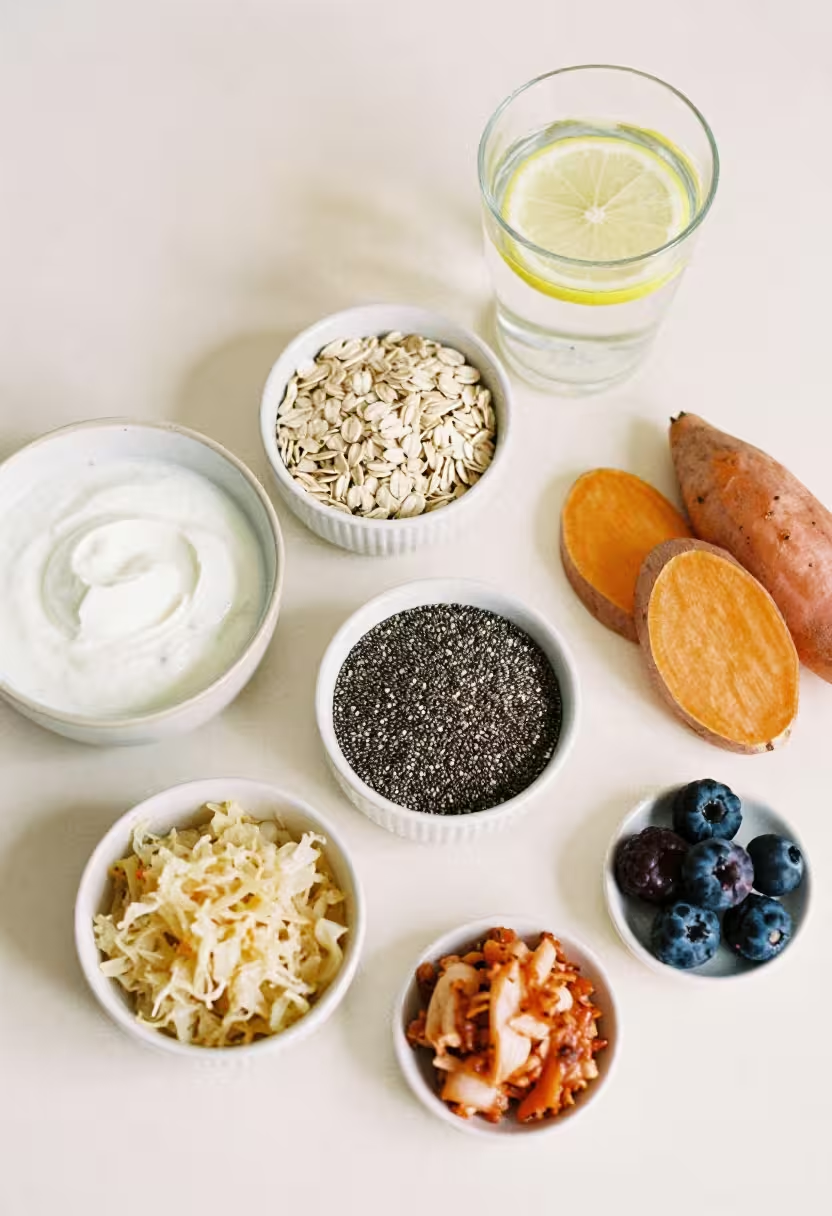
A healthy gut is the foundation of overall wellbeing — it influences your immunity, mood, energy, and even the way your body absorbs nutrients. Superfoods that support digestion are rich in fibre, probiotics, and natural compounds that keep your microbiome balanced and your digestive system running smoothly.
Among the most valuable gut-friendly superfoods are chia seeds. Tiny as they are, they absorb liquid and form a gel-like texture that helps regulate digestion, maintain stable blood sugar levels, and keep you feeling satisfied. Stir them into yogurt, oats, or smoothies, and they support your gut in a gentle, steady way.
Greek yogurt and kefir are powerful natural sources of probiotics — the “good bacteria” your gut depends on. These foods help restore balance in the digestive tract, reduce bloating, and support immunity. Their mild flavor makes them easy to pair with fruit, nuts, or even savory bowls.
For fibre and prebiotics, oats and sweet potatoes are hard to beat. They nourish the beneficial bacteria in your gut, improve digestion, and create a calming, grounded feeling after meals. They’re especially helpful for steady energy and hormone balance.
If you enjoy fermented foods, sauerkraut, kimchi, and pickled vegetables add beneficial microbes and enzymes that enhance digestion. Even a couple of spoonfuls alongside a meal can have a measurable impact.
These superfoods don’t work through extremes — they work through balance. A thriving gut doesn’t require restrictive diets or complicated supplements. It simply needs the right combination of fibre, probiotics, and wholesome, natural foods.
Superfoods for Heart Health & Anti-Inflammation
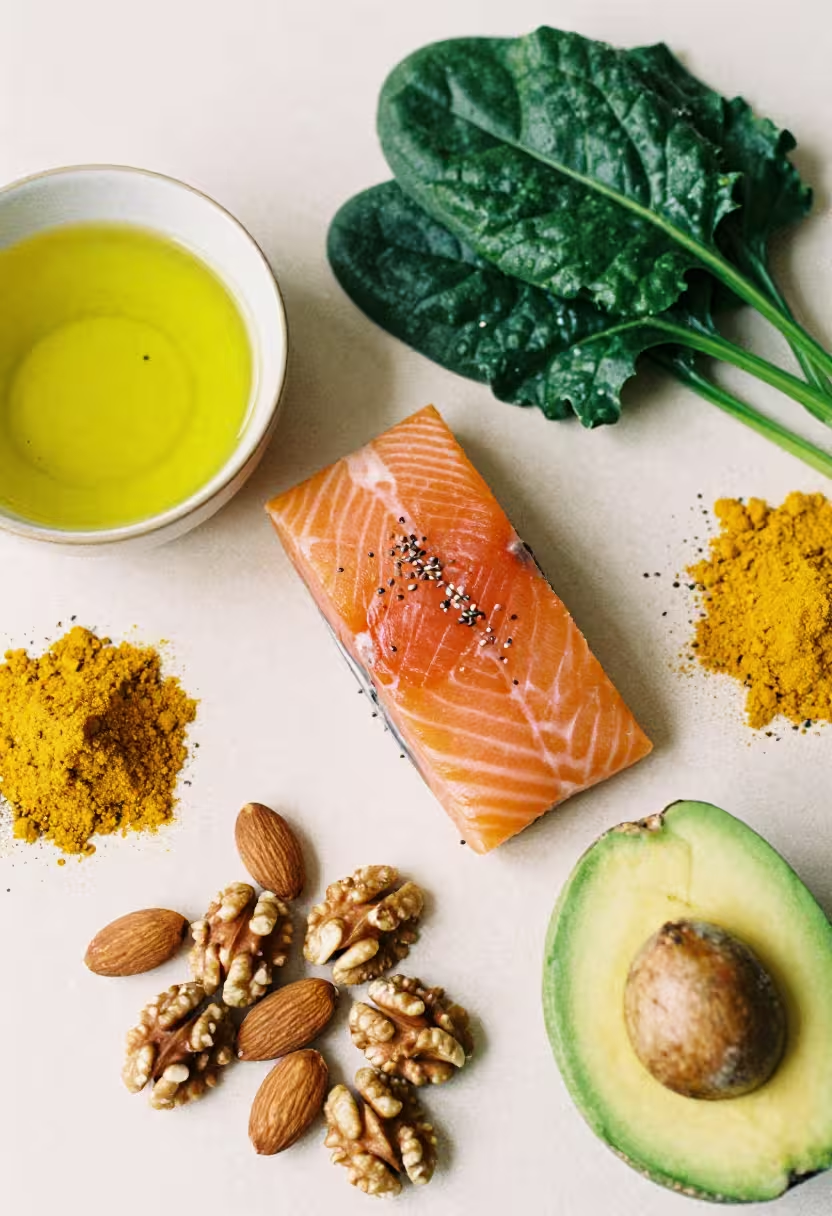
Your heart works around the clock — and the foods you choose can either ease its workload or make it strain. Anti-inflammatory superfoods are especially powerful here because inflammation is at the root of many modern health concerns: fatigue, joint pain, poor recovery, and, importantly, cardiovascular stress. Adding the right foods helps calm that internal “fire” and supports long-term heart health.
One of the most celebrated options is oily fish, such as salmon, mackerel, and sardines. Their omega-3 fatty acids help regulate cholesterol, support healthy blood pressure, and reduce inflammation throughout the body. Even having them once or twice a week makes a meaningful difference.
Another quiet hero is olive oil, especially extra-virgin. It’s rich in monounsaturated fats and polyphenols that protect blood vessels, support healthy circulation, and reduce oxidative stress. A simple drizzle over salads, vegetables, or warm grains is both delicious and heart-friendly.
Turmeric is well known for its anti-inflammatory compound curcumin. When paired with a pinch of black pepper (which boosts absorption), it supports joint comfort, digestive ease, and heart health. Whether added to soups or warm drinks, it works subtly but powerfully.
Crunchy superfoods like almonds, walnuts, and pumpkin seeds bring a mix of magnesium, vitamin E, fibre, and healthy fats — all essential for a strong cardiovascular system. A small handful as a snack or sprinkled over meals adds both texture and nutrients.
Don’t overlook leafy greens like spinach and kale. Their blend of potassium, nitrates, and antioxidants helps maintain healthy blood flow and supports the heart’s natural rhythm.
These superfoods don’t require dramatic changes — simply weaving them into your week can create a ripple effect of calm, balanced health.
The Top 12 Superfoods to Add to Your Diet
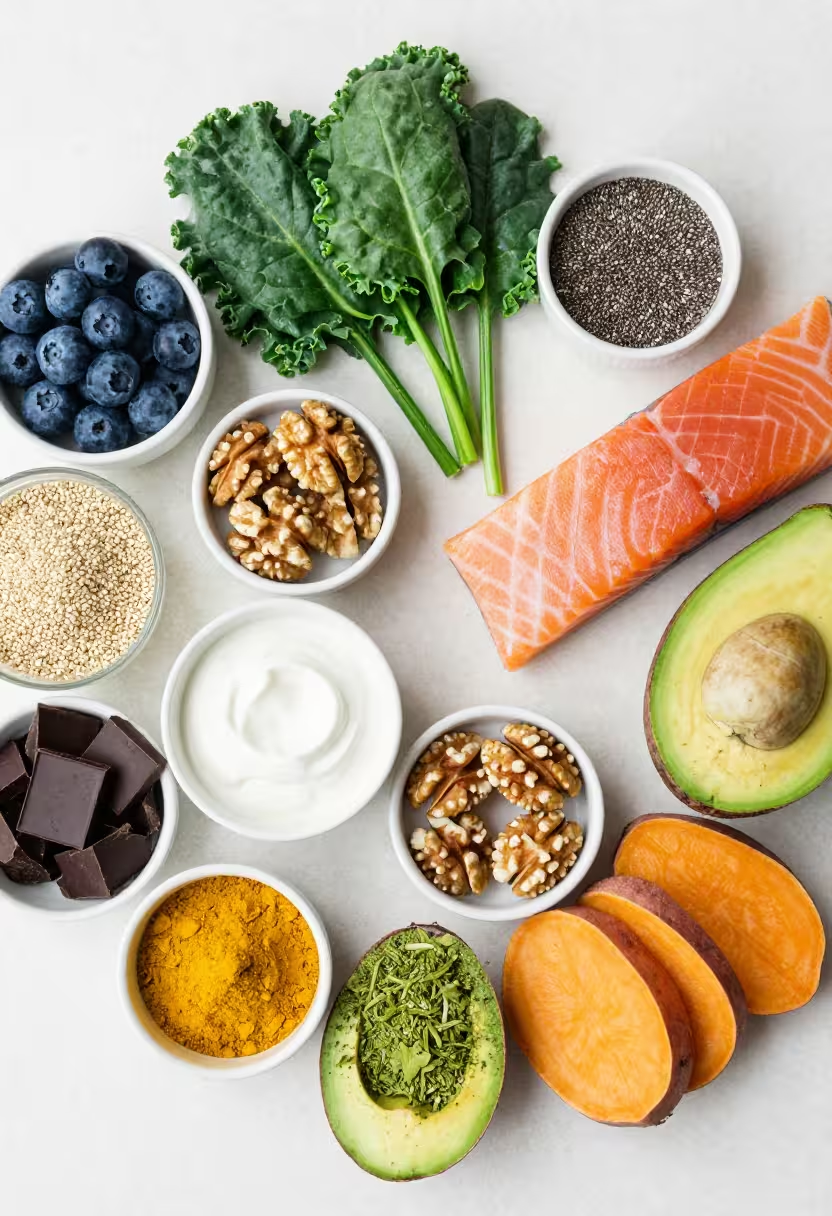
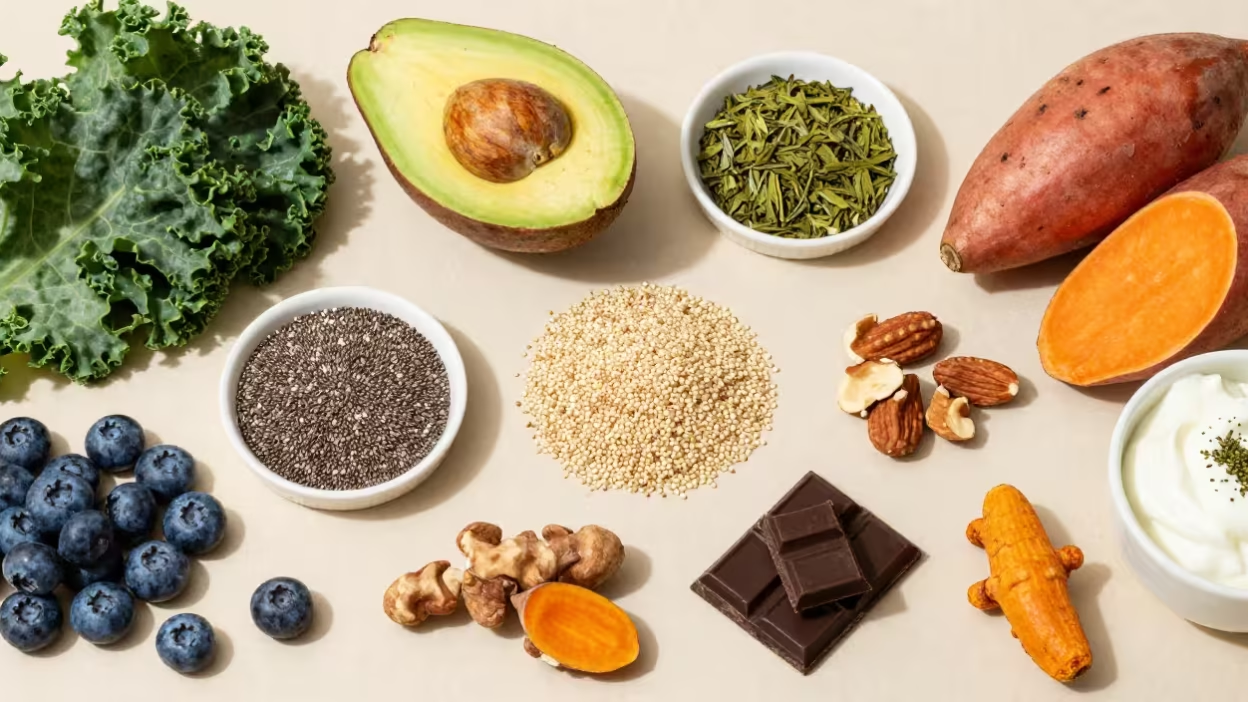
Superfoods don’t need to be exotic, expensive, or hard to find. Many of the most powerful ones are everyday ingredients that quietly elevate your health with every serving. Here are twelve standout choices — each with its unique benefits and an easy way to bring it into your meals.
1. Blueberries
Packed with antioxidants that support brain health, memory, and immunity.
How to use: sprinkle on oats, blend into smoothies, or enjoy by the handful.
2. Kale
Rich in vitamins A, C, K, and minerals that boost energy and cellular health.
How to use: sauté with garlic, blend into green smoothies, or add to soups.
3. Chia Seeds
A powerhouse of fibre, omega-3s, and minerals that support digestion and heart health.
How to use: add to yogurt, overnight oats, or smoothies.
4. Salmon
High in omega-3 fatty acids that nourish the brain, heart, and nervous system.
How to use: grill, roast, or add to salads and bowls.
5. Avocado
Creamy, nutrient-rich, and packed with healthy fats for brain function and hormone support.
How to use: mash on toast, slice over bowls, or blend into sauces.
6. Quinoa
A complete plant protein with magnesium, fibre, and slow-burning carbs for steady energy.
How to use: build bowls, add to salads, or use as a rice alternative.
7. Greek Yogurt
Loaded with probiotics and protein to support gut health and fullness.
How to use: top with fruit and nuts or use in savory sauces.
8. Walnuts
A brain-shaped nut full of omega-3s, antioxidants, and mood-supportive nutrients.
How to use: snack on them, sprinkle into salads, or add to porridge.
9. Dark Chocolate (70% +)
A surprising superfood packed with antioxidants and mood-lifting polyphenols.
How to use: enjoy a few squares daily or grate over yogurt or fruit.
10. Turmeric
Anti-inflammatory and warming, thanks to the compound curcumin.
How to use: add to soups, curries, or warm milk with pepper.
11. Green Tea
Rich in EGCG, one of the most researched antioxidants for metabolism and cell protection.
How to use: sip daily or use matcha in smoothies.
12. Sweet Potato
Full of fibre, vitamin A, potassium, and slow-digesting carbs.
How to use: roast, mash, or bake into nourishing side dishes.
Each of these foods brings something unique — but together, they form a powerful, colourful foundation for vibrant health.
Now let’s talk about how to actually integrate them into your meals in simple, everyday ways. 🍠🫐🥑🌱
Easy Ways to Add Superfoods to Everyday Meals
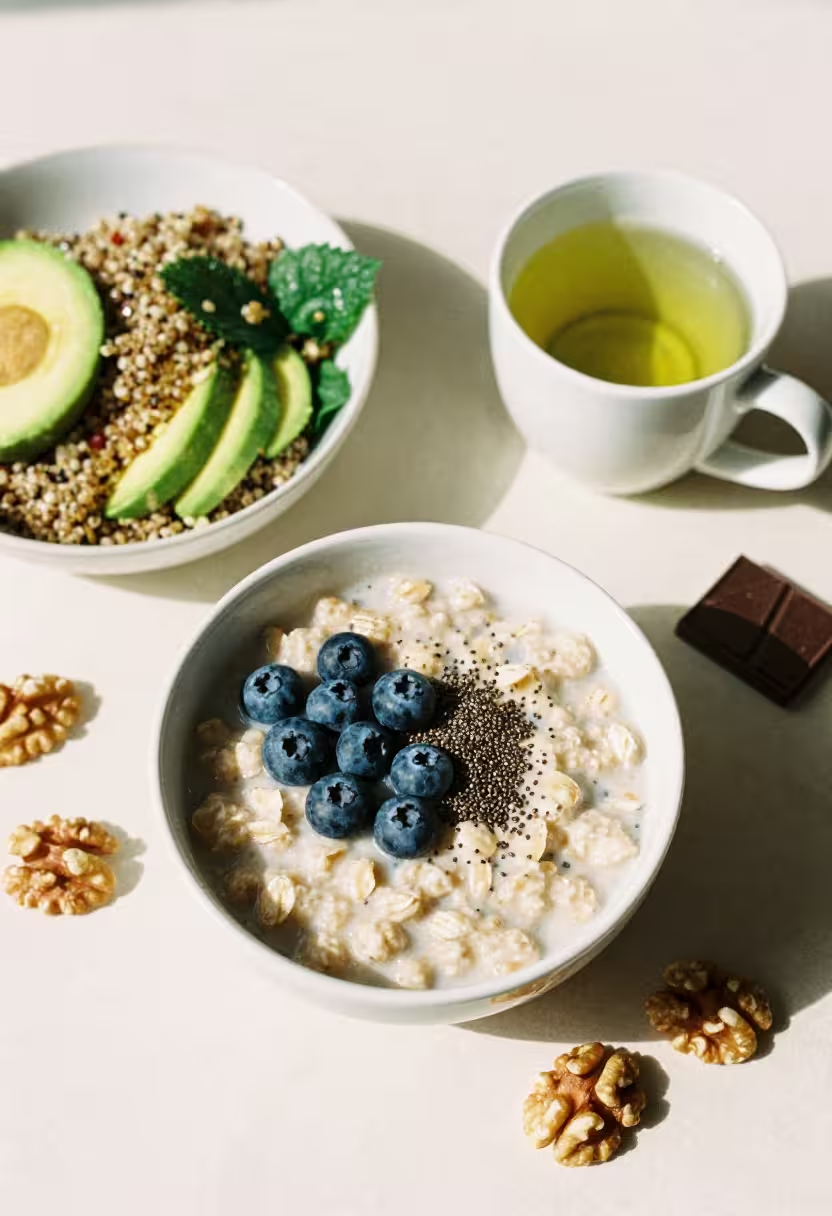
Superfoods don’t need to feel like a chore or an expensive upgrade — the easiest way to enjoy them is to weave them naturally into the meals you already make. Small, simple additions can shift your nutrition in big ways, without changing your entire lifestyle.
Start with breakfast, when superfoods fit in effortlessly. Add a spoonful of chia seeds to your yogurt or oats, toss a handful of blueberries on top, or blend a smoothie with spinach, banana, and Greek yogurt. Even one of these choices in the morning sets a steady, nourishing tone for the day.
For lunch and dinner, focus on building bowls and plates around color and texture. Roasted sweet potatoes, leafy greens, quinoa or brown rice, salmon or chickpeas, avocado, and a drizzle of olive oil make a deliciously satisfying combination. Each ingredient contributes a different nutrient profile, so without trying, you’re layering in antioxidants, fibre, and healthy fats.
Snacks are another simple way to elevate your nutrition without effort. A few walnuts, a square of dark chocolate, a cup of green tea, or a small bowl of Greek yogurt with berries are nourishing choices that feel comforting rather than restrictive. These snacks stabilize energy and keep cravings in check.
Superfoods also shine in soups, stews, and sides. Toss kale into a warm soup, add turmeric to roasted vegetables, or sprinkle seeds over salads. Even tiny additions — a tablespoon here, a handful there — can quietly transform the nutrient density of your plate.
The magic of superfoods lies not in complicated recipes, but in the ease with which they slip into everyday meals. You don’t need to overhaul your diet — just enrich it with thoughtful, colourful ingredients.
Next, we’ll look at budget-friendly swaps and smart shopping tips so superfoods feel accessible to everyone. 🌱🥣💛
Budget-Friendly Superfood Swaps Everyone Can Use
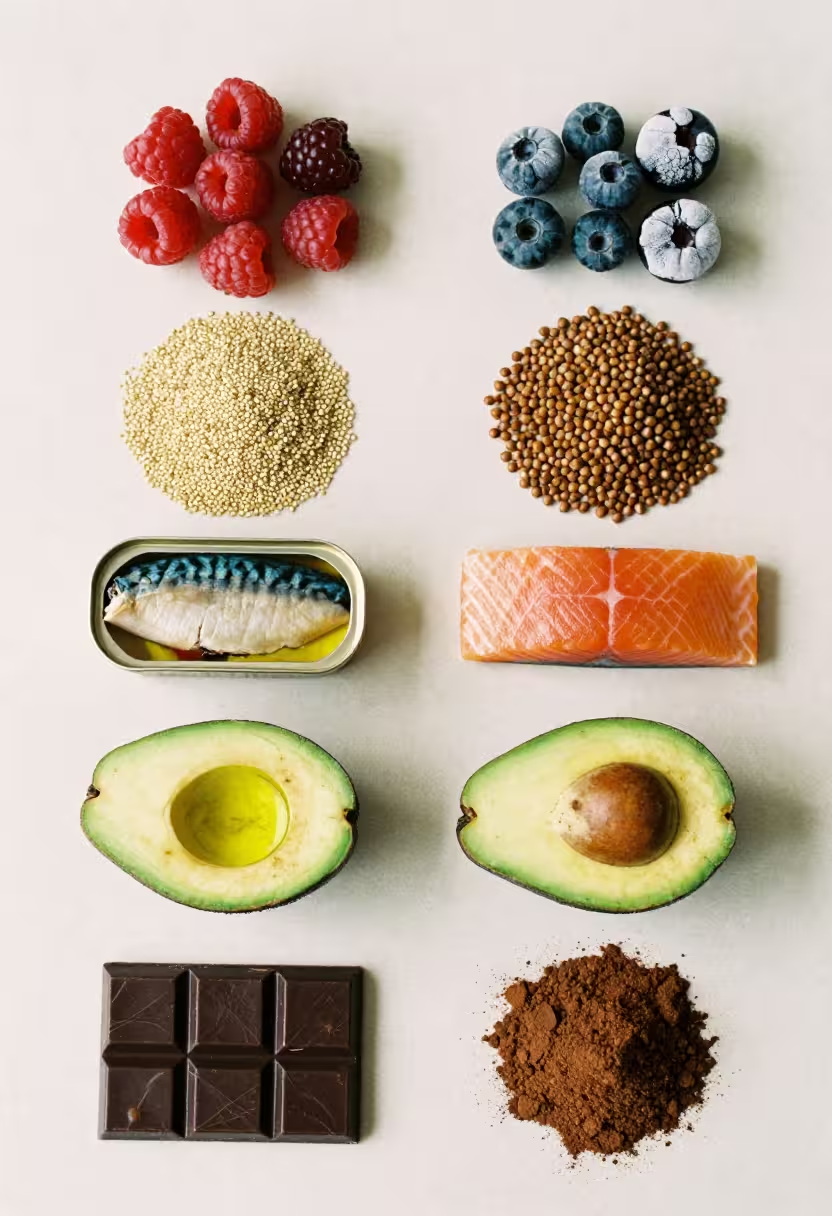
One of the biggest myths about superfoods is that they must be pricey or exotic. In reality, many foods with “super” benefits are already sitting in your local market — affordable, familiar, and just as nutrient-dense as trendier options. The key is knowing how to swap wisely.
Take berries, for example. Fresh blueberries can be expensive, especially out of season. But frozen berries offer the same antioxidant power for a fraction of the cost — and they last longer. Stir them into oatmeal, smoothies, or yogurt, and you get the same nutritional punch without the premium price.
If quinoa feels too costly or hard to find, try bulgur, barley, or buckwheat. These grains are rich in fibre, minerals, and slow-burning carbohydrates that keep your energy steady. They work beautifully in bowls, salads, and side dishes.
Salmon, although incredibly nutritious, can feel heavy on the wallet. Thankfully, more affordable fish like mackerel, sardines, and herring deliver even higher levels of omega-3s and pack just as much flavour. Tinned versions are budget-friendly and incredibly convenient.
When avocado prices climb, don’t worry — you can get similar healthy fats from olive oil, nuts, and seeds. A drizzle of quality olive oil or a handful of walnuts can nourish your heart and brain just as effectively.
Even dark chocolate has its accessible alternatives. Cocoa powder (unsweetened) is rich in antioxidants and can be added to smoothies, oatmeal, or yogurt for a rich, chocolatey boost without the boutique bar price.
The truth is, you don’t need a high-end grocery store to eat well.
You just need a bit of creativity and the willingness to choose whole, colourful, natural foods wherever you shop.
Next, we’ll tackle the biggest misconceptions around superfoods — and what’s actually true. 🌿💛
Common Myths About Superfoods (And the Truth Behind Them)

Superfoods have become so popular that it’s no surprise a few myths have grown around them. Some make these foods sound magical; others make them seem intimidating or unnecessary. The truth sits somewhere in the middle — practical, balanced, and refreshingly simple.
One of the biggest misconceptions is the idea that a single superfood can transform your health. While blueberries, salmon, or turmeric each offer impressive benefits, no single ingredient works in isolation. Real health comes from variety — a colourful, diverse diet where each food contributes something unique.
Another common belief is that superfoods must be exotic or expensive. In reality, some of the most powerful superfoods are the ones your grandparents ate: cabbage, oats, beans, nuts, carrots, berries, leafy greens. Trendy packaging doesn’t make a food more nutritious — nature already did that.
Many people also assume that if a food is good, more must be better. But even healthy ingredients should be enjoyed in balance. A tablespoon of chia seeds? Great. A cup? Probably not so comfortable. Superfoods support your health best when they fit naturally into your meals, not when they overwhelm them.
There’s also confusion between superfoods and supplements. Powdered forms can be helpful, but they don’t replace whole foods. A smoothie with spinach and berries offers fibre, hydration, texture, and vitamins in a way powders simply can’t replicate.
Finally, some expect superfoods to deliver immediate results — clearer skin in a day, calmer mind in a week. But superfoods work quietly and steadily. Their benefits accumulate over time, shaping your energy, digestion, mood, and resilience in lasting ways.
Understanding these truths brings a sense of ease. Superfoods aren’t a magic shortcut — they’re a joyful addition to an already balanced diet.
And with that clarity, we’re ready to wrap up this guide with a gentle, empowering conclusion. 🌿💛
Conclusion — Superfoods as a Celebration of Nourishment
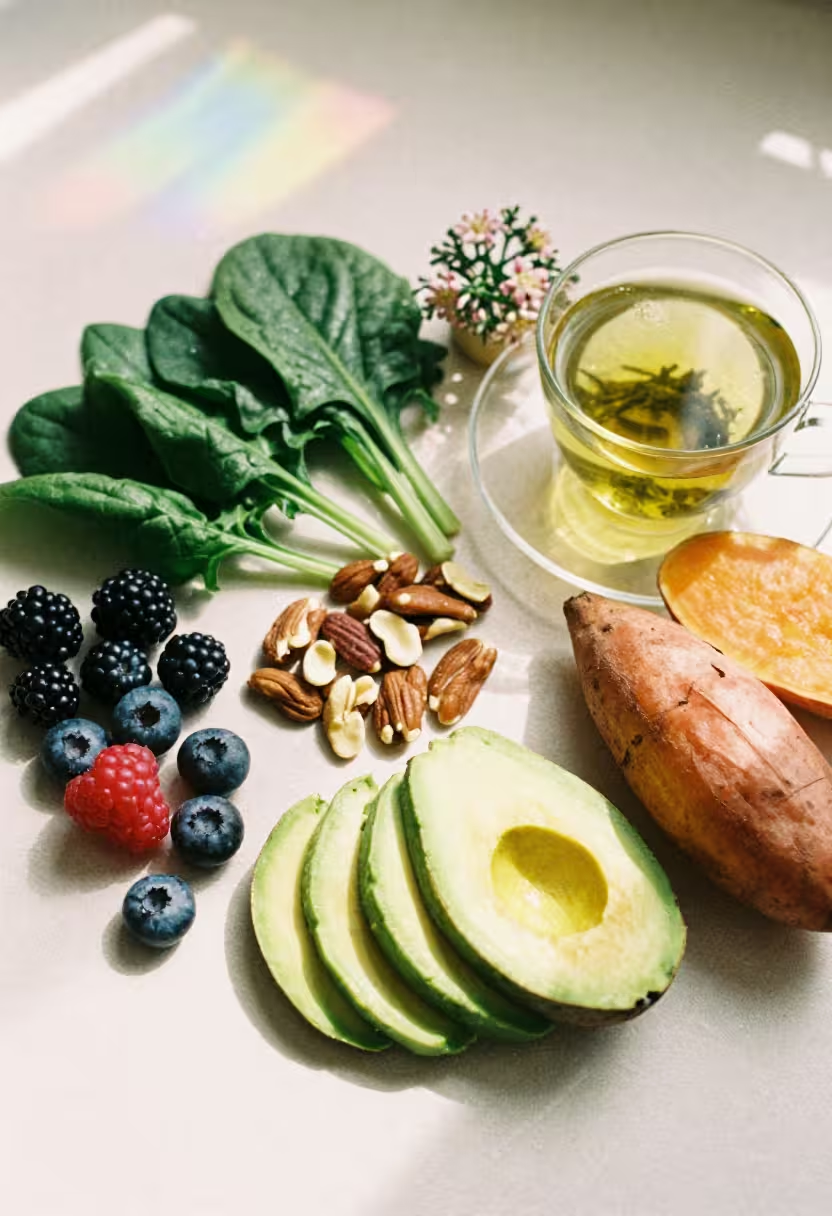
Superfoods aren’t about chasing trends or filling your pantry with exotic ingredients. They’re about celebrating foods that give your body a little extra — extra antioxidants, extra fibre, extra healthy fats, extra colour, extra life. When you add them to your meals, you’re not following a rulebook; you’re simply choosing to nourish yourself in a deeper, more intentional way.
And what’s beautiful is that you don’t need dramatic changes to feel the benefits. A handful of berries in your breakfast, a drizzle of olive oil over greens, a spoonful of chia in your yogurt, a cup of green tea in the afternoon — these tiny choices quietly shift your energy, support your digestion, protect your cells, and brighten your mood.
Superfoods work not through intensity, but through consistency.
They show up in your daily life like small anchors of wellness — gentle, reliable, and accessible.
Remember:
You don’t need perfection.
You don’t need fancy recipes.
You don’t need to overhaul your diet overnight.
Just keep adding colour, variety, and whole-food goodness to your plate.
Let your meals feel vibrant rather than restrictive.
Let nourishment be something joyful rather than complicated.
When you approach eating with curiosity and care, the benefits follow naturally — more energy, greater resilience, a calmer mind, and a body that feels supported from within.
Superfoods aren’t a trend.
They’re a reminder of how powerful simple, natural ingredients can be.
And your journey with them can start today — one delicious bite at a time. 🌿✨