
Why Nutrition Matters More Than We Realize

In a world overflowing with food choices, diet trends, and conflicting advice, it’s surprisingly easy to forget what “nutrition” truly means. We often think of food in terms of calories or convenience — something to grab quickly, something to count, or something to avoid. But nutrition is much more than numbers on a label. It’s the quiet, daily process that keeps your body functioning, repairing, thinking, moving, and thriving.
A balanced diet isn’t about restriction or perfection. It’s about giving your body the essential nutrients it needs — in the right variety and in proportions that feel natural and satisfying. When nutrition is in balance, everything works more smoothly: your energy feels steadier, your digestion calmer, your immune system stronger, and your mood more grounded.
Imagine your meals not as rules, but as building blocks:
- foods that energize you,
- foods that support your muscles and bones,
- foods that nourish your brain and immune system,
- foods that bring comfort and enjoyment,
- foods that help you feel well day after day.
This guide will gently walk you through the essentials of balanced nutrition — what it is, why it matters, and how you can make it work for your real life. We’ll explore nutrients in simple terms, look at practical meal-building tips, and clear up some of the confusion around “healthy eating.”
Because good nutrition isn’t about eating perfectly.
It’s about eating intentionally, varied, and compassionately — in a way that supports your body today and for years to come.
What Nutrition Really Means — Beyond Calories and Labels

When most people hear the word nutrition, they think of calories, macros, or the long ingredient lists printed on packaged foods. But true nutrition is much simpler — and far more meaningful — than that.
Nutrition is the process of giving your body what it needs to function at its best.
Every heartbeat, every breath, every thought, every step — all of it depends on the nutrients you take in each day.
It isn’t just about energy; it’s about support.
Here’s what nutrition really means, in a way that feels human and approachable:
Nutrition is how your body builds and repairs itself
Proteins rebuild your muscles, tissues, enzymes, and hormones.
Fats support your cells, brain, and nerves.
Carbohydrates fuel your daily activities.
Without enough of these nutrients, your body can’t perform the basic tasks it was designed to do.
Nutrition is how your immune system stays strong
Vitamins and minerals — especially vitamin C, zinc, selenium, and vitamin D — help your body defend itself.
A well-nourished immune system responds faster and recovers better.
Nutrition is how your brain stays sharp and your mood stays steady
Healthy fats, B vitamins, antioxidants, and balanced meals support clearer thinking, better sleep, and more stable emotions.
The brain is an energy-hungry organ — it depends on steady nourishment.
Nutrition is how your body maintains balance
It regulates:
- hormone production,
- blood sugar levels,
- metabolism,
- digestion,
- hydration,
- temperature,
- overall vitality.
Good nutrition is like giving your body well-made tools instead of expecting it to work with what’s broken or missing.
Nutrition goes far beyond “healthy vs. unhealthy foods”
It’s not about strict rules or eliminating treats.
It’s about recognizing that:
- variety matters,
- consistency matters,
- quality matters,
- and your body needs a mix of everything — carbs, proteins, fats, fiber, vitamins, minerals, water.
Nutrition is the gentle, everyday rhythm of fueling your body so it can support you in return.
A simple way to think about nutrition:
It’s not about eating less — it’s about eating enough of what your body truly needs.
Once you understand this, “healthy eating” stops feeling like a battle and starts feeling like self-respect.
The Eatwell Guide — A Practical Framework for Balanced Eating
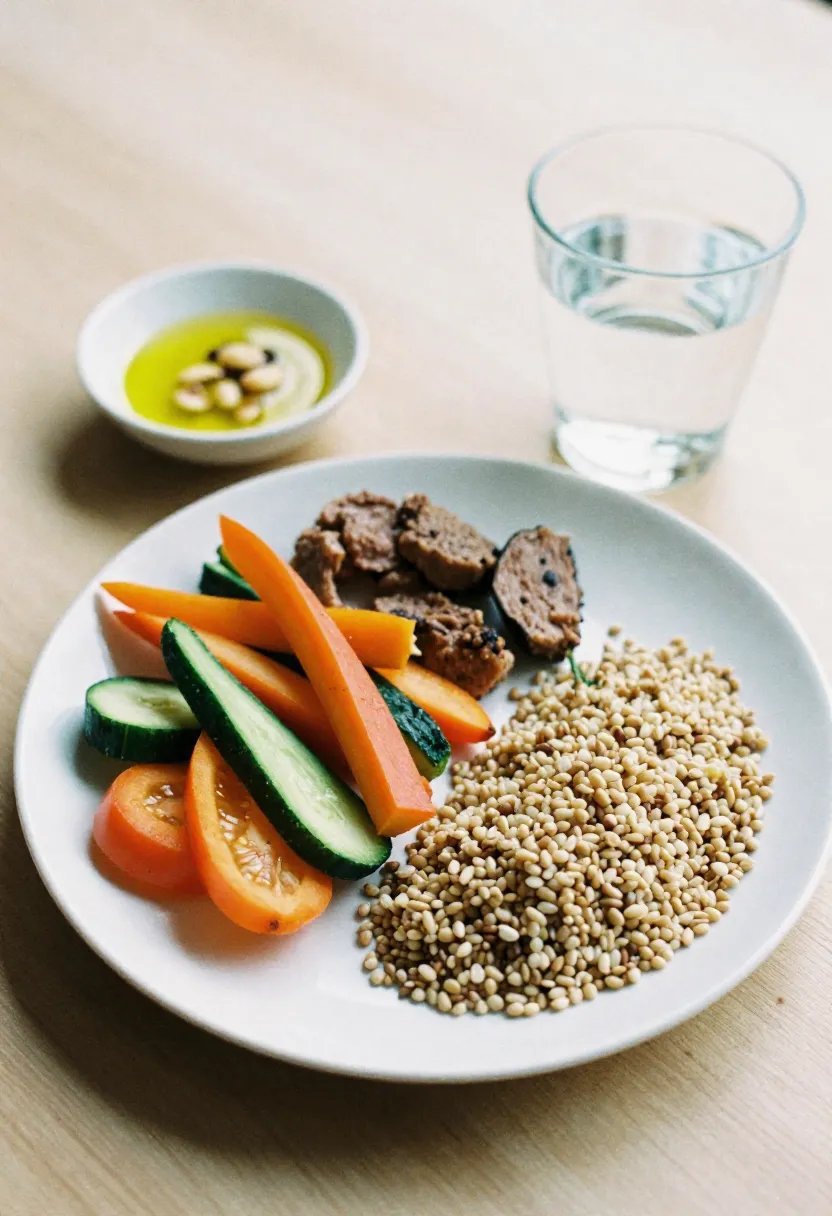
When it comes to eating well, most people don’t need a strict diet or complicated rules — they need a simple visual to help them understand how different foods fit together.
That’s exactly what the Eatwell Guide offers: an easy, flexible framework for building balanced meals day after day.
Think of it not as a rigid formula, but as a gentle roadmap.
1. Fruits & Vegetables — The Colorful Foundation
The Eatwell Guide encourages filling a generous portion of your plate with fruits and vegetables.
Why? Because they’re packed with vitamins, minerals, antioxidants, and fiber — all essential for healthy digestion, strong immunity, and steady energy.
Fresh, frozen, canned, stewed, roasted — it all counts.
The key is variety and color, not perfection.
2. Starchy Foods — Your Body’s Main Source of Energy
These include:
- wholegrain bread,
- brown rice,
- wholewheat pasta,
- oats,
- potatoes.
Wholegrain varieties are especially valuable because they provide slow-release energy and fiber that supports digestion and keeps blood sugar stable.
These foods form the steady fuel your body relies on.
3. Protein-Rich Foods — The Building Blocks
Protein supports muscles, bones, enzymes, immune function, and tissue repair.
The Eatwell Guide includes a wide range of protein sources, such as:
- fish and seafood,
- poultry,
- eggs,
- beans and lentils,
- tofu and tempeh,
- nuts and seeds.
Plant proteins are encouraged for both nutrition and environmental reasons — and they’re often gentler on digestion.
4. Dairy or Dairy Alternatives — Calcium and Vitamin D Support
Milk, yogurt, cheese, and fortified plant-based alternatives contribute to:
- bone strength,
- muscle function,
- and healthy teeth.
Lower-sugar or unsweetened options keep things balanced while still offering essential nutrients.
5. Healthy Oils & Spreads — Little But Important
We often think of fats as something to minimize, but your body truly needs them — especially unsaturated fats that support the heart and brain.
This includes:
- olive oil,
- sunflower oil,
- avocado oil,
- nut-based spreads.
A small amount goes a long way.
6. Hydration — The Quiet Essential
The Eatwell Guide also reminds us of hydration.
Water is key for digestion, concentration, temperature regulation, and overall well-being.
Tea, herbal infusions, milk, and even soups contribute — but water remains the simplest and most effective choice.
What makes the Eatwell Guide powerful?
It simplifies nutrition by showing that balance comes from proportion, not perfection.
You don’t need to match the guide at every meal.
Think of it as a picture to aim for across the whole week, adapting it to your culture, budget, and routines.
Once you begin to see your meals in these gentle proportions, eating well becomes less of a stress — and more of a natural part of life.
Key Nutrients & Their Roles — What Your Body Needs
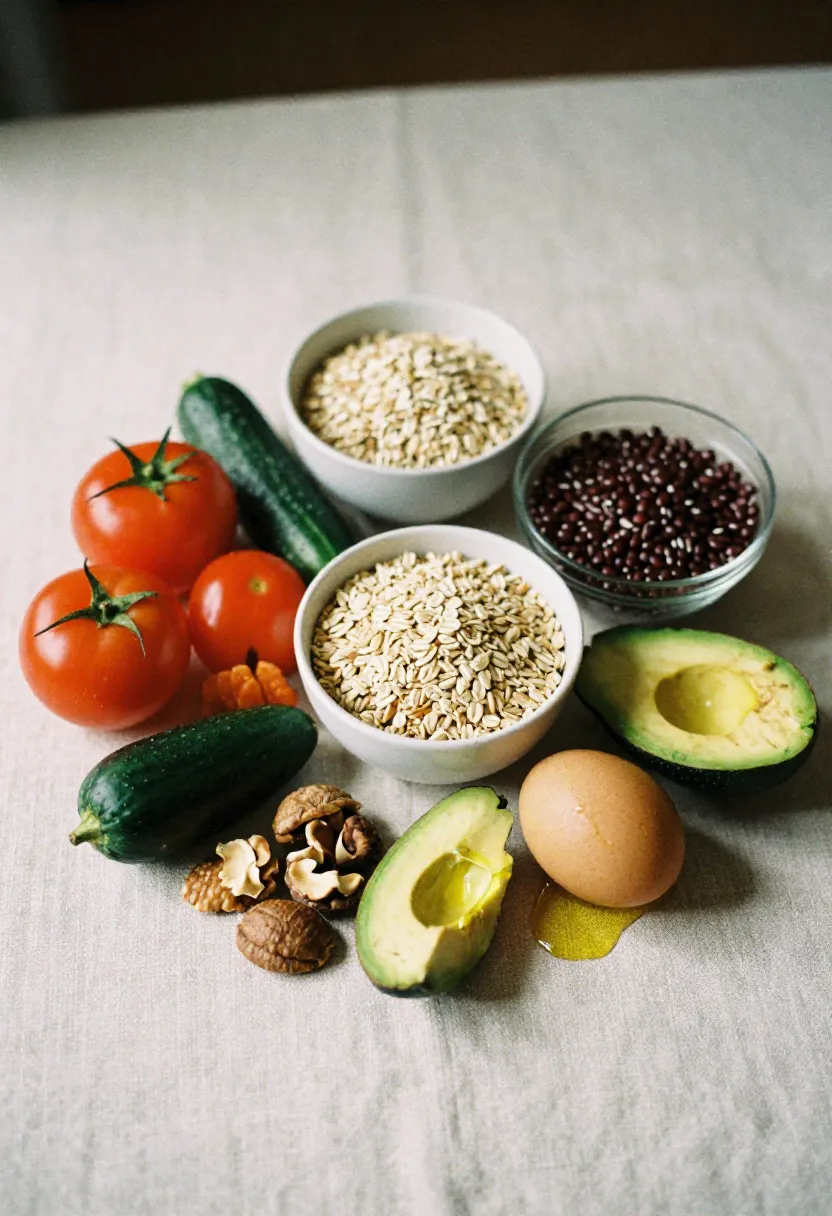
When we talk about a balanced diet, we’re really talking about giving the body the essential building blocks it needs to function well. Each nutrient plays a quiet but powerful role — and when even one is missing, you often feel it in your energy, mood, or overall well-being.
Let’s explore these nutrients gently and simply, without turning it into a chemistry lesson.
Carbohydrates — Your Body’s Everyday Fuel
Carbohydrates are often misunderstood, but in reality, they’re your body’s primary source of energy. When you choose wholegrain options — like oats, brown rice, pasta, potatoes, or wholegrain bread — you get energy that lasts longer and supports clearer thinking and steadier moods.
It’s not about avoiding carbs; it’s about choosing the ones that nourish and sustain you.
Protein — Strength, Repair, and Resilience
Protein is the material your body uses to repair tissues, build muscles, create enzymes, and support immunity. Whether it comes from fish, eggs, poultry, beans, tofu, or lentils, protein helps you stay strong and recover from daily wear and tear.
Even small portions spread throughout the day can make a big difference in how you feel physically.
Fats — Nourishment for the Heart and Brain
Healthy fats are essential for hormone production, nutrient absorption, and brain function. Olive oil, nuts, seeds, avocado, and oily fish provide the kinds of fats that support long-term health without weighing you down.
These fats don’t need to dominate the plate — a drizzle, a handful, or a small serving is often enough.
Vitamins & Minerals — The Invisible Helpers
These micronutrients work quietly behind the scenes. Vitamin C supports immunity and skin health. B vitamins help with energy and mood. Iron carries oxygen in your blood. Calcium and vitamin D protect your bones. Magnesium calms the nervous system.
You don’t need to memorize them — you simply need a variety of foods. Colorful vegetables, fruits, nuts, legumes, fish, and wholegrains naturally bring these nutrients together.
Fiber — Gentle Support for Digestion and Balance
Fiber helps keep digestion smooth, blood sugar steadier, and you feeling comfortably full. It comes from wholegrains, vegetables, fruits, beans, and seeds.
Adding just a little more color, crunch, or plant-based food to your meals is often enough to support your digestive system.
Hydration — The Most Overlooked Nutrient of All
Water might seem too simple to matter, but your body depends on it for almost every process — from temperature regulation to concentration to healthy digestion.
Regular sipping throughout the day can do wonders for your energy and clarity.
A gentle reminder
You don’t need to chase perfect numbers or track every nutrient.
When you eat a varied diet filled with whole foods — grains, proteins, fruits, vegetables, healthy fats — your body receives what it needs to thrive.
Balanced nutrition is less about strict rules and more about steady nourishment over time.
Balancing Your Meals — Practical Everyday Tips
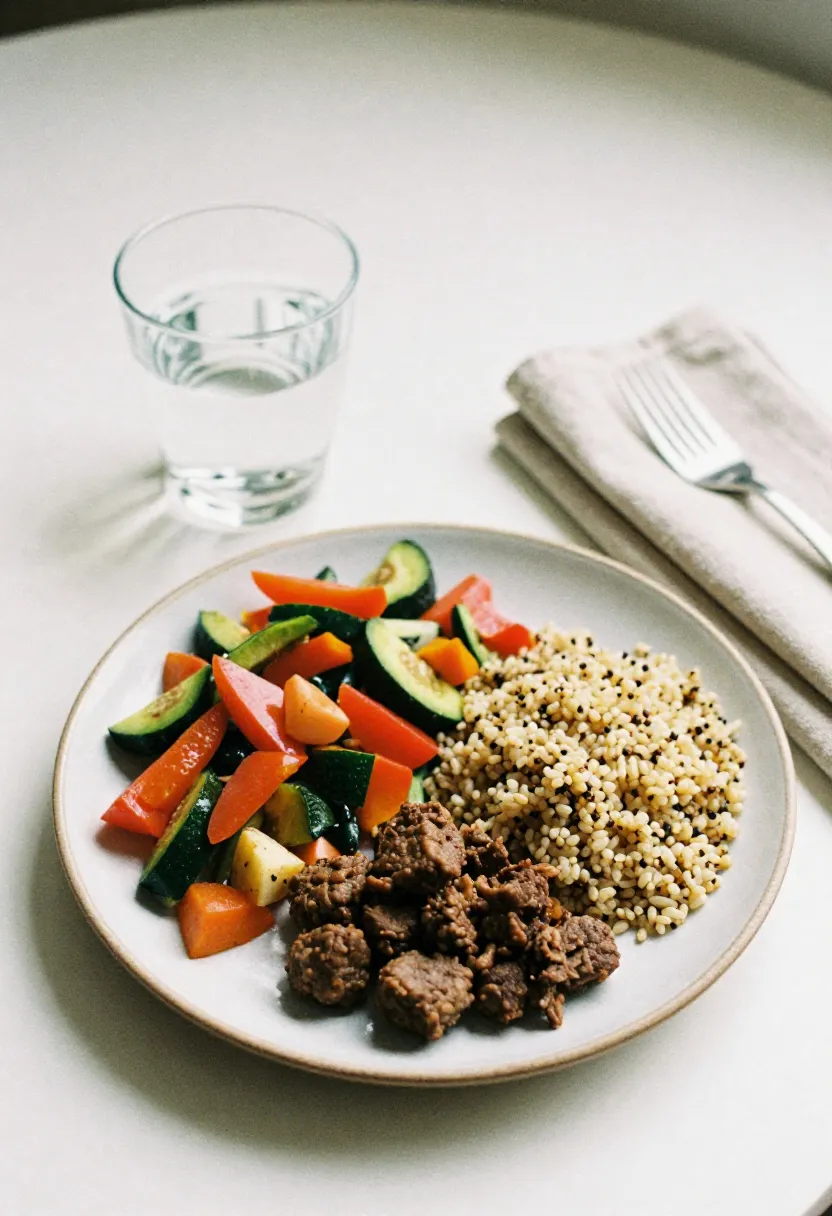
Eating a balanced diet doesn’t mean crafting perfect plates or following strict formulas. It’s much more intuitive than that — a gentle mix of foods that leave you feeling satisfied, energized, and calm. Once you understand the basics, balanced meals start to form naturally, without pressure.
Here are simple, real-life ways to make balanced eating part of your everyday rhythm.
Think in Proportions, Not Rules
Instead of measuring or counting, imagine your plate divided loosely into sections: plenty of vegetables or fruit for color and freshness, a comfortable portion of wholegrains or starchy foods for energy, and a modest amount of protein for strength.
This visual approach makes meals feel flexible, not forced.
Let Each Meal Support You in the Moment
In the morning, you might need slow-release energy — oats with berries and nuts.
At lunch, something grounding — wholegrain bread with beans or chicken and greens.
At dinner, maybe a warm, calming mix — roasted vegetables, quinoa, and a drizzle of olive oil.
Balance shifts throughout the day because your needs shift too.
Include Foods That Keep You Full and Steady
Meals that balance carbohydrates with protein and healthy fats tend to keep blood sugar stable.
Think of a bowl of pasta paired with vegetables and a bit of fish, or a salad enriched with beans, seeds, and wholegrains.
It’s not about eating less — it’s about eating in a way that sustains you.
Use Color as Your Guide
A colorful plate often means a nutrient-rich plate. Greens for minerals, reds and oranges for antioxidants, purples for brain support.
You don’t need to chase perfection — even adding one extra color to a meal can boost its nutritional value.
Keep Meals Enjoyable and Familiar
Balanced meals don’t require dramatic changes. A favorite soup, simply paired with wholegrain bread; a pasta dish with a larger handful of vegetables; a comforting curry served with brown rice instead of white.
Small shifts, familiar flavors — that’s what balance looks like in real life.
Build Balance Over the Entire Day, Not Every Bite
If breakfast was mostly carbs, lunch or dinner can be more protein-rich.
If one meal was lighter on vegetables, simply add them to the next.
Balance isn’t a moment — it’s a pattern.
A gentle truth
When you stop trying to make your meals perfect, they naturally become more balanced.
You begin choosing foods that support your energy, your mood, and your well-being — not because you “should,” but because they genuinely help you feel good.
Hydration & Hidden Nutrition Essentials

When people think about balanced eating, they often picture meals and ingredients — colorful vegetables, grains, proteins. But some of the most important parts of nutrition are the quiet ones: hydration, mindful seasoning, and the subtle choices that shape how your body feels day to day. These essentials rarely get the spotlight, yet they influence everything from digestion to concentration to long-term health.
Let’s gently bring those hidden elements forward.
Hydration — The Foundation We Often Forget
Water is involved in nearly every function your body performs: transporting nutrients, regulating temperature, supporting digestion, and even helping you think clearly. Many people mistake thirst for hunger or assume tiredness means a lack of sleep rather than mild dehydration.
You don’t need to follow a strict number — instead, sip regularly through the day. Herbal teas, sparkling water, broths, fruit-infused water, and even high-water foods like cucumbers or citrus contribute too. The goal is simply to stay comfortably hydrated, not obsessively monitored.
Salt — Essential, But Gentle Use Wins
Salt is necessary for nerve function, muscle contraction, and fluid balance — your body genuinely needs it. But modern diets often contain more than the body can comfortably process, especially from packaged or restaurant foods.
Instead of removing salt entirely, think of it as something to use thoughtfully. A pinch added during cooking brings out flavor, while herbs, spices, garlic, citrus, or vinegar can brighten dishes without relying as heavily on sodium. Small shifts make a big difference without sacrificing taste.
Sugar — Awareness Over Fear
Sugar provides quick energy, and enjoying sweet foods can bring real pleasure. The challenge is that many processed products contain hidden sugars that add up quickly.
Choosing natural sweetness more often — fruit, dried fruit, yogurt, wholegrain baking — helps support more stable energy and fewer sharp crashes.
Balanced eating doesn’t mean banning treats; it means being aware of where sweetness comes from and how it makes you feel.
Healthy Fats — Helping Your Body Absorb What Matters
Fats allow your body to absorb vitamins A, D, E, and K. They support your brain, hormones, and skin — yet many people avoid them out of habit or outdated diet rules.
A drizzle of olive oil, a handful of nuts, a few slices of avocado, or a serving of oily fish can make a meal more nourishing and more satisfying. These small additions carry powerful benefits.
The Hidden Helpers Behind the Scenes
Hydration, seasoning, and mindful use of fats and sugars may seem simple, but they deeply influence how balanced your diet truly is.
They’re the gentle elements that tie everything together — the parts you don’t always notice, but your body absolutely does.
Balanced nutrition isn’t just what you put on the plate.
It’s how you support your body in all the subtle ways between meals.
The Health Impact — How Good Nutrition Shapes Well-Being

When nutrition is in balance, the effects often feel subtle at first — a little more energy in the afternoon, calmer digestion, a clearer head in the morning. But over time, these small shifts weave into something much bigger: a body that functions more smoothly, a mind that feels steadier, and a daily life that’s easier to move through.
Good nutrition doesn’t just prevent illness; it enhances your overall experience of living.
Steadier Energy and Better Focus
When meals include a mix of wholegrains, protein, healthy fats, and colorful produce, the body receives a steady flow of fuel. Blood sugar rises gently instead of spiking sharply, which helps you avoid the fatigue and fog that follow sugary or very refined foods.
Many people describe it as feeling “evened out” — more alert, more present, more themselves.
Improved Mood and Mental Well-Being
The link between food and mood is stronger than many realize.
Healthy fats support brain function, B vitamins help with emotional stability, and steady blood sugar reduces irritability and stress. Even hydration plays a role in how clearly you think.
Nourishing your body is also a small act of self-care that can positively shape your mindset throughout the day.
A Stronger, More Resilient Immune System
Vitamins, minerals, fiber, and antioxidants all support immunity — not in flashy, dramatic ways, but through steady, consistent nourishment. A balanced diet helps the body respond to stress, recover faster, and maintain its defenses against infection and inflammation.
It’s not about a single superfood; it’s about the quiet power of variety and consistency.
Healthy Weight and Metabolic Balance
When your meals are balanced, satisfying, and nutrient-dense, your body naturally regulates appetite, cravings, and energy use. You’re less likely to overeat because you’ve given your body what it truly needs.
Weight becomes less of a daily struggle and more of a natural outcome of eating well.
Better Digestion and Gut Comfort
Fiber from wholegrains, vegetables, fruits, legumes, and seeds supports healthy digestion and a thriving gut microbiome. Hydration helps everything move more comfortably.
A well-nourished gut often leads to fewer bloating episodes, more regular digestion, and a general sense of lightness.
Long-Term Health Benefits
Balanced nutrition is one of the most powerful tools for reducing the risk of long-term conditions such as heart disease, type 2 diabetes, and deficiencies of key nutrients like iron or vitamin D.
It’s not about perfection — it’s about patterns that support your body year after year.
A gentle truth
Good nutrition doesn’t just change your health.
It changes the way you live in your body — with more ease, more clarity, and more trust in yourself.
Common Challenges & Simple Fixes
Even when we understand the importance of balanced nutrition, real life often gets in the way. Busy days, shifting routines, emotional eating, limited access to fresh foods, or simply not knowing where to start — these challenges are incredibly common.
The good news? Most of them have gentle, practical fixes that don’t require dramatic lifestyle changes.
Let’s explore the obstacles many people face, and how you can move through them with ease rather than pressure.
“I don’t have time to cook.”
Modern life can make cooking feel like another task on an already full list. But balanced meals don’t need to be elaborate.
Grab-and-go options like wholegrain wraps, pre-chopped vegetables, rotisserie chicken, hummus, canned beans, or frozen berries can build a nourishing meal in minutes.
Think simple combinations, not recipes.
“I reach for snacks because I’m tired or stressed.”
This is human — food is emotional as much as physical.
Instead of forcing yourself to stop, try adding more satisfying meals during the day. Often, cravings soften naturally when your body receives steady energy from balanced eating.
And when you do snack, pairing carbs with protein or healthy fats helps you feel steadier (like fruit with yogurt, or wholegrain crackers with nut butter).
“Healthy food feels too expensive.”
Nutrient-rich eating doesn’t require specialty items or organic everything.
Affordable staples like oats, potatoes, carrots, lentils, eggs, frozen vegetables, and canned fish are incredibly nourishing. Buying seasonally or choosing supermarket-brand wholegrains can also make a big difference.
Balanced eating is possible at any budget — it’s about smart choices, not premium products.
“I don’t know how to balance my meals.”
You don’t need to calculate anything.
Start by looking for three simple elements on your plate:
something colorful (produce), something grounding (grains or starches), and something strengthening (protein).
Hydration on the side makes it even better.
If a meal contains these three pieces, you’re already close to balanced.
“I find it hard to break old habits.”
Changing how you eat isn’t just physical — it’s emotional, cultural, and routine-based.
Instead of trying to change everything at once, make one gentle shift at a time: adding an extra vegetable at dinner, choosing wholegrain bread, or drinking a little more water.
Consistency beats intensity every time.
The kindest approach:
You don’t need to fix everything.
You just need to support yourself — with small, steady adjustments that make balanced eating feel doable, not demanding.
Nutrition becomes much easier when it fits into your real life, not an idealized version of it.
Nutrient Balance & Special Diets

Balanced nutrition doesn’t look the same for everyone — and it shouldn’t. Our bodies, preferences, cultural backgrounds, and health needs vary widely, which means the way we nourish ourselves must also be flexible.
Whether someone avoids certain foods for ethical, medical, or personal reasons, the core principles of a balanced diet remain the same: variety, consistency, and mindful nourishment.
Let’s explore how balanced eating adapts to some common dietary patterns.
Vegetarian Eating — Plenty of Variety, Plenty of Strength
A well-planned vegetarian diet can be rich in nutrients, flavor, and satiety.
Beans, lentils, tofu, tempeh, eggs, nuts, and seeds all provide protein and healthy fats. Wholegrains, vegetables, and fruits fill in the remaining pieces.
Vegetarian meals thrive on color and texture — and most people discover they naturally start eating more plants without even trying.
The key considerations are ensuring enough iron, B12 (if avoiding eggs and dairy), and omega-3s through plant sources or supplements if needed.
Vegan Eating — Nourishing with Plants Alone
Vegan diets can be wonderfully wholesome when they include variety: legumes for protein, nuts and seeds for fats, wholegrains for steady energy, and lots of colorful produce.
Fortified foods help provide calcium, B12, and vitamin D, and flax or chia seeds can support omega-3 intake.
Balance here means making sure meals feel satisfying, not just plant-based — bowls with grains, beans, greens, and sauces often work beautifully.
Gluten-Free Diets — More Than Just Removal
People who avoid gluten often rely on alternatives like rice, quinoa, buckwheat, oats, and corn. These can fit beautifully into a balanced diet when paired with vegetables, proteins, and healthy fats.
If gluten-free products are part of the diet, choosing versions higher in fiber and lower in additives helps keep meals nourishing rather than simply “gluten-free.”
Low-Meat or Flexitarian Approaches — The Best of Both Worlds
Many people reduce meat without eliminating it entirely.
This approach is naturally balanced — it encourages plant-based meals most days while still allowing occasional poultry or fish for convenience and preference.
It’s flexible, sustainable, and easy to maintain long-term.
Medical or Therapeutic Diets — Balance Within Specific Boundaries
Some people follow certain diets because of health conditions — diabetes, digestive issues, allergies, or cardiovascular concerns.
Even when specific foods are limited, balanced eating is still possible by focusing on what can be included: gentle proteins, simple wholegrains, healthy fats, and soft, digestible fruits and vegetables.
Guidance from healthcare professionals can help create a plan that feels both safe and satisfying.
The heart of it all
No matter the dietary pattern, the goal remains the same:
Give your body enough of what it needs, in a way that feels natural, enjoyable, and sustainable.
Balanced nutrition is not about following one “correct” way — it’s about finding the way that supports your life, your preferences, and your well-being.
Everyday Balanced Eating — A Lifestyle, Not a Restriction
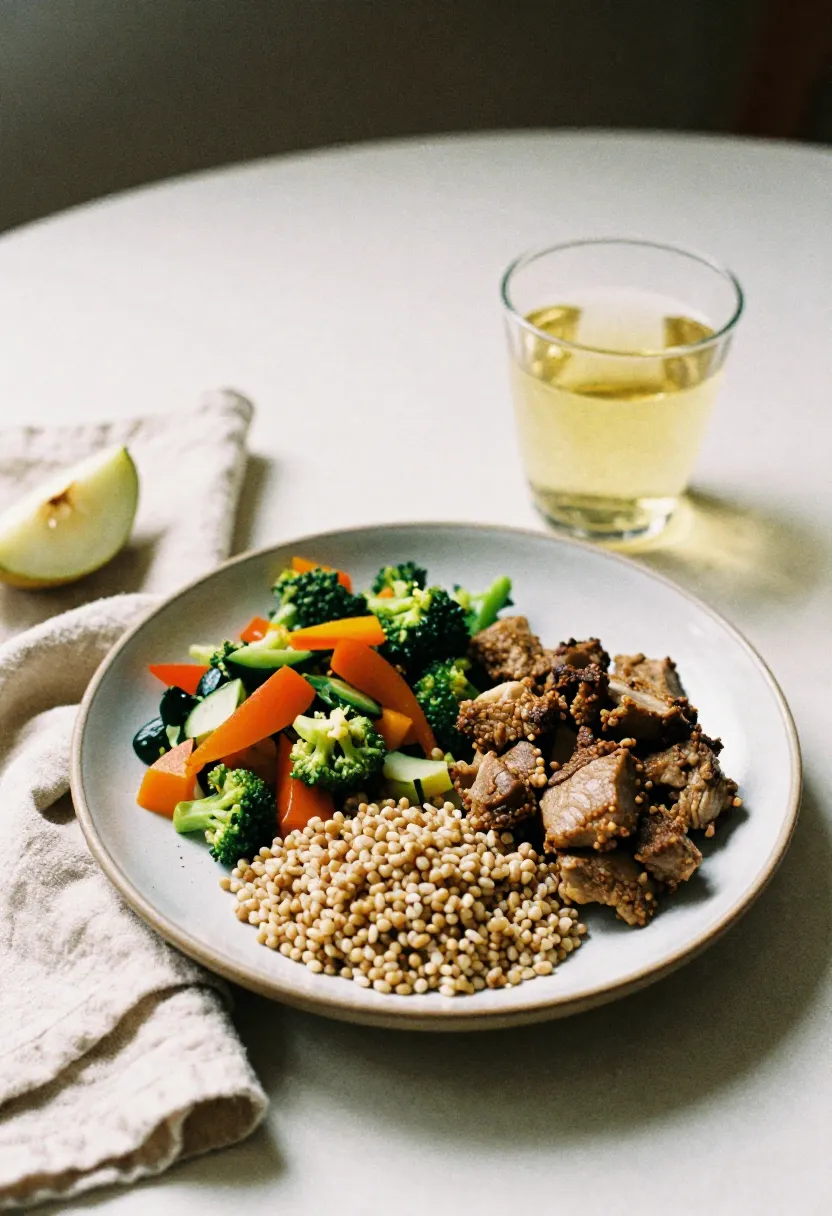
Balanced eating becomes much easier when you stop viewing it as a set of rules and start seeing it as a rhythm — something woven naturally into your daily life rather than something imposed on it.
Instead of focusing on “perfect” choices, the real shift happens when you build habits that feel supportive, enjoyable, and effortless.
Here’s a fresh way to understand balanced eating as a lifestyle, through a gentler and more narrative structure.
1. Balance as a Daily Flow, Not a Single Plate
Some days you eat more grains, some days more protein, some days more vegetables — and that’s completely normal. Your body doesn’t reset at midnight.
Think of nutrition as a weekly picture rather than a moment-to-moment performance. This bigger lens takes the pressure off and makes space for spontaneity and joy.
2. Let Meals Match Your Life, Not the Other Way Around
Busy morning? A yogurt bowl or peanut butter toast is still balanced.
Slow weekend? Maybe a colorful lunch bowl or a home-cooked stew.
Balanced eating flexes with your routine instead of demanding you bend your life around it.
When your meals fit your lifestyle, they’re much easier to maintain long-term.
3. Keep the Foods You Love — Just Build Around Them
You don’t need to remove pasta, bread, sweets, or comfort foods.
Instead, surround them with nourishing elements: vegetables, proteins, healthy fats. This reinforces balance without taking away the flavors that bring you joy.
Loving your food is part of living well — not a barrier to it.
4. Notice How Food Makes You Feel
Balanced eating deepens when you start paying attention to the feedback your body gives you:
Which meals give you energy?
Which meals leave you sluggish?
Which combinations keep you full and satisfied?
This awareness — not rules — becomes your best guide.
5. Make Simple Choices Your Foundation
A handful of everyday habits can create remarkable stability:
- drinking water regularly,
- adding one extra vegetable when you can,
- choosing wholegrains when it fits,
- including protein at each meal,
- keeping nourishing snacks within reach.
These small actions anchor your routine without demanding effort.
6. Allow Flexibility Without Guilt
Birthdays, trips, gatherings, cravings — they’re all part of life.
Balanced eating embraces these moments because a healthy lifestyle includes pleasure, connection, and cultural foods.
You don’t “fall off” a balanced diet; you simply move with your life.
7. Remember: Balance Builds Over Time
One meal won’t make or break your health.
What matters is the gentle, consistent pattern you create — a pattern that supports your body and makes you feel grounded, nourished, and well.
Balanced eating is not a restriction.
It’s a relationship — a long-term partnership between you and your body, shaped by curiosity, kindness, and choice.
Conclusion — Nourish Your Body the Balanced Way

Balanced eating isn’t a destination or a strict formula — it’s a gentle, ongoing relationship with your body. The more you understand what nourishment really means, the more naturally you start choosing foods that support your energy, your mood, and your overall well-being. Not because you “should,” but because it simply feels better to live that way.
A balanced diet isn’t about perfection or self-criticism. It’s not about eliminating your favorite foods, or chasing the “ideal” plate every single day. Instead, it’s about creating a rhythm of eating that feels steady, flexible, and enjoyable. A rhythm built on variety, consistency, and kindness toward yourself.
When you offer your body a mix of colorful plants, grounding grains, strengthening proteins, healthy fats, and enough water, you give it the tools it needs to work with ease. You support your mind, your immunity, your digestion, and your long-term health. You create a foundation that lets you move through life with more clarity, more comfort, and more trust in the signals your body sends.
Most importantly, balanced nutrition frees you from the pressure of “right” and “wrong” eating. It invites you to be curious, patient, and compassionate — to make choices that align with your needs today, knowing those needs will shift tomorrow.
Let nourishment be simple. Let it be joyful. Let it be something that supports you every day without taking over your life.
Because when balance feels natural, healthy eating becomes not a challenge, but a quiet form of self-care.