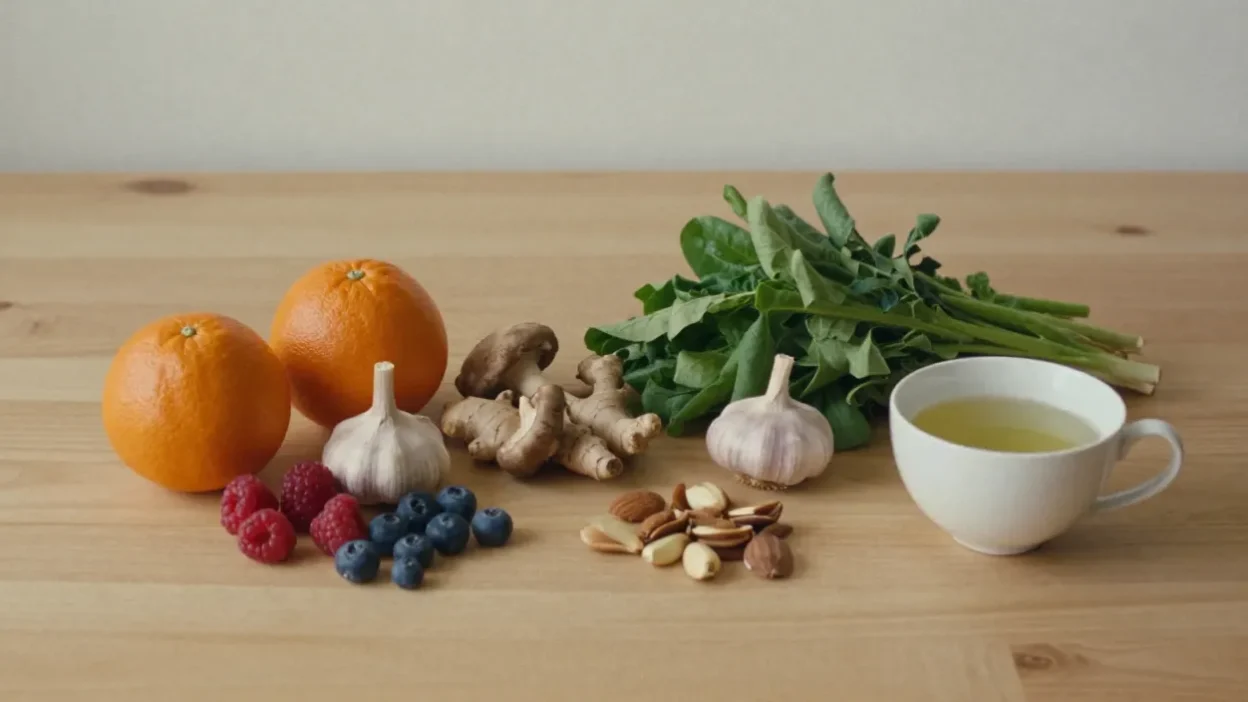
The Quiet Ways Food Supports Your Immunity

Sometimes resilience looks like big decisions — more rest, fewer deadlines, a promise to take better care of yourself.
But more often, resilience begins in the smallest places: in your morning cup of tea, in a bowl of warm soup, in the simple foods that nourish you quietly day after day.
Our immune system isn’t a switch we flip on or off. It’s a living, breathing network that responds to how we sleep, how we move, how we feel, and yes — how we eat. And while no single food can “protect” us from everything, certain ingredients gently strengthen our inner defenses in ways that accumulate over time.
Think of your immune system as a garden.
Good food doesn’t force it to bloom — it simply creates the right conditions for growth.
Maybe you’ve felt it before: a week of rushing meals, grabbing snacks on the go, drinking more coffee than water… and suddenly you’re more tired, more irritable, more susceptible to every tiny cold going around. And then, in contrast, those weeks when you cook a bit more, eat something colorful and fresh, and your body quietly whispers, “Thank you.”
This guide isn’t about miracle cures or trendy health hacks. It’s about everyday foods — humble, beautiful, accessible — that support your immunity the way a friend supports you: gently, consistently, without demanding perfection.
Over the next sections, we’ll explore fifteen nourishing ingredients and food groups that science supports — and your body likely craves more often than you realize. Each one brings its own kind of strength: some are rich in antioxidants, some feed your gut, some soothe inflammation, and some simply bring comfort (which matters more than you think).
Let’s step into this together, with curiosity, warmth, and the understanding that good health grows from good habits — not fear or restriction.
Citrus Fruits — Vitamin C and Bright Everyday Immunity
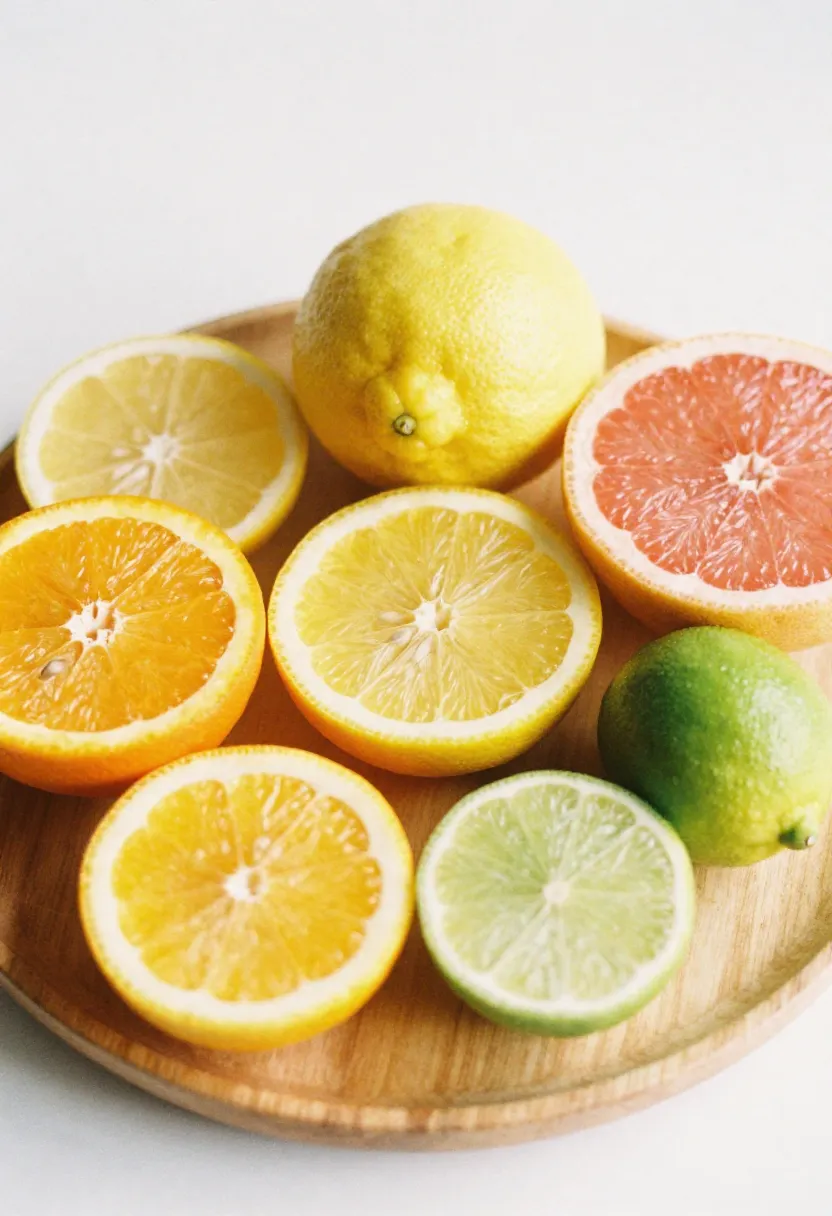
There’s something undeniably uplifting about citrus.
Maybe it’s the burst of fragrance when you peel an orange, or the way a slice of lemon makes even plain water feel refreshing. Citrus fruits seem to carry a little sunshine inside them — and your immune system feels it too.
Why citrus matters for immunity
Citrus fruits are some of the easiest and most delicious sources of vitamin C, a nutrient that plays a quiet but essential role in supporting immune defenses. Vitamin C helps:
- protect cells from oxidative stress,
- support the function of white blood cells,
- enhance the skin’s natural barrier,
- improve iron absorption (which also benefits immunity).
And the best part? You don’t need huge amounts. Even one orange or a small glass of lemon water adds to your daily reserve.
It’s not just oranges
Many people think “vitamin C = oranges,” but the citrus family is so much more vibrant:
- Grapefruits: slightly bitter, wonderfully hydrating
- Mandarins: sweet, gentle, perfect as a snack
- Lemons & limes: bright acidity that transforms dishes
- Blood oranges: rich in anthocyanins, a bonus antioxidant perk
Each variety brings its own balance of sweetness, acidity, and aromatic oils.
A little daily ritual
Adding citrus to your routine doesn’t have to be complicated.
Think:
- warm lemon water in the morning,
- a mandarin in your bag for an easy afternoon snack,
- lime squeezed over salads or soups,
- grapefruit halves sprinkled with cinnamon for breakfast.
These small moments not only nourish your immune system — they lift your mood, spark your appetite, and remind you that healthy eating can be simple and joyful.
A cozy story moment
A reader once told us that every winter morning, she places a bowl of clementines on her kitchen table. “It feels like lighting a tiny orange sun,” she said. “Even if the day is cold, I start it with color.”
That’s the gift of citrus: uncomplicated nourishment that brightens you from the inside out.
Berries — Tiny Antioxidant Powerhouses
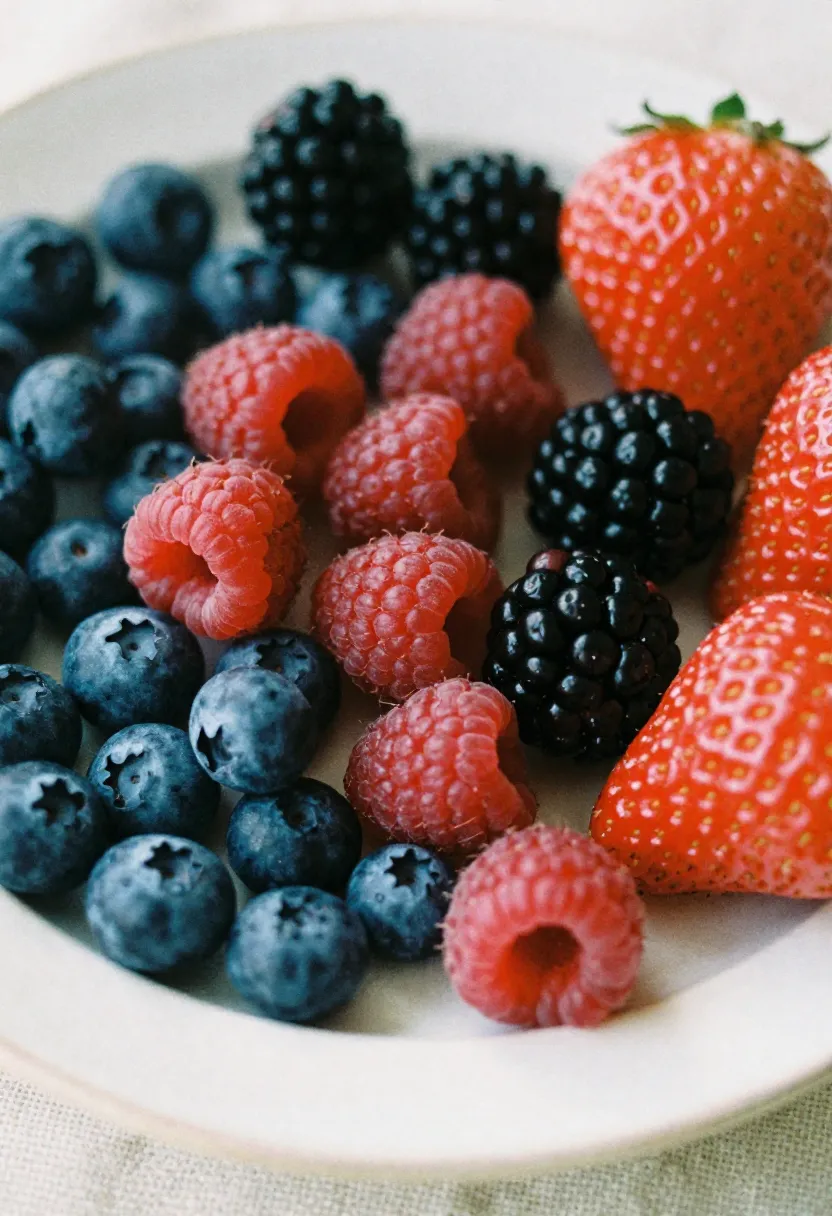
Berries are proof that some of the most powerful foods come in the smallest packages. Whether it’s the deep-blue stain of blueberries on your fingertips or the sweet-tart burst of raspberries on your tongue, berries deliver flavor and nourishment in equal measure. They’re vibrant, playful, and incredibly supportive of your immune system.
Why berries are so special for immunity
Berries are naturally rich in antioxidants, especially anthocyanins — the pigments that give them their blue, red, or purple color. These antioxidants help:
- protect cells from damage,
- reduce oxidative stress,
- support the body’s inflammatory response,
- help immune cells function more efficiently.
In simple terms: berries help your immune system stay calm, focused, and ready — not overwhelmed.
Variety brings even more benefits
Each berry has its own personality and nutrient profile:
- Blueberries — high in anthocyanins, memory-boosting potential
- Raspberries — amazing fiber content for gut health
- Blackberries — deeply pigmented, rich in vitamin C
- Cranberries — supportive for urinary tract health, gently tart
- Strawberries — surprisingly high in vitamin C, refreshing and sweet
Mixing berries means mixing nutrients — and that’s the best kind of nourishment.
Gut health connection
Because berries are naturally high in fiber, they also support gut microbiota — a crucial component of immune health. A healthier gut often means a more balanced immune response.
Even a handful of berries daily can make a gentle difference.
Simple, joyful ways to enjoy them
You don’t need complicated recipes to bring berries into your day:
- stirred into yogurt or oatmeal,
- blended into a smoothie,
- sprinkled over pancakes,
- added to a salad for a sweet-acidic contrast,
- enjoyed fresh by the handful.
Frozen berries count too — they’re picked at peak ripeness and retain most nutrients.
A small story moment
There’s something almost childlike about eating berries. One reader shared that she keeps a bowl of blueberries on her desk during long workdays. “It feels like tiny bursts of encouragement,” she said. “A sweet reminder to breathe and take care of myself.”
Berries don’t just support your immunity — they add color, texture, and little sparks of joy to your routine.
Red and Yellow Peppers — More Vitamin C Than Citruses
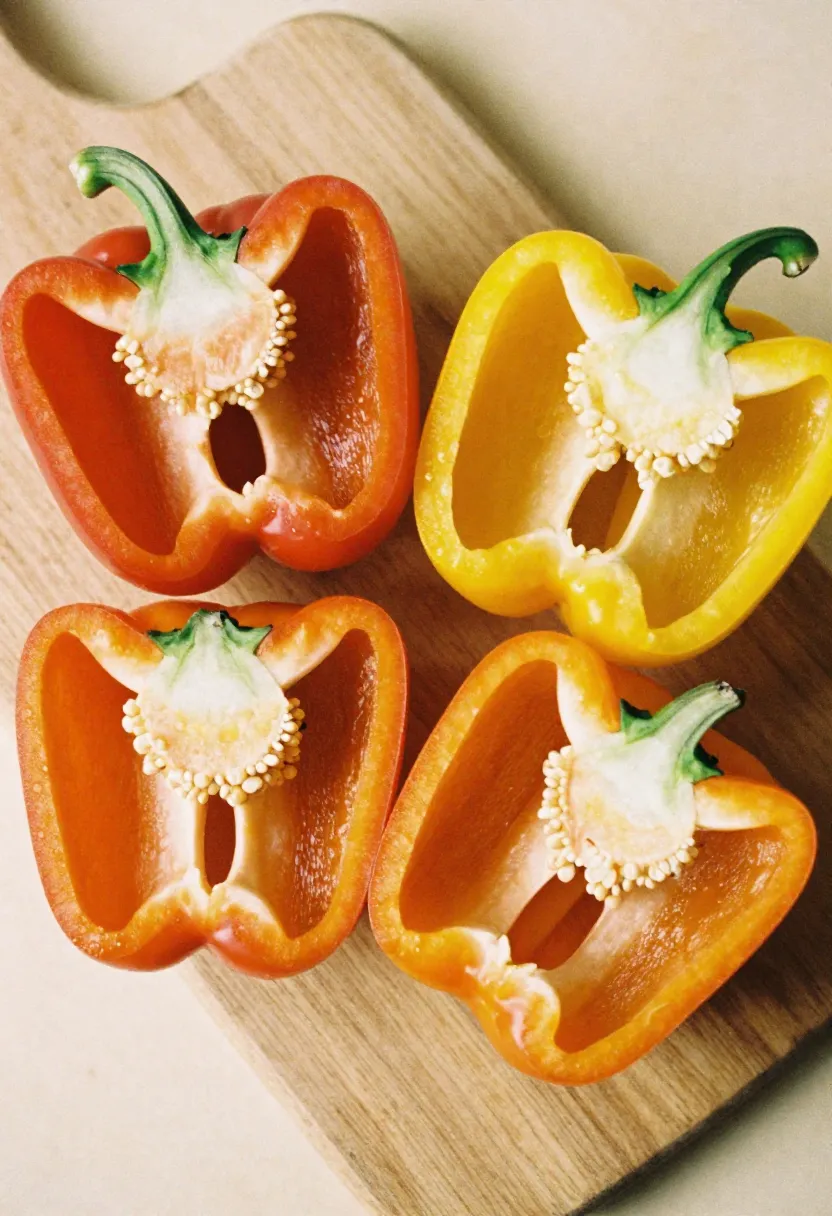
If citrus fruits are the sunshine of the fruit world, then red and yellow peppers are the hidden jewels of the vegetable kingdom. Vibrant, sweet, and pleasantly crisp, these peppers bring surprising nutritional strength — in fact, they contain more vitamin C per gram than most citrus fruits.
Why peppers support immunity so well
Red and yellow peppers are packed with:
- Vitamin C — essential for immune cell function and skin barrier health
- Vitamin A (as beta carotene) — supports mucous membranes, your body’s first line of defense
- Antioxidants — help reduce inflammation and oxidative stress
- Fiber — beneficial for gut health, which plays a huge role in immune regulation
The brighter the pepper, the richer it is in these compounds.
A delicious surprise: sweetness with purpose
Unlike green peppers, which are harvested earlier, red and yellow peppers stay on the vine longer, giving them time to develop:
- deeper sweetness,
- softer texture,
- higher nutrient concentration.
This slow ripening makes them not just tastier — but more nourishing.
How to enjoy peppers for immune support
Peppers are one of the most versatile vegetables. Try them:
- sliced raw as a crunchy snack,
- roasted and blended into a creamy soup,
- sautéed with garlic and herbs,
- added to salads for color and sweetness,
- stuffed and baked as a hearty meal.
Roasting them gently caramelizes their natural sugars, creating a deep, comforting flavor.
A cozy moment
There’s something wonderfully homey about hearing peppers sizzle in a pan. That warm aroma, sweet and slightly earthy, often sparks a sense of comfort. One reader told us she roasts a tray of peppers every Sunday “because it feels like prepping joy for the week.”
Fun little comparison
One medium red pepper can contain almost twice as much vitamin C as an orange.
It’s a quiet nutritional overachiever — much more powerful than it looks.
Leafy Greens — Everyday Vitamin Boost
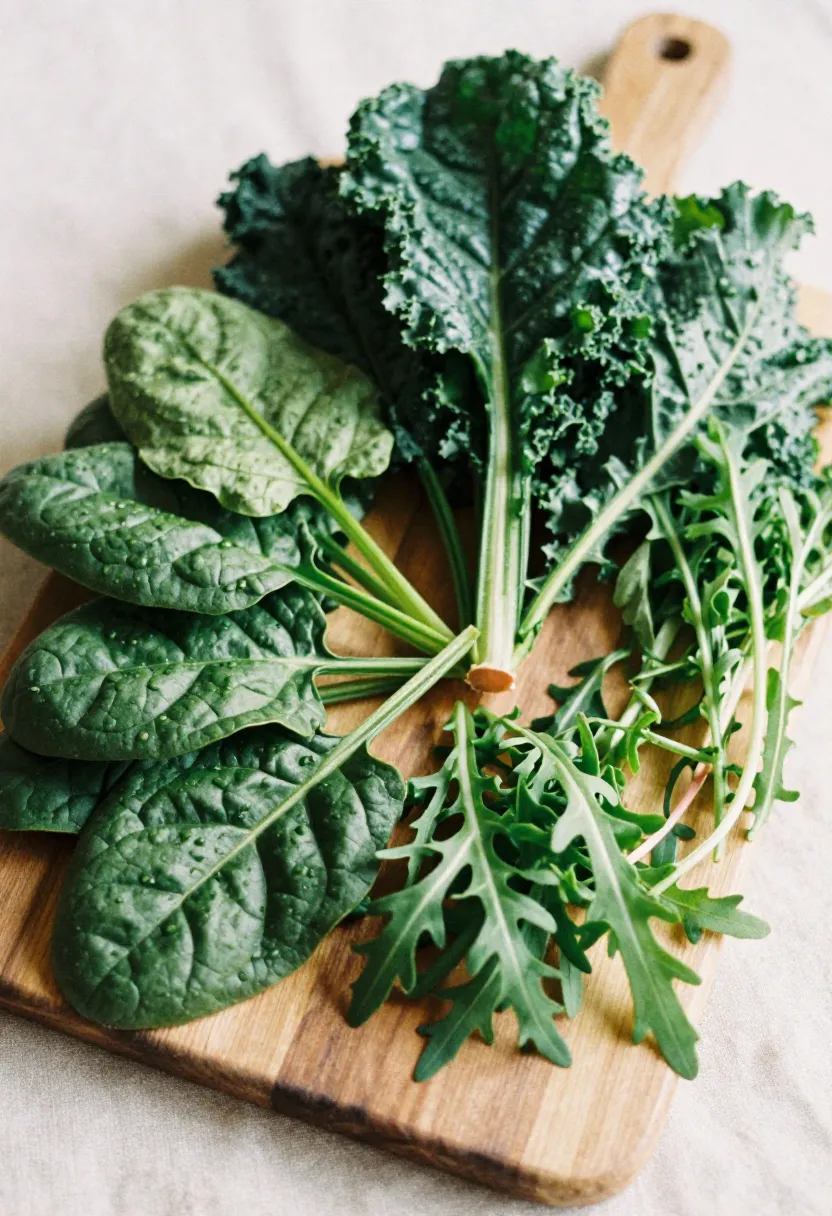
Leafy greens are the quiet caretakers of the food world. They rarely demand attention, they don’t come in flashy colors, and they don’t try to charm you with sweetness. Instead, they offer steady, reliable nourishment—exactly the kind your immune system loves.
From the deep forest-green curls of kale to the gentle softness of butter lettuce, leafy greens bring a spectrum of vitamins, minerals, and phytonutrients that work together to support your body’s natural defenses.
Why leafy greens matter for immunity
Leafy greens are rich in nutrients that help the immune system operate smoothly:
- Vitamin A — supports mucous membranes (your first protective barrier)
- Vitamin C — boosts immune cell function
- Vitamin E — an antioxidant that helps reduce inflammation
- Folate — essential for healthy cell production
- Iron — helps oxygen flow to tissues, including immune cells
- Fiber — supports the gut, where much of your immunity begins
It’s like giving your immune system a beautifully balanced care package.
The greens with the biggest benefits
Each green has its own personality—and nutrient profile:
- Spinach — tender, versatile, rich in iron and vitamin C
- Kale — bold, hearty, incredibly nutrient-dense
- Swiss chard — colorful stems, rich in magnesium and antioxidants
- Romaine — crisp and hydrating, a simple way to add volume
- Arugula — peppery, supports detox pathways
- Microgreens — tiny but intensely concentrated in vitamins
A mix of greens brings a mix of benefits.
How to enjoy leafy greens without getting bored
Leafy greens don’t have to be limited to salads. They can slip into meals softly or shine as the star:
- toss spinach into warm pasta—it wilts instantly and sweetens the dish,
- blend a handful of kale into a smoothie,
- sauté Swiss chard with olive oil and garlic,
- add arugula on top of pizza or sandwiches for a peppery lift,
- try massaged kale with lemon and olive oil for a tender, flavorful salad,
- sprinkle microgreens over soups or bowls like edible confetti.
Many people find that once greens become a daily habit, they start craving them—the body recognizes the nourishment.
A moment of quiet nourishment
There’s a calming ritual in washing greens under cool running water. The leaves soften, the colors brighten, and you sense that you’re preparing something good for yourself. One reader once said, “Chopping greens feels like choosing to care about tomorrow—just a little bit.”
And truly, that’s the essence of leafy greens: small, steady choices that strengthen you over time.
Broccoli — The Cruciferous Immune Hero
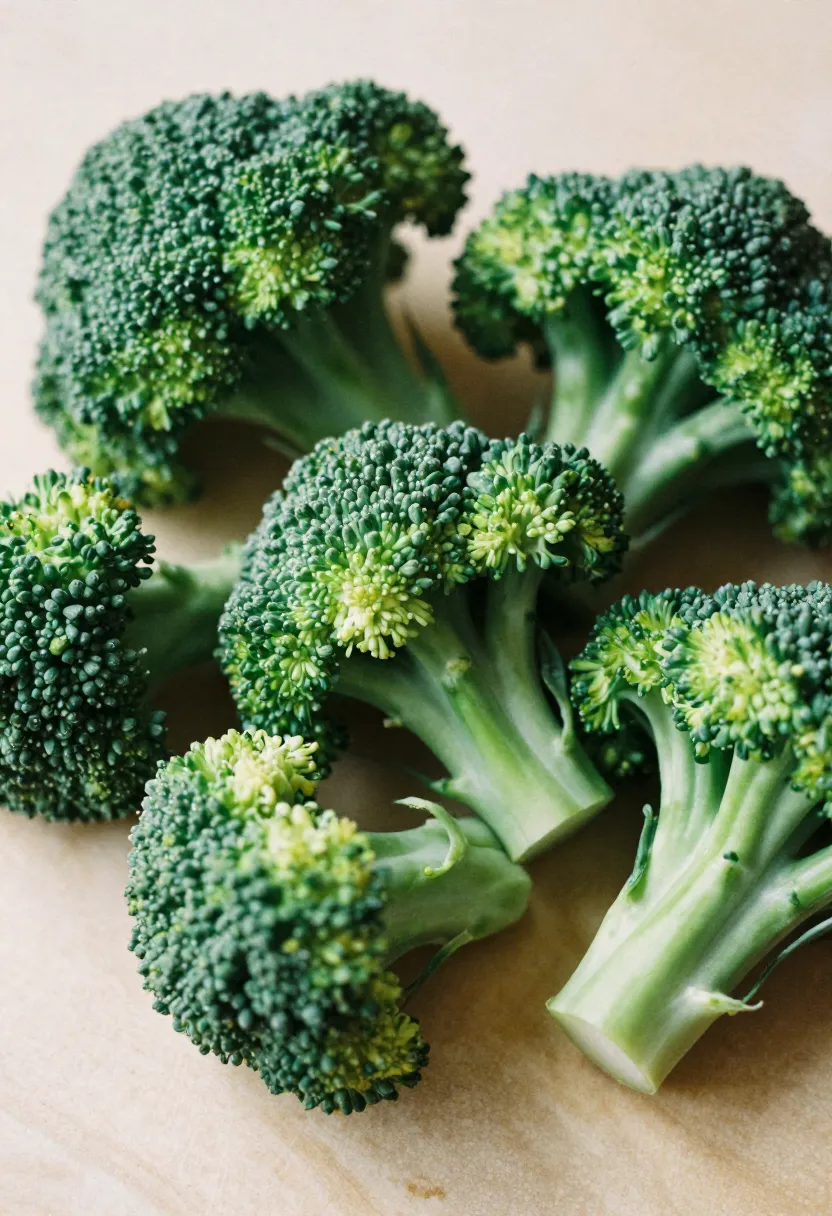
Broccoli doesn’t always get the love it deserves. For many of us, it brings back memories of overcooked school lunches or rushed dinners. But when treated with care, broccoli becomes one of the most powerful, nourishing vegetables you can add to your immune-supporting routine.
It’s vibrant, versatile, and packed with compounds that help your body stay resilient — the kind of vegetable that quietly does the heavy lifting.
Why broccoli is a standout for immunity
Broccoli belongs to the cruciferous family, a group known for antioxidant-rich, anti-inflammatory compounds. Its benefits include:
- Vitamin C — boosts immune cell activity
- Vitamin A — strengthens mucous membranes
- Vitamin K — supports healing and inflammation balance
- Folate — essential for healthy cell production
- Sulforaphane — a powerful plant compound linked to improved immune function and detoxification
- Fiber — supports gut health and beneficial bacteria
Few vegetables offer such a balanced nutritional profile in one crunchy, emerald-green package.
Sulforaphane: the secret superstar
Sulforaphane is one of broccoli’s most unique gifts. It forms when broccoli is chopped or chewed, and research links it to:
- reducing oxidative stress,
- supporting detox pathways,
- helping immune cells respond more effectively.
Interestingly, broccoli sprouts contain even higher concentrations, making them a fantastic topper for salads and bowls.
How to cook broccoli for maximum benefit
Broccoli is wonderfully adaptable, but some methods help preserve its nutrients better:
- Light steaming — keeps vitamin C and sulforaphane intact
- Quick sautéing with garlic and olive oil
- Roasting at a moderate temperature for caramelized edges
- Adding raw florets to salads or bowls
- Blending into soups for a creamy, comforting texture
A squeeze of lemon or a sprinkle of chili flakes can transform its flavor completely.
A cozy little moment
There’s something uplifting about roasting a tray of vegetables, especially broccoli. That gentle sizzling, the aroma of olive oil warming in the oven… It turns a simple weeknight into a moment of grounded nourishment. One reader shared, “When I roast broccoli, it’s like feeding my future self — I feel better the next day.”
Broccoli doesn’t ask for applause — it simply supports you, meal after meal.
Garlic — Nature’s Antimicrobial Classic
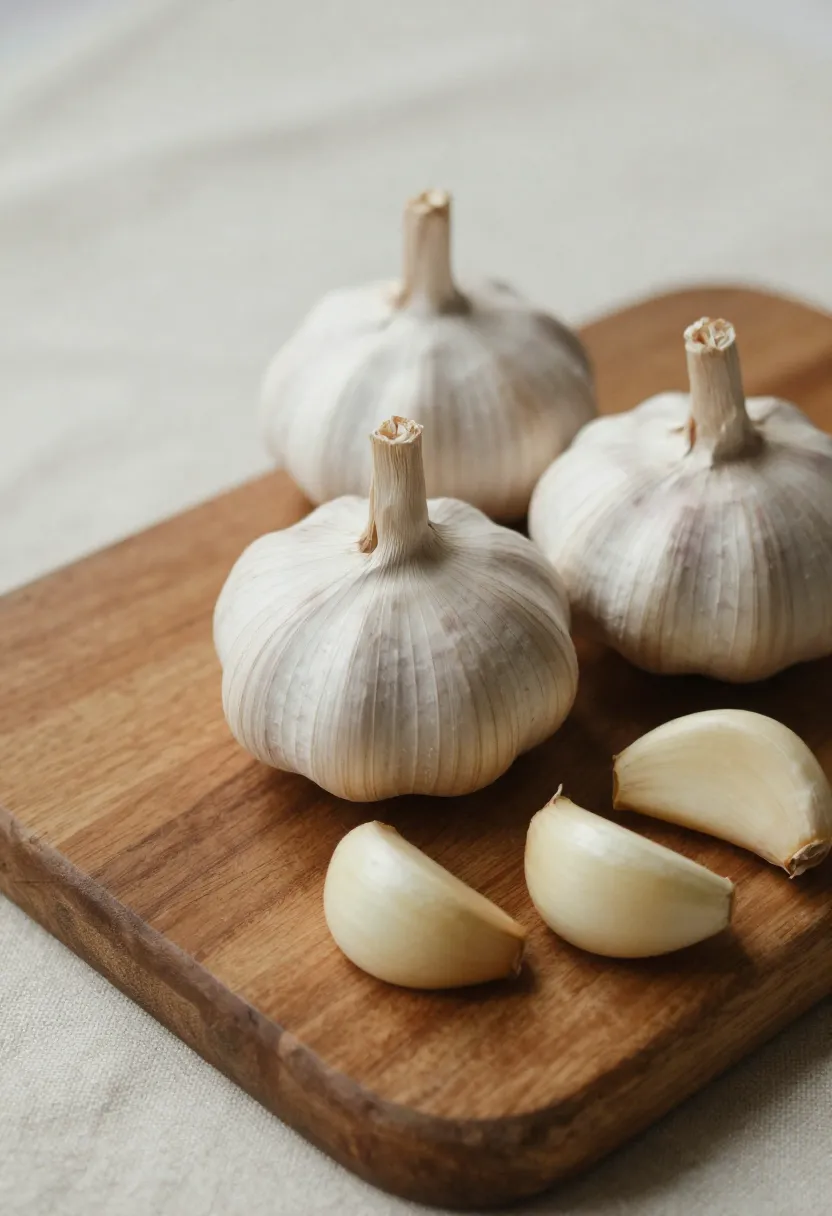
Garlic is one of those ingredients that feels almost magical. A single clove crushed on a cutting board releases an aroma that transforms a dish—and quietly supports your immune system at the same time. Cultures around the world have relied on garlic for centuries, not just for flavor but for its natural antimicrobial and healing properties.
It’s bold, aromatic, a little mischievous, and undeniably powerful.
Why garlic is so supportive for immunity
The secret lies in allicin, a sulfur-containing compound that forms when garlic is chopped, crushed, or chewed. Allicin has been studied for its:
- antimicrobial properties (helping fend off bacteria and viruses),
- anti-inflammatory benefits,
- antioxidant activity that protects cells from stress,
- support for cardiovascular health, which indirectly supports immunity too.
Fresh garlic has the strongest concentration of these beneficial compounds.
A small preparation trick that makes a big difference
To get the most immune-supporting benefits from garlic:
- Crush or chop the garlic.
- Let it rest for 10 minutes before cooking.
This resting time allows the enzyme reaction that forms allicin to fully activate. After that, you can cook it gently without losing too much potency.
It’s a tiny ritual that unlocks garlic’s superpowers.
How to use garlic beautifully (and generously)
Garlic slides easily into almost any savory dish:
- sautéed with olive oil as the base of soups and sauces,
- mixed into salad dressings,
- roasted until sweet and spreadable,
- added raw in tiny amounts for a punch of intensity,
- folded into hummus or dips for depth.
Roasted garlic, in particular, becomes soft, caramelized, almost buttery—perfect for spreading on warm bread or stirring into mashed potatoes.
A comforting story moment
Garlic has a way of making a kitchen feel alive. One reader once wrote:
“When the smell of garlic hits the pan, it’s like the house exhales.”
That sense of warmth and grounding is part of why garlic has stayed with us through generations—not just as food, but as a symbol of comfort and resilience.
A gentle note
While garlic can support immunity, it’s not a cure-all. Think of it as a consistent friend in your diet—one that shows up often, brings depth, and quietly strengthens your body from the inside.
Ginger — Warming, Soothing, Supporting
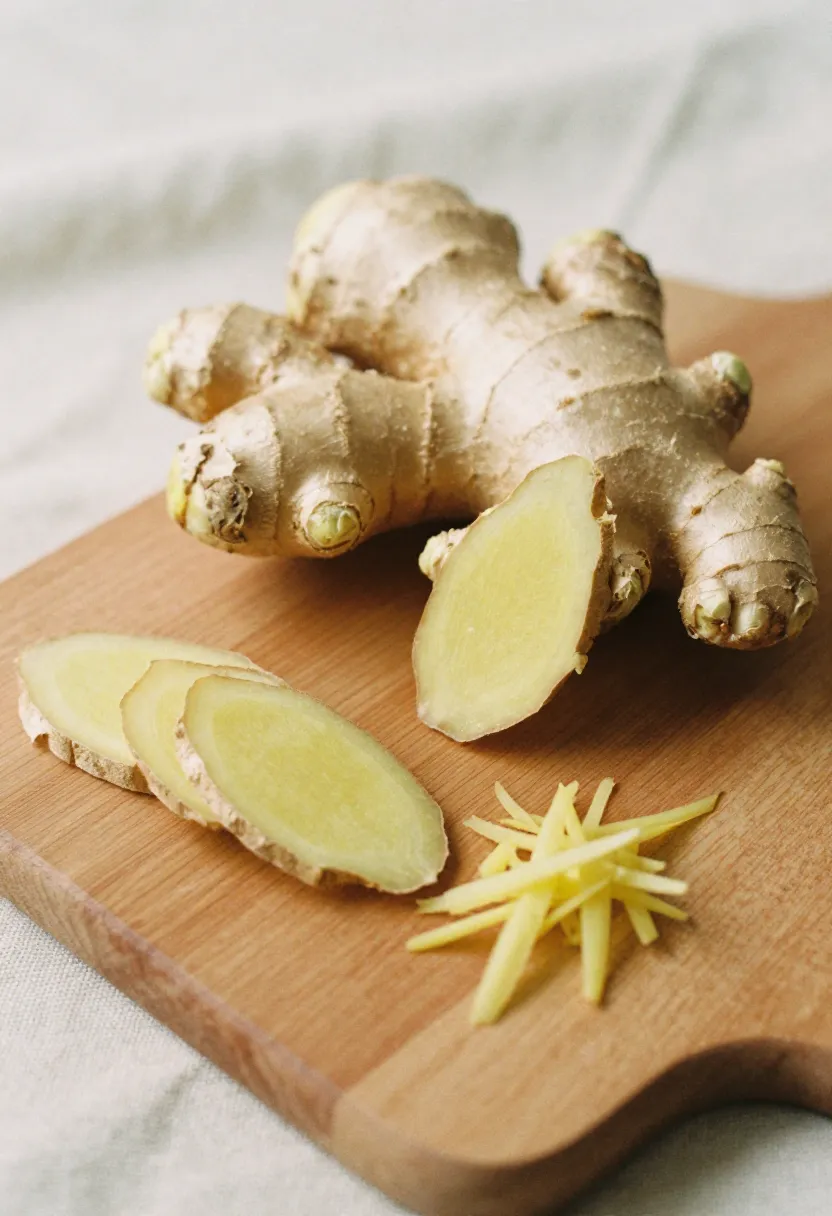
Ginger is like the cozy scarf of the food world — warm, comforting, and exactly what you reach for when you need a little extra support. Its bright, spicy aroma wakes up the senses, while its soothing qualities make it a beloved remedy across cultures.
From teas to soups to stir-fries, ginger brings both flavor and gentle therapeutic benefits, making it a wonderful ally for immune health.
Why ginger supports immunity
Ginger contains powerful plant compounds, especially gingerols and shogaols, which provide:
- anti-inflammatory effects,
- antioxidant protection,
- support for healthy digestion,
- relief for sore throats and congestion,
- mild antimicrobial properties.
Since inflammation and oxidative stress can weaken immune defenses, ginger’s ability to calm and protect makes it particularly valuable during cold seasons.
A warming effect that feels like medicine—in a good way
Unlike many immune-supporting foods, ginger creates a literal sense of warmth.
That gentle heat:
- stimulates circulation,
- helps the body feel more energized,
- can ease nausea or stomach discomfort,
- brings comfort when you’re feeling run-down.
It’s why a mug of hot ginger tea feels like a hug from the inside.
Simple and nourishing ways to enjoy ginger
Ginger is wonderfully versatile. You can use it:
- freshly grated in soups, curries, and marinades,
- sliced into hot water with lemon and honey,
- blended into smoothies for a spicy lift,
- steeped into ginger tea for comfort on cold days,
- added to stir-fries for brightness and heat,
- mixed into baking for warm, aromatic sweetness.
Tip: Freeze fresh ginger and grate it from frozen — no peeling required.
A little emotional note
There’s a tiny ritual many people cherish during winter: slicing a few coins of ginger, adding boiling water, and inhaling deeply as steam curls from the mug. That first sip often brings a sense of grounding, like your body saying, “Yes… this helps.”
Ginger isn’t flashy, but it’s steady, reliable, and deeply soothing — a perfect companion for immune resilience.
Turmeric — Golden Root with Anti-inflammatory Benefits
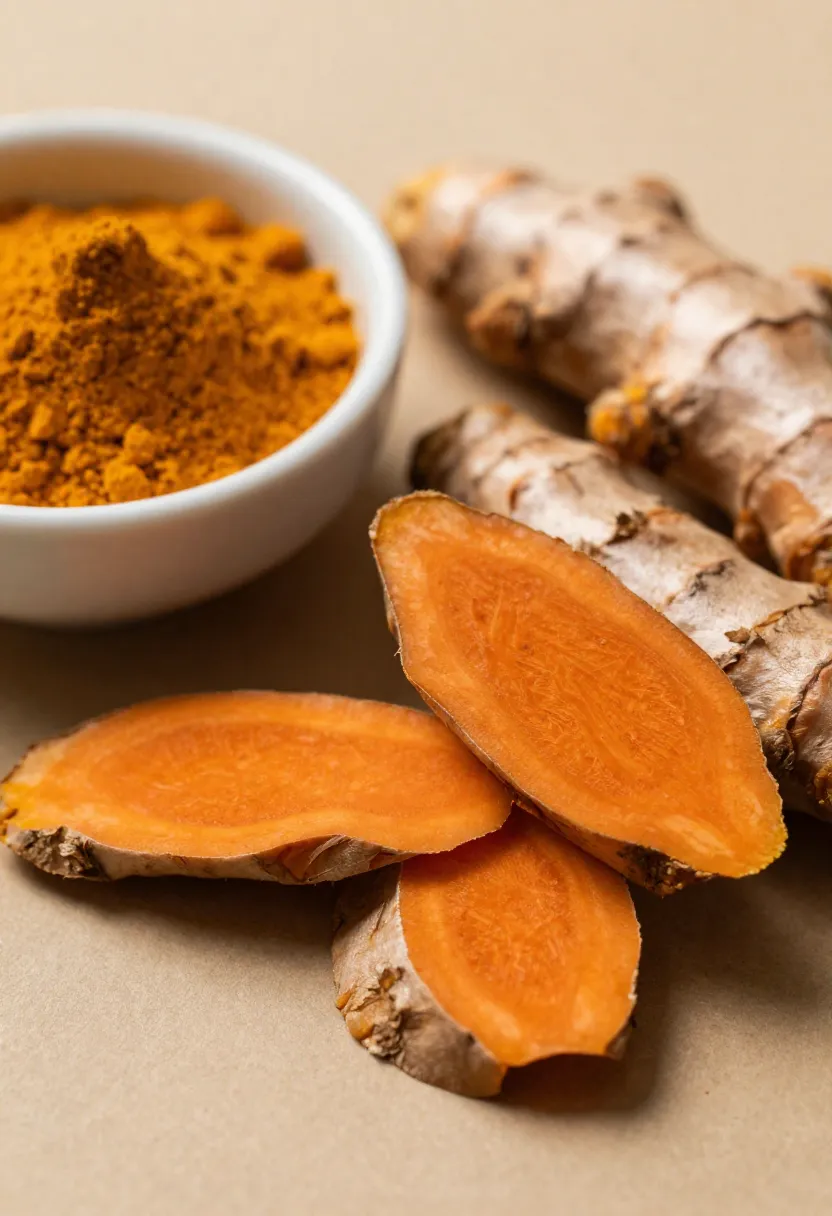
Turmeric is one of those rare ingredients that feels both ancient and modern at the same time. For thousands of years, it’s been used in traditional medicine for its warming, balancing qualities — and today, science continues to explore its impressive anti-inflammatory potential.
A pinch of turmeric can turn broth into comfort, warm milk into a soothing tonic, and rice into a vibrant, golden bowl. But beyond its beauty lies a root that genuinely supports your body’s resilience.
Why turmeric matters for immunity
The main compound responsible for turmeric’s benefits is curcumin, a potent antioxidant with powerful anti-inflammatory properties. Curcumin helps:
- support the immune system’s natural response to inflammation,
- protect cells from oxidative stress,
- maintain healthy immune cell function,
- balance pathways linked to chronic inflammation.
While turmeric isn’t a “quick fix,” its consistent presence in your diet can gently support long-term immune health.
A small trick for better absorption
Curcumin on its own isn’t absorbed very efficiently by the body.
But two simple helpers make a dramatic difference:
- Black pepper — contains piperine, which increases curcumin absorption up to 20x.
- Healthy fats — such as coconut milk, olive oil, or ghee help curcumin dissolve and absorb better.
So the classic combinations — turmeric + pepper + fat — aren’t traditional by accident. They’re brilliantly functional.
Comforting ways to add turmeric to your day
Turmeric fits beautifully into warm, nourishing dishes:
- stir into soups, lentils, or curries,
- whisk into warm milk for a “golden latte,”
- sprinkle into roasted vegetables,
- blend into smoothies with ginger for a fragrant lift,
- add to rice or quinoa for color and extra antioxidants.
Even small daily amounts can contribute to overall balance.
A gentle sensory moment
There’s something soothing about the aroma of turmeric warming in a pan of olive oil — earthy, grounding, just slightly floral. It has a way of slowing you down for a moment, reminding you to breathe and savor. One reader once said, “Turmeric feels like cooking with sunlight.”
And truly, this golden spice brings brightness not just to food, but to the body’s natural rhythms of protection and repair.
Fermented Foods — Feeding the Gut, Supporting the Immune System
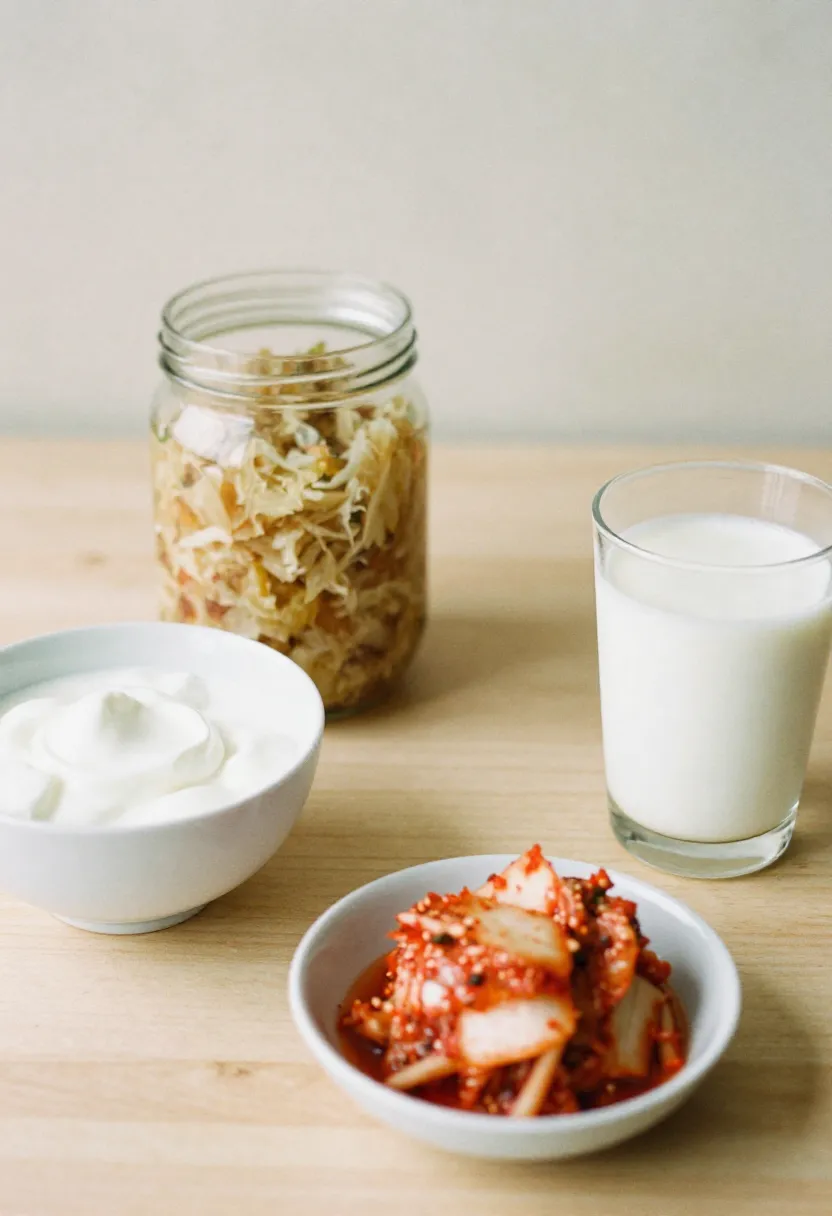
If there’s one place in your body that works quietly behind the scenes to influence immunity, energy, mood, and even inflammation, it’s your gut. And fermented foods are some of the kindest, most supportive things you can offer this delicate ecosystem.
With their tangy flavor and living cultures, fermented foods nourish the trillions of microorganisms that help your immune system stay balanced and responsive.
Why fermented foods support immunity
Fermented foods contain probiotics — beneficial bacteria that help your gut microbiome thrive. Since nearly 70% of the immune system is housed in the gut, a well-nourished microbiome can:
- improve immune response,
- reduce inflammation,
- support nutrient absorption,
- strengthen the gut barrier,
- help your body identify threats more effectively.
A healthy gut often translates into a calmer, steadier immune system.
Delicious fermented foods to include in your routine
There’s something here for every palate:
- Yogurt with live cultures — creamy, comforting, easy to enjoy daily
- Kefir — a drinkable, tangy probiotic powerhouse
- Sauerkraut — crisp, refreshing, and perfect as a side
- Kimchi — spicy, vibrant, full of depth
- Miso — savory and rich, ideal for soups or marinades
- Kombucha — fizzy, refreshing, lightly fermented tea
These foods are simple, accessible, and naturally flavorful.
The symbiotic magic: probiotics + prebiotics
For probiotics to thrive, they need prebiotics — the fibers that act as their food. When you pair fermented foods with fiber-rich ingredients (like vegetables, oats, legumes, or whole grains), you help good bacteria grow stronger.
A bowl of yogurt with berries.
Miso soup with veggies.
Kimchi tucked into a grain bowl.
Small pairings, big benefits.
How to add fermented foods gently and consistently
If you’re new to fermented foods, start small:
- a spoonful of sauerkraut with lunch,
- a small glass of kefir in the morning,
- a few slices of kimchi with dinner.
Your gut adjusts best with gradual, steady additions.
A comforting note
Fermented foods often carry a sense of tradition — recipes passed down, jars bubbling quietly on countertops, flavors that feel connected to something older and wiser. Many people say that bringing fermented foods into their diet feels like “adding life” to their meals.
One reader told us, “A spoonful of kimchi started as an experiment. Now it’s the thing that makes my whole lunch feel complete.”
Fermented foods remind us that nourishment can be alive, dynamic, and beautifully simple.
Nuts & Seeds — Healthy Fats and Immune Cell Support
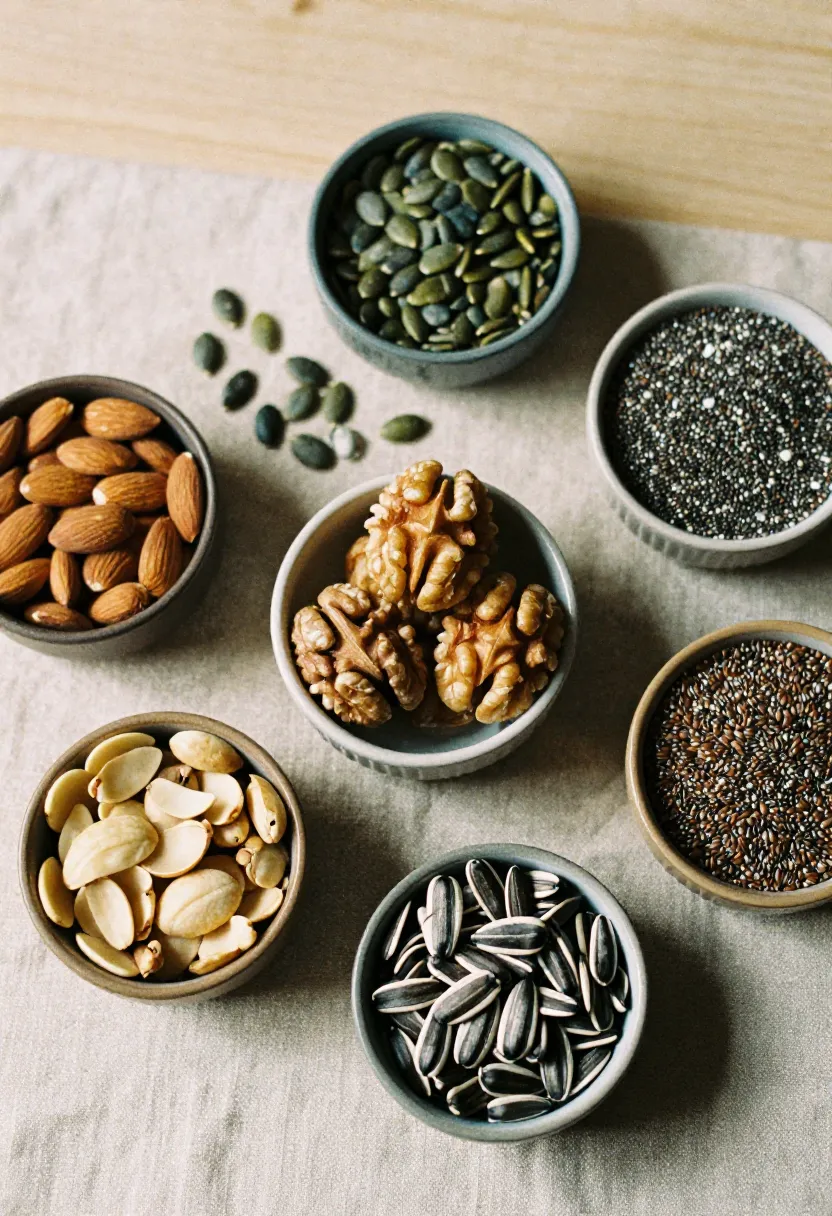
Nuts and seeds are tiny nutritional treasure chests — rich in healthy fats, minerals, antioxidants, and plant-based proteins. They’re the kind of food that seems simple at first glance, yet offers deep, sustaining nourishment, especially for your immune system.
Whether sprinkled on oatmeal, blended into smoothies, or eaten by the handful, nuts and seeds provide steady, long-lasting energy and the building blocks your immune cells rely on.
Why nuts and seeds matter for immunity
Your immune system needs certain nutrients to function well, and nuts and seeds deliver them in abundance:
- Vitamin E — a powerful antioxidant that protects immune cells
- Zinc — essential for repairing tissues and supporting immune response
- Magnesium — helps regulate inflammation and supports energy production
- Healthy fats (omega-3 and omega-6) — help build cell membranes and reduce inflammation
- Protein — needed for immune cell formation and repair
These foods offer nourishment that supports your body on multiple levels at once.
The best nuts and seeds for immune support
Each type brings something special:
- Almonds — rich in vitamin E and healthy fats
- Walnuts — excellent plant-based omega-3 source
- Pumpkin seeds — one of the best natural sources of zinc
- Sunflower seeds — full of vitamin E and selenium
- Chia seeds — deliver omega-3s and fiber
- Flaxseeds — anti-inflammatory lignans and omega-3s
- Sesame seeds — calcium, magnesium, and trace minerals
A mix provides a gentle spectrum of nutrients.
How to enjoy nuts and seeds in everyday meals
These versatile ingredients fit into your routine effortlessly:
- sprinkle nuts or seeds on yogurt, oats, or smoothie bowls,
- add chopped nuts to salads for crunch and richness,
- blend seeds into smoothies for a creamy texture,
- stir chia seeds into puddings or overnight oats,
- top soups or roasted veggies with toasted seeds,
- enjoy a small handful of nuts as a grounding snack.
Toasting nuts or seeds lightly enhances their flavor and makes them wonderfully aromatic.
A small, grounding ritual
Many people find that eating nuts feels soothing — almost like a mindful moment. One reader shared, “I carry a small jar of mixed nuts in my bag. They remind me to pause and nourish myself, even on rushed days.”
Nuts and seeds are simple, yes — but they are also powerful. A little goes a long way.
Oily Fish — Omega-3s for Lower Inflammation
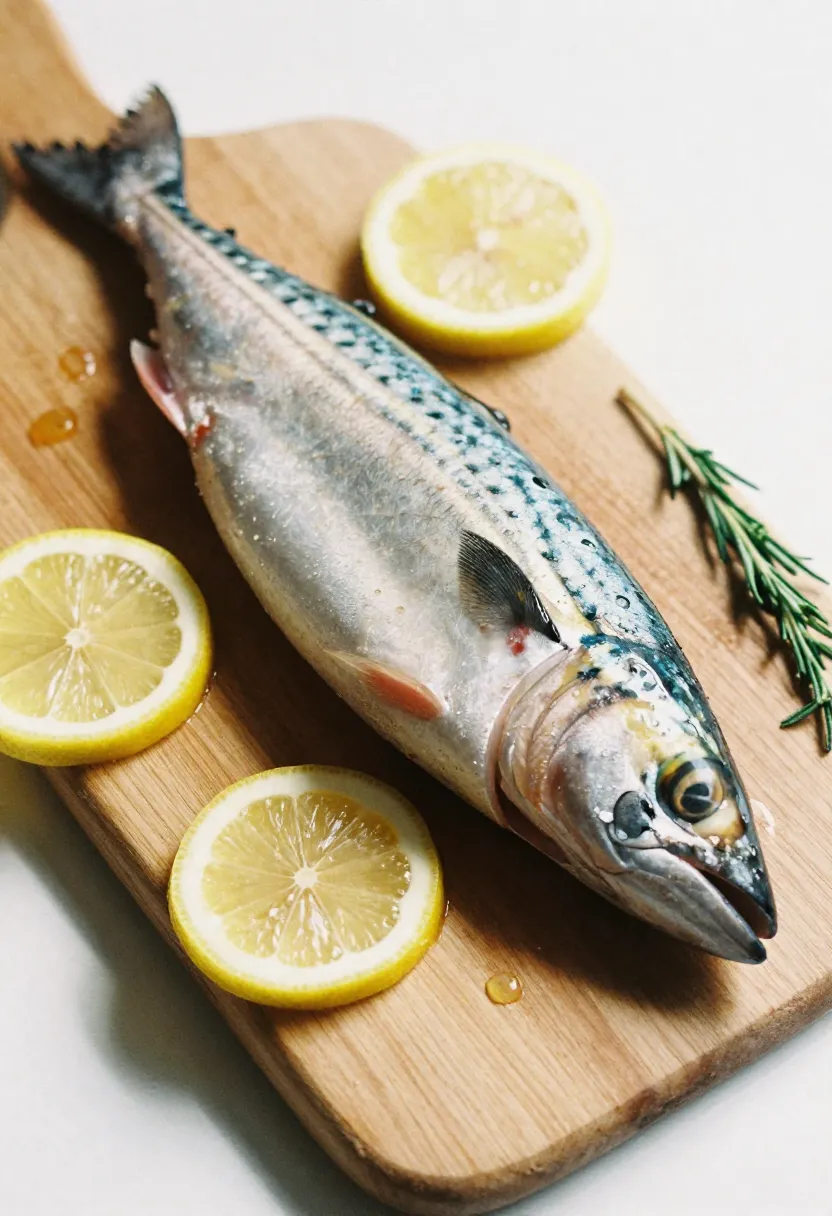
Oily fish is one of the most elegant examples of food working in harmony with the body. Rich in omega-3 fatty acids, protein, and essential nutrients, these fish help reduce inflammation — a key contributor to weakened immunity — while supporting overall health in a deeply nourishing way.
Their flavor is comforting yet robust, and their benefits extend far beyond the plate.
Why oily fish supports the immune system
Oily fish such as salmon, mackerel, sardines, anchovies, and trout provide:
- Omega-3 fatty acids (EPA & DHA) — reduce chronic inflammation and support immune regulation
- Vitamin D — essential for immune function and often lacking in modern diets
- Protein — for building and repairing immune cells
- Selenium — a powerful antioxidant that protects cell health
- B vitamins — support energy, metabolism, and cellular resilience
This combination makes oily fish one of the most impactful foods for long-term immune balance.
The role of inflammation in immunity
Acute inflammation (like when you cut your finger) helps protect the body.
But chronic inflammation — often from stress, poor diet, lack of sleep, or environmental factors — can weaken immune defenses over time.
Omega-3s help:
- calm inflammation,
- balance immune responses,
- support the membranes of immune cells,
- promote cellular repair.
For many people, including oily fish even twice a week can make a noticeable difference.
How to enjoy oily fish deliciously and simply
Oily fish is wonderfully versatile:
- Bake salmon with lemon and herbs for a clean, bright flavor,
- Pan-sear mackerel for crispy skin and rich taste,
- Add sardines to salads for a nutrient-dense meal,
- Top toast with smoked trout and cream cheese for a quick lunch,
- Stir anchovies into sauces for deep umami (they melt — no fishiness).
Even canned options count — sardines, salmon, or mackerel can be incredibly nourishing and budget-friendly.
A little sensory moment
There’s something deeply comforting about a warm, perfectly cooked piece of salmon — flaky, soft, subtly rich. It’s a kind of meal that both soothes and strengthens.
One reader once told us, “I make salmon on Sunday nights. It resets me — my body feels ready for the week.”
That’s the power of oily fish: gentle, grounding nourishment that supports you from the inside out.
Beans & Lentils — Plant Protein and Zinc for Defence
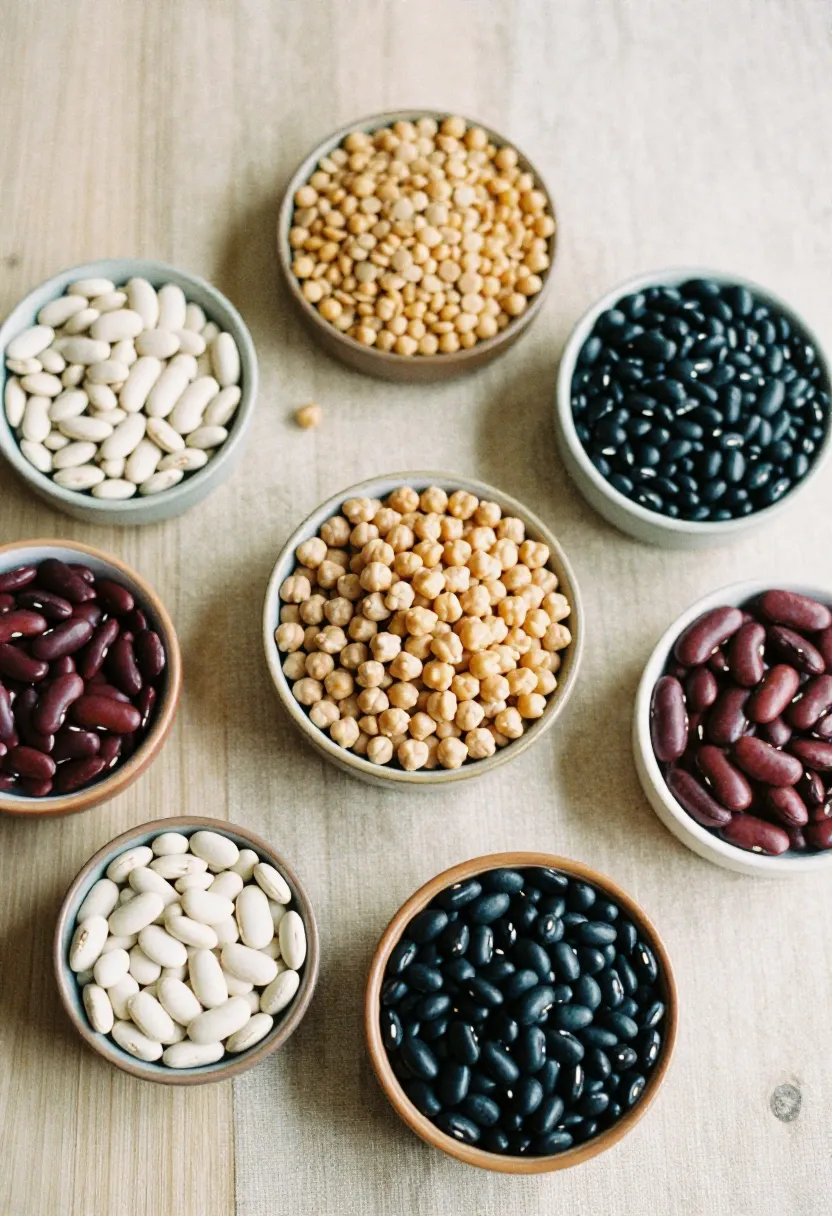
Beans and lentils are some of the most humble foods on the planet — affordable, accessible, comforting — yet they offer remarkable nutritional strength. For immune support, they bring together plant-based protein, minerals, fiber, and slow-release energy in a way that feels grounding and nourishing.
These are the foods that quietly take care of you, especially on busy days or during colder months.
Why beans and lentils support immunity
Legumes deliver multiple key nutrients your immune system depends on:
- Zinc — essential for immune cell development and function
- Iron — supports oxygen delivery throughout the body
- Fiber — helps maintain a healthy gut microbiome
- Plant protein — repairs tissues and supports immune cell formation
- Folate — needed for new cell growth and renewal
- Magnesium — regulates inflammation and energy production
Legumes are one of the most complete plant-based immunity foods you can add to your plate.
The quiet power of fiber
Beans and lentils contain both soluble and insoluble fiber, which:
- supports gut health,
- helps beneficial bacteria thrive,
- stabilizes blood sugar,
- influences immune responses through the gut–immune connection.
A strong gut = a supported immune system.
Simple legumes with big benefits
Each type brings its own strengths:
- Chickpeas — versatile, rich in zinc and fiber
- Lentils (green, brown, red) — cook quickly, gentle on digestion, high in protein
- Black beans — antioxidant-rich and hearty
- White beans — creamy, comforting, full of minerals
- Kidney beans — packed with iron and slow-release carbs
Mixing different legumes during the week supports nutrient diversity.
How to enjoy beans and lentils in everyday meals
Legumes shine in simple, cozy dishes:
- simmered into soups and stews,
- tossed into salads for extra protein,
- blended into dips like hummus,
- added to grain bowls with veggies and herbs,
- cooked with spices like cumin or turmeric for a warming meal,
- used as a base for plant-based patties.
They take on flavors beautifully — herbs, citrus, spices, broths — whatever speaks to your mood.
A grounding moment
There’s something deeply soothing about stirring a pot of lentils on the stove — steam rising, gentle bubbling, that earthy aroma filling the kitchen. One reader told us, “Lentil soup is my reset button. It tastes like calm.”
Beans and lentils bring nourishment, comfort, and immune support in a single bowl — quietly powerful, endlessly adaptable.
Green Tea — Antioxidants and Calm Focus
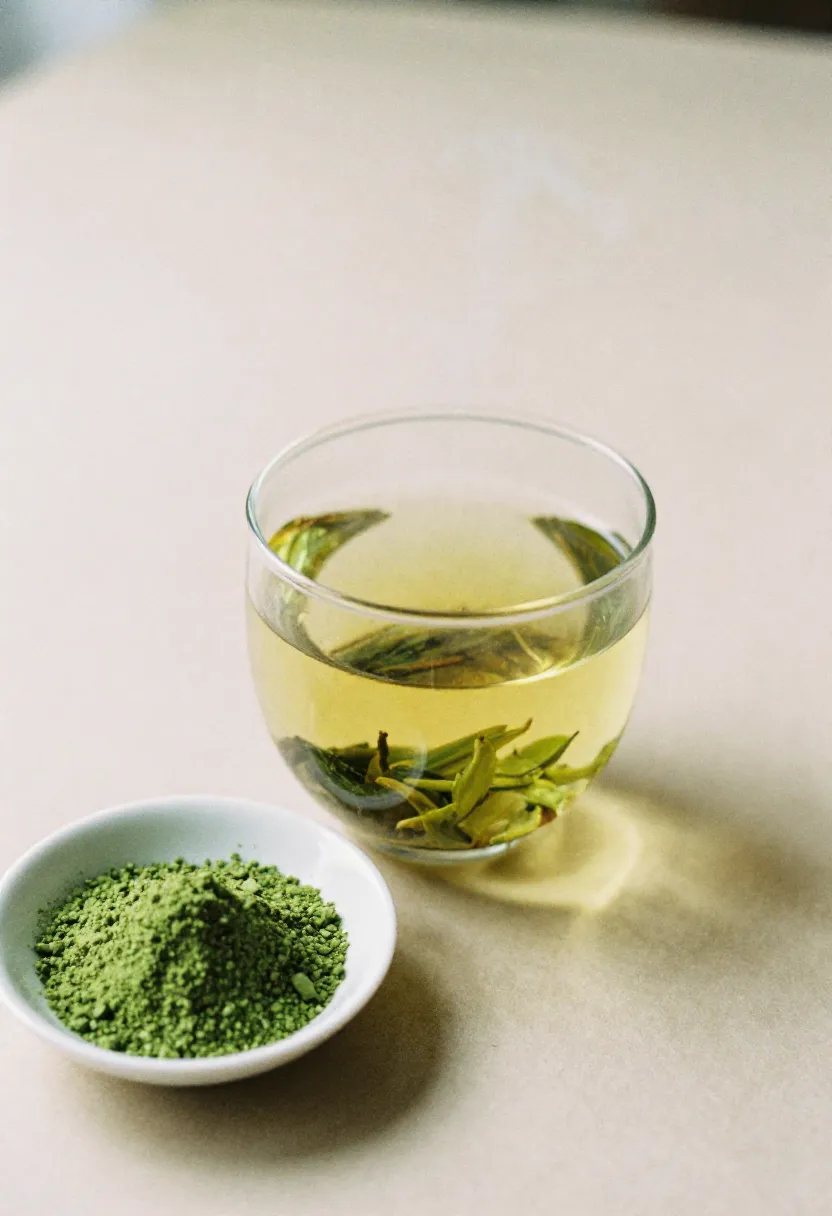
Green tea is one of those rare rituals that nourishes both the body and the mind. Light, fragrant, and quietly energizing, it offers a softer form of stimulation than coffee — a calm alertness rather than a jolt. For the immune system, green tea provides a blend of antioxidants and bioactive compounds that gently strengthen your body’s defenses.
A warm cup feels like a pause, a breath, a moment to return to yourself.
Why green tea supports immunity
The real power of green tea lies in its catechins, especially EGCG (epigallocatechin gallate) — a potent antioxidant with wide-reaching benefits.
Green tea may help:
- reduce oxidative stress,
- support immune cell function,
- improve inflammatory balance,
- protect tissues from environmental stressors,
- slow the growth of certain harmful microbes.
It’s a simple drink, yet incredibly rich in protective compounds.
A calm kind of energy
Unlike coffee, green tea contains L-theanine, an amino acid that promotes relaxation and focus simultaneously.
This unique combination of caffeine + L-theanine can:
- enhance mental clarity,
- reduce stress,
- support a more balanced mood,
- indirectly aid immune health (since stress weakens immunity).
This makes green tea a wonderful companion for peaceful mornings or mindful work breaks.
How to enjoy green tea for maximum benefit
Green tea is delicate — both in flavor and in preparation. Here’s how to make the most of it:
- Use water that’s hot but not boiling (around 70–80°C) to avoid bitterness.
- Steep for 1–3 minutes depending on your preference.
- Try a squeeze of lemon, which may enhance antioxidant absorption.
- Explore varieties: sencha (fresh and grassy), matcha (creamy and vibrant), jasmine green tea (floral and calming), genmaicha (nutty, comforting).
Matcha, in particular, contains the whole tea leaf in powdered form — giving even more antioxidants per cup.
A soft ritual for your day
For many people, green tea becomes more than a drink — it becomes a moment.
One reader told us, “My afternoon green tea is my reset point. It slows the world down just enough for me to breathe.”
When a food or drink helps both the body and the mind, the immune benefits follow naturally.
Mushrooms — Natural Vitamin D and Immunomodulators

Mushrooms may look humble, but they carry some of the most intriguing and powerful immune-supporting compounds in the natural world. From classic button mushrooms to shiitake, maitake, and oyster varieties, mushrooms offer nutrients and bioactive substances that nourish immunity in unique ways.
Their earthy flavor brings comfort; their benefits bring balance and resilience.
Why mushrooms support the immune system
Mushrooms contain several compounds that help regulate and strengthen immune function:
- Beta-glucans — natural sugars that help “train” immune cells to respond more effectively
- Vitamin D — especially in mushrooms exposed to sunlight or UV light
- Antioxidants — like selenium and ergothioneine, which protect cells from damage
- B vitamins — support energy production and cellular repair
- Fiber — feeds beneficial gut bacteria, central to immune health
This combination makes mushrooms one of the most functional foods for immunity.
Beta-glucans: the immune modulators
Beta-glucans help the immune system adjust — activating it when needed and calming it when it becomes overactive.
This balancing effect is why mushrooms are often referred to as “immunomodulators.”
Shiitake and maitake mushrooms are especially rich in these compounds.
Vitamin D — a rare plant-based source
Few plant foods contain vitamin D naturally, but certain mushrooms do — especially when grown with UV exposure. Vitamin D:
- strengthens immune defenses,
- supports bone health,
- improves mood and energy during colder months.
Adding a handful of mushrooms to meals is a simple way to boost intake.
How to enjoy mushrooms deliciously
Mushrooms deepen flavors and add a comforting, savory quality to dishes:
- sauté with garlic and herbs,
- roast until golden and slightly crisp,
- add to soups, risottos, and grain bowls,
- stir into omelets or savory pancakes,
- use shiitake or maitake for richer, meatier textures,
- enjoy raw button mushrooms in salads for a fresh crunch.
Cooking mushrooms enhances their immune-supporting nutrients and brings out their umami richness.
A warm little moment
There’s something soothing about mushrooms sizzling in a pan — that earthy aroma rising as they release moisture and turn golden. One reader shared, “Cooking mushrooms feels grounding, like the kitchen becomes a forest for a moment.”
Mushrooms reconnect us with the earth — and strengthen us in the process.
Dark Chocolate & Cacao — A Gentle, Mood-Lifting Antioxidant Treat
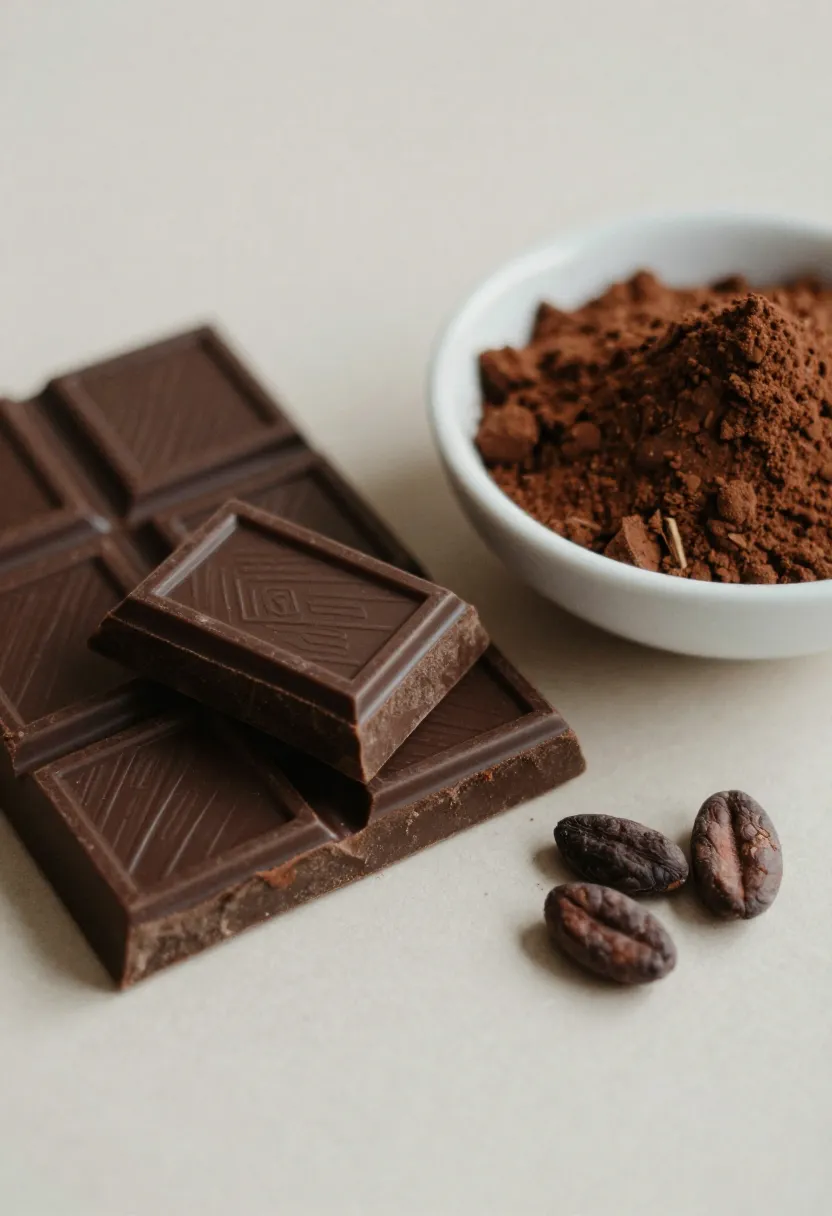
There’s something almost magical about dark chocolate — the way it melts slowly on the tongue, the deep cocoa aroma, the instant feeling of comfort it brings. And here’s the lovely surprise: dark chocolate isn’t just a treat for your mood. When chosen well, it also offers meaningful immune-supporting benefits.
This is where pleasure and nourishment meet.
Why dark chocolate supports immunity
High-quality dark chocolate (70% cacao or more) and raw cacao contain powerful plant compounds:
- Flavonoids — antioxidants that help reduce inflammation and oxidative stress
- Magnesium — supports stress balance and muscle relaxation
- Iron — assists in oxygen transport
- Copper and zinc — important for immune cell development
- Theobromine — a gentle stimulant that enhances mood and alertness
When the body feels calm, nourished, and balanced, the immune system naturally functions better.
Not all chocolate is created equal
To truly benefit your immunity and mood, choose:
- chocolate with 70–90% cacao,
- minimal added sugar,
- no unnecessary additives,
- raw cacao powder for smoothies or baking.
Milk chocolate and heavily sweetened bars contain much less cacao — and far more sugar — which can counteract immune support.
How to enjoy dark chocolate in nourishing ways
A little goes a long way, especially when paired thoughtfully:
- a square or two after a meal,
- cacao added to smoothies or oatmeal,
- raw cacao mixed into warm milk for a rich, soothing drink,
- cacao nibs sprinkled on yogurt or fruit for crunch,
- homemade energy balls with nuts, dates, and cacao.
It’s about savoring, not rushing — letting the flavor unfold slowly.
Mood support matters, too
Stress is one of the biggest suppressors of immune function.
Dark chocolate offers a gentle lift, thanks to:
- serotonin precursors,
- theobromine,
- magnesium,
- the simple pleasure of eating something delicious.
One reader told us, “My evening square of dark chocolate isn’t a treat — it’s a ritual that tells my body the day is done.”
Those small rituals of joy often ripple into better overall well-being.
A quiet balance of pleasure and healing
Dark chocolate reminds us that immune support doesn’t have to be strict or joyless. Sometimes, resilience grows from small moments of comfort — the foods that nourish the body while softening the spirit.
How to Build an Immune-Supportive Plate (Putting Everything Together)
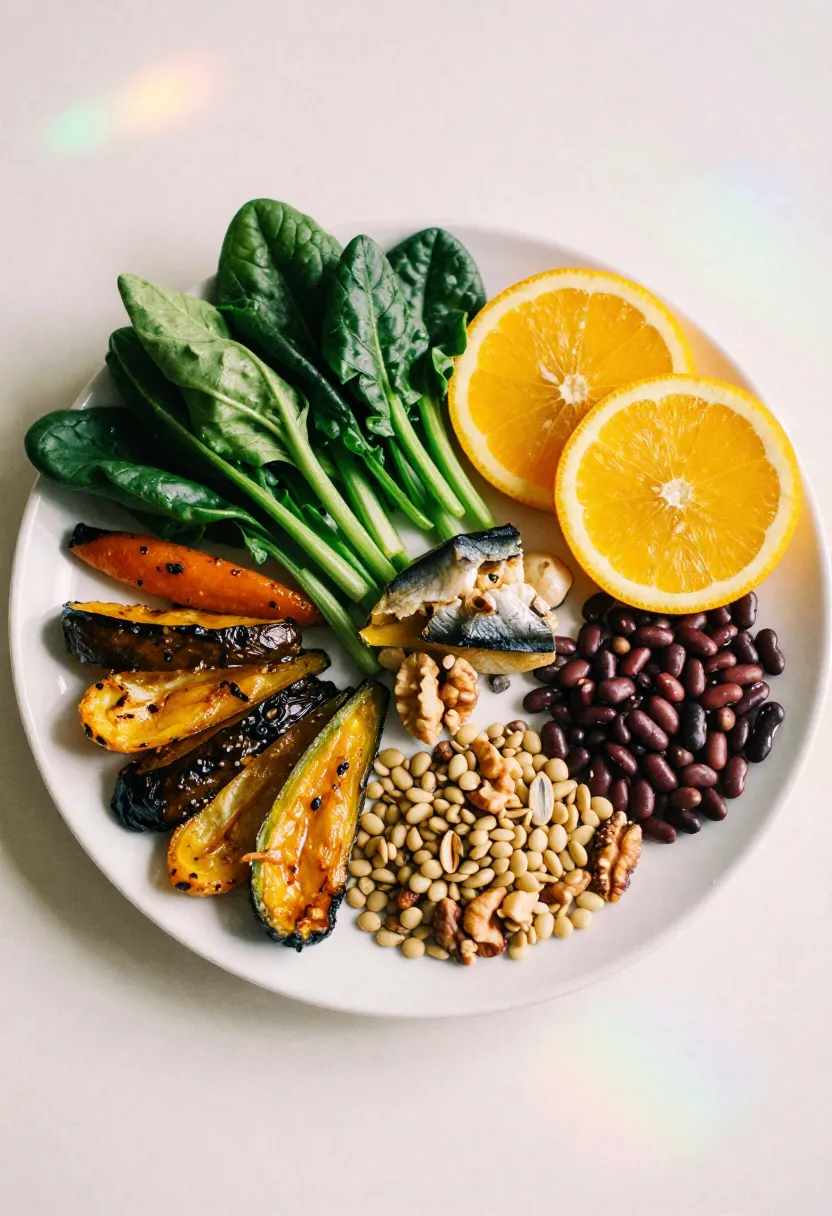
It’s one thing to know which foods support your immune system — and another to weave them naturally into your daily meals. The beautiful truth is that immune-supportive eating isn’t about strict rules or complicated recipes. It’s about balance, color, nourishment, and small choices repeated with kindness.
Think of your plate as a gentle ecosystem: each element supporting the others, each one adding its own quiet strength.
1. Build around color
A colorful plate usually means a nutrient-rich plate.
Aim to include:
- greens (spinach, kale, herbs)
- reds/oranges (peppers, citrus, berries)
- whites/beiges (garlic, mushrooms, beans)
- browns/navy/blacks (lentils, nuts, seeds)
Each color represents different antioxidants and phytonutrients that your immune system thrives on.
If your meal looks like a rainbow, you’re already ahead.
2. Pair plant foods with healthy fats
Healthy fats help your body absorb fat-soluble vitamins (A, D, E, K) and improve the absorption of compounds like curcumin from turmeric.
Simple, delicious pairings:
- roasted vegetables + olive oil
- turmeric dishes + black pepper + coconut milk
- salads + avocado or mixed seeds
- sautéed greens + a drizzle of extra-virgin olive oil
These fats also help regulate inflammation — a key part of immune resilience.
3. Include a probiotic + prebiotic combination
The gut and immune system are deeply connected.
A strong immune-friendly plate often includes:
Probiotics (fermented foods):
- yogurt, kefir
- kimchi, sauerkraut
- miso, kombucha
Prebiotics (fibers that feed good bacteria):
- oats
- beans and lentils
- garlic and onions
- asparagus
- leafy greens
Together, they support balance and calm within your microbiome.
4. Add lean or plant-based protein
Protein helps build and repair immune cells. Include sources like:
- beans, lentils, hummus
- tofu or tempeh
- oily fish (salmon, mackerel, sardines)
- eggs
- nuts and seeds
A meal doesn’t need large amounts — just a steady presence.
5. Think “warm, comforting, grounding”
Immune-supportive meals often shine when they’re warm and soothing:
- soups rich in vegetables, garlic, ginger
- stir-fries with greens and mushrooms
- oatmeal with berries and seeds
- warm grain bowls with kimchi and roasted veggies
- tea rituals with green tea or turmeric lattes
Warm foods can feel easier to digest and emotionally grounding — two things your immune system loves.
6. Keep hydration in the picture
Hydration keeps mucous membranes moist and protective, supports detox pathways, and helps nutrients circulate.
Immune-friendly drinks include:
- water with lemon
- green tea
- herbal infusions (ginger, chamomile, mint)
- light broths
Even small hydration habits add up.
7. A simple visual framework
Imagine your plate divided gently into:
- ½ colorful vegetables or fruit
- ¼ protein (plant or animal)
- ¼ whole grains or starchy vegetables
- + a small serving of healthy fats
This isn’t a rule — just a gentle guide.
A cozy moment to anchor your day
Many readers tell us that creating one nourishing meal a day makes them feel “reset,” even when life is chaotic. That could be a green tea ritual, a warm bowl of stew, or a colorful lunch salad.
Your plate becomes a form of self-respect — one small, delicious decision at a time.
Lifestyle Habits That Strengthen Immunity Alongside Food

Food is a powerful foundation, but your immune system also listens closely to how you live — how you rest, move, breathe, and even how you connect with others. These habits don’t need to be complicated or time-consuming. Think of them as gentle pillars that hold your well-being steady.
When paired with nourishing meals, they create an environment where your immune system can function with clarity and balance.
1. Prioritize restful, consistent sleep
Sleep is when the body repairs, recalibrates, and strengthens its defences.
During deep sleep:
- immune cells reset and multiply,
- inflammation levels drop,
- stress hormones decline,
- memory and mood stabilize.
Aim for 7–9 hours of consistent sleep — ideally at the same time each night.
A soothing evening ritual helps: warm tea, dim light, a quiet moment away from screens.
2. Move your body in ways that feel good
Exercise isn’t just for fitness — it actively supports immunity.
Gentle, regular movement can:
- increase circulation and help immune cells move efficiently,
- reduce chronic inflammation,
- improve stress resilience,
- elevate mood.
This doesn’t require strenuous workouts.
Walking, yoga, stretching, dancing in your kitchen — all count.
The key is consistency, not intensity.
3. Nurture your stress balance
Chronic stress suppresses the immune system, making the body more vulnerable to illness.
Supporting stress balance may include:
- mindful breathing or meditation,
- journaling,
- grounding rituals (like tea, candles, or reading),
- spending time in nature,
- talking openly with loved ones.
A calm nervous system creates a stronger immune system.
4. Stay hydrated throughout the day
Hydration keeps mucous membranes moist — a crucial first line of defence.
It also supports:
- nutrient absorption,
- detoxification,
- digestion,
- energy levels.
Add variety: herbal teas, lemon water, infused water with berries or mint, warm broths.
Listen to your thirst, but drink proactively too.
5. Spend time outdoors (even just a little)
Fresh air and natural light help regulate:
- circadian rhythm (sleep quality),
- vitamin D levels,
- mood and stress hormones,
- overall immune function.
A short daily walk or a few minutes on a balcony can make a profound difference.
6. Foster human connection
Loneliness and isolation can weaken immunity, while meaningful connection supports resilience.
Reach out to:
- a friend,
- a neighbor,
- a family member,
- a community group.
Even simple conversations create emotional warmth — a powerful form of health.
7. Choose gentle consistency over perfection
Immune resilience isn’t built in one perfect day.
It grows quietly through:
- steady habits,
- small choices,
- nourishing routines,
- moments of kindness toward yourself.
You don’t need dramatic lifestyle changes — only a willingness to show up for yourself in gentle, daily ways.
Gentle Conclusion — Nourish Yourself Daily, Calmly and Consistently
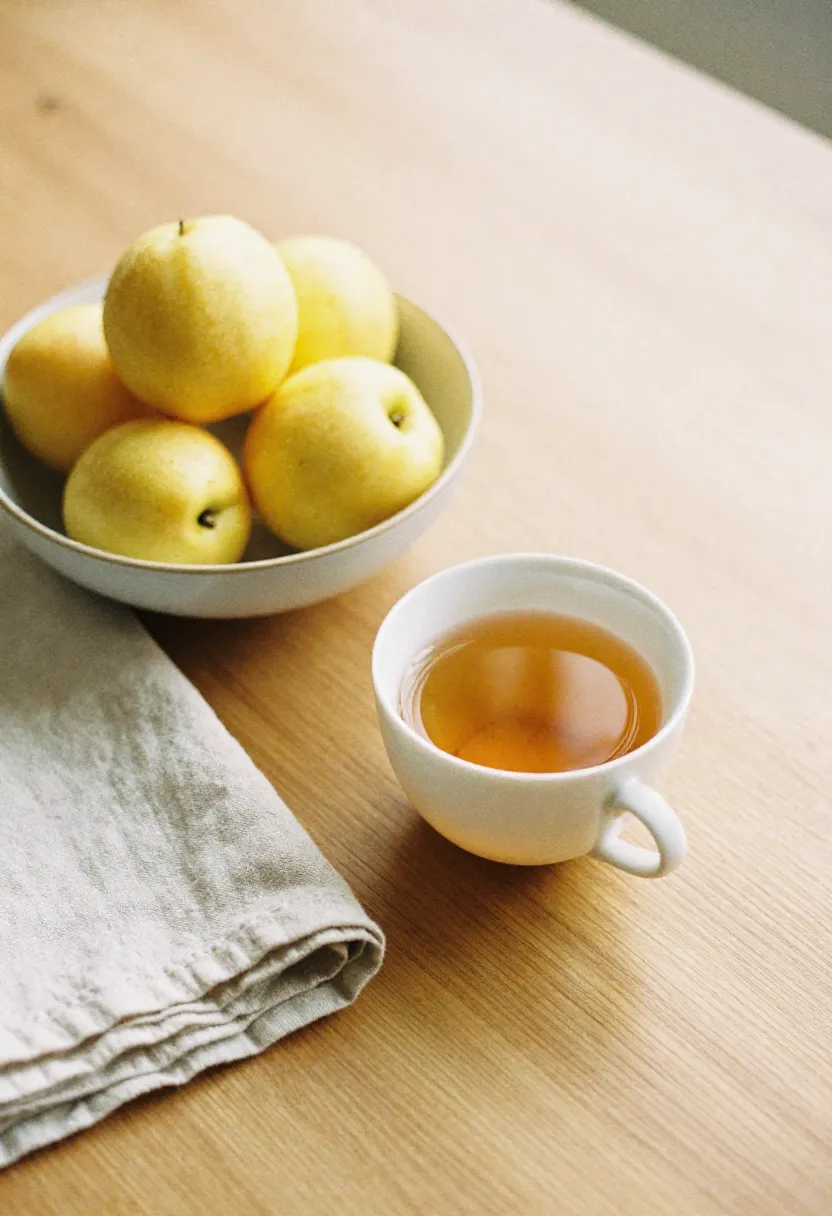
Immune resilience isn’t built overnight. It’s woven slowly — through quiet routines, warm meals, restful moments, and the small decisions you repeat without even noticing. It grows in your kitchen, your evening rituals, your daily walks, and the way you care for yourself when life feels heavy.
The foods in this guide aren’t magic bullets. They’re companions.
Colorful fruits that brighten your mornings. Steaming bowls of soup that ground you on cold nights. A cup of green tea that softens a stressful afternoon. A handful of nuts that reminds you to pause. These foods nourish you not just physically, but emotionally — and it’s this combination that truly supports your immune system.
Because immunity isn’t just about avoiding illness.
It’s about feeling steady, energized, and connected to your own well-being. It’s about giving your body the tools it needs to respond with clarity, not chaos. And most of all, it’s about choosing nourishment over pressure, curiosity over fear, rituals over rigid rules.
Let this guide be an invitation, not a prescription.
Add a little more color to your plate. Sip something warm. Breathe more deeply. Make space for joy and rest. Your immune system feels all of it.
Small choices, repeated gently, become resilience.
FAQ — Your Immune-Supporting Foods Questions, Answered
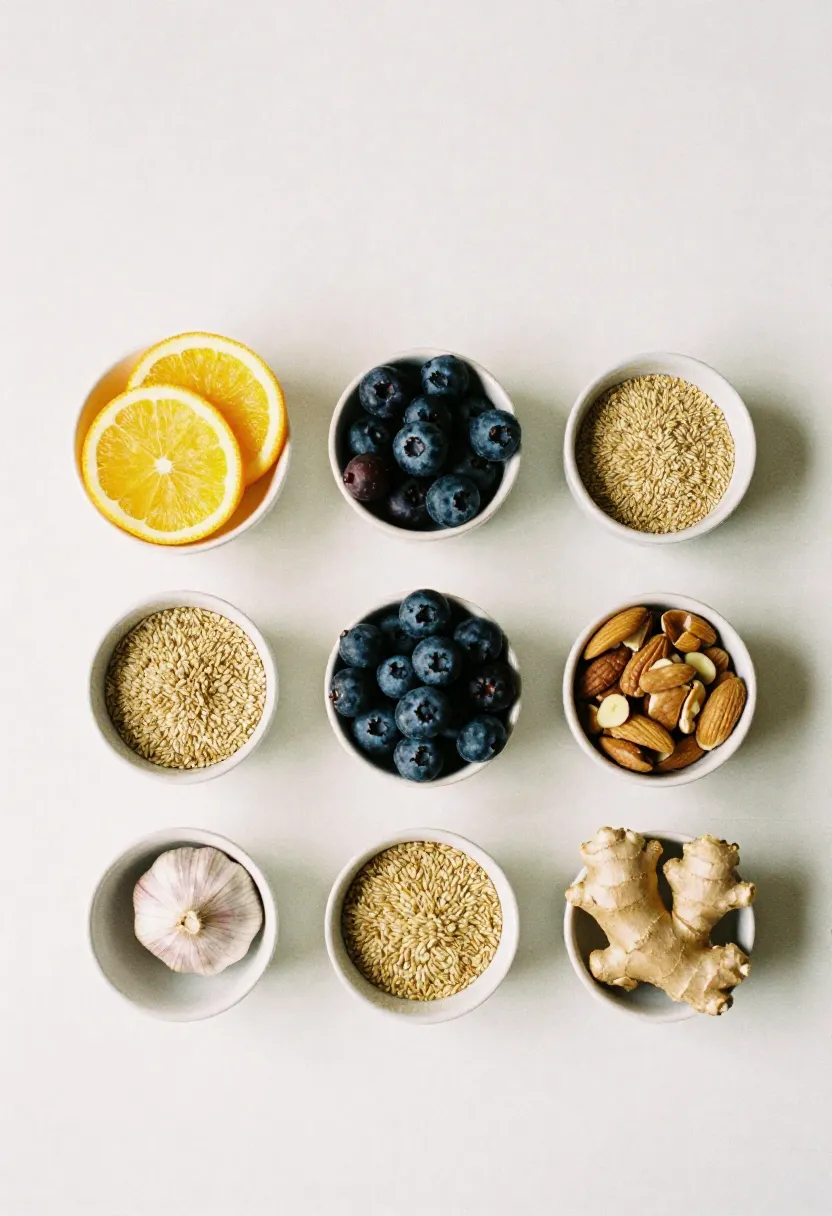
A warm, practical FAQ helps readers feel grounded and confident about their choices.
Here are gentle, human-centered answers to the questions people most often ask about food and immunity.
1. Can food really boost my immune system?
Not exactly — and that’s a good thing.
Your immune system isn’t meant to be “boosted” (overactivation can be harmful). Instead, immune-supporting foods help your body stay balanced, nourished, and ready to respond appropriately. Think of it as strengthening your foundation, not flipping a switch.
2. What are the top foods I should eat for immunity?
Some of the most supportive options include:
- citrus fruits
- berries
- peppers
- leafy greens
- broccoli
- garlic & ginger
- turmeric
- fermented foods
- nuts & seeds
- oily fish
But variety is the real secret — different foods bring different strengths.
3. How often should I eat immune-supporting foods?
Daily, but gently.
Instead of seeing them as special “immune meals,” think of them as everyday companions. A handful of berries, a cup of tea, a spoonful of sauerkraut, a vegetable-filled dinner — it’s the accumulation that matters.
4. Do supplements replace immune-supporting foods?
Supplements can help when you have deficiencies (like vitamin D), but they can’t replicate the synergy of whole foods. Nutrients work better together — in the way nature designed them.
Food first. Supplements as support, if needed.
5. Is there a single “best” food for immunity?
No one food does everything.
Each ingredient plays a different role — antioxidants, vitamins, fiber, healthy fats, probiotics. The magic happens in their combination.
6. Are fermented foods necessary for immune health?
Not necessary, but very helpful.
Since around 70% of the immune system lives in the gut, fermented foods nourish the microorganisms that help keep immunity balanced.
Even small amounts (a spoonful of sauerkraut, a glass of kefir) make a difference.
7. Can I eat immune-supportive foods if I’m sick?
Absolutely — especially warm broths, ginger tea, citrus, soups, garlic, and easy-to-digest meals. They won’t cure illness, but they help comfort the body, support hydration, and provide nutrients for recovery.
8. Do sugary foods weaken immunity?
Occasional treats are not a problem, but a consistently high-sugar diet can increase inflammation and reduce immune efficiency. Balance is key.
And yes — dark chocolate still fits beautifully into an immune-supportive lifestyle.
9. Is it possible to eat “too many” healthy foods?
Not in a dangerous way, but extremes can create imbalance.
Aim for variety, moderate portions, and meals that feel good physically and emotionally.
10. What’s the most important non-food factor for immunity?
Sleep.
Closely followed by stress balance, gentle movement, connection with others, and spending time outdoors.
Food is one pillar — but your whole lifestyle shapes your immune resilience.