Contents
- Why Your Energy Keeps Crashing (And What’s Really Going On)
- 1. Ashwagandha — The Stress-Energy Connection
- 2. B Vitamins — The Foundation of Your Energy Metabolism
- 3. Magnesium — The Quiet Powerhouse Most People Are Missing
- 4. CoQ10 — Fuel for Your Mitochondria
- 5. Rhodiola Rosea — The Adaptogen for Mental and Physical Stamina
- How to Choose the Right Supplement for You
- Conclusion
- Frequently Asked Questions
You slept seven hours. You had your coffee. You even ate a decent breakfast — and by 2pm, you’re staring at your screen wondering why your brain feels like it’s wrapped in cotton wool.
Sound familiar?
This kind of low-grade, persistent fatigue is one of the most common complaints people bring up — not just to doctors, but to nutritionists, coaches, and honestly, anyone who will listen. It’s not dramatic exhaustion. It’s just this steady, frustrating drain that makes everything feel harder than it should.
The first instinct is usually another coffee. Then maybe an energy drink. Then a nap you don’t have time for.
But more and more people are looking somewhere else — at natural supplements that support the body’s own energy systems rather than just masking the problem with a caffeine spike.
The catch? The supplement market is enormous, noisy, and full of bold claims. Walk into any health store and you’ll find shelves of products promising to “boost your energy” — most of which deliver very little beyond an expensive habit.
So this article cuts through that. We’re looking at five natural supplements with real evidence behind them — what they do, why they work, and how to use them in a way that actually makes a difference in your daily life.
No miracle promises. Just honest, practical information you can use.
Why Your Energy Keeps Crashing (And What’s Really Going On)

Before reaching for any supplement, it helps to understand what’s actually happening when your energy bottoms out. Because “I’m tired” can mean a dozen different things — and not all of them have the same solution.
The Difference Between Real Fatigue and Lifestyle Fatigue
There are two broad categories worth separating.
Lifestyle fatigue is the kind most people are dealing with. It builds up gradually from a combination of poor sleep quality, chronic low-level stress, too much processed food, not enough movement, and a daily schedule that never really lets you recover. Your body is functioning — just running on fumes.
Clinical fatigue is something different. It can be a symptom of an underlying issue — thyroid dysfunction, anemia, vitamin deficiencies, sleep apnea, or other conditions that need proper diagnosis and treatment. If your tiredness is severe, constant, or comes with other symptoms, a conversation with your doctor should come before anything on this list.
For most people reading this, though, it’s the first kind. And that’s where nutrition, lifestyle changes, and targeted supplementation can genuinely move the needle.
When Food, Sleep, and Stress Aren’t Enough
Here’s something worth sitting with: even people who do a lot of things right still struggle with energy.
You might be sleeping reasonably well, eating whole foods, and managing stress better than you used to — and still feel like you’re running at 70%. Why?
A few reasons:
- Modern diets are often micronutrient-poor, even when they look healthy on the surface. Soil depletion, food processing, and busy lifestyles mean many people are quietly low in key vitamins and minerals that the body needs to produce energy at the cellular level.
- Chronic stress burns through certain nutrients fast — magnesium and B vitamins in particular — faster than diet alone can replenish them.
- Mitochondrial function declines with age, meaning the little energy factories inside your cells become less efficient over time, regardless of how well you eat.
This is where the right supplements can genuinely fill the gaps. Not as a shortcut, but as targeted support for systems that are already working hard.
1. Ashwagandha — The Stress-Energy Connection
If you’ve spent any time in wellness circles over the last few years, you’ve almost certainly heard of ashwagandha. It’s become one of the most talked-about supplements on the market — and for once, the hype is mostly justified.
What It Is and Where It Comes From
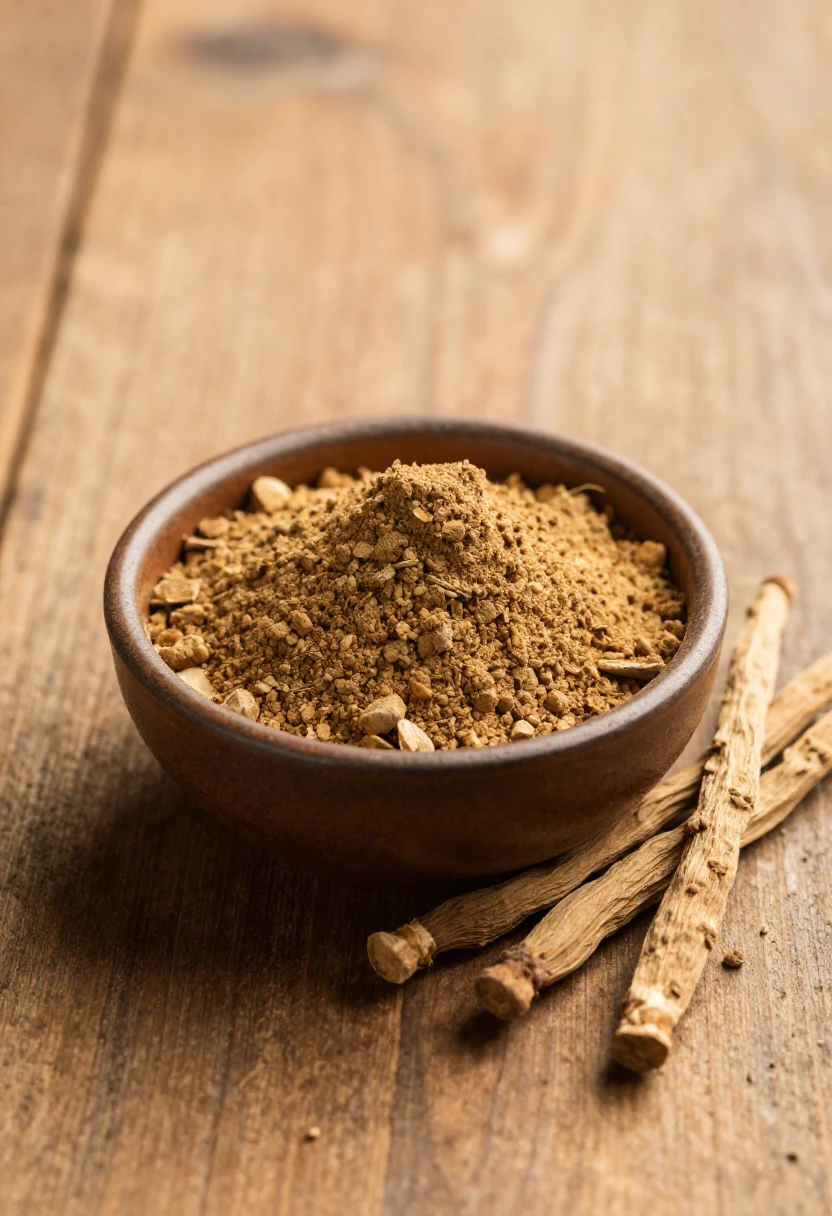
Ashwagandha (Withania somnifera) is a small shrub native to India, North Africa, and parts of the Mediterranean. Its root has been used in Ayurvedic medicine for over 3,000 years — traditionally as a general tonic for strength, vitality, and resilience.
In modern supplement form, you’ll usually find it as a standardized root extract, either in capsules or as a powder you can mix into drinks. The most studied extract is KSM-66, which appears in many reputable products.
How It Supports Energy by Lowering Cortisol
Here’s the key thing about ashwagandha: it doesn’t give you energy the way caffeine does. It doesn’t stimulate. It restores.
Ashwagandha is an adaptogen — a class of plants that help the body adapt to stress and return to balance. Its primary mechanism when it comes to energy is regulating cortisol, your main stress hormone.
When you’re chronically stressed, cortisol stays elevated. And elevated cortisol over time is exhausting — it disrupts sleep, depletes key nutrients, suppresses thyroid function, and leaves you in a state of low-grade burnout that no amount of coffee can fix.
By helping bring cortisol back into a healthy range, ashwagandha addresses one of the most common hidden drivers of persistent fatigue.
What the Research Says
The evidence here is genuinely encouraging:
- A randomized controlled trial published in the Journal of the International Society of Sports Nutrition found that participants taking ashwagandha extract showed significantly greater improvements in energy levels, recovery, and overall well-being compared to placebo.
- Multiple studies have shown reductions in cortisol of 20–30% in chronically stressed adults taking standardized ashwagandha extract over 8–12 weeks.
- Research also points to improvements in sleep quality — which is, of course, one of the most direct paths to better energy during the day.
It’s not an overnight fix. Most people start noticing a difference after two to four weeks of consistent use. The effect is subtle at first — less of that wired-but-tired feeling, slightly better sleep, a bit more mental clarity. Over time, it compounds.
How to Take It
- Typical dose: 300–600mg of standardized root extract per day
- Best time: Evening works well for most people, since it has a mild calming effect — though some prefer splitting the dose morning and evening
- With food: Yes, always — it can cause mild nausea on an empty stomach
- Cycle it: Many practitioners recommend taking it for 8–12 weeks, then taking a short break
One small note: ashwagandha is part of the nightshade family, so people with sensitivities to that plant group should approach it with some caution and check with their doctor if unsure.
2. B Vitamins — The Foundation of Your Energy Metabolism

If ashwagandha works by calming the stress response, B vitamins work at a much more fundamental level — right inside the machinery of your cells. They’re not glamorous. They don’t have the exotic appeal of an Ayurvedic herb. But without them, your body literally cannot convert food into usable energy.
Why B12 and B-Complex Matter
There are eight B vitamins in total, and most of them play a direct role in energy metabolism. They act as coenzymes — meaning they help enzymes do their job of breaking down carbohydrates, fats, and proteins and turning them into ATP, the molecule your body actually runs on.
The two that come up most often in the context of fatigue are:
Vitamin B12 (cobalamin) — essential for red blood cell formation, nerve function, and DNA synthesis. A deficiency here is one of the most common and most overlooked causes of persistent tiredness, brain fog, and low mood. Symptoms can creep up slowly over months or even years before they become obvious.
Vitamin B6 (pyridoxine) — involved in over 100 enzymatic reactions in the body, including the production of serotonin and dopamine. Low B6 is linked to fatigue, irritability, and poor concentration.
Folate (B9) — works closely with B12 in cell production and repair. Deficiency overlaps heavily with B12 deficiency in terms of symptoms.
Taking a B-complex supplement covers all of them together, which makes more sense than isolating one — they work synergistically and tend to deplete together under stress.
Who’s Most Likely Deficient
B12 deficiency in particular is more common than most people realize. Groups at higher risk include:
- Vegetarians and vegans — B12 is found almost exclusively in animal products, so plant-based eaters need to supplement or eat fortified foods without exception
- People over 50 — the stomach produces less intrinsic factor with age, which is the protein needed to absorb B12 properly
- Anyone taking metformin (a common diabetes medication) — it’s well-documented that metformin depletes B12 over time
- People with digestive issues — conditions like Crohn’s disease, celiac disease, or low stomach acid all impair B vitamin absorption
- Chronic stress — B vitamins are water-soluble and burned through quickly when the body is under pressure
If you’ve been feeling persistently tired and foggy and haven’t had your B12 levels checked recently, that’s genuinely worth doing. It’s a simple blood test and the results can be illuminating.
Food Sources vs. Supplementation
The best food sources of B vitamins include:
- B12: meat, fish, eggs, dairy, nutritional yeast (fortified)
- B6: chicken, fish, potatoes, bananas, chickpeas
- Folate: leafy greens, legumes, eggs, citrus
For many people, a varied diet provides enough. But if you’re in any of the risk groups above — or if your diet is inconsistent, which describes most busy people — a B-complex supplement is an inexpensive, low-risk way to make sure you’re covered.
A few things worth knowing about supplementation:
- Look for methylated forms — methylcobalamin (B12) and methylfolate (B9) are better absorbed than their synthetic counterparts, especially for people with the MTHFR gene variant, which affects how the body processes B vitamins
- B vitamins are water-soluble, meaning your body excretes what it doesn’t need — there’s very little risk of toxicity at standard doses
- Take them in the morning — they can be mildly energizing, and some people find them too stimulating if taken late in the day
The effect of correcting a B vitamin deficiency can be surprisingly noticeable. People often describe it as lights coming back on — the fog lifts, thinking sharpens, and that baseline tiredness starts to ease.
3. Magnesium — The Quiet Powerhouse Most People Are Missing
If there’s one supplement on this list that surprises people the most, it’s magnesium. It doesn’t sound exciting. It doesn’t have an exotic backstory. But the more you learn about what magnesium actually does in the body, the more you start to wonder how anyone functions without enough of it.
And the uncomfortable truth is — a lot of people aren’t getting enough.
Why Magnesium Depletion Leads to Fatigue
Magnesium is involved in over 300 enzymatic reactions in the human body. That’s not a typo. Three hundred. It plays a role in muscle function, nerve transmission, blood sugar regulation, protein synthesis, and — critically for our purposes — energy production.
When magnesium levels drop, those processes start to slow down and become less efficient. You might notice it as:
- Persistent tiredness that doesn’t improve with sleep
- Muscle tension, cramps, or that heavy-legged feeling
- Difficulty falling or staying asleep
- Increased anxiety or irritability
- Trouble concentrating
The frustrating part is that standard blood tests often miss magnesium deficiency. Only about 1% of the body’s magnesium is in the bloodstream — the rest is stored in bones and tissues. So your levels can look normal on paper while your cells are quietly running low.
Estimates suggest that anywhere from 50 to 70% of people in Western countries don’t meet the recommended daily intake for magnesium. The reasons are familiar by now: depleted soils mean less magnesium in food even when you’re eating vegetables, processed diets are almost entirely devoid of it, and — here’s the kicker — chronic stress actively depletes magnesium, creating a frustrating loop where stress causes fatigue, fatigue increases stress, and both drain your magnesium faster.
The ATP Connection
Here’s where it gets genuinely interesting from a biochemistry standpoint — without getting too deep into the weeds.
ATP (adenosine triphosphate) is the molecule your body uses as its primary energy currency. Every cell runs on it. But here’s the thing most people don’t know: ATP must bind to magnesium to be biologically active. The active form is actually called Mg-ATP.
Without adequate magnesium, your body can produce ATP but can’t use it properly. It’s a bit like having a full tank of fuel in a car with a broken engine. The energy is there in theory — but it can’t be accessed efficiently.
This is why magnesium deficiency so often feels like a deep, cellular kind of tiredness rather than just sleepiness. Your mitochondria are working, but the output is throttled.
Best Forms of Magnesium for Energy
Not all magnesium supplements are created equal. The form matters a lot for both absorption and effect:
- Magnesium glycinate — highly absorbable, gentle on the stomach, calming effect. One of the best all-round choices, especially if sleep is also an issue.
- Magnesium malate — bound to malic acid, which is itself involved in the energy cycle. Particularly well-suited for people experiencing fatigue and muscle soreness.
- Magnesium citrate — good absorption, widely available, slightly more affordable. A solid everyday option.
- Magnesium oxide — cheap and common, but poorly absorbed. Worth avoiding if you’re supplementing specifically for energy or sleep.
- Magnesium threonate — crosses the blood-brain barrier more effectively than other forms. Interesting for cognitive energy and mental clarity specifically.
Practical tips:
- Typical dose: 200–400mg elemental magnesium per day
- Best time: Evening — magnesium has a natural relaxing effect that supports deeper sleep, which in turn improves daytime energy
- With food: Yes, to reduce the chance of loose stools, which can happen at higher doses
- Go slow: If you’re new to magnesium, start at the lower end and build up gradually
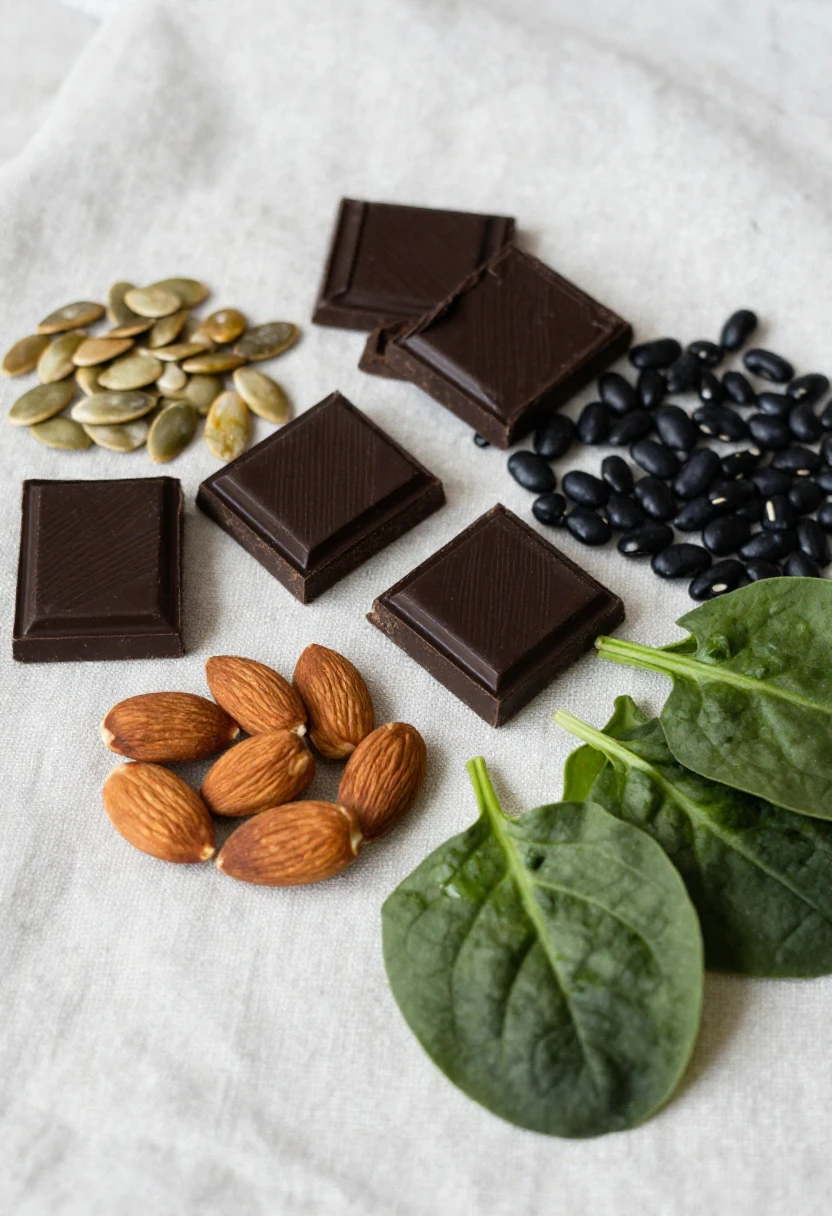
One more thing worth mentioning: magnesium-rich foods are worth prioritizing regardless of whether you supplement. Dark leafy greens, pumpkin seeds, almonds, black beans, dark chocolate, and whole grains are all good sources. Supplementation fills the gap — but food should still be the foundation.
4. CoQ10 — Fuel for Your Mitochondria
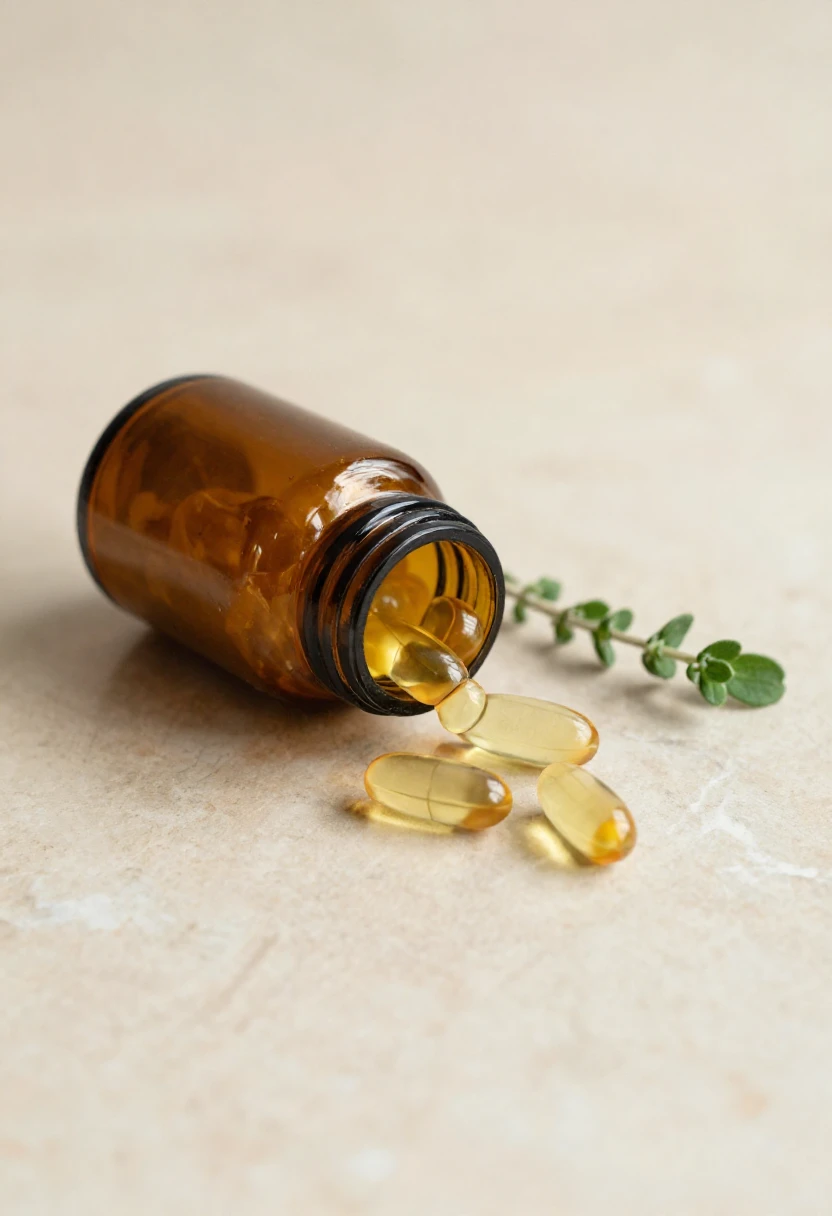
Some supplements work by calming your stress response. Others fill nutritional gaps. CoQ10 does something different — it works at the most fundamental level of energy production, inside the mitochondria themselves. If you’ve ever felt like your energy just isn’t what it used to be — even when everything else seems fine — this one is worth understanding.
What CoQ10 Actually Does Inside Your Cells
Coenzyme Q10 is a naturally occurring compound found in virtually every cell in your body. Your body produces it on its own, and you also get small amounts from food. It concentrates most heavily in the organs with the highest energy demands — your heart, liver, kidneys, and brain.
Its primary job is to act as an electron carrier in the mitochondrial respiratory chain — the process by which your cells generate ATP. Think of it as a relay runner passing the baton in the final stretch of energy production. Without CoQ10 doing its job, that chain slows down, ATP output drops, and cells — particularly in energy-hungry tissues — start to underperform.
Beyond energy production, CoQ10 is also a powerful antioxidant. It helps protect mitochondria from oxidative damage, which is significant because mitochondria are particularly vulnerable to the free radicals they generate during normal energy metabolism. CoQ10 essentially helps keep the machinery clean while it runs.
The practical result of healthy CoQ10 levels? Better cellular energy output, less oxidative stress, and — for many people — noticeably improved stamina and reduced fatigue.
Who Benefits Most (And Why Levels Drop With Age)
Here’s the part that catches a lot of people off guard: your body’s natural CoQ10 production peaks in your mid-twenties and then steadily declines. By the time you’re in your 40s or 50s, levels can be significantly lower than they were in your younger years. This is one of the reasons energy tends to quietly fade with age even in otherwise healthy people — it’s not just lifestyle, it’s biochemistry.
Beyond age, there are other factors that deplete CoQ10:
- Statin medications — this is one of the most well-documented drug-nutrient interactions in medicine. Statins work by blocking an enzyme called HMG-CoA reductase — the same pathway the body uses to produce CoQ10. People on statins often experience muscle fatigue and weakness as a side effect, and CoQ10 depletion is believed to be a significant contributing factor. If you’re on a statin and feeling unusually tired or experiencing muscle aches, this is worth discussing with your doctor.
- Intense physical training — athletes and people with very active lifestyles burn through CoQ10 faster
- Chronic illness — conditions like heart failure, diabetes, and chronic fatigue syndrome are associated with lower CoQ10 levels
- Poor diet — while food sources exist, it’s difficult to get therapeutic amounts from diet alone
Ubiquinol vs. Ubiquinone — Which Form to Choose
When you start shopping for CoQ10, you’ll quickly encounter two forms: ubiquinone and ubiquinol. They’re related but not identical, and the difference matters.
Ubiquinone is the oxidized form — the traditional CoQ10 that’s been in supplements for decades. It’s effective, but the body needs to convert it to ubiquinol before it can be used.
Ubiquinol is the reduced, active form — the version that’s already ready to work. It’s more bioavailable, meaning more of what you take actually makes it into your cells.
For younger, healthy adults, ubiquinone works fine — the conversion process is efficient. But for people over 40, those on statins, or anyone with compromised absorption, ubiquinol is the smarter choice. Yes, it costs more. But you’re likely absorbing significantly more of what you’re paying for.
Practical guidance:
- Typical dose: 100–200mg per day for general energy support; up to 300mg for those on statins or with higher needs
- Best time: With your largest meal of the day — CoQ10 is fat-soluble, so it absorbs significantly better when taken with food containing some fat
- Consistency matters: It takes 4–12 weeks of regular use to build up meaningful tissue levels, so don’t judge it after a week
- Food sources: Organ meats (especially heart and liver), fatty fish, beef, chicken, and peanuts all contain CoQ10 — but in amounts far too small to be therapeutic on their own
CoQ10 is one of those supplements that tends to work quietly in the background. You might not notice a dramatic shift overnight. But over weeks of consistent use, many people describe a steadier, more reliable energy — less of the mid-afternoon crash, better exercise recovery, and a general sense that their body is running more smoothly.
5. Rhodiola Rosea — The Adaptogen for Mental and Physical Stamina

If ashwagandha is the adaptogen for winding down and recovering, Rhodiola is its more energizing counterpart. Where ashwagandha works slowly and calmly in the background, Rhodiola is sharper — more immediate. People who take it often describe feeling more alert, more focused, and more capable of pushing through demanding days without hitting a wall.
It’s become a favorite among students, athletes, and anyone navigating long stretches of high performance — and for good reason.
Its Roots in Traditional Medicine
Rhodiola rosea is a flowering plant that grows in the cold, high-altitude regions of Europe and Asia — the Arctic, Siberia, Scandinavia, and the mountains of Central Asia. It’s been used for centuries in traditional Russian and Scandinavian medicine, where it was prized for helping people endure harsh physical conditions, long winters, and demanding physical labor.
During the Cold War, Soviet scientists studied it extensively as part of a broader research program into performance-enhancing natural compounds. Much of that research was classified at the time, but when it eventually became available to the wider scientific community, it sparked serious interest in Rhodiola as a legitimate therapeutic herb.
Today it’s one of the most well-researched adaptogens available, with a solid and growing body of clinical evidence behind it.
How It Fights Both Mental Fog and Physical Fatigue
Rhodiola works through several mechanisms, and what makes it particularly interesting is that it addresses both mental and physical fatigue — often simultaneously.
On the mental side:
Rhodiola influences key neurotransmitters — particularly serotonin, dopamine, and norepinephrine — by inhibiting the enzymes that break them down. The result is improved mood, sharper focus, better working memory, and reduced mental fatigue under stress. Several studies have shown meaningful improvements in cognitive performance, reaction time, and mental endurance in people taking Rhodiola during periods of high stress or sleep deprivation.
One well-cited study involving night-shift physicians found that those taking Rhodiola performed significantly better on cognitive tests and reported less mental fatigue compared to those on placebo — after just two weeks of use.
On the physical side:
Rhodiola appears to improve the efficiency of energy metabolism during exercise, reduce the buildup of lactic acid in muscles, and decrease markers of exercise-induced stress. Athletes using it report better endurance, faster recovery, and less of that heavy, depleted feeling after intense training sessions.
It also has a meaningful impact on cortisol regulation — similar to ashwagandha, but with a more stimulating rather than sedating effect. This makes it particularly useful during periods of acute stress or high cognitive demand rather than for chronic burnout recovery.
The key active compounds responsible for most of these effects are rosavins and salidroside — and these are what you want to look for on a supplement label to ensure you’re getting a properly standardized extract.
Best Time to Take It
Timing matters more with Rhodiola than with most supplements on this list — and getting it wrong can work against you.
Because of its mildly stimulating effect, Rhodiola works best when taken earlier in the day:
- Morning on an empty stomach is the most commonly recommended approach — it tends to absorb well and sets a clean, focused tone for the day
- Before mentally demanding work or exercise is another effective window
- Avoid taking it in the afternoon or evening — it can interfere with falling asleep, which would obviously defeat the entire purpose
A few more practical points:
- Typical dose: 200–400mg of standardized extract per day (look for 3% rosavins and 1% salidroside on the label)
- Start low: Begin at the lower end of the dose range and see how your body responds — some people are quite sensitive to it
- Cycle it: Like ashwagandha, many herbalists and practitioners recommend cycling Rhodiola — taking it for 6–8 weeks, then having a 2–week break before resuming. This helps prevent the body from adapting to it and reduces the effect over time.
- Not for everyone: People with bipolar disorder or those sensitive to stimulants should approach Rhodiola cautiously and speak with a healthcare provider first
What sets Rhodiola apart from a lot of other energy supplements is that the effect feels clean. There’s no jitteriness, no spike-and-crash, no racing heart. Just a quiet sharpening — like turning up the brightness on a screen that was slightly too dim.
How to Choose the Right Supplement for You

Five supplements, five different mechanisms, five different ideal users. The natural next question is: where do you actually start?
The honest answer is that there’s no universal stack that works for everyone. What helps one person feel noticeably better might do very little for another — because the underlying reasons for fatigue vary from person to person. The goal is to match the supplement to the actual problem, not just reach for whatever has the most impressive marketing.
Start With Testing, Not Guessing
Before spending money on supplements, it’s worth getting some basic bloodwork done. A few targeted tests can tell you more about your energy levels than any supplement label ever will.
Ask your doctor to check:
- Vitamin B12 and folate — deficiency here is common and very correctable
- Full blood count — to rule out anemia, which is a frequent and often missed cause of fatigue
- Ferritin (iron stores) — you can have normal hemoglobin but depleted iron stores, which still causes exhaustion
- Thyroid function (TSH, free T3, free T4) — an underactive thyroid mimics almost every symptom of fatigue
- Vitamin D — low vitamin D is extraordinarily common and strongly linked to low energy and mood
- Magnesium (RBC magnesium) — ask specifically for red blood cell magnesium, not just serum magnesium, for a more accurate picture
This isn’t about being overly cautious — it’s about being smart. If your B12 is critically low, no amount of Rhodiola is going to fix how you feel. But a simple B12 injection or supplement might turn things around within weeks.
Combining Supplements Safely
Good news: the five supplements on this list are generally safe to combine, and many people do take more than one simultaneously. But a few practical guidelines are worth keeping in mind:
Complementary pairings that make sense:
- Magnesium + Ashwagandha — both support the stress response and sleep quality, and they work well together in an evening routine
- B-complex + CoQ10 — both operate within energy metabolism pathways and complement each other naturally
- Rhodiola (morning) + Magnesium (evening) — a simple two-supplement approach that covers both ends of the energy equation: performance during the day, recovery at night
Things to be mindful of:
- Don’t start multiple new supplements at the same time. Introduce one, give it two to four weeks, and assess how you feel before adding another. If you start three things simultaneously and feel better — or worse — you won’t know which one is responsible.
- If you’re on any prescription medications, check for interactions before starting. Ashwagandha and Rhodiola in particular can interact with thyroid medications, immunosuppressants, and certain antidepressants.
- More is not better. Doubling the dose of any of these supplements won’t double the effect — and with some, it can cause unwanted side effects.
Lifestyle First — Supplements Second
This is the part that’s easy to skip over but genuinely matters.
Supplements are exactly what the name suggests — supplemental. They work best when they’re supporting a foundation that’s already reasonably solid. If you’re sleeping five hours a night, eating mostly processed food, never moving your body, and under relentless stress, even the best supplement stack will only take you so far.
The basics still apply:
- Sleep is non-negotiable. Seven to nine hours for most adults, with a consistent schedule. No supplement replaces this.
- Movement — even 20–30 minutes of walking daily improves mitochondrial function, reduces cortisol, and boosts mood more reliably than most supplements
- Protein at every meal — skipping protein leads to blood sugar swings that cause energy crashes that feel exactly like fatigue
- Hydration — mild dehydration is a surprisingly common and completely overlooked cause of afternoon tiredness
- Sunlight in the morning — ten minutes of natural light exposure within an hour of waking does more for your circadian rhythm and daytime energy than most people realize
Think of it this way: supplements close the gap between where you are and where you could be. But the lifestyle habits determine how wide that gap is in the first place.
Get the basics right, identify what might actually be missing through testing, and then use these five supplements as precise, targeted tools — not as a substitute for taking care of yourself.
That’s when they actually work.
Conclusion
Persistent, low-grade fatigue is one of those things that’s easy to normalize — to accept as just part of being a busy adult in a demanding world. But it doesn’t have to be your baseline.
The five supplements covered in this article — ashwagandha, B vitamins, magnesium, CoQ10, and Rhodiola rosea — each work through distinct, well-researched mechanisms. They’re not magic. They won’t override poor sleep or a chaotic lifestyle. But when used thoughtfully, as part of a broader approach to health, they can make a genuinely meaningful difference in how you feel day to day.
Start with one. Give it real time to work. Pay attention to how your body responds. And remember that the goal isn’t to feel artificially wired — it’s to feel like yourself again, running at full capacity, without the crash.
That’s an entirely reasonable thing to want. And it’s more achievable than most people think.
Frequently Asked Questions
Q: How long does it take for natural energy supplements to work? It depends on the supplement and the individual. Rhodiola can produce noticeable effects within a few days. Ashwagandha typically takes two to four weeks of consistent use. Magnesium and B vitamins can show results within one to three weeks, especially if deficiency was the underlying issue. CoQ10 takes the longest — often four to twelve weeks to build up meaningful tissue levels. Patience and consistency matter more than anything else here.
Q: Can I take all five supplements together? Most of them can be safely combined, and many people do. The key is to introduce them one at a time rather than all at once, so you can gauge how each one affects you individually. If you’re on prescription medications — particularly statins, thyroid medications, or antidepressants — check with your doctor before adding ashwagandha or Rhodiola specifically.
Q: Are natural energy supplements safe for long-term use? B vitamins, magnesium, and CoQ10 are generally safe for long-term daily use at standard doses. Ashwagandha and Rhodiola are adaptogens that many practitioners recommend cycling — taking for eight to twelve weeks, then pausing for two to four weeks before resuming. This helps maintain their effectiveness over time.
Q: What if I try these supplements and still feel exhausted? If fatigue persists despite lifestyle improvements and targeted supplementation, it’s worth going back to basics — specifically, bloodwork. Conditions like thyroid dysfunction, anemia, low ferritin, vitamin D deficiency, or sleep apnea can all cause significant fatigue that supplements alone won’t resolve. Persistent exhaustion always deserves a proper medical evaluation.