Contents
- What Makes Indian Sweets So Unique
- 1. Gulab Jamun
- 2. Jalebi
- 3. Kaju Katli
- 4. Motichoor Laddu
- 5. Rasgulla
- 6. Gajar Ka Halwa
- 7. Besan Barfi
- 8. Karachi Halwa
- 9. Ghevar
- 10. Sandesh
- How to Enjoy Indian Sweets: Serving & Pairing Tips
- Indian Sweets by Occasion
- Tips for First-Time Tryers of Indian Sweets
- Frequently Asked Questions About Indian Sweets
- Final Thoughts: A Sweet Introduction to Indian Culture
In India, sweets are never just dessert.
They mark beginnings and endings. They appear at weddings, festivals, prayers, and family gatherings. A box of sweets is often the first thing offered to guests — a gesture of welcome, celebration, and shared joy. To taste Indian sweets is to taste tradition, memory, and emotion, layered carefully with sugar, spice, and centuries of craft.
At Book of Foods, we love exploring dishes that tell a story — and Indian sweets, known collectively as mithai, are some of the most expressive in the world. Each region, city, and even family has its own recipes, techniques, and preferences, passed down through generations. Some sweets are soft and syrupy, others dense and nutty, some crisp and golden, others delicate and melt-in-your-mouth.
What makes Indian desserts especially captivating is their variety of textures and flavors. Milk is transformed into rich solids, nuts are ground into silken pastes, sugar becomes fragrant syrup infused with cardamom, saffron, or rose water. These are sweets meant to be savored slowly — often in small portions, but with lasting impression.
For newcomers, Indian sweets can feel overwhelming at first. There are dozens of names, unfamiliar ingredients, and flavors that don’t resemble Western desserts. But that’s also where the magic lies. Once you take the first bite — a soft gulab jamun soaked in syrup, or a thin slice of cashew-rich kaju katli — curiosity quickly turns into appreciation.
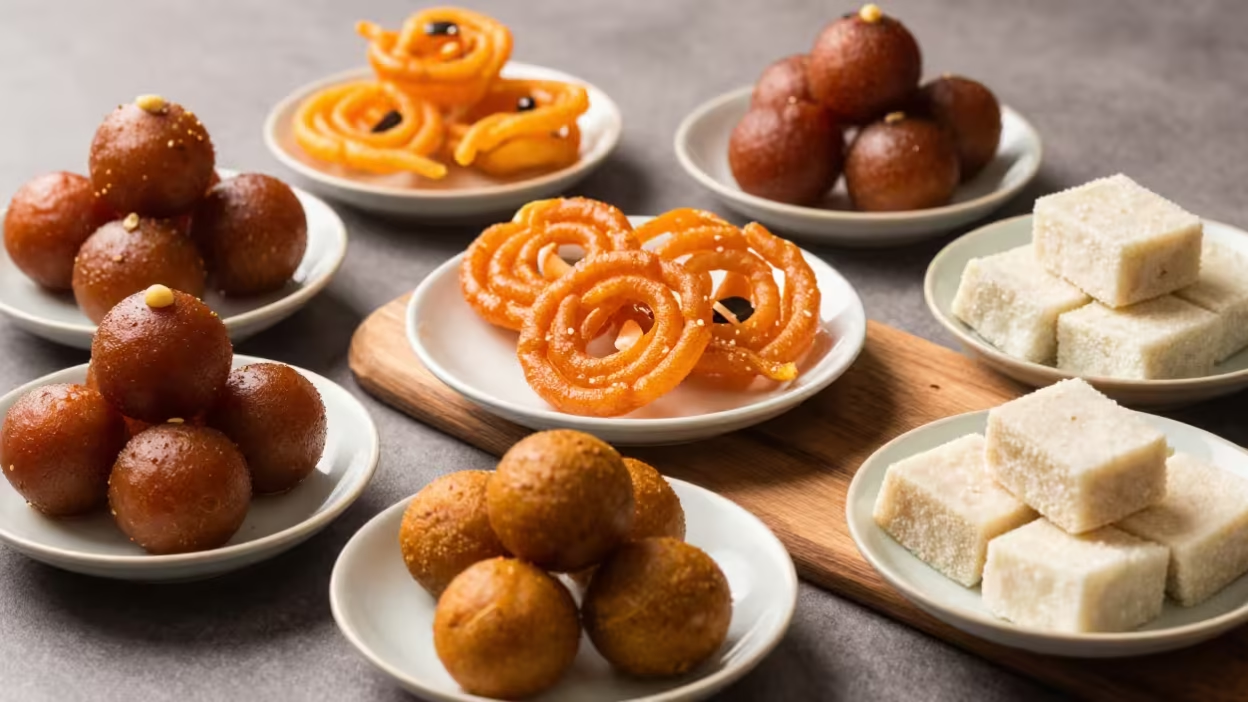
This guide brings together 10 must-try Indian sweets that beautifully represent the diversity of India’s dessert culture. Whether you’re exploring Indian cuisine for the first time or rediscovering old favorites, these sweets offer a perfect starting point — each one beloved, iconic, and deeply rooted in tradition.
Let’s begin our sweet journey through India, one unforgettable bite at a time.
What Makes Indian Sweets So Unique
Indian sweets stand apart not because they are simply sweet — but because they are carefully layered in flavor, texture, and meaning. Every bite reflects a balance between richness and restraint, tradition and creativity.
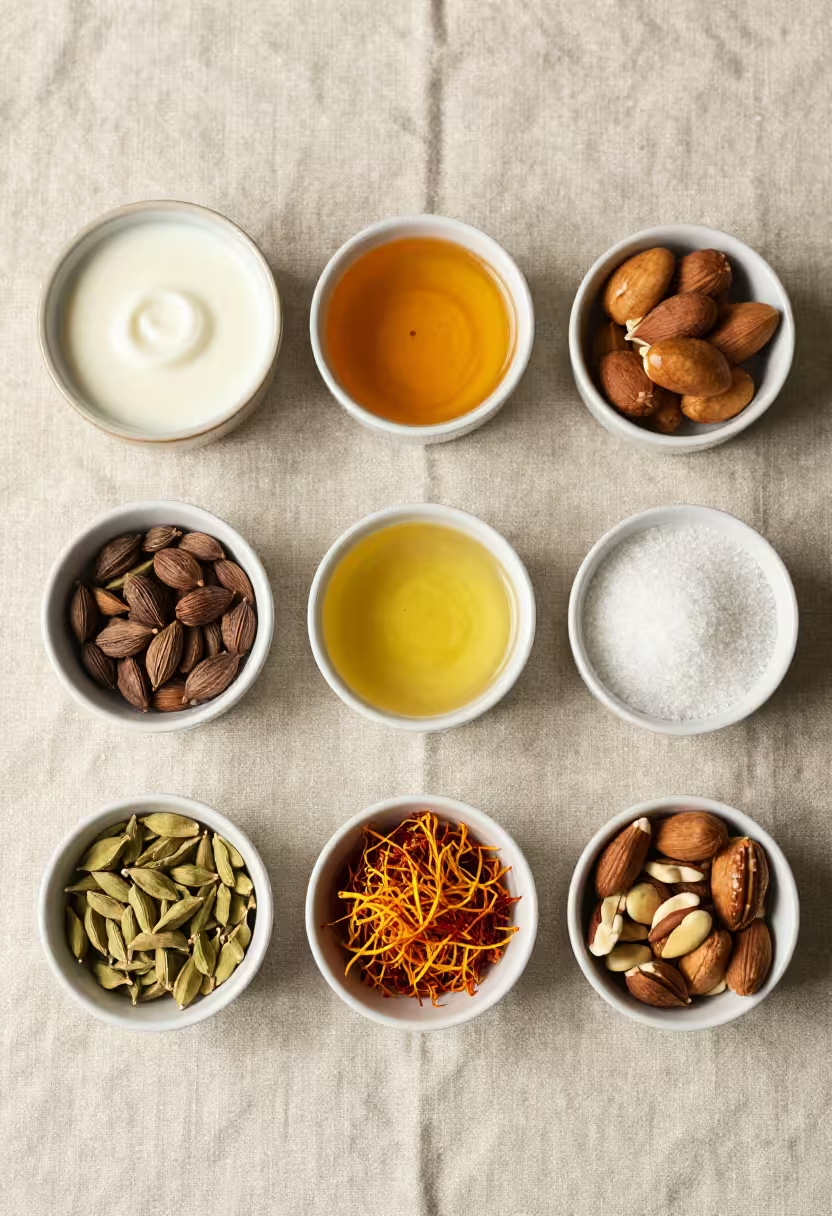
One of the most defining features of Indian sweets is their foundation in dairy. Milk is slowly simmered, reduced, and transformed into khoya (milk solids), paneer, or condensed textures that create depth and creaminess. This process alone can take hours, and it’s where much of the flavor develops.
Then there’s ghee — clarified butter that adds warmth, aroma, and a distinctive richness. Used sparingly but intentionally, ghee gives many sweets their signature melt-in-the-mouth quality.
Fragrance Over Sweetness
Unlike many desserts that rely purely on sugar, Indian sweets often emphasize aroma just as much as sweetness. Cardamom, saffron, rose water, kewra, and nutmeg are used to elevate flavor without overpowering it.
This is why even syrup-soaked sweets rarely feel flat — they’re fragrant, complex, and surprisingly balanced.
A Celebration of Texture
Indian sweets are textural by design:
- Soft and spongy
- Crisp and syrupy
- Dense and fudgy
- Creamy and grainy
Each texture serves a purpose, offering contrast and interest with every bite.
Deep Cultural Roots
Mithai is closely tied to rituals and celebrations. Many sweets are prepared for specific festivals — certain laddoos for Diwali, milk-based sweets for religious offerings, syrupy desserts for weddings and joyful milestones.
Sweets are shared, gifted, and offered — rarely eaten alone.
In India, sweetness is a language of generosity.
Regional Identity in Every Bite
From Bengal’s delicate paneer sweets to Rajasthan’s syrup-rich creations and South India’s ghee-forward desserts, Indian sweets vary dramatically by region. Climate, ingredients, and local traditions shape every recipe.
That diversity is what makes exploring Indian desserts so rewarding — no two regions taste the same.
Now that we understand what makes Indian sweets so special, it’s time to meet the stars themselves.
1. Gulab Jamun
If there is one Indian sweet that feels instantly familiar — even to first-time tasters — it’s gulab jamun.
These small, round dumplings are made from milk solids, gently fried until golden, then soaked in warm sugar syrup infused with cardamom and rose water. The result is soft, rich, and deeply comforting, with a texture that almost dissolves as soon as you bite into it.
Gulab jamun is often served warm, allowing the syrup to soak all the way through. It’s common at weddings, festivals, and celebrations — a sweet that signals joy and abundance.
One bite of gulab jamun feels like a celebration in miniature.
2. Jalebi
Bright orange, crisp, and unapologetically sweet, jalebi is impossible to miss.
Made by piping fermented batter into hot oil in spiral shapes, then dipping it into sugar syrup, jalebi offers a beautiful contrast: crunchy on the outside, juicy on the inside. It’s often enjoyed fresh and warm, sometimes paired with milk or yogurt to balance the sweetness.
Jalebi is a favorite street sweet — eaten in the morning in some regions, and during festivals in others.
3. Kaju Katli
Elegant, understated, and intensely flavorful, kaju katli is a celebration of simplicity.
Made primarily from finely ground cashews and sugar, this sweet is cooked into a smooth paste and cut into thin diamond shapes. Its texture is soft yet firm, with a clean, nutty flavor that doesn’t overwhelm.
Often topped with edible silver leaf, kaju katli is a popular gift sweet — refined, rich, and universally loved.
4. Motichoor Laddu
At first glance, motichoor laddu looks playful. On the palate, it’s pure nostalgia.
Tiny fried droplets of chickpea flour are soaked in sugar syrup and gently bound together into soft, fragrant spheres. Lightly scented with cardamom and sometimes saffron, motichoor laddu is especially common at religious celebrations and weddings.
Its texture is delicate, almost crumbly, yet moist — sweet without being heavy.
5. Rasgulla
Soft, spongy, and refreshingly light, rasgulla offers a different side of Indian sweets.
Made from paneer balls cooked in light sugar syrup, rasgullas are gently squeezed before serving to release excess syrup. The result is airy and delicate, with a subtle sweetness that feels surprisingly refreshing.
Originating from eastern India, rasgulla is often enjoyed chilled — a perfect contrast to richer desserts.
6. Gajar Ka Halwa
Few sweets feel as seasonal and comforting as gajar ka halwa.
Made by slow-cooking grated carrots with milk, ghee, sugar, and cardamom, this halwa is traditionally enjoyed in winter. As the carrots soften and the milk reduces, the flavors deepen into something rich, warm, and nostalgic.
Served warm and often topped with nuts, gajar ka halwa feels like a dessert meant to be savored slowly.
7. Besan Barfi
Earthy, nutty, and deeply satisfying, besan barfi is made from roasted chickpea flour, ghee, and sugar.
The key lies in the roasting — done patiently to bring out a warm, toasty aroma. Once set and sliced, the barfi has a dense, fudge-like texture with a comforting richness.
It’s a sweet that feels homemade, familiar, and grounding.
8. Karachi Halwa
Glossy, chewy, and slightly translucent, Karachi halwa stands out both visually and texturally.
Made with cornstarch, sugar, ghee, and nuts, this sweet has a jelly-like consistency that’s surprisingly satisfying. Often studded with cashews or pistachios, it’s sweet, aromatic, and visually striking.
Karachi halwa is popular across India and often appears on festive sweet trays.
9. Ghevar
A specialty from Rajasthan, ghevar is unlike any other sweet.
This disc-shaped dessert is made by pouring batter into hot ghee, creating a honeycomb-like structure. Once cooked, it’s soaked in syrup and sometimes topped with cream or nuts.
Crisp, syrupy, and dramatic in appearance, ghevar is closely associated with festivals and special occasions.
10. Sandesh
Delicate and refined, sandesh is a paneer-based sweet from West Bengal.
Lightly sweetened and gently flavored, sandesh allows the freshness of milk to shine. It’s often shaped into small, elegant forms and flavored with cardamom or saffron.
Compared to syrup-heavy sweets, sandesh feels restrained and subtle — a quiet ending to a rich dessert journey.
These ten sweets offer just a glimpse into India’s vast dessert tradition — but they’re a beautiful place to begin.
How to Enjoy Indian Sweets: Serving & Pairing Tips

Indian sweets are meant to be enjoyed thoughtfully. They’re rich, aromatic, and often deeply satisfying in small amounts. Knowing how to serve and pair them can make the experience even more memorable — whether you’re tasting them for the first time or sharing them with others.
Serve at the Right Temperature
Temperature makes a noticeable difference.
- Syrup-based sweets like gulab jamun and jalebi are best enjoyed slightly warm, allowing the syrup to stay fragrant and fluid.
- Milk-based sweets like rasgulla or sandesh are often served chilled or at cool room temperature for a lighter feel.
- Dense sweets like kaju katli or besan barfi shine at room temperature, where their texture and flavor are fully expressed.
Letting sweets rest outside the fridge before serving helps bring out their aroma.
Keep Portions Small and Intentional
Indian sweets are traditionally served in small portions — not because they’re lacking, but because they’re rich.
A single piece, enjoyed slowly, often feels more satisfying than a large slice eaten quickly. This approach encourages tasting, noticing texture, and appreciating flavor rather than rushing through dessert.
Pair with Warm Drinks
Sweets pair beautifully with warm beverages that balance their richness.
- Masala chai enhances spice and sweetness
- Plain black tea cuts through syrupy desserts
- Coffee works well with nut-based sweets
- Warm milk is often served alongside street sweets like jalebi
These pairings help cleanse the palate and create a cozy, grounded experience.
Taste from Light to Rich
If you’re serving multiple sweets, order matters.
Start with lighter, milk-based desserts like rasgulla or sandesh, then move toward richer options like kaju katli, halwa, or gulab jamun. This progression allows each sweet to shine without overwhelming the palate.
Share the Experience
Indian sweets are rarely eaten alone. They’re passed around, discussed, compared, and remembered.
Sweets taste better when shared — especially when stories come with them.
Enjoy them slowly, in good company, and without rushing to the next bite.
Indian Sweets by Occasion
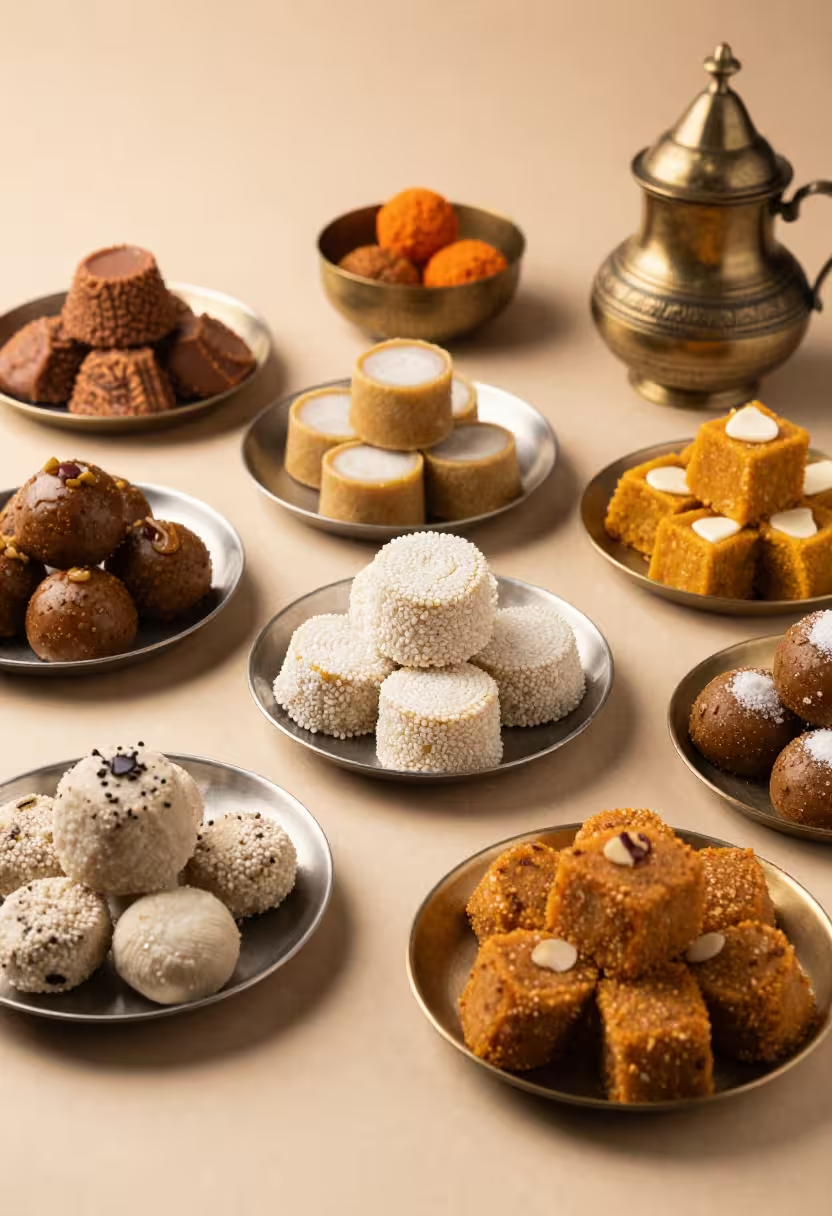
In India, sweets are deeply tied to when they’re eaten, not just what they are. Many desserts carry symbolic meaning and appear during specific celebrations, seasons, or life events. Knowing this adds another layer of appreciation to every bite.
Festivals: Sweetness as Celebration
Festivals are inseparable from sweets. During major celebrations like Diwali, Holi, Raksha Bandhan, and Navratri, mithai becomes a way to share joy and goodwill.
- Laddoos and barfi are commonly prepared and gifted
- Kaju katli is a popular festive sweet thanks to its richness and elegance
- Ghevar is closely associated with Teej and other regional festivals
Sweets are exchanged between families, neighbors, and friends — a tradition that turns dessert into a social ritual.
Weddings and Milestones
At weddings, engagements, births, and other milestones, sweets symbolize good fortune and new beginnings.
Large trays of assorted mithai are often presented to guests, featuring a mix of textures and flavors. Gulab jamun, rasgulla, and motichoor laddu are especially common — familiar, celebratory, and universally loved.
Religious Offerings
Many Indian sweets are prepared as prasad, offerings made during religious rituals and then shared among devotees.
Milk-based sweets, laddoos, and halwa are frequently used because of their purity and symbolism. These sweets are made with intention and care, often following traditional methods.
Seasonal Traditions
Some desserts are closely tied to the weather.
- Gajar ka halwa appears in winter, when carrots are at their sweetest
- Syrupy, fried sweets are more common during cooler months
- Lighter, milk-based sweets feel refreshing in warmer seasons
This seasonal rhythm reflects how Indian cuisine adapts naturally to climate and availability.
Everyday Sweet Moments
Not every sweet moment needs a grand occasion.
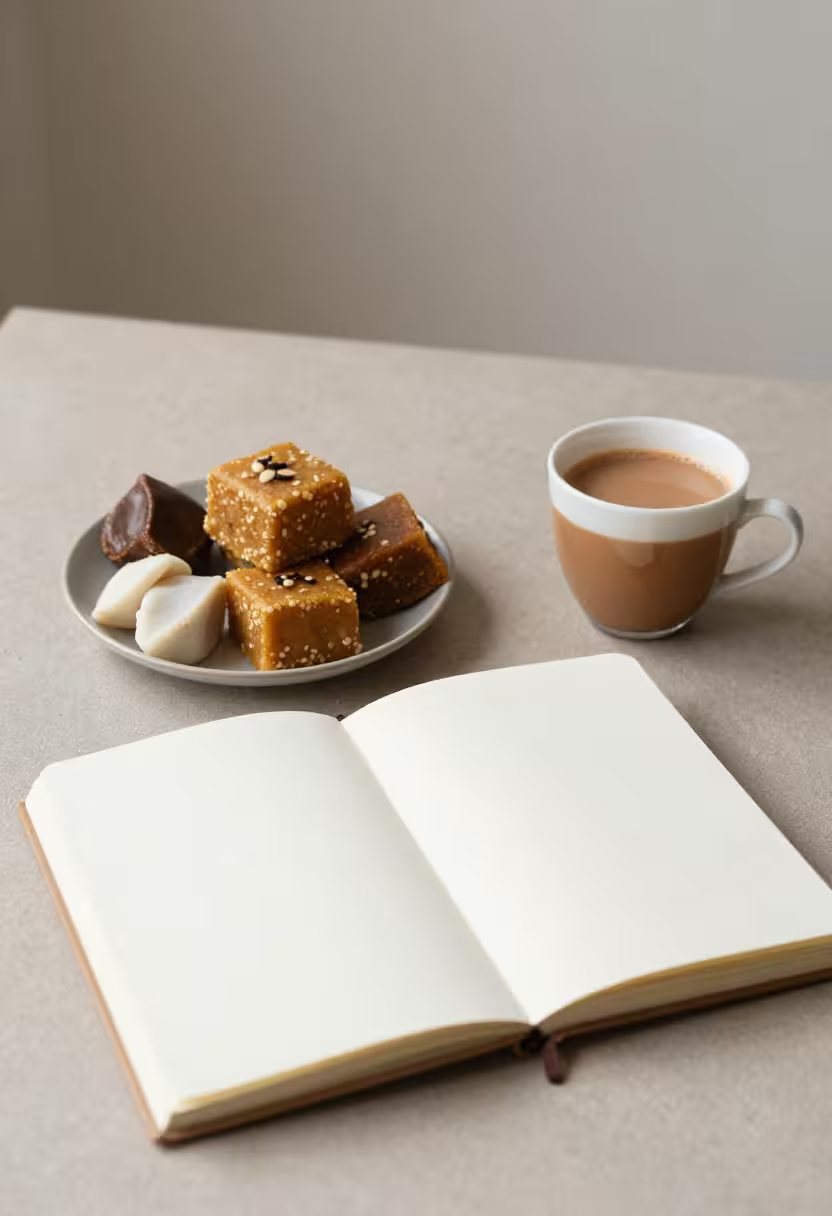
In many homes, sweets are enjoyed simply as an after-meal treat, with tea, or as a small reward at the end of the day. Even then, they’re rarely rushed — a small piece is enough to satisfy.
In Indian culture, sweets don’t just end a meal — they mark a moment.
Tips for First-Time Tryers of Indian Sweets

If you’re new to Indian sweets, the variety can feel both exciting and a little overwhelming. With so many textures, flavors, and names, it helps to know where to begin — and how to approach tasting with curiosity rather than expectation.
Start with Familiar Textures
If you’re used to Western-style desserts, begin with sweets that feel texturally familiar.
Good starting points include:
- Gulab jamun for lovers of soft, syrupy desserts
- Kaju katli if you enjoy nut-based confections
- Gajar ka halwa for something warm and comforting
These sweets ease you into Indian flavors without feeling too unfamiliar.
Expect Different Kinds of Sweetness
Indian sweets often taste sweeter at first — but the sweetness is usually balanced by aroma and richness rather than acidity.
Spices like cardamom and saffron add depth, preventing the flavors from becoming one-note. Take small bites and let the flavors unfold slowly.
Don’t Judge by Appearance Alone
Some Indian sweets are simple or even plain-looking, but incredibly flavorful once tasted. Others are vibrant and decorative but surprisingly subtle.
Let curiosity guide you more than visuals.
Try One or Two at a Time
Indian sweets are rich. Tasting too many at once can overwhelm the palate.
Choose one or two varieties, enjoy them slowly, and save others for another day. This approach keeps the experience enjoyable rather than heavy.
Buy from Reputable Sweet Shops
If possible, buy from a trusted Indian sweet shop or bakery. Freshness matters — especially for milk-based desserts.
Ask for recommendations. Many shop owners are happy to guide first-time customers.
Indian sweets reward patience — they’re meant to be discovered, not rushed.
Up next, we’ll answer some frequently asked questions about Indian sweets to clear up common curiosities and misconceptions.
Say “давай” when you’re ready 🍬📖
Let’s answer a few common questions to wrap everything together 🍬📖
Frequently Asked Questions About Indian Sweets
What does “mithai” mean?
Mithai is the Hindi term for sweets or desserts. It refers broadly to traditional Indian confections made from ingredients like milk, sugar, ghee, nuts, and spices. The word itself is often associated with celebration and sharing.
Are Indian sweets always very sweet?
They can be sweet, but not all in the same way. Some sweets are syrupy and rich, while others are mild, creamy, or nut-forward. Aroma and texture often balance the sweetness, especially in milk-based desserts.
Are Indian sweets vegetarian?
Yes — most traditional Indian sweets are vegetarian and egg-free. Many rely on dairy, nuts, and plant-based ingredients, making them suitable for a wide range of diets.
Are there gluten-free Indian sweets?
Many Indian sweets are naturally gluten-free, including kaju katli, rasgulla, sandesh, and gajar ka halwa. However, it’s always best to check ingredients, especially with fried or flour-based sweets.
How should Indian sweets be stored?
Storage depends on the type:
- Milk-based sweets should be refrigerated and eaten within a few days
- Dry sweets like barfi or laddu can last longer when stored in an airtight container
- Syrupy sweets should be kept covered to prevent drying out
Always follow the seller’s guidance for freshness.
Final Thoughts: A Sweet Introduction to Indian Culture
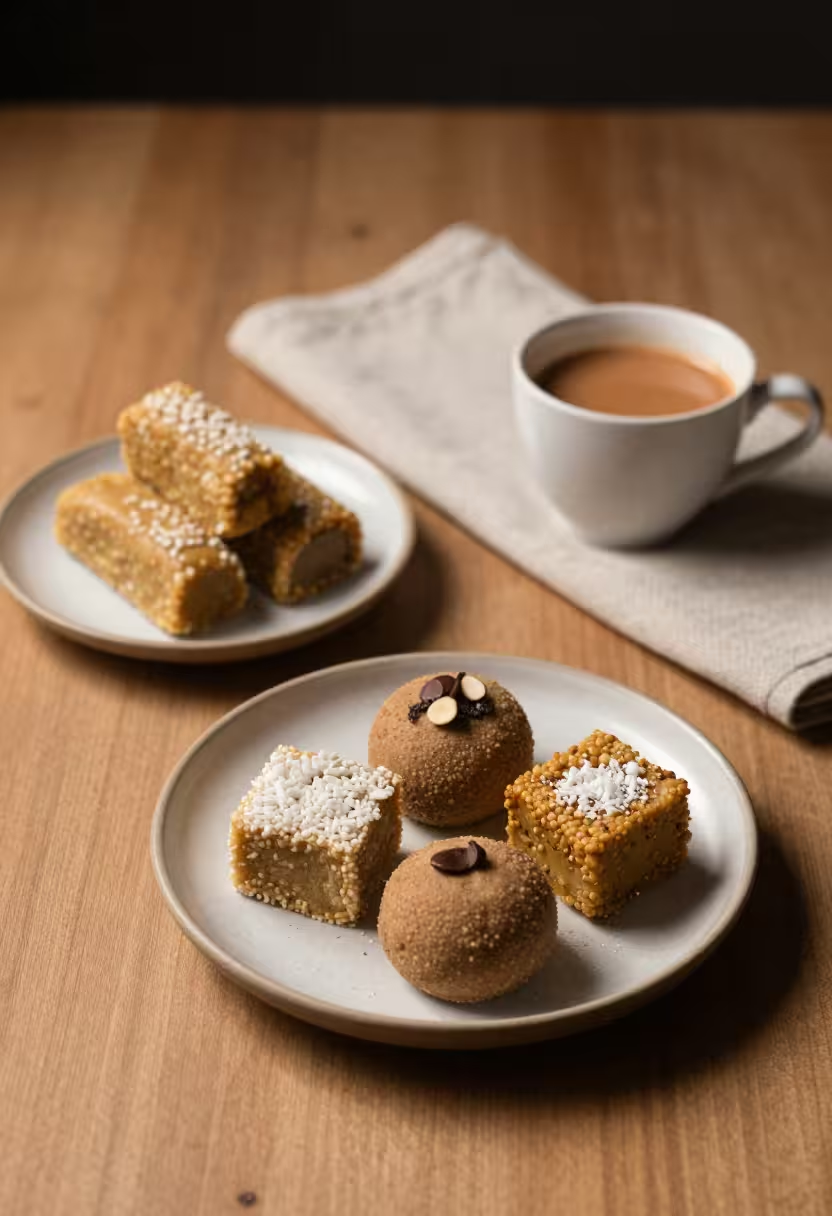
Indian sweets are more than a treat — they’re a window into tradition, generosity, and joy. Each piece carries history, regional identity, and the quiet art of patience.
Whether you start with a single gulab jamun or explore the full range of mithai, the experience invites you to slow down, taste deeply, and share the moment.
At Book of Foods, we believe that understanding food helps us understand people — and Indian sweets tell one of the sweetest stories of all.
If you’ve tried any of these desserts, or discovered a favorite of your own, let them become part of your own food memories.